





Time:2025-12-04 Views:1
A Comprehensive Guide to Large-capacity Portable Energy Storage Power Supplies
1. Definition and Core Differentiation
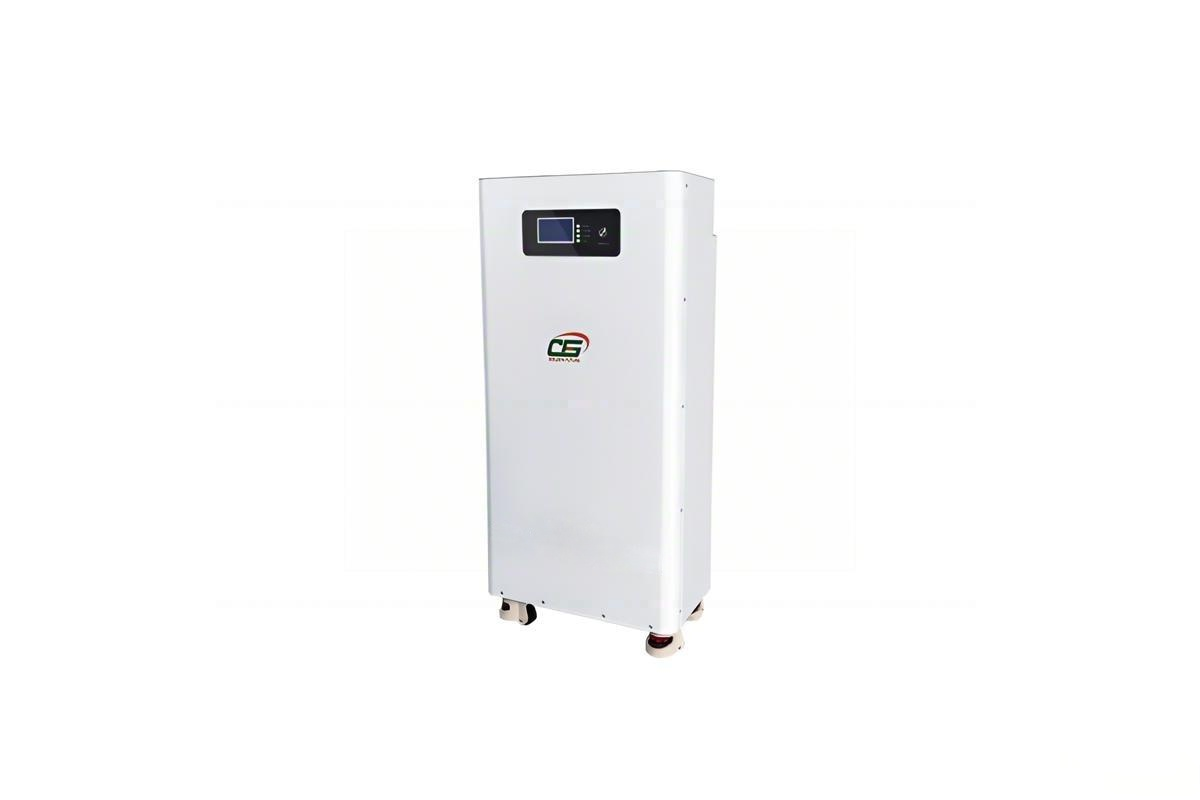
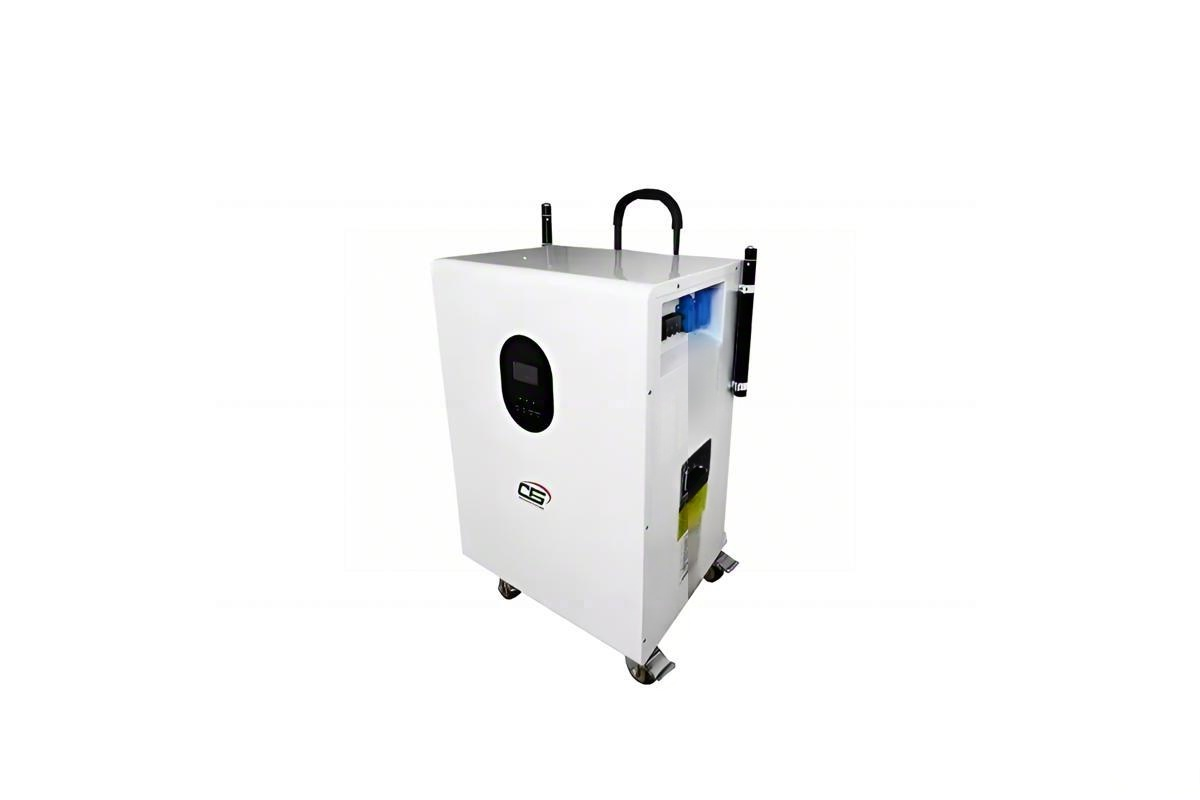
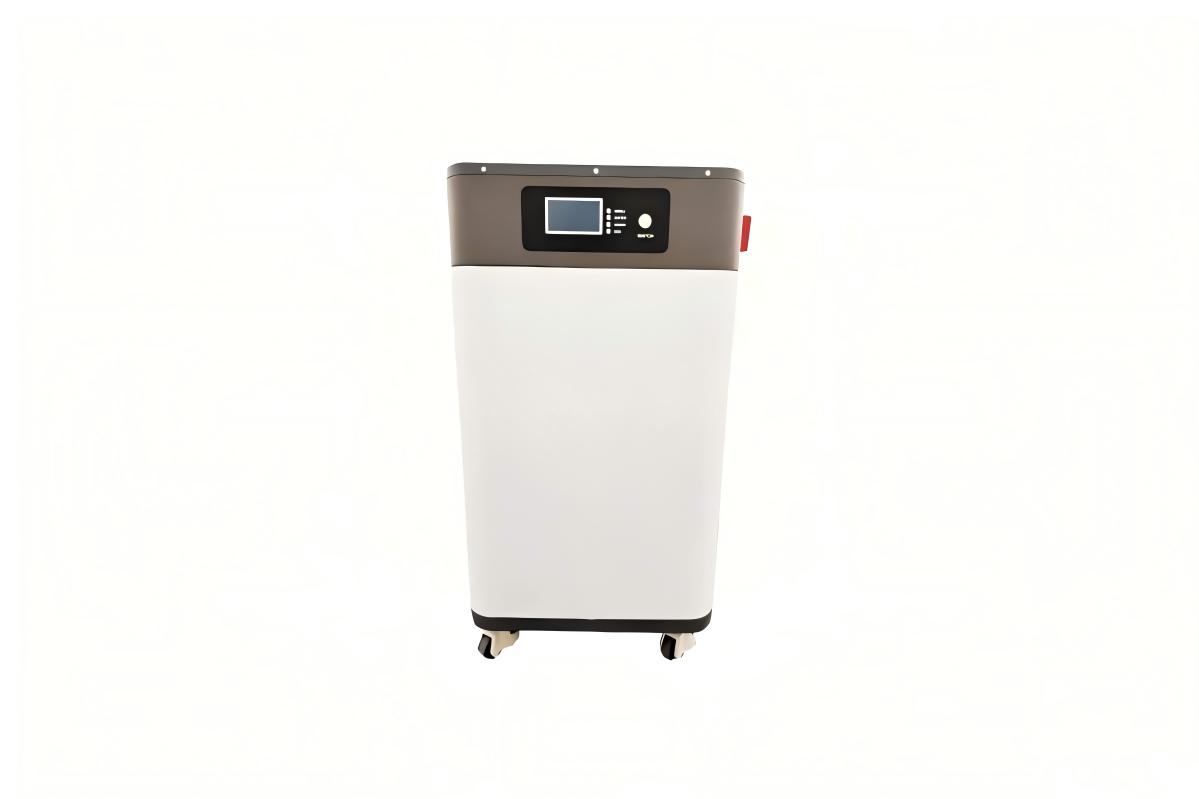
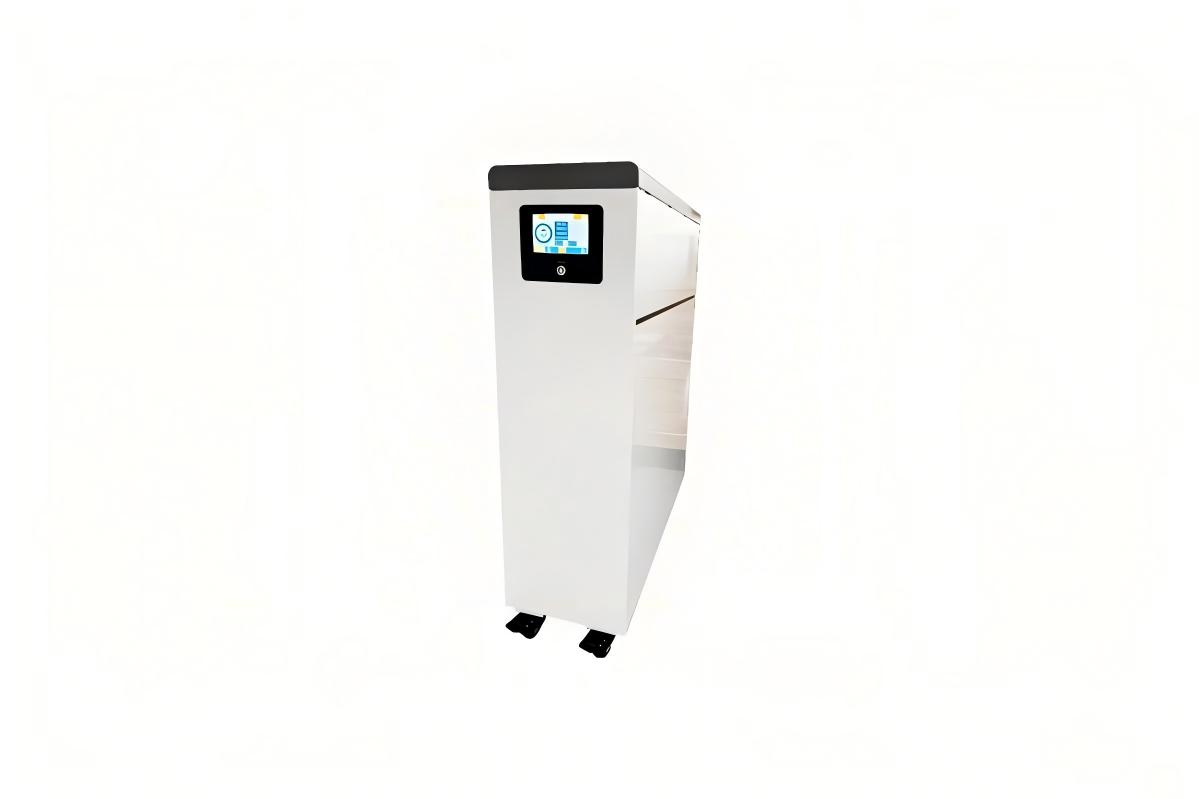
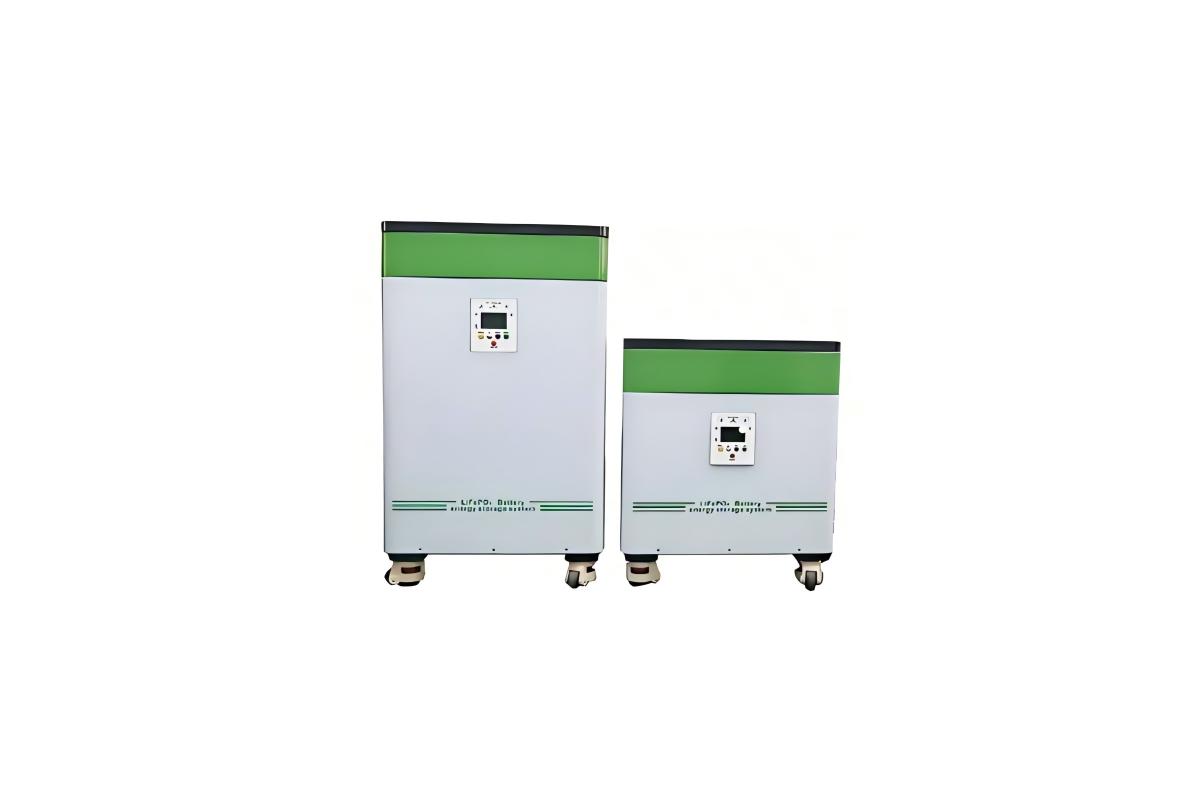
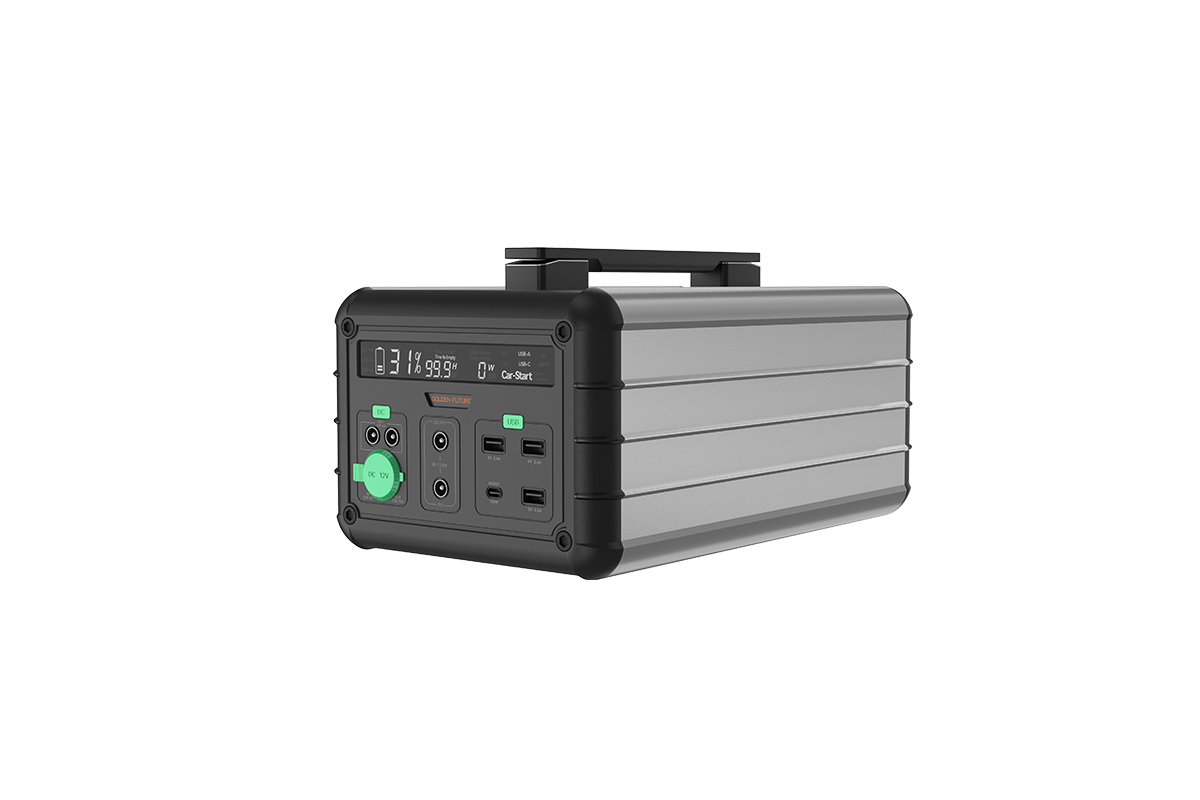
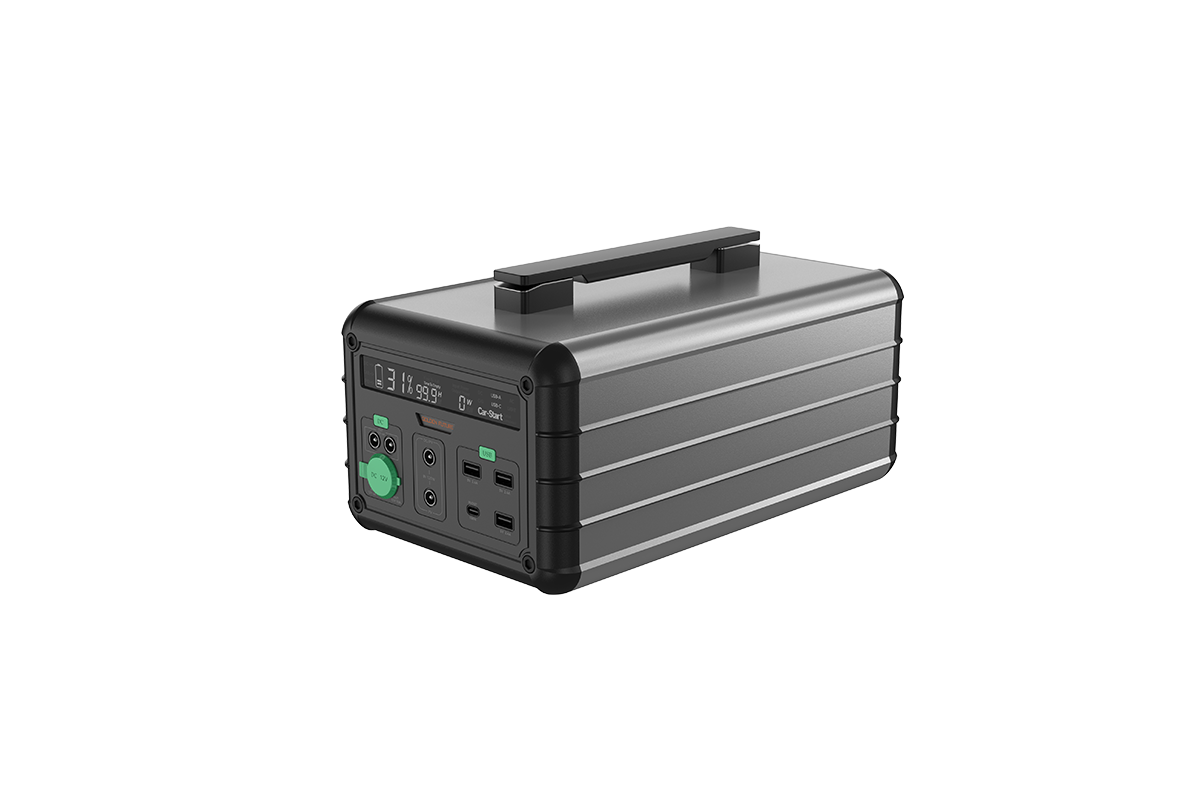
A large-capacity portable energy storage power supply is a high-energy-density storage device that balances high capacity (for long-duration, high-power power supply) and practical portability (for on-site mobility). Unlike ultra-portable models (100-500Wh, 1-3kg) or compact models (200-800Wh, 5-8kg), it pushes energy storage to the upper limit of "portability": typically with a capacity of 2000Wh-10000Wh (equivalent to powering a 100W refrigerator for 20-100 hours) and a weight of 10-30kg (movable via built-in handles or wheels, rather than being "handheld").
Its core positioning solves the "high-power, long-duration off-grid gap"—scenarios where small-capacity models fail to support medium-to-high-power devices (e.g., air conditioners, electric grills, power tools) or sustain power supply for more than 12 hours. It bridges the divide between small portable units and fixed energy storage systems (e.g., home battery banks), serving as a "mobile large-scale power station" for multi-person, long-term off-grid needs.
2. Core Design Features for Capacity & Portability Balance
2.1 High-Energy-Density Battery Technology
Battery Type Selection: Primarily uses lithium iron phosphate (LiFePO4) batteries—these offer 3000+ charge-discharge cycles (2-3x that of traditional lithium-ion batteries), high thermal stability (reducing fire risks), and compatibility with large-capacity configurations. For example, a 5000Wh model using LiFePO4 cells can maintain 80% capacity after 3000 cycles, suitable for long-term use.
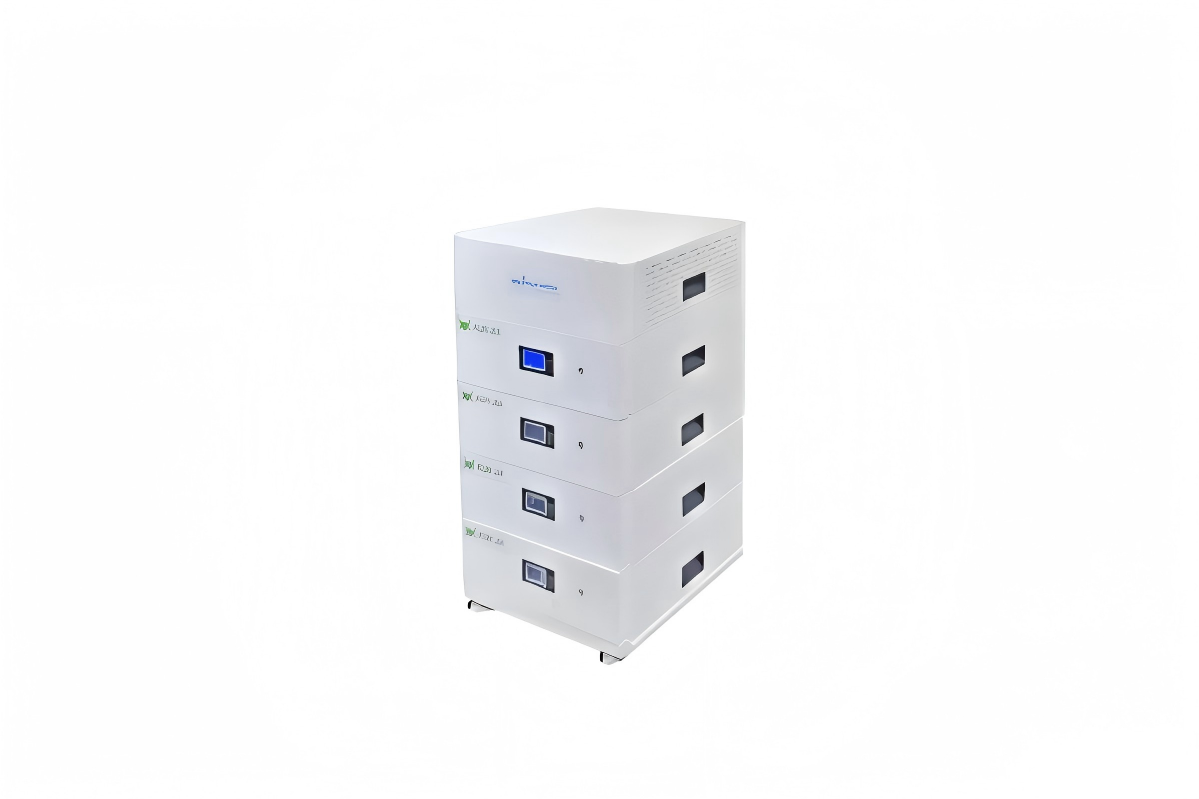
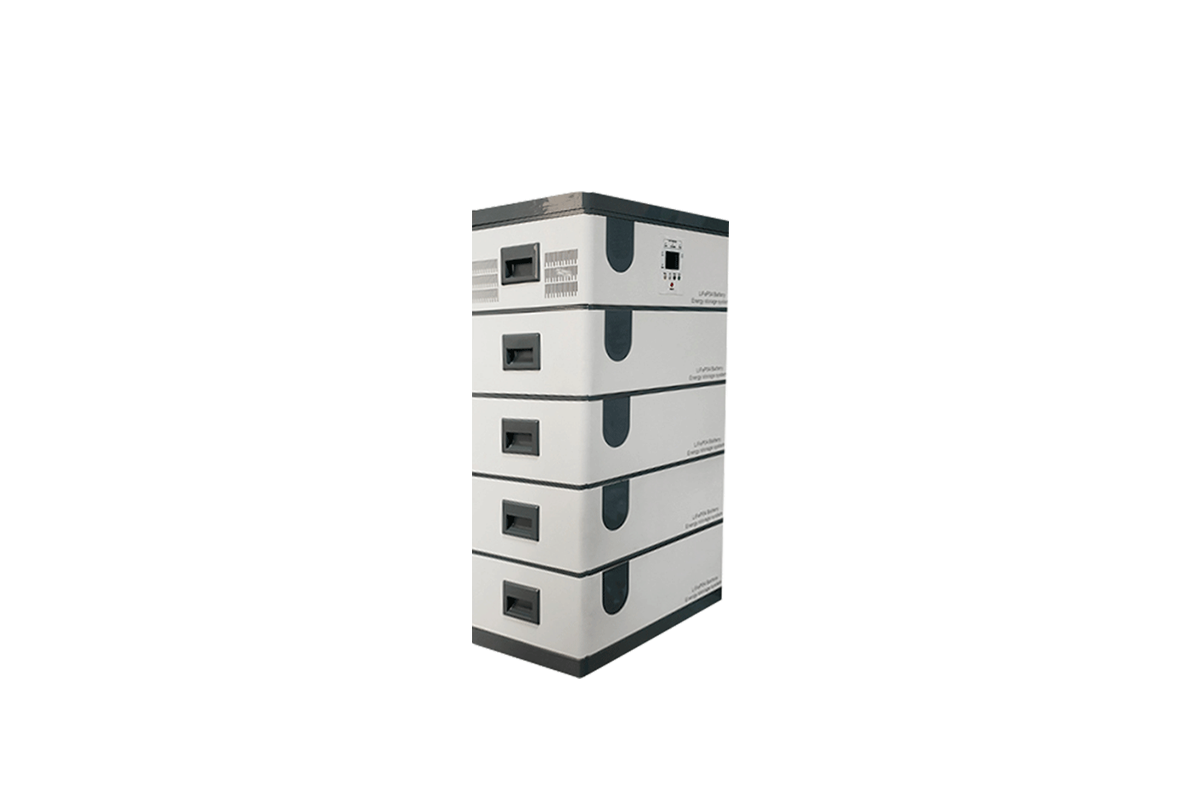
Battery Pack Modularity: Many models support expandable battery packs (e.g., adding a 2000Wh external pack to a 3000Wh base unit) to flexibly increase capacity without replacing the entire device. This avoids the bulk of a single large battery pack and adapts to varying needs.
2.2 High-Power Output Capability
Dual-Inverter Configuration: Equipped with high-power pure sine wave inverters, supporting 1000W-3000W continuous AC output and 2000W-6000W peak output (to handle startup surges of motor-driven devices like air conditioners or water pumps). For instance, a 3000W continuous output model can power a 1.5HP window air conditioner (1200W) and a 500W mini-fridge simultaneously.
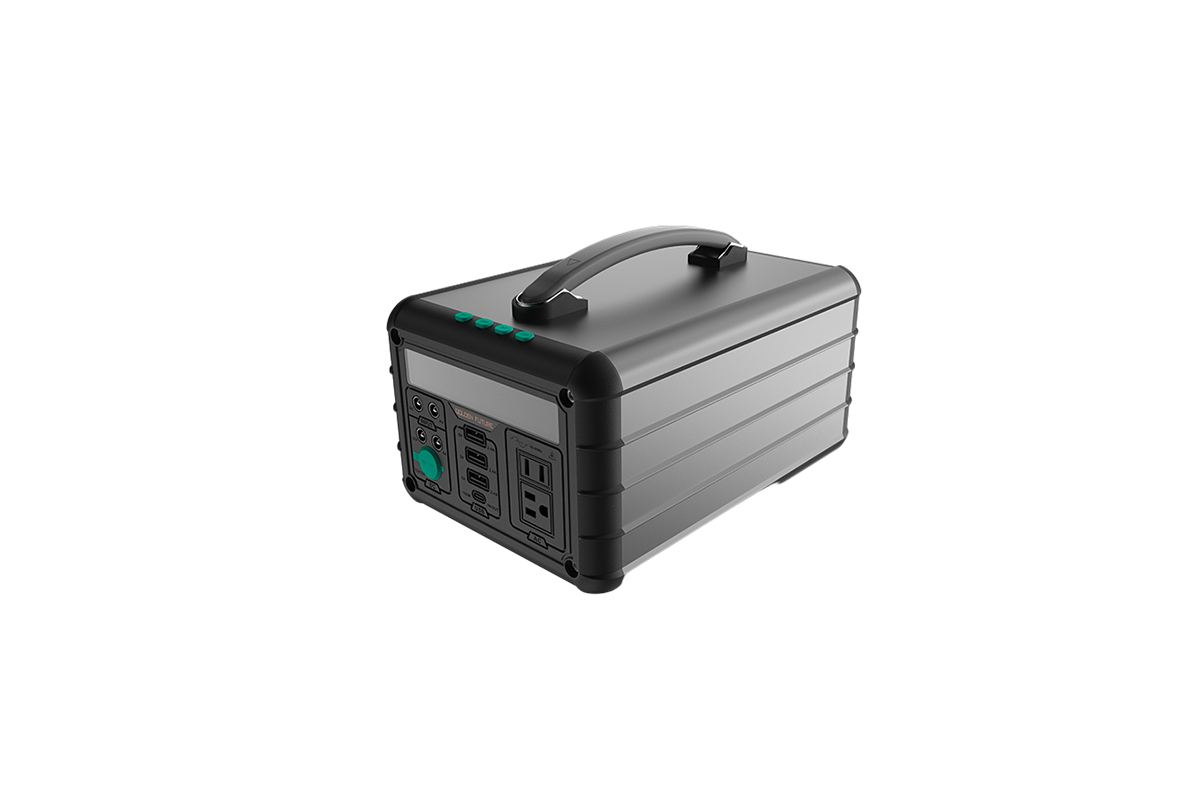
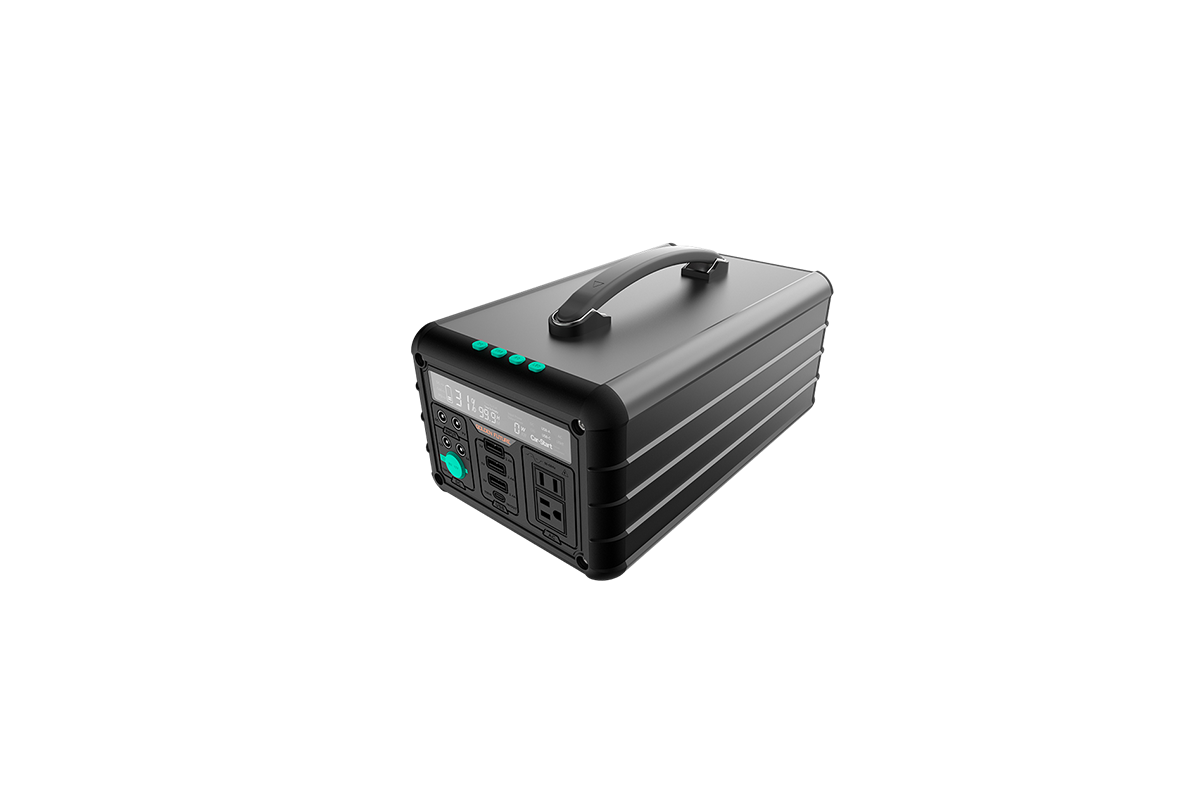
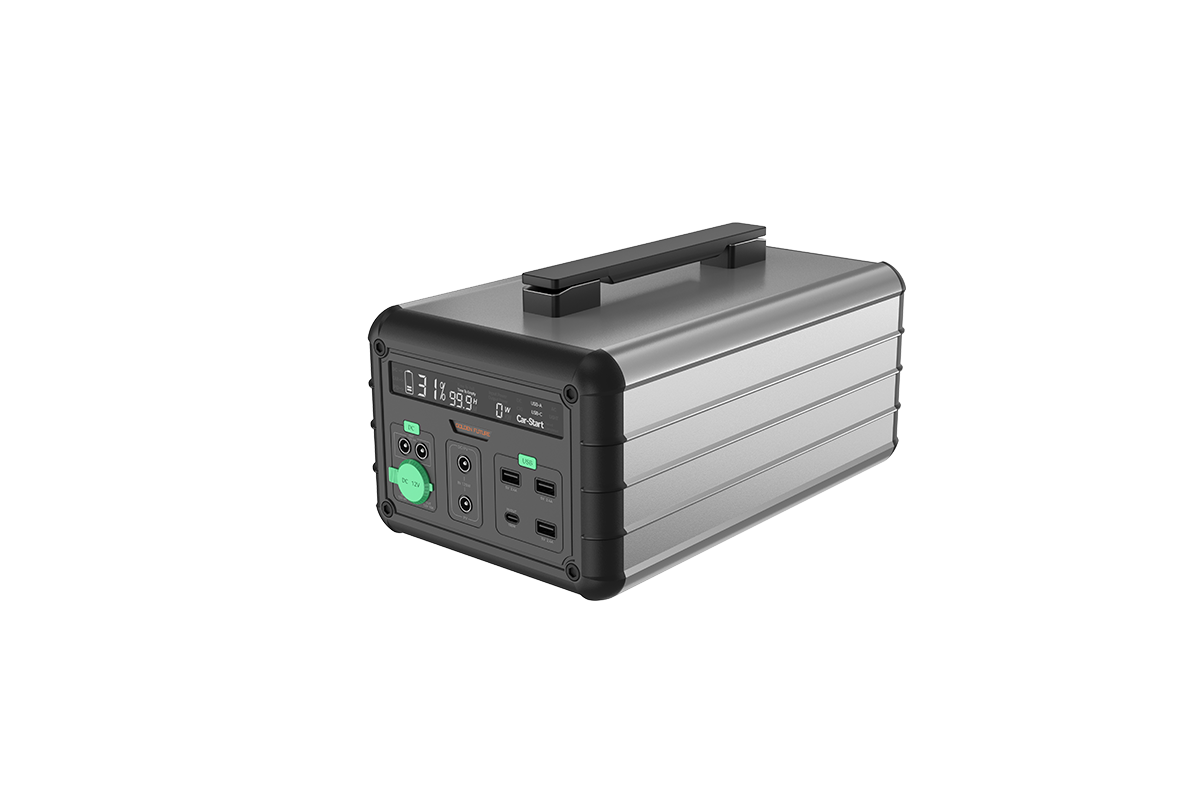
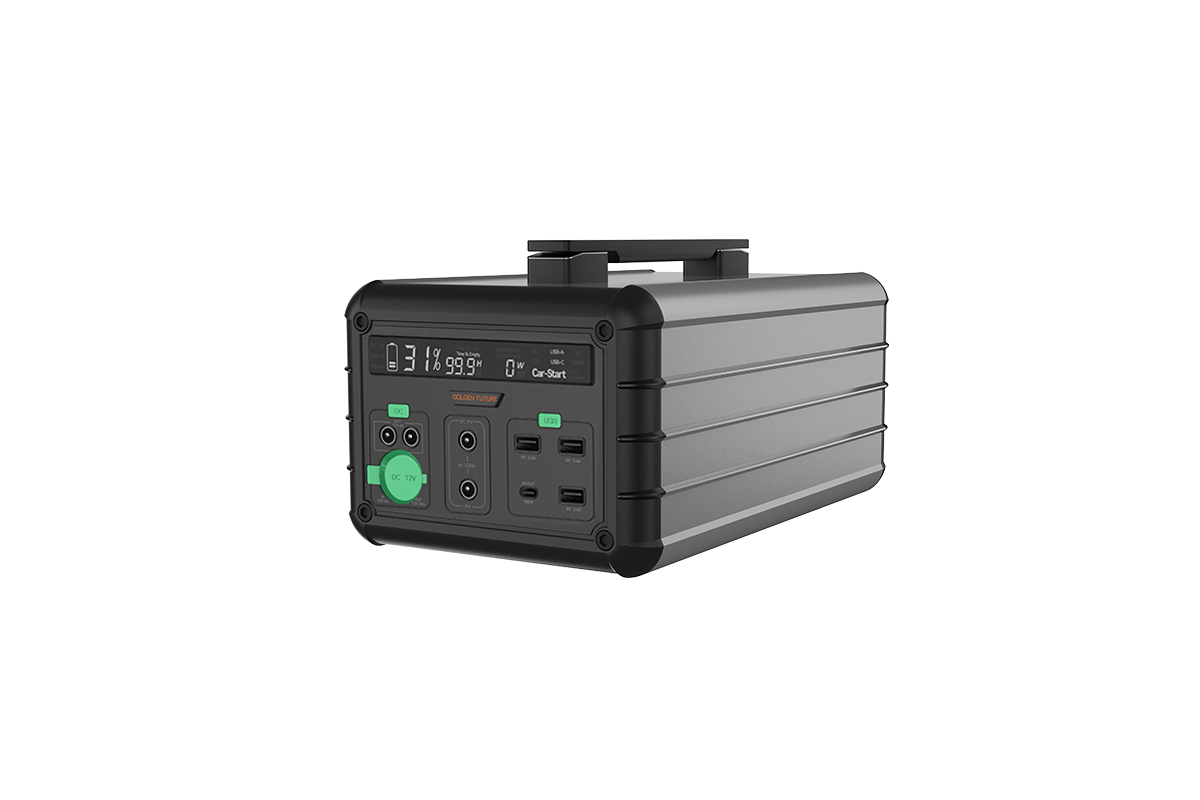
Rich Interface Layout: Includes multiple high-power ports—2-4 AC sockets (110V/220V), 1-2 DC 12V/24V ports (for RV appliances or car refrigerators), and 2-3 USB-C PD 100W ports (for fast-charging laptops or drones). Some models add a 120V/240V RV outlet or a car jump-start port for versatility.
2.3 Efficient Heat Dissipation & Durability
Dual-Fan + Fin Heat Sink System: Large-capacity discharge generates significant heat (e.g., 3000W output may produce 200W of heat), so systems use temperature-controlled dual fans and aluminum alloy heat sinks to maintain internal temperatures below 50°C. This prevents performance degradation or safety hazards during prolonged high-power use.
Rugged Casing Design: Adopts 2-3mm thick steel-reinforced ABS plastic or aluminum alloy frames, with IP54/IP65 waterproof/dustproof ratings. For example, a 4000Wh model can withstand rain showers during outdoor camping or minor impacts during transportation.
2.4 Portable Mobility Optimization
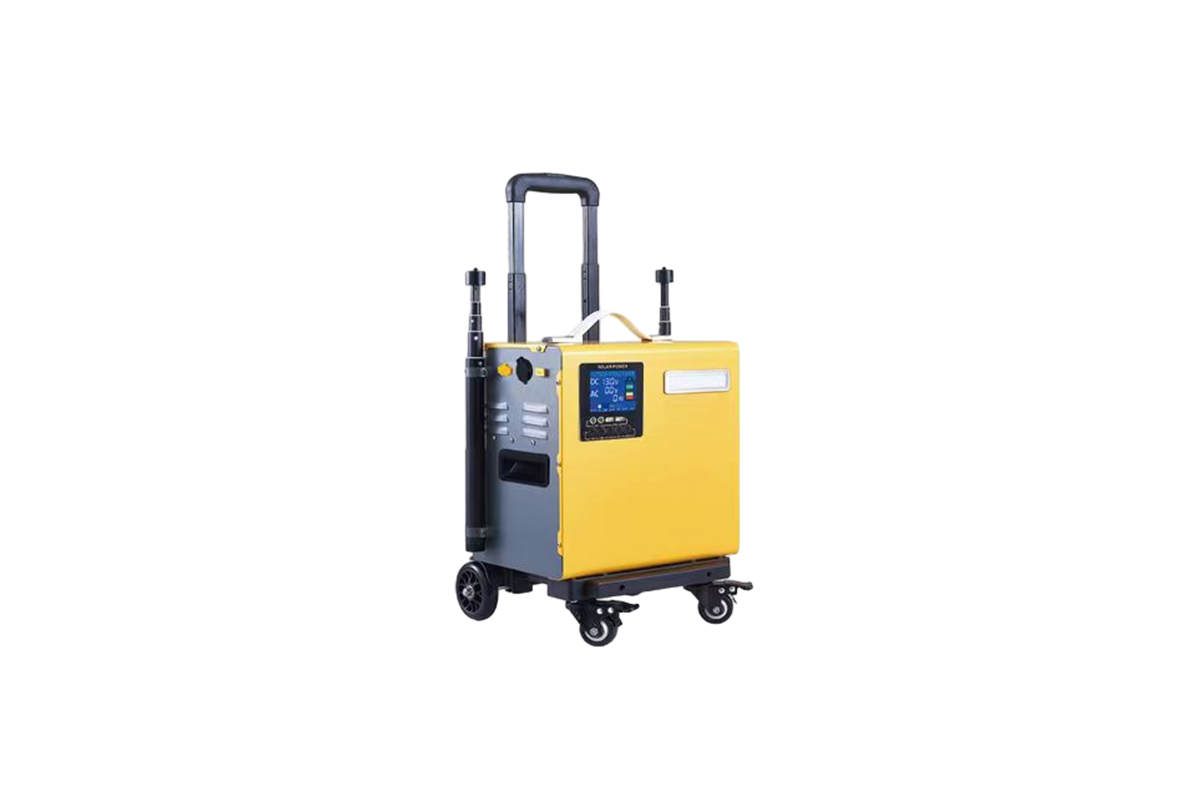
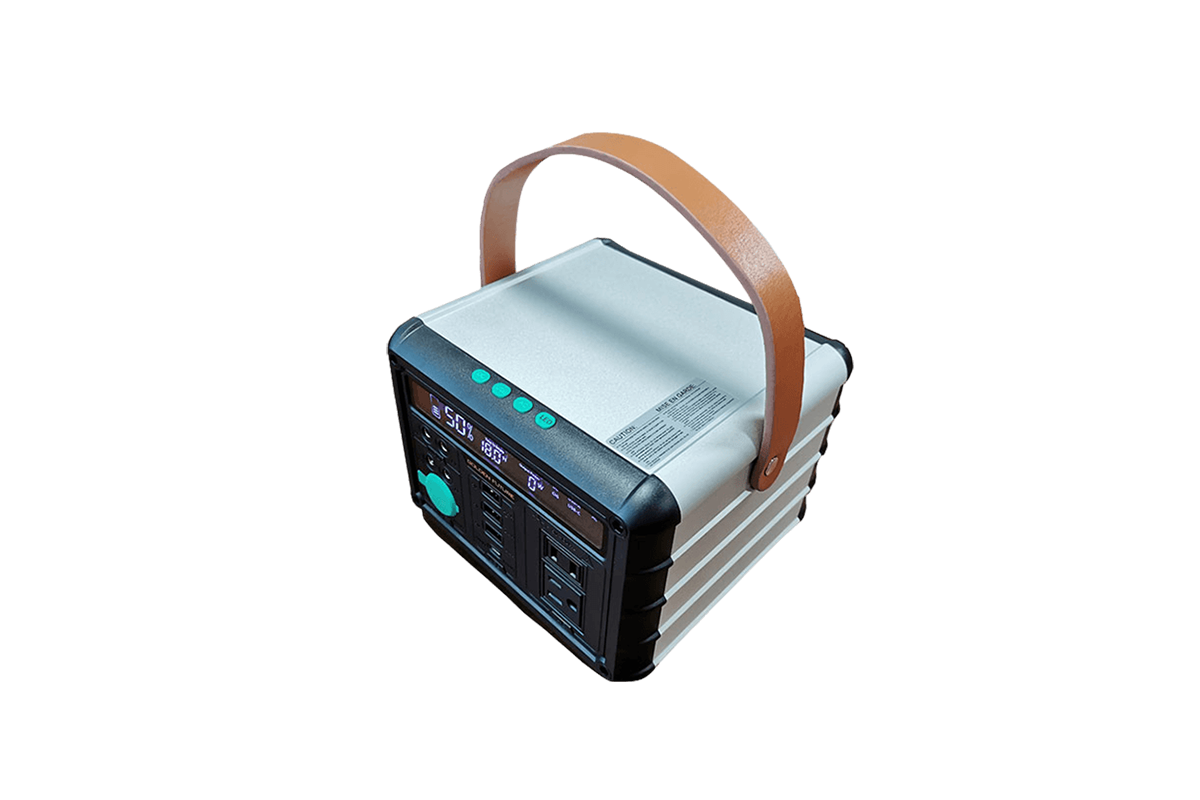
Ergonomic Handles & Wheels: Models under 15kg use padded top handles for two-person lifting; models over 15kg add silent swivel wheels and telescopic pull rods (similar to luggage) for easy movement on flat ground (e.g., RV parks, construction sites).
Compact Volume for Capacity: Optimized internal layout (e.g., stacking battery cells vertically) reduces volume— a 5000Wh model can be as small as 60cm × 40cm × 30cm (similar to a small suitcase), fitting in RV storage compartments or car trunks.
3. Application Scenarios Leveraging Large Capacity
3.1 Home & Emergency Backup
Extended Power Outages: Powers essential household devices during multi-day blackouts (e.g., from hurricanes or snowstorms)—a 5000Wh model can run a 100W refrigerator for 40 hours, a 150W oxygen concentrator for 25 hours, and 10W LED lights for 50 hours. It eliminates reliance on noisy diesel generators.
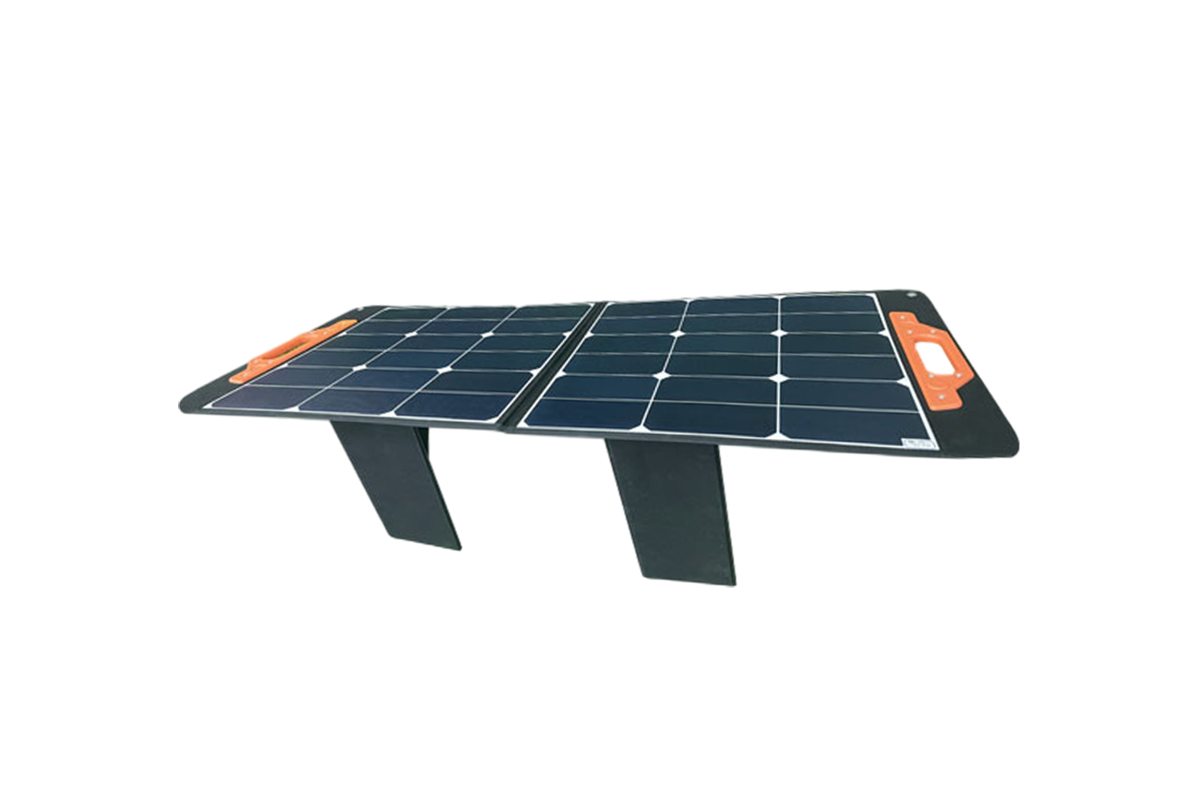
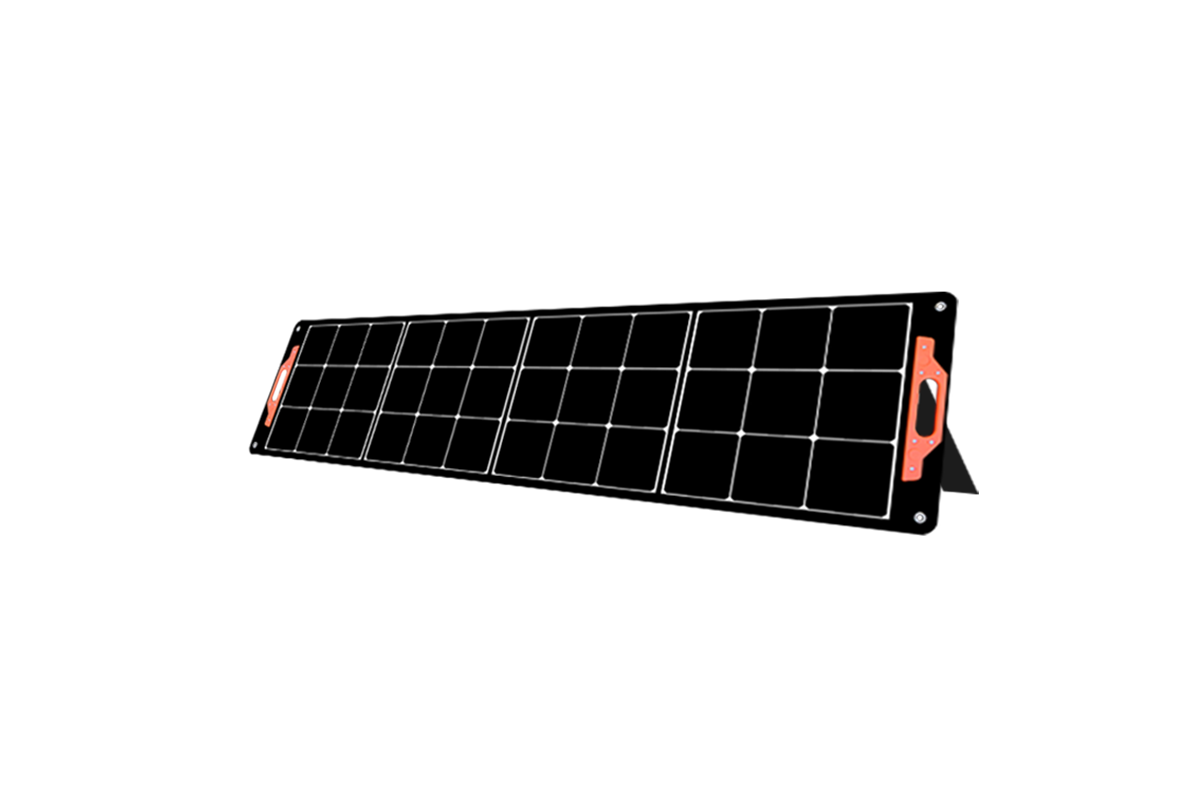
Home Solar Backup: Paired with 400-600W solar panels, it stores excess solar energy during the day to power home appliances at night (e.g., 2000Wh of solar charging daily can reduce grid reliance by 50% for small households).
3.2 Multi-Person Outdoor & RV Trips
Group Camping (3-8 People): Supports shared high-power devices— a 3000Wh model can power a 1500W electric grill for 1.5 hours (cooking meals for 6 people), a 800W electric kettle for 3 hours, and a 200W projector for 12 hours (nighttime movie nights).
RV & Camper Van Living: Serves as a "house battery" for off-grid boondocking— a 6000Wh model can power a 1200W air conditioner for 4 hours, a 300W microwave for 10 minutes daily, and a 50W TV for 8 hours, meeting 2-3 days of energy needs without shore power.
3.3 Outdoor Work & Commercial Use
Construction & Field Operations: Powers high-power tools for small teams— a 4000Wh model can run a 1500W electric drill for 2 hours, a 800W laser level for 4 hours, and a 200W portable printer for 15 hours, avoiding the need for on-site generators.
Outdoor Events: Supports temporary power for small-scale events (e.g., pop-up markets, outdoor weddings)— a 8000Wh model can power 10 50W string lights for 16 hours, a 300W sound system for 20 hours, and a 100W coffee machine for 70 minutes (serving 30+ people).
4. Selection Criteria for Large-capacity Models
4.1 Capacity & Power Matching
Calculate Energy Needs: Use the formula "Total Energy (Wh) = Device Power (W) × Usage Time (h) ÷ Inverter Efficiency (85%-90%)". For example, powering a 1200W AC for 4 hours requires 1200×4÷0.85≈5647Wh—choose a 6000Wh model.
Check Continuous/Peak Output: Ensure continuous output exceeds the highest-power device (e.g., a 1500W electric grill needs ≥1500W continuous output). Peak output should be 1.5-2x the continuous output to handle startup surges (e.g., 3000W peak for a 2000W continuous model).
4.2 Mobility & Storage
Weight & Maneuverability: For frequent movement (e.g., camping), choose 10-20kg models with handles; for fixed use (e.g., home backup), 20-30kg models with wheels are acceptable. Avoid models over 35kg—they lose "portability" and require lifting equipment.
Volume & Fit: Measure storage spaces (e.g., RV compartments, car trunks) and select models with dimensions ≤70cm×50cm×40cm to avoid storage issues.
4.3 Charging Efficiency & Flexibility
AC Fast Charging: Prioritize models with 1000W+ AC input (e.g., a 5000Wh model charges 0-100% in 5-6 hours). Some high-end models support 2000W+ "super fast charge" (3 hours for 5000Wh).
Solar Compatibility: Choose models with 400W+ solar input and MPPT charge controllers (for 20-30% higher solar efficiency). Ensure compatibility with standard 12V/24V solar panels (avoid proprietary connectors).
Dual Charging: Look for models that support AC + solar simultaneous charging (e.g., 1000W AC + 400W solar = 1400W total input), reducing charging time by 30%.
4.4 Safety & Reliability
Battery & Protection Certifications: Select models with LiFePO4 batteries (safer than lithium-ion) and certifications like UL 94 V-0 (flame retardant), IEC 62133 (battery safety), and CE/FCC. Ensure built-in protections for overcharge, over-discharge, short-circuit, over-temperature, and over-current.
Brand & Warranty: Opt for established brands (EcoFlow Delta series, Bluetti AC series, Jackery Explorer 2000+) with 3-5 year warranties. Avoid unknown brands—large-capacity models have higher safety risks if components are substandard.
5. Market Status & Future Trends
5.1 Current Market Landscape
High-Growth Niche: Driven by home emergency preparedness (post-pandemic demand) and RV/camping popularity, the global large-capacity portable energy storage market (2000Wh+) is growing at a CAGR of 45%. Key players dominate with flagship models: EcoFlow Delta Pro (3600Wh, expandable to 25kWh), Bluetti AC500 (5000Wh, expandable to 18kWh), and Jackery Explorer 3000 Pro (3024Wh).
Price Gradient: Entry-level (2000-3000Wh): \(1,500-\)2,500; mid-range (3000-6000Wh): \(2,500-\)4,000; high-end (6000Wh+): \(4,000-\)10,000. Prices are falling 10-15% annually as battery costs decrease.
5.2 Future Development Directions
Higher Energy Density Batteries: Solid-state batteries (energy density ≥400Wh/kg) will reduce weight— a 5000Wh model may weigh ≤15kg (current 5000Wh models weigh ~25kg) by 2027.
Smart Grid Integration: Support for bidirectional charging (V2G: Vehicle-to-Grid) and V2H (Vehicle-to-Home) will allow models to feed excess energy back to the grid during peak hours or power homes during outages, increasing economic value.
AI-Powered Energy Management: Built-in AI algorithms will optimize power distribution (e.g., prioritizing critical devices like medical equipment) and predict battery life, reducing energy waste by 15-20%.
Eco-Friendly Innovation: Use of 100% recycled LiFePO4 cells and biodegradable casing materials (e.g., bamboo fiber-reinforced plastic) will align with carbon neutrality goals. Some models may add built-in solar panels (flexible, lightweight) for self-sustaining charging.




 59911926@qq.com/sales@goldenfuturehk.com
 13316809242 / 15816897019
 Inquiry
 Home >