






Time:2026-03-24 Views:301
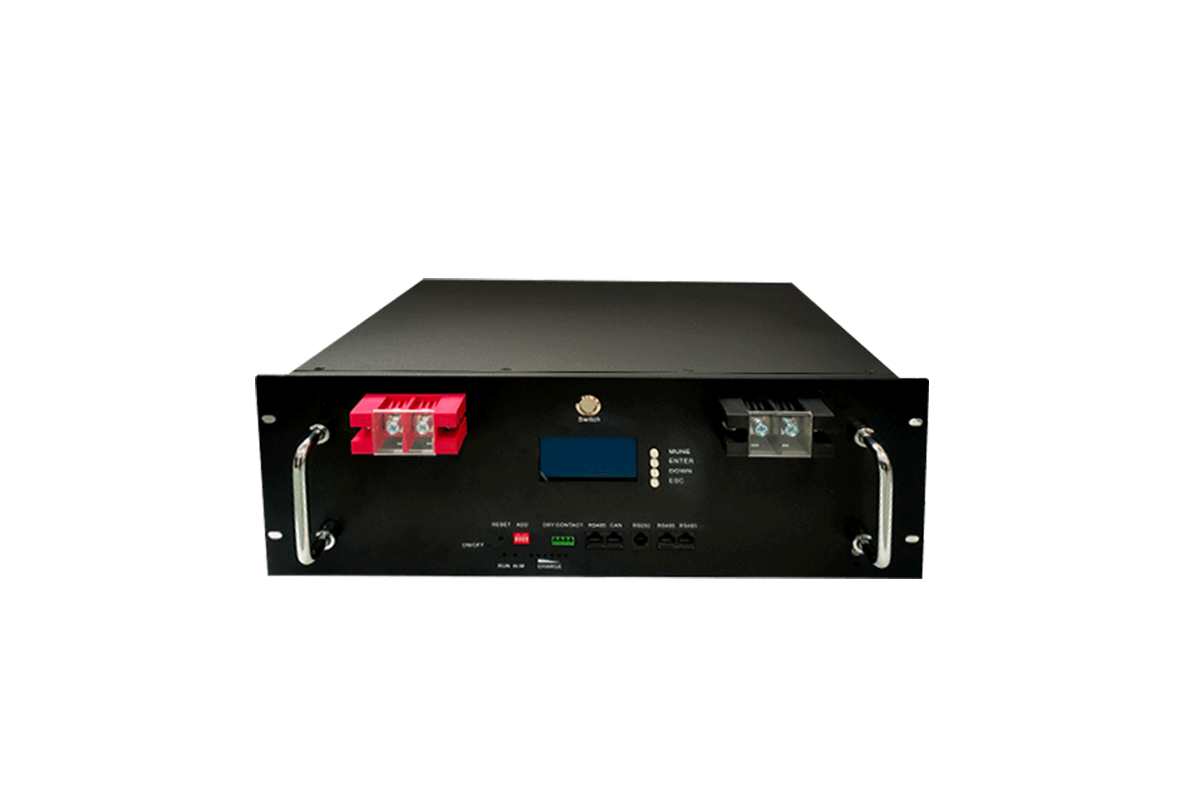
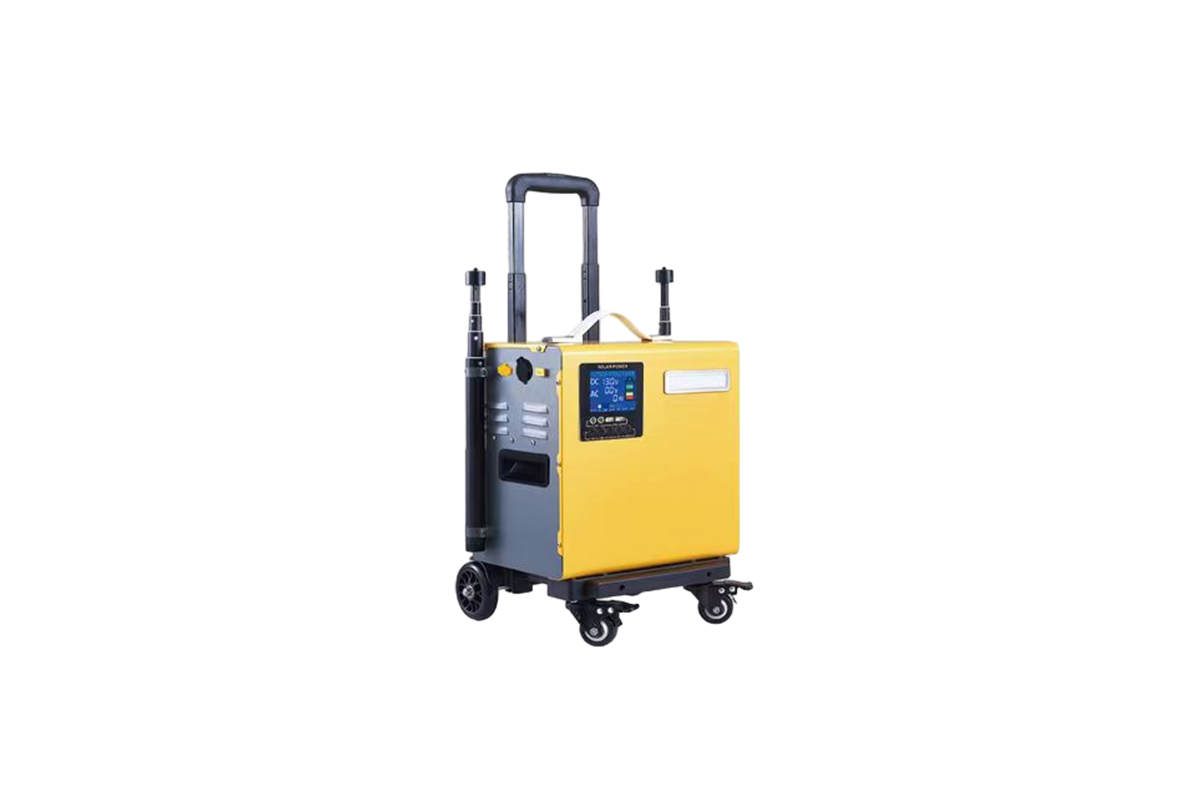
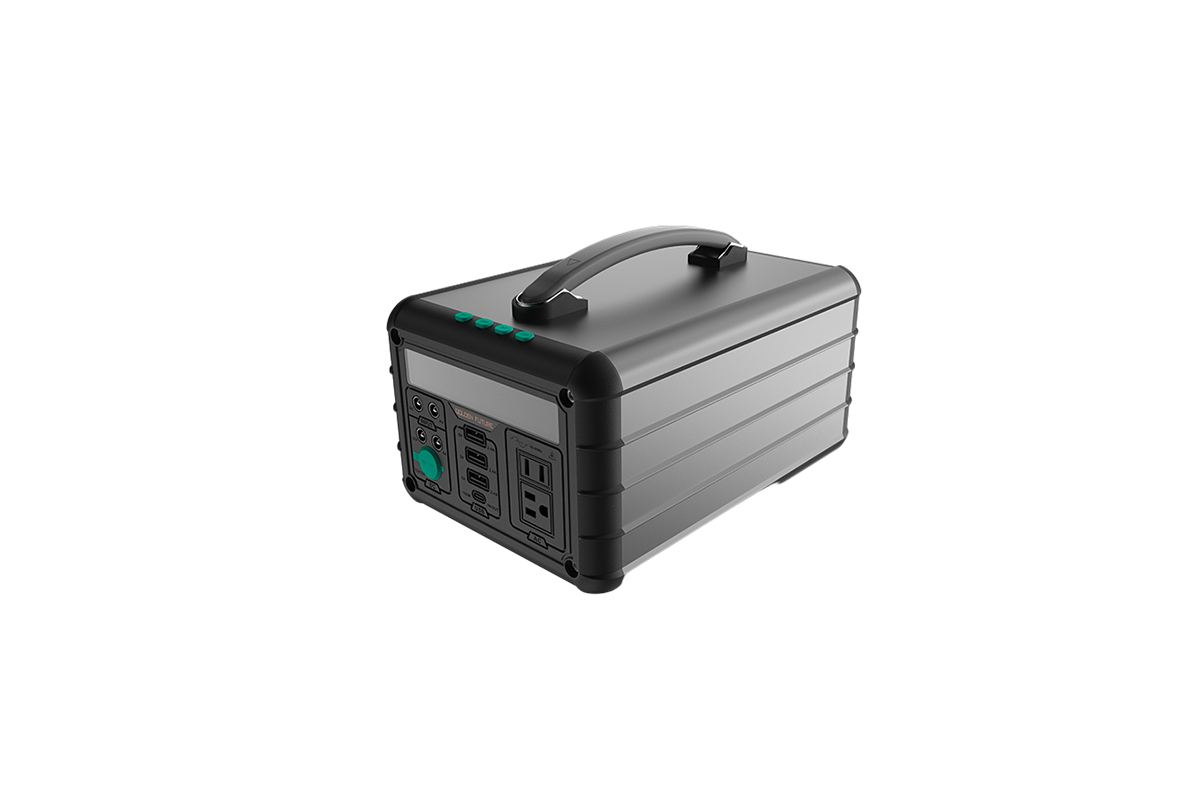
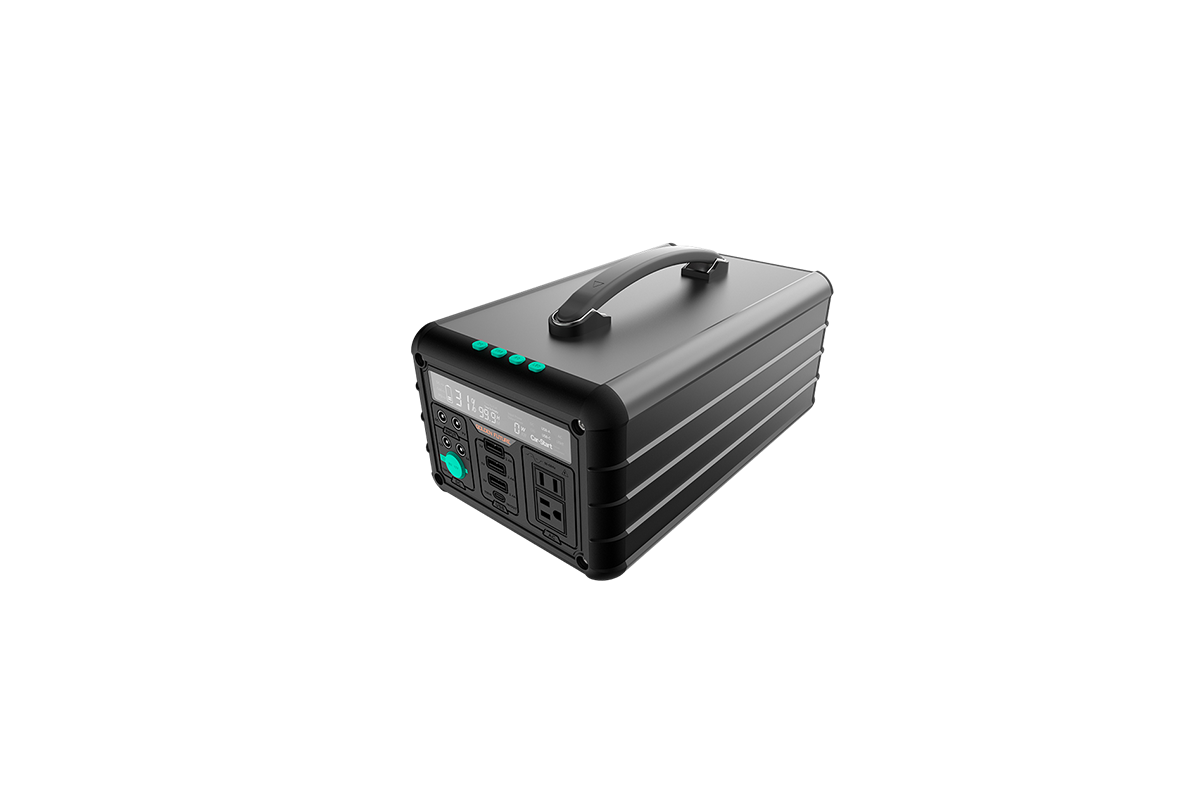
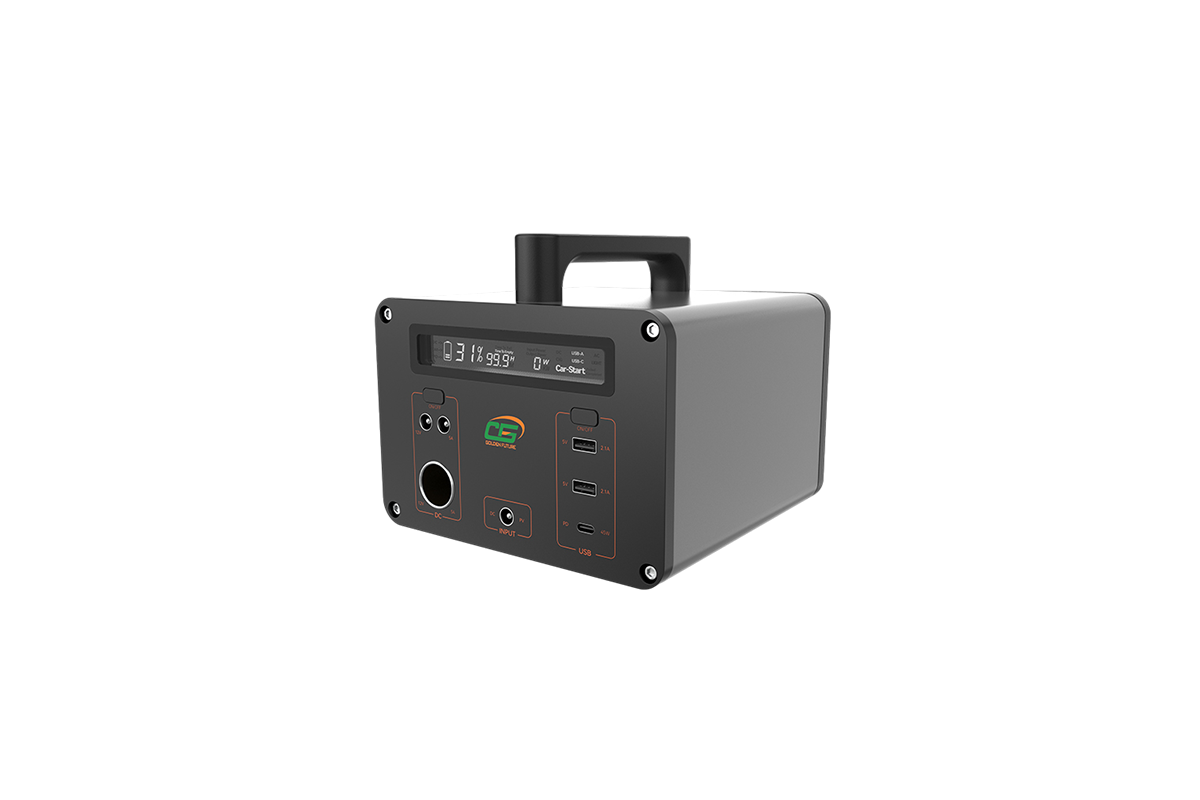
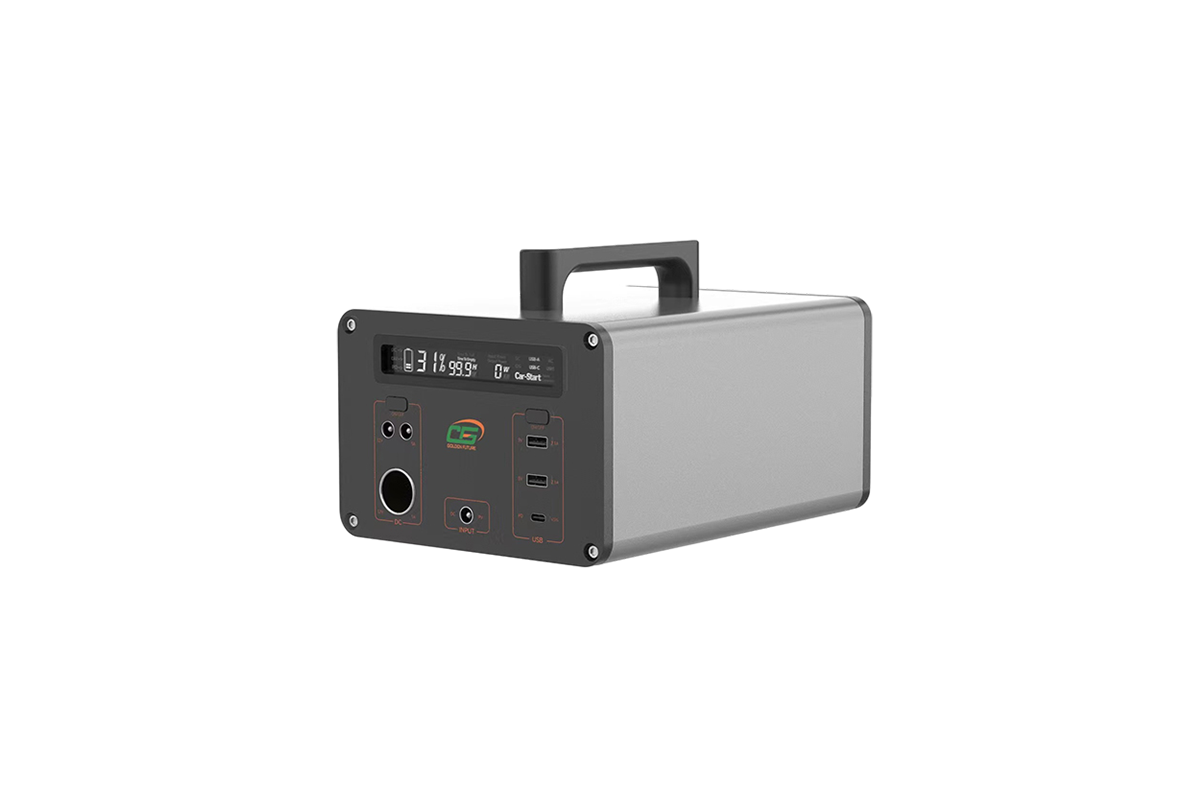
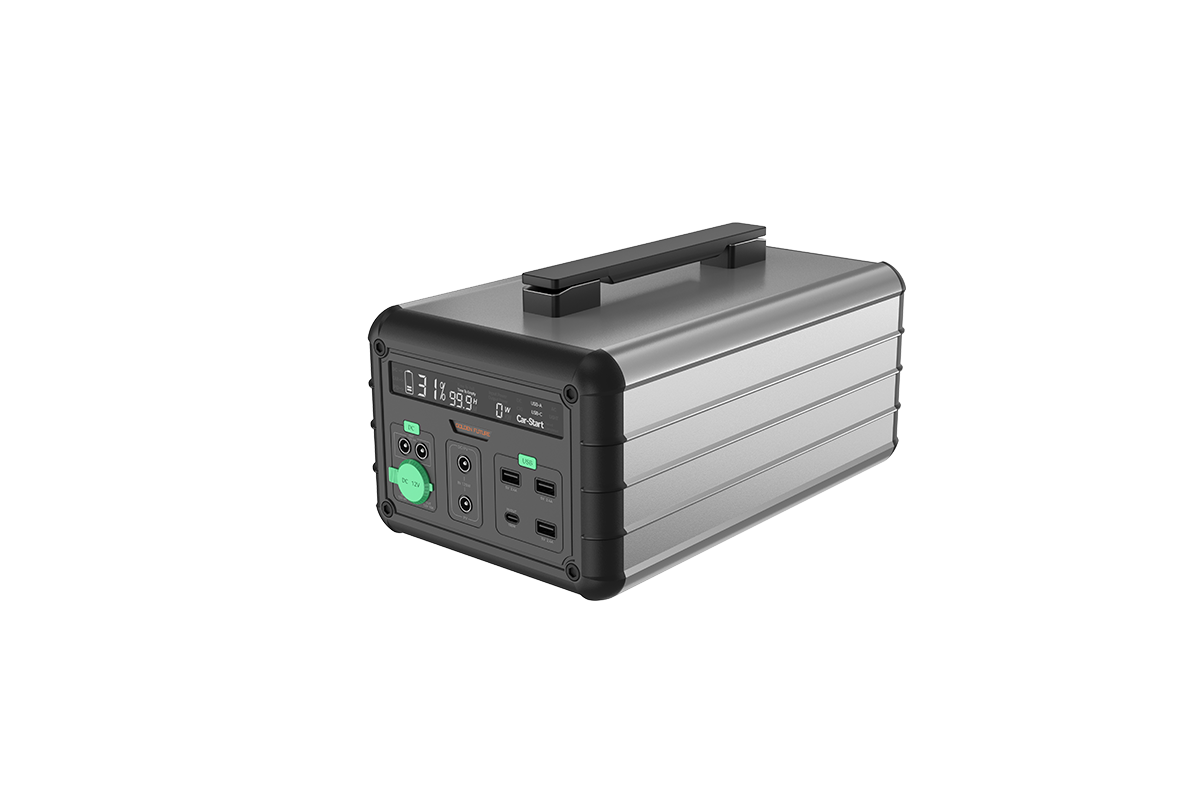
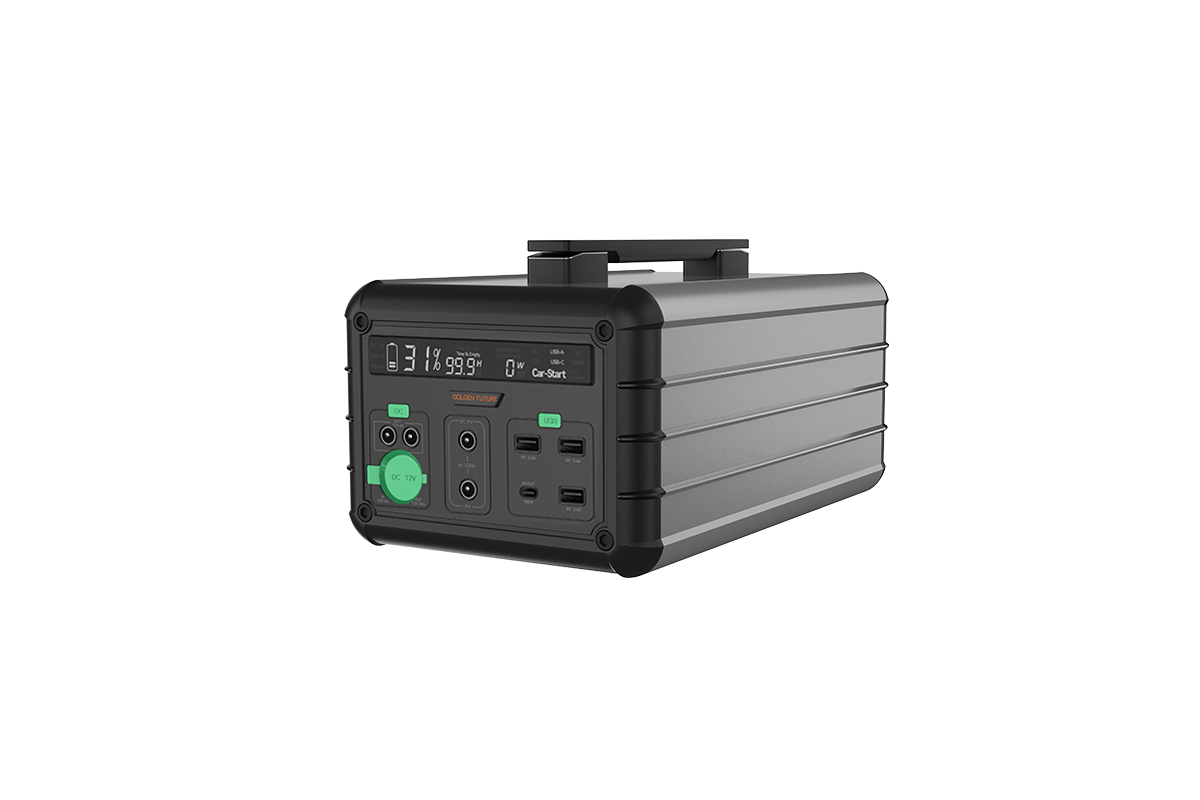
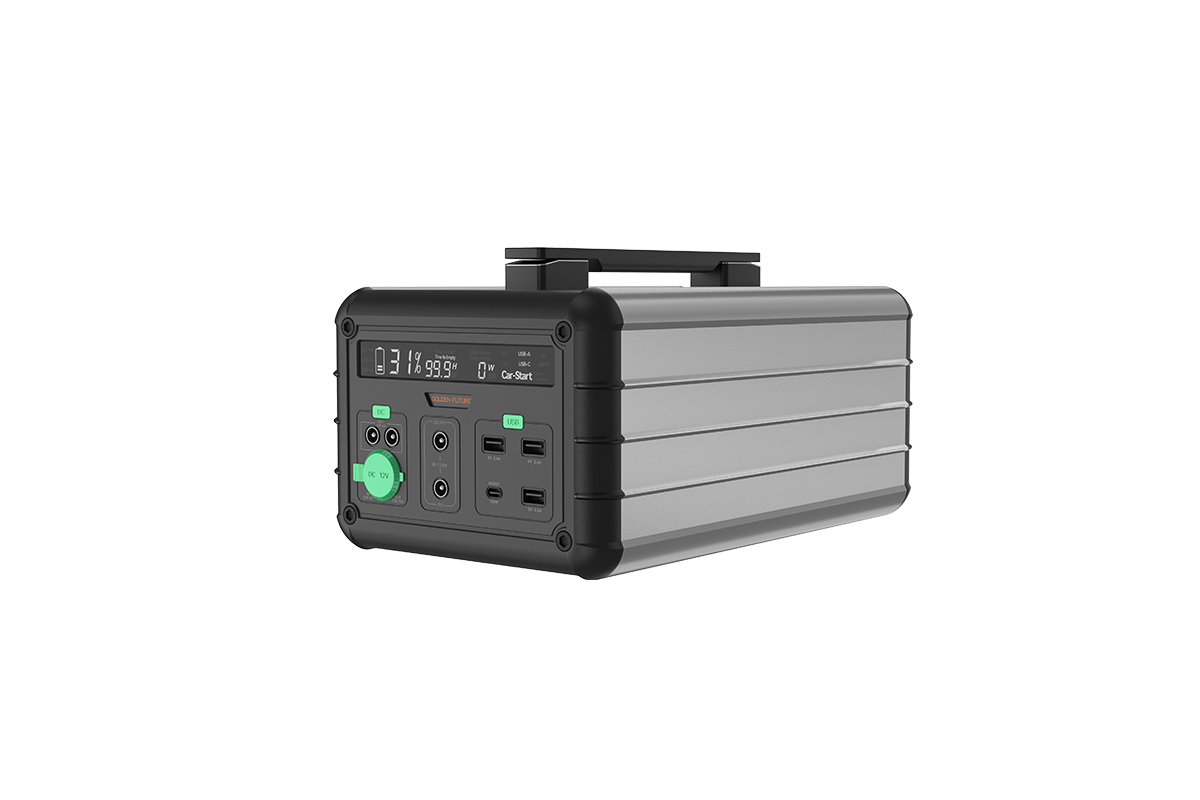
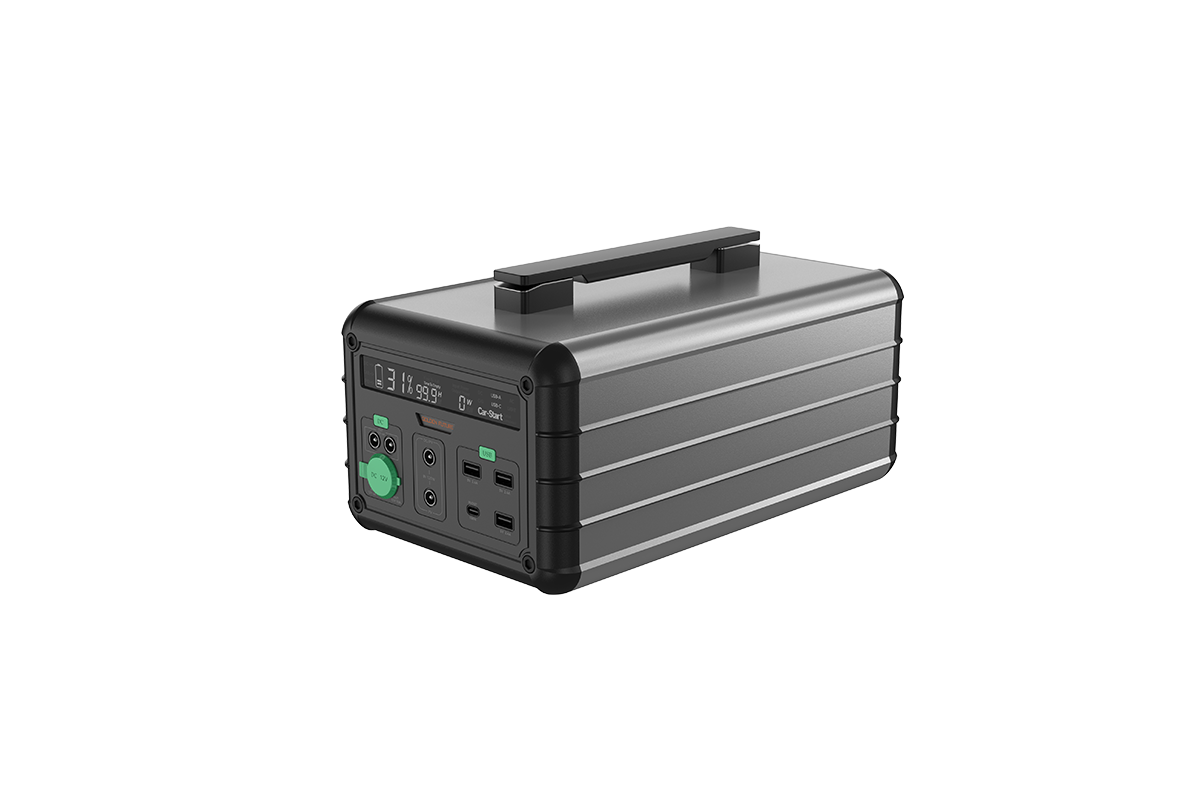
Selecting the ideal outdoor portable power station requires careful consideration of multiple factors to ensure it meets specific needs and delivers reliable performance. The most critical purchasing criterion is power output, measured in watts (W), which determines the range of devices the station can power. Users must distinguish between continuous output and surge output, as many appliances—especially those with motors like refrigerators or power tools—require temporary higher power to start. For casual campers, a 300W-600W station suffices for small electronics and low-wattage devices, while extended trips or family outings demand 1000W or higher to accommodate larger appliances like portable air conditioners or electric kettles.
Battery capacity, measured in watt-hours (Wh), directly dictates runtime and is another foundational consideration. It represents the total energy the station can store, with higher Wh values enabling longer device operation. A simple formula helps estimate runtime: Runtime (hours) = Battery Capacity (Wh) × Efficiency (85-90%) ÷ Device Power Consumption (W). For example, a 1000Wh station can power a 50W mini fridge for approximately 17 hours. Users should calculate their average daily power needs and select a station with 20-30% excess capacity to account for energy losses and unexpected device usage. It’s also important to note that battery chemistry significantly impacts longevity—LiFePO4 batteries offer 3000+ charge cycles, outperforming lithium-ion batteries by a wide margin and providing better value over time.
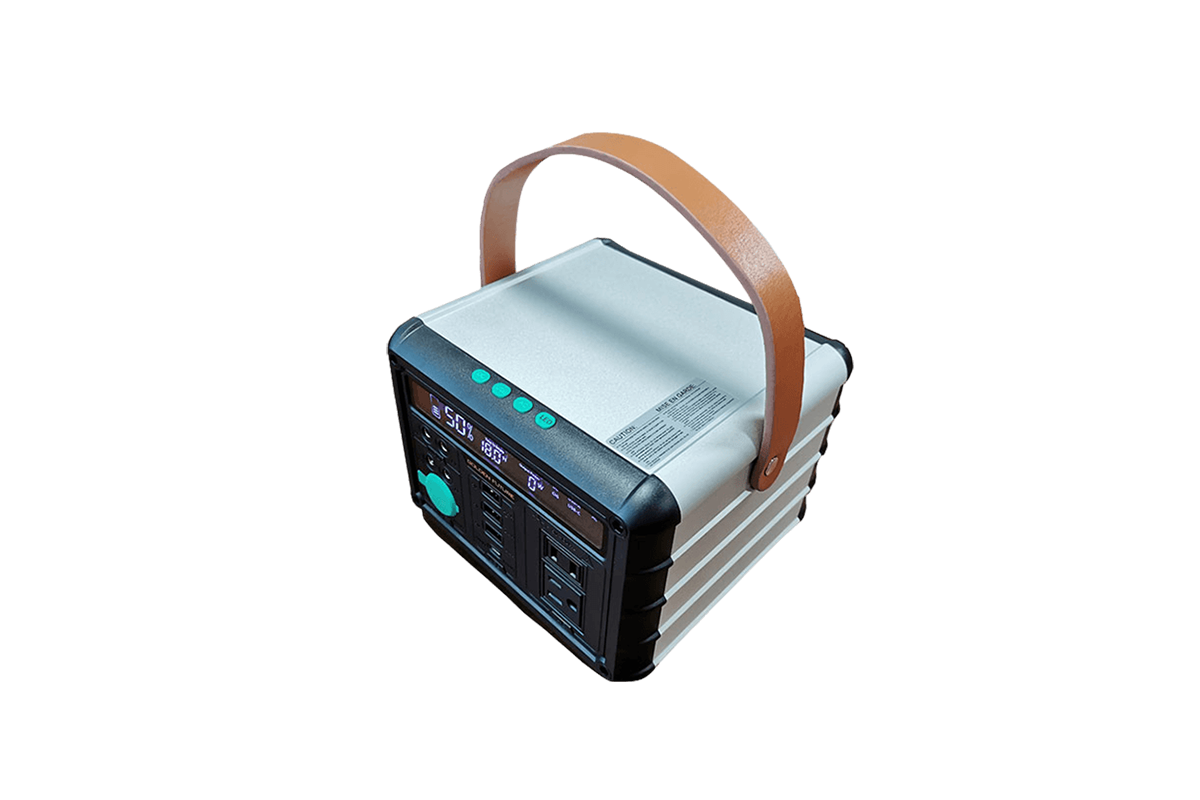
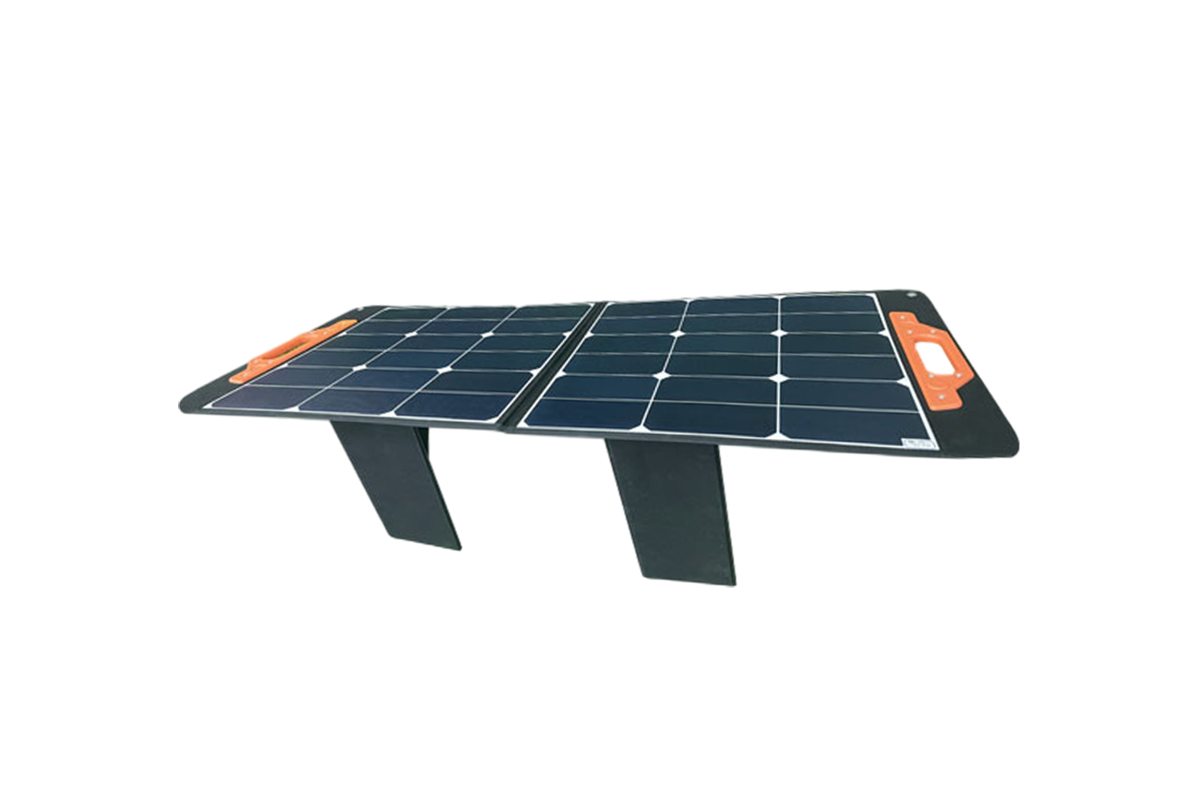
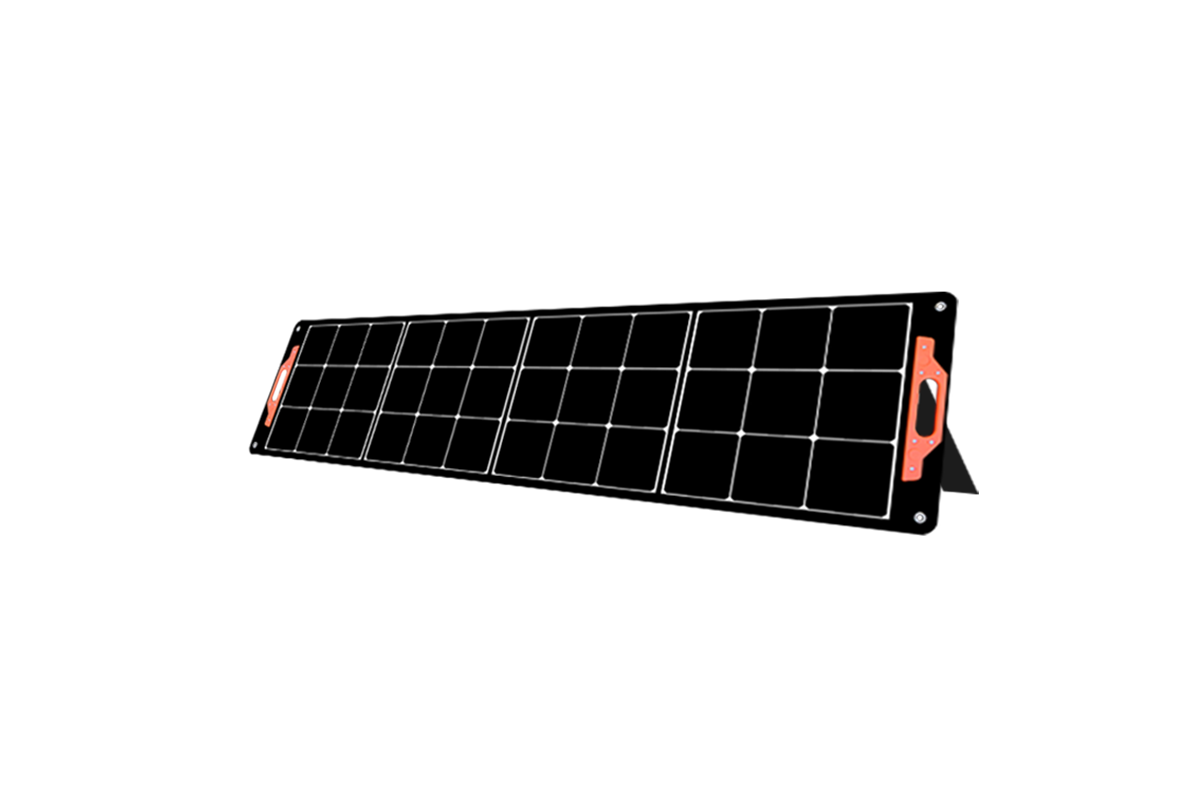
Portability and charging flexibility are equally vital for outdoor use. The station’s weight, dimensions, and handle design determine how easily it can be transported to campsites, hiking trails, or remote locations. Most portable stations weigh between 15-30 pounds, with compact models under 20 pounds ideal for backpacking or car camping. Charging flexibility includes compatibility with solar panels (maximum solar input wattage), AC charging speed, and optional car charging. Solar compatibility is essential for off-grid recharging, with most stations supporting 100W-400W panels. Fast AC charging (0-80% in under 2 hours) is convenient for users who can access grid power occasionally. Finally, evaluate additional features like built-in LED flashlights, app connectivity, UPS (Uninterruptible Power Supply) mode for critical devices, and IP65 water/dust resistance to ensure the station can withstand various environmental conditions.




 59911926@qq.com/sales@goldenfuturehk.com
 13316809242 / 15816897019
 Inquiry
 Home >