





Time:2025-12-09 Views:1
Inverters are essential components in green energy systems, as they convert the DC power generated by renewable energy sources (such as solar, wind, hydro, and geothermal) into usable AC power for homes, businesses, or the grid. Their design varies based on the specific green energy source, with each application requiring unique features to address the source’s inherent variability.
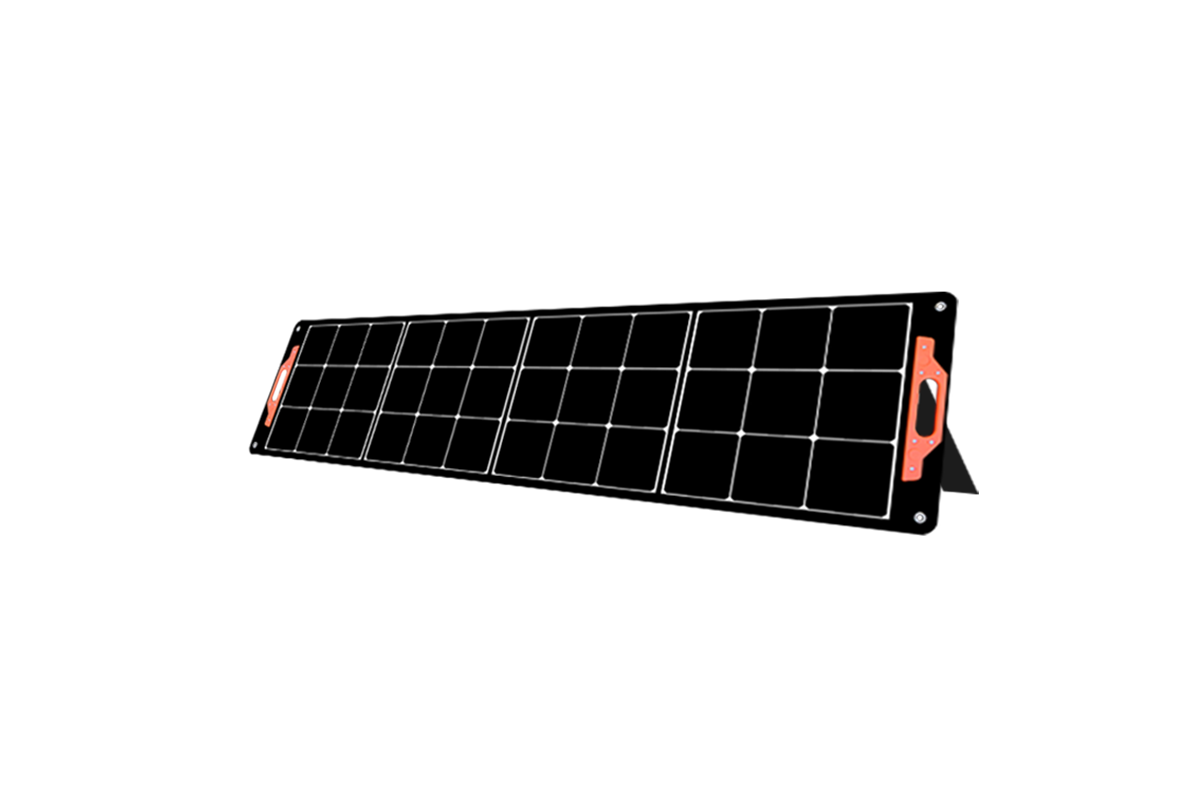
For solar energy systems (photovoltaic PV), inverters (as discussed earlier) focus on maximum power point tracking (MPPT) to optimize energy harvest from panels, which are affected by changes in sunlight intensity and temperature. In wind energy systems, wind turbine inverters must handle variable rotational speeds of the turbine (which affect DC output) and convert this fluctuating DC power into stable AC power. They also include features like low - voltage ride - through (LVRT) to maintain grid connection during voltage dips, a critical requirement for grid - tied wind farms.
Hydroelectric inverters are designed for small - scale hydro systems (such as micro - hydro setups in remote areas) and must adapt to varying water flow rates, which impact the generator’s DC output. They often include load controllers to prevent overloading when water flow is high. Geothermal inverters, used in geothermal heat pump systems, convert DC power from geothermal generators (or from solar panels integrated with geothermal systems) into AC power for heating, cooling, and electricity use, with a focus on high efficiency at constant load conditions.
Across all green energy applications, inverters play a key role in grid integration by ensuring the AC power they produce meets grid standards for voltage, frequency, and harmonic distortion. They also enable the integration of energy storage, allowing excess green energy to be stored for later use—addressing the intermittent nature of many renewable sources. As the global shift to green energy accelerates, inverters are evolving to be more efficient, compact, and intelligent, supporting the transition to a low - carbon energy future.




 59911926@qq.com/sales@goldenfuturehk.com
 13316809242 / 15816897019
 Inquiry
 Home >