





Time:2025-11-08 Views:1
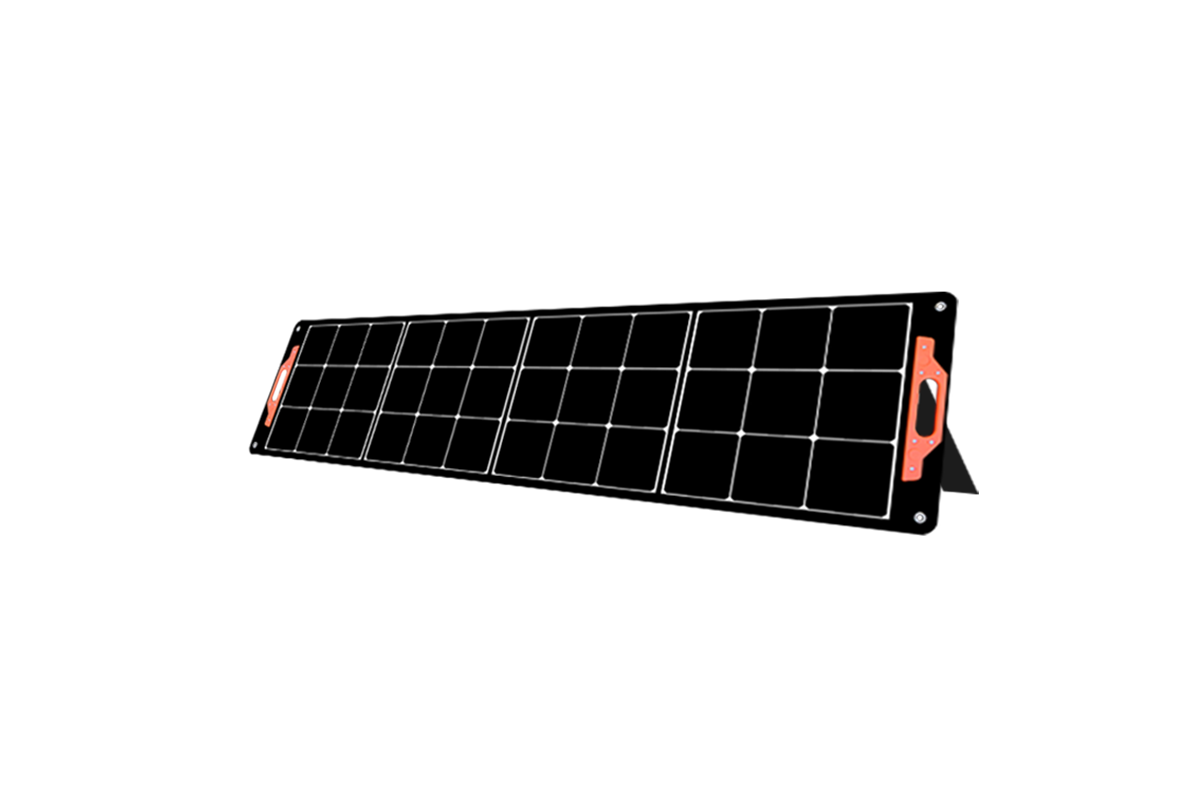
Integrated Solar Energy Solutions refer to comprehensive, turnkey systems that combine solar photovoltaic (PV) generation, energy storage, power conversion, monitoring, and management tools into a unified platform, eliminating the inefficiencies of standalone components and delivering seamless, optimized energy performance for residential, commercial, and utility-scale users. Unlike traditional solar setups—where PV panels, inverters, and batteries are sourced from different vendors and require complex integration—integrated solutions are designed to work in harmony, reducing installation time, minimizing compatibility issues, and maximizing energy yield. Their core value lies in simplifying the adoption of solar energy while addressing key challenges such as intermittency, grid dependency, and energy management.
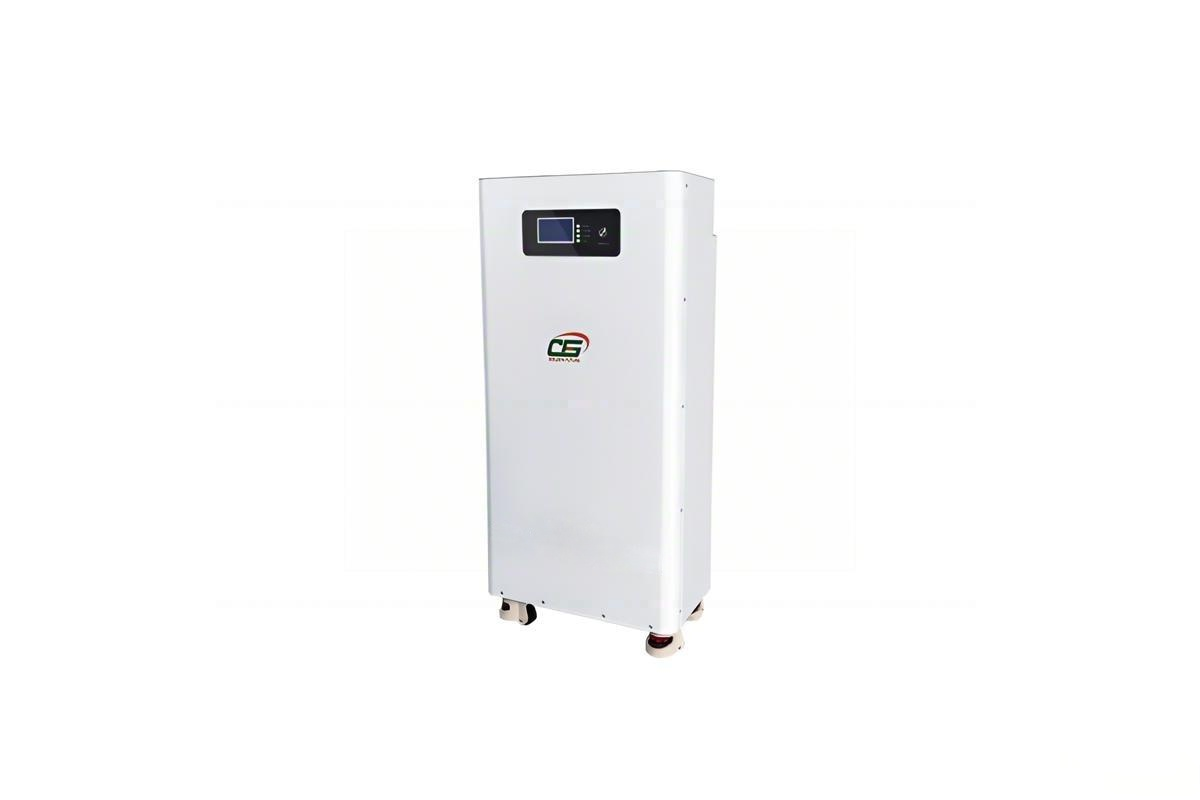
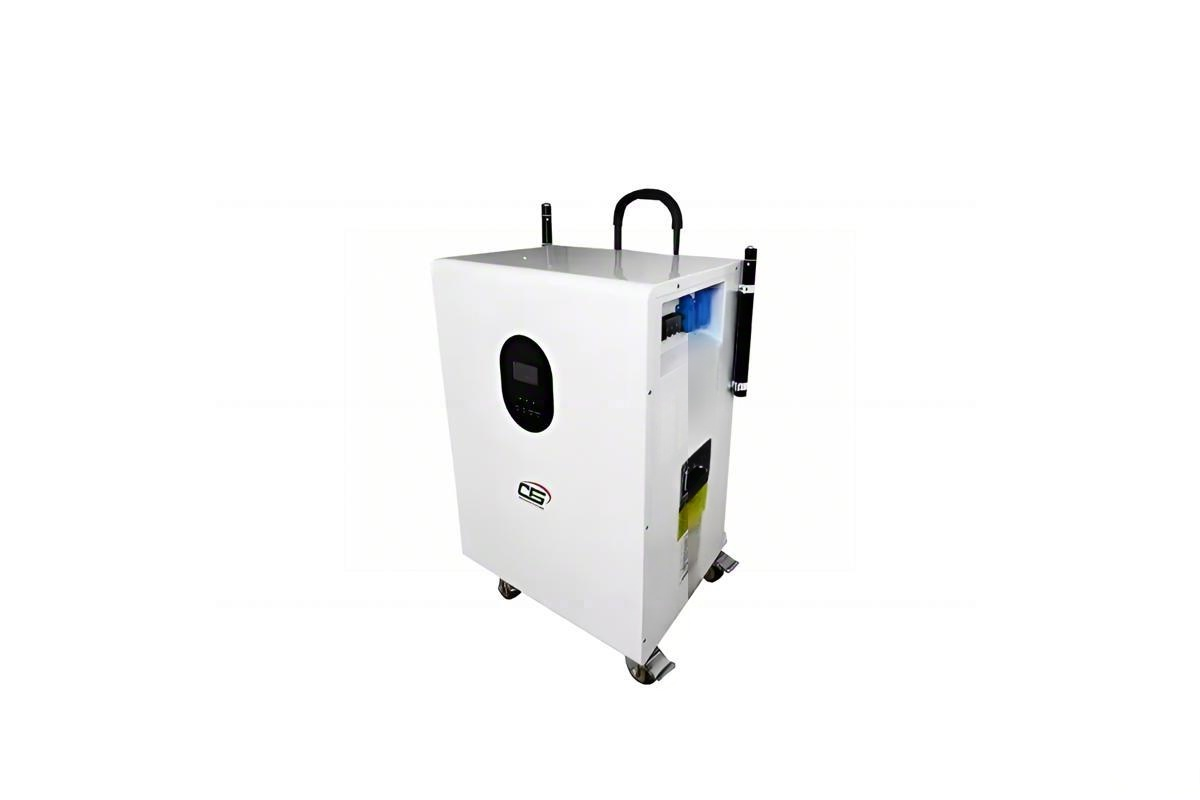
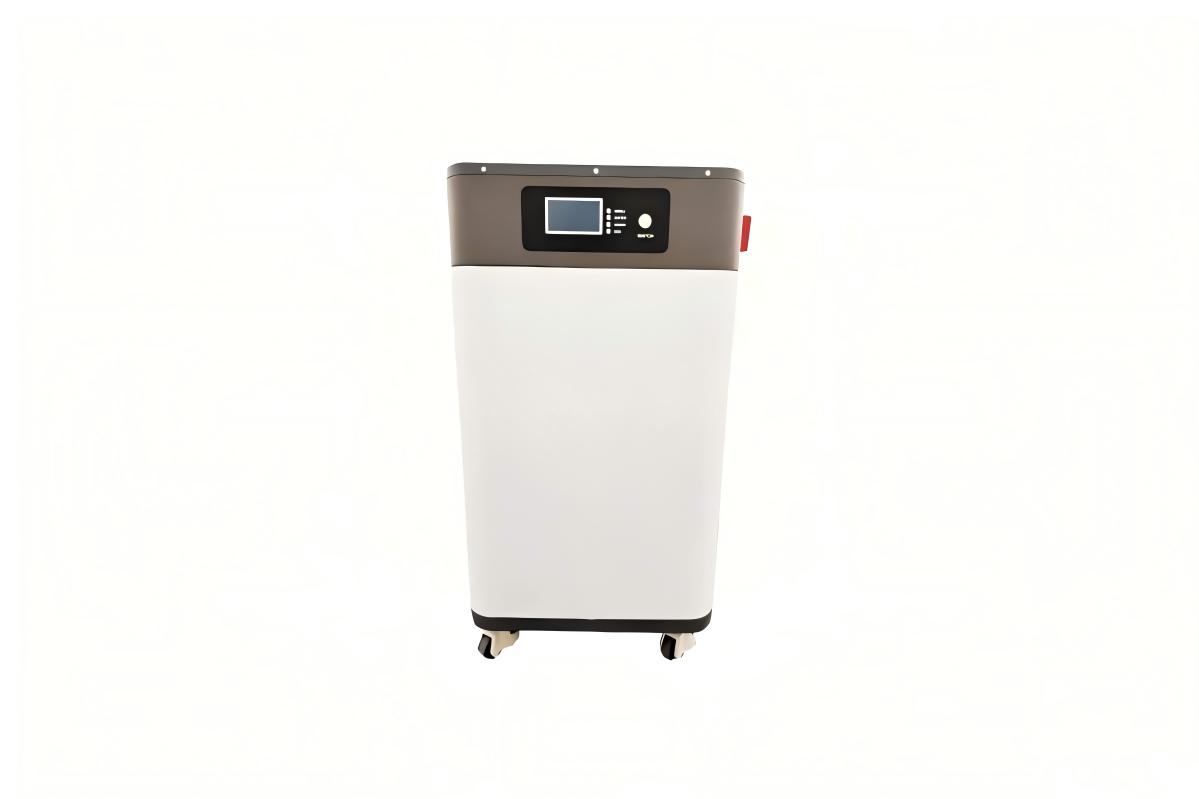
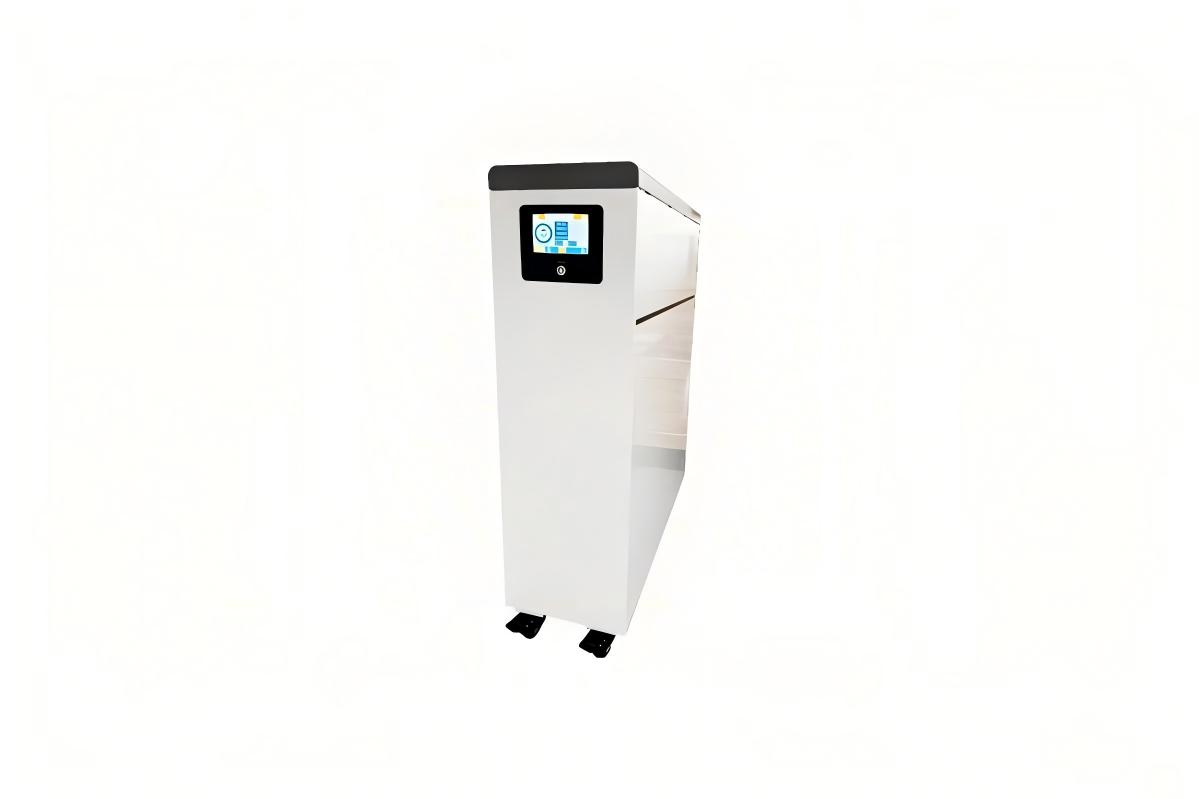
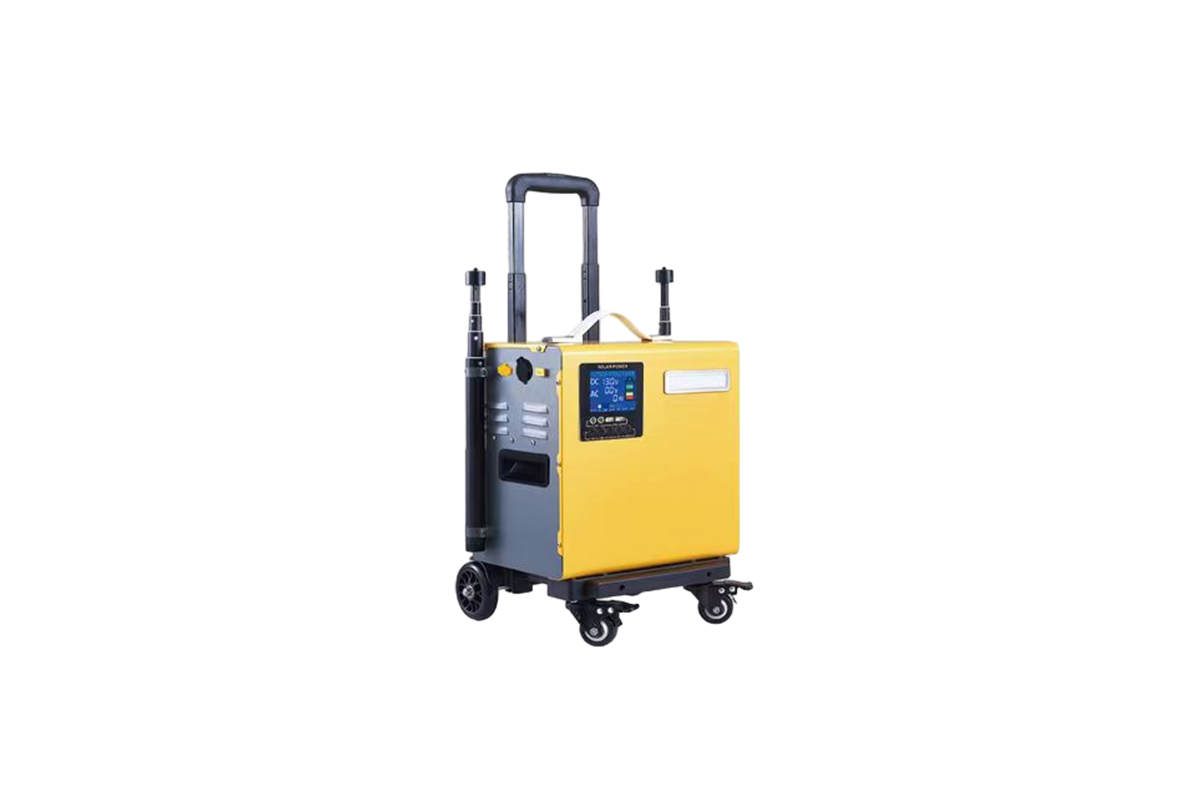
At the residential level, integrated solar energy solutions typically include rooftop PV panels (monocrystalline or polycrystalline), a hybrid inverter (single-phase), a lithium-ion battery system (5-20kWh), and a smart monitoring app. These components are pre-configured to communicate seamlessly: the PV panels generate DC power, the hybrid inverter converts it to AC for immediate use or charges the battery, and the app provides real-time data on energy production, consumption, and battery status. A key feature of residential integrated solutions is "plug-and-play" installation—manufacturers pre-wire components and provide step-by-step guides, reducing installation time from 3-5 days (for traditional setups) to 1-2 days. For example, Tesla’s Solar Roof + Powerwall system is a leading residential integrated solution: the solar roof tiles replace traditional roofing materials (eliminating the need for separate panels), while the Powerwall battery and inverter work in tandem to power the home and provide backup during outages. The Tesla app allows users to monitor energy flow, set charging schedules, and even participate in utility demand response programs—all from a single interface.
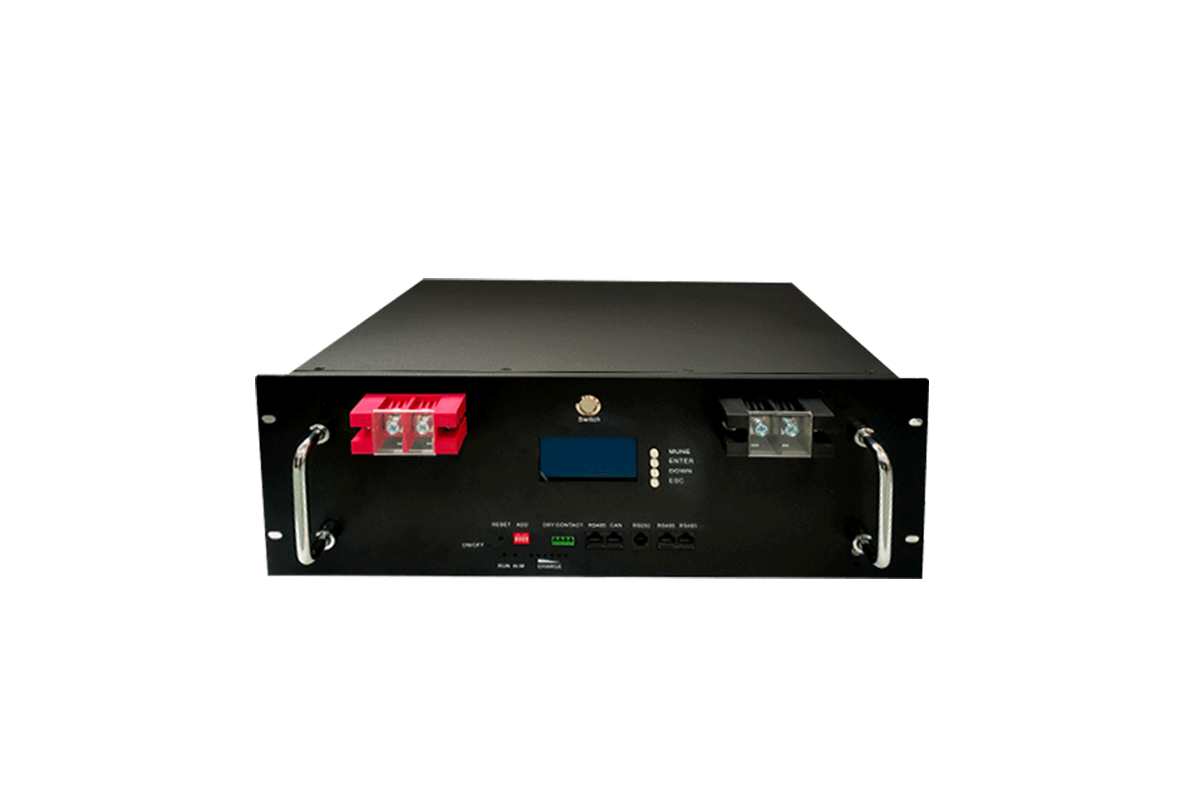
For commercial and industrial (C&I) users, integrated solar energy solutions scale to meet higher power demands, incorporating larger PV arrays (tens to hundreds of kW), three-phase hybrid inverters, high-capacity battery storage (100kWh to 1MWh), and advanced energy management systems (EMS). The EMS is a critical component, using AI algorithms to optimize energy use based on real-time data: it prioritizes solar self-consumption, charges batteries during off-peak hours, discharges during peak demand (peak shaving), and even adjusts industrial processes (e.g., shifting non-critical production to daytime) to align with solar generation. For example, a retail chain with 50 stores might deploy an integrated solution across its locations, managed through a central EMS. The system could reduce the chain’s overall electricity costs by 25-30% by minimizing grid purchases during peak hours and leveraging feed-in tariffs for excess solar export. Additionally, integrated solutions for C&I users often include features like load profiling (to identify energy-wasting equipment) and predictive maintenance (to alert technicians of potential issues with PV panels or inverters), further enhancing efficiency and reducing downtime.
Utility-scale integrated solar energy solutions are game-changers for grid decarbonization, combining large-scale PV farms (10MW to 1GW), utility-scale battery energy storage systems (BESS), and grid-tied inverters with advanced grid support capabilities. These solutions address the intermittency of solar power by storing excess energy during sunny periods and releasing it during cloudy weather or at night, enabling solar to act as a "baseload" power source. For example, the Mohammed bin Rashid Al Maktoum Solar Park in Dubai includes a 5GW PV array paired with a 1.5GWh BESS—an integrated solution that provides reliable power to over 300,000 households while reducing carbon emissions by 6.5 million tons annually. Utility-scale solutions also support grid stability through services like frequency regulation and voltage control, with the inverter and BESS working in tandem to respond to grid fluctuations within milliseconds. Moreover, these solutions often integrate with renewable energy forecasting tools, which use weather data to predict solar production and adjust battery charging/discharging schedules accordingly—critical for utilities to maintain grid balance.
A key advantage of integrated solar energy solutions is their ability to reduce the "soft costs" of solar adoption—costs related to installation, permitting, and maintenance, which can account for 30-50% of total solar project costs. By offering pre-integrated components, standardized designs, and simplified permitting packages, manufacturers lower these soft costs significantly. For example, residential integrated solutions may include pre-approved designs for local building codes, eliminating the need for custom engineering. C&I solutions often come with turnkey installation services, where the manufacturer manages everything from site assessment to commissioning. Utility-scale solutions leverage economies of scale to reduce per-kW costs, making solar more competitive with fossil fuels.
Another benefit is enhanced reliability and durability. Since all components in an integrated solution are designed to work together, there is less risk of compatibility issues (e.g., an inverter failing to communicate with a third-party battery). Manufacturers also offer comprehensive warranties—often 10-25 years for PV panels, 5-10 years for inverters, and 5-15 years for batteries—providing users with long-term peace of mind. For example, SunPower’s Maxeon integrated solar solutions include a 25-year warranty on panels, inverters, and battery storage, covering both performance and hardware defects.
As the solar industry matures, integrated solutions are evolving to incorporate emerging technologies. For instance, some residential solutions now include solar-ready smart home integration, allowing the system to communicate with smart thermostats, lighting, and appliances to further reduce energy consumption. C&I solutions are integrating with microgrids, enabling businesses to operate independently from the grid during outages or high-cost periods. Utility-scale solutions are exploring hybridization with other renewables (e.g., solar + wind + storage), creating more resilient and diverse energy portfolios. Additionally, the integration of digital twins—virtual replicas of the solar system—allows users to simulate energy performance, test different scenarios (e.g., adding more panels), and optimize operations in real time.
In conclusion, integrated solar energy solutions are simplifying and accelerating the adoption of solar power across all sectors. By unifying components, optimizing performance, and reducing costs, they address the key barriers to solar adoption and play a critical role in the global transition to sustainable energy. Whether for a home, a factory, or a utility grid, these solutions deliver reliable, efficient, and cost-effective energy while reducing carbon footprints.




 59911926@qq.com/sales@goldenfuturehk.com
 13316809242 / 15816897019
 Inquiry
 Home >