






Time:2026-05-07 Views:301
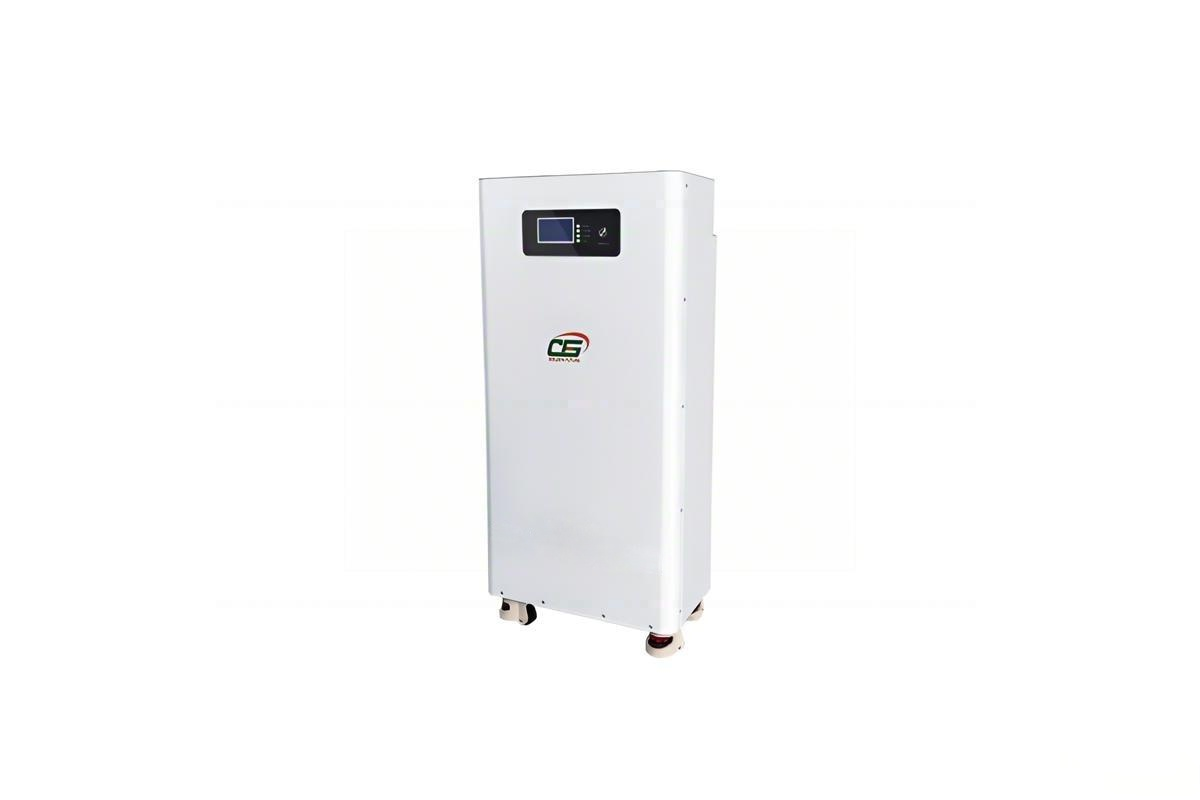
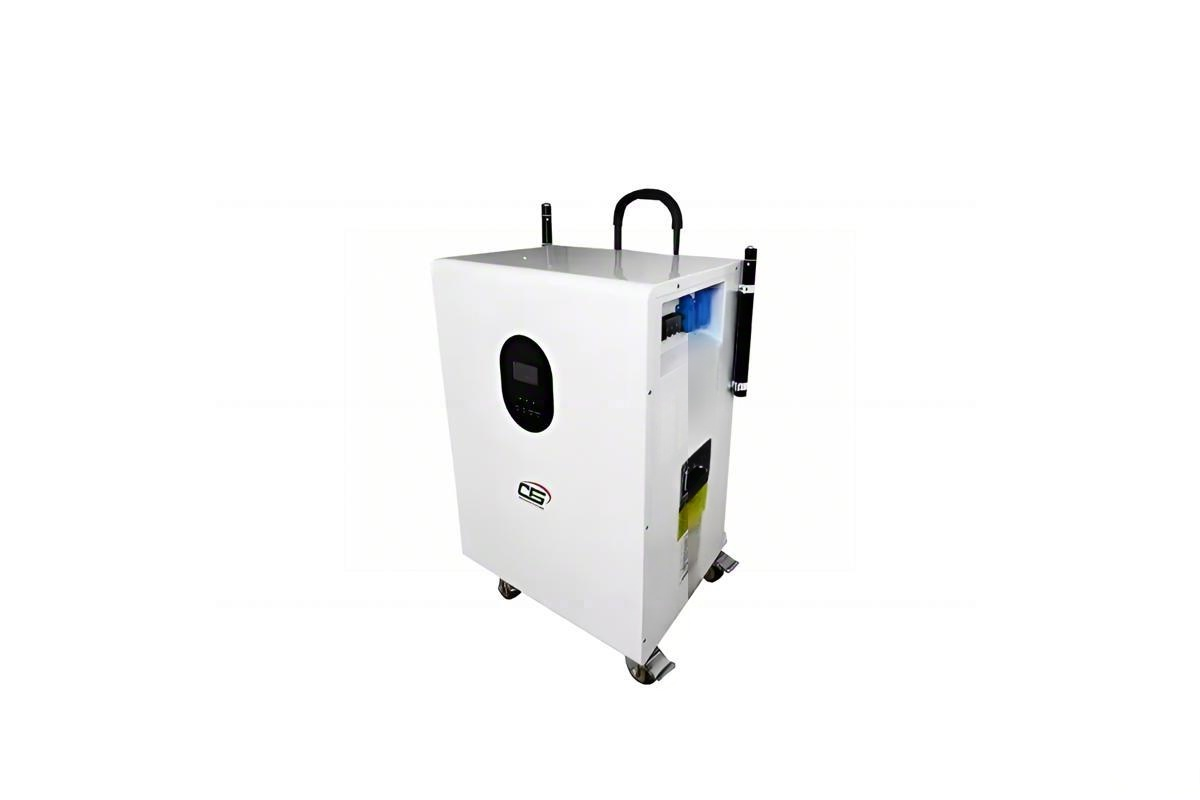
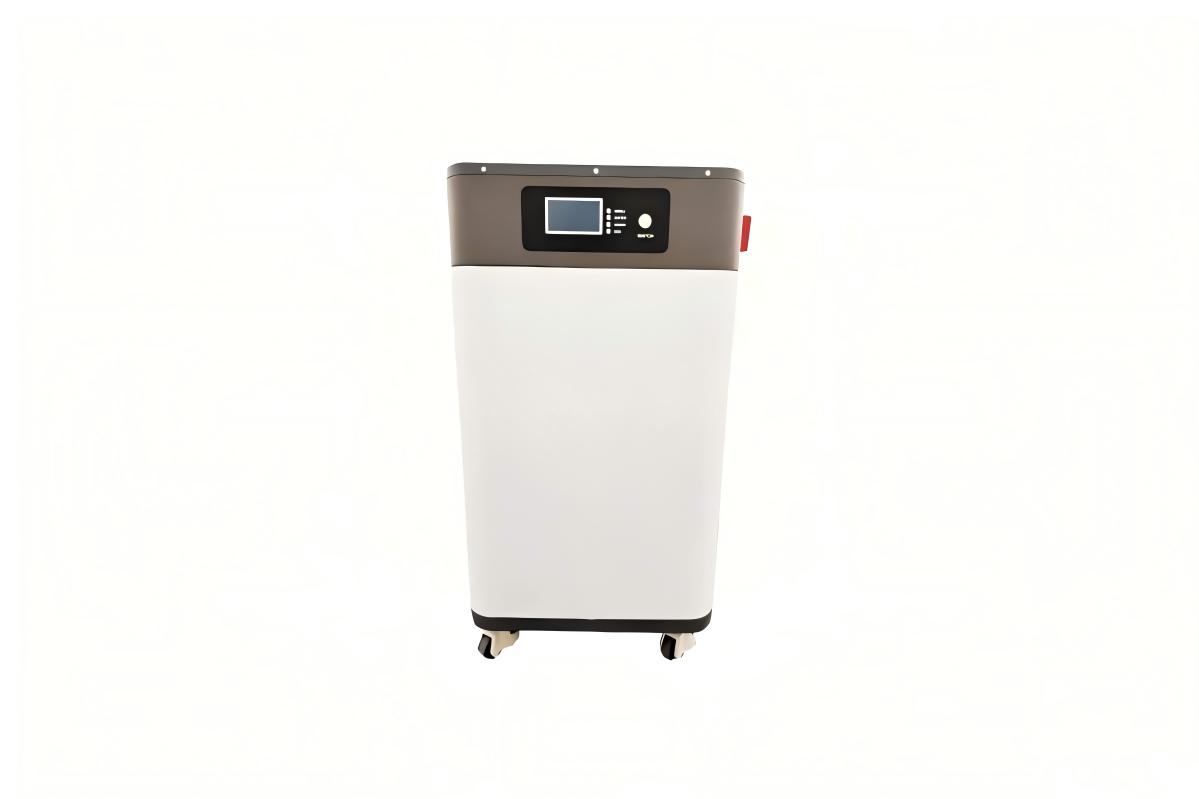
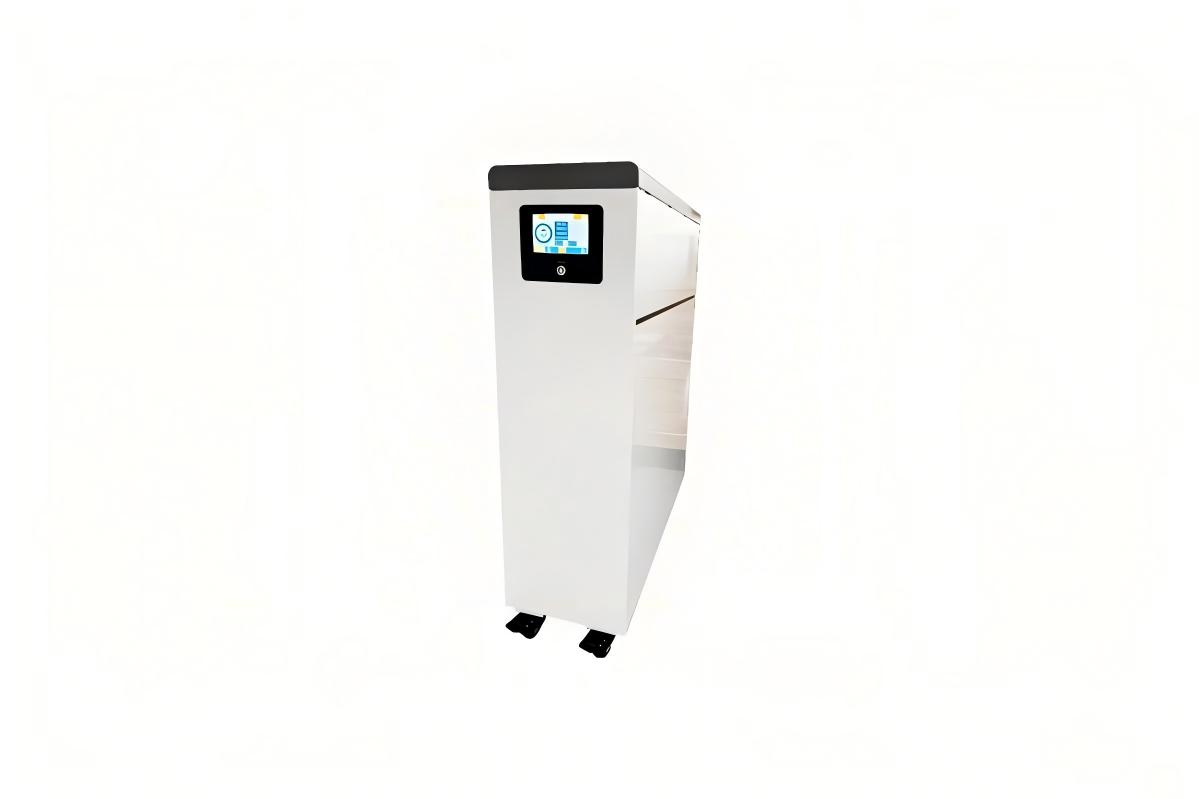
The installation and construction of home energy storage equipment must follow strict technical specifications and safety guidelines to ensure the system’s long-term reliability, performance, and safety. First, site selection is a critical step that directly impacts the system’s lifespan and safety. Indoor installations should be in a dry, well-ventilated area with an ambient temperature range of 0°C to 40°C and a relative humidity of no more than 85%, as extreme temperatures and high humidity can damage battery cells and reduce system efficiency. Common indoor locations include garages, utility rooms, or basements, provided they are free from flammable materials, direct sunlight, and potential water accumulation. Outdoor installations require weatherproof enclosures with an ingress protection (IP) rating of at least IP65 to protect against rain, dust, and other environmental factors, and should be mounted on non-combustible surfaces such as masonry or metal to prevent fire spread.
Electrical wiring and connection specifications are equally important to ensure safe operation. All wiring must comply with the latest version of the National Electrical Code (NEC) or local equivalent, with copper core cables selected based on the I²t principle to handle the system’s current load—for example, a 5kW system typically requires 4mm² copper wires. Proper grounding is mandatory, using a TN-S grounding system with a ground resistance of no more than 4Ω, and surge protection devices (SPDs) must be installed to protect the system from voltage spikes. Wiring connections must be tightly fastened to prevent loose contacts and overheating, and reverse polarity connections must be strictly avoided to prevent damage to the battery, inverter, or other components. Additionally, batteries and inverters should be installed separately or with sufficient spacing (at least 3 feet or as recommended by the manufacturer) to ensure adequate heat dissipation and maintenance access.
Structural and safety specifications also play a key role in installation. The installation surface (floor or wall) must have sufficient load-bearing capacity—typically at least 40 lbs/sq ft for floor-mounted systems—and wall-mounted units must be secured with load-rated anchors capable of supporting the system’s weight (100–400 lbs). Clearance requirements must be followed, including 50cm of space above the system for ventilation, 36 inches of front clearance for emergency access, and 24 inches of side clearance for maintenance. Fire safety measures include installing smoke or heat detectors near the system (per NFPA 72) and keeping a fire extinguisher handy, as lithium-ion batteries pose a risk of thermal runaway if damaged. Finally, all installation steps must be documented, including wiring diagrams, component specifications, and inspection records, to ensure compliance with regulatory requirements and facilitate future maintenance.




 59911926@qq.com/sales@goldenfuturehk.com
 13316809242 / 15816897019
 Inquiry
 Home >