






Time:2026-05-26 Views:356
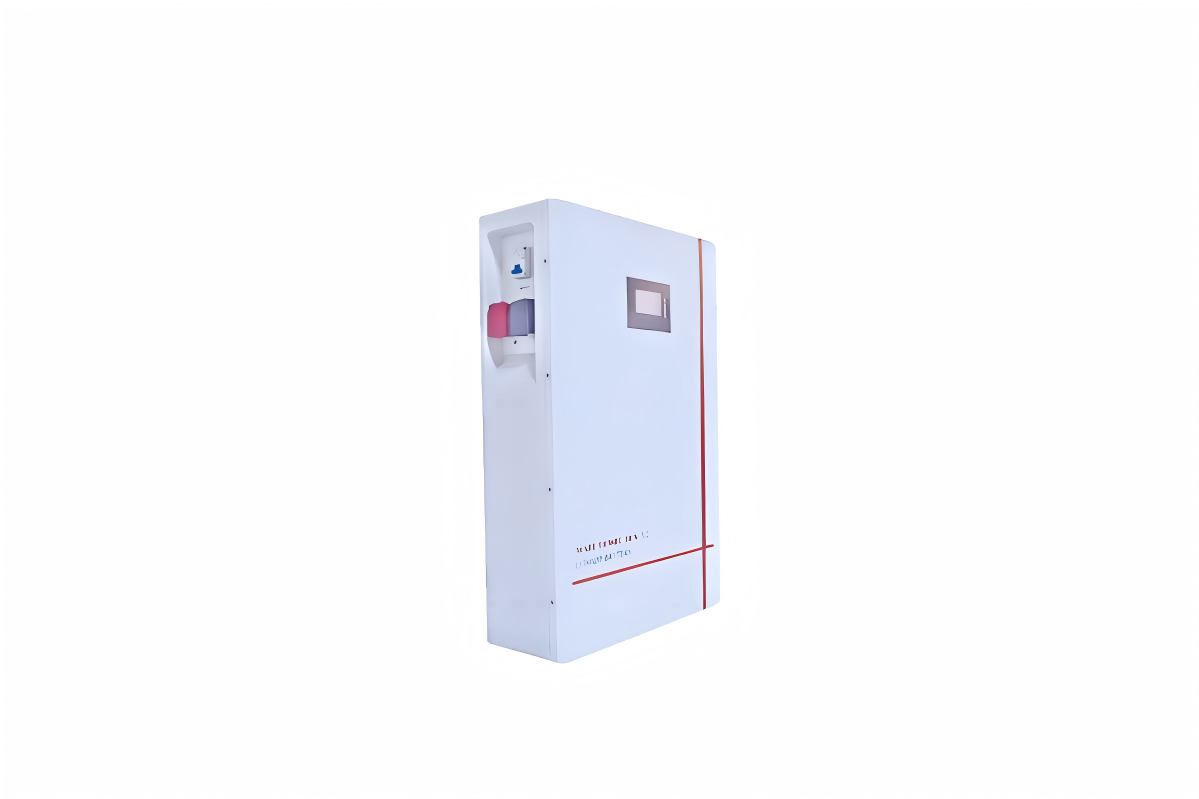
The installation height of wall-mounted energy storage equipment is a crucial factor that affects the safety, usability, and maintenance convenience of the system. A reasonable installation height not only ensures the safety of personnel (especially children and the elderly) but also facilitates daily inspection, maintenance, and operation of the equipment, while ensuring good ventilation and heat dissipation to maintain the equipment’s performance. The determination of the installation height should comprehensively consider factors such as safety regulations, equipment specifications, user needs, and environmental conditions, and comply with relevant international and local standards, such as the NEC, OESC, and AS/NZS 5139.
First, the minimum installation height of wall-mounted energy storage equipment must meet safety requirements to prevent accidental contact, tampering, or damage. According to international common standards and manufacturer guidelines, the bottom of the wall-mounted energy storage equipment should be at least 600mm (24 inches) above the ground, and in some regions (such as Australia), the minimum height is required to be 600mm to 900mm (24 to 36 inches) above the ground to prevent moisture accumulation at the bottom of the equipment and avoid accidental contact by children or pets. This height can effectively reduce the risk of the equipment being knocked over by external forces, prevent water damage caused by ground water accumulation (especially in humid environments), and avoid children touching the equipment’s buttons, interfaces, or cables, which could lead to electric shock or other safety accidents. For households with young children, the installation height can be appropriately increased to 1200mm to 1500mm above the ground to further improve safety.
The maximum installation height should be determined based on usability and maintenance convenience. The center of the equipment’s operation panel or display screen should be at or slightly below eye level of an average adult (about 1500mm to 1600mm above the ground), which allows users to easily monitor the equipment’s operating status (such as power, voltage, and charging/discharging status) and perform basic operations (such as turning on/off the equipment, adjusting parameters) without the need for ladders or other tools. The top of the equipment should be at least 300mm (12 inches) away from the ceiling to ensure sufficient ventilation space, which is crucial for heat dissipation of the energy storage equipment—excessive heat accumulation can reduce the battery’s service life and even cause safety hazards such as overheating and fire. If the installation location has a low ceiling, the installation height should be adjusted to ensure the required clearance, and additional ventilation measures (such as installing ventilation fans) can be taken if necessary.
In addition to the basic height requirements, the installation height should also consider the structural strength of the wall and the weight of the equipment. Wall-mounted energy storage equipment usually weighs between 50kg and 150kg, so the installation wall must be a solid load-bearing wall (such as a brick wall, reinforced concrete wall) with a load-bearing capacity of not less than 100kg (220lb) to avoid the equipment falling due to insufficient wall strength. If the wall is a non-load-bearing wall (such as a drywall), a steel or composite backplate must be installed to enhance the wall’s load-bearing capacity before installing the equipment. The installation height should also avoid areas with frequent human activities (such as doorways, corridors) to prevent the equipment from being collided or damaged; at the same time, it should be away from windows, air conditioning vents, and other locations to avoid direct sunlight, rain, or cold air from affecting the equipment’s performance.
For outdoor wall-mounted energy storage equipment, the installation height should also consider additional factors such as weather resistance and anti-theft. The bottom of the equipment should be at least 4 feet above the ground to avoid damage from vehicular impact; if the equipment is not enclosed in a non-combustible weatherproof casing, it should be at least 10 feet away from other structures, or 3 feet away if enclosed in a non-combustible casing. The installation height should also be convenient for professional maintenance personnel to carry out inspections and repairs, usually not exceeding 2000mm (6.5 feet) above the ground, to avoid the need for high-altitude operation equipment, which can improve maintenance efficiency and safety. In addition, the installation height should comply with local building codes and electrical safety regulations—for example, in some regions, the equipment must be installed at the same floor as the fire engine access way to facilitate emergency handling in case of fire.
Finally, the installation height must be consistent with the manufacturer’s specific guidelines, as different models of wall-mounted energy storage equipment may have different requirements due to differences in size, weight, heat dissipation design, and operation interface layout. Before installation, it is necessary to carefully read the equipment’s installation manual, confirm the recommended installation height and clearance requirements, and ensure that the installation height meets both the manufacturer’s requirements and relevant national and local standards. After installation, it is necessary to check whether the equipment is fixed firmly, whether the clearance between the equipment and the ground, ceiling, and surrounding structures meets the requirements, and whether the operation and maintenance are convenient, to ensure the safe and stable operation of the wall-mounted energy storage equipment.




 59911926@qq.com/sales@goldenfuturehk.com
 13316809242 / 15816897019
 Inquiry
 Home >