





Time:2026-05-20 Views:254
Industrial Energy Storage Battery Pack: Multi-dimensional Performance Analysis and Working Condition Adaptation Optimization
1. Industry Overview: Performance Requirements of Battery Packs for Industrial Scenarios
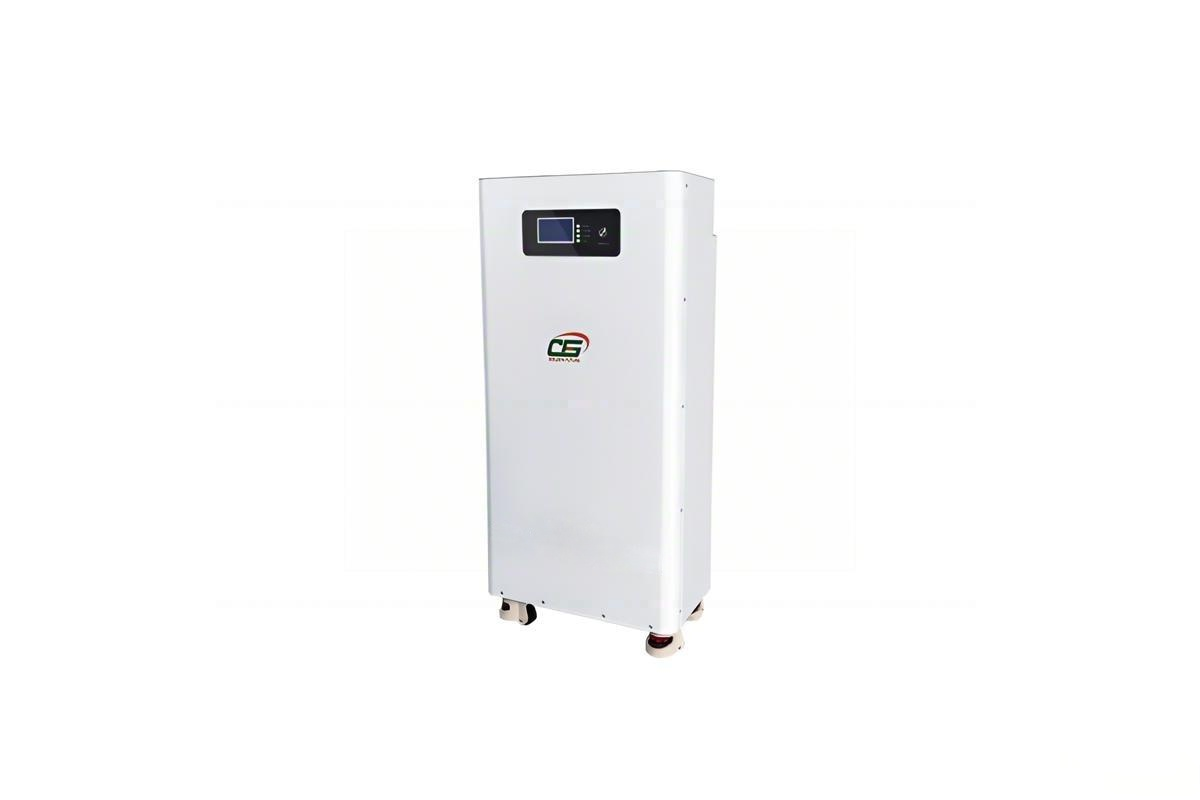
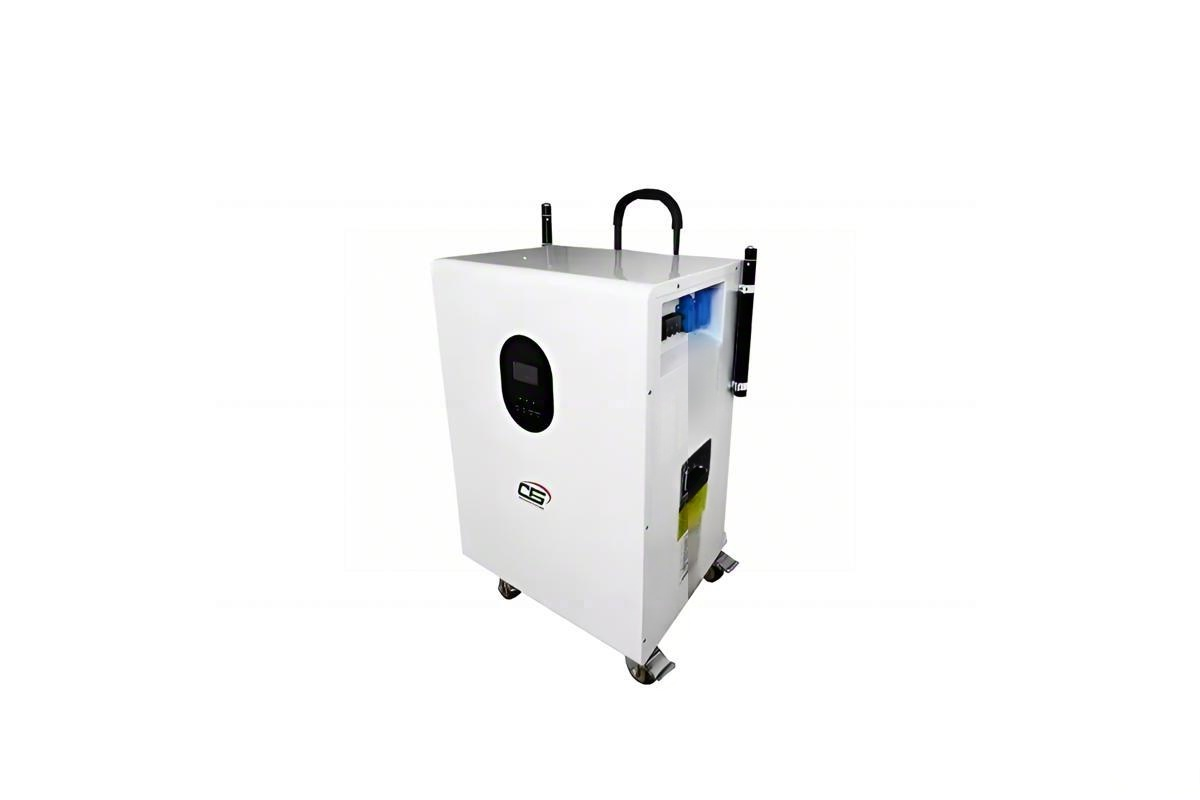
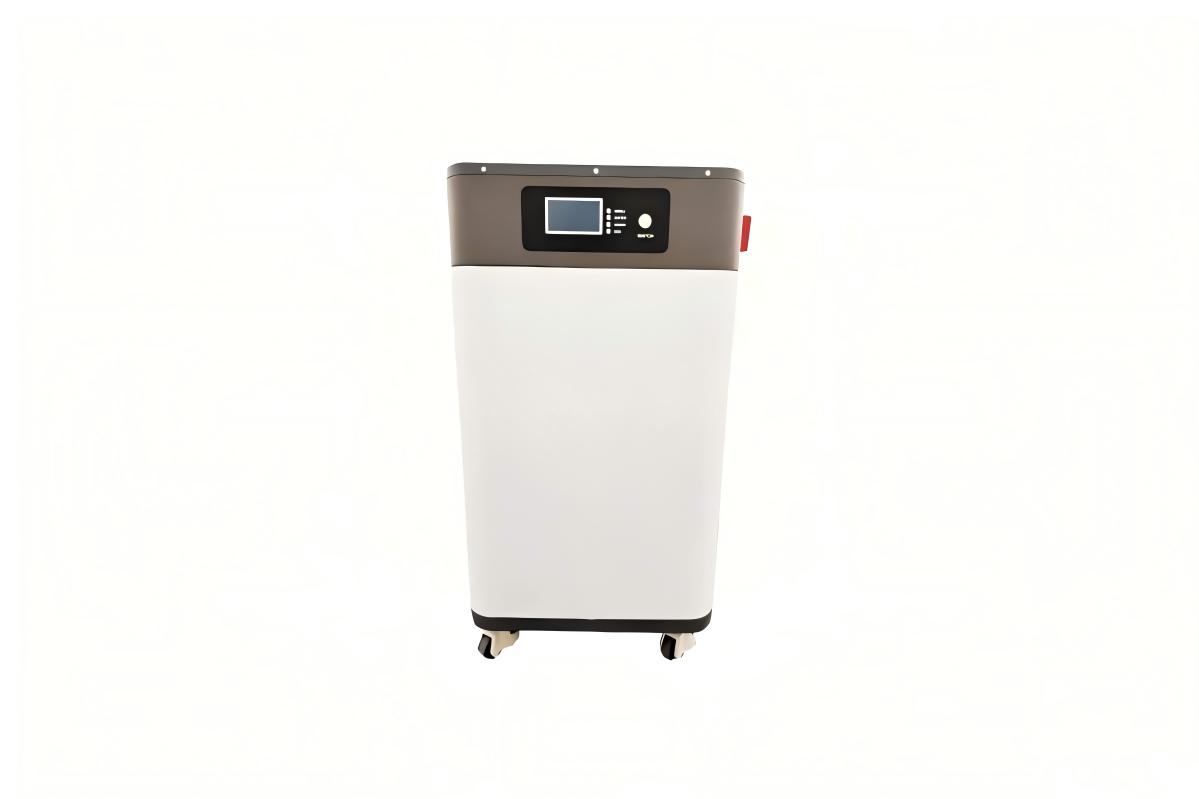
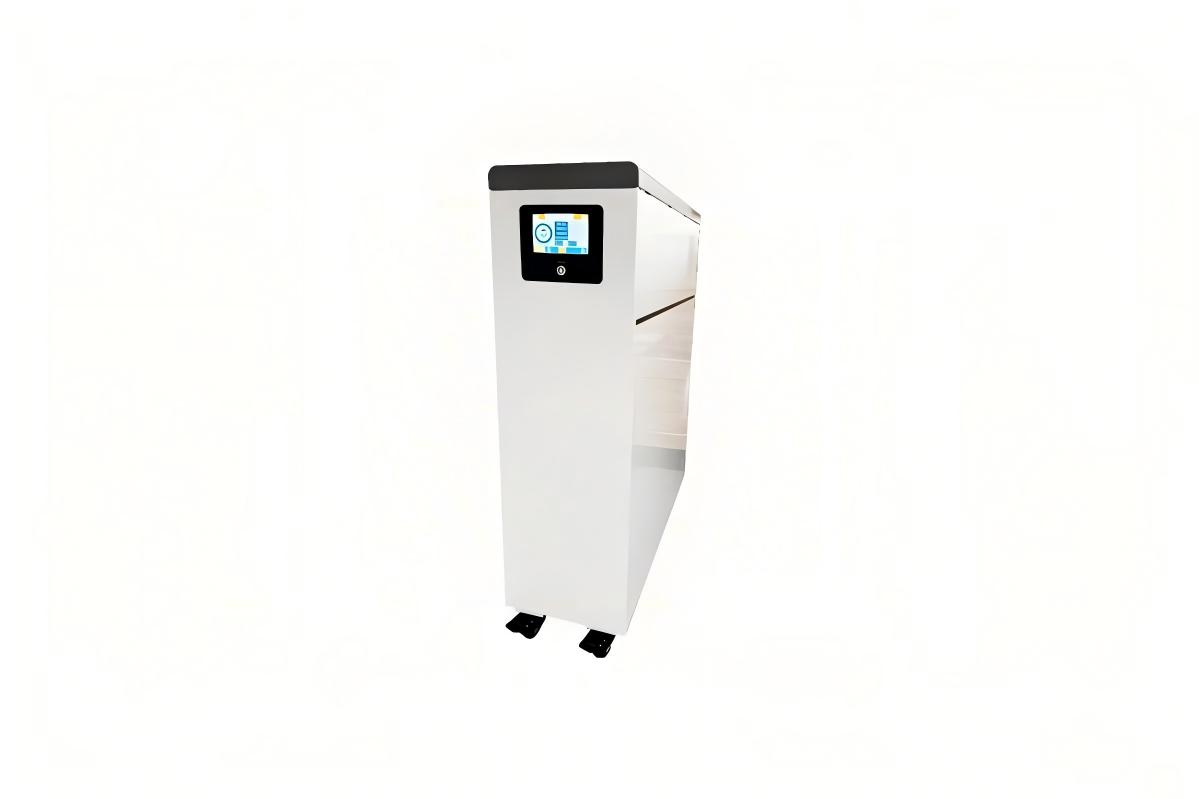
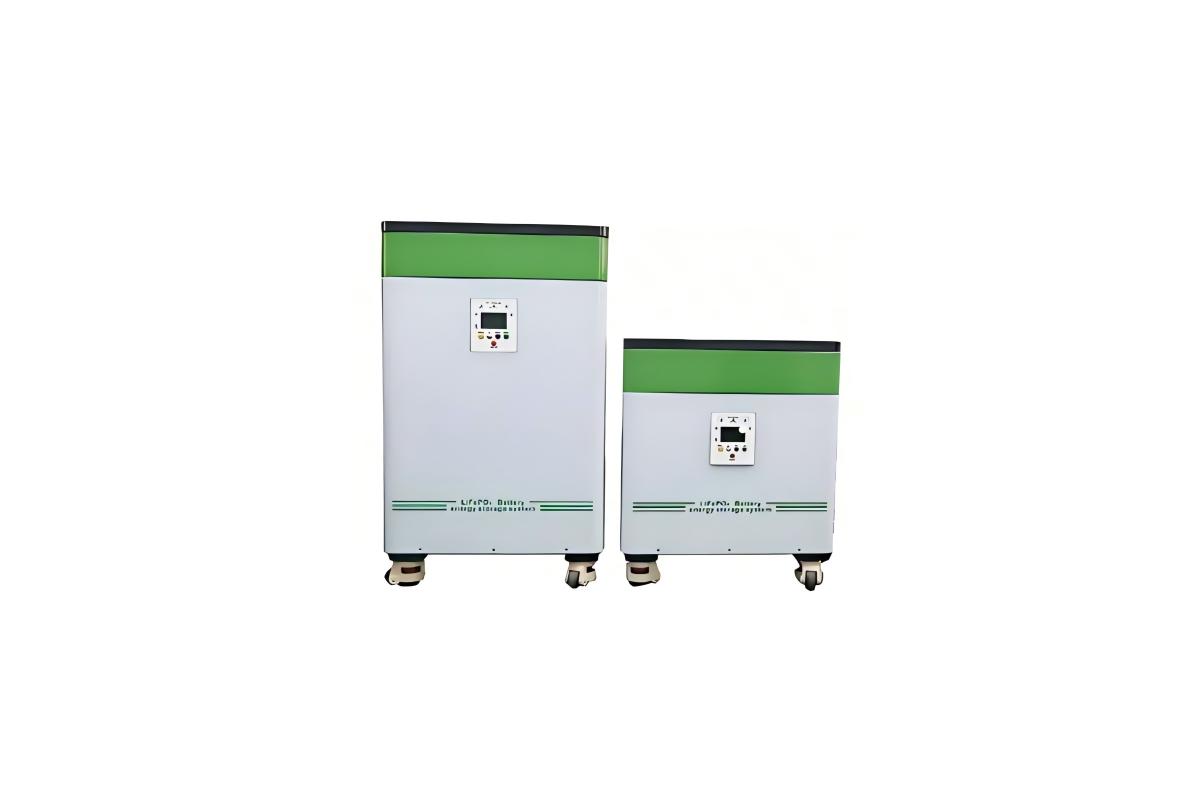
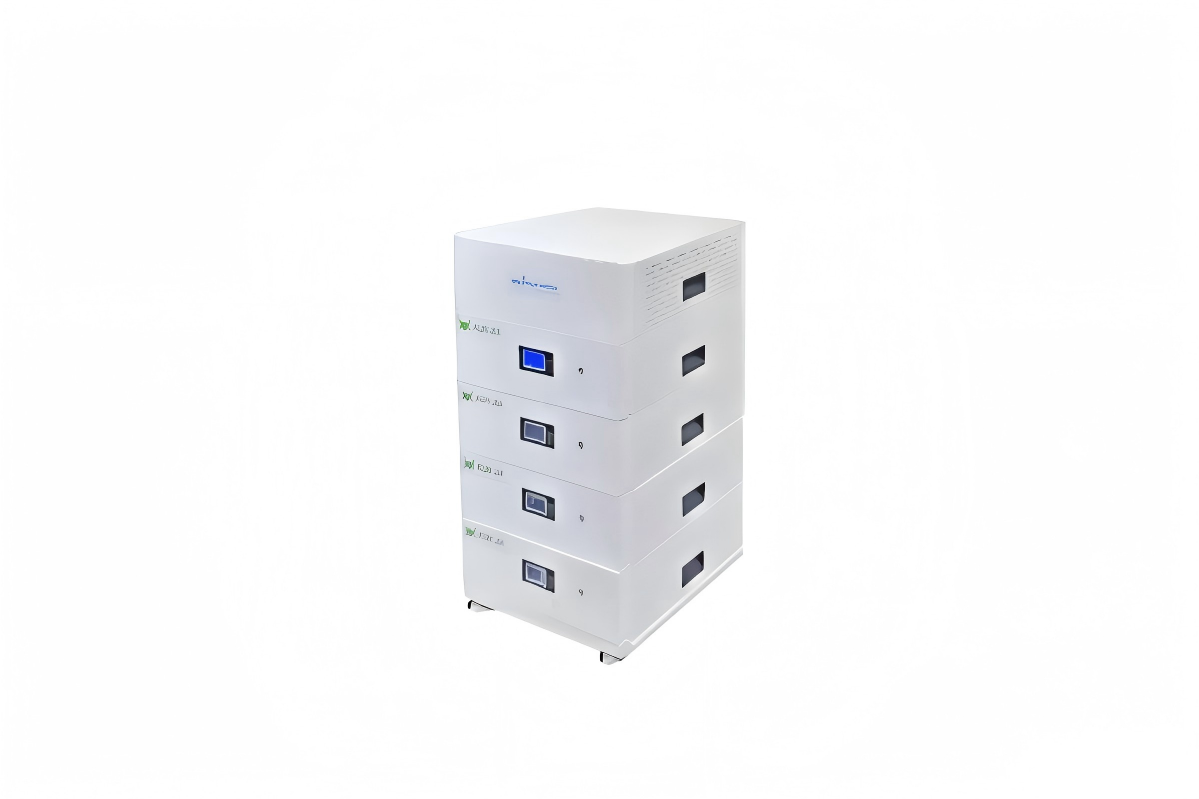
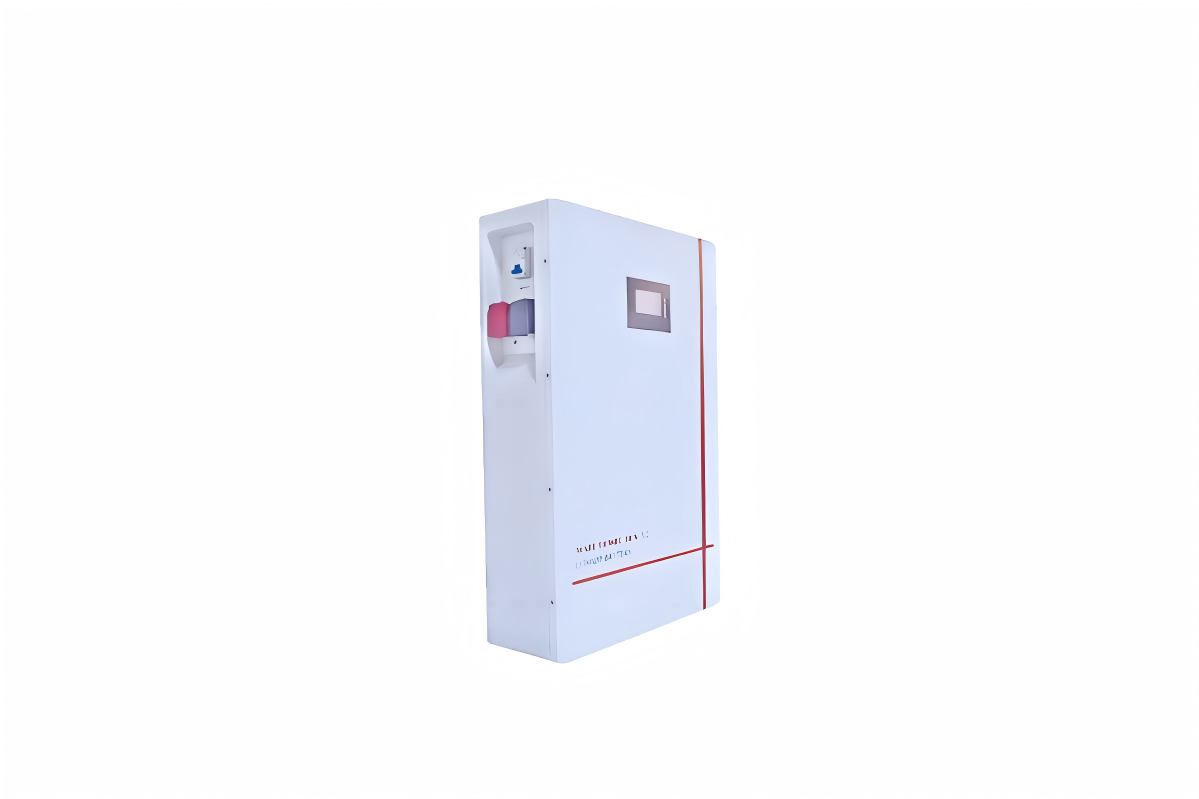
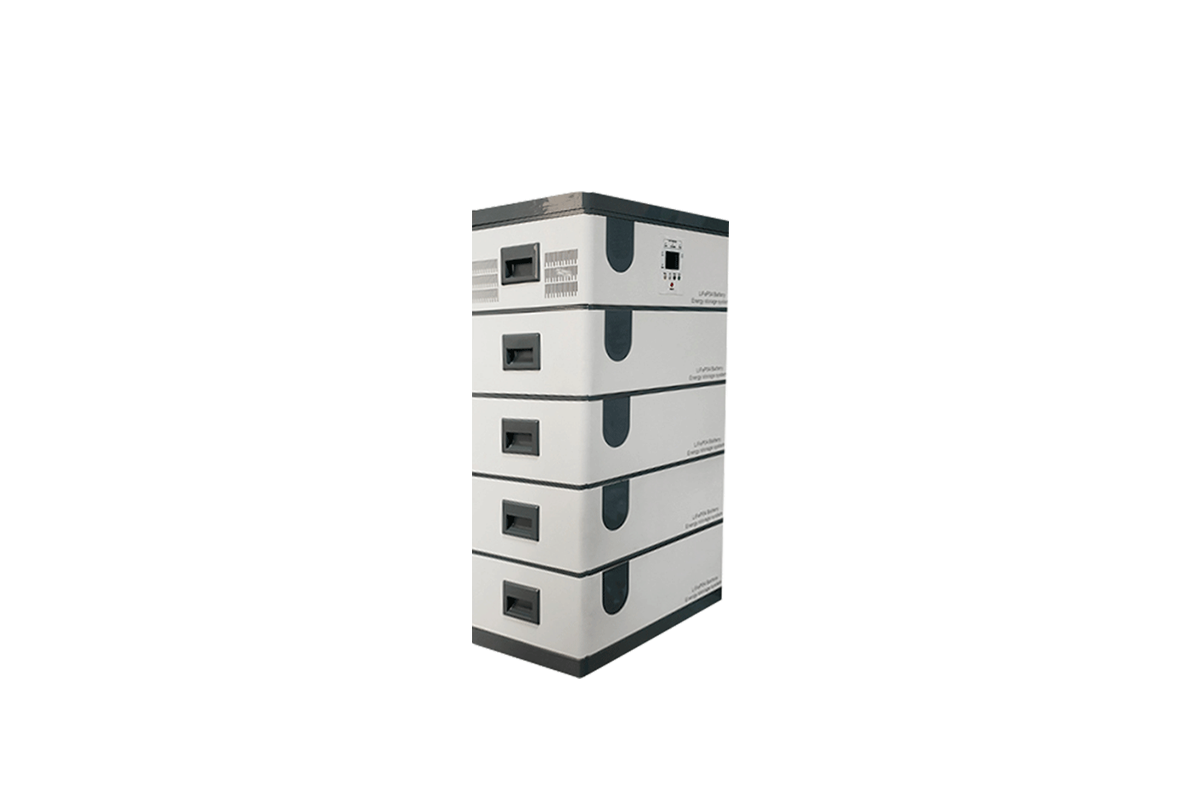
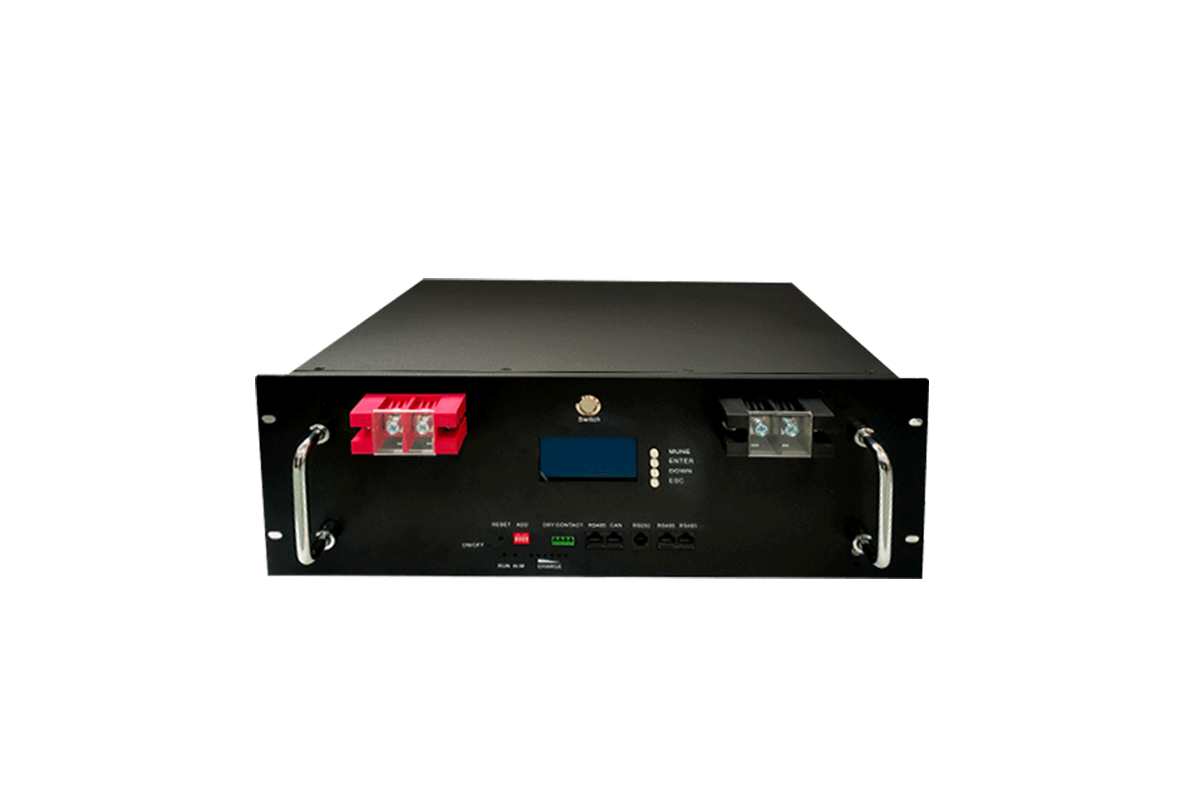
An industrial energy storage battery pack is an integrated energy storage equipment oriented to large factories, industrial parks, industrial and commercial power stations, microgrids, and new energy grid-connected projects. Different from civil household energy storage products, it operates in complex and harsh working conditions featuring high load, large current, wide temperature range, high humidity and excessive dust, requiring extremely strict comprehensive performance indicators. Industrial production is characterized by fluctuating power load, high peak current and strong uninterrupted power supply demand. Meanwhile, enterprises need energy storage systems to realize peak-valley arbitrage, demand control, emergency backup and grid frequency regulation. Therefore, battery packs must have excellent electrical output performance, stable temperature control and heat dissipation capacity, high-standard safety protection performance and long-cycle durability. At present, mainstream industrial energy storage battery packs adopt lithium iron phosphate cells as the core, with modular PACK integration technology, integrated intelligent management system, liquid cooling temperature control system and multi-stage fire protection structure. This paper focuses on performance perspectives, deeply analyzes key performance indicators, technical principles and working condition adaptation logic of industrial energy storage battery packs, summarizes existing performance shortcomings, and puts forward performance optimization directions, providing professional reference for selection, operation and maintenance, and performance iteration of large-scale industrial energy storage projects.
2. Analysis of Core Performance Dimensions of Industrial Energy Storage Battery Packs
2.1 Electrical Output Performance: Ensuring Stable High-power Charging and Discharging
Electrical performance is the most fundamental core performance of industrial energy storage battery packs, which directly determines the power output capacity, electric energy conversion efficiency and industrial power adaptation. Key indicators include charge-discharge rate, DC internal resistance, energy conversion efficiency and voltage consistency. Due to the drastic fluctuation of instantaneous industrial power load, industrial battery packs generally adopt low-internal-resistance cell design and optimize cell tab structure and PACK wiring technology to reduce DC internal resistance and heat loss during high-current charging and discharging. The standard charge-discharge rate of conventional industrial battery packs ranges from 0.5C to 1C to meet regular energy storage peak regulation demands, with an instantaneous pulse discharge capacity of 2C-3C for short-term high-power impact load and emergency grid frequency regulation. In terms of voltage consistency, the cell voltage difference is strictly controlled within 5mV after batch grouping, avoiding overcharge and overdischarge caused by excessive voltage difference. Currently, the system energy conversion efficiency of high-performance industrial battery packs can exceed 94%. Cooperating with high-precision power regulation devices, it reduces unnecessary energy consumption and effectively cuts the full-cycle power consumption cost of enterprises, adapting to long-term continuous operation of factories.
2.2 Temperature Control and Heat Dissipation Performance: Precise Temperature Control for Wide-temperature Working Conditions
Industrial sites have complex environments with high temperature in summer, extreme cold in winter, and massive heat generation during high-density and high-power operation. Temperature control performance directly affects battery attenuation rate and operational safety. At this stage, high-end industrial energy storage battery packs generally adopt liquid cooling temperature control systems to replace traditional air cooling solutions. Equipped with closed circulating pipelines and high-precision heat exchange modules, it realizes uniform temperature control across the whole area. The liquid cooling system stably maintains the battery pack temperature within the optimal range of 20℃-35℃, with the internal temperature difference of a single battery cluster controlled within 3℃, thoroughly solving uneven heat dissipation and local overheating problems of air cooling. Under high-temperature working conditions, the system quickly removes cell heat to inhibit side reactions and avoid thermal runaway; under low-temperature environments, it supports active preheating to enhance cell activity, ensuring the capacity retention rate exceeds 85% in alpine northern regions. The stable temperature control system reduces material loss caused by temperature stress and delays capacity attenuation, extending the service life by more than 7% compared with battery packs without temperature control structures.
2.3 Safety Protection Performance: Building Multi-level Safety Protection System
Industrial energy storage power stations have densely arranged batteries and large energy storage capacity, leading to higher accident risks than civil energy storage. Hence, safety performance is the core bottom line for industrial battery pack research and design. At the hardware structure level, the battery pack adopts high-strength explosion-proof sheet metal shell and flame-retardant sealing materials with a protection level above IP54, featuring dustproof, waterproof and anti-corrosion properties. Thermal insulation buffer layers are arranged between cells to block heat spread and prevent cascading thermal runaway caused by single cell failure. At the electrical protection level, the intelligent BMS monitors real-time voltage, current and temperature data with automatic power-off protection against overcharge, overdischarge, overcurrent, overvoltage and short circuit. At the fire protection level, it integrates composite fire extinguishing devices with aerosol and heptafluoropropane, as well as multiple sensors for smoke, temperature and combustible gas. The fire extinguishing procedure can be activated within milliseconds to suppress open flames. Meanwhile, the battery pack adopts cobalt-free and environmentally friendly materials with excellent intrinsic safety, high temperature resistance and low oxygen release, fully adapting to high-risk and complex industrial operating environments.
2.4 Cycle Durability Performance: Reducing Full-life-cycle Application Cost
Industrial energy storage projects have high investment costs and long service cycles, and cycle durability is a key indicator to measure economic benefits. Core parameters include cycle times, capacity attenuation rate and discharge depth. Relying on material modification technology and refined PACK grouping process, mainstream industrial lithium iron phosphate battery packs achieve 8,000-12,000 cycles at 80% discharge depth, while high-capacity advanced cells can exceed 15,000 cycles with nearly zero capacity attenuation in the first 1,000 cycles. Optimized cell arrangement reduces pressure on single cells and slows down material aging and pole piece falling off during long-term cycles. The intelligent equalization algorithm corrects cell power deviation in real time to prevent performance degradation of the whole pack caused by defective cells. The ultra-long cycle life greatly reduces the initial investment cost. With proper operation and maintenance, the service life can reach 10-15 years, matching the long-term operation plan of industrial parks and cutting extra expenses on battery replacement and equipment maintenance.
2.5 Environmental Adaptation Performance: Adapting to Complex Industrial Sites
Industrial sites are often affected by dust accumulation, humid air, acid-base corrosion and frequent vibration. Environmental adaptation determines the anti-interference ability and operational stability of battery packs. Industrial battery packs adopt sealed anti-corrosion treatment, with weather-resistant alloy shells coated with anti-corrosion and anti-oxidation materials to resist industrial waste gas and moisture erosion. Internal circuits adopt insulated and waterproof packaging to avoid short circuits caused by dust and moisture. In terms of temperature adaptation, the operating temperature ranges from -40℃ to 70℃, suitable for high-temperature industrial zones in southern China, alpine factories in northern China and open-air energy storage power stations. For seismic resistance, the reinforced shockproof structure withstands mechanical vibration and transportation bumps, ensuring long-term trouble-free operation in complex sites.
2.6 Intelligent Operation and Maintenance Performance: Realizing Automatic Precision Management
Intelligent performance is a critical upgrading direction of modern industrial energy storage battery packs. Supported by BMS and EMS intelligent control systems, it realizes autonomous monitoring, intelligent regulation and fault early warning. The battery management system collects real-time operating data of each cell to generate performance reports and accurately predict aging trends and potential faults. The energy management system automatically formulates charge-discharge strategies based on industrial power consumption curves, peak-valley electricity prices and photovoltaic power generation to realize peak shaving and valley filling and demand control, maximizing enterprises’ electricity cost savings. Meanwhile, the built-in remote communication module supports cloud data transmission, remote parameter debugging and unattended operation. The embedded fault code tracing function quickly locates fault points and shortens maintenance time. The intelligent management mode reduces labor costs and improves automation levels, meeting the development needs of modern smart industry.
3. Current Performance Shortcomings of Industrial Energy Storage Battery Packs
3.1 Limited Performance under High-rate Working Conditions
Some mid-to-low-end industrial battery packs have insufficient rate performance, resulting in excessive temperature rise and expanding voltage difference during long-term high-power continuous discharge. High DC internal resistance increases energy consumption loss under high-current conditions, failing to adapt to high-frequency impact load in heavy industry. In addition, lithium precipitation easily occurs during low-temperature high-rate discharge, accelerating cell aging and restricting energy storage application in cold northern heavy industrial areas.
3.2 Insufficient Temperature Control Consistency for Large-scale Clusters
The temperature control technology of single battery packs is relatively mature, but large-scale energy storage power stations with parallel battery clusters face difficulties in inter-cluster temperature difference management. Local battery clusters tend to have high temperature and accelerated attenuation, leading to performance differentiation and shortened overall service life. Some outdated air-cooled battery packs have low heat dissipation efficiency and high energy consumption under high-temperature environments with poor energy-saving performance.
3.3 Vulnerable Protection against Extreme Faults
The existing protection system can handle conventional short circuit and overheating faults, but thermal runaway spread risks still exist under extreme external damages such as extrusion, acupuncture and severe impact. In the late aging stage, internal side reactions intensify and gas accumulation causes battery bulging, while existing gas monitoring and pressure relief devices lack sufficient sensitivity for early hidden danger prediction.
4. Performance Optimization Directions and Industry Development Trends
4.1 Optimizing Electrical Structure to Enhance Rate Performance
Optimize cell tab structure with multi-tab design to reduce DC internal resistance, and develop high-rate lithium iron phosphate cells to improve continuous high-power discharge capacity. Upgrade PACK internal wiring to shorten current transmission paths and reduce line energy loss. Meanwhile, the active equalization circuit is upgraded to expand the adjustment range and ensure cell voltage consistency throughout the life cycle, enhancing electrical stability under complex load conditions.
4.2 Upgrading Full-domain Temperature Control to Narrow Inter-cluster Temperature Difference
Popularize liquid cooling temperature control architecture and optimize three-dimensional lateral cooling pipeline layout to improve heat exchange uniformity. Build a station-level full-domain temperature control linkage system to uniformly regulate the operating temperature of multiple battery clusters and control inter-cluster temperature difference within a reasonable range. Combined with intelligent temperature control algorithms, the heat exchange power is automatically adjusted according to ambient temperature and charge-discharge rate to balance temperature control effect and energy-saving efficiency, reducing operation and maintenance energy consumption.
4.3 Improving Safety Architecture to Strengthen Extreme Protection
Optimize the physical protection structure of battery packs, add high-strength anti-extrusion buffer layers, and improve pressure relief and explosion-proof channels. Upgrade composite sensors to monitor internal gas concentration, micro-deformation and temperature changes for early aging hazard prediction. Optimize the multi-stage fire protection linkage logic to shorten fire response time and block heat spread, constructing a four-level safety protection system covering cell, module, battery pack and power station.
4.4 Iterating Intelligent Algorithms to Reduce Operation and Maintenance Costs
Integrate artificial intelligence and digital twin technology to upgrade the management system, simulate the full-life-cycle performance changes of battery packs, accurately predict attenuation trends and realize predictive maintenance. Optimize the electricity price linkage regulation algorithm to adapt to differentiated industrial power consumption modes and further improve peak-valley arbitrage benefits. Build a cloud big data operation and maintenance platform to realize centralized management and data interconnection of multiple power stations, promoting intelligent and unmanned operation of industrial energy storage.
5. Conclusion
From the perspective of performance, industrial energy storage battery packs are high-end integrated energy storage products with high-power output, high-safety protection, long-cycle durability and strong environmental adaptability. The six core performances of electricity, temperature control, safety, durability, environment and intelligence cooperate to adapt to complex and harsh industrial operating conditions. Relying on the advantages of lithium iron phosphate materials and mature PACK integration technology, current industrial battery packs can meet diversified application demands such as factory peak-valley arbitrage, emergency backup, grid frequency regulation and new energy grid connection. However, the industry still faces performance shortcomings including insufficient high-rate performance, poor large-scale temperature control consistency and weak extreme fault protection. In the future, the industry will continuously upgrade focusing on four major directions: low-internal-resistance cell research, full-domain liquid cooling optimization, multi-level safety protection and intelligent algorithm iteration, so as to improve comprehensive performance and reduce full-life-cycle operation and maintenance costs. With continuous technological breakthroughs, industrial energy storage battery packs will steadily develop towards high power, high safety, long service life, low energy consumption and intelligence, providing solid performance guarantee for enterprises’ energy conservation and cost reduction, new power system construction and industrial carbon neutrality goals.




 59911926@qq.com/sales@goldenfuturehk.com
 13316809242 / 15816897019
 Inquiry
 Home >