





Time:2026-05-20 Views:241
Household Energy Storage System Battery: Performance Analysis and Industrial Development from the Perspective of Raw Materials
1. Industry Development Overview
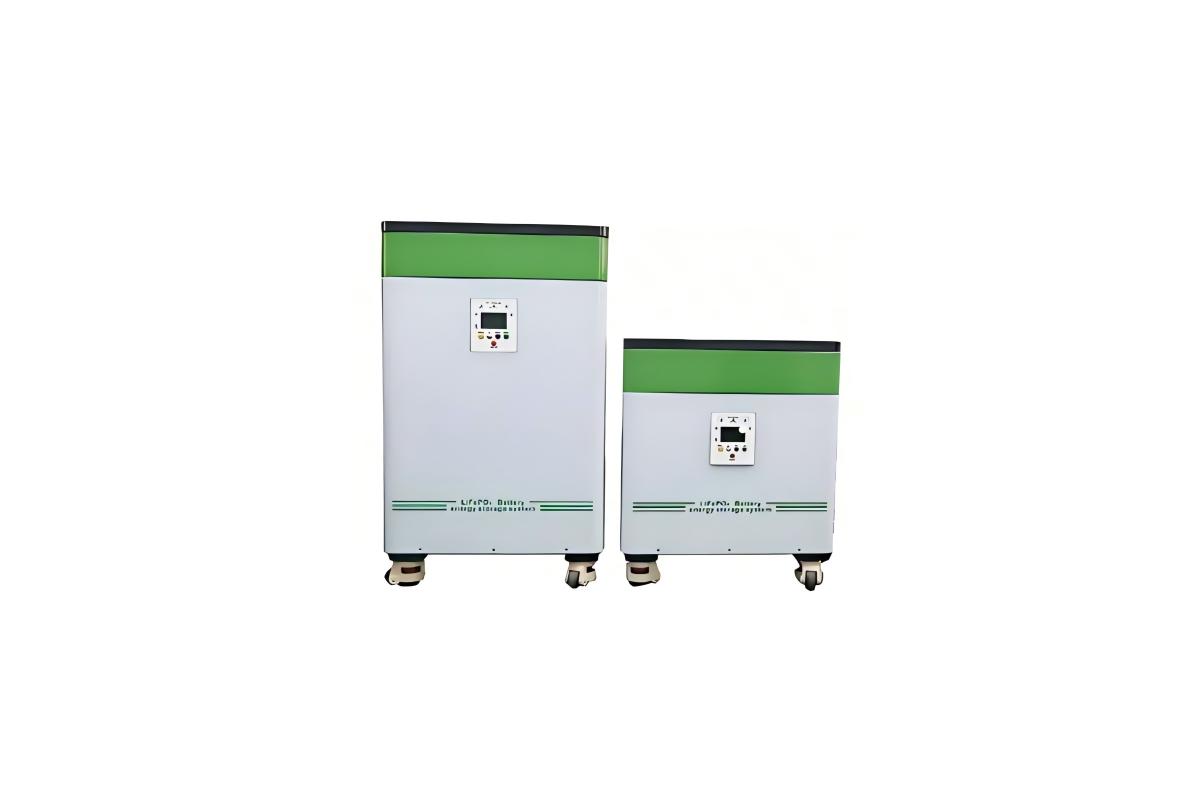
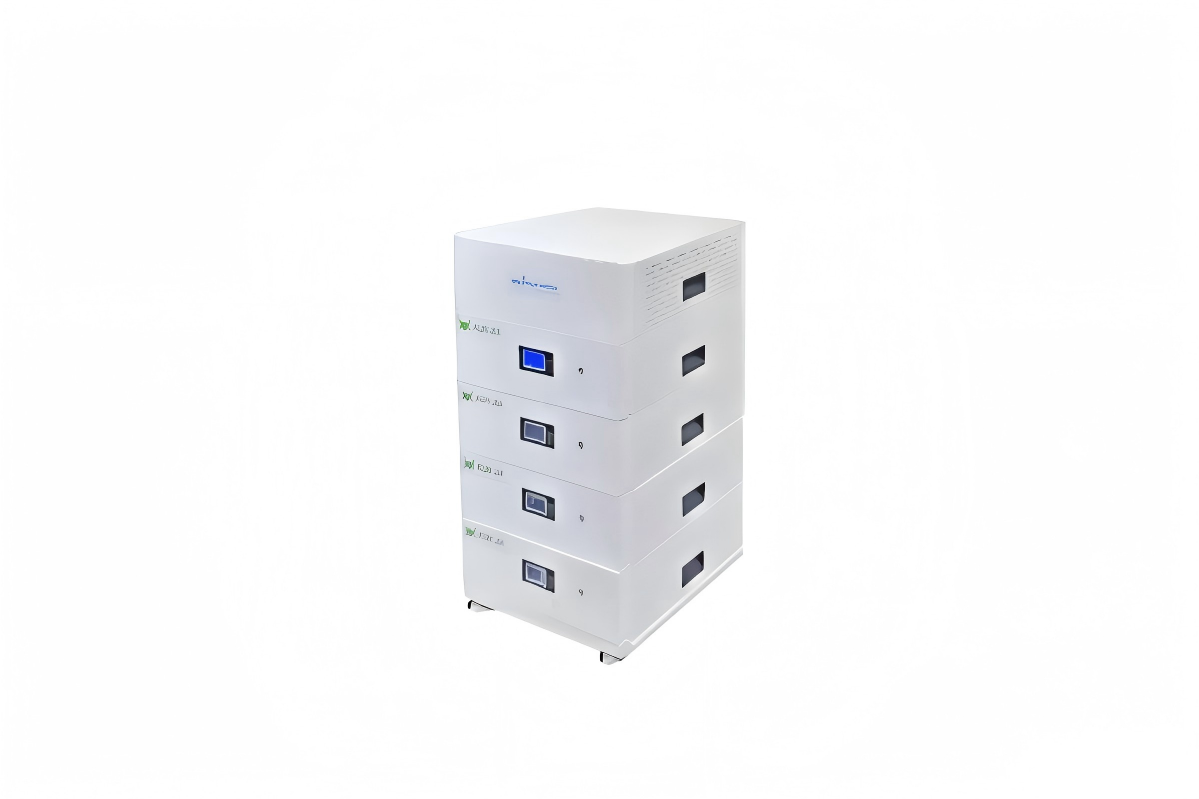
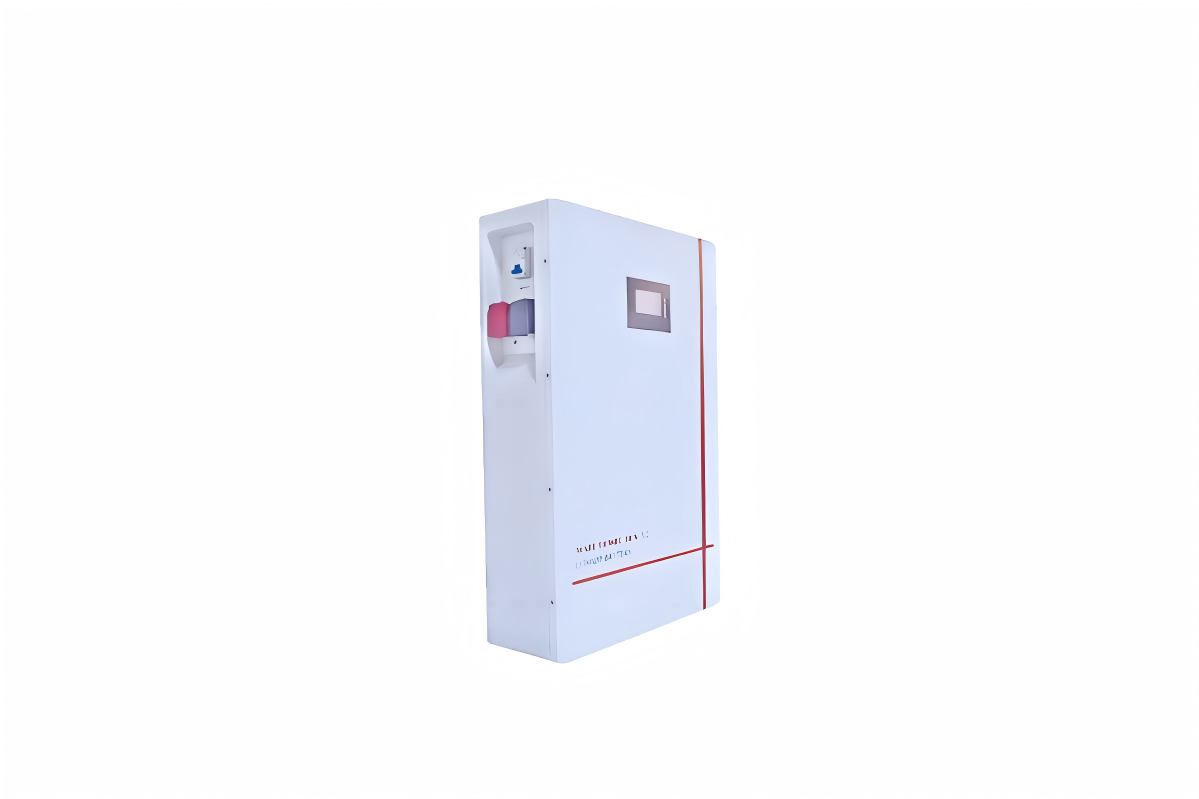
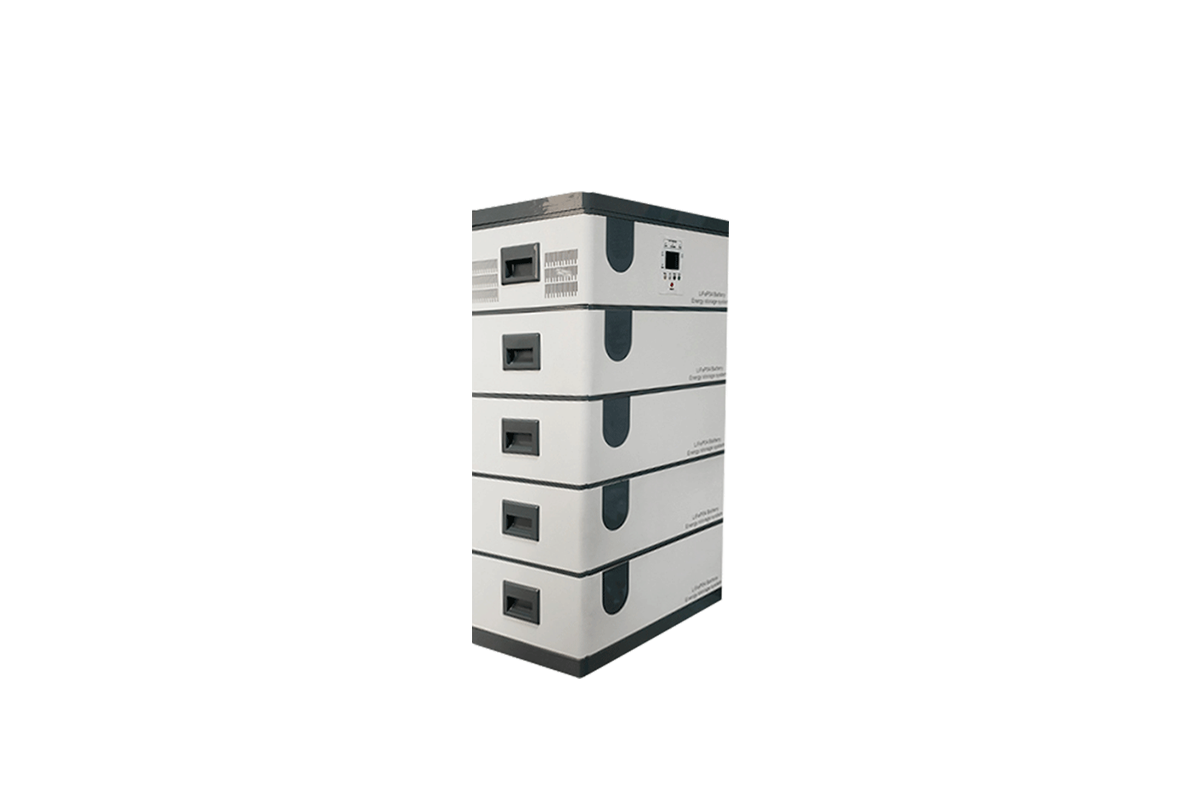
With the popularization of distributed photovoltaics, rising residential electricity costs and growing demand for emergency power supply, household energy storage system batteries have gradually entered ordinary families and become core products in the civil clean energy energy storage field. Different from industrial and commercial energy storage batteries, household energy storage batteries feature closed application scenarios, long service life and strict safety requirements, while taking into account compact size, low self-discharge and adaptability to household voltage working conditions. Battery raw materials fundamentally determine the safety, cycle life, energy density and production cost of household energy storage batteries, and different material formulas directly affect user experience and household safety. At present, lithium-ion batteries dominate the global household energy storage market. Lithium iron phosphate materials have become the first choice for household energy storage due to high safety. Meanwhile, sodium-ion materials, new composite electrolytes, modified separators and other raw materials are continuously iterated. From the perspective of raw materials, this paper decomposes the core material composition, material performance requirements, existing material shortcomings and future material optimization directions of household energy storage batteries, and deeply analyzes the influence of raw materials on the industrial development of household energy storage batteries, providing reference basis for household energy storage product selection and material research and development.
2. Composition and Functional Characteristics of Core Raw Materials for Household Energy Storage Batteries
Household energy storage lithium batteries have a mature structure. The core raw materials mainly include four major main materials: cathode materials, anode materials, electrolytes and separators, supplemented by auxiliary materials such as conductive agents, binders and current collectors. All kinds of raw materials cooperate with each other to complete the whole process of lithium ion deintercalation, conduction and migration. The purity, chemical stability and compatibility of raw materials directly determine the comprehensive quality of batteries. Compared with industrial energy storage batteries, household energy storage batteries have higher requirements for the purity, environmental protection and safety stability of raw materials, avoiding toxic and harmful substances, strictly controlling material impurities, and adapting to closed household use environments.
2.1 Cathode Materials: Determining Battery Capacity and Safety Bottom Line
As the core raw material with the highest cost proportion of household energy storage batteries, cathode materials account for about 60% of the total battery cost. They are mainly responsible for storing lithium ions and directly affecting battery voltage, cycle life and thermal stability. At present, lithium iron phosphate materials are the mainstream cathode materials in the household energy storage field, while a small number of low-end products adopt ternary lithium materials and few use lead-acid cathode raw materials. The main raw materials of lithium iron phosphate include phosphorus source, iron source and lithium source. Its crystal has an olivine structure, which restricts lithium ions through strong chemical bonds of phosphate radicals. The thermal runaway temperature is above 800℃. It is not easy to decompose and release oxygen in high-temperature environments, avoiding violent combustion and explosion, making it suitable for closed household storage environments. This material contains no scarce and toxic heavy metals such as cobalt and nickel, with abundant raw material reserves and low prices, and its cycle life can exceed 6,000 times, delivering extremely high cost performance for long-term household use. Ternary cathode materials have higher energy density, but contain cobalt metal with high raw material cost and poor thermal stability, which is prone to thermal runaway at high temperatures and fails to meet household safety standards, thus gradually withdrawing from the civil energy storage market.
2.2 Anode Materials: Controlling Charging and Discharging Efficiency and Cycle Stability
Anode materials are used to intercalate and release lithium ions, optimizing battery charging and discharging rate and delaying cell attenuation. Currently, carbon-based materials such as artificial graphite and natural graphite dominate the anodes of household energy storage batteries, with mature processes, excellent electrical conductivity and stable chemical properties. Their compacted density can reach more than 1.6g/cm³, meeting the demand for slow daily charging and discharging of families. Natural graphite raw materials have high crystallinity, large lithium storage capacity and lower production cost; artificial graphite has stronger structural stability, high and low temperature resistance and slow cycle attenuation, which is mostly used in high-end household energy storage batteries. To optimize low-temperature performance, the industry is gradually developing hard carbon and silicon-based composite anode materials. Hard carbon raw materials adapt to low-temperature environments and solve the problem of sharp capacity decline of household energy storage batteries in winter; silicon-based anodes have far higher theoretical capacity than traditional graphite and can improve battery energy density, which is still in the stage of mass production optimization. Metal lithium anodes are strictly prohibited in household energy storage to avoid short circuit and fire risks caused by lithium dendrite growth.
2.3 Electrolyte: Medium Carrier for Lithium Ion Transmission
The electrolyte is prepared by mixing lithium salt, organic solvent and additives. It serves as a transmission medium for lithium ion migration inside the battery, determining the conductivity, temperature resistance and service life of the battery. Household energy storage batteries commonly use lithium hexafluorophosphate as the basic lithium salt, matched with carbonate organic solvents and high-purity functional additives. Household batteries have extremely high purity requirements for electrolyte raw materials. The purity of key components of battery-grade electrolyte must reach more than 99.99%, with strictly controlled moisture and impurity content to prevent side reactions inside the cell caused by impurities, leading to battery bulging and liquid leakage. To improve safety performance, the industry is gradually promoting the new lithium salt LiFSI, which has excellent low-temperature conductivity, can reduce electrolyte corrosion, and adapt to complex household environments with high temperature in the south and low temperature in the north. In addition, flame retardant additives are essential auxiliary materials for household electrolytes, which can increase the ignition point of electrolytes and quickly suppress open flames in case of abnormal cell temperature rise to strengthen household use safety.
2.4 Separator: Isolating Positive and Negative Electrodes to Build a Safety Barrier
The separator is a microporous film material mainly made of polypropylene (PP) and polyethylene (PE). It physically isolates the positive and negative electrodes of the battery to prevent internal short circuits while allowing lithium ions to pass through micropores freely for migration. Household energy storage batteries prefer ceramic-coated modified separators with alumina ceramic coatings on the surface of the base film. Compared with ordinary separators, they have greatly improved high-temperature resistance and lower thermal shrinkage, which can effectively avoid short circuit accidents caused by high-temperature separator melting. The pore size and air permeability of separator raw materials must be strictly controlled. Excessively large pores will lead to lithium dendrite penetration, while excessively small pores will hinder ion transmission and affect charging efficiency. High-quality household energy storage separators have uniform thickness, flexible texture and strong puncture resistance, adapting to household working conditions of long-term standing and frequent charging and discharging of batteries.
2.5 Auxiliary Raw Materials: Improving Comprehensive Battery Performance
Auxiliary raw materials include conductive agents, binders and copper-aluminum current collectors. Conductive agents are mostly made of conductive carbon black and graphene to improve the internal conductivity of cells and reduce energy consumption; binders adopt water-based environmentally friendly materials to meet household environmental protection requirements, stabilize the structure of positive and negative electrode materials and prevent material falling off during charging and discharging; current collectors are made of copper foil and aluminum foil, carrying positive and negative active substances respectively, with corrosion resistance and fast conductivity. Household energy storage batteries adopt mercury-free and cadmium-free environmentally friendly auxiliary materials throughout the process without precipitation of toxic and harmful substances, complying with environmental protection standards for indoor household use.
3. Existing Industry Pain Points of Household Energy Storage Battery Raw Materials
3.1 Resource and Cost Constraints of Raw Materials
Although lithium iron phosphate contains no scarce precious metals, lithium ore resources are centrally distributed, and raw material prices fluctuate greatly with market supply and demand, directly affecting the terminal selling price of household energy storage batteries. High-precision raw materials such as modified separators and new lithium salts have complex production processes and high purification costs, resulting in high pricing of high-quality household energy storage batteries and high popularization thresholds. In addition, graphite anodes rely on natural mineral resources with low resource recycling utilization rate.
3.2 Inherent Performance Defects of Raw Materials
Existing mainstream raw materials have inherent performance shortcomings. Lithium iron phosphate cathode raw materials have low conductivity and poor low-temperature performance, with obvious battery capacity attenuation in low-temperature winter environments; the energy density of traditional graphite anodes is close to the upper limit, making it difficult to meet users' demand for miniaturized and large-capacity energy storage; ordinary electrolytes have weak high-pressure resistance and are prone to decomposition after long-term standing, causing battery self-discharge loss. Moreover, the compatibility of various raw materials is limited, and minor side reactions are prone to occur when used together, accelerating cell aging in long-term use.
3.3 Imperfect Recycling and Environmental Protection System
The service life of household energy storage batteries is 10-15 years, and there is no mature recycling system for waste civil batteries in the industry at present. The dismantling technology of waste batteries is simple, and the recovery rate of renewable raw materials such as lithium source and graphite anode is low, resulting in a large amount of resource waste caused by discarded cells. Meanwhile, electrolytes contain organic chemical components, and improper disposal is likely to pollute soil and water sources, violating the concept of green household energy use.
4. Raw Material Optimization Improvement and Industry Development Trends
4.1 Upgrading Raw Material Formula to Break Through Performance Bottlenecks
At the cathode level, lithium manganese iron phosphate composite raw materials are developed, and manganese elements are doped to improve battery voltage and energy density while retaining the high safety advantages of lithium iron phosphate. At the anode level, hard carbon and silicon-carbon composite anode materials are popularized on a large scale to reduce mineral dependence and optimize low-temperature charging and discharging performance. At the electrolyte level, high-purity LiFSI new lithium salt is popularized, matched with flame retardant and lithium precipitation prevention additives to adapt to wide-temperature household scenarios. At the separator level, aramid-coated separators are upgraded to further improve high-temperature resistance and puncture resistance, comprehensively strengthening battery safety performance.
4.2 Localization and Cost Reduction of Raw Materials
Optimize mineral mining and purification processes to realize domestic self-sufficiency of basic raw materials such as lithium, phosphorus and graphite, and reduce the impact of international raw material price fluctuations. Simplify the production process of high-end auxiliary materials, realize large-scale mass production of ceramic separators and high-purity additives, compress raw material production costs, promote the quality upgrading of middle and low-end household energy storage batteries, and lower the threshold for civil popularization.
4.3 Building a Raw Material Recycling Industrial Chain
In view of the long-cycle use characteristics of household energy storage batteries, establish a special recycling mechanism for civil batteries, develop low-temperature dismantling and wet purification technologies, regenerate and process renewable raw materials such as lithium, iron and graphite in waste batteries to realize resource recycling. Harmlessly treat waste electrolytes to eliminate chemical pollution, and build a green closed-loop industrial chain covering raw material mining, cell manufacturing and recycling regeneration.
5. Conclusion
Raw materials are the core cornerstone of household energy storage system batteries. The material quality and formula matching of positive and negative electrodes, electrolytes and separators directly determine the safety, service life, use cost and environmental protection attributes of batteries. Due to the particularity of household scenarios, household energy storage battery raw materials have strict requirements for high safety, high environmental protection and high stability. At present, the industry has formed a mature civil energy storage battery manufacturing system with lithium iron phosphate and graphite carbon-based materials as the core raw materials. Meanwhile, the industry still faces problems such as resource fluctuations, material shortcomings and recycling difficulties. In the future, with the continuous iteration of new composite materials, high-purity refined auxiliary materials and green recycling processes, household energy storage battery raw materials will be optimized towards low cost, high safety, long service life and environmental friendliness. Continuous breakthroughs in raw material technology will further lower the threshold of household energy storage products, optimize the household clean energy consumption mode, boost the large-scale and high-quality development of distributed photovoltaic and civil energy storage industries, and lay a solid material foundation for household power safety and energy low-carbon transformation.




 59911926@qq.com/sales@goldenfuturehk.com
 13316809242 / 15816897019
 Inquiry
 Home >