





Time:2026-01-05 Views:1
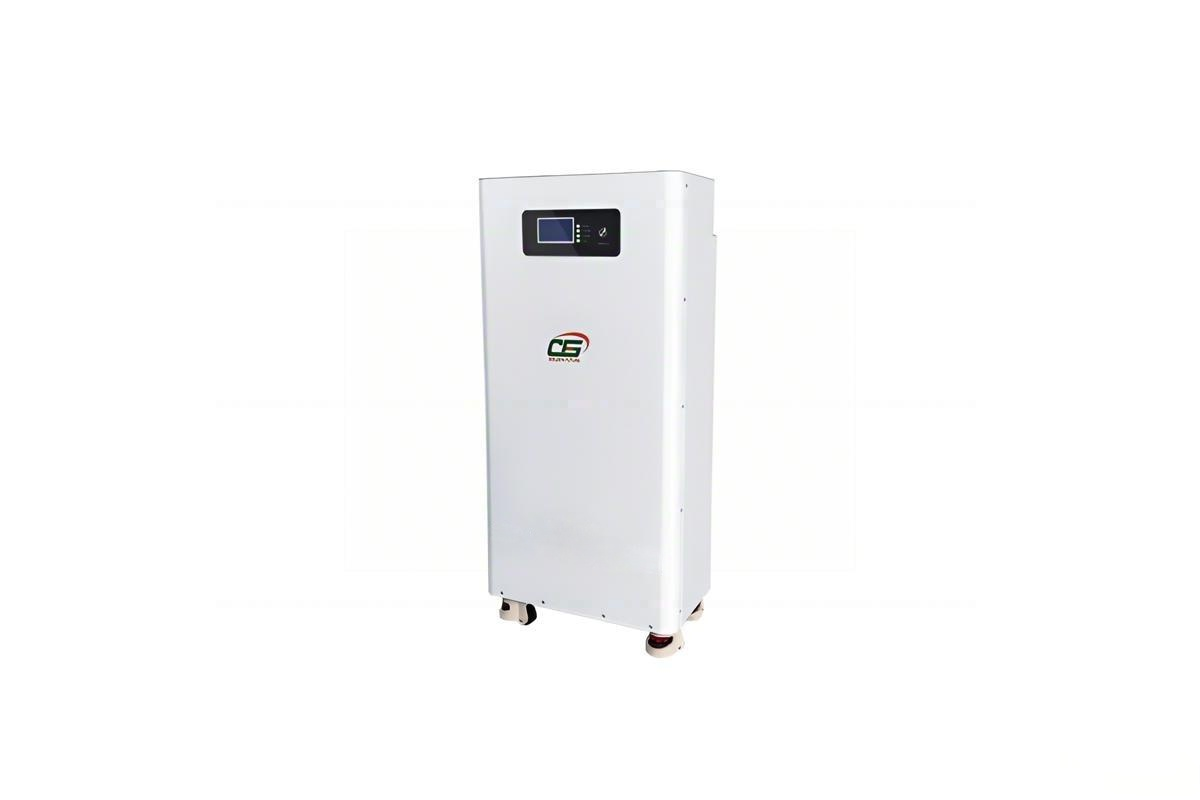
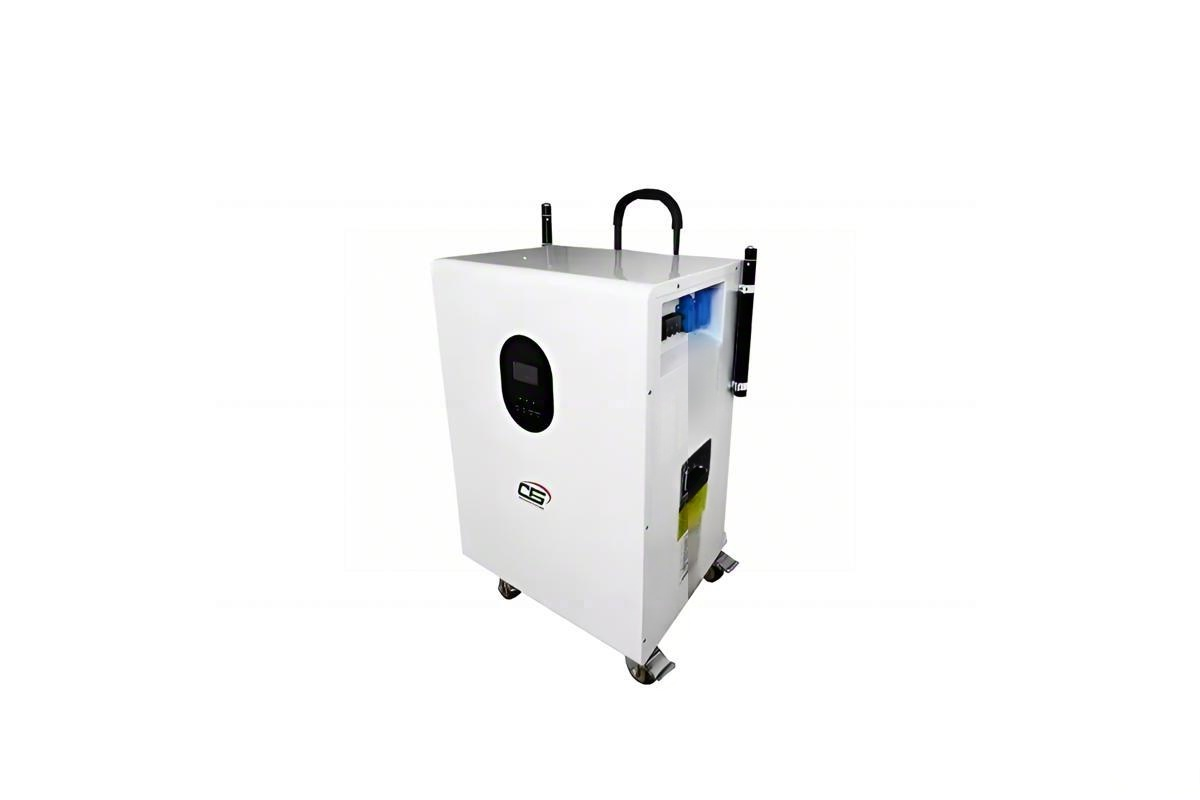
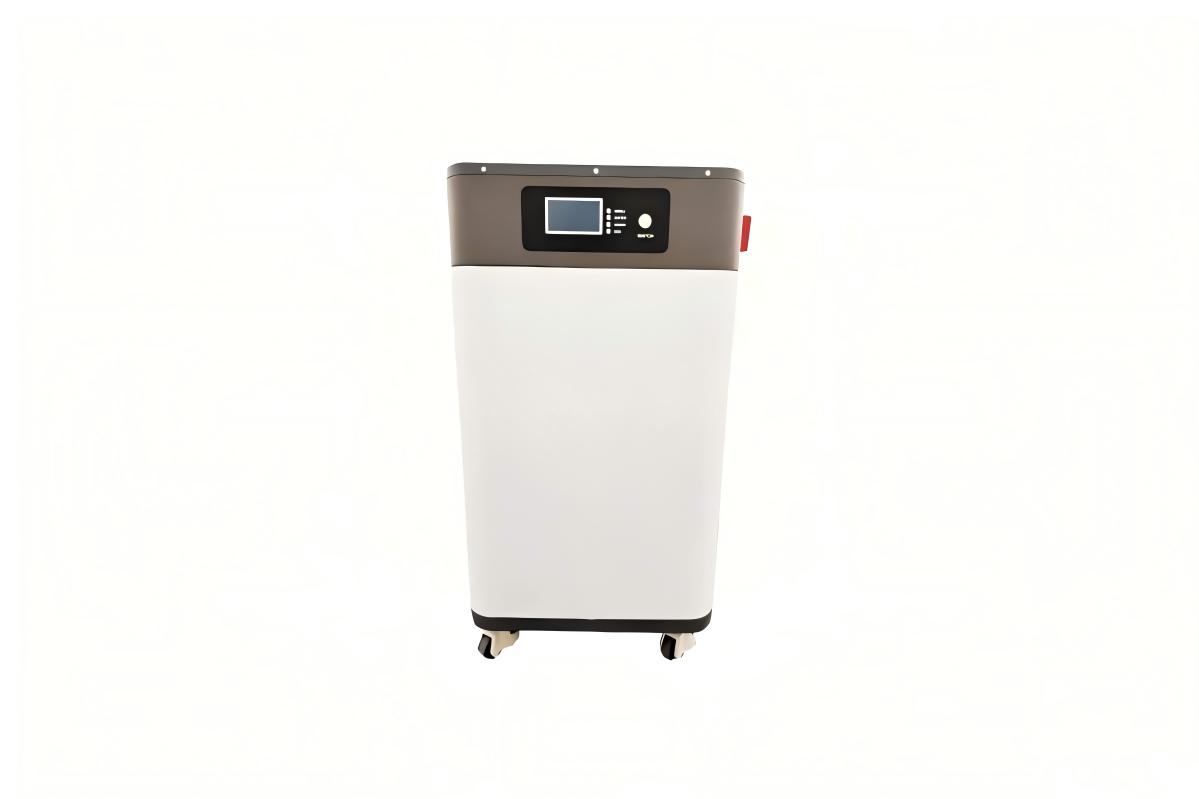
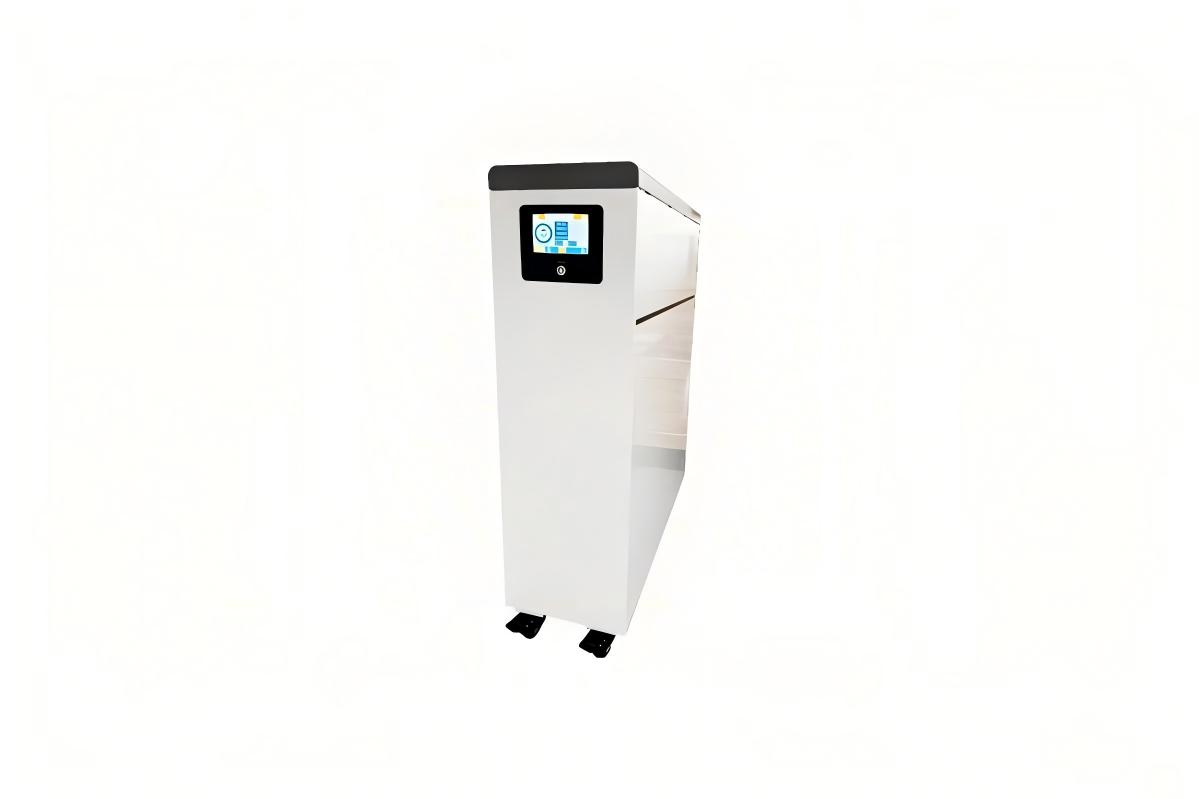
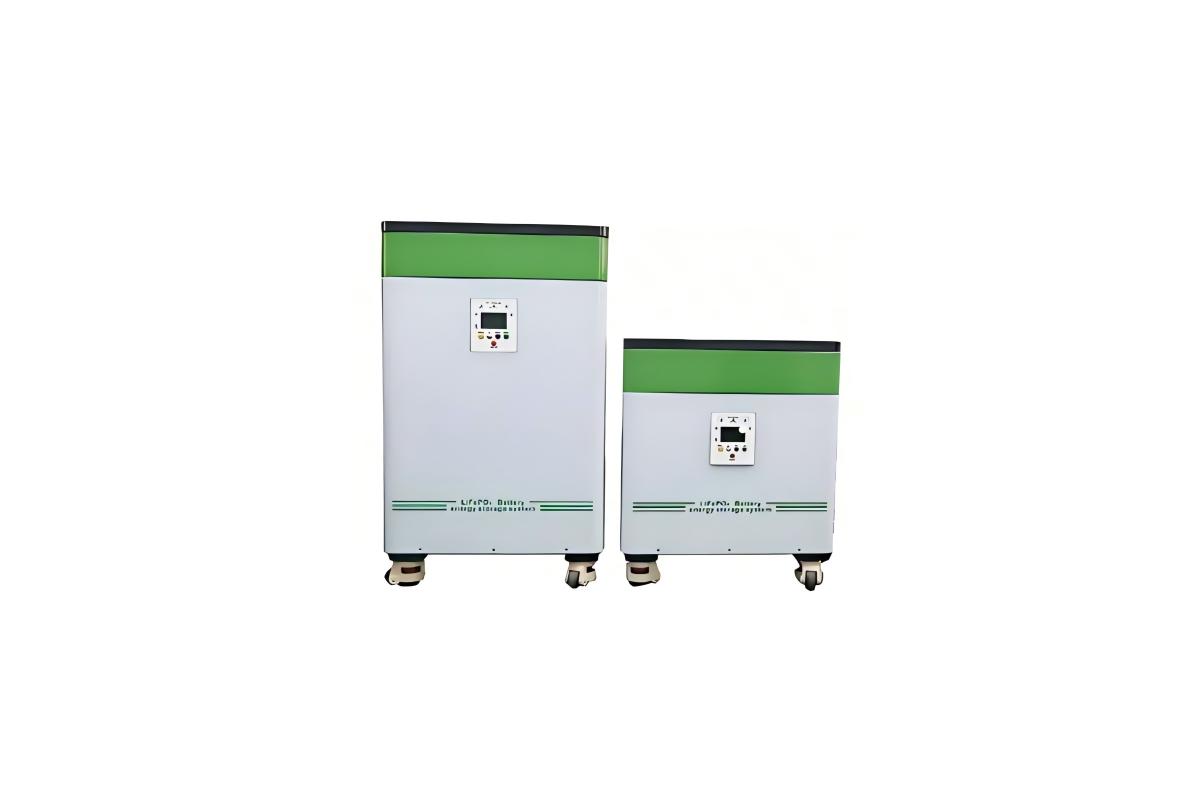
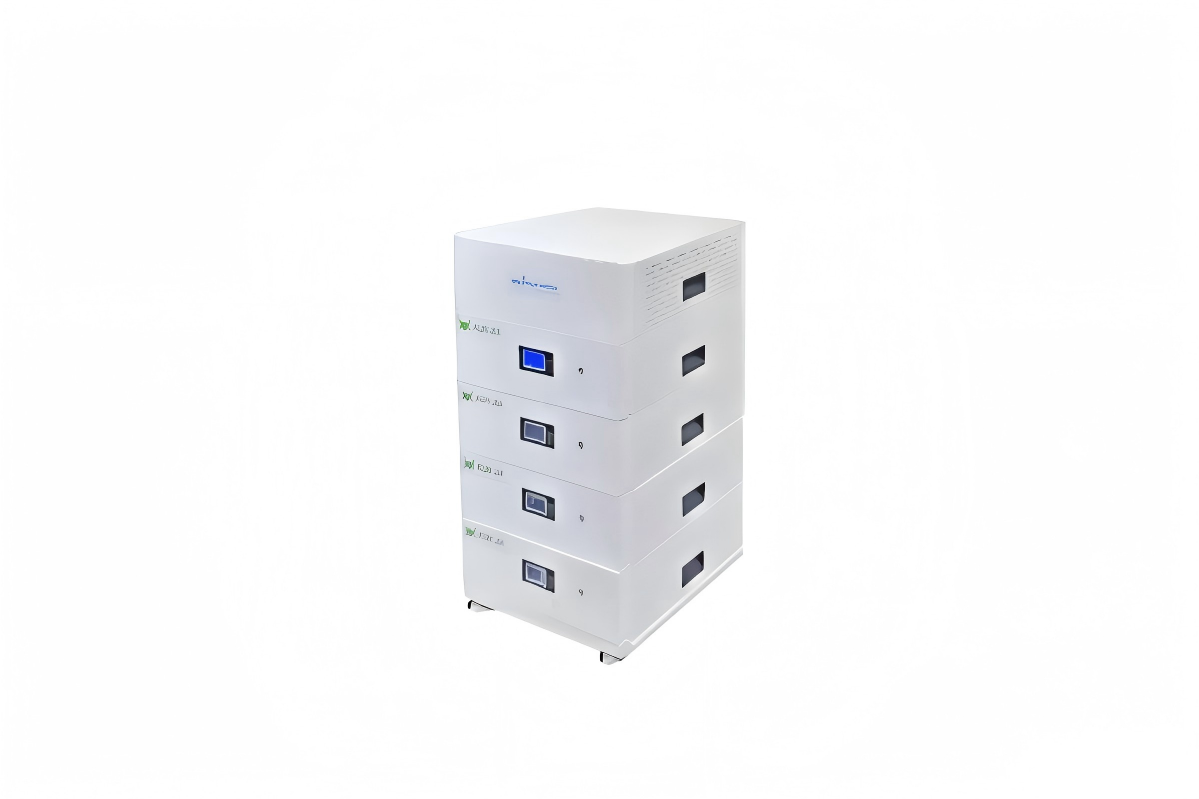
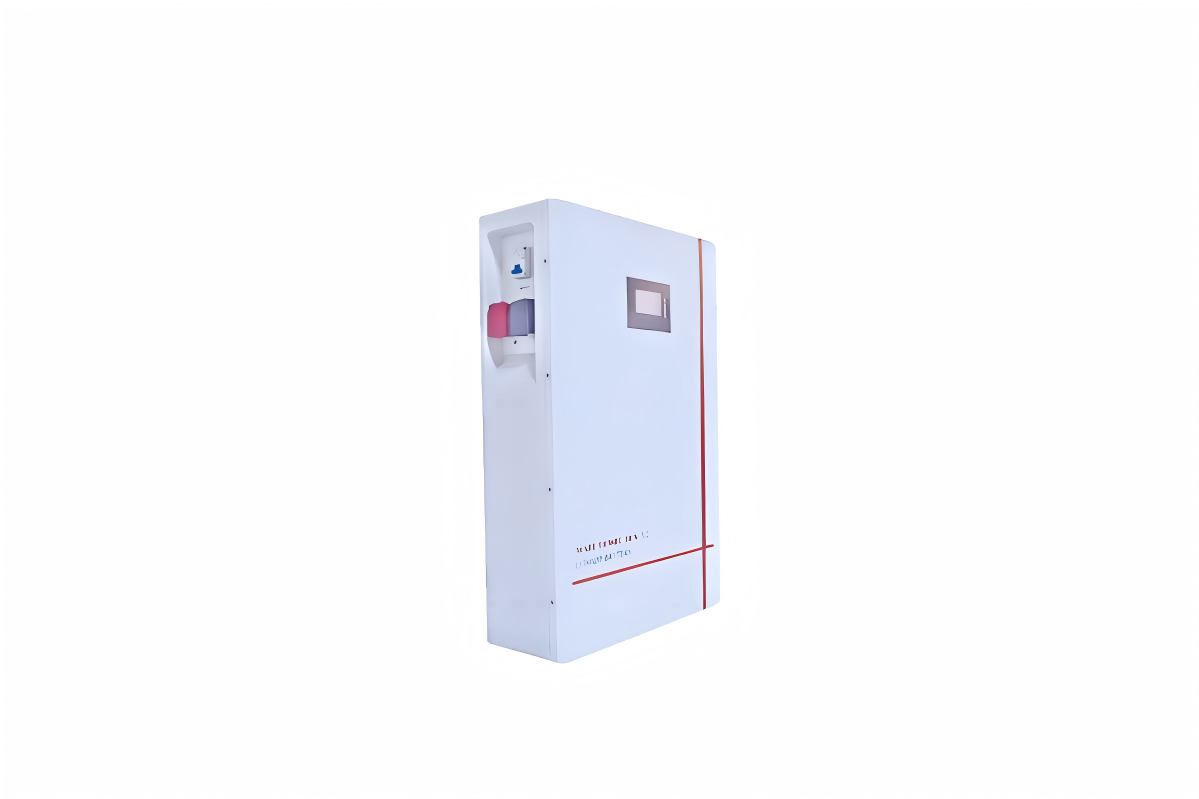
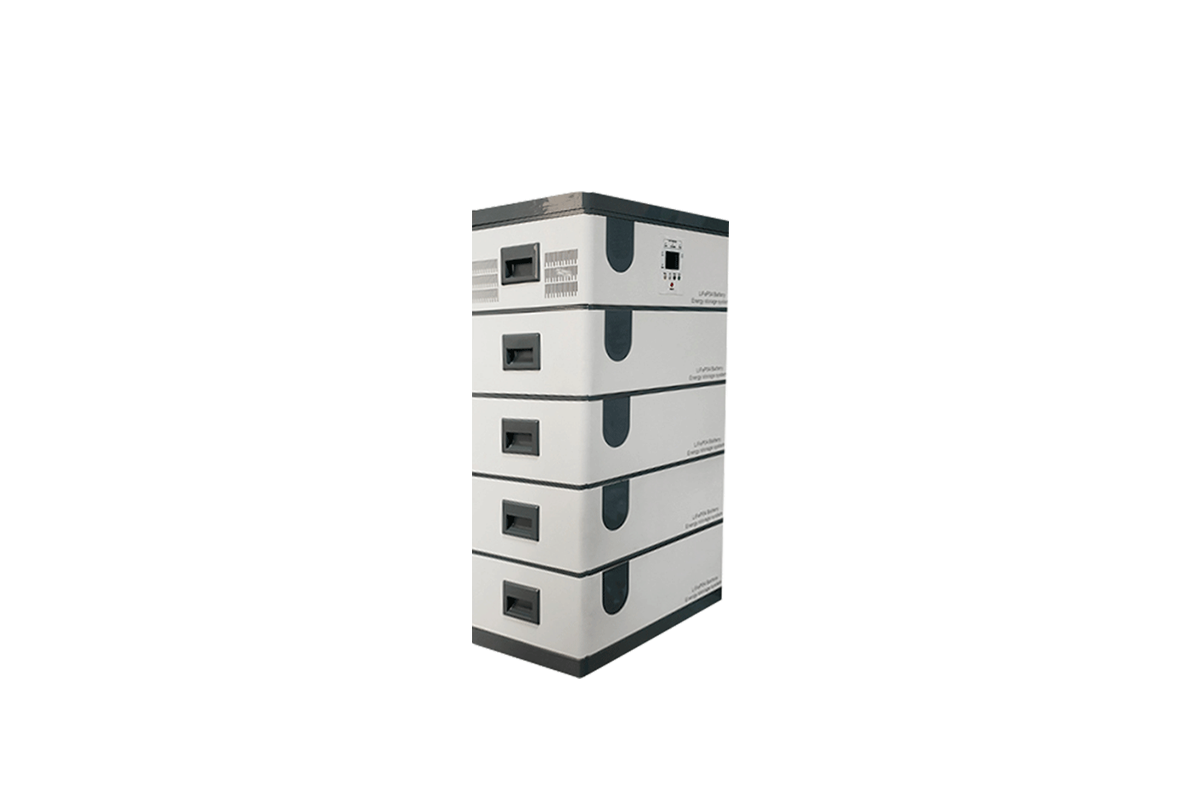
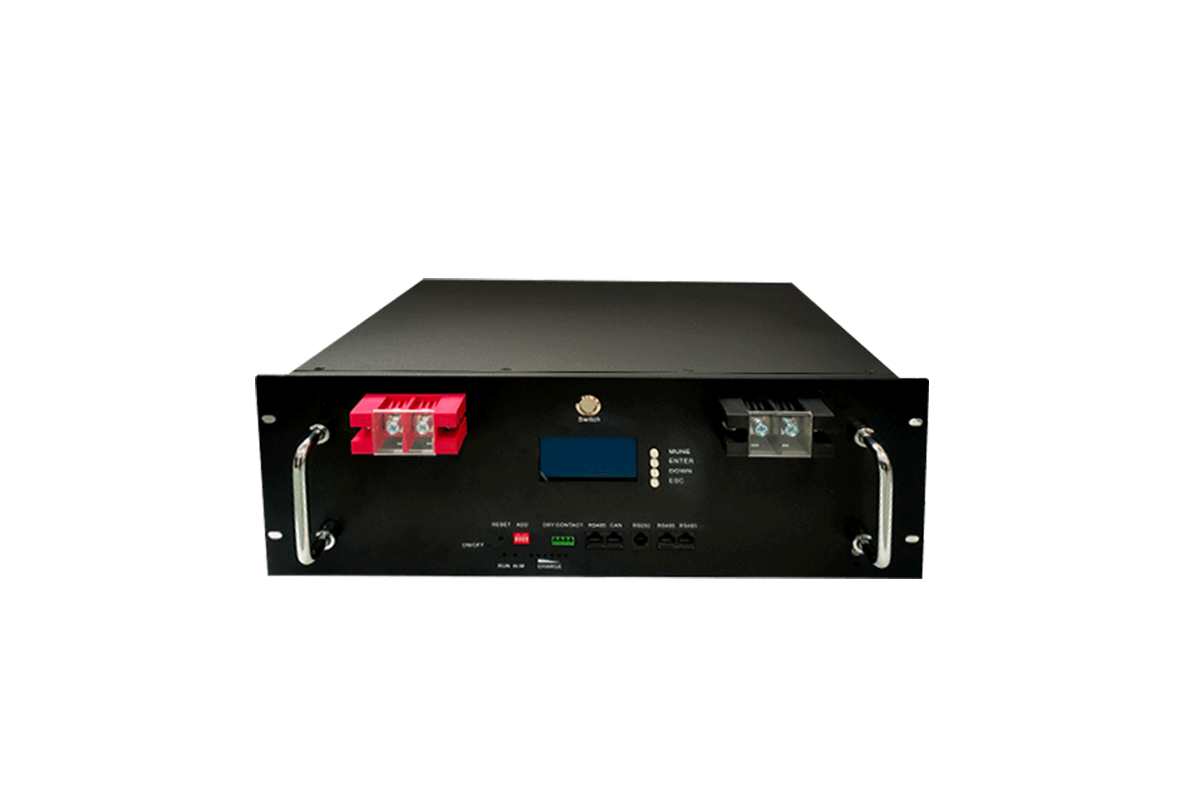
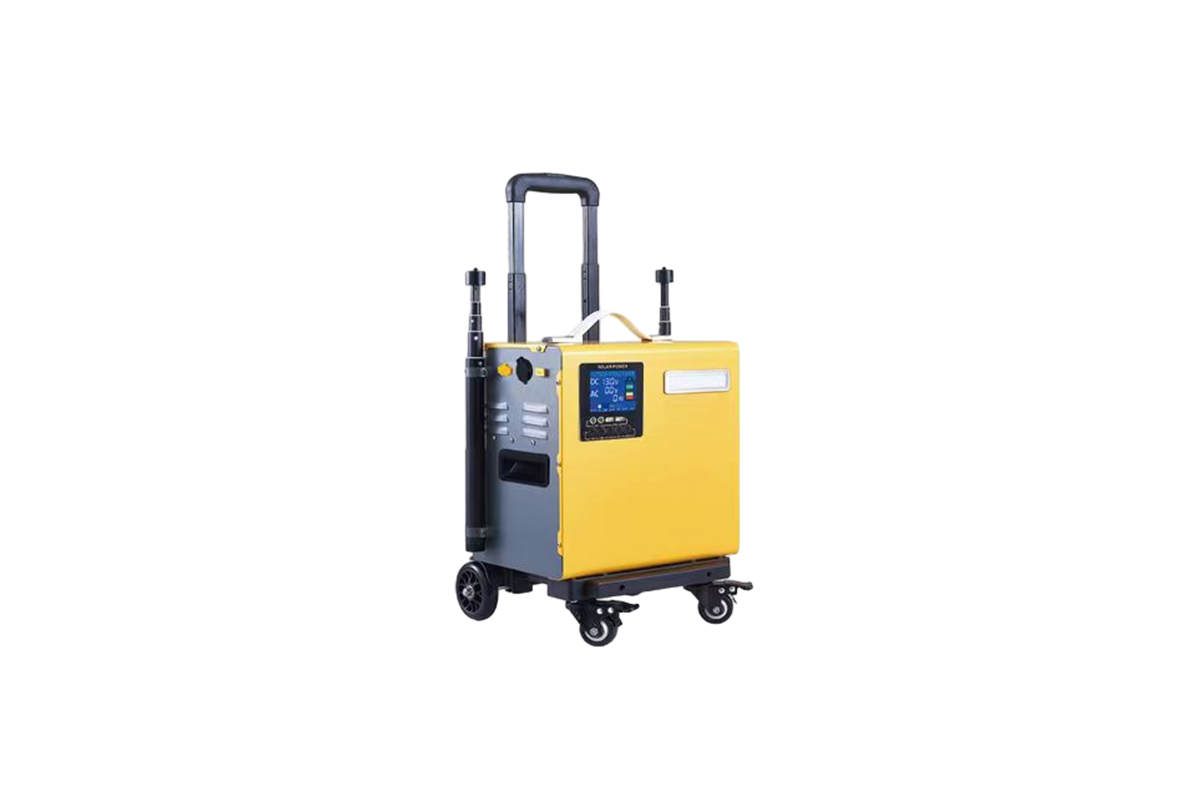
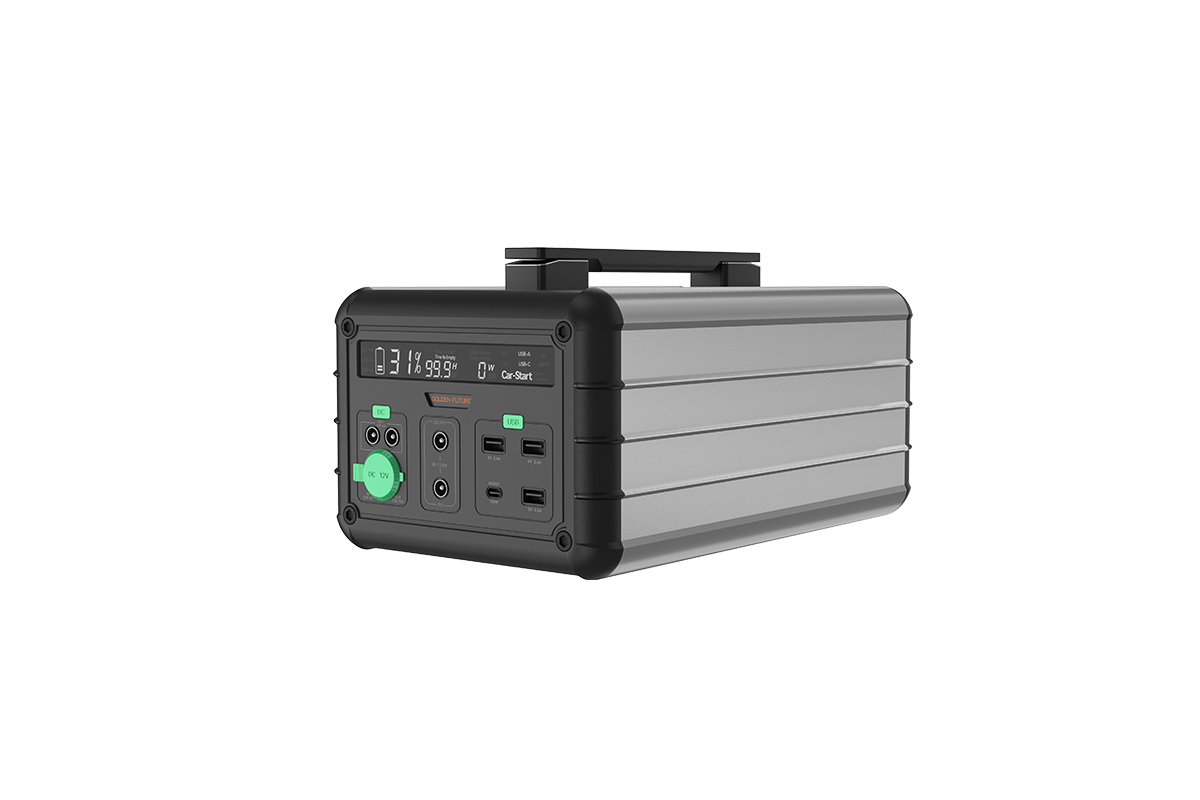
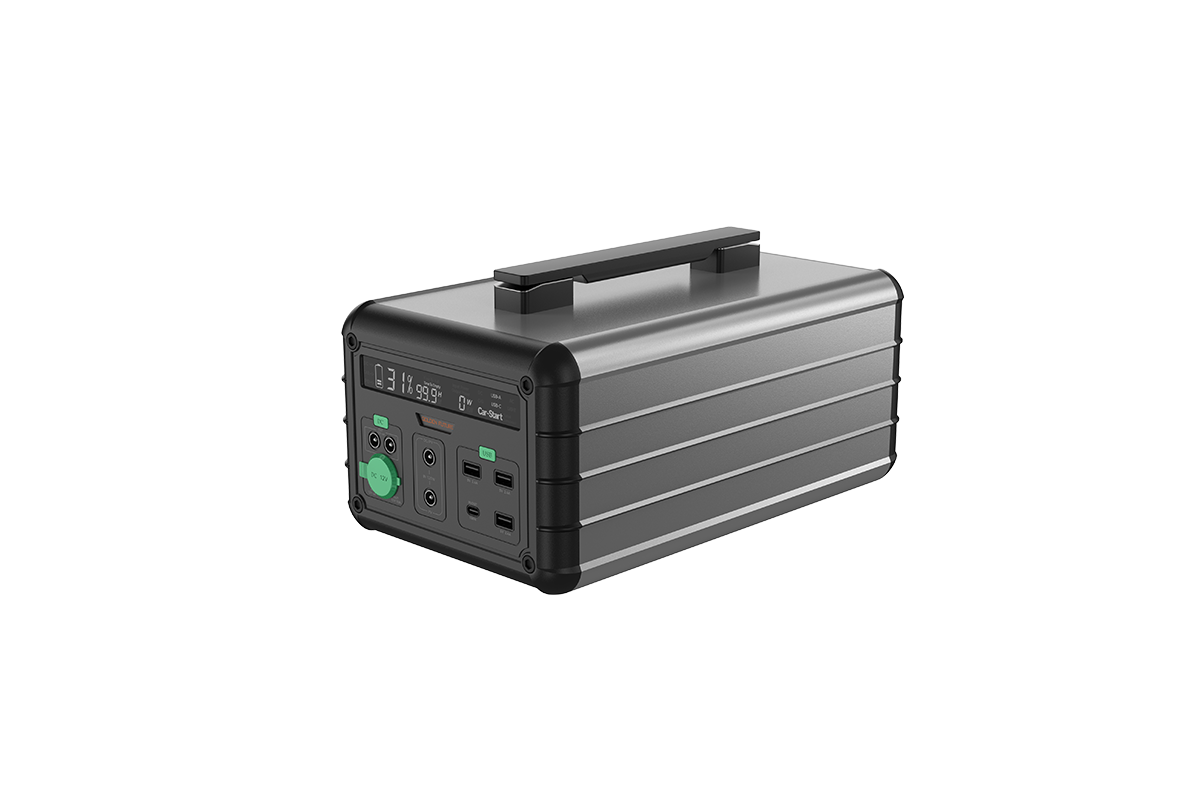
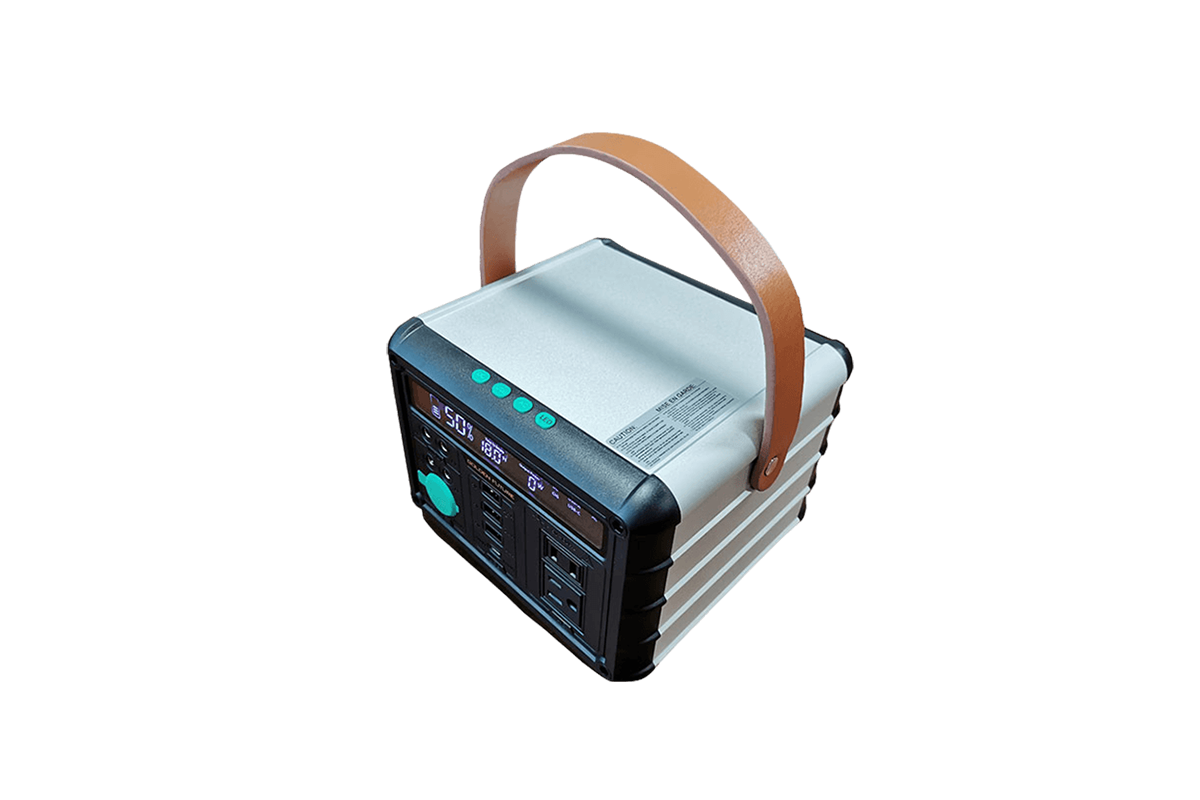
Home lithium - ion battery energy storage systems have emerged as a popular solution for homeowners seeking to enhance energy independence, reduce electricity bills, and ensure backup power during outages. These systems offer a range of benefits by integrating with existing home electrical systems and renewable energy sources such as solar panels.
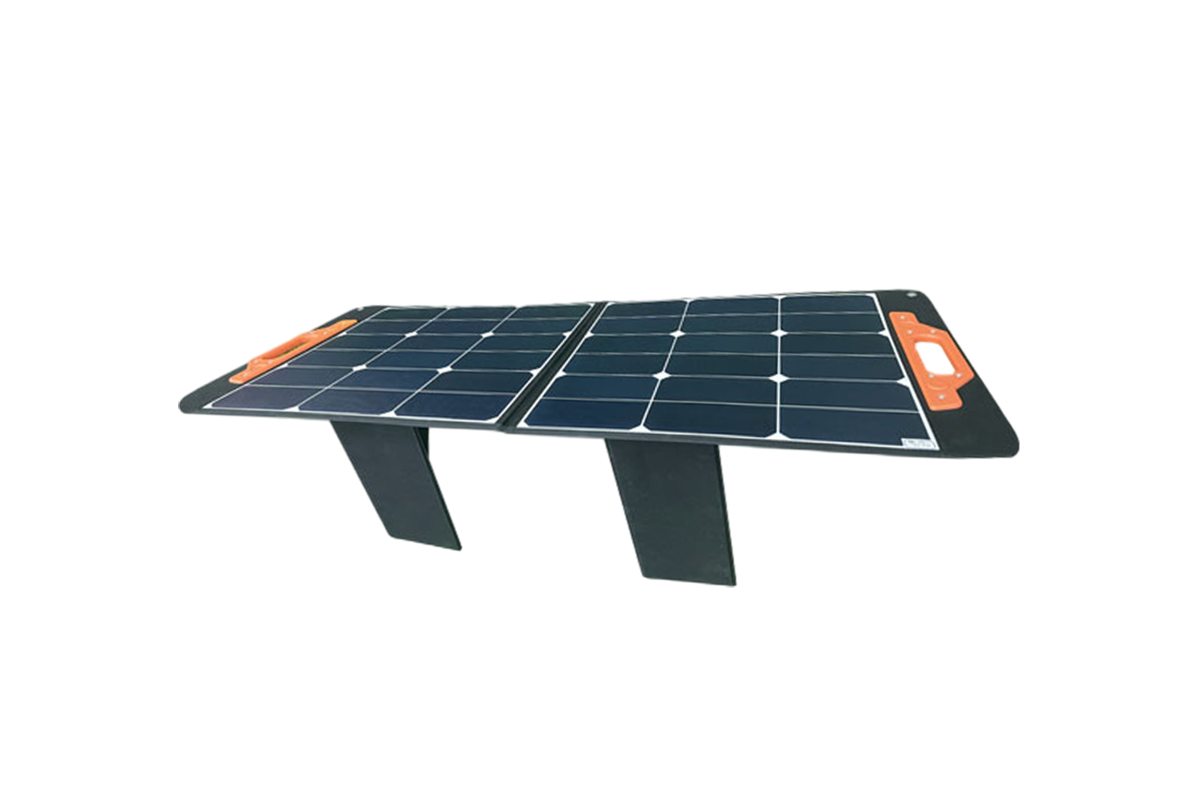
At the core of a home lithium - ion battery energy storage system is the battery pack. As mentioned earlier, residential battery packs typically range from 5 to 15 kWh, but larger systems can be installed depending on the homeowner's energy consumption and storage requirements. The battery pack stores excess electricity generated by solar panels during the day or electricity purchased from the grid during off - peak hours when rates are lower. This stored energy can then be used to power the home during peak - rate hours, reducing the amount of electricity purchased from the grid at higher costs. For example, a homeowner with a solar - battery system can use the stored solar energy in the evening when the sun is no longer shining, instead of relying on the grid, thereby significantly cutting down on monthly electricity bills.
In addition to cost savings, home lithium - ion battery systems provide backup power during outages. When the main power supply fails, the battery system automatically switches on and supplies electricity to essential household loads. This ensures that critical appliances such as refrigerators, medical devices, and communication equipment remain operational, providing peace of mind and maintaining comfort during power disruptions. Some advanced systems also allow homeowners to prioritize which appliances receive power, further optimizing the use of stored energy during an outage.
These systems are designed to be user - friendly and easy to install. Most home lithium - ion battery energy storage systems come with integrated control units and monitoring interfaces. Homeowners can access real - time information about the battery's state of charge, energy consumption, and power generation through mobile apps or web - based platforms. This allows them to manage their energy usage more effectively, track savings, and receive alerts in case of any system issues. Moreover, many systems are compatible with smart home technologies, enabling seamless integration with home automation systems for enhanced energy management.
The installation of home lithium - ion battery energy storage systems is also becoming more accessible, with the support of government incentives and subsidies in many regions. These financial incentives encourage homeowners to adopt sustainable energy solutions, promoting the growth of the home energy storage market. Overall, home lithium - ion battery energy storage systems offer a practical and sustainable way for homeowners to take control of their energy usage, reduce their environmental impact, and gain greater energy security.




 59911926@qq.com/sales@goldenfuturehk.com
 13316809242 / 15816897019
 Inquiry
 Home >