






Time:2025-12-08 Views:1
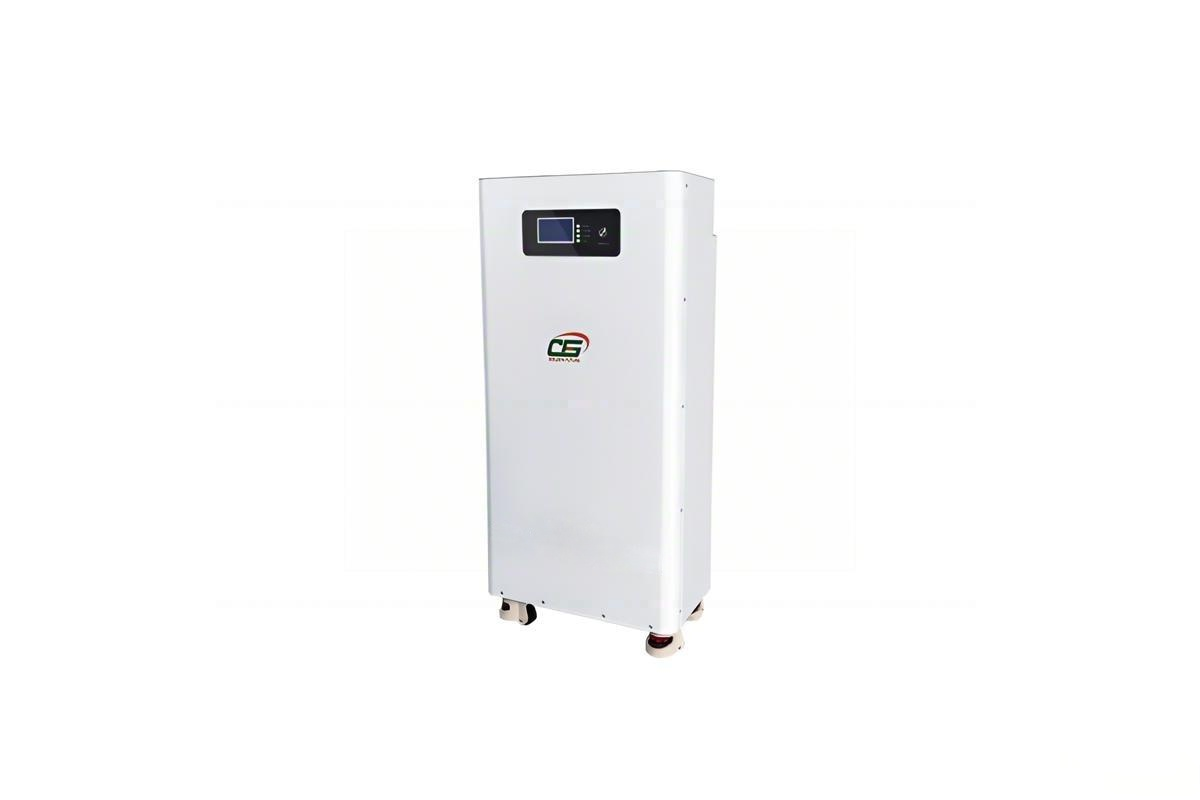
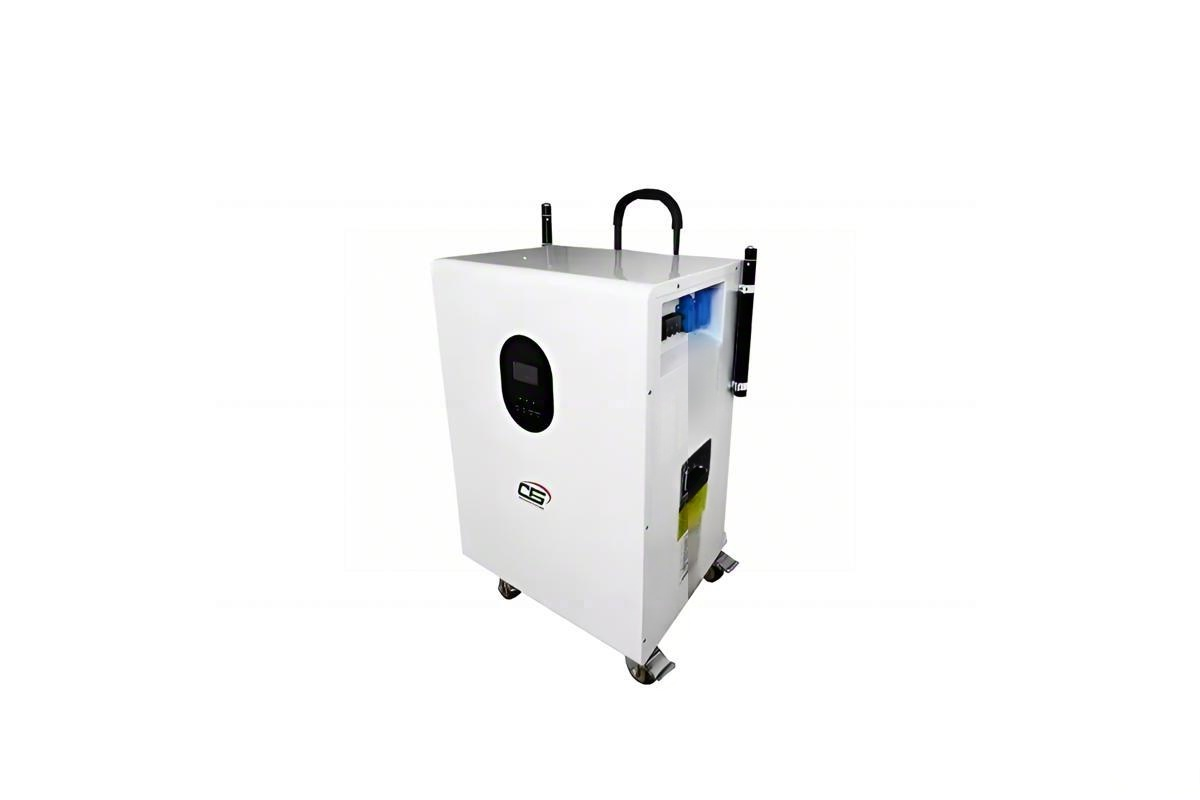
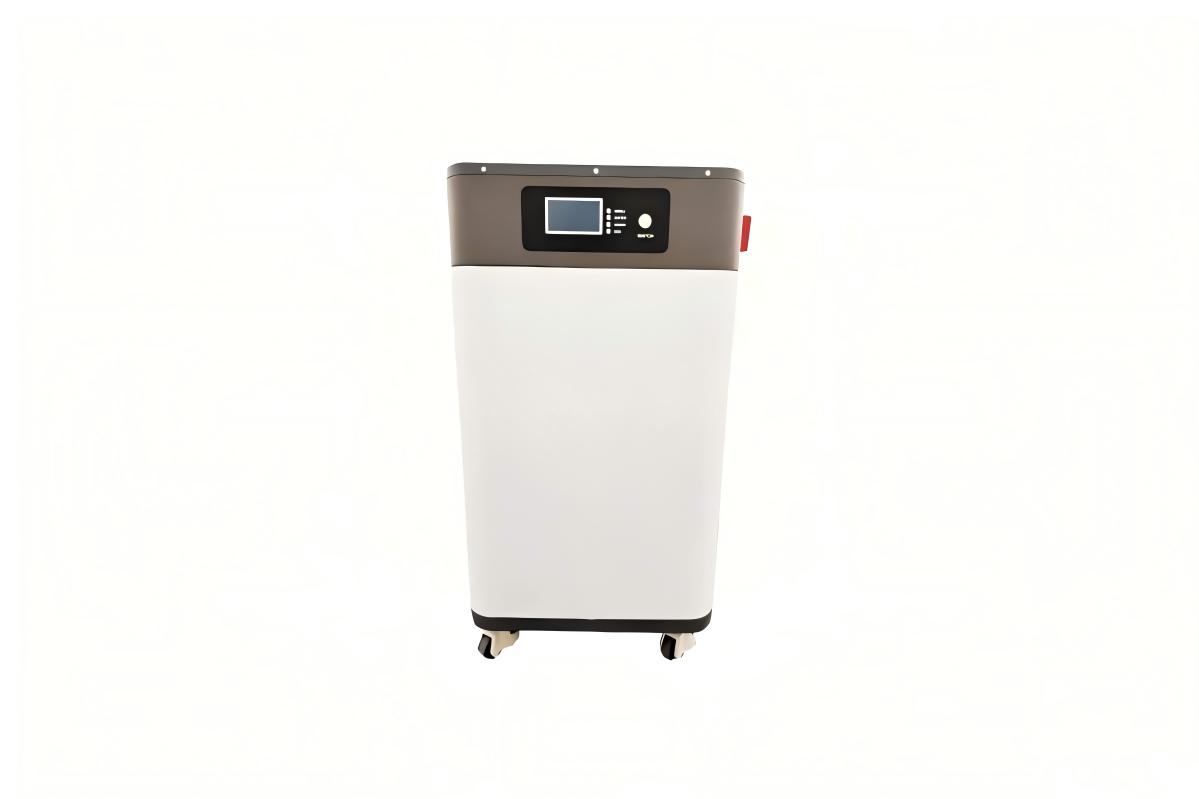
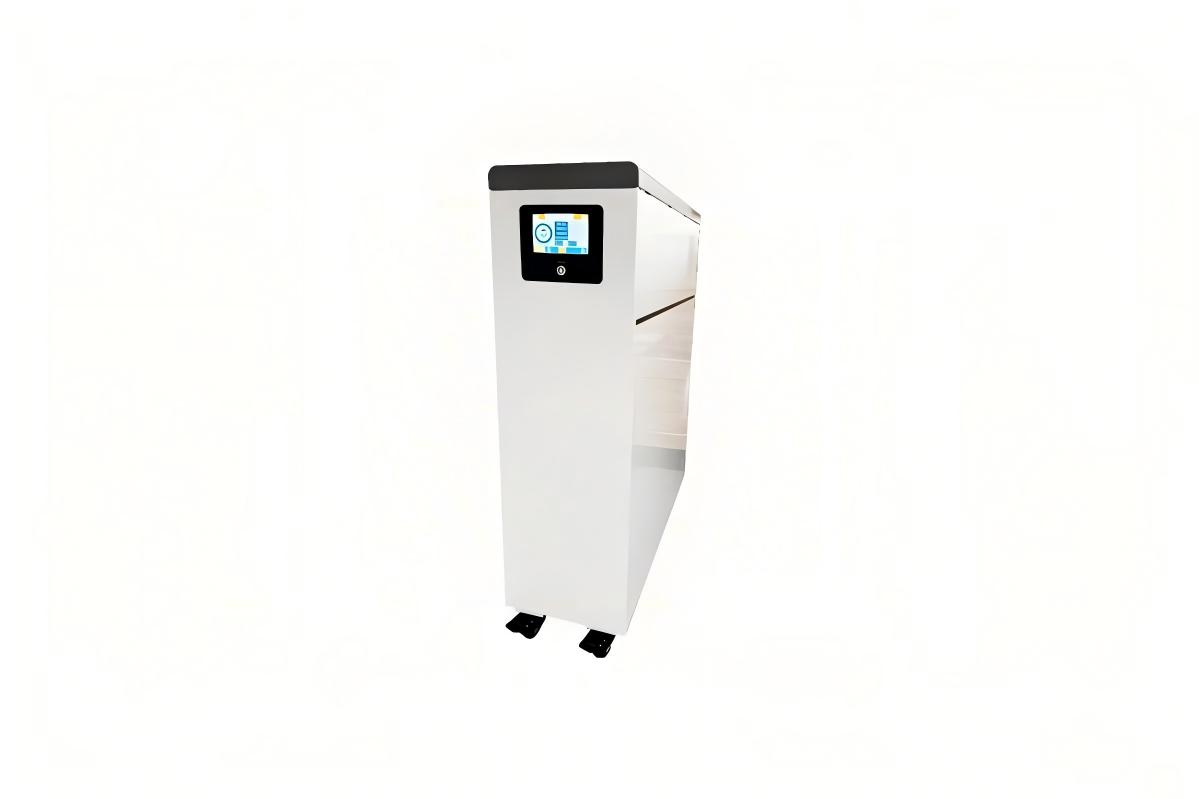
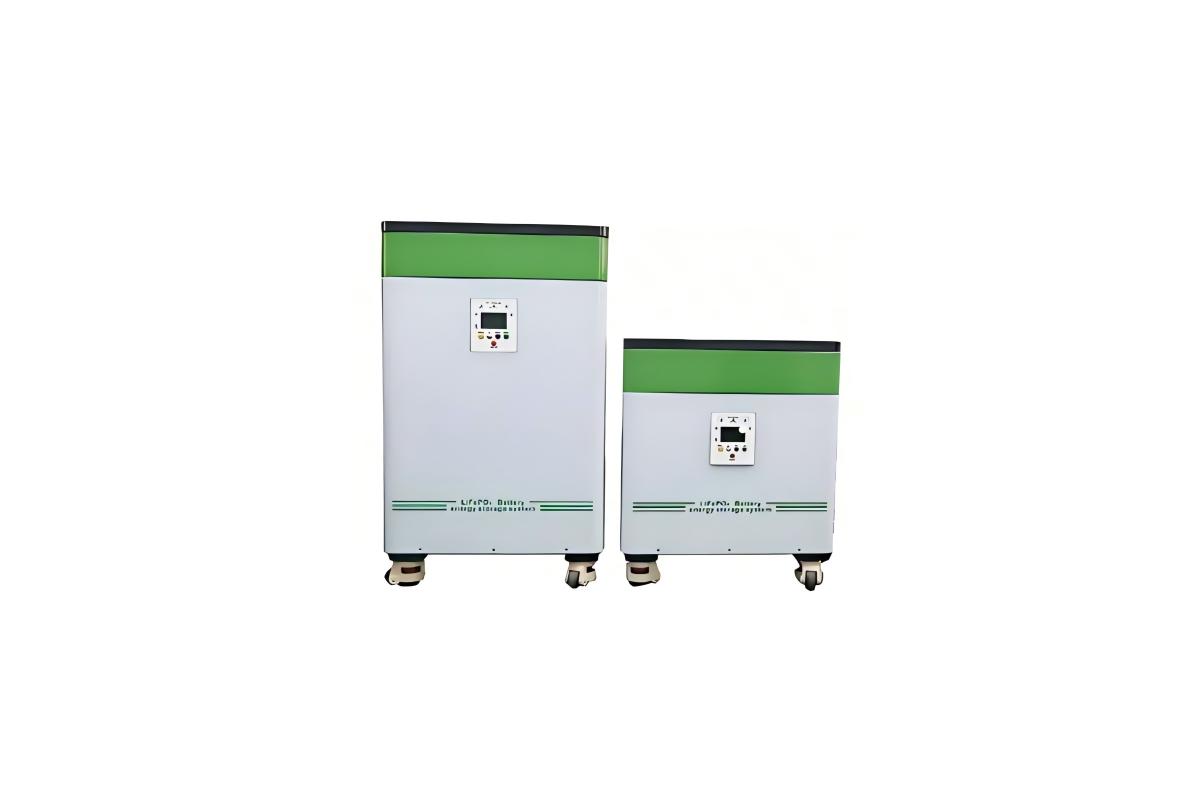
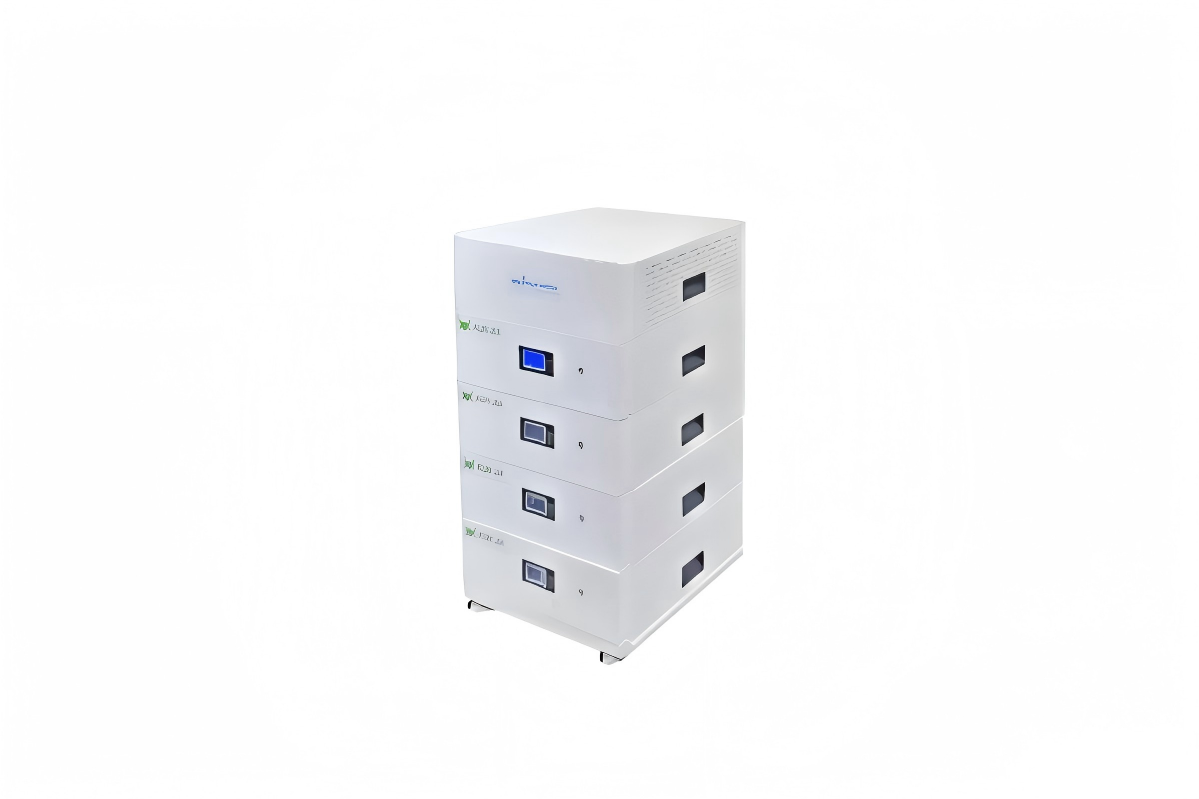
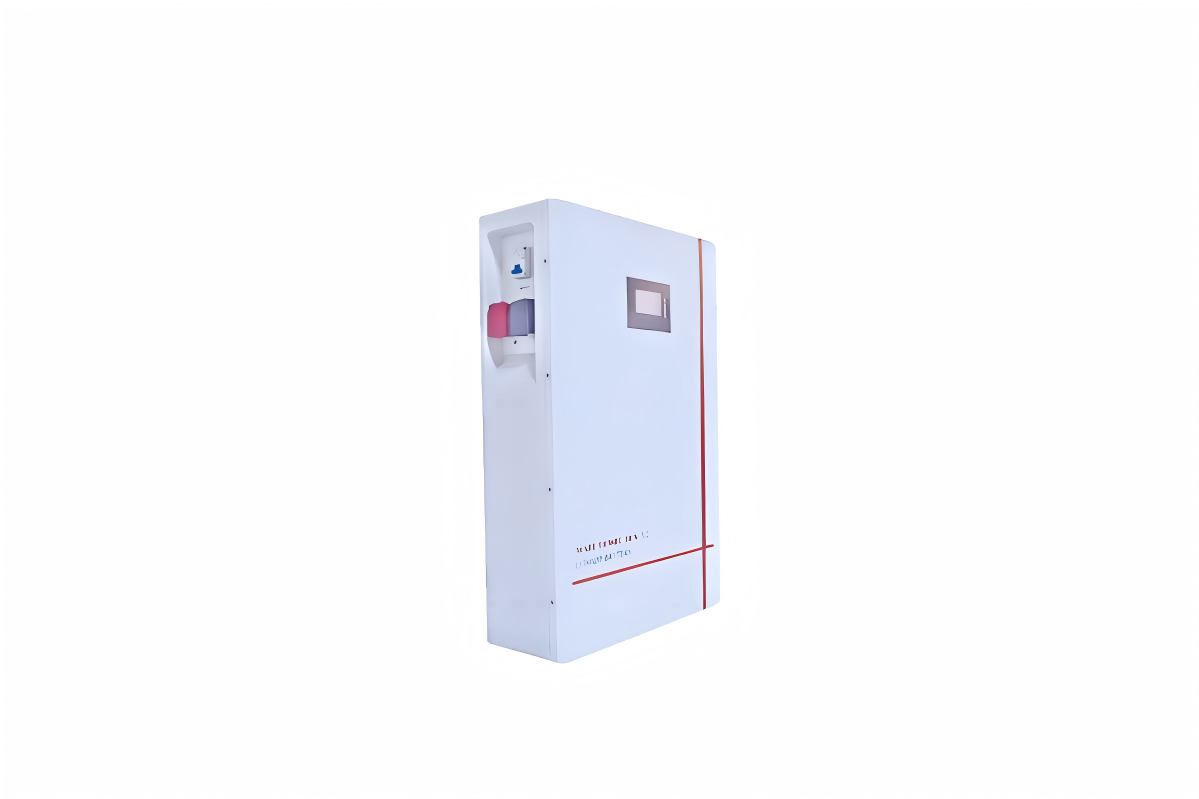
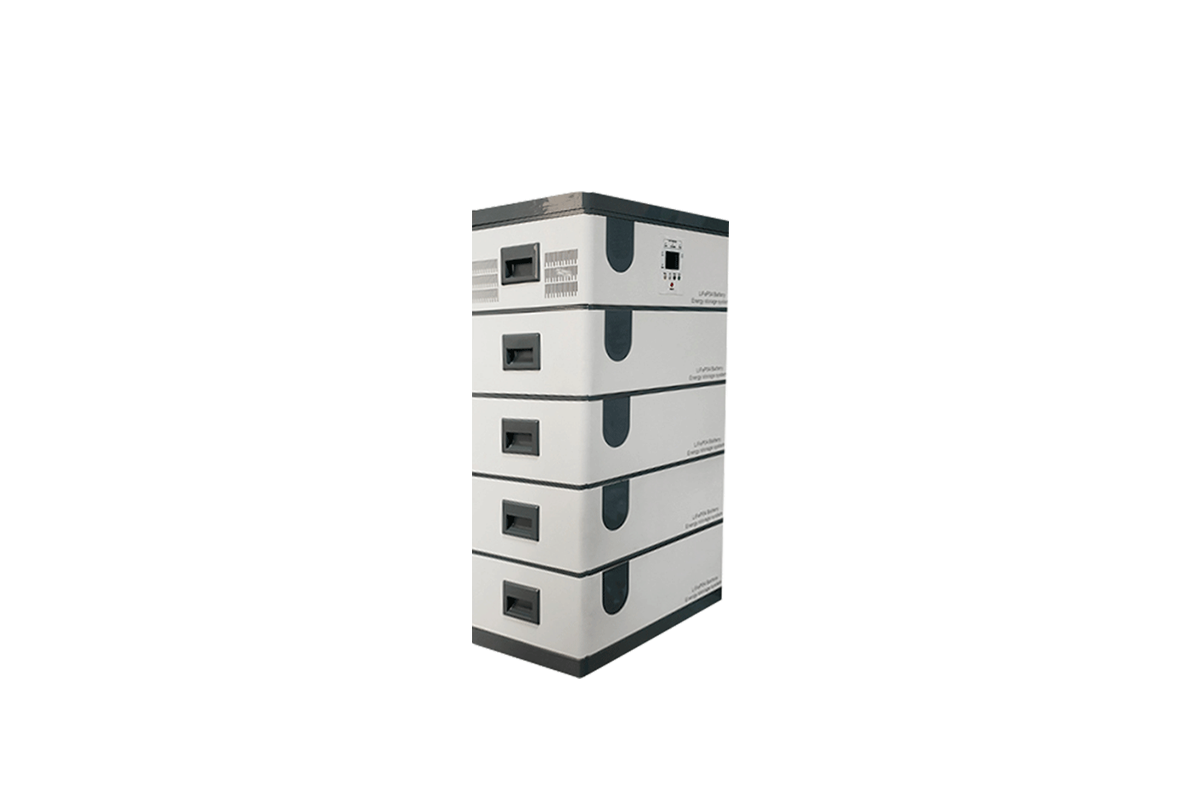
The safe and effective installation of a Home Energy Storage System (HESS) requires meticulous planning and adherence to electrical codes and manufacturer guidelines. Due to the high voltage and current involved, as well as the need for grid interconnection, this process typically mandates the involvement of certified electricians and installers. The installation guide covers four critical stages: Planning and Permitting, Physical Installation, Electrical Interconnection, and Commissioning.
Planning and Permitting is the foundational stage, involving site assessment (considering location, ventilation, ambient temperature, and structural integrity), securing all necessary local permits, and gaining approval from the utility company for interconnection. The Physical Installation stage involves mounting the battery unit (or units) securely to a wall or floor, ensuring adequate clearance for cooling and maintenance. Batteries must be protected from impact and extreme temperatures. Electrical Interconnection is the most complex phase. It involves connecting the battery to the inverter (which manages the DC-to-AC conversion) and integrating the system into the home's main electrical panel, often via an Automatic Transfer Switch (ATS) or a dedicated critical load subpanel. Proper grounding and adherence to the manufacturer's wiring schematics are non-negotiable for safety. Finally, Commissioning involves testing the system's functionality, ensuring the Battery Management System (BMS) and Energy Management System (EMS) are communicating properly, verifying the rapid shutdown and anti-islanding mechanisms for safety compliance, and training the homeowner on the monitoring application. Following a detailed guide ensures the HESS operates reliably, safely, and in full compliance with local utility and regulatory standards.




 59911926@qq.com/sales@goldenfuturehk.com
 13316809242 / 15816897019
 Inquiry
 Home >