






Time:2026-03-23 Views:455
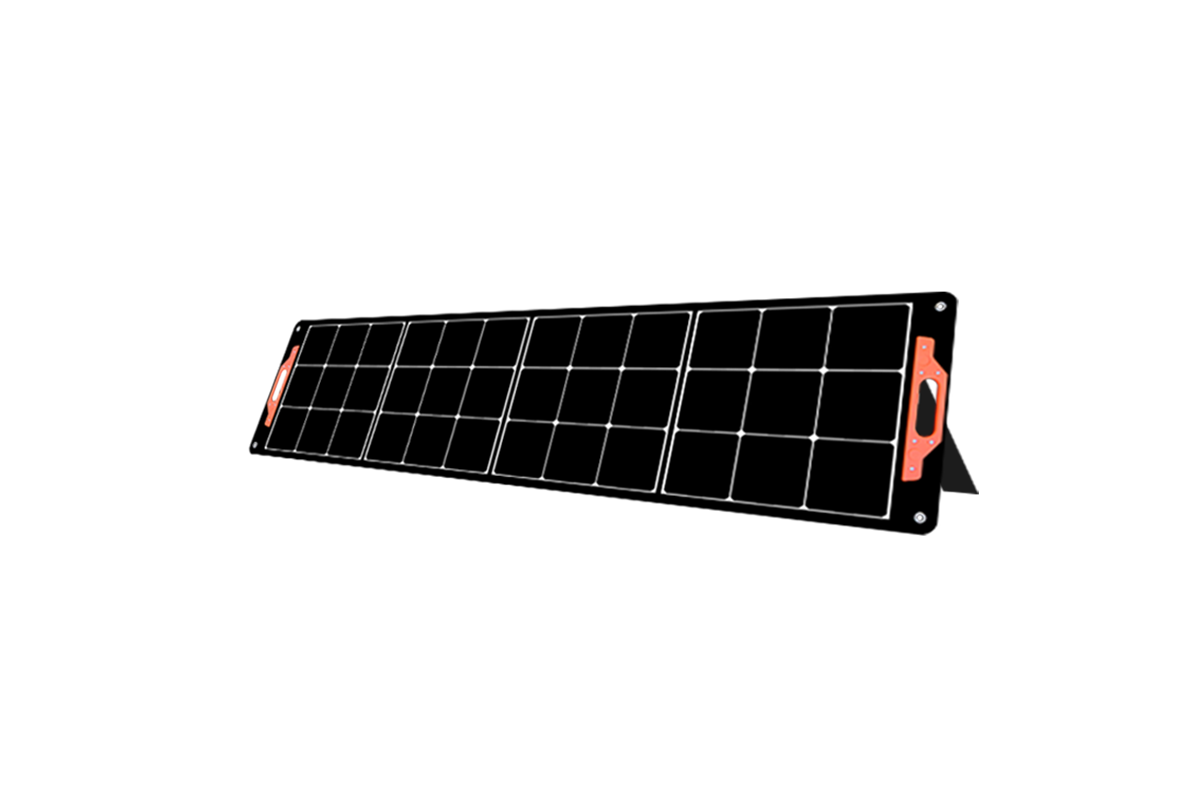
Self-built houses offer greater flexibility for energy storage system configuration, as homeowners have full control over installation, space allocation, and power capacity requirements. A well-designed system typically integrates solar panels, a hybrid inverter, a battery bank, and supporting components, tailored to the home’s energy consumption, local sunlight conditions, and budget. The first step in configuration is calculating daily energy needs by analyzing monthly electricity bills, then determining the appropriate solar panel capacity and battery storage to meet those needs, with a 20% buffer to account for system losses and future expansion.
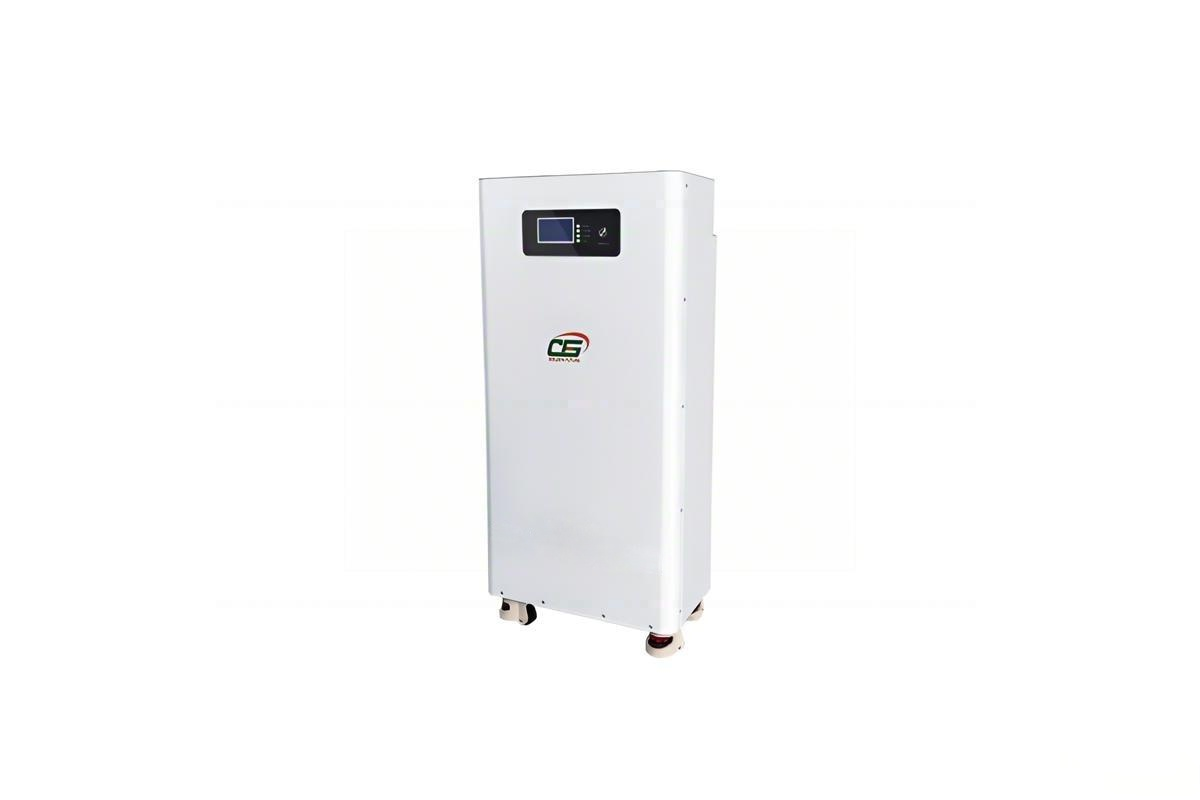
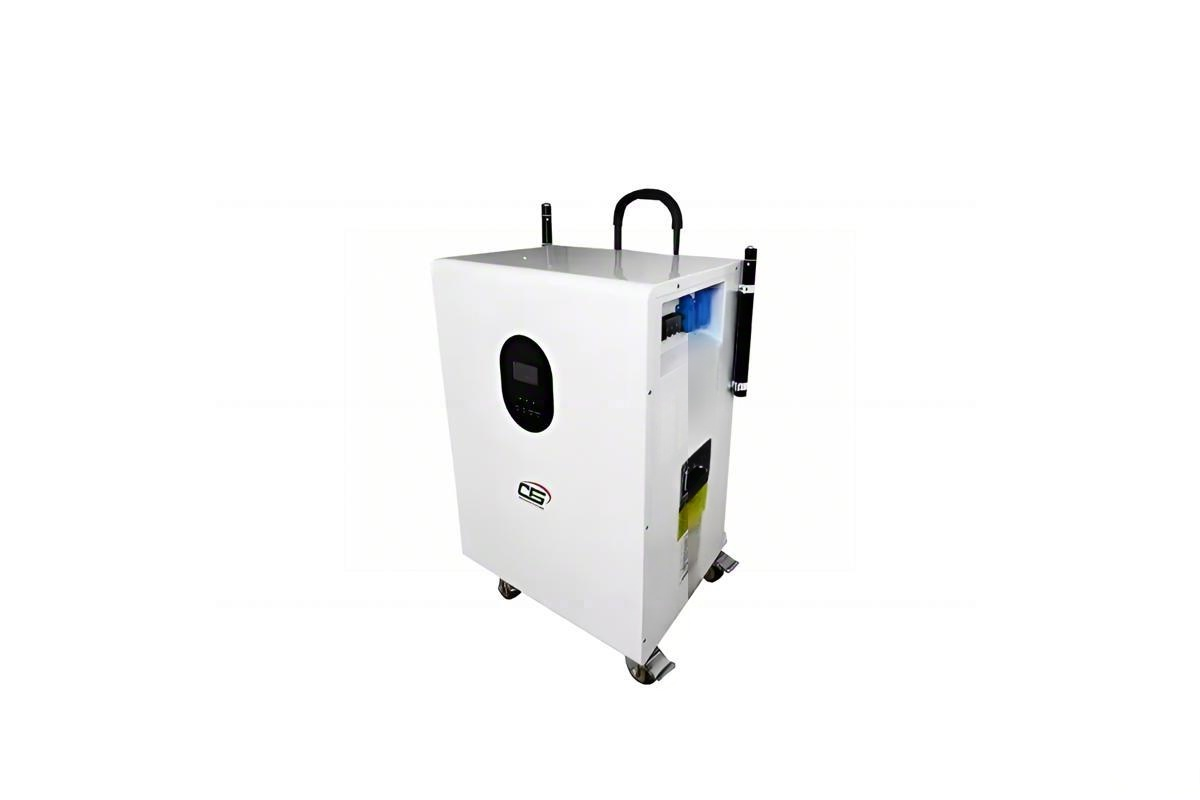
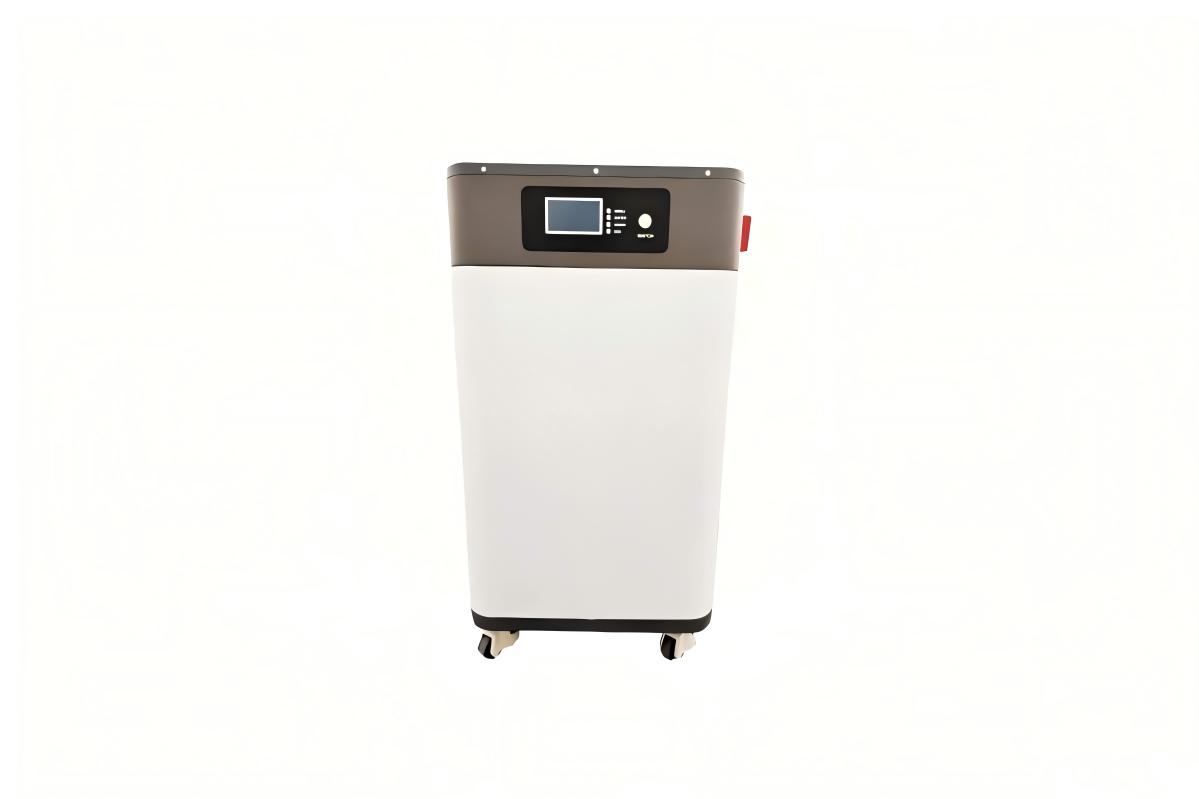
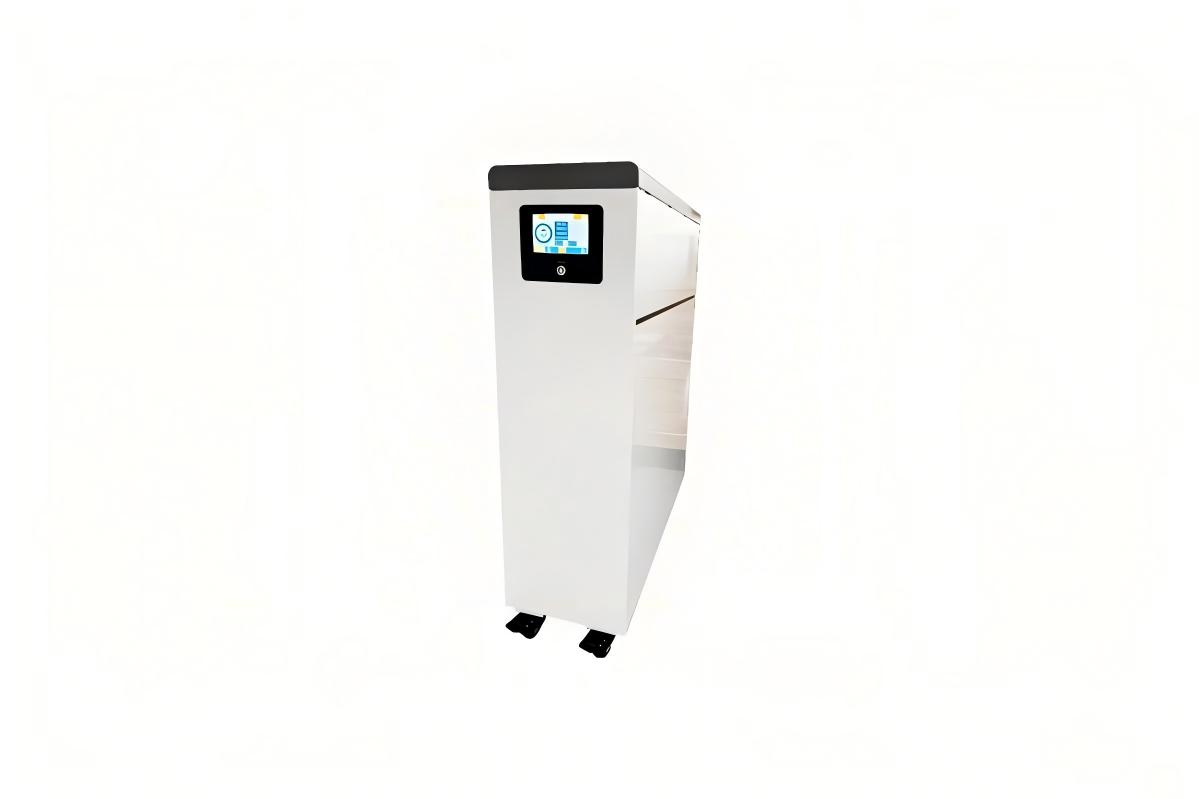
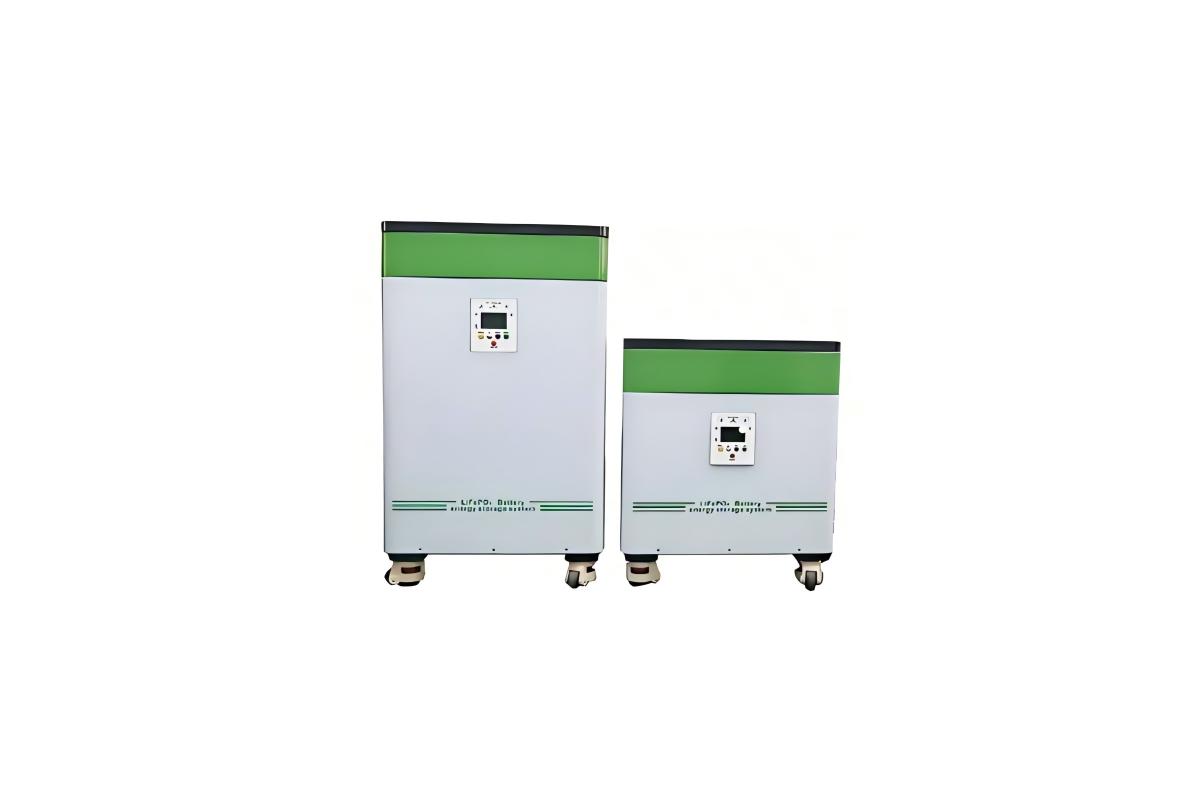
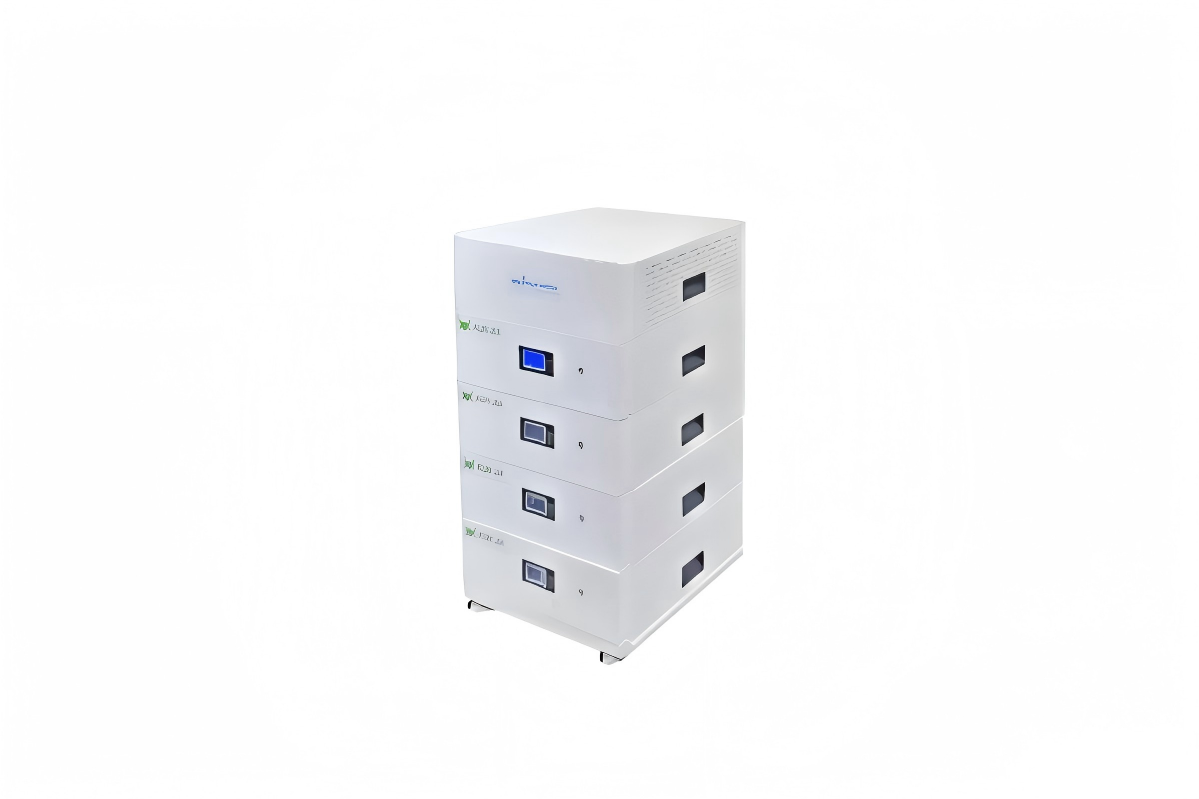
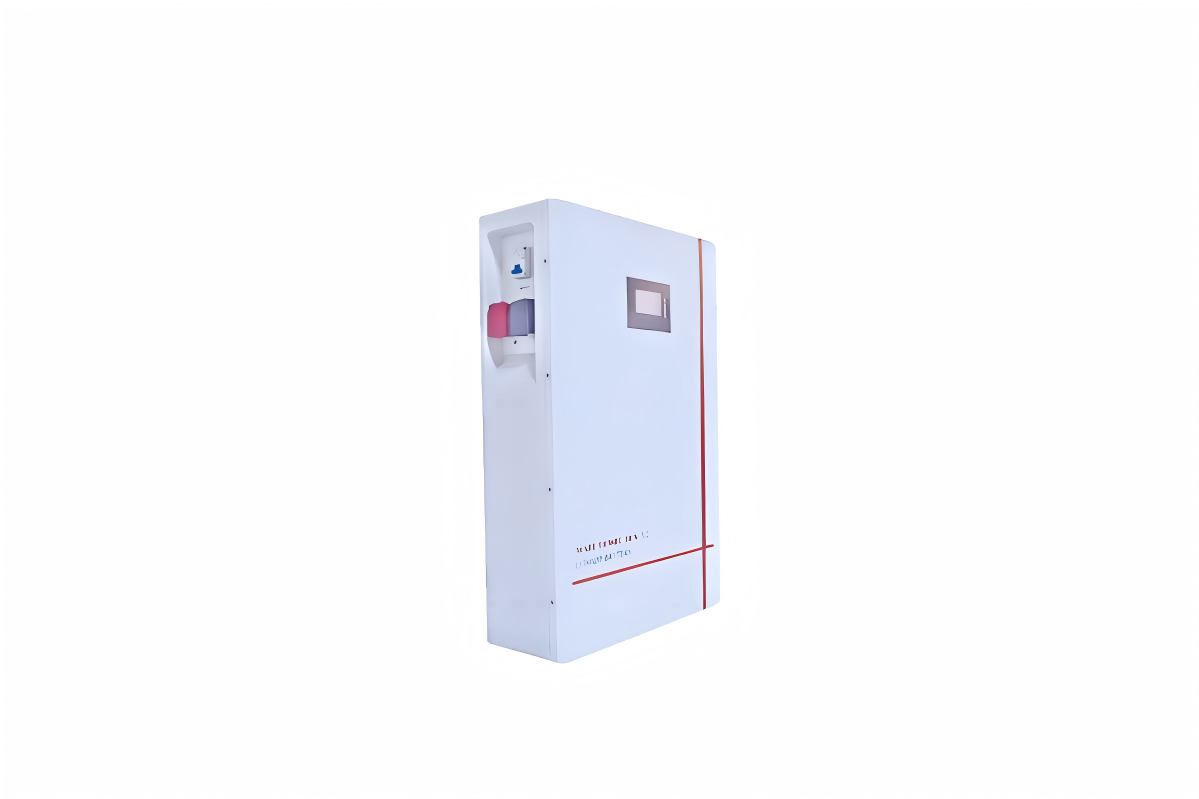
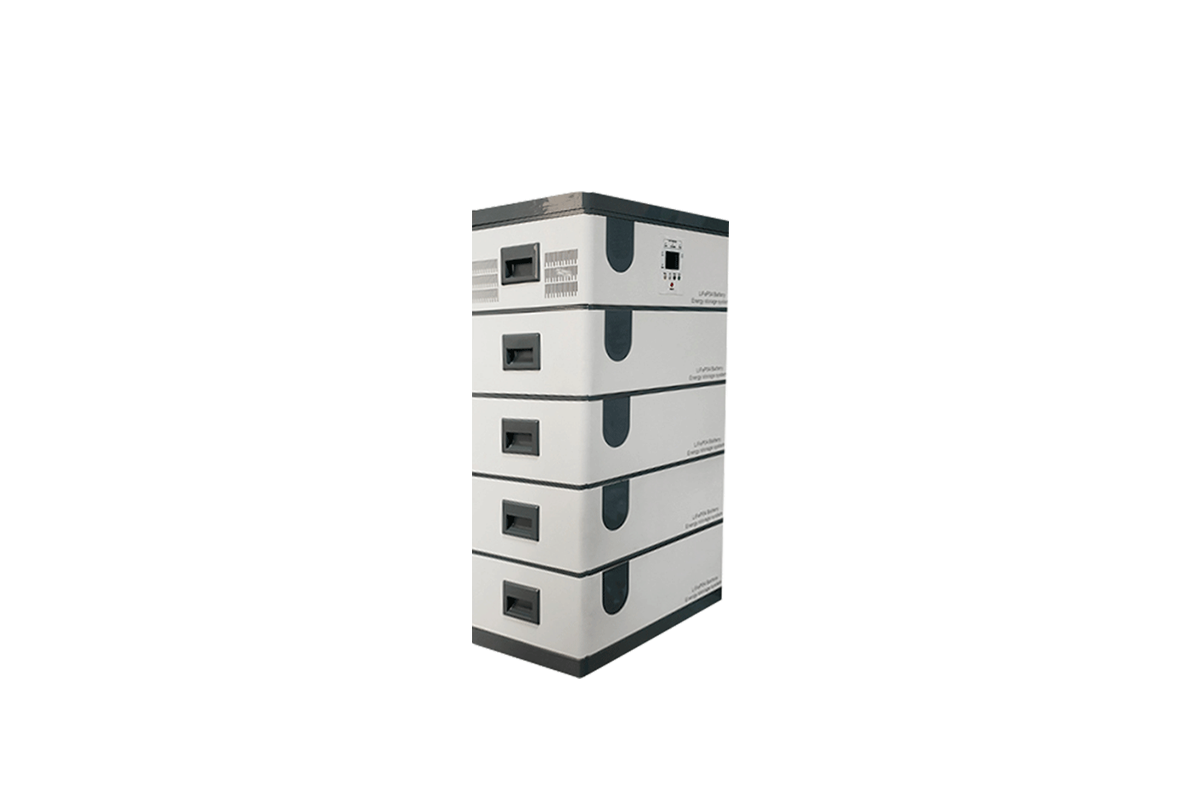
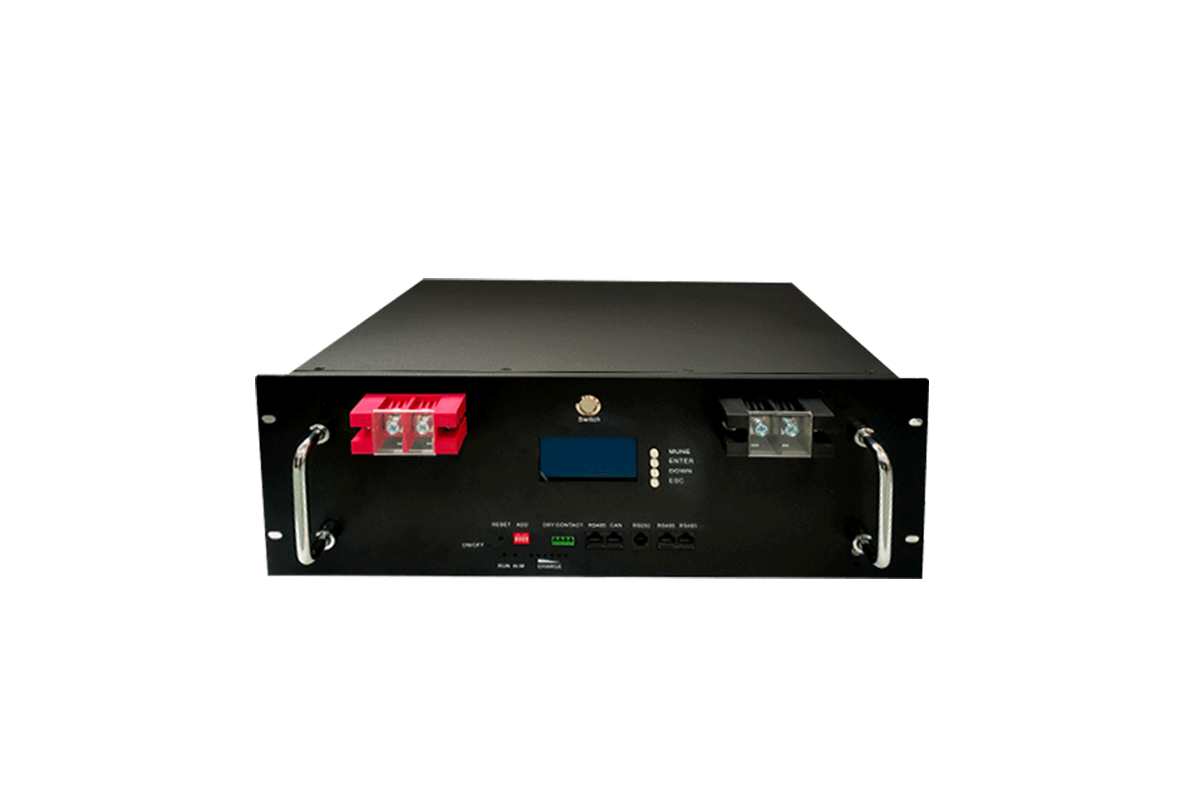
A 48V system is highly recommended for self-built houses, as it balances efficiency and safety, suitable for powering the entire home including high-demand appliances like air conditioners and washing machines. The battery bank, preferably using LiFePO4 (lithium iron phosphate) batteries for their long cycle life (6000+ cycles) and thermal stability, can be configured by connecting battery modules in series and parallel to achieve the desired capacity—typically 10-20 kWh for an average family home. A hybrid inverter acts as the system’s core, converting DC power from solar panels to AC power for household use, storing excess energy in the battery bank, and switching seamlessly between grid power, solar power, and battery power during outages. Supporting components include DC circuit breakers for safety, battery balancers to ensure voltage consistency, and a monitoring system to track energy production and consumption. For homeowners seeking grid independence, the system can be designed for off-grid operation, while those aiming to reduce costs can opt for grid-tie configurations with battery backup, allowing excess solar energy to be fed back to the grid for credits.




 59911926@qq.com/sales@goldenfuturehk.com
 13316809242 / 15816897019
 Inquiry
 Home >