





Time:2026-03-23 Views:124
Selecting home energy storage equipment for apartment buildings requires balancing collective energy needs, space constraints, safety regulations, and compatibility with the building’s electrical infrastructure. Unlike single-family homes, apartment buildings often have shared common areas and limited individual space for installations, making centralized or semi-centralized storage systems more practical than individual units. Key considerations include capacity scalability, safety features, ease of maintenance, and compliance with local building codes, as well as the ability to integrate with existing grid systems to ensure stable power supply for all residents.
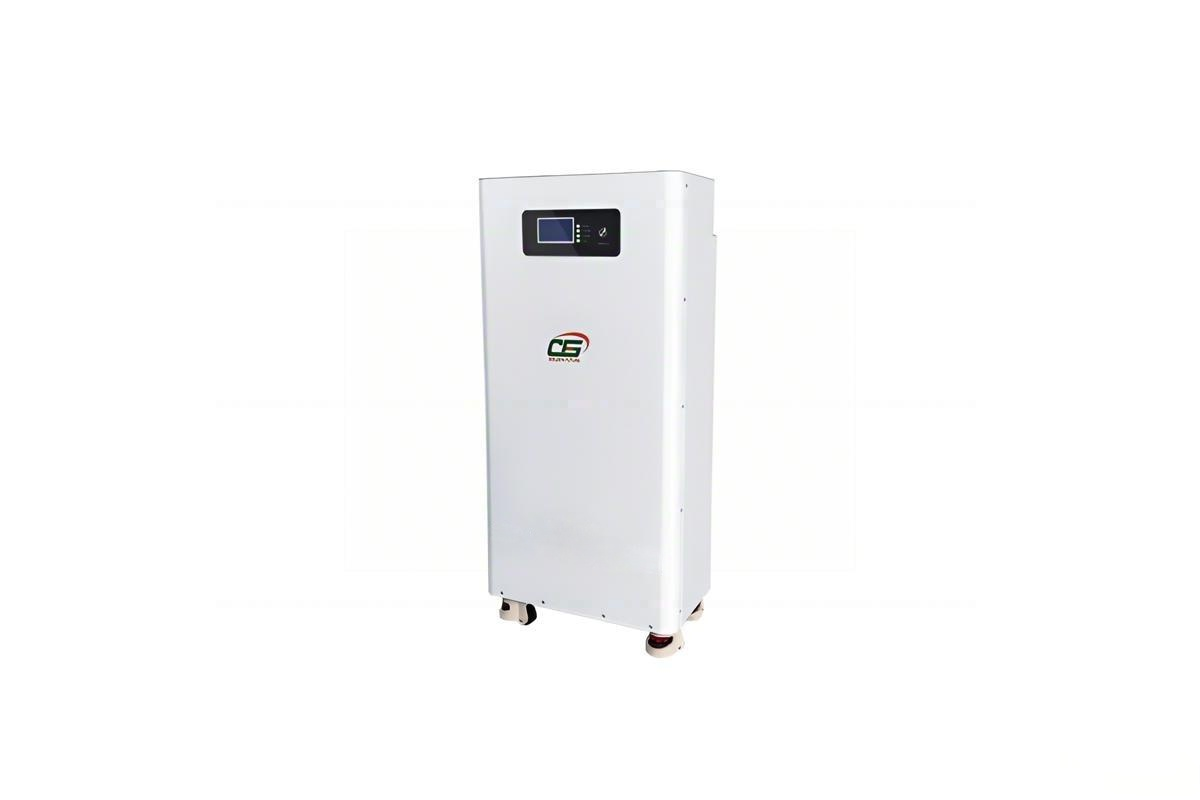
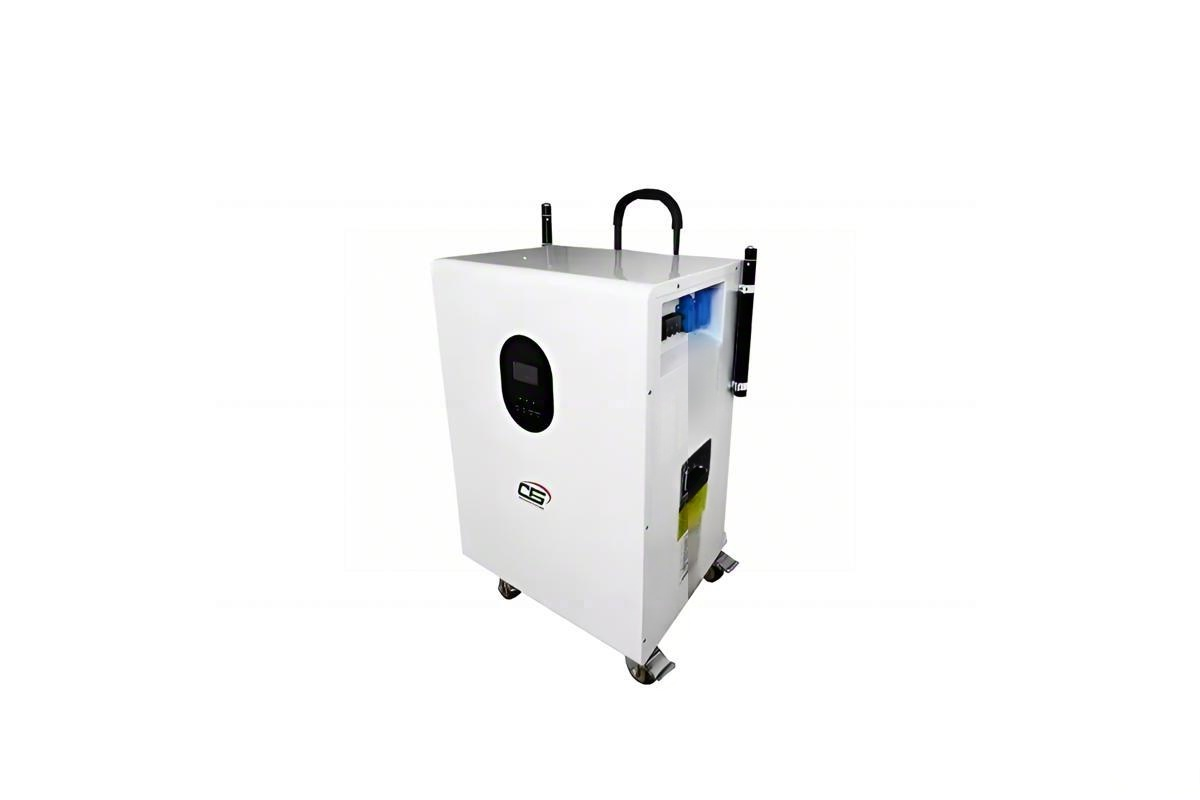
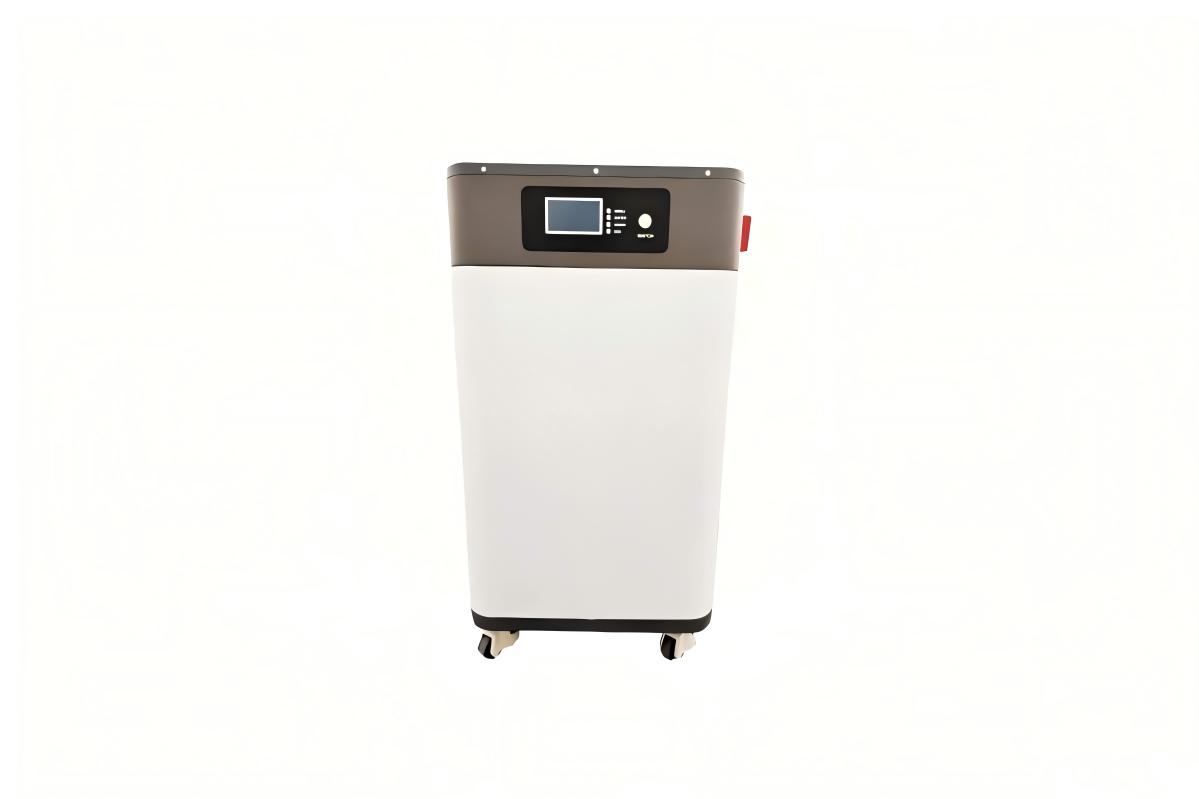
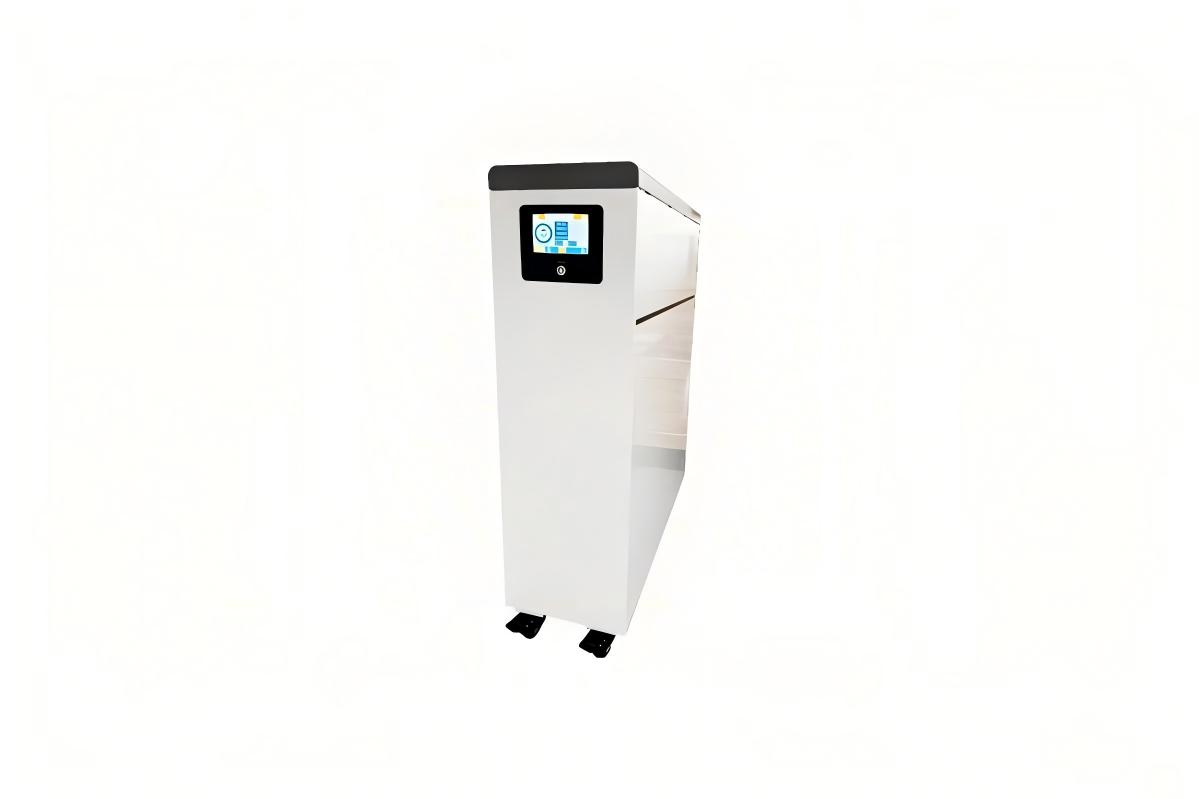
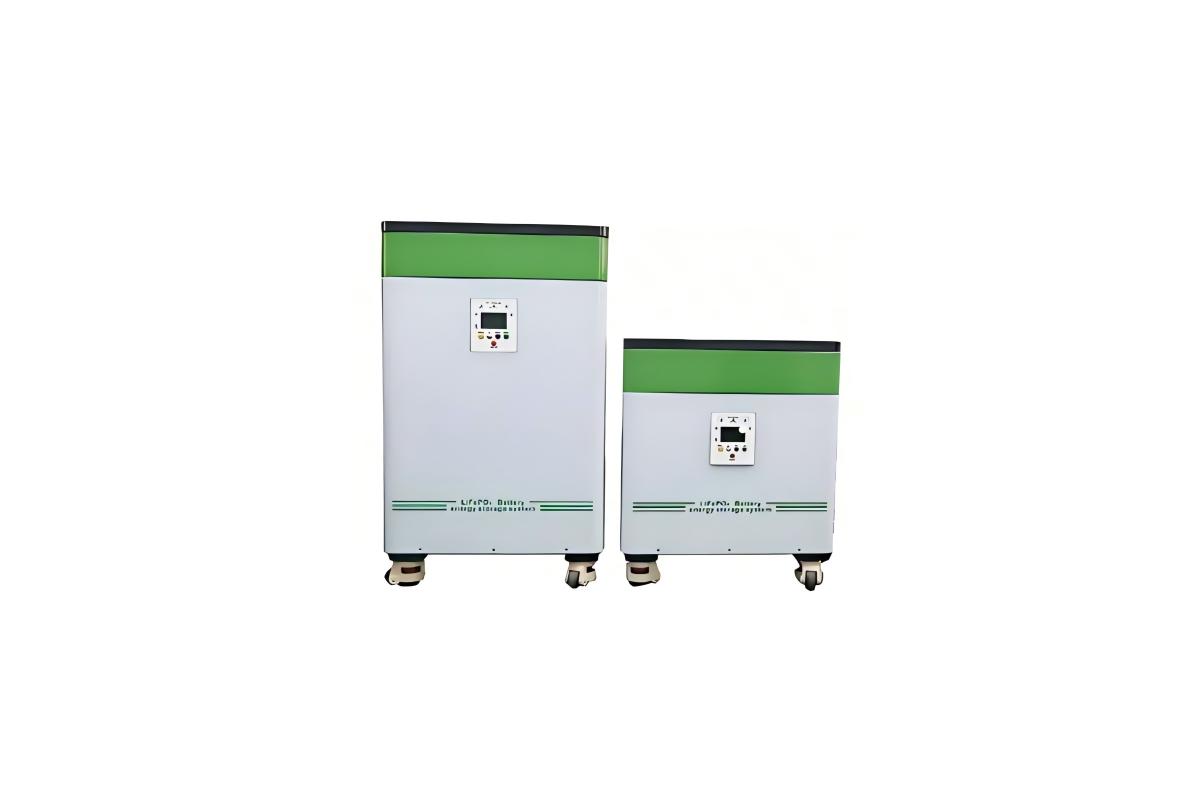
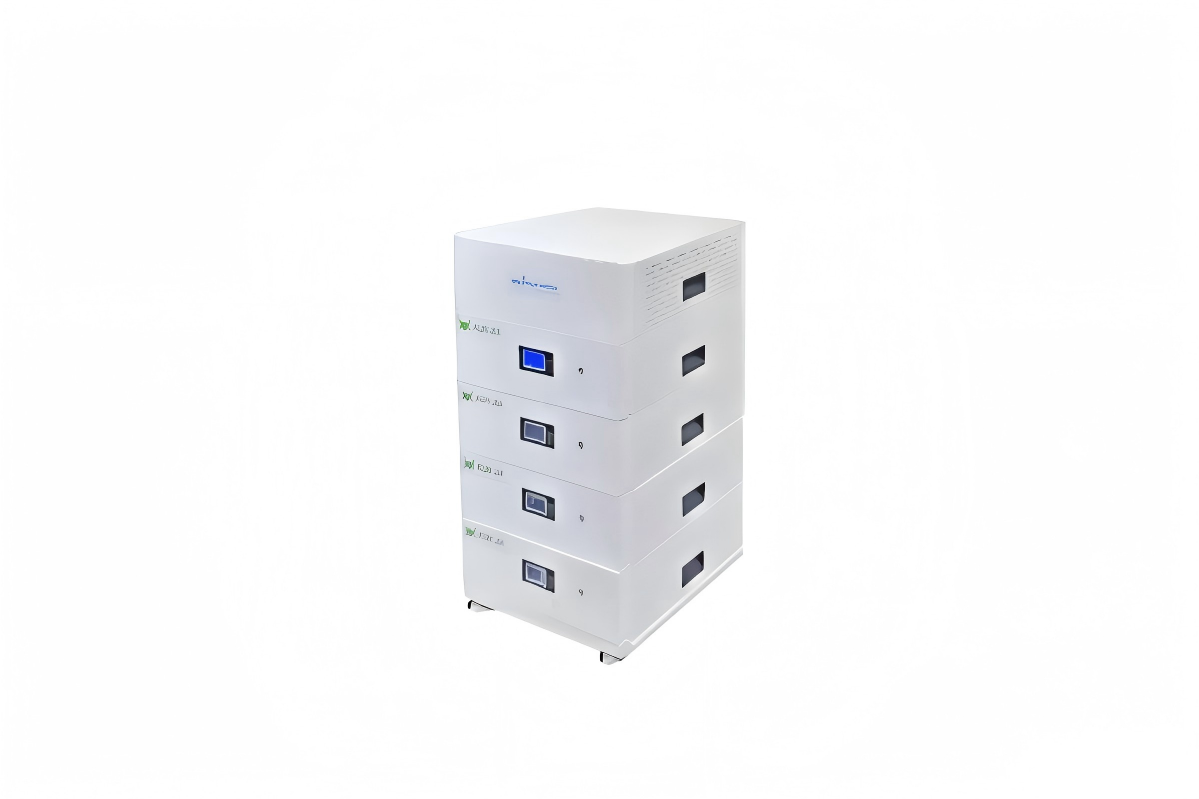
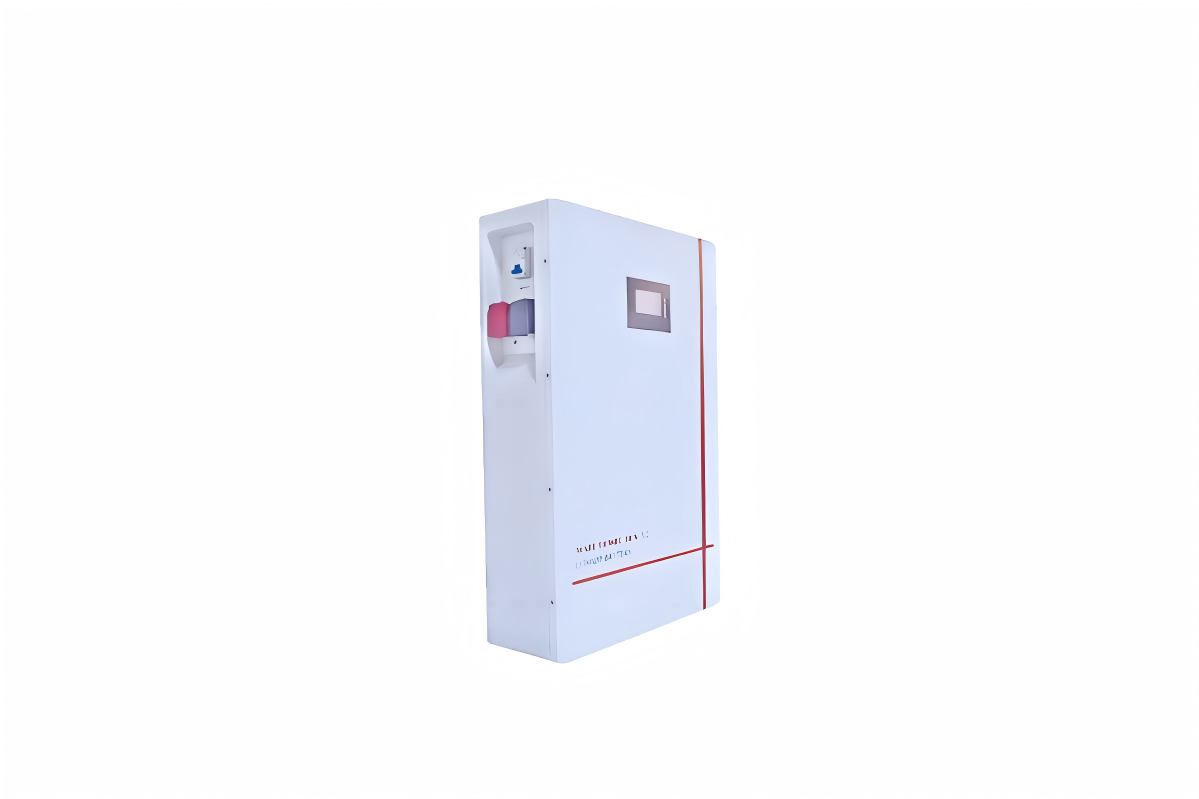
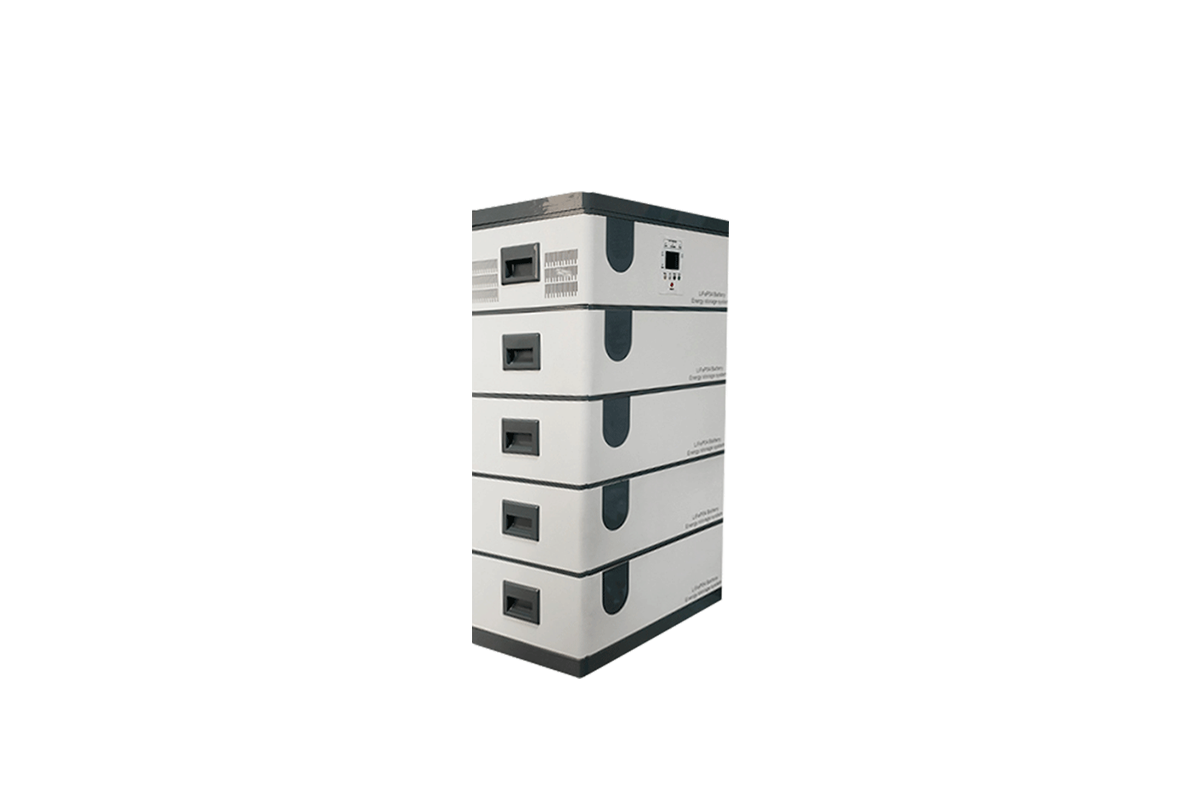
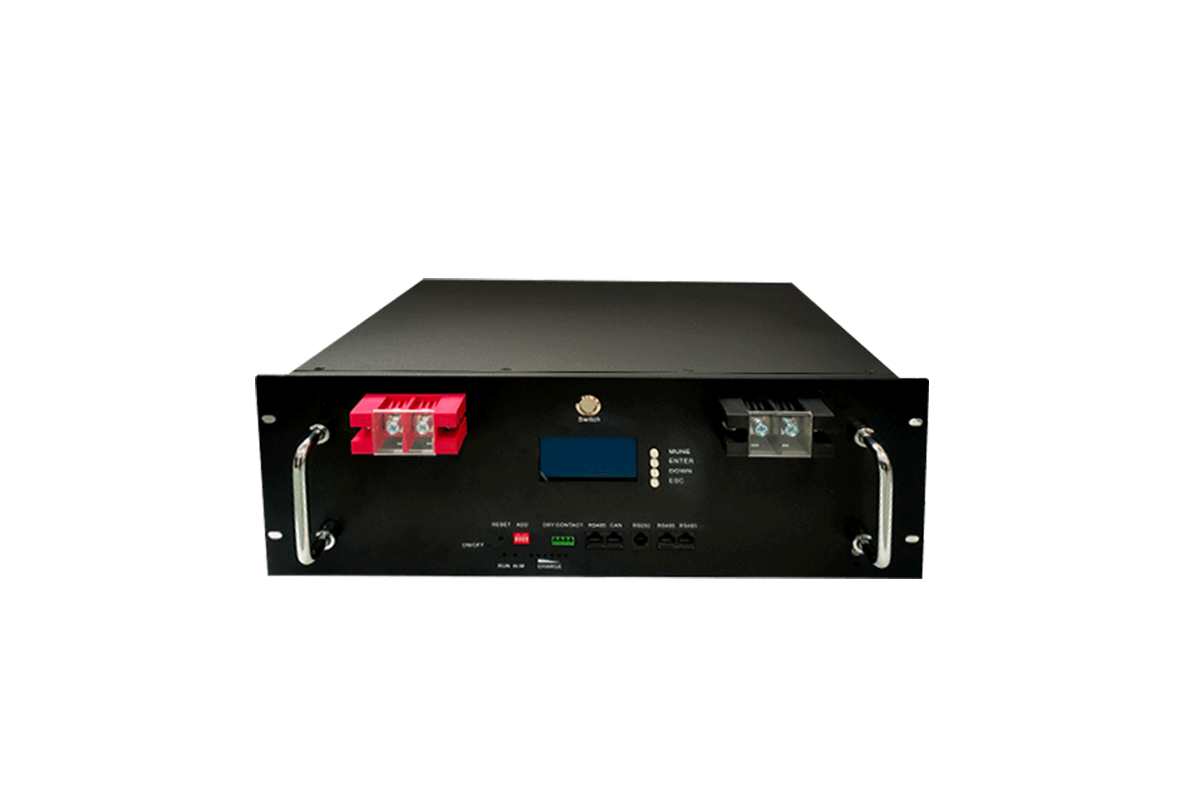
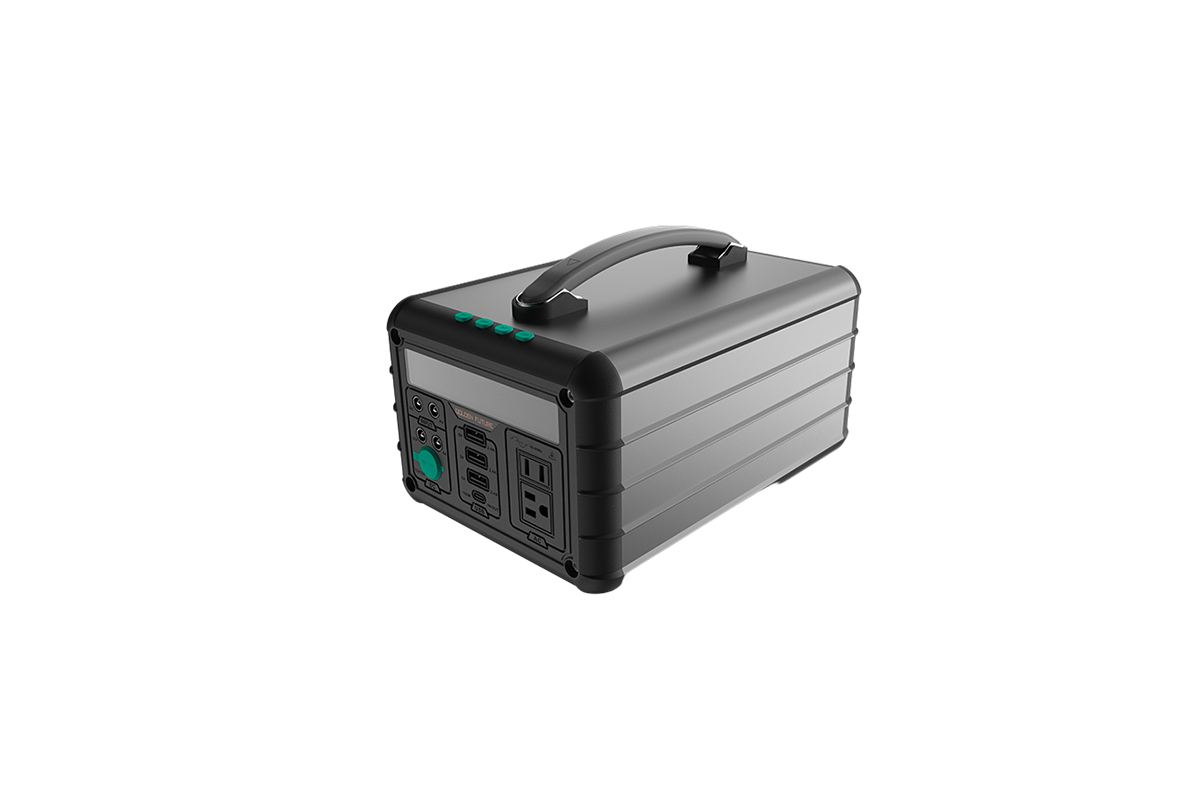
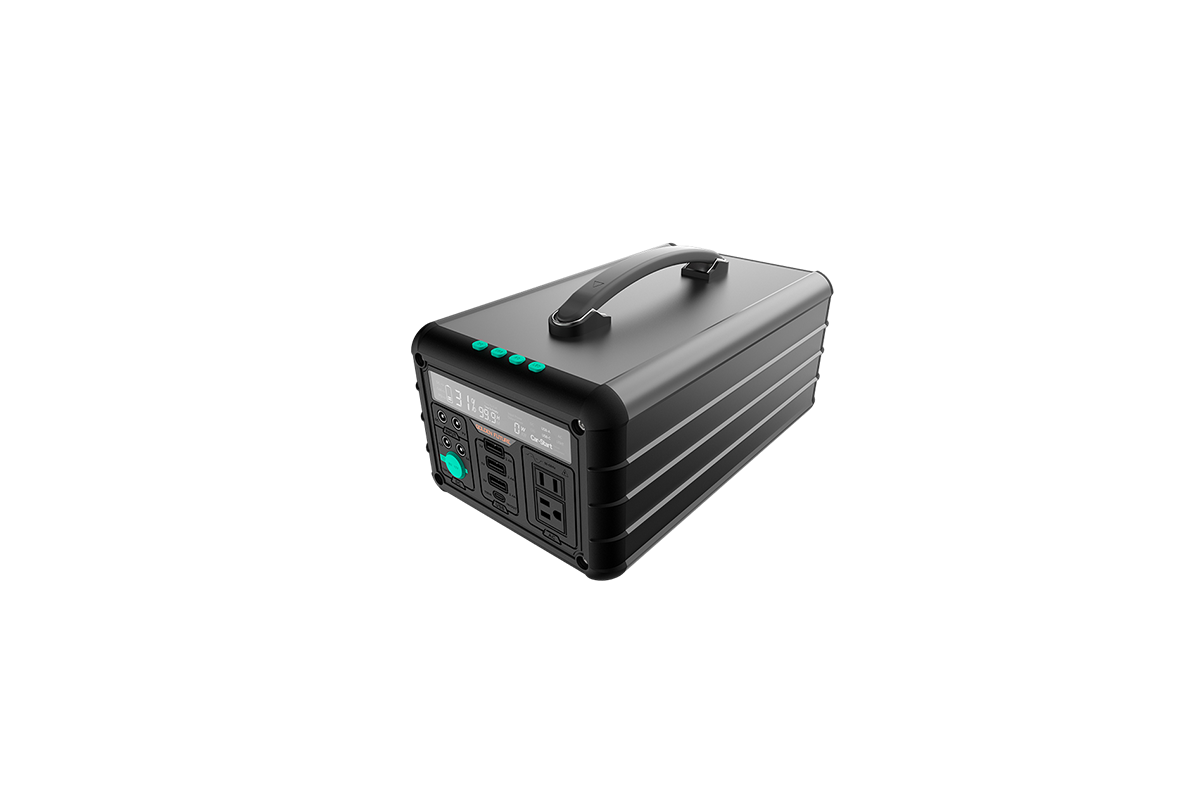
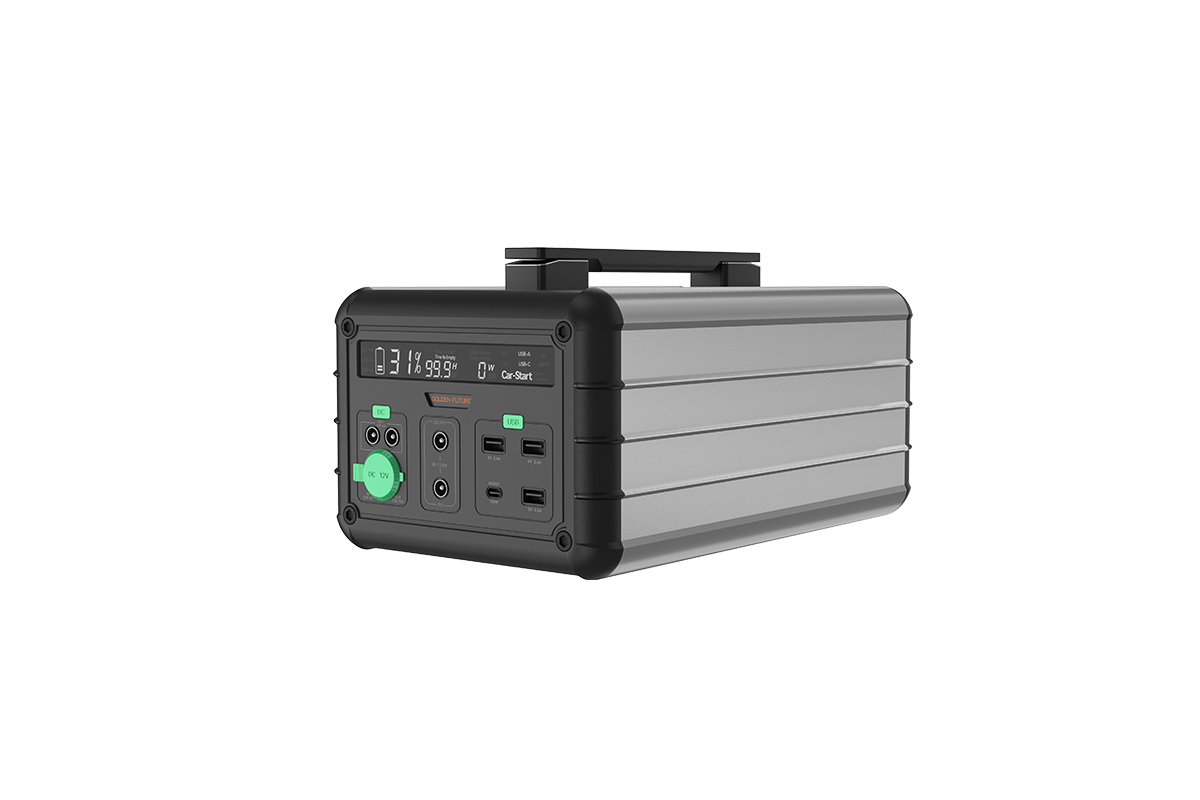
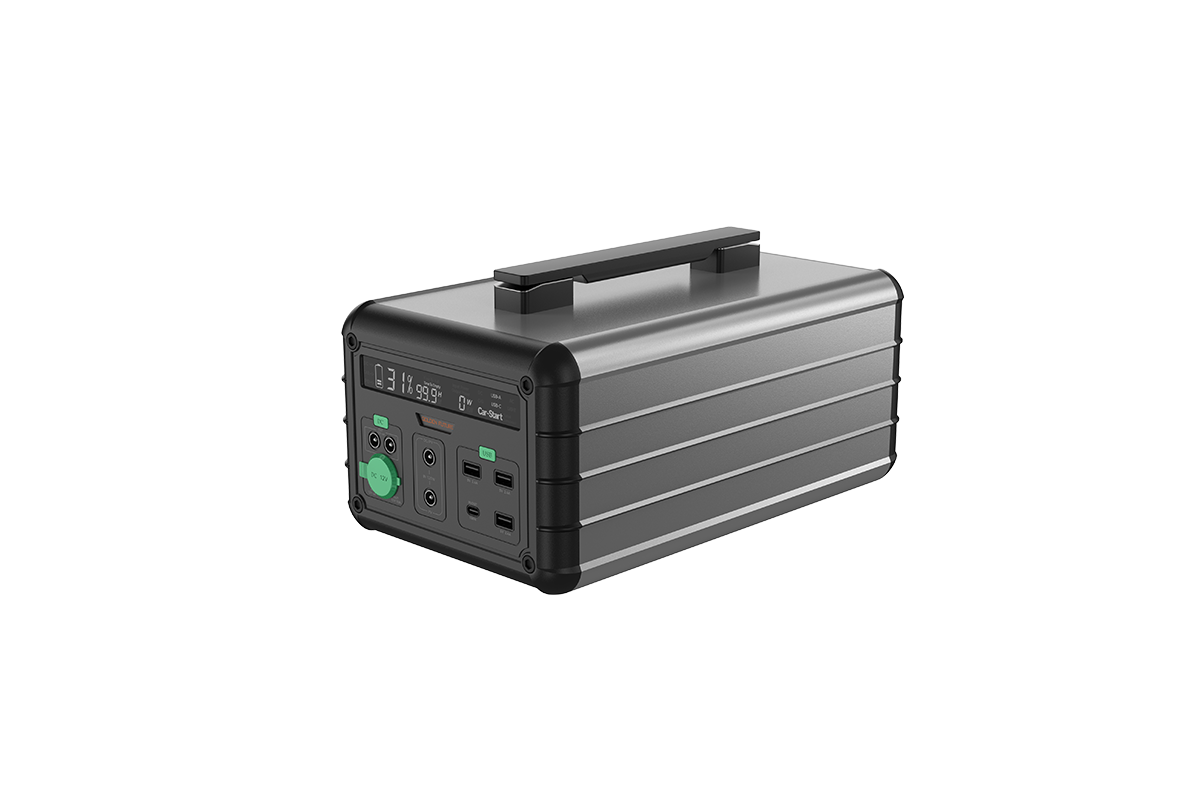
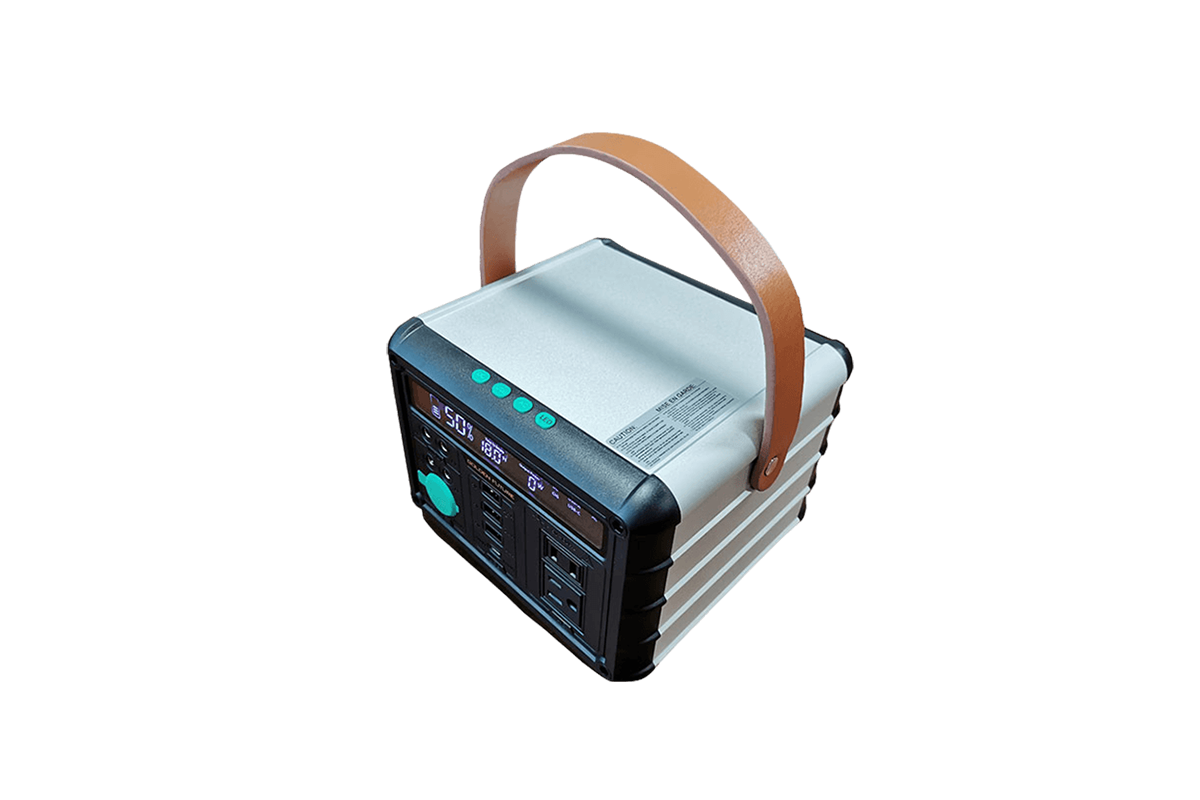
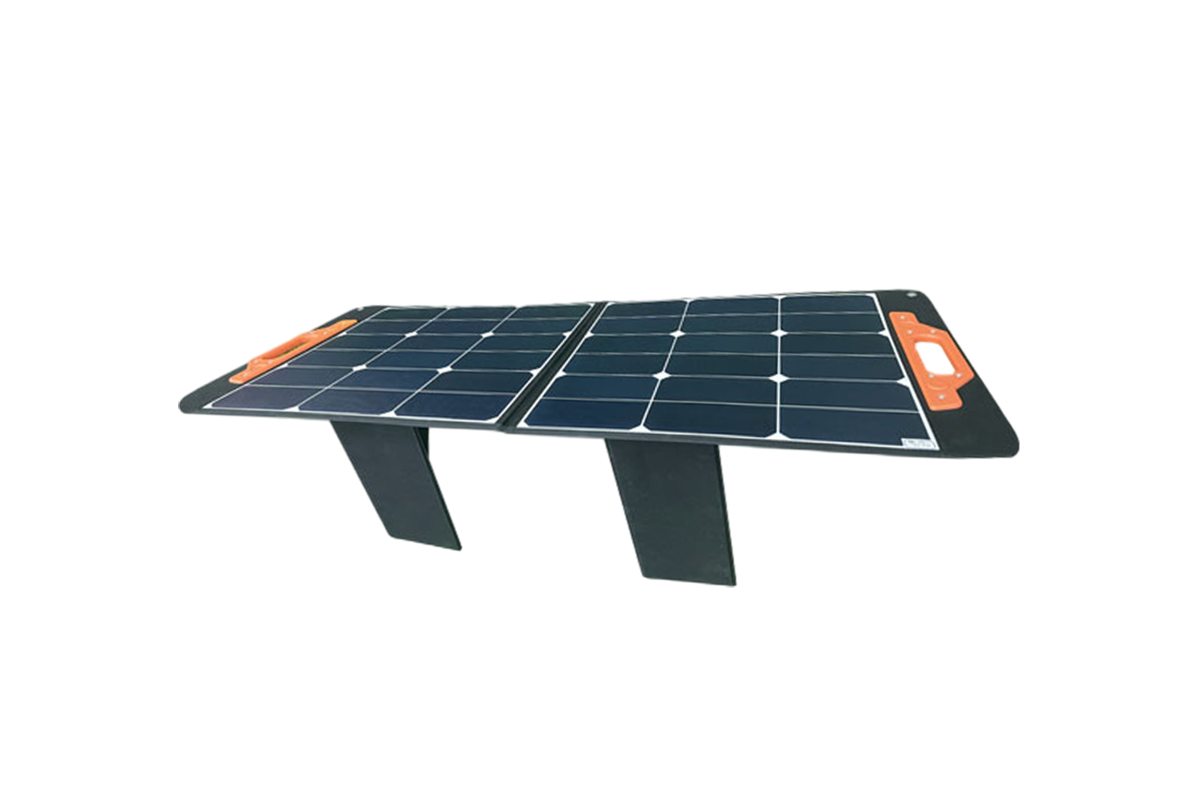
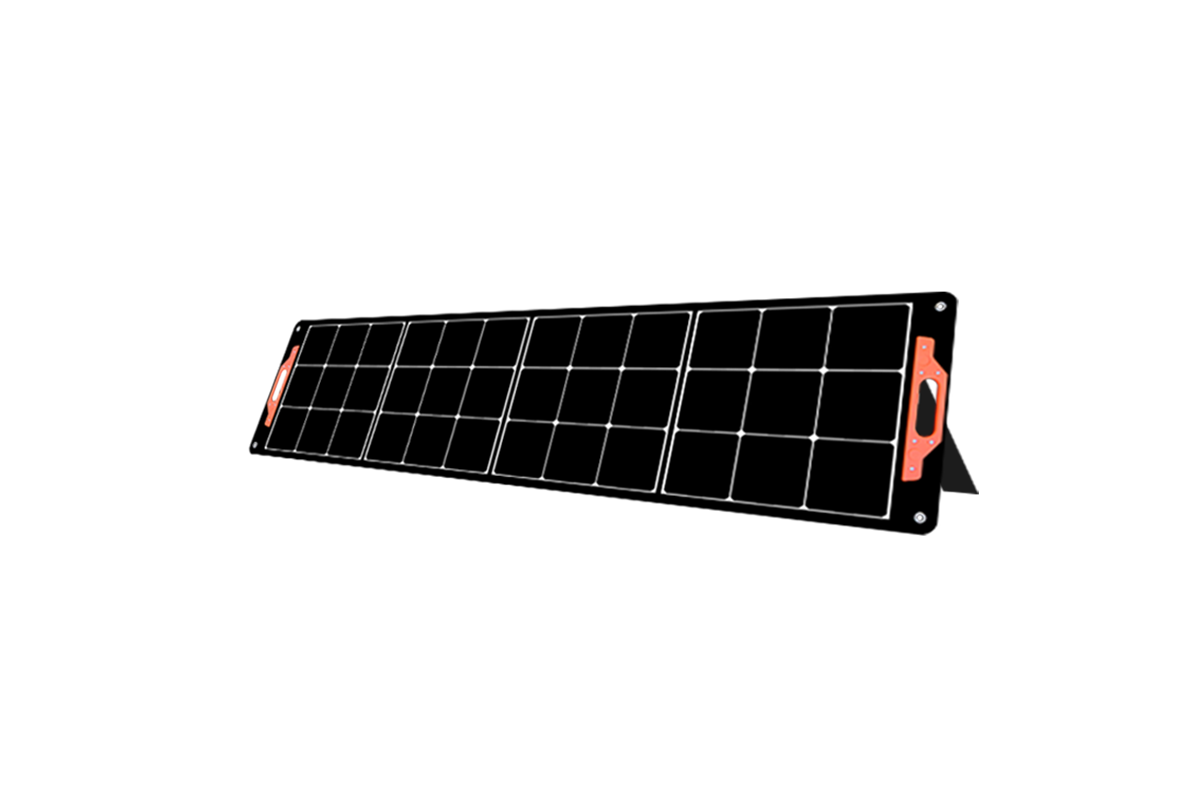
For apartment buildings, high-voltage energy storage systems are preferred for their efficiency and ability to power multiple units simultaneously. A typical configuration includes high-voltage LiFePO4 battery modules (each 51.2V, 100Ah or similar) integrated into standardized racks, paired with 50kVA+ high-voltage inverters for efficient energy conversion. The total system capacity should be tailored to the number of units—for example, a 120kWh system can reliably power four residential units, covering lighting, appliances, and air conditioning during peak hours or grid outages. Individual apartment owners may also opt for compact, wall-mounted energy storage units (3-5 kWh) that fit in small spaces, paired with small-scale solar panels on balconies. When selecting equipment, prioritize products with built-in BMS (Battery Management System) for overcharge, over-discharge, and short-circuit protection, as well as smart monitoring capabilities to track energy usage. Additionally, choose plug-and-play or pre-configured systems to minimize installation disruption to the building, and ensure compatibility with the building’s electrical panel to avoid overloads. Brands with proven reliability and long warranties are recommended, as they reduce maintenance costs and ensure the system’s longevity in a multi-resident environment.




 59911926@qq.com/sales@goldenfuturehk.com
 13316809242 / 15816897019
 Inquiry
 Home >