






Time:2025-12-17 Views:1
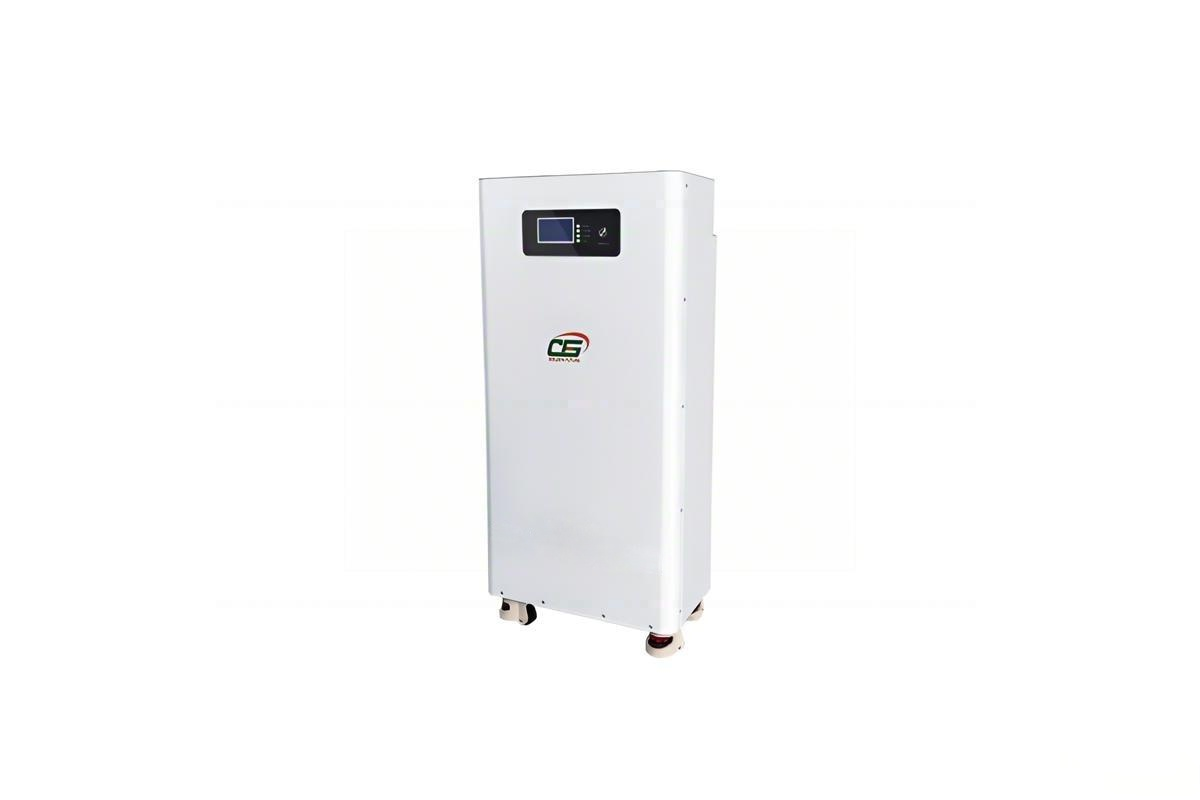
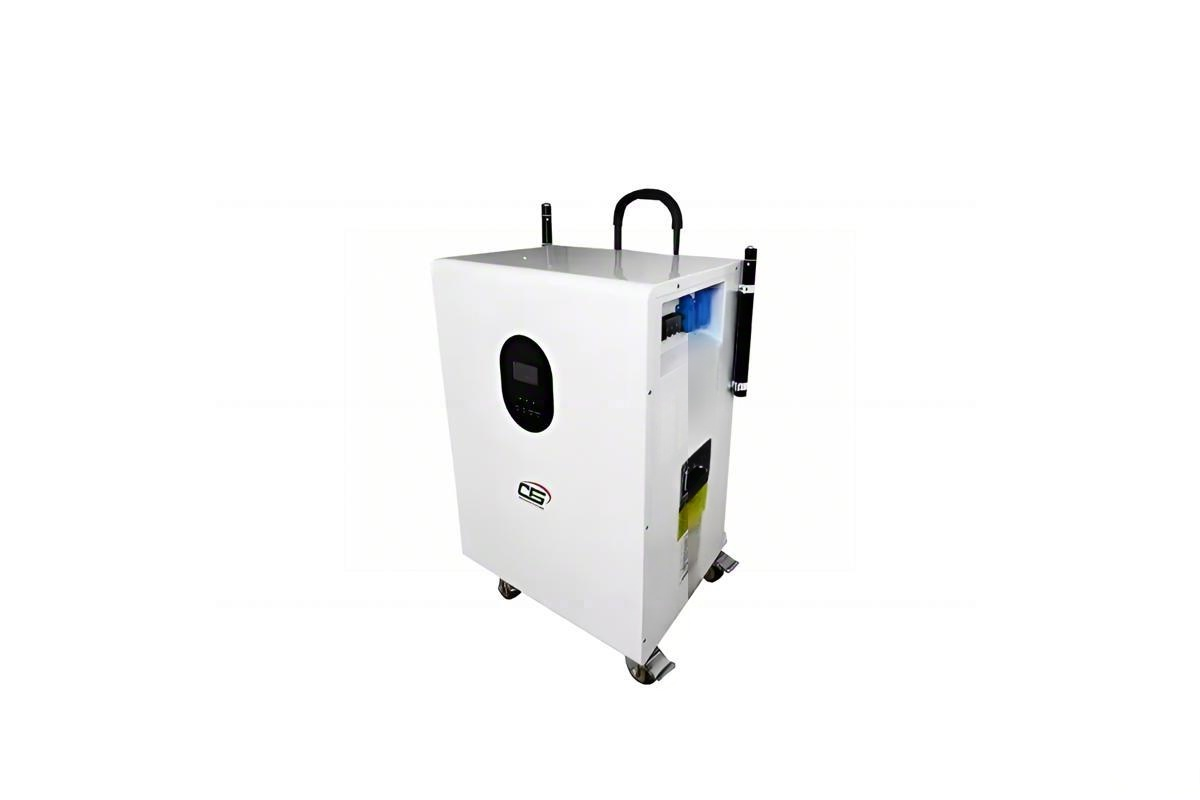
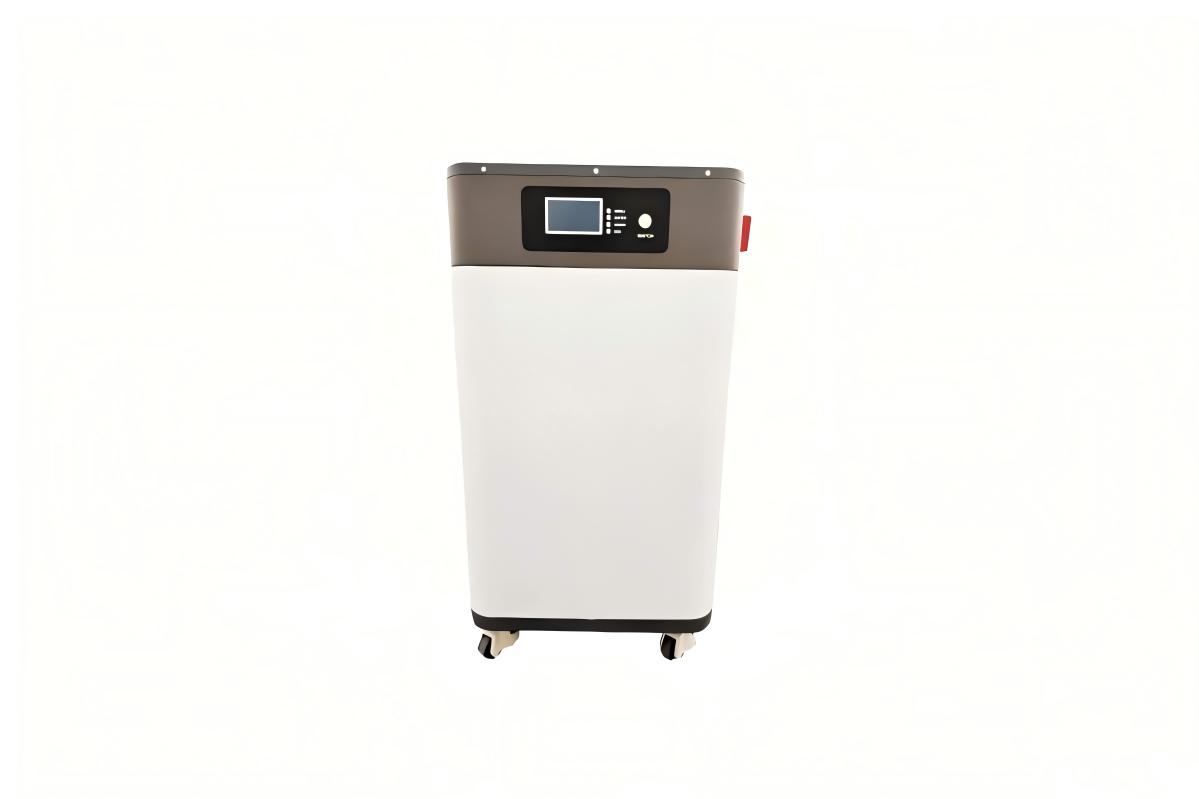
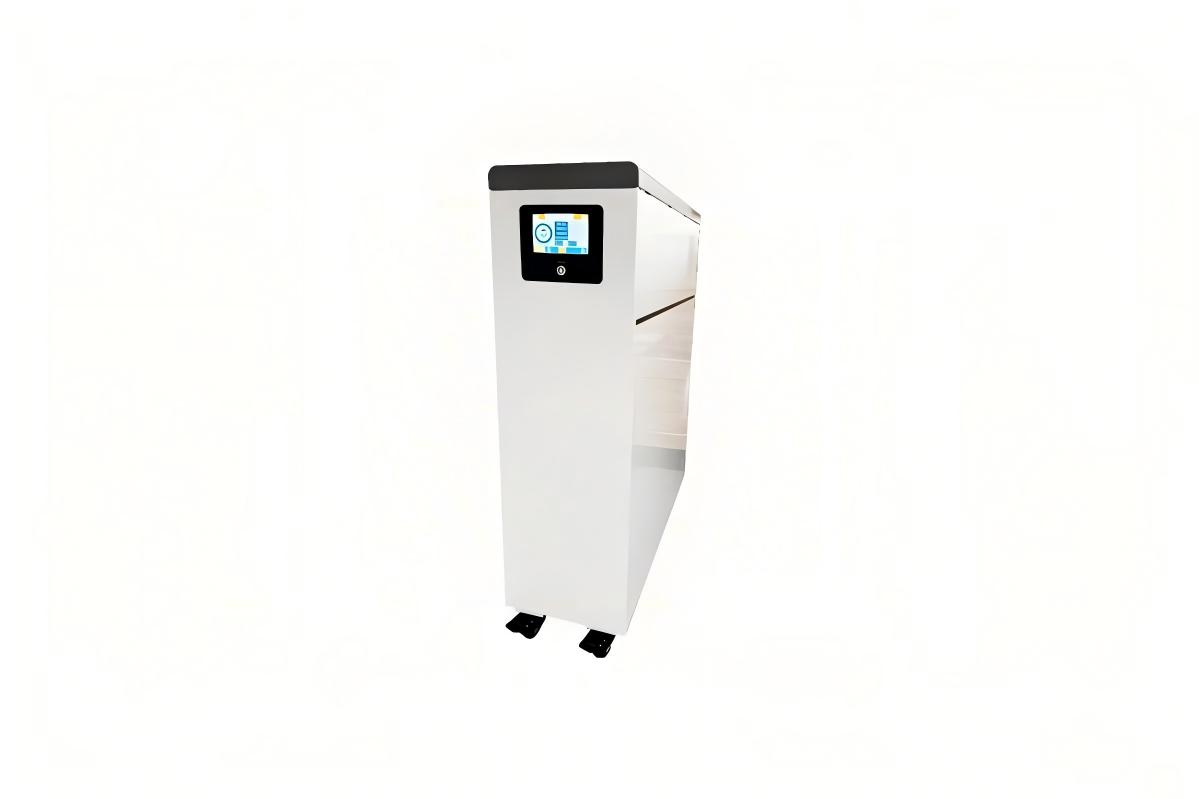
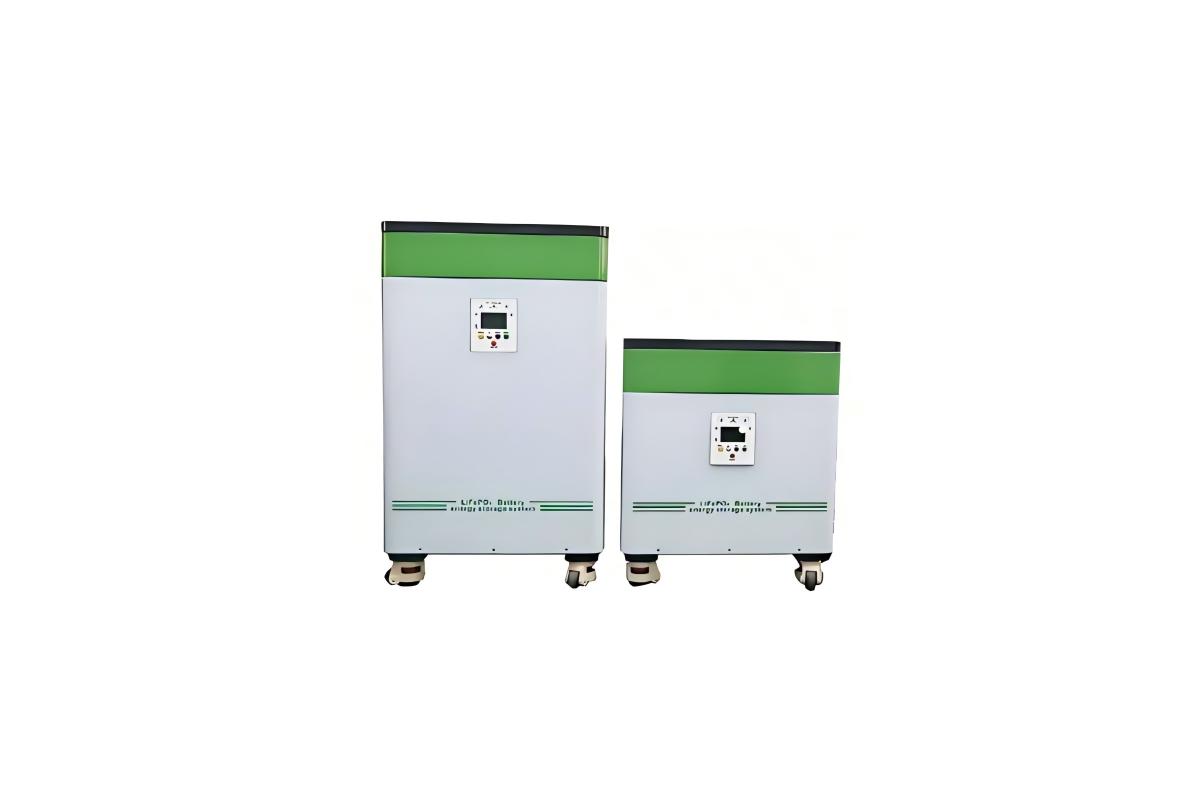
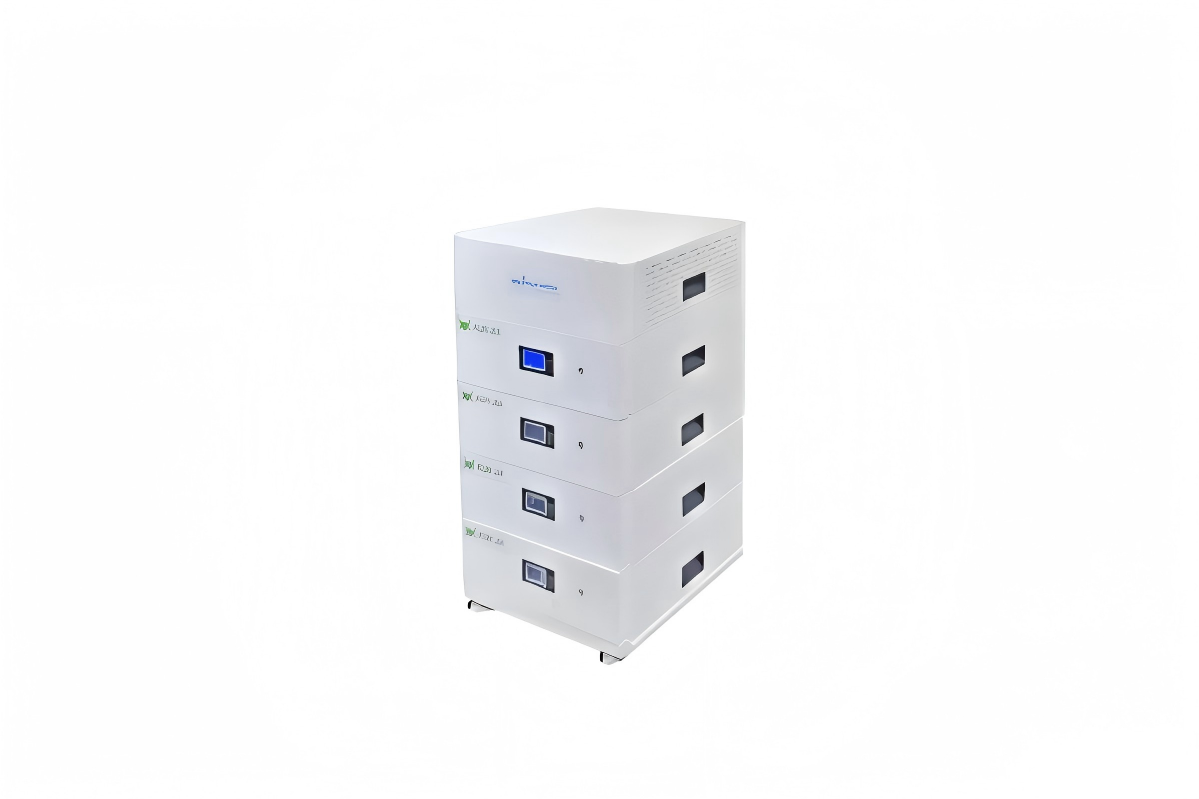
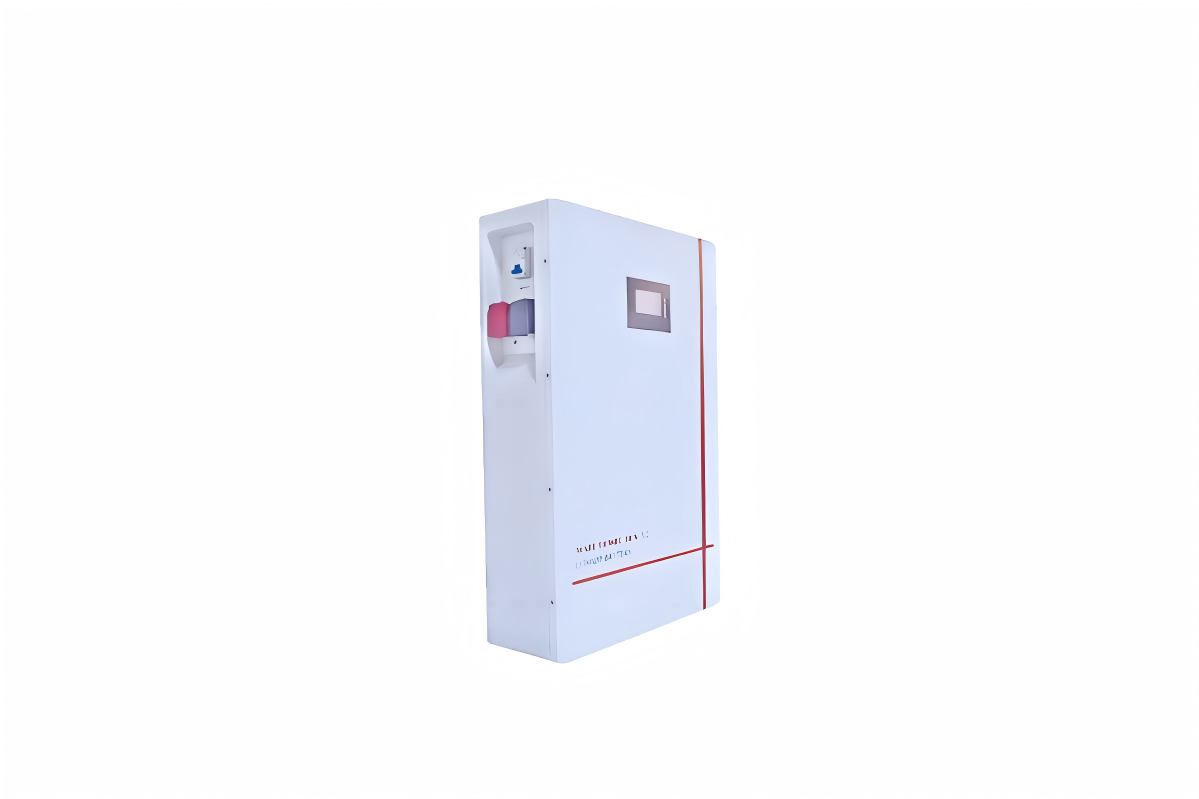
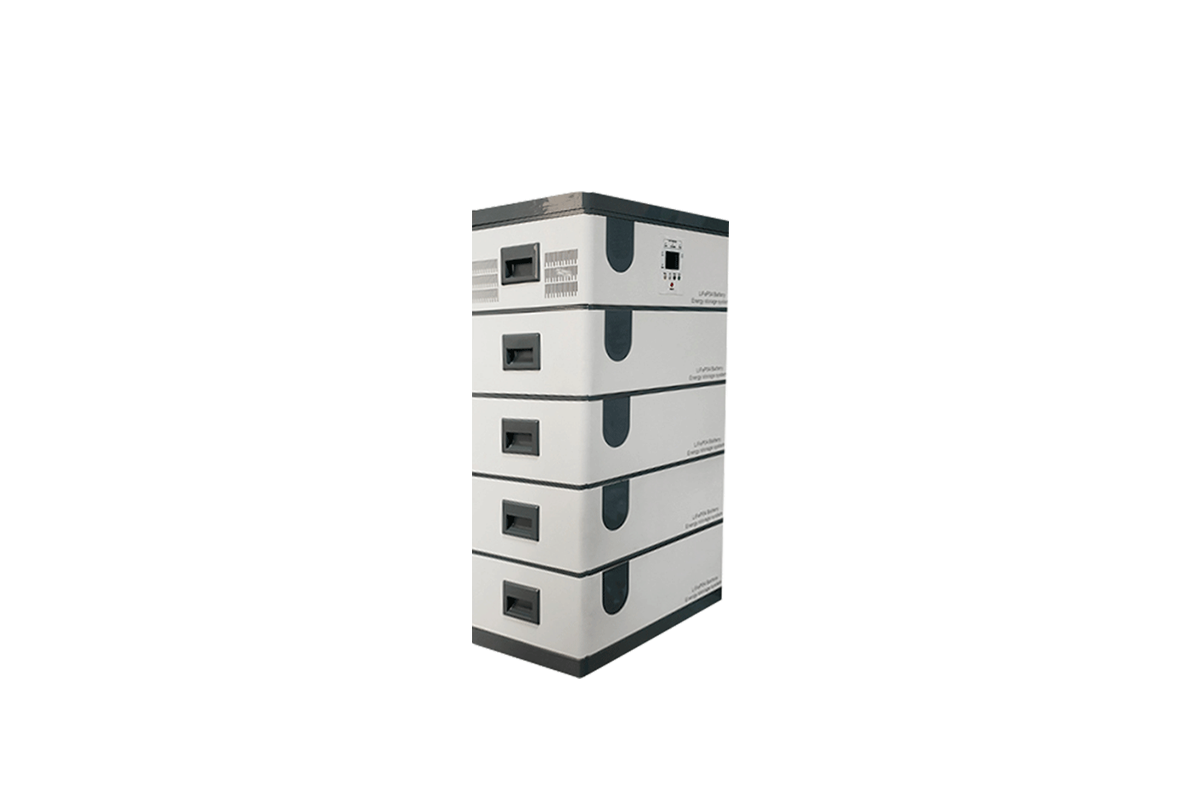
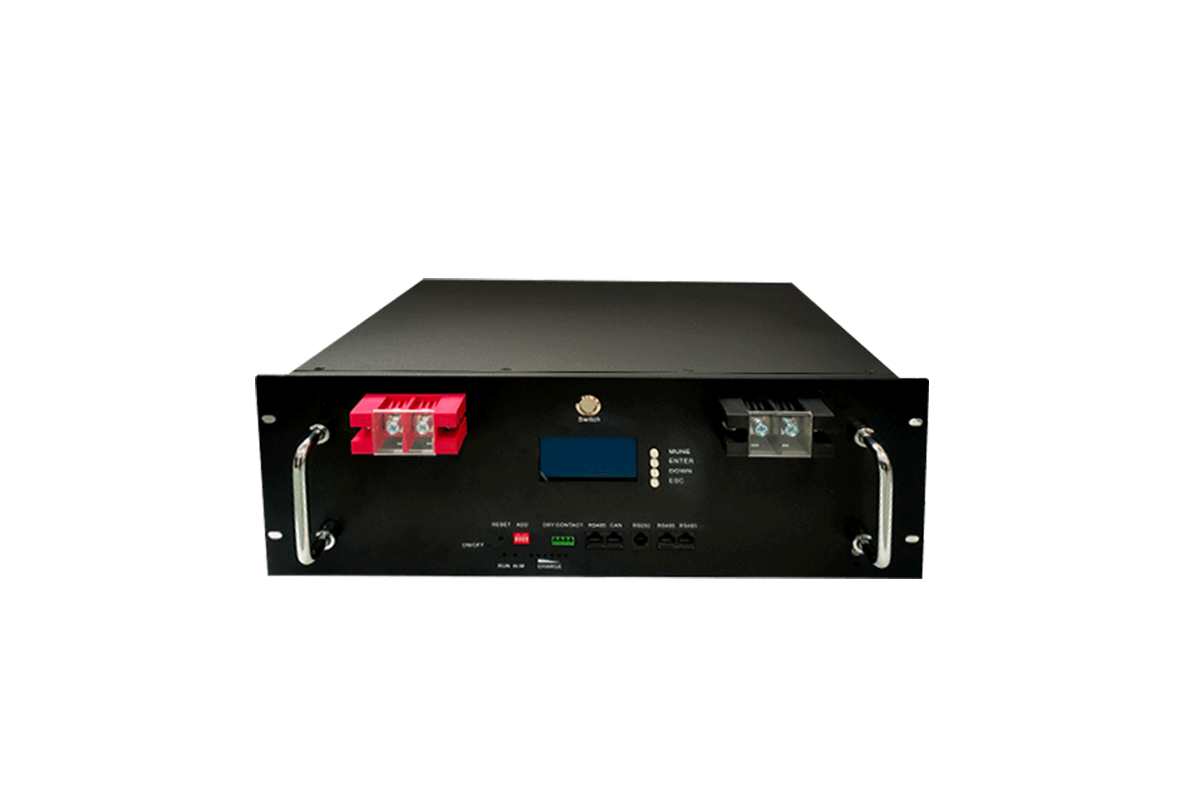
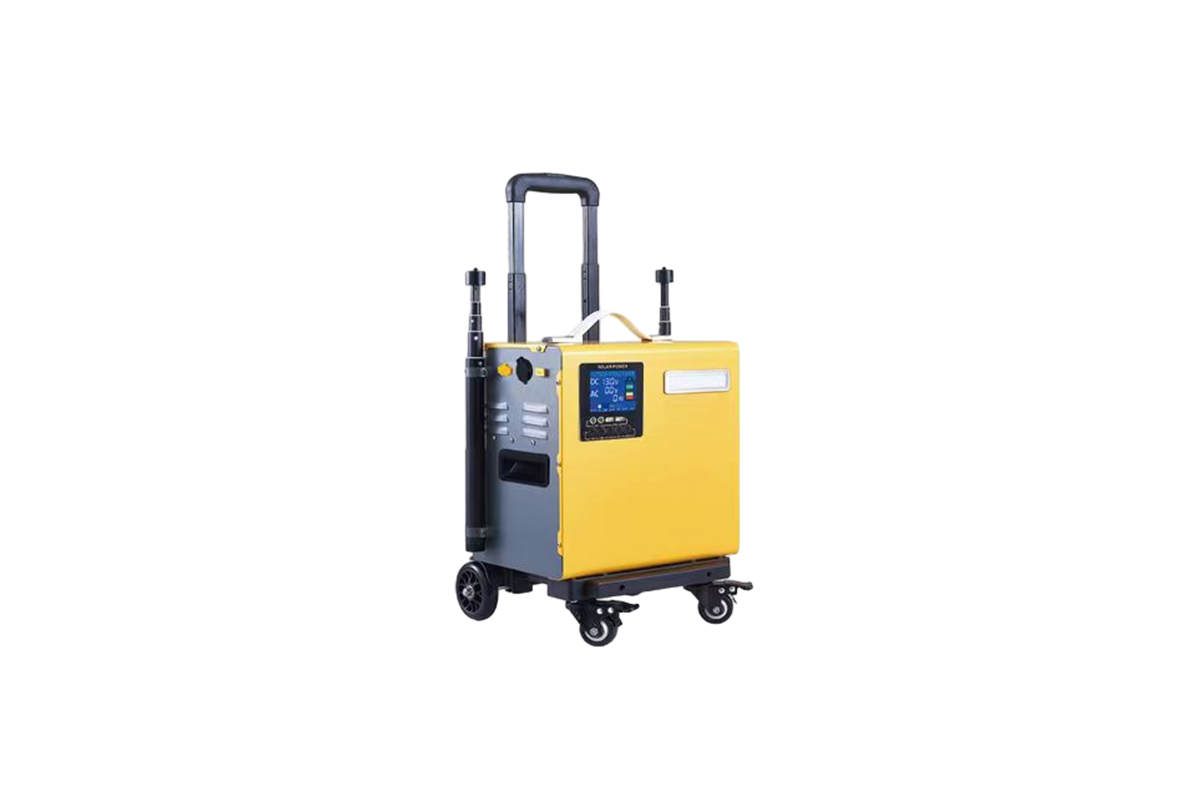
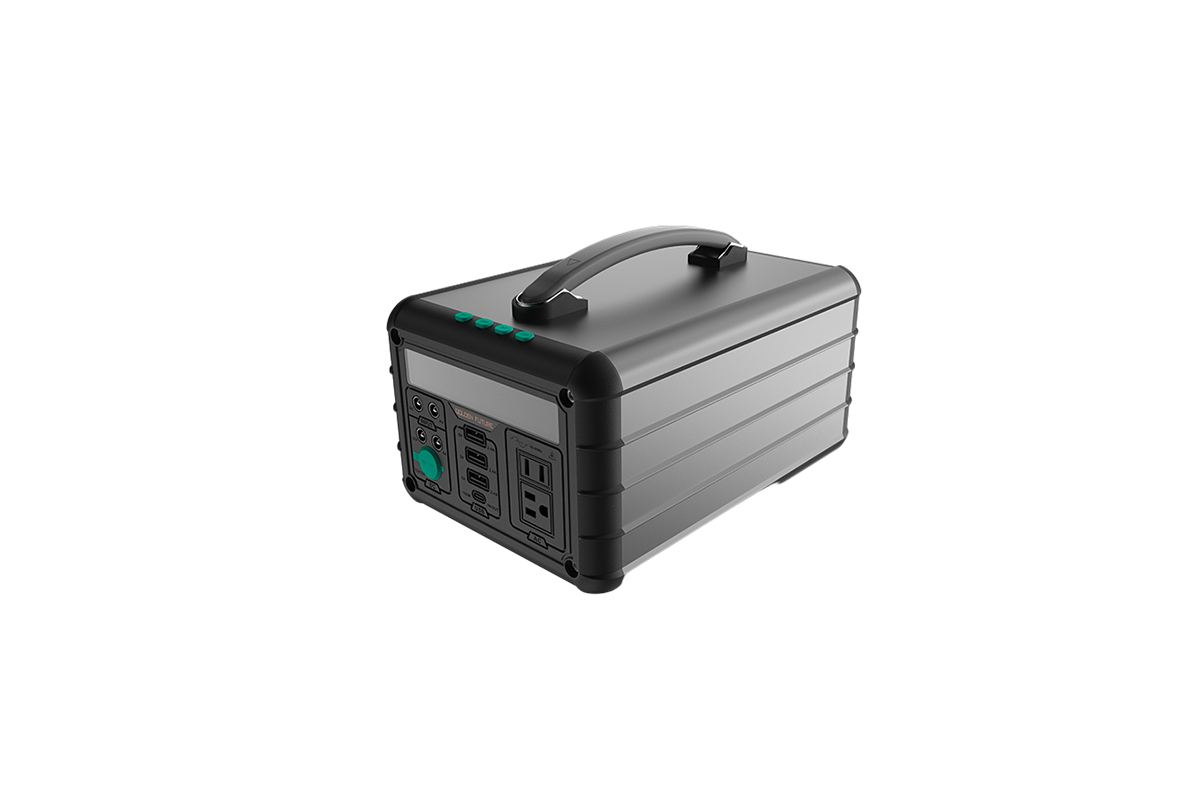
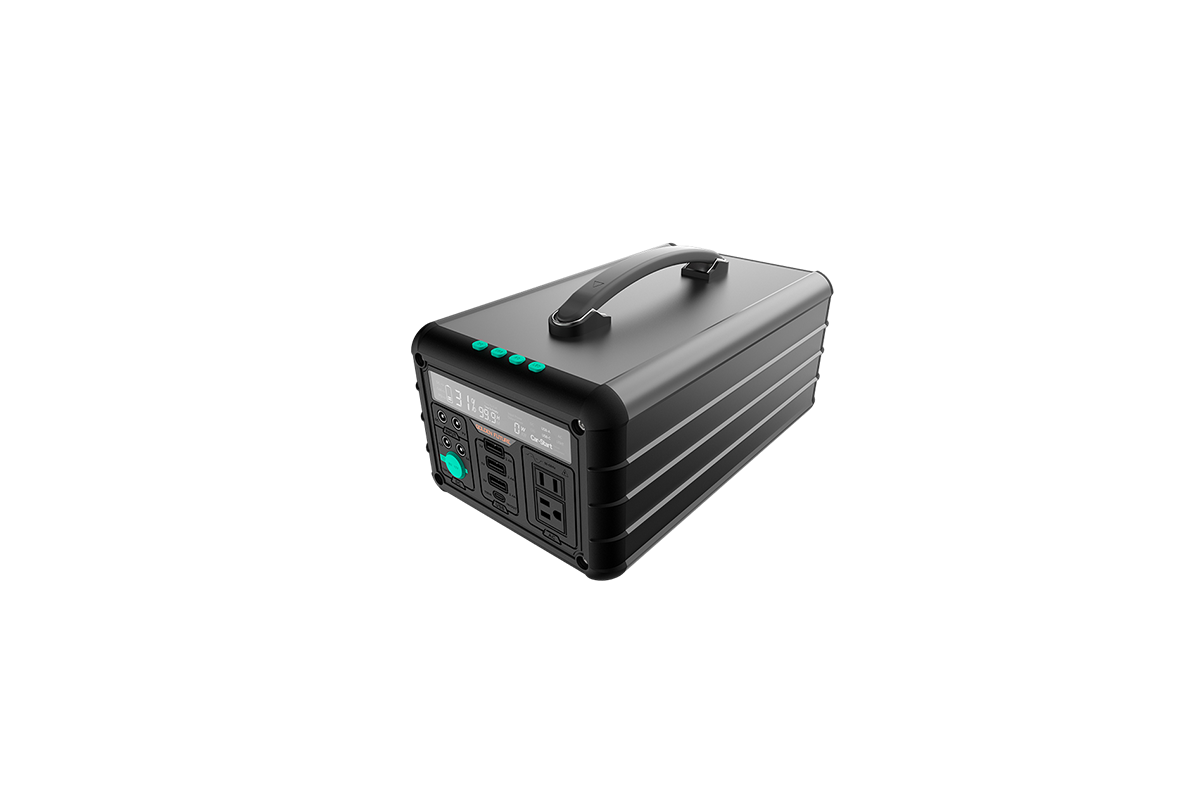
Home battery storage without solar remains a vital and accessible energy solution for homeowners who cannot or choose not to install solar panels—whether due to financial constraints, structural limitations (like shaded roofs or historic home restrictions), rental agreements, or simply a preference for grid-reliant storage. Unlike solar-plus-storage systems, which depend on on-site renewable generation, non-solar home battery storage draws power directly from the utility grid, focusing on optimizing energy use, reducing costs, and providing reliable backup power during outages. This simplicity and flexibility make it an inclusive option, expanding the benefits of energy storage to a broader range of households.
A key advantage of home battery storage without solar is its ability to leverage time-of-use (TOU) electricity pricing to lower monthly bills. Most utility companies charge higher rates during peak demand hours (typically weekday afternoons and evenings, when households and businesses use the most energy) and lower rates during off-peak hours (nights, weekends, and holidays). Non-solar battery systems capitalize on this by charging during off-peak periods (when energy is cheaper) and discharging during peak hours (when rates are highest), effectively "shifting" energy use to lower-cost times. For example, a household in a region with TOU pricing might pay(0.15 per kWh during off-peak hours (10 PM–6 AM) and)0.40 per kWh during peak hours (4 PM–9 PM). By charging a 10 kWh battery overnight (costing(1.50) and using that stored energy during peak hours (avoiding)4.00 in grid costs), the household saves(2.50 per day—adding up to)75–$90 in monthly savings.
Reliable backup power is another critical function of non-solar home battery storage. Grid outages—caused by severe weather (hurricanes, blizzards), infrastructure failures, or high demand—can disrupt daily life, leaving households without power for hours or days. A non-solar battery system provides an immediate, clean, and quiet backup power source, eliminating the need for noisy, fossil fuel-powered generators (which require fuel refills and produce emissions). For households with medical needs (such as oxygen concentrators, insulin refrigeration, or CPAP machines), this backup power is a lifeline, ensuring essential equipment remains operational. Even for average households, a 10–15 kWh battery can power critical appliances (refrigerator, lights, Wi-Fi, and a small heater or air conditioner) for 12–36 hours during an outage, depending on usage.
Non-solar battery storage also plays a role in supporting grid stability and sustainability. When many households use battery storage to shift energy use from peak to off-peak hours, it reduces overall demand on the grid during high-stress periods. This lessens the need for utilities to activate "peaker plants"—inefficient, high-emission fossil fuel power plants that are only used during peak demand. By reducing reliance on these plants, non-solar battery systems indirectly lower greenhouse gas emissions, aligning with global climate goals even without on-site solar generation. For example, if 10,000 households each shift 5 kWh of peak demand to off-peak hours, it can reduce the need for a 50 MW peaker plant—avoiding thousands of tons of carbon dioxide emissions annually.
Installation and maintenance of non-solar home battery storage are simpler and more cost-effective than solar-plus-storage systems. Since there are no solar panels, inverters, or mounting hardware to install, the process is faster (typically 1–2 days) and less invasive—no roof modifications or tree trimming required. This makes non-solar storage an ideal choice for renters (who cannot make permanent changes to their homes) or homeowners with historic properties (where solar installations may be prohibited). Maintenance is also minimal: most systems include remote monitoring and software updates (handled by the manufacturer), and physical checks (such as inspecting the battery casing for damage) are only needed once or twice a year. Additionally, upfront costs are lower: a typical non-solar battery system (10–15 kWh) costs(10,000–)18,000, compared to(25,000–)40,000 for a solar-plus-storage system of similar capacity.
Furthermore, non-solar battery storage offers flexibility for future upgrades. Homeowners who later decide to install solar panels can easily integrate their existing battery with a new solar system, avoiding the need to replace the battery. This "future-proofing" makes non-solar storage a smart investment for those who want to start small and expand their renewable energy setup over time.
home battery storage without solar is a practical, cost-effective, and inclusive energy solution that meets the needs of diverse homeowners. It provides savings on electricity bills, reliable backup power, and support for grid sustainability—all without the requirements of solar panel installation. As utility pricing models evolve and grid reliability remains a concern, non-solar battery storage will continue to be a valuable tool for residential energy management.




 59911926@qq.com/sales@goldenfuturehk.com
 13316809242 / 15816897019
 Inquiry
 Home >