






Time:2026-05-21 Views:389
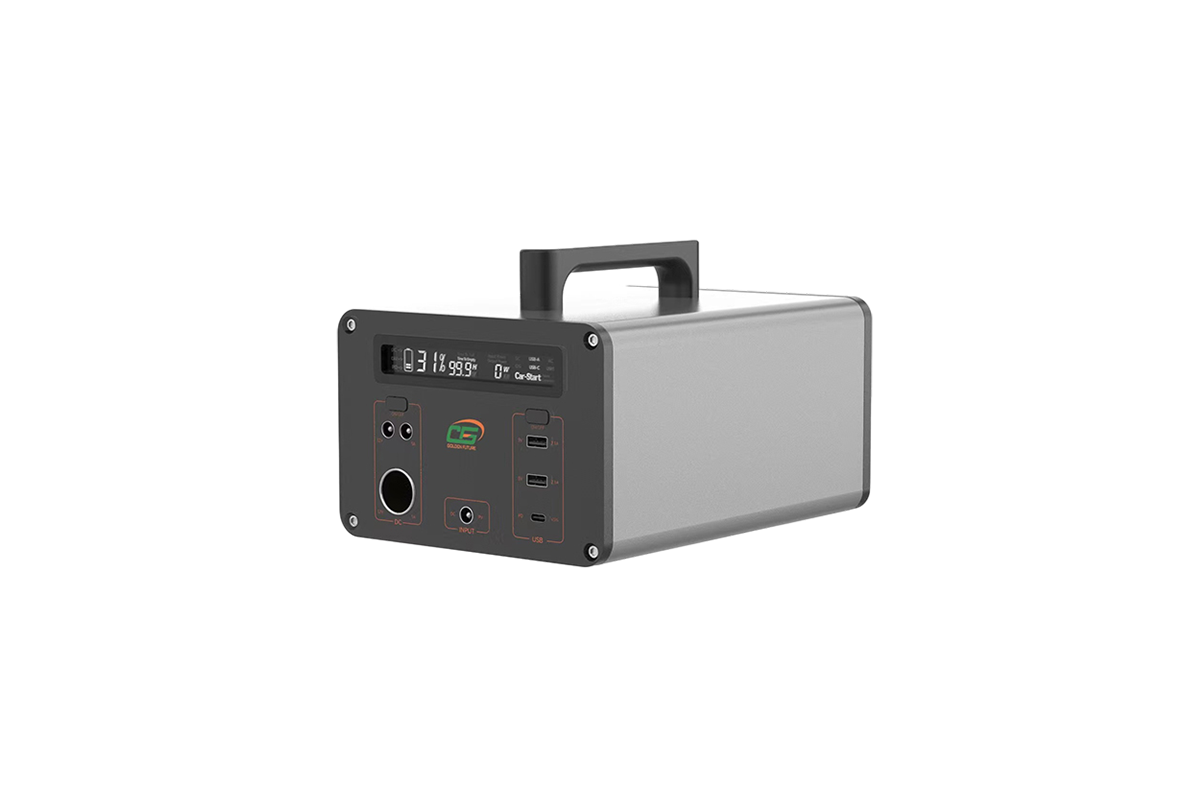
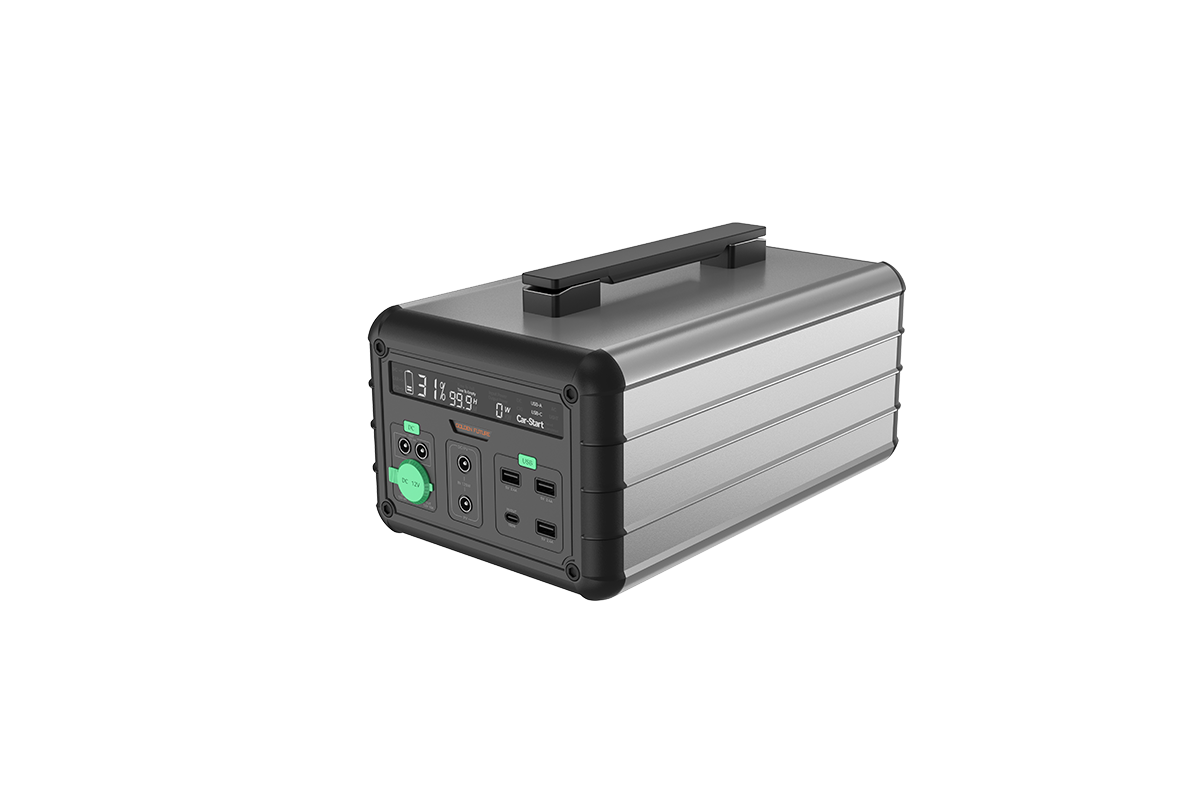
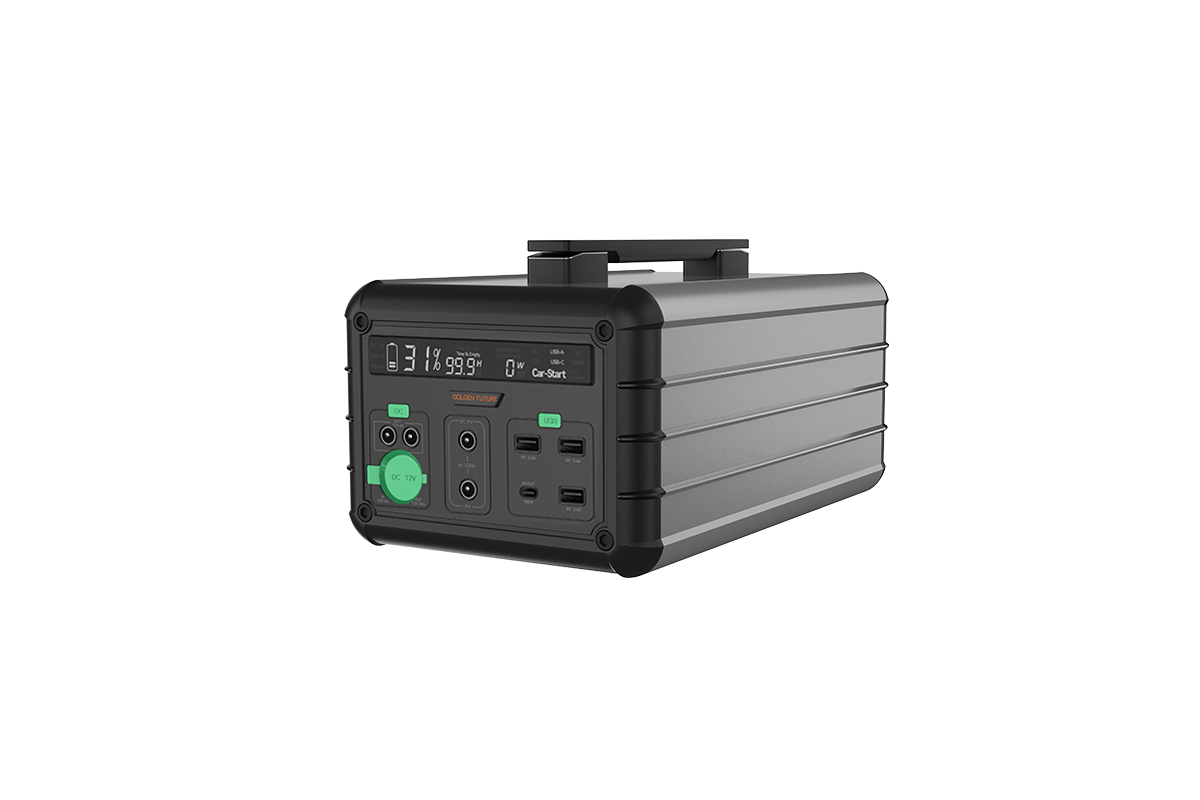
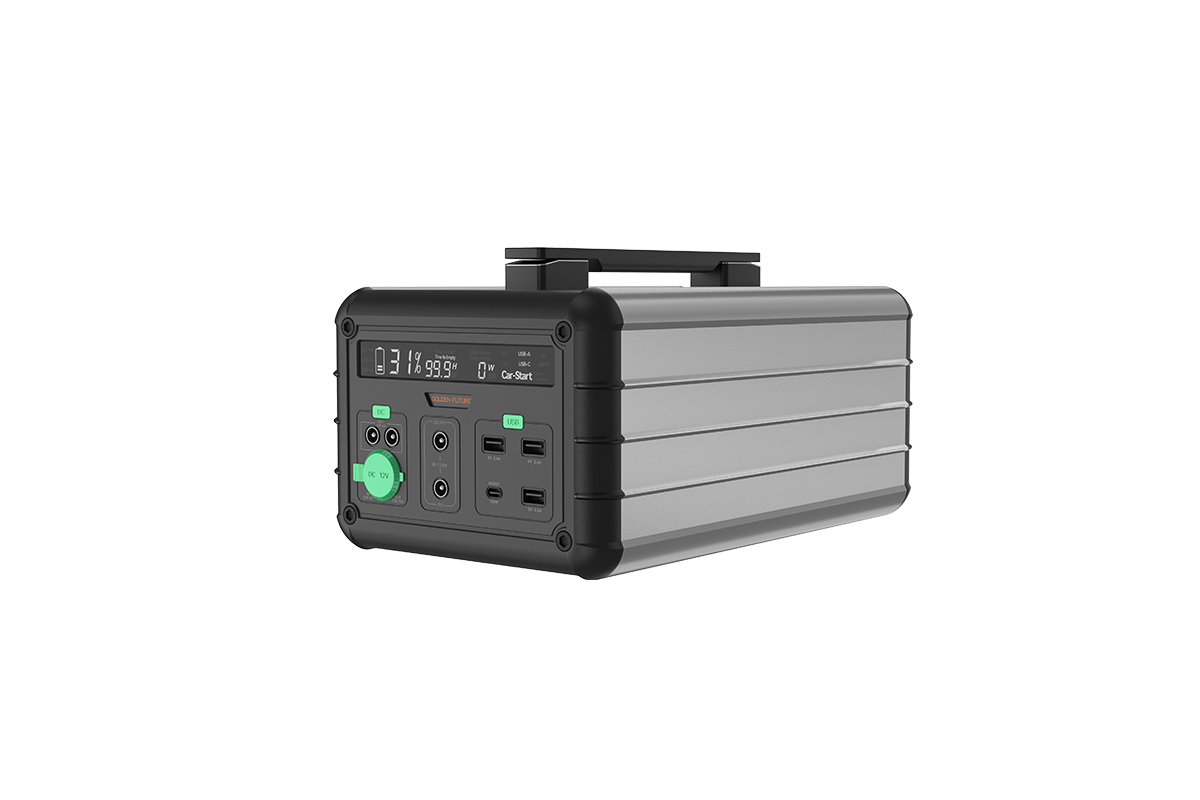
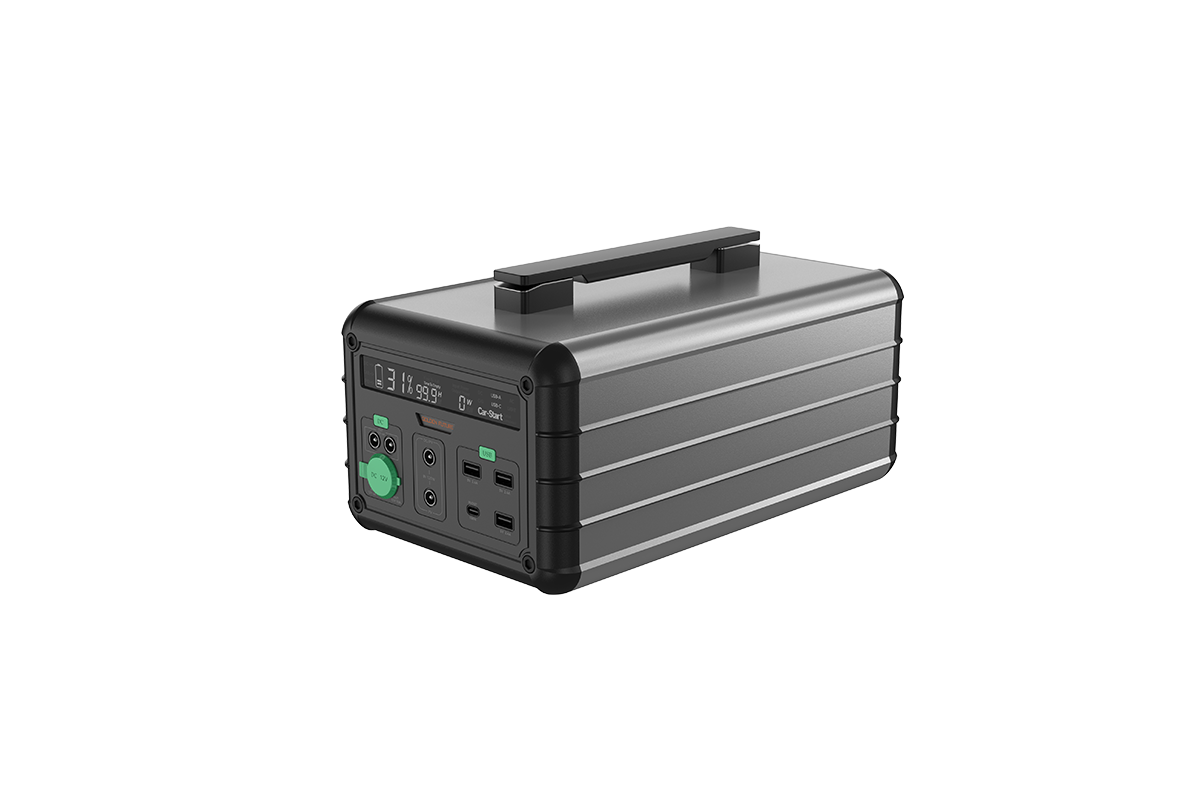
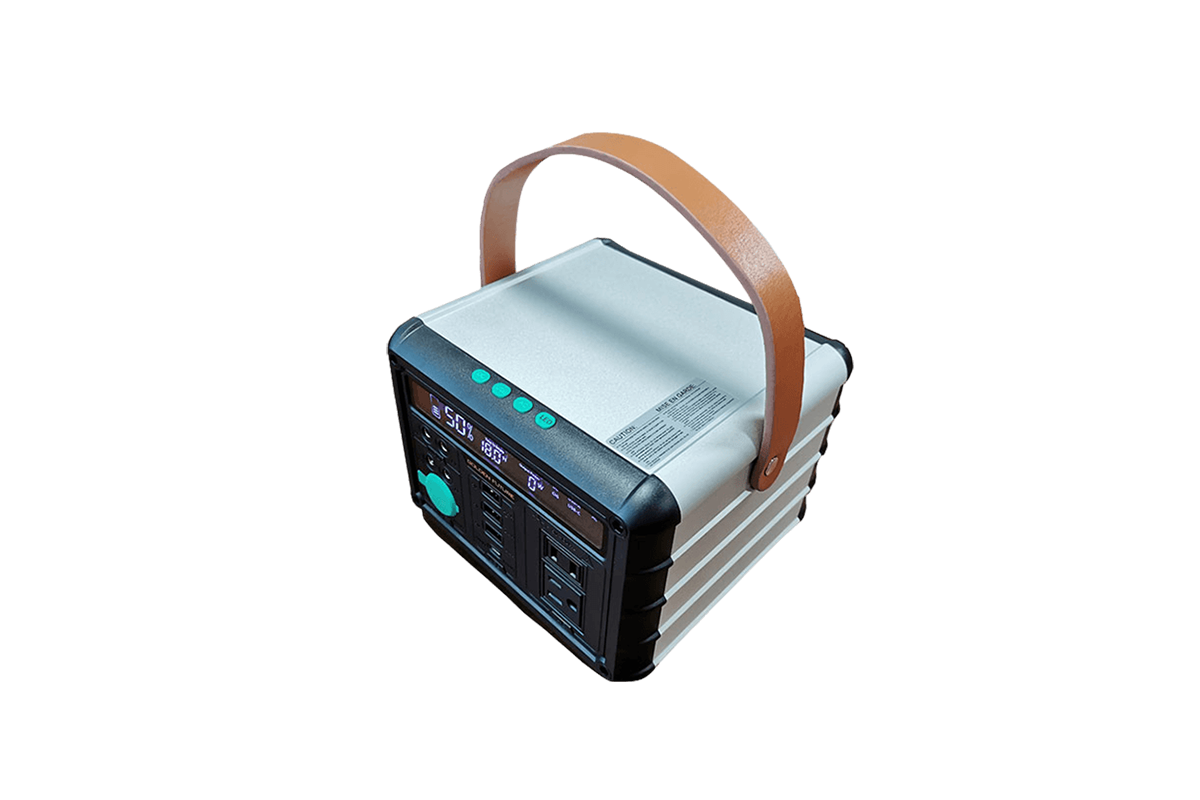
With the rapid popularization of flexible smart devices, wearable equipment and special-shaped portable instruments, FPC flexible circuit power stations with repeated bending and curved adaptation capabilities have become core supporting equipment for lightweight and integrated power supply scenarios. Although traditional rigid-circuit mobile power supplies cannot adapt to working conditions of frequent bending, repeated twisting and curved fitting, and ordinary FPC portable power stations solve the problem of morphological flexibility, they generally have shortcomings such as failed temperature control, local heat accumulation and thermal runaway under bending conditions. The fixed-parameter temperature control design of most conventional FPC power supply equipment cannot dynamically adjust the temperature control logic following circuit deformation. During repeated folding and twisting, it is prone to temperature measurement blind spots, accumulated heat and delayed temperature control. Long-term high-frequency bending use will cause failures such as high-temperature aging of FPC substrates, abnormal circuit resistance, unstable power supply and substrate embrittlement cracking, greatly shortening the service life of flexible circuits and the whole machine, and failing to meet the professional power supply requirements of long-term high bending, long endurance and high stability. Centering on the full-dimensional flexible adaptive temperature control system, the High bending endurance power station FPC is specially developed for high-bending working conditions of FPC flexible circuits, thoroughly solves the temperature control difficulties under deformation scenarios, and realizes accurate temperature control in all working conditions of bending, deformation and continuous power supply.
Different from the traditional fixed temperature control architecture, this FPC high bending endurance power station is equipped with a flexible full-domain sensing temperature control array to adapt to the deformable characteristics of FPC circuits. Traditional temperature control relies only on fixed single-point temperature measurement. After equipment bending, the temperature measurement points shift, making it impossible to capture local high temperatures in deformed areas and forming numerous temperature control blind zones. Abandoning the single-point temperature measurement mode, this product arranges high-density miniature flexible temperature measurement nodes across the entire FPC flexible circuit, fully covering circuit traces, heating chips and energy storage contact points. The nodes can bend, twist and stretch arbitrarily with the circuit, always maintaining accurate fitting with heat-generating areas without temperature measurement dead zones. All sensing nodes work in linkage to collect full-domain temperature data at the millisecond level, accurately capturing local hot spots, temperature difference fluctuations and accumulated heat during bending and deformation, eliminating delayed temperature control and failed temperature measurement at the perception level, and providing accurate data support for dynamic temperature control adjustment.
Aiming at the industry pain points of easy heat accumulation and uneven deformation heating of FPC circuits during high-frequency bending, the equipment adopts a dynamic adaptive PID flexible temperature control algorithm to realize intelligent temperature adjustment under deformation working conditions. Traditional temperature control systems have fixed parameters. After equipment bending, circuit impedance changes and heating power fluctuates, while the temperature control logic cannot adapt synchronously, easily causing redundant temperature control at low temperatures and insufficient temperature control at high temperatures. The exclusive flexible temperature control algorithm can identify the bending angle, deformation amplitude and operating load of FPC circuits in real time, dynamically calibrate temperature control thresholds and heat dissipation response speeds, and adaptively match accurate temperature control schemes according to different deformation states. It maintains constant-temperature and low-consumption operation during slight bending and conventional power supply to reduce energy loss; during large-amplitude twisting, repeated folding and high-load continuous power supply, it immediately strengthens temperature control response, quickly suppresses local temperature rise, balances full-domain temperature differences, and avoids FPC substrate aging and circuit performance attenuation caused by overheating and excessive temperature differences during deformation, ensuring the temperature stability of flexible circuits under tens of millions of bending cycles.
Relying on the exclusive FPC thermal balance regulation and heat insulation protection temperature control system, it builds a long-term temperature control barrier for high-bending working conditions. FPC flexible substrates have special thermal conductivity characteristics. Heat tends to accumulate in the interlayer area after bending and extrusion and is difficult to dissipate naturally, which will accelerate substrate embrittlement and insulation layer damage over time. Linked with flexible thermal conduction and heat dissipation modules and equipped with microporous thermal conduction via array structure, the product builds a full-domain uniform thermal conduction channel, which can quickly dissipate accumulated heat in FPC circuit bending interlayers, circuit nodes and power chips, solving the core problem of uneven heat dissipation during flexible circuit deformation. Meanwhile, the built-in intelligent heat insulation temperature control protection logic accurately distinguishes ambient temperature and equipment operating temperature, avoiding low-temperature miscontrol and high-temperature missing control, and operates stably in a wide temperature range from -20℃ to 55℃. For recessive heat sources such as heating caused by micro-deformation and interface




 59911926@qq.com/sales@goldenfuturehk.com
 13316809242 / 15816897019
 Inquiry
 Home >