





Time:2026-03-06 Views:1
Heat dissipation design is a crucial factor affecting the performance, safety, and service life of wall-mounted energy storage batteries. During the charging and discharging process, lithium-ion batteries, the main energy storage medium, generate a certain amount of heat. If the heat cannot be dissipated in a timely manner, the battery temperature will rise rapidly, leading to reduced capacity, accelerated aging, and even thermal runaway, which poses significant safety risks. Therefore, an efficient heat dissipation system must be designed to maintain the battery within the optimal operating temperature range of 25-40°C.
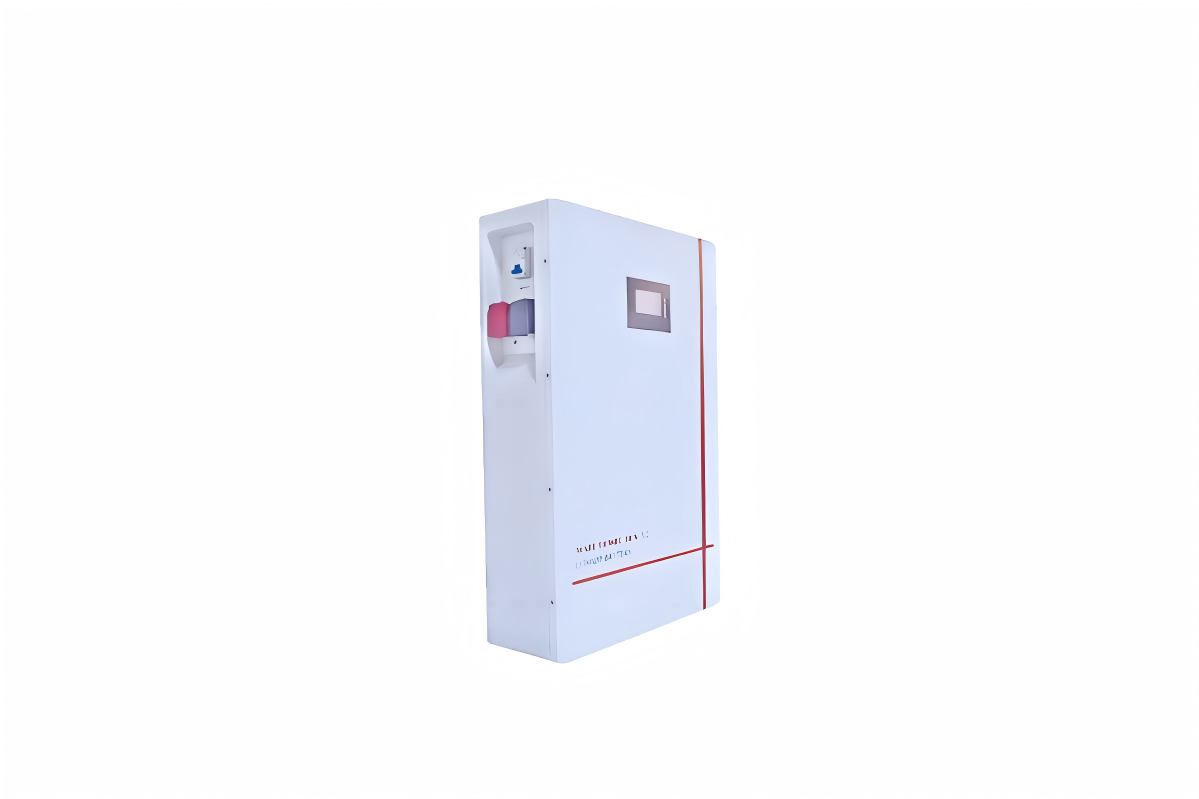
The heat dissipation design of wall-mounted energy storage batteries usually adopts a combination of passive heat dissipation and active heat dissipation. Passive heat dissipation mainly relies on heat conduction and natural convection. The battery module is equipped with high thermal conductivity materials such as aluminum alloy heat sinks, which quickly transfer the heat generated by the battery to the surface of the heat sink. The wall-mounted structure is also designed with reasonable air vents to facilitate the circulation of cold air and the discharge of hot air. For scenarios with high power density or harsh operating environments, active heat dissipation methods such as small fans or liquid cooling loops are added to enhance heat dissipation efficiency.
In addition, the thermal management system integrates temperature sensors to monitor the temperature of each battery cell in real time. When the temperature exceeds the set threshold, the active heat dissipation system is automatically activated. The heat dissipation design also considers the compact structure of wall-mounted products, optimizing the layout of battery cells and heat dissipation components to avoid heat accumulation. By comprehensively applying these heat dissipation technologies, the stability and safety of wall-mounted energy storage batteries are effectively guaranteed, ensuring long-term reliable operation in various indoor and outdoor environments.




 59911926@qq.com/sales@goldenfuturehk.com
 13316809242 / 15816897019
 Inquiry
 Home >