





Time:2026-04-28 Views:83
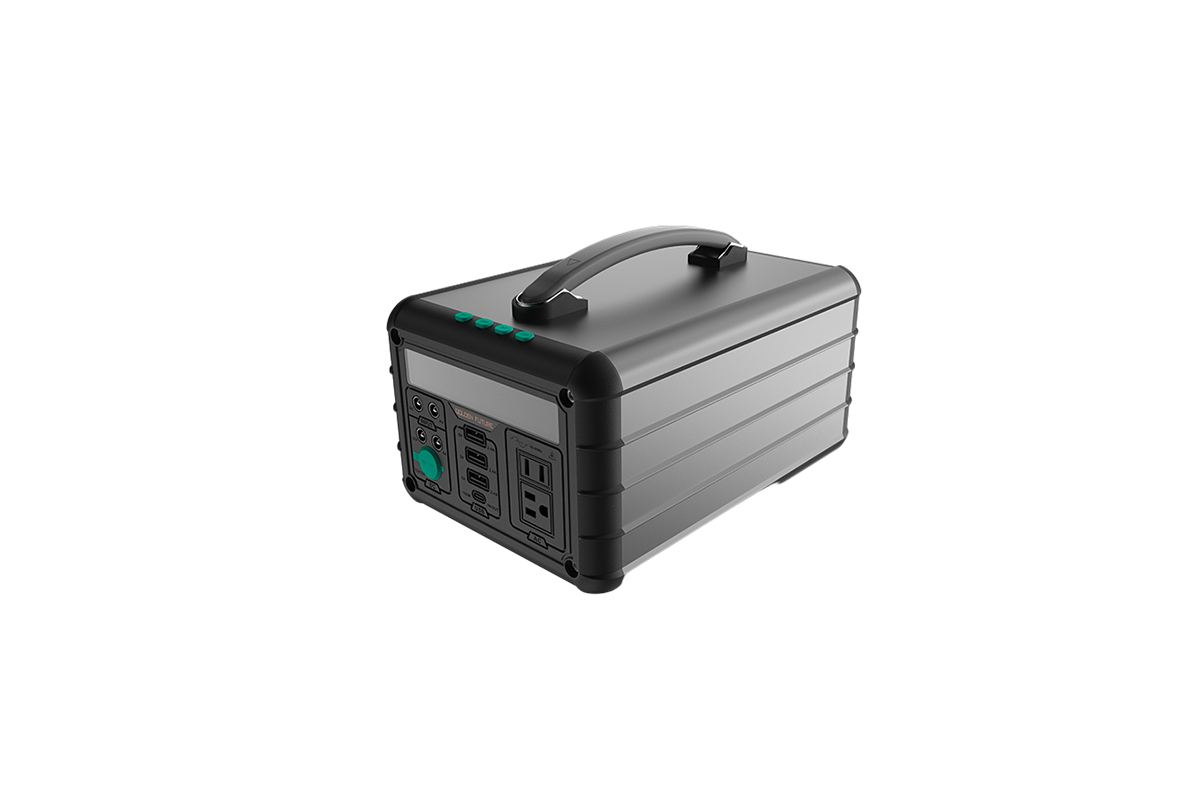
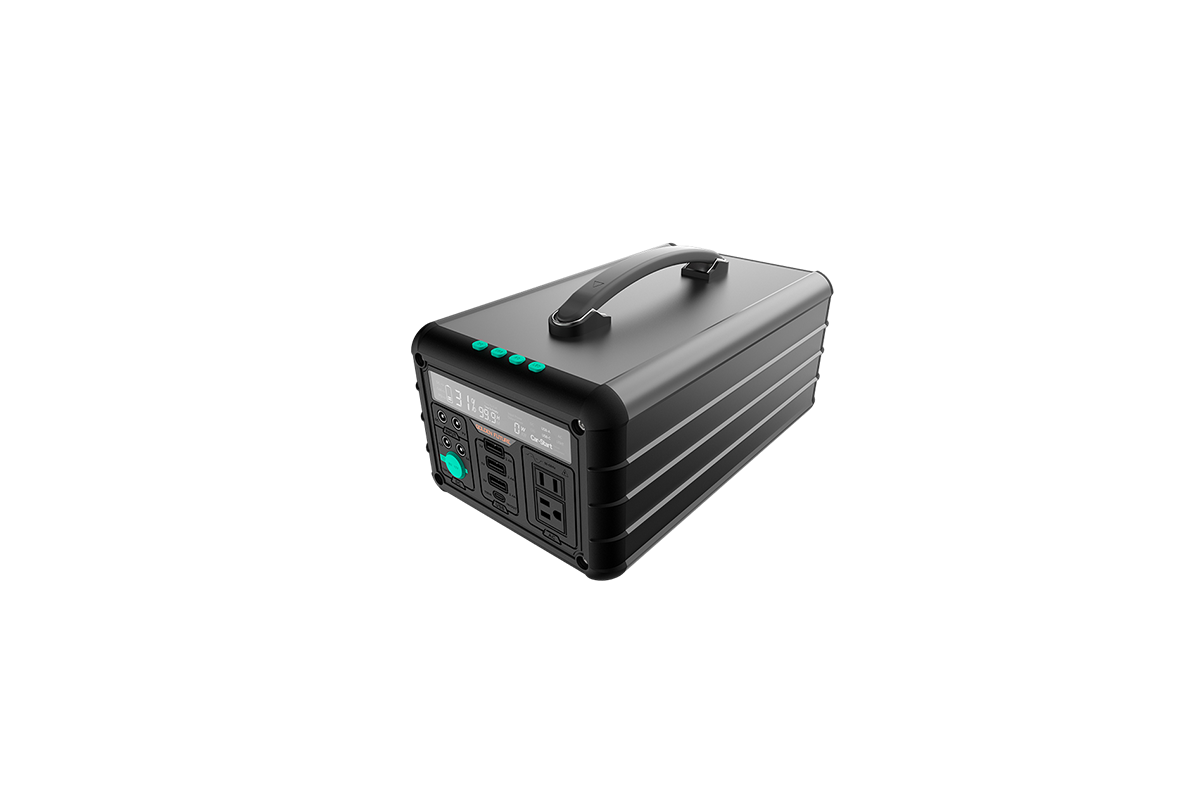
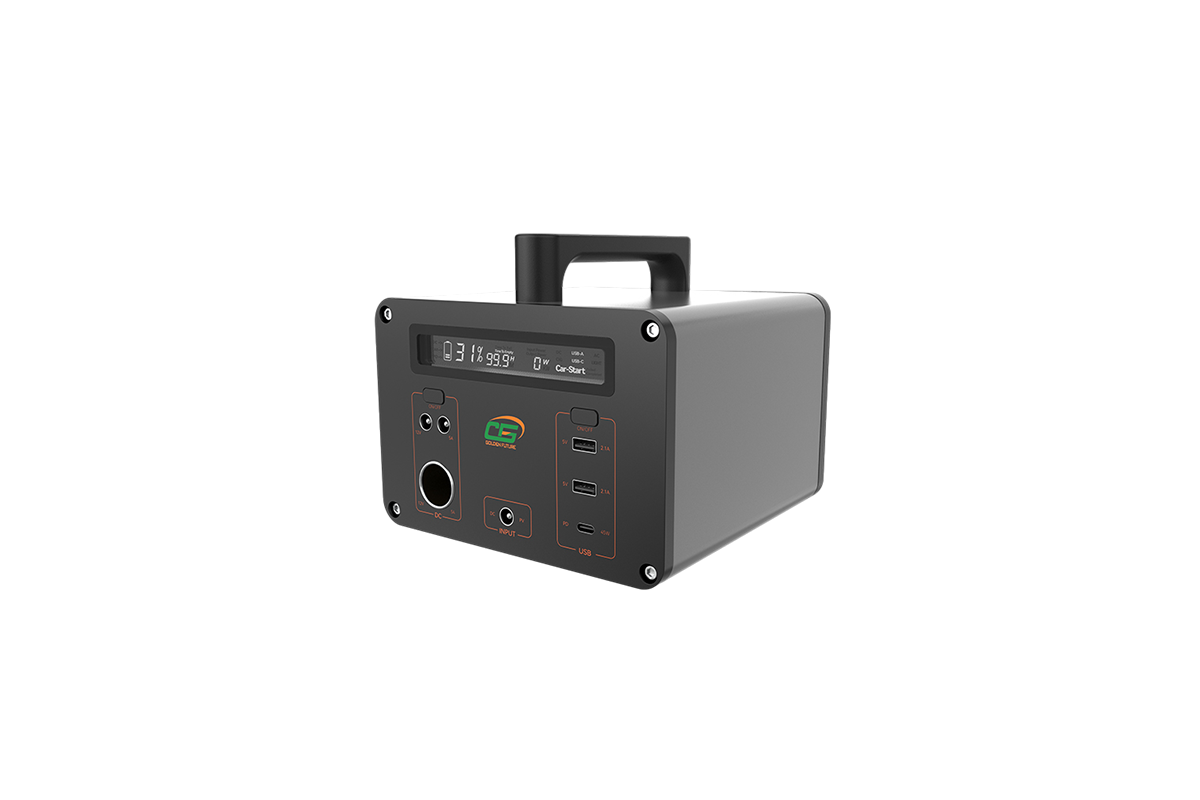
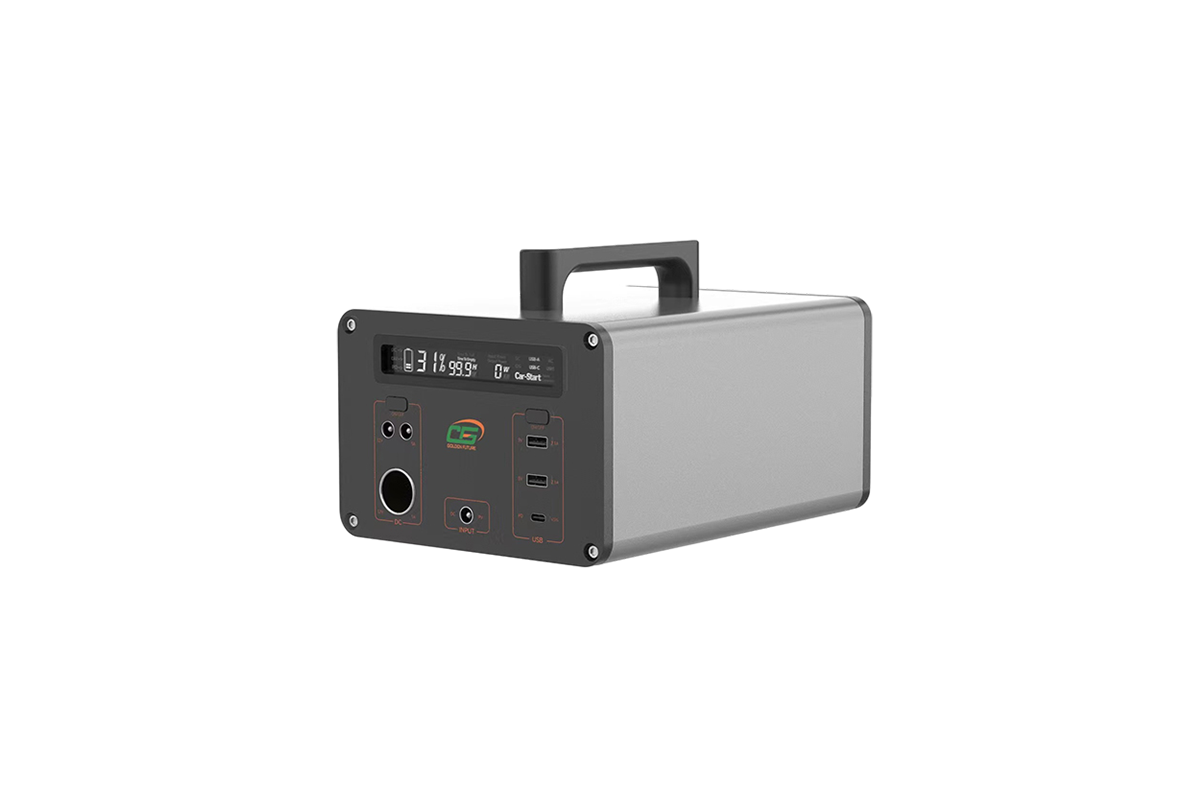
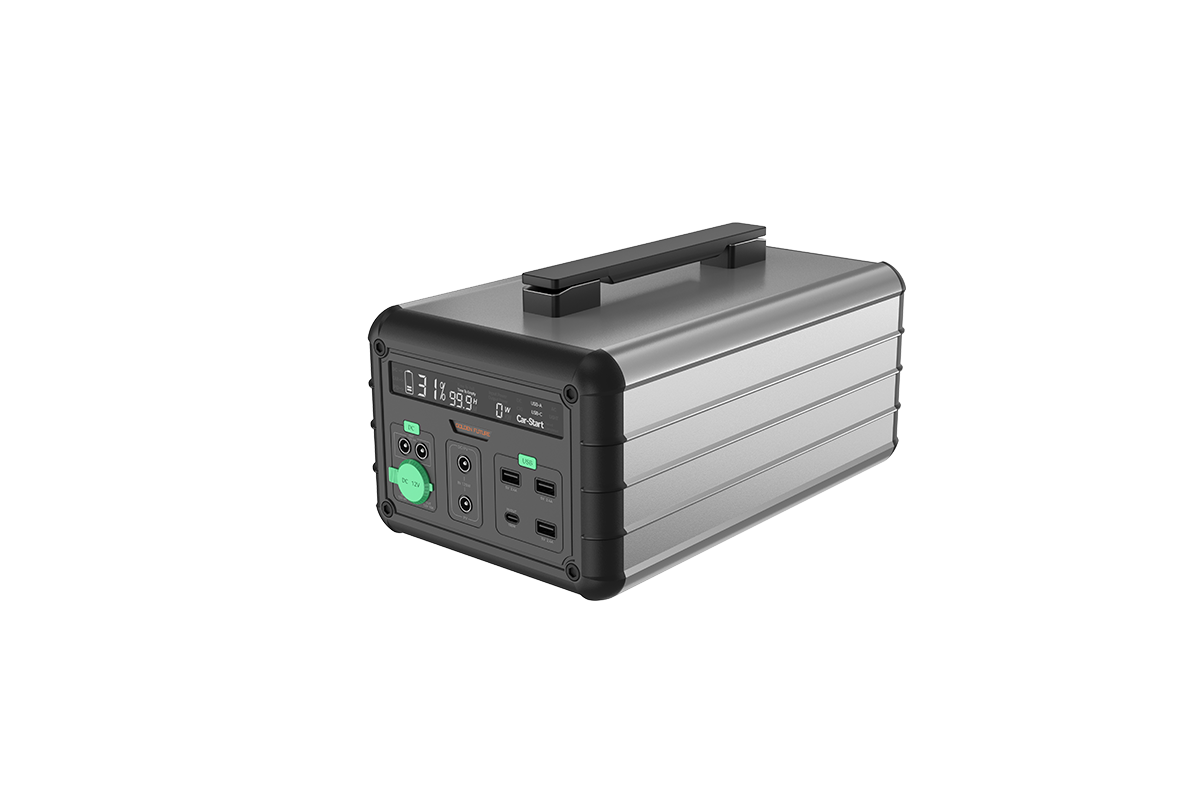
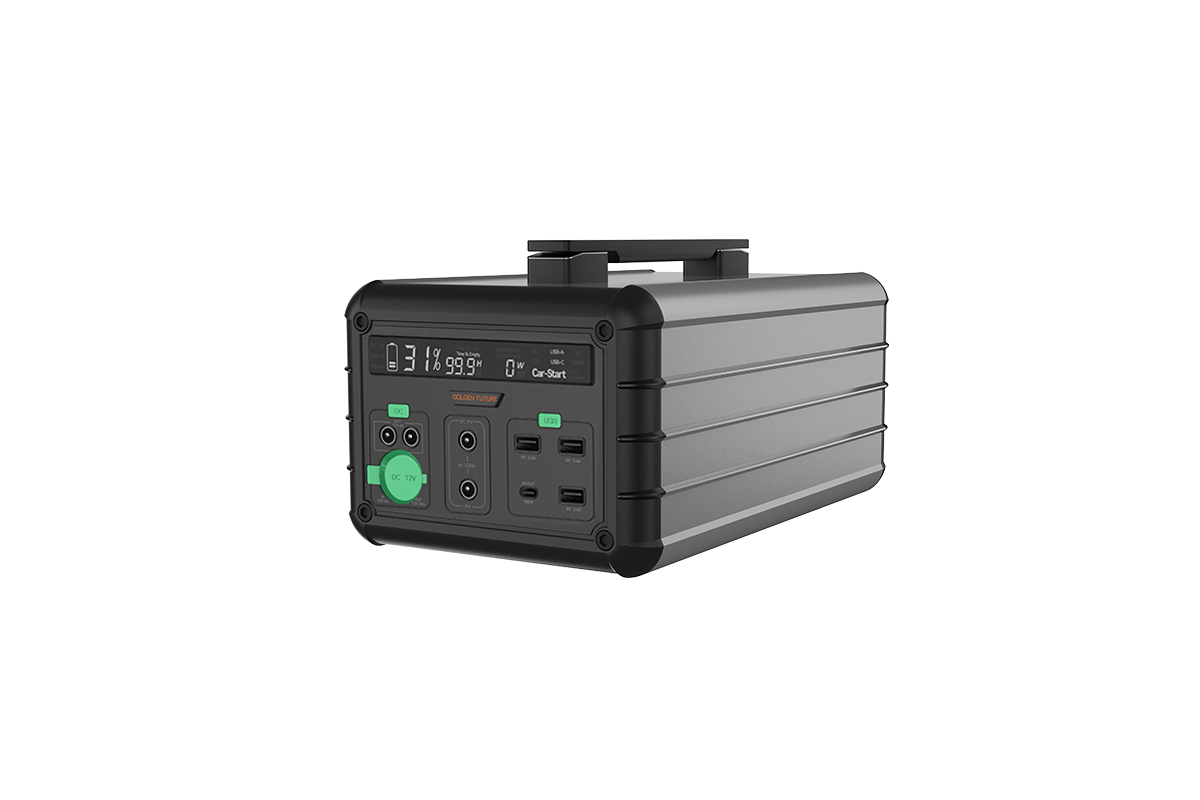
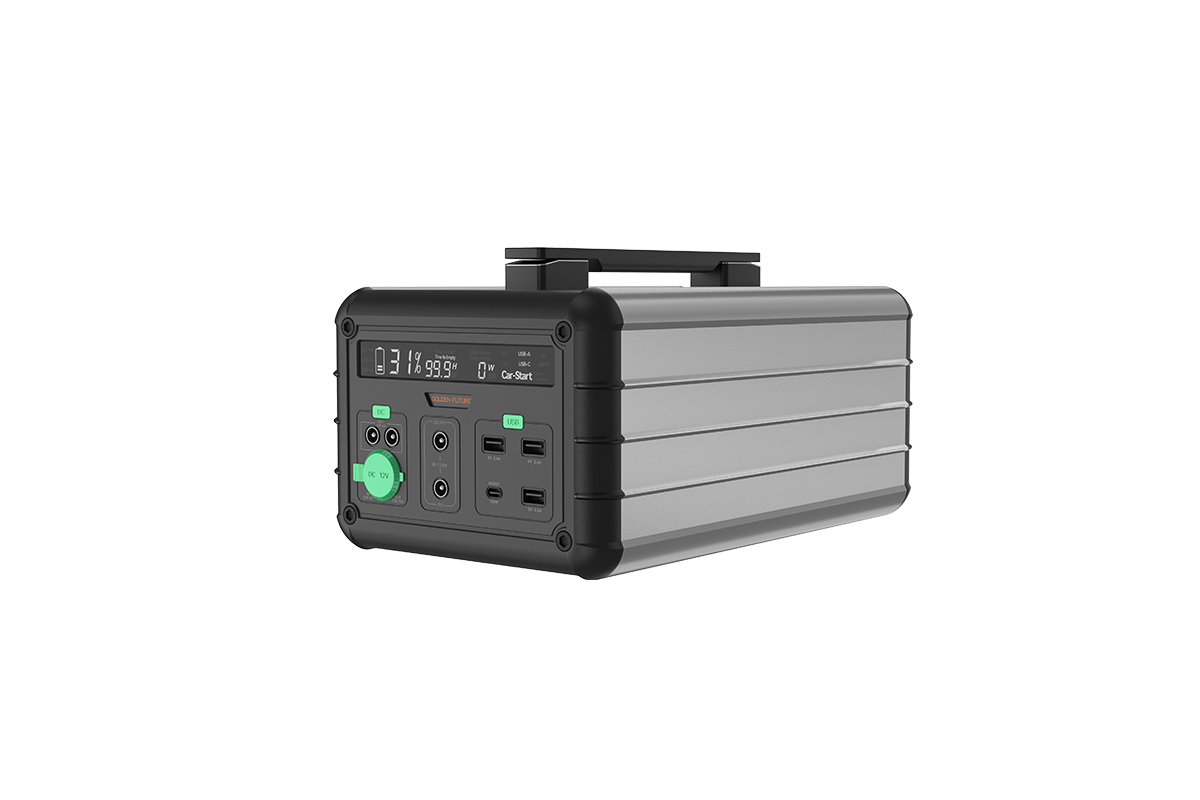
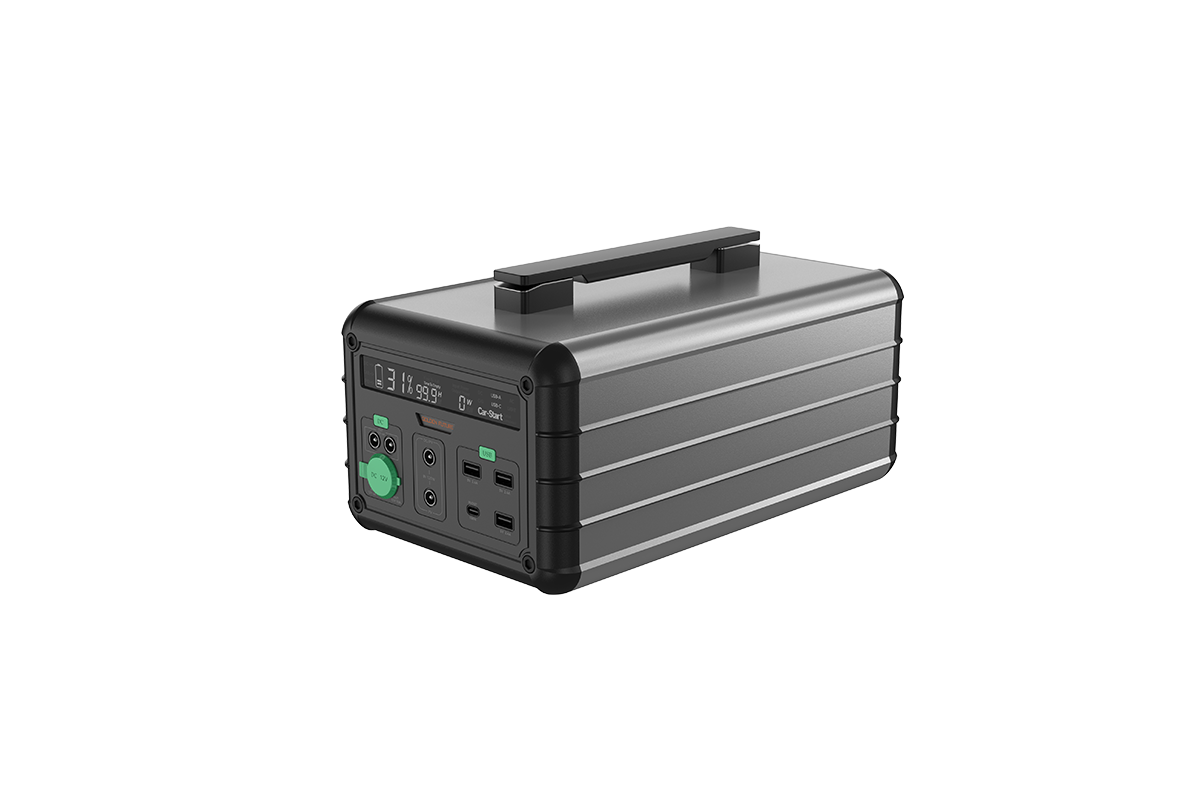
The heat dissipation design is a core technical link that determines the stability, safety and service life of a 600W portable power station. As a medium-power portable energy storage device, the 600W portable power station will generate a certain amount of heat during operation, especially when it is under high-load working conditions such as driving high-power electrical appliances, charging and discharging at the same time, or working in a high-temperature environment. If the heat cannot be dissipated in time, it will not only lead to a decrease in the conversion efficiency of the power station, but also accelerate the aging of internal components such as lithium batteries, inverters and circuit boards, and even cause safety hazards such as overheating, short circuit and fire. Therefore, a scientific and reasonable heat dissipation design is essential for 600W portable power stations.
The heat dissipation design of 600W portable power stations usually adopts a combination of passive heat dissipation and active heat dissipation to achieve efficient and stable heat emission. Passive heat dissipation mainly relies on heat conduction and heat radiation. The internal key heating components (such as inverters and battery packs) are closely attached to high thermal conductivity materials such as aluminum alloy heat sinks. The heat sinks have a large surface area and are designed with heat dissipation fins to increase the contact area with the air, so that the heat generated by the components is quickly transferred to the heat sinks and then radiated to the surrounding environment. At the same time, the shell of the power station is usually made of high thermal conductivity and flame-retardant materials, which not only plays a role in protection, but also assists in heat dissipation.
Active heat dissipation is mainly realized by installing cooling fans, which is more targeted for high-load heat generation. The fan is usually installed at the air inlet or air outlet of the power station, and forms a complete air circulation channel inside the power station. When the internal temperature of the power station reaches a preset value, the fan will automatically start, suck in the external cold air, take away the heat inside the power station through convection, and then discharge the hot air to the outside. In order to improve the heat dissipation effect, some high-end models will also adopt intelligent temperature control technology, which can adjust the speed of the fan according to the actual internal temperature, so as to achieve the balance between heat dissipation effect and energy consumption. In addition, the internal layout of the power station is also an important part of heat dissipation design. Reasonable component layout can avoid heat accumulation, ensure smooth air circulation, and further improve the overall heat dissipation efficiency.




 59911926@qq.com/sales@goldenfuturehk.com
 13316809242 / 15816897019
 Inquiry
 Home >