






Time:2026-05-11 Views:97
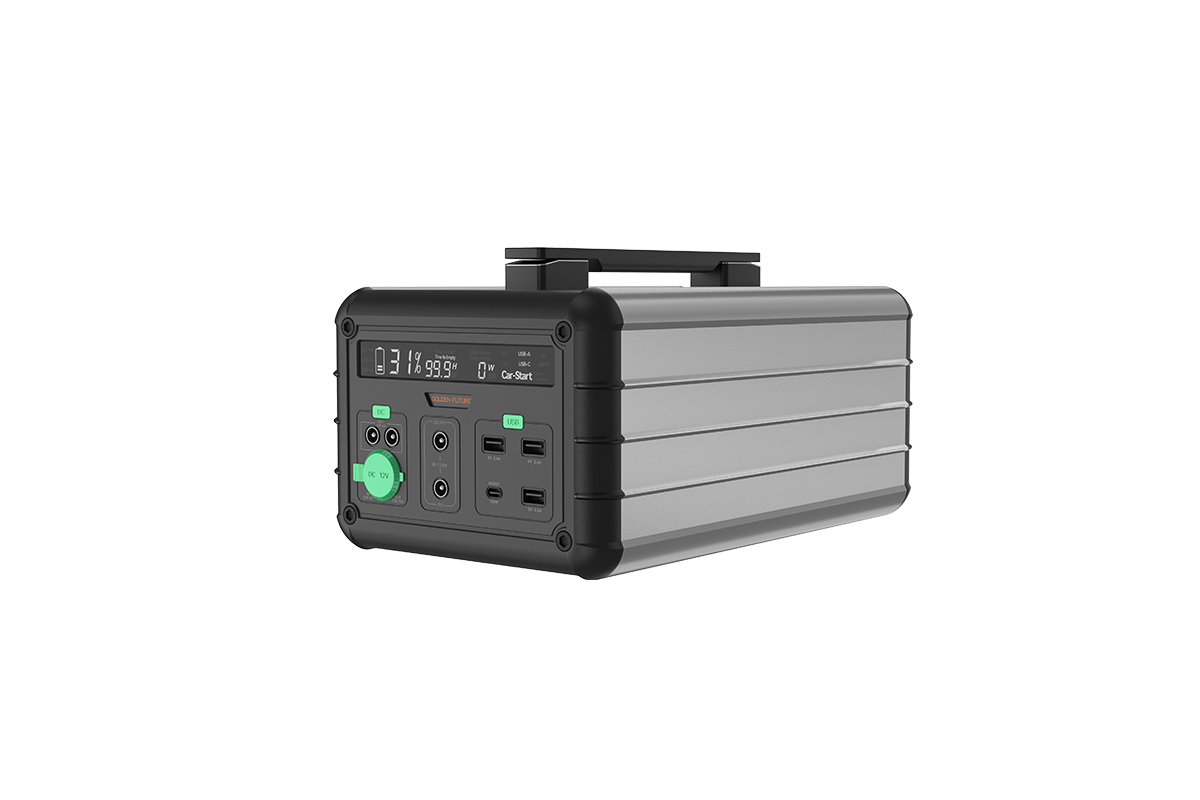
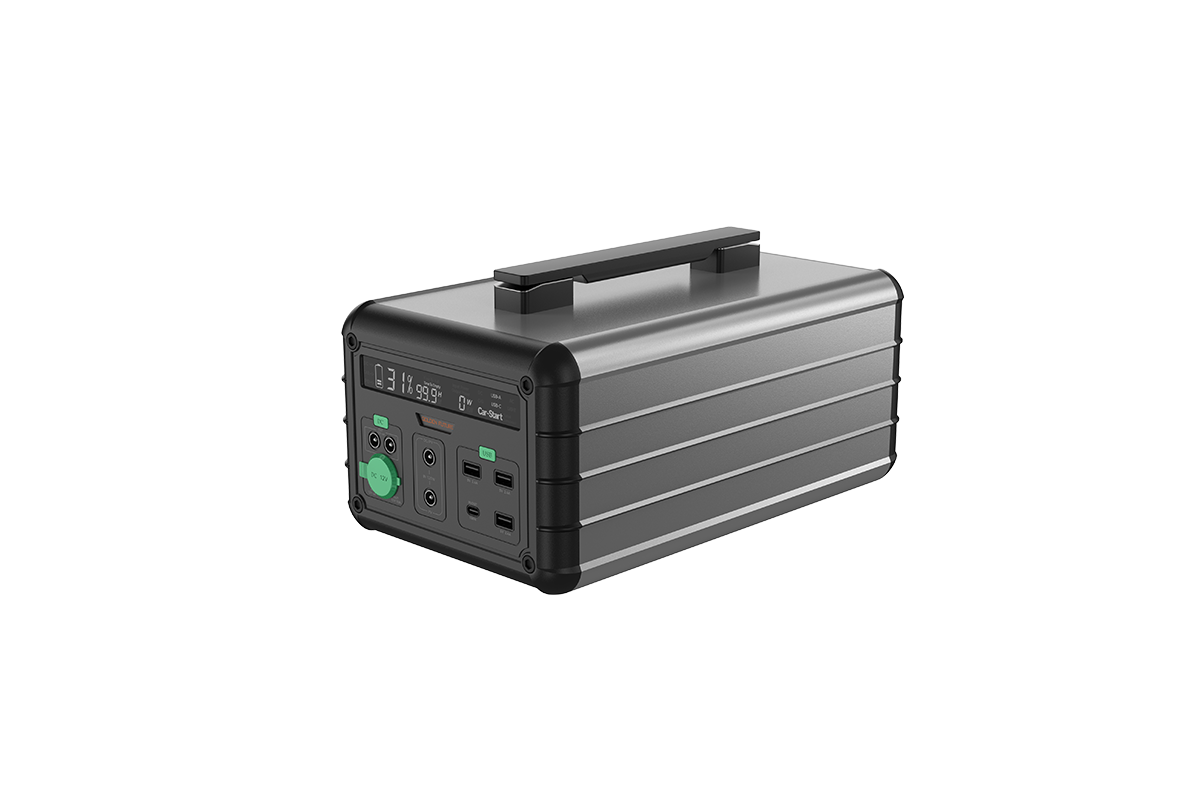
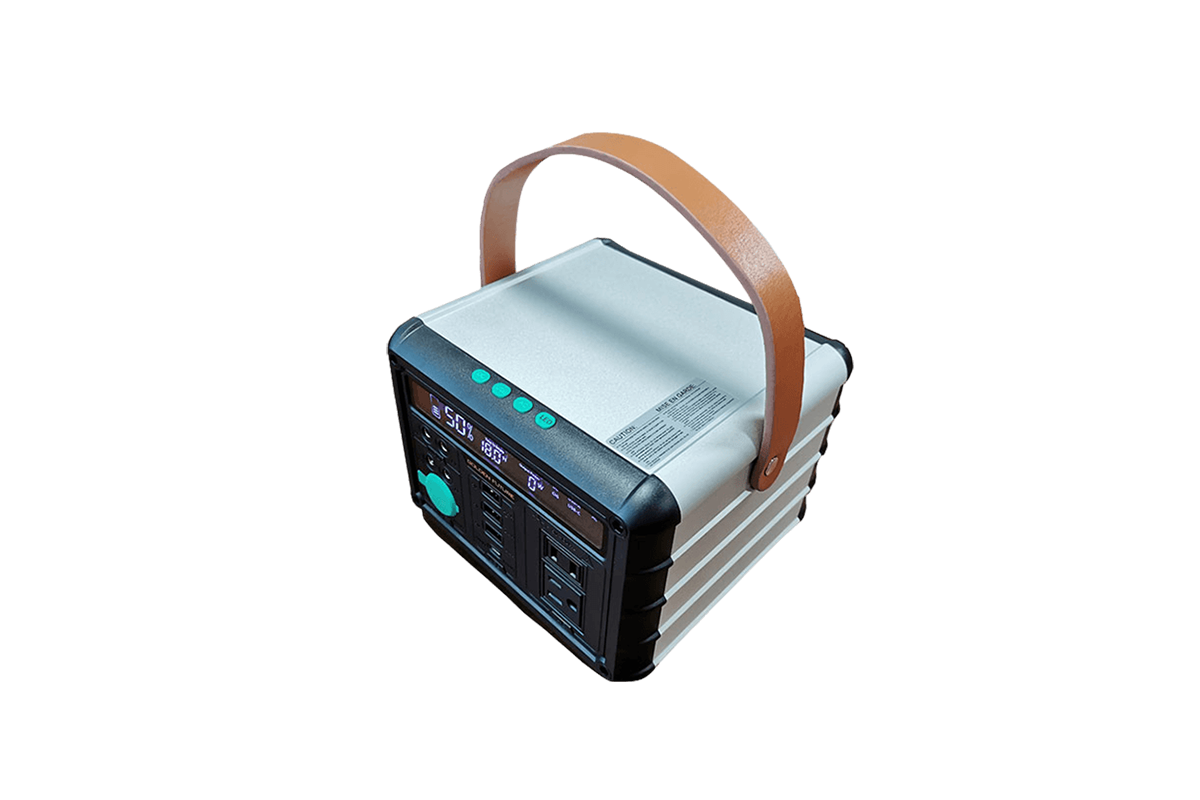
Fire and explosion hazards of home energy storage systems are mainly caused by battery thermal runaway, circuit short circuit, overheating of components, and improper installation or use. Most home energy storage systems use lithium-ion batteries (such as lithium iron phosphate batteries), which may produce a large amount of heat, flammable gases, and even catch fire or explode when they experience thermal runaway due to overcharging, over-discharging, physical damage, or high-temperature environments. Therefore, fire and explosion prevention and treatment of home energy storage systems should focus on "prevention first, early detection, and scientific disposal", establishing a complete prevention system and emergency response plan to minimize the loss caused by fire and explosion accidents.
Fire and explosion prevention measures mainly include three aspects: system design and material selection, installation environment control, and daily operation management. In terms of system design and material selection, manufacturers should adopt safe battery technologies (such as lithium iron phosphate batteries with high thermal stability) and equip the system with a complete thermal management system, including temperature sensors, cooling fans, and heat dissipation fins, to maintain the battery operating temperature within the safe range (20-30℃) and avoid overheating caused by poor heat dissipation. The system’s casing, internal wiring, and insulation materials should all adopt flame-retardant and high-temperature-resistant materials that meet international standards (such as UL 94 V-0 flame-retardant grade), reducing the risk of fire spread. In addition, the system should be equipped with fire detection and early warning devices, such as smoke detectors, temperature sensors, and gas detectors, which can quickly detect smoke, abnormal temperature rise, and flammable gas leakage caused by battery failure, and send alarm signals to users and cut off the power supply automatically. In terms of installation environment control, the system should be installed in an open, well-ventilated, and non-flammable area, with a certain safety distance from flammable and explosive materials (at least 1 meter). Outdoor installation should avoid direct sunlight and rain, and indoor installation should ensure good ventilation to prevent the accumulation of flammable gases. It is strictly prohibited to install the system in closed spaces (such as closed storage rooms, basements without ventilation) to avoid the risk of explosion caused by flammable gas accumulation.
In terms of fire and explosion treatment, it is crucial to take scientific and standardized measures to avoid the expansion of accidents. When a fire or explosion sign is found (such as smoke, peculiar smell, abnormal temperature rise, or explosion sound), the user should first ensure personal safety, quickly evacuate family members to a safe area, and then cut off the main power supply of the energy storage system and the home power grid to prevent the fire from spreading due to continuous power supply. Do not use water to put out lithium-ion battery fires, because water may react with the battery electrolyte to produce flammable gases and aggravate the fire; instead, use dry powder fire extinguishers (preferably ABC dry powder fire extinguishers) or special lithium battery fire extinguishers to put out the fire, focusing on cooling the battery module to prevent thermal runaway from spreading. If the fire is large and cannot be controlled, immediately call the fire alarm, and clearly inform the fire department that the fire involves a home energy storage system and lithium-ion batteries, so that the fire department can take targeted disposal measures (such as using professional fire-fighting agents and cooling equipment). After the fire is extinguished, do not touch the battery module easily, because the battery may reignite due to residual heat; wait for the fire department to confirm that it is safe before conducting follow-up treatment. In addition, users should formulate an emergency response plan in advance, clarify the steps of fire and explosion treatment, the location of fire-fighting equipment, and the evacuation route, and conduct regular drills to ensure that they can respond quickly and correctly when an accident occurs




 59911926@qq.com/sales@goldenfuturehk.com
 13316809242 / 15816897019
 Inquiry
 Home >