





Time:2026-05-27 Views:173
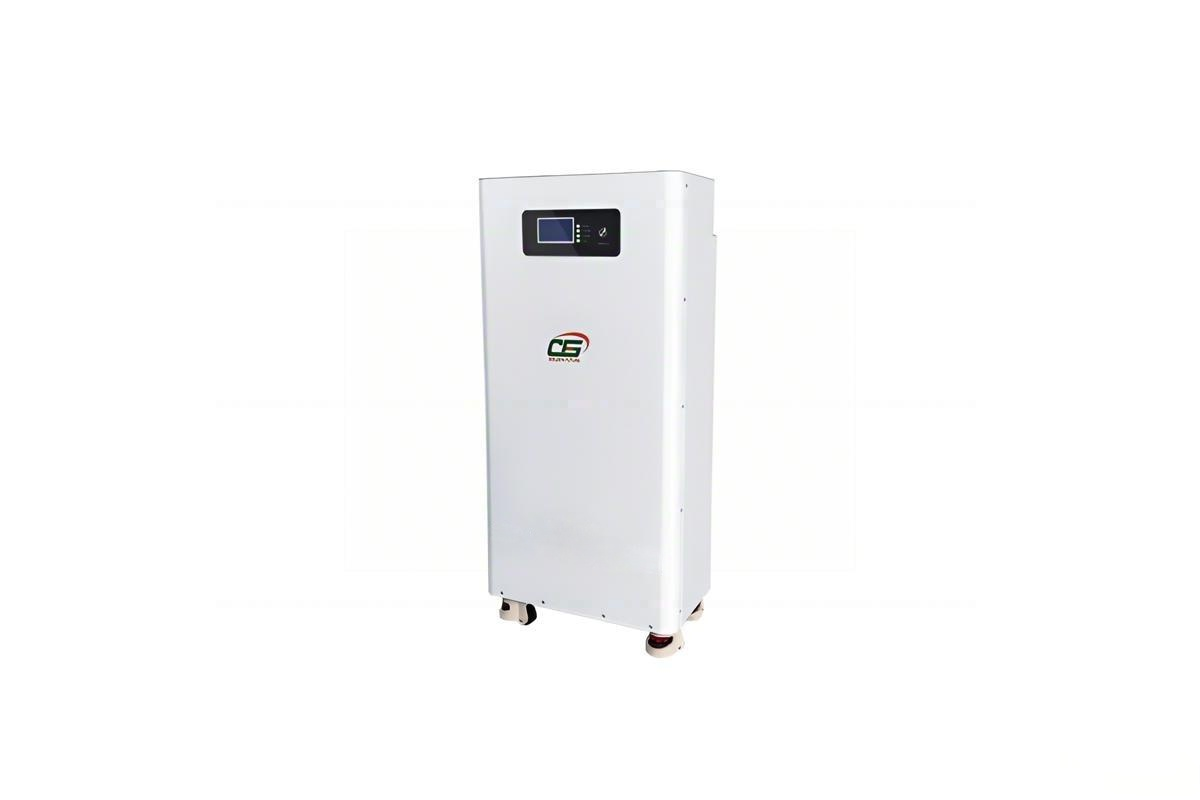
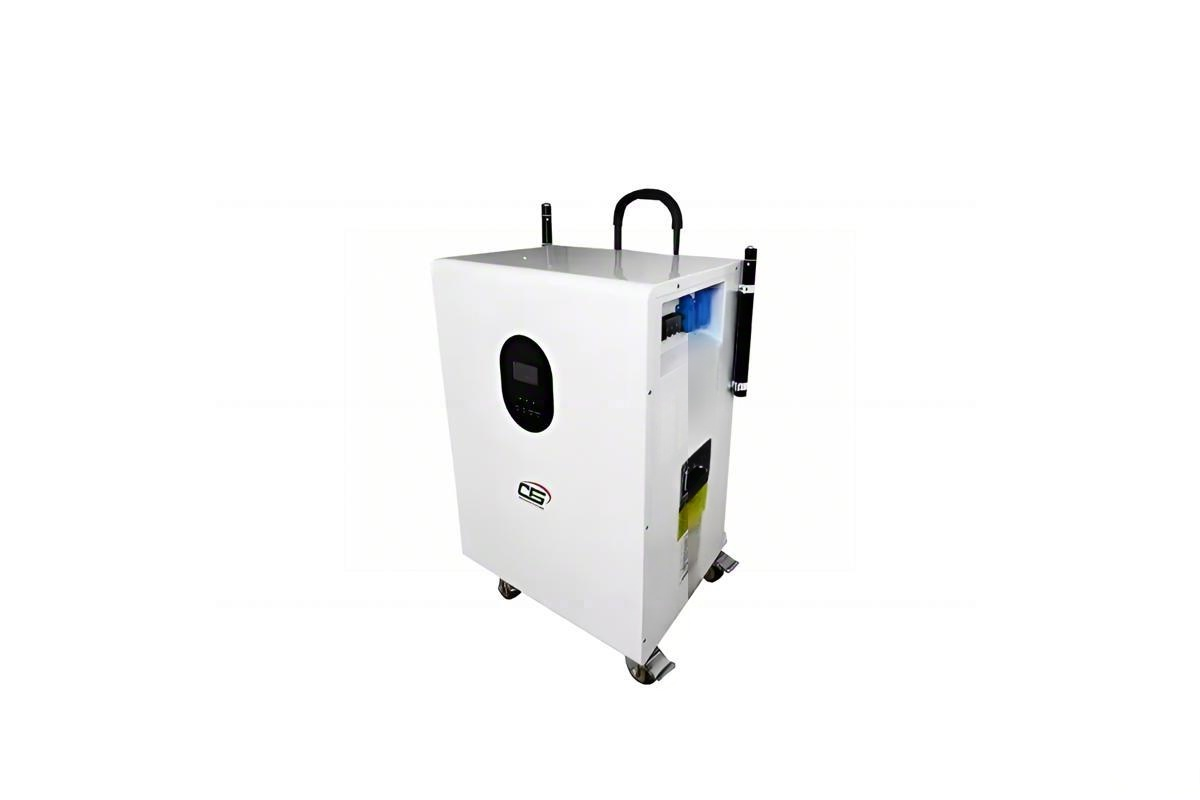
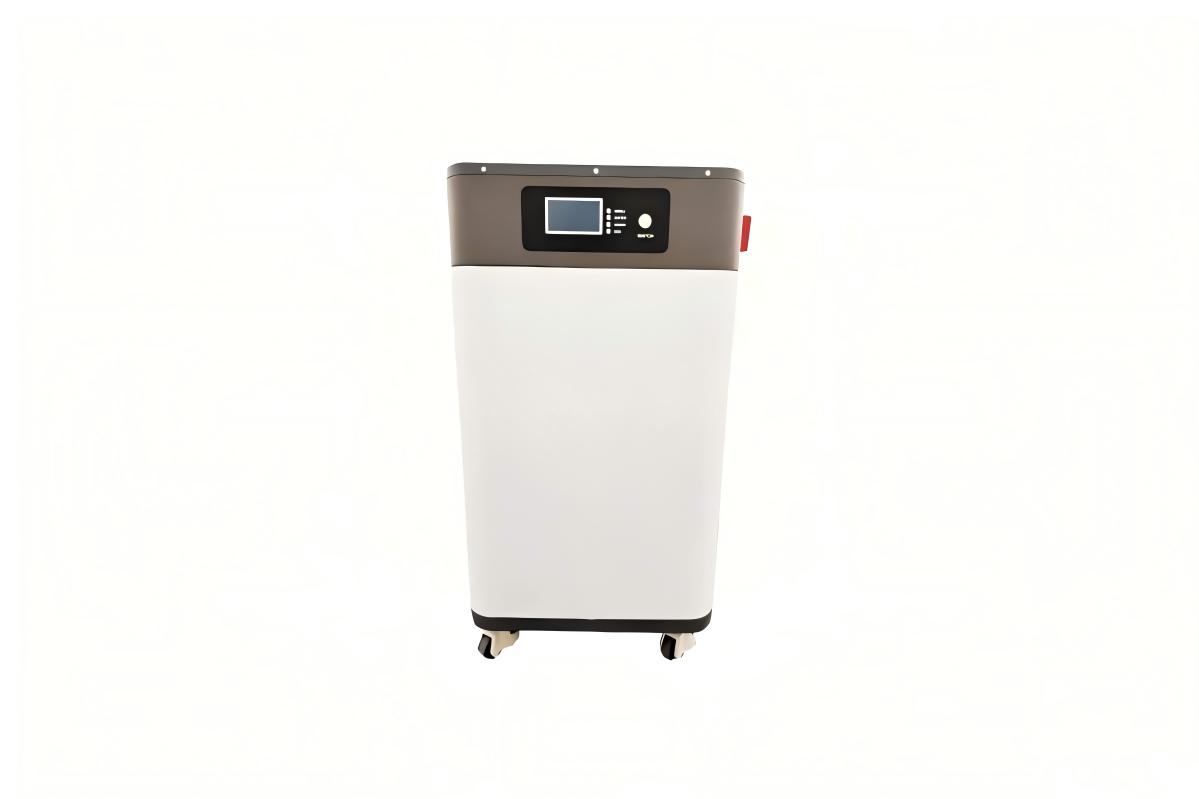
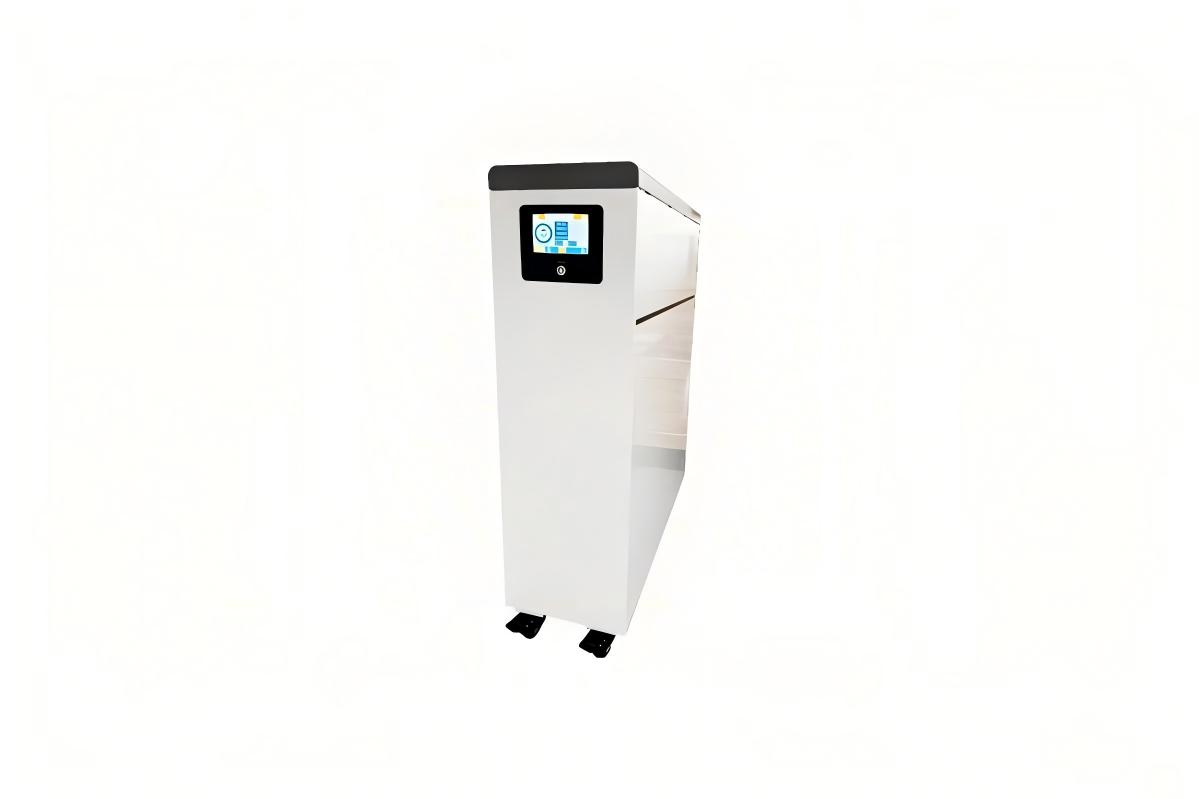
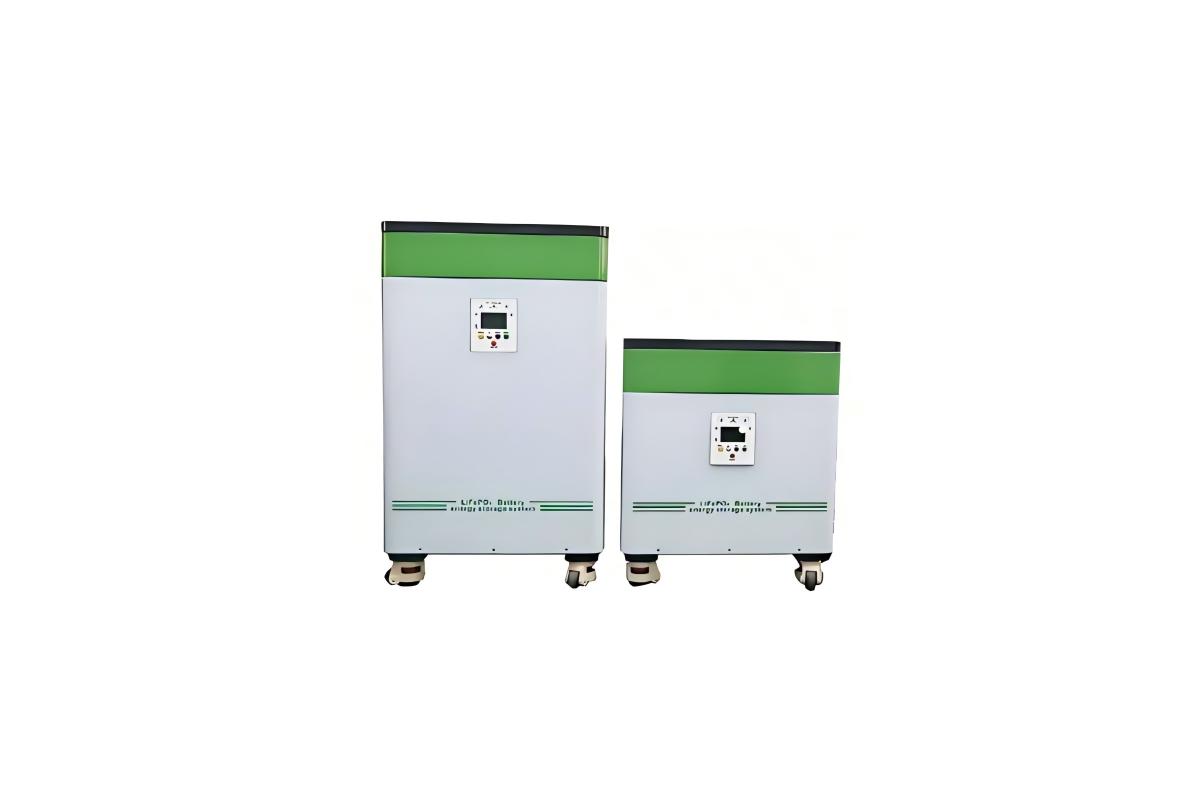
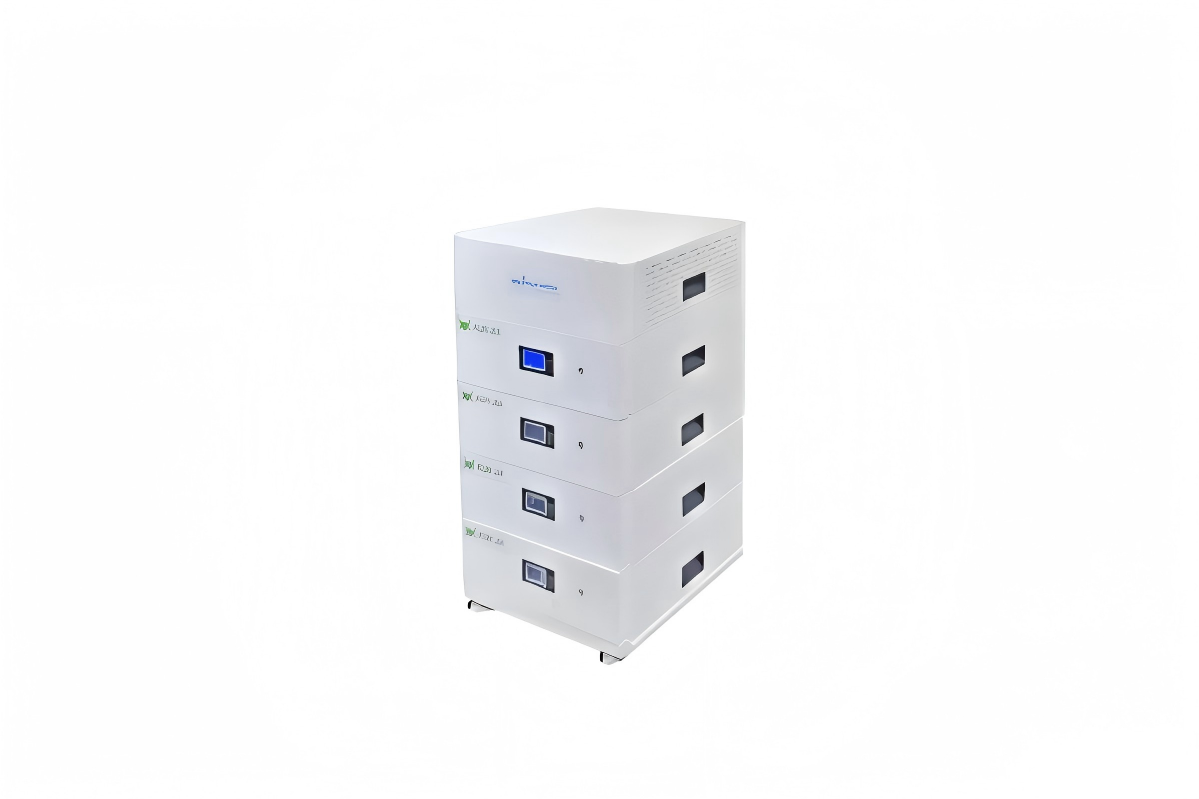
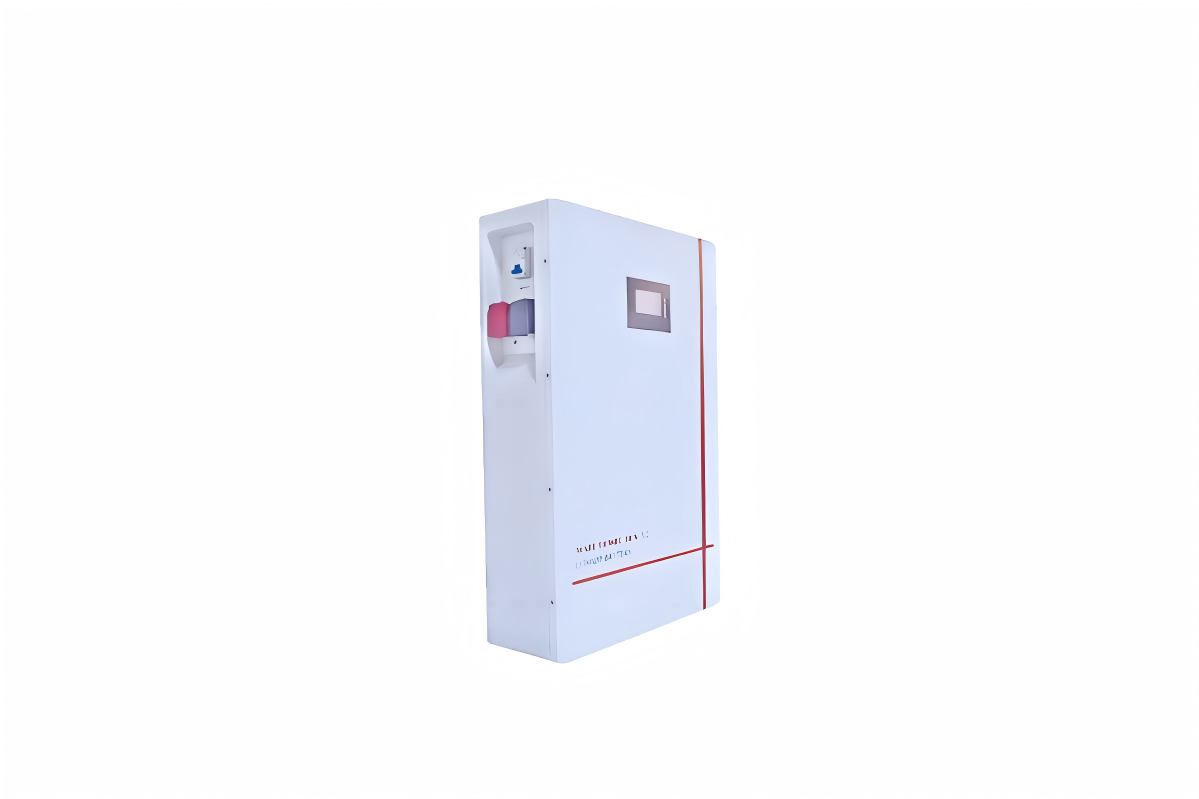
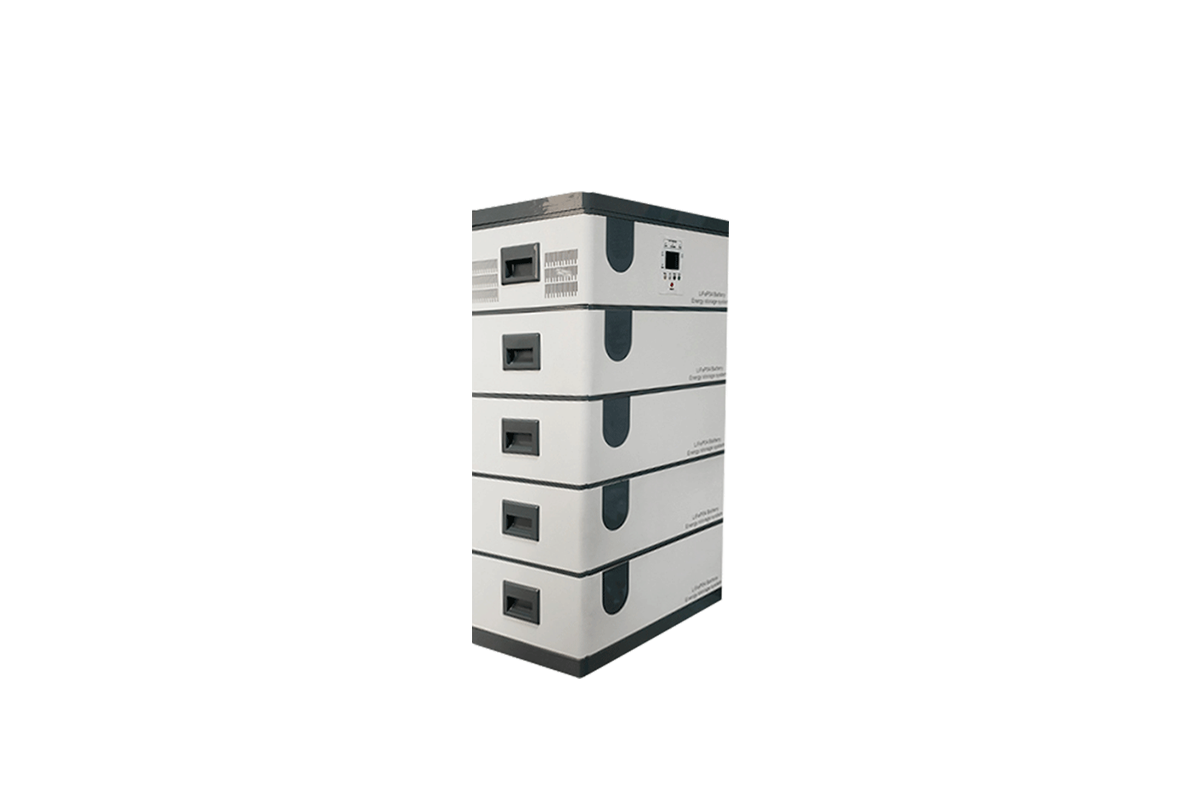
Integrated energy storage systems (IESS) combine energy storage components (batteries, supercapacitors), power conversion systems (PCSs), energy management systems (EMS), and auxiliary equipment (cooling systems, fire protection systems) into a unified, modular system, widely used in renewable energy integration, peak shaving and valley filling, microgrids, and emergency power supply. As a complex integrated system, IESS is prone to various faults due to long-term operation, environmental factors, component aging, and human error. Fault maintenance is a systematic process that involves fault detection, diagnosis, isolation, repair, and recovery, aiming to minimize system downtime, reduce maintenance costs, and ensure the long-term reliability and safety of the IESS. Effective fault maintenance not only helps to avoid serious system failures and potential safety hazards but also extends the service life of the system components.
The first step in fault maintenance is fault detection, which involves monitoring the operating parameters of the IESS in real time to identify abnormal conditions. Modern IESS are equipped with advanced monitoring systems, including sensors, data acquisition modules, and EMS, which continuously collect data such as battery voltage, current, temperature, converter output power, and system frequency. These data are analyzed in real time to detect deviations from normal operating ranges, such as overvoltage, undervoltage, overcurrent, overheating, and abnormal battery capacity decay. Additionally, fault alarms are set up to notify maintenance personnel immediately when abnormal conditions are detected, allowing for timely intervention. Some advanced IESS also use artificial intelligence (AI) and machine learning algorithms to predict potential faults before they occur, enabling predictive maintenance and further reducing downtime.
After a fault is detected, the next step is fault diagnosis, which involves identifying the root cause and location of the fault. Fault diagnosis for IESS requires a comprehensive understanding of the system’s structure, working principles, and component characteristics. Maintenance personnel use a combination of methods to diagnose faults, including visual inspection, parameter measurement, fault tree analysis (FTA), and signal analysis. For example, if the system reports a battery fault, maintenance personnel may measure the voltage and temperature of individual battery cells to identify faulty cells; if the converter fails to operate normally, they may check the power module, control circuit, and cooling system to locate the problem. In addition, modern IESS are often equipped with self-diagnostic functions, which can automatically identify common faults and provide diagnostic information to maintenance personnel, improving the efficiency of fault diagnosis.
Once the fault is diagnosed, the next step is fault isolation, which involves separating the faulty component or module from the rest of the system to prevent the fault from spreading and causing further damage. Integrated energy storage systems are typically designed with modular structures, which allow for easy isolation of faulty modules. For example, battery modules can be disconnected from the main system using isolation switches, and converter modules can be shut down independently. Fault isolation is crucial to ensure the safety of maintenance personnel and to prevent secondary faults, such as short circuits or fires, which may occur if the faulty component is not isolated.
After fault isolation, maintenance personnel proceed with fault repair or replacement. The repair process depends on the type and severity of the fault: minor faults, such as loose connections or sensor malfunctions, can be repaired on-site by adjusting or replacing the faulty component; major faults, such as battery cell failure or converter module damage, may require replacing the entire module. During the repair process, maintenance personnel must follow safety procedures, such as disconnecting the power supply, wearing personal protective equipment (PPE), and ensuring that the system is in a safe state. After the repair is completed, the faulty component or module is reconnected to the system, and a series of tests are conducted to verify that the fault has been resolved and that the system is operating normally.
Finally, fault recovery involves restoring the IESS to full operation and conducting post-maintenance checks to ensure that the system is functioning properly. This includes testing the system’s performance parameters, verifying the operation of auxiliary systems (such as cooling and fire protection), and updating the maintenance records. Additionally, preventive maintenance measures are implemented to reduce the likelihood of similar faults occurring in the future, such as regular component inspection, cleaning, and calibration, as well as software updates for the EMS and control systems. In summary, fault maintenance of integrated energy storage systems is a comprehensive and systematic process that requires professional knowledge, advanced monitoring tools, and strict safety procedures. By implementing effective fault maintenance strategies, the reliability and service life of IESS can be significantly improved, ensuring the stable operation of energy storage projects.




 59911926@qq.com/sales@goldenfuturehk.com
 13316809242 / 15816897019
 Inquiry
 Home >