






Time:2026-05-15 Views:513
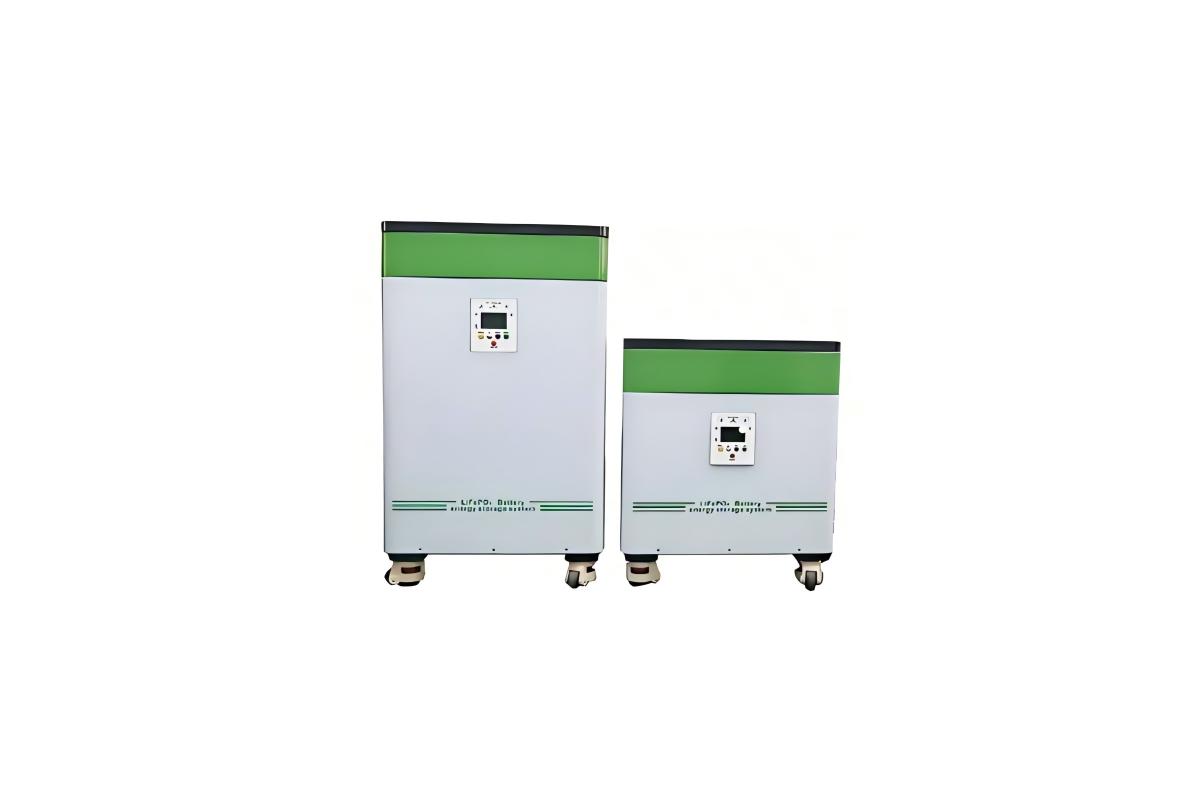
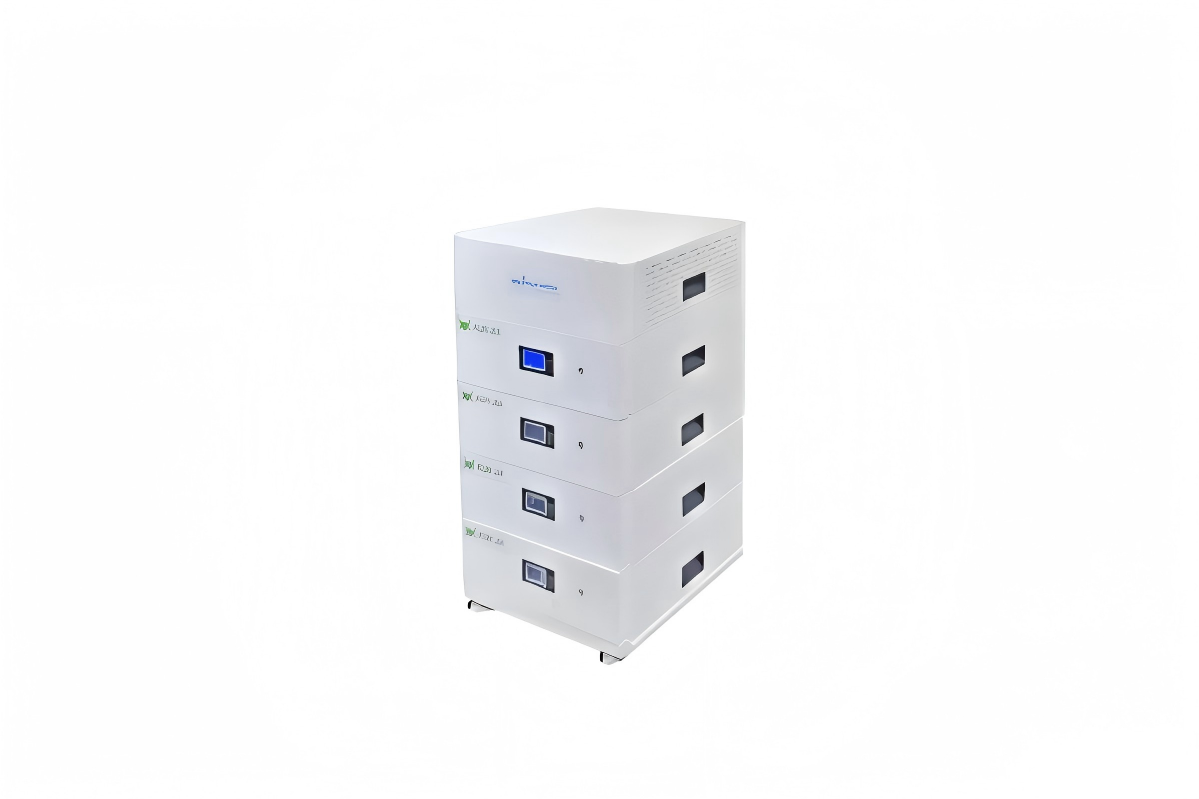
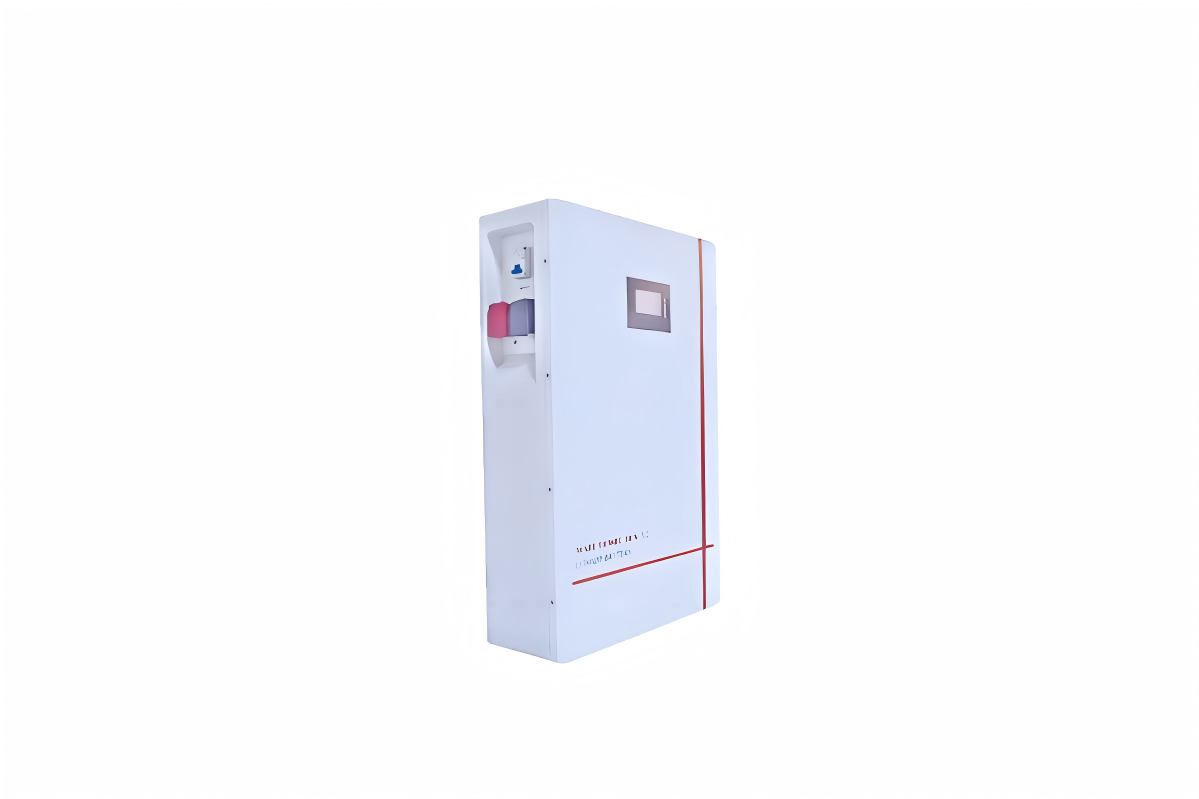
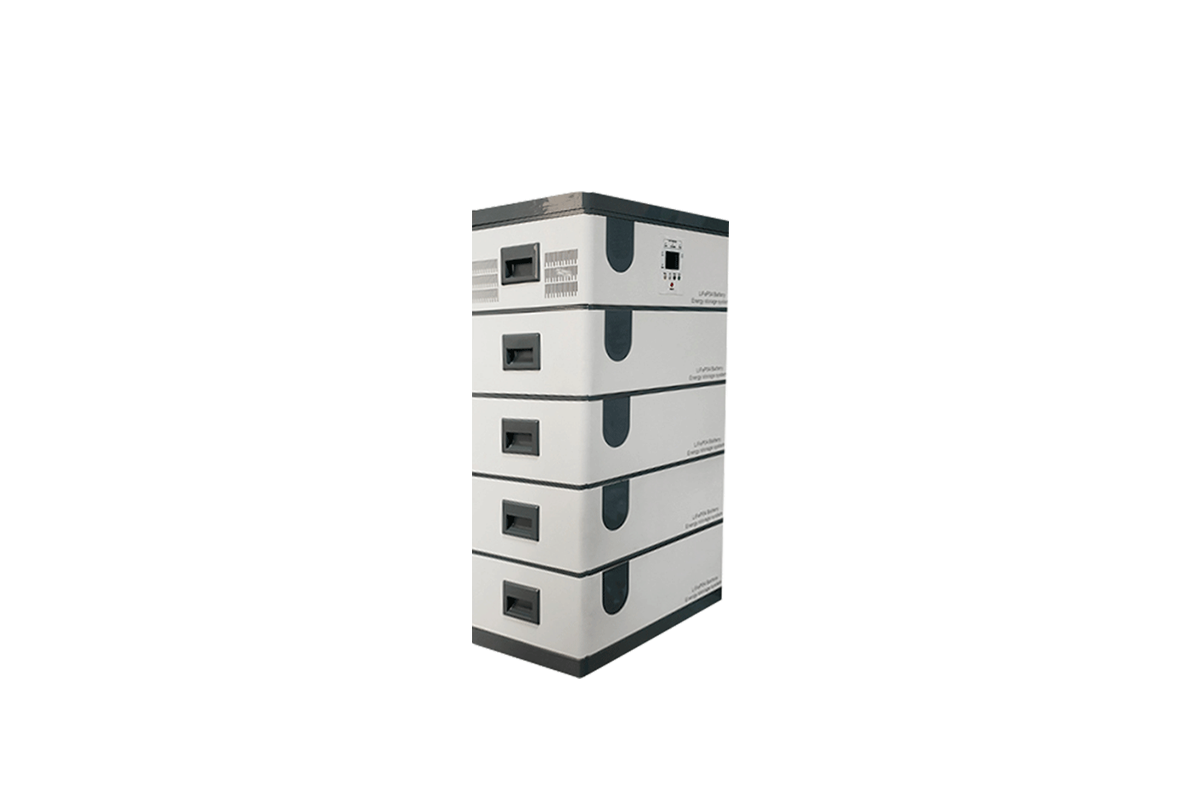
Fast charging has become an increasingly important feature for home energy storage batteries, addressing the core pain point of long charging times and enhancing the practicality of residential energy storage systems. As more households adopt solar energy and rely on battery storage for emergency backup, the ability to quickly recharge the battery—whether from the grid, solar panels, or other sources—ensures uninterrupted power supply for essential appliances like refrigerators, air conditioners, and medical devices. Fast charging technology for home storage batteries integrates advanced charging protocols and intelligent management systems to significantly reduce charging time while maintaining safety and battery health, making it suitable for both daily use and emergency scenarios.
The implementation of fast charging for home energy storage batteries relies on two key components: high-efficiency charging hardware and a robust battery management system (BMS). Modern fast-charging home batteries adopt advanced technologies such as X-Stream lightning fast charging or hybrid fast charging, which combine AC power, solar energy, and even electric vehicle (EV) charging piles to achieve unprecedented charging speeds. For example, some high-end models can be fully charged in as little as 2 hours via grid power, 1.7 hours via an EV charging pile, and 2.8–5.6 hours via high-power solar panels. These systems deliver higher charging currents (often 30A or more) while maintaining stable voltage, ensuring that the battery charges quickly without overheating or sustaining damage.
Balancing fast charging with battery longevity is a critical consideration, and this is where the BMS plays a vital role. The BMS continuously monitors key parameters during charging, including voltage, current, and temperature, and adjusts the charging rate in real time to prevent overcharging, overheating, and cell imbalance. It also implements safety features such as overcurrent protection, short-circuit protection, and thermal shutdown to ensure the battery remains safe during fast charging. Additionally, many fast-charging home storage batteries use LiFePO4 cells, which are inherently more stable and resistant to thermal runaway than other lithium-ion chemistries, making them better suited for fast charging applications.
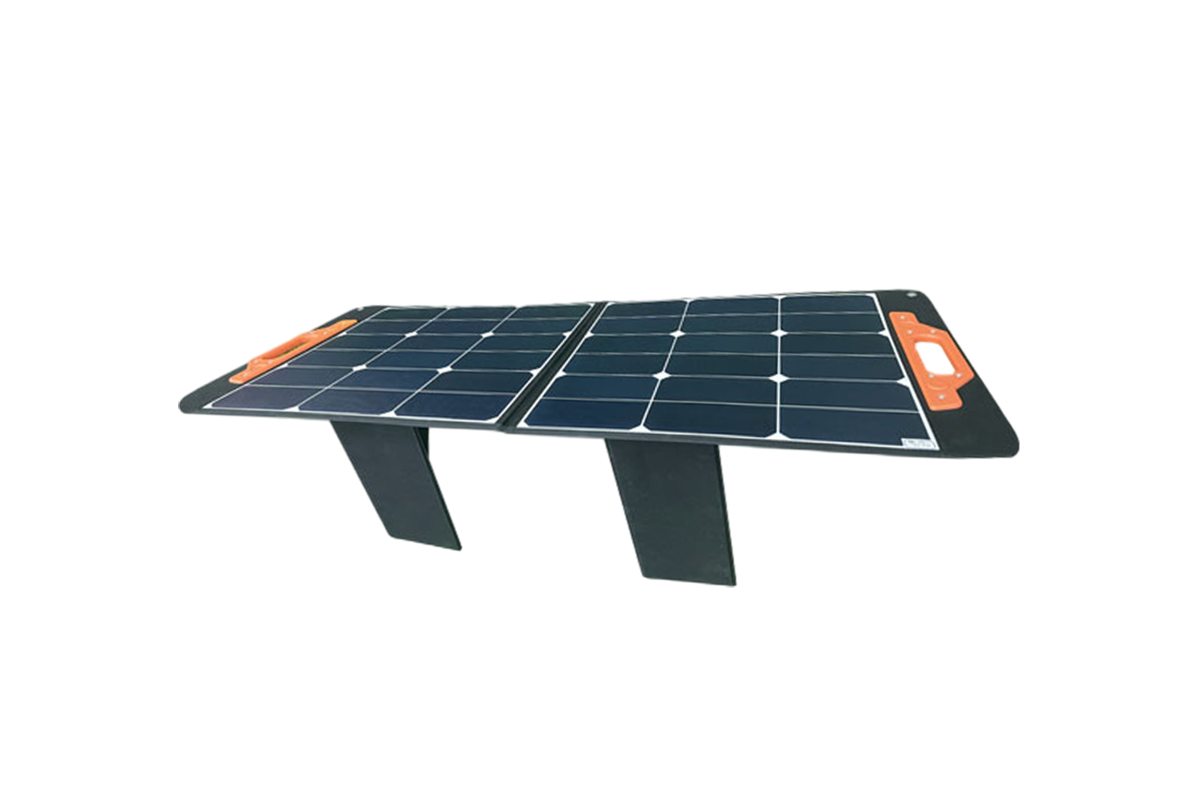
When implementing fast charging for a home energy storage system, homeowners should also consider compatibility with their existing setup. For grid-fast charging, a dedicated high-power charger or inverter with fast-charging capability is required, as standard household outlets may not support the high currents needed. For solar fast charging, pairing the battery with high-efficiency solar panels (1600W or more) and an MPPT (Maximum Power Point Tracking) charge controller ensures that the maximum available solar energy is used to speed up charging. By leveraging fast charging technology, homeowners can quickly replenish their battery during off-peak hours, take full advantage of solar energy when available, and ensure reliable backup power during unexpected grid outages, making their energy storage system more versatile and practical.




 59911926@qq.com/sales@goldenfuturehk.com
 13316809242 / 15816897019
 Inquiry
 Home >