





Time:2026-06-03 Views:333
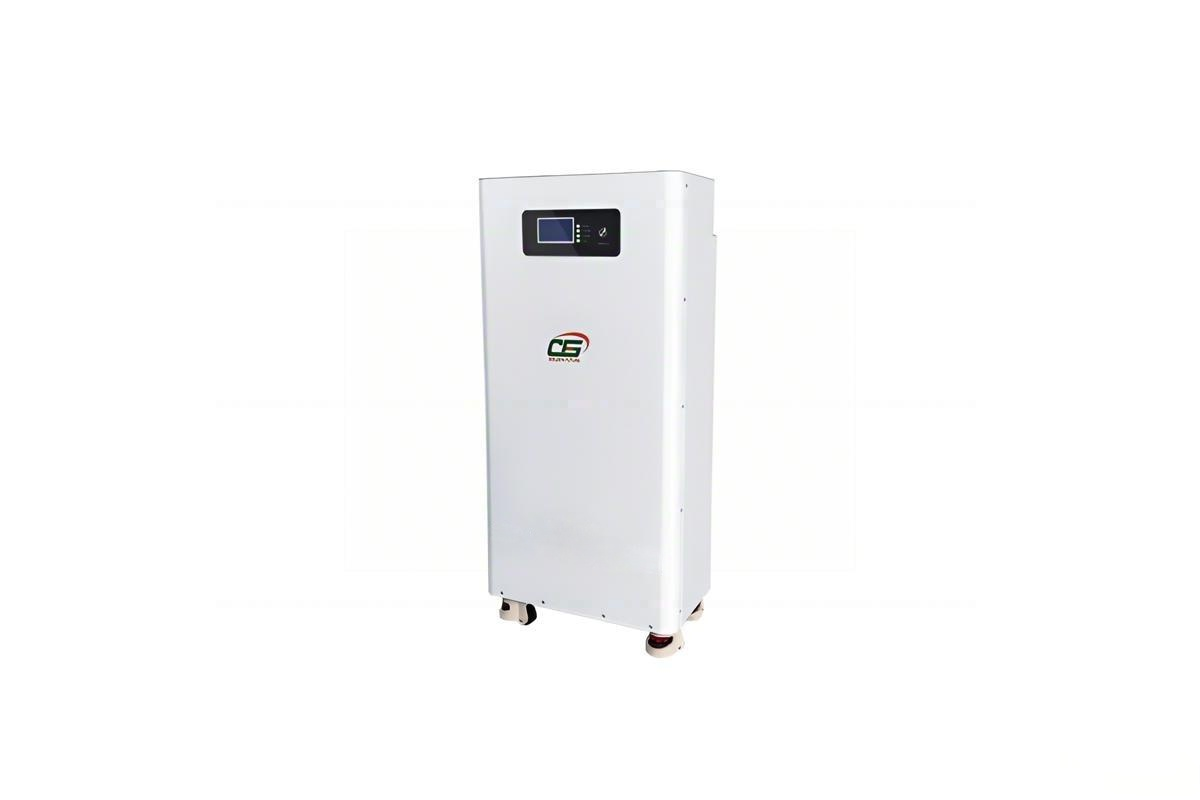
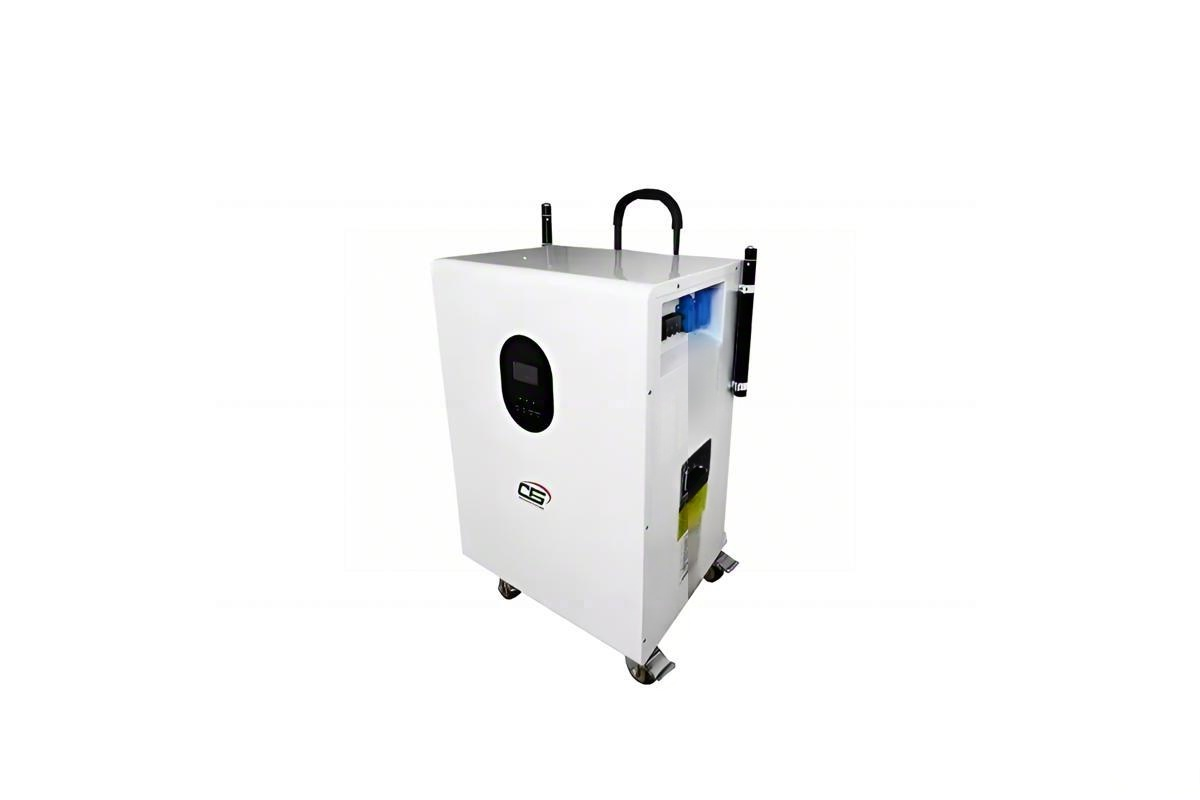
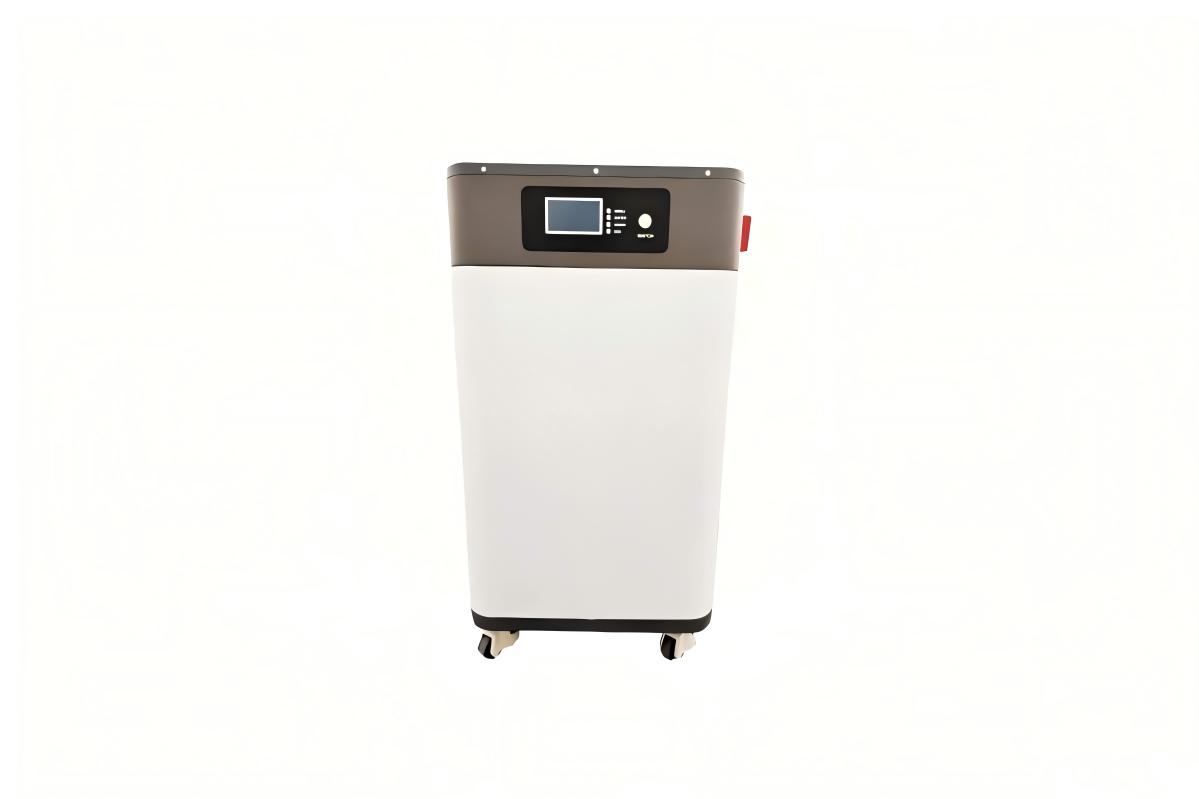
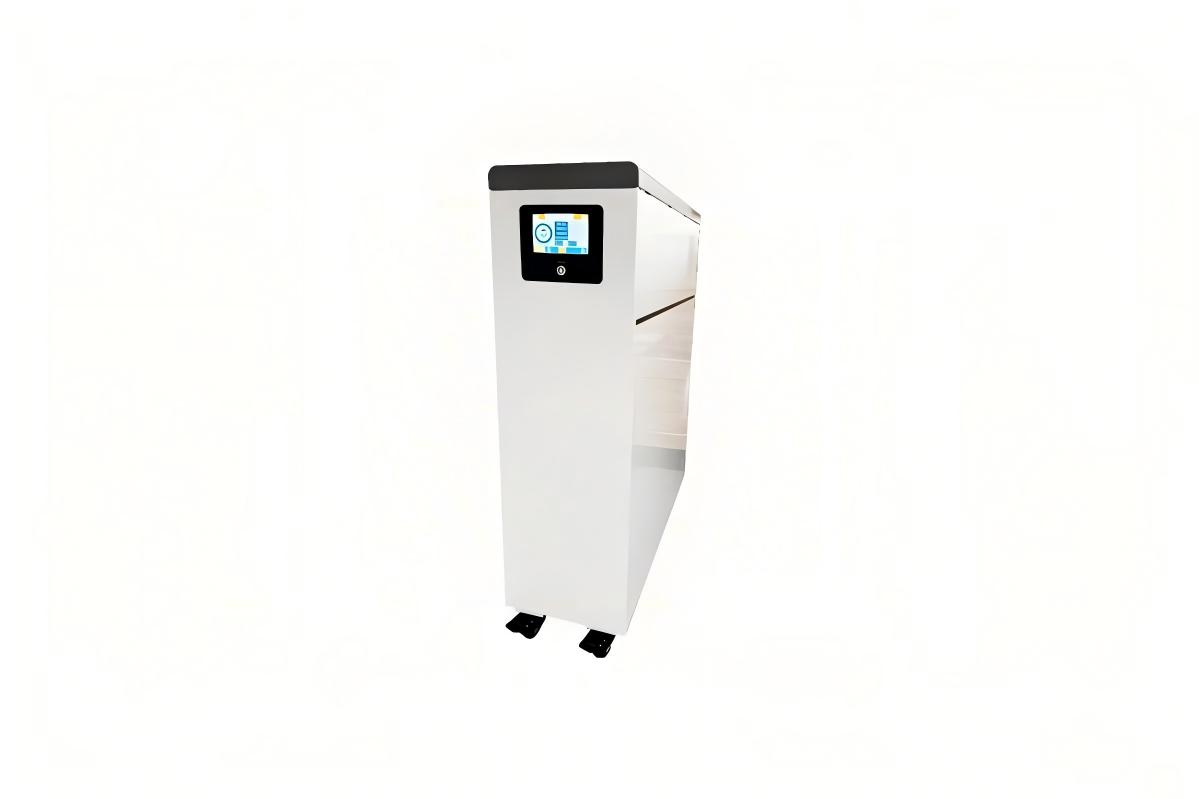
Enterprise large-capacity energy storage cells are core power storage components independently developed for industrial and large-scale enterprise energy storage scenarios, featuring high energy density, long cycle life and excellent safety performance, serving as the basic unit of enterprise centralized energy storage systems and distributed power supply systems. Traditional industrial enterprises face prominent energy problems such as unstable grid power supply, high peak electricity costs and low utilization rate of distributed renewable energy. Ordinary small-capacity batteries cannot meet the high-power and long-duration energy storage demands of factory production, workshop operation and enterprise office supporting facilities. Large-capacity energy storage cells break through the capacity limitation of conventional cells, with single-cell capacity covering 300Ah to 700Ah and above, which can efficiently adapt to the high-load energy storage needs of industrial enterprises.
These large-capacity energy storage cells adopt optimized lithium iron phosphate material formula and innovative structural design, which greatly improves the thermal stability and cycle performance of the cells. After thousands of deep charge and discharge cycles, the cell capacity can still maintain a high retention rate, effectively reducing the frequency of battery replacement and the overall operating cost of enterprise energy storage systems. Equipped with intelligent adaptive management technology, each cell can independently monitor operating parameters and realize balanced charge and discharge, avoiding capacity attenuation and system failure caused by inconsistent cell performance in series-parallel operation. This high consistency and stability ensure the long-term reliable operation of large-scale energy storage arrays built for enterprises.
Enterprise large-capacity energy storage cells have diverse application values in industrial production scenarios. First, they assist enterprises in realizing peak shaving and valley filling of electric energy, make full use of grid price differences to reduce industrial power consumption costs, and improve the economic benefits of enterprise energy utilization. Second, they can store excess power generated by enterprise self-built photovoltaic and wind power equipment, improve the local consumption rate of renewable energy, and help enterprises achieve green production and carbon emission reduction goals. In addition, the cells can form emergency backup power systems to provide stable power guarantee for key production equipment and precision instruments, avoid production shutdown losses caused by grid power outages or voltage fluctuations, and greatly improve the anti-risk capability of enterprise production and operation.




 59911926@qq.com/sales@goldenfuturehk.com
 13316809242 / 15816897019
 Inquiry
 Home >