





Time:2026-01-27 Views:1
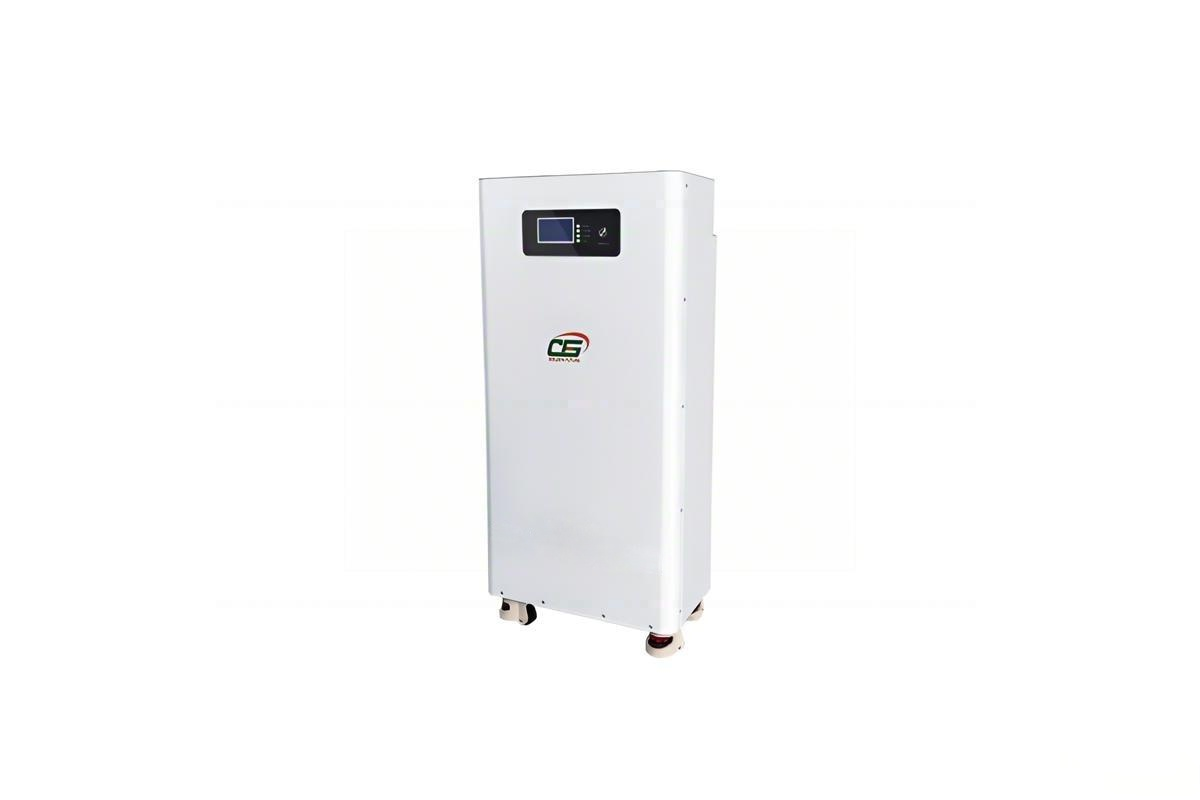
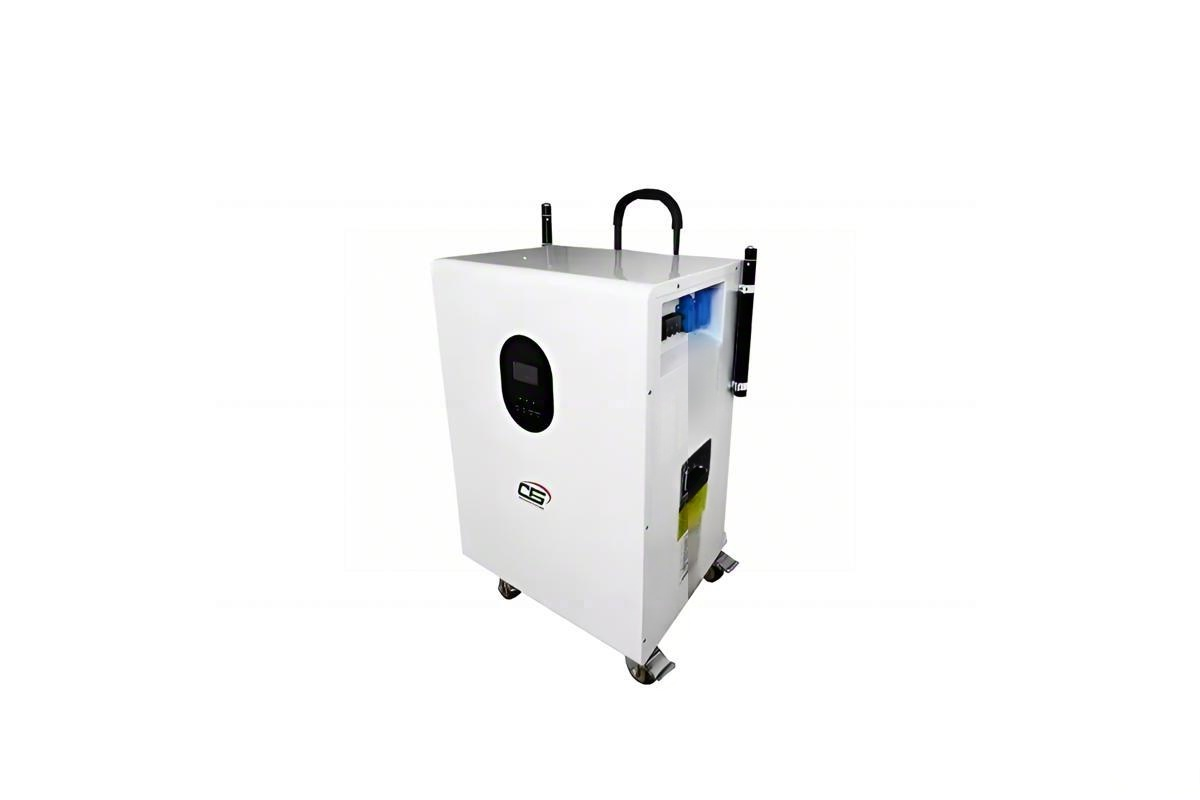
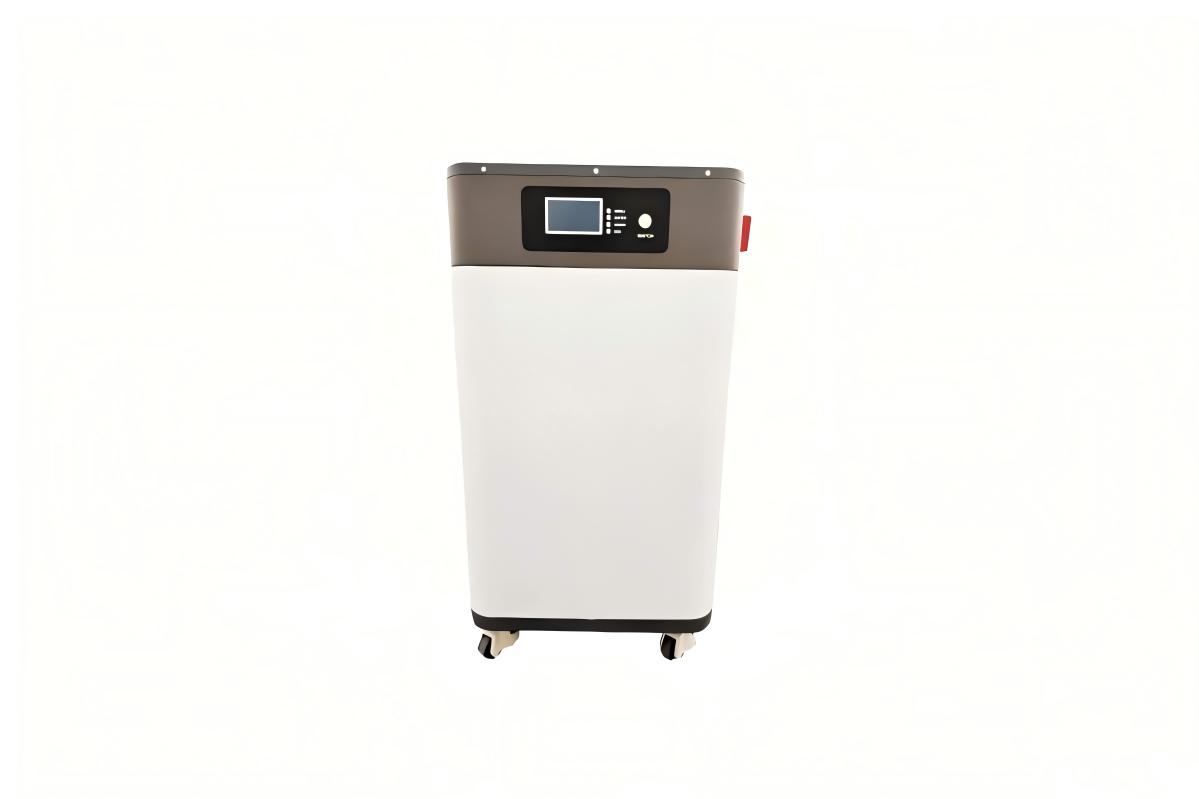
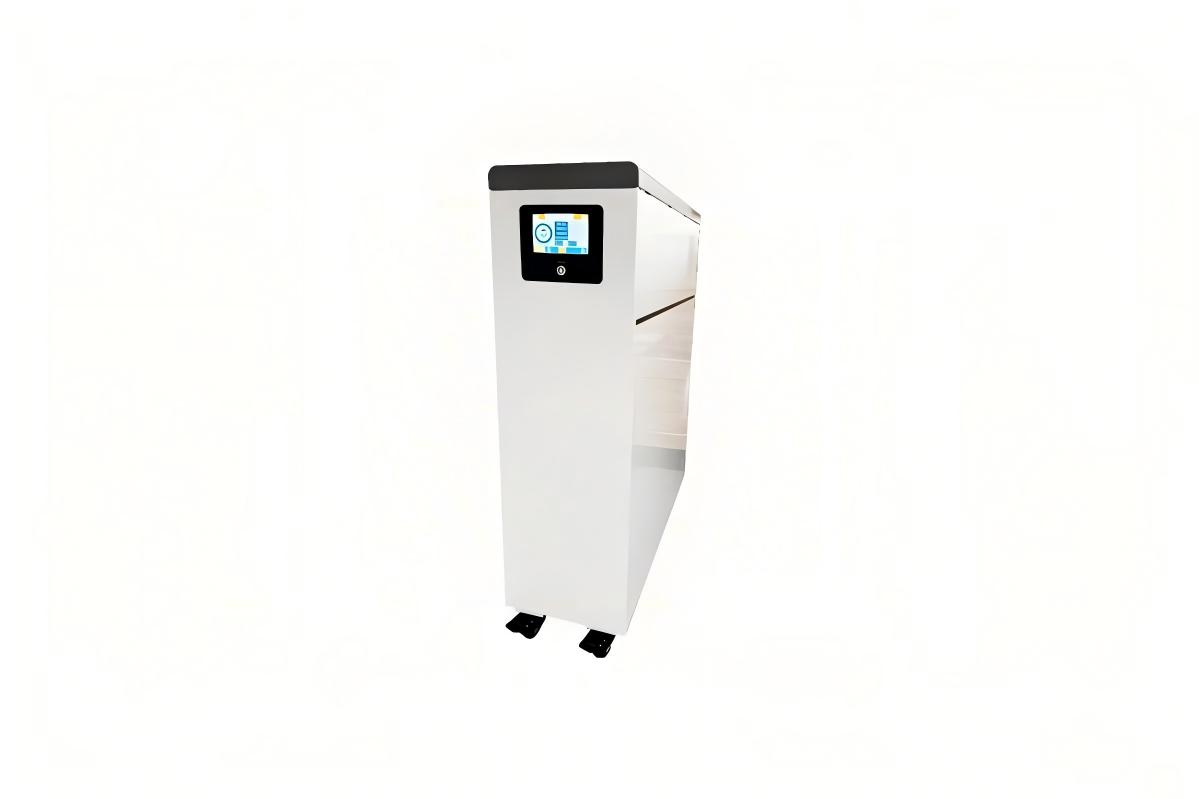
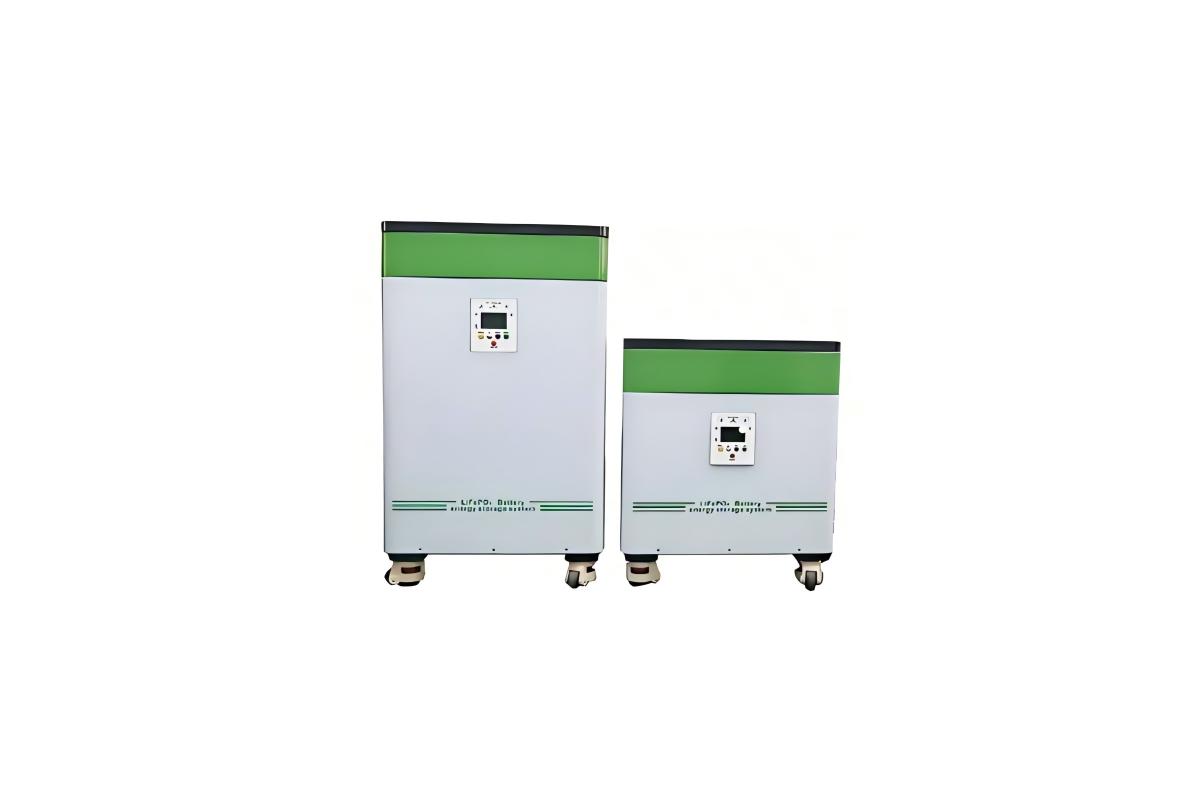
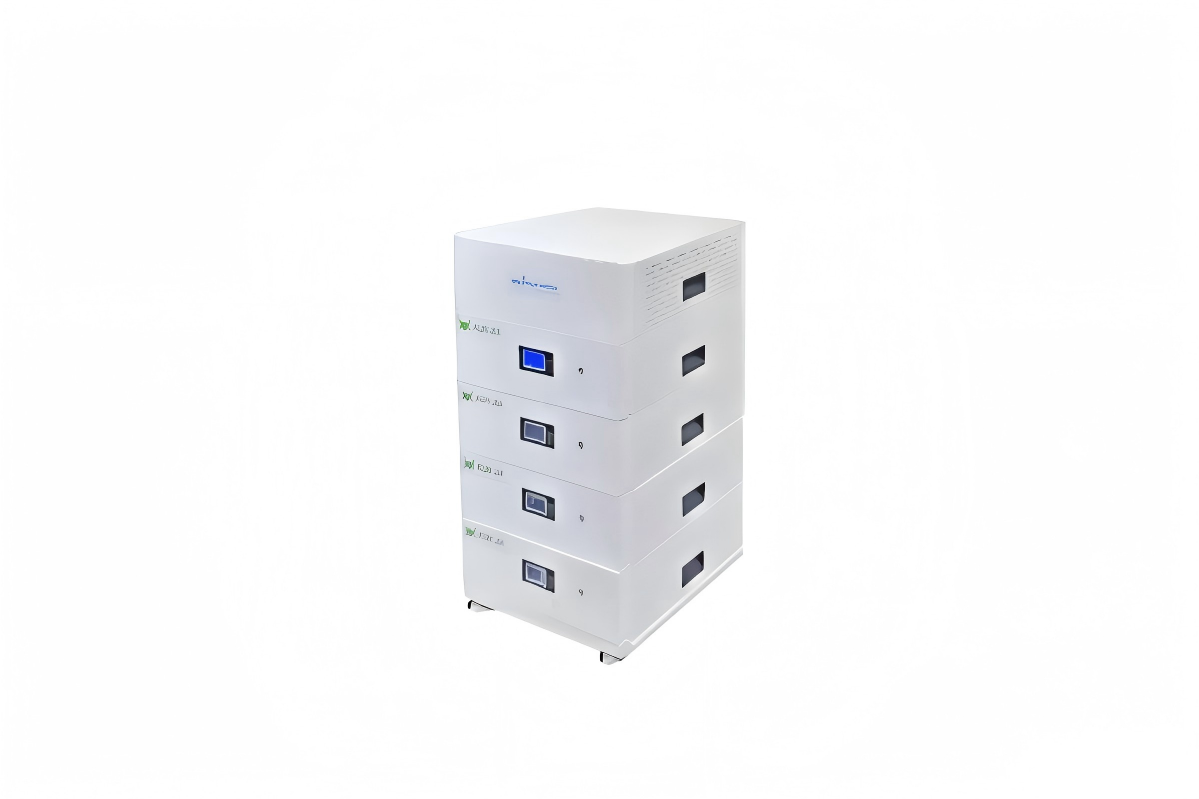
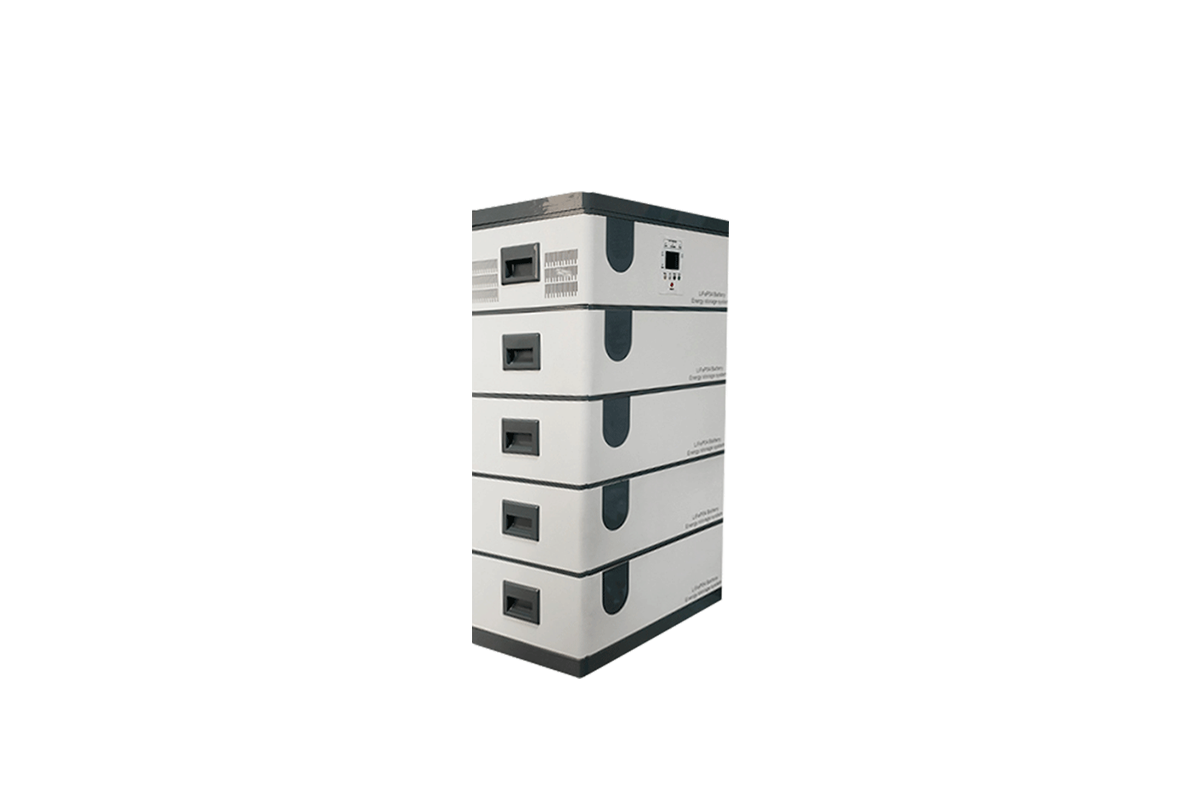
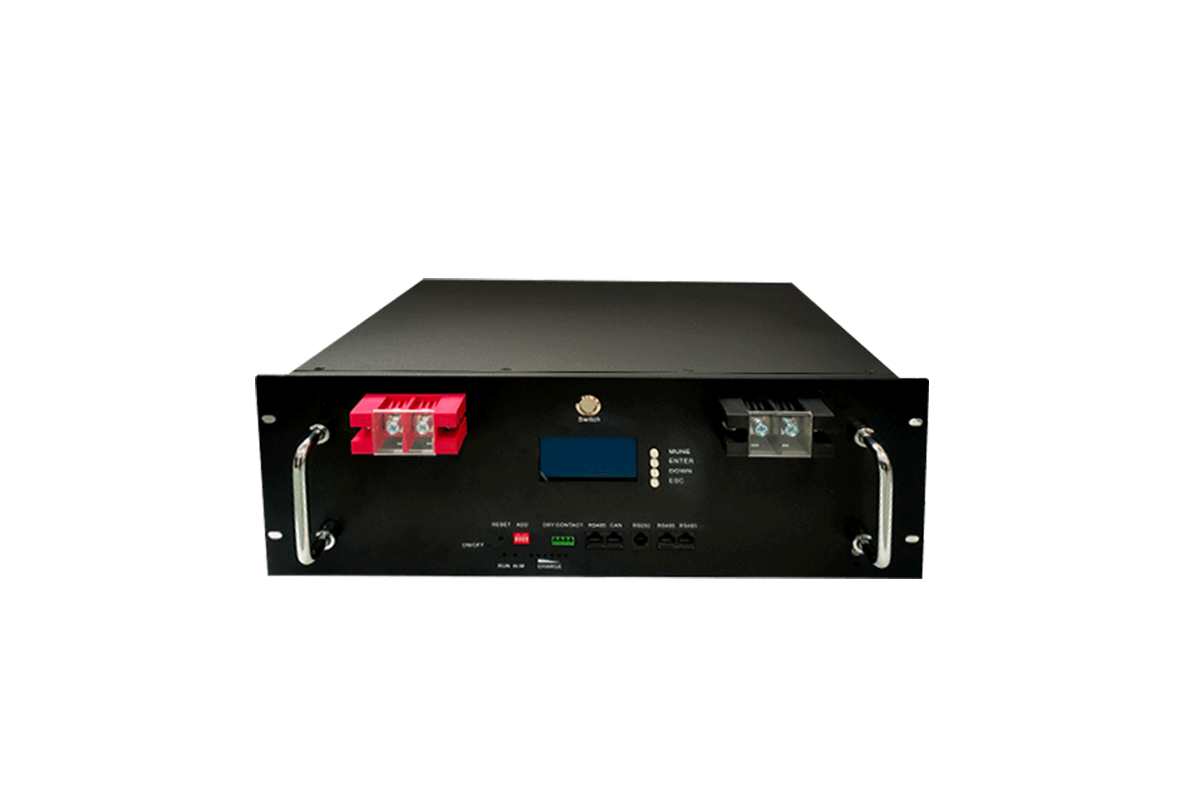
The Energy Storage UPS-Compatible Lithium-Ion Battery is a specialized power component designed to work seamlessly with Uninterruptible Power Supply (UPS) systems, providing reliable backup power for critical equipment in homes, offices, data centers, hospitals, and industrial facilities. UPS systems are essential for protecting sensitive electronics from power outages, voltage fluctuations, and surges, and the performance of a UPS is heavily dependent on the quality of its battery. Lithium-ion batteries have emerged as the preferred choice for UPS applications, offering significant advantages over traditional lead-acid batteries, including higher energy density, longer lifespan, faster charging, and lower maintenance requirements.
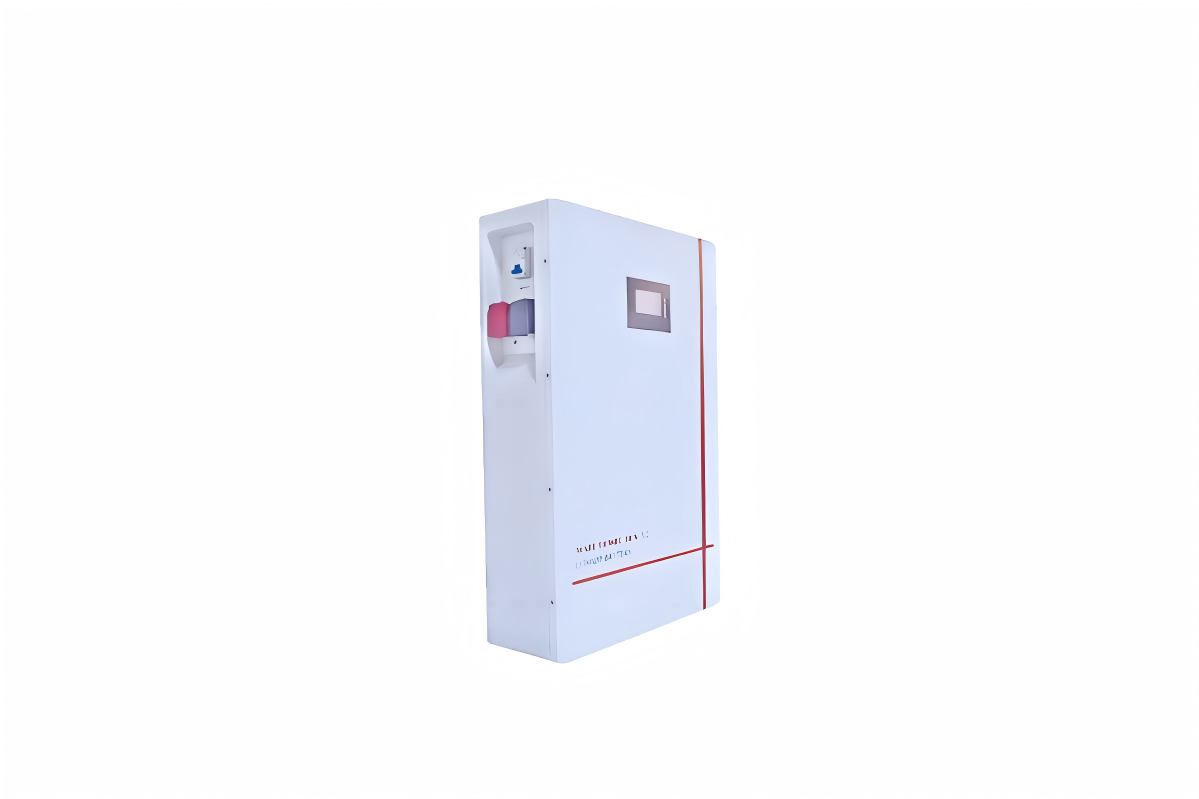
One of the key benefits of UPS-compatible lithium-ion batteries is their high energy density and compact design. They can store more energy in a smaller, lighter package than lead-acid batteries, making them ideal for UPS systems that are installed in space-constrained areas, such as server rooms or small offices. For example, a lithium-ion battery with the same energy capacity as a lead-acid battery can be up to 50% smaller and 70% lighter, reducing the footprint of the UPS system and making installation easier. This compact design also allows for more flexible placement, as the battery can be mounted vertically or horizontally, depending on the available space.
Another critical advantage is their long cycle life and low maintenance. Lithium-ion batteries used in UPS systems typically have a cycle life of 1000-2000 charge-discharge cycles (for lithium-ion) or up to 3000-5000 cycles (for lithium-iron phosphate, LiFePO4) when operated within recommended parameters. In contrast, lead-acid batteries have a cycle life of only 300-500 cycles and require regular maintenance, such as topping up with distilled water and cleaning terminals to prevent corrosion. UPS-compatible lithium-ion batteries are maintenance-free, eliminating the need for regular checks and reducing operational costs over time. They also have a longer shelf life, retaining up to 80% of their capacity even after 12 months of inactivity, which is important for UPS systems that may sit idle for long periods between power outages.
Fast charging and high discharge rates are also key features of these batteries. They can be recharged to full capacity in a fraction of the time required for lead-acid batteries—typically 2-4 hours for a full charge, compared to 8-12 hours for lead-acid. This rapid charging ensures that the UPS system is quickly ready for the next power outage, minimizing downtime for critical equipment. Additionally, lithium-ion batteries can deliver high discharge currents (up to 10C or more) without suffering from voltage drops, ensuring that the UPS system can provide instant power to connected devices when the main power fails. This is crucial for equipment like data center servers, which require a continuous power supply to prevent data loss or hardware damage.
Safety is a top priority for UPS applications, and UPS-compatible lithium-ion batteries are equipped with advanced safety features to prevent accidents. They include built-in battery management systems (BMS) that monitor each cell’s voltage, current, and temperature, ensuring that the battery operates within safe limits. The BMS also provides protection against over-charging, over-discharging, short-circuits, over-current, and over-temperature, shutting down the battery if any unsafe condition is detected. Many models also use flame-retardant materials in their enclosures and include pressure relief valves to prevent explosions in case of a malfunction. Additionally, these batteries comply with international safety standards, such as UL 1973 (for stationary energy storage) and IEC 62133 (for lithium-ion batteries), ensuring they meet strict safety requirements for use in UPS systems.
Compatibility with a wide range of UPS systems is another important aspect of these batteries. They are designed to work with both low-voltage (12V, 24V, 48V) and high-voltage (192V, 384V) UPS systems, making them suitable for a variety of applications, from small home UPS units to large industrial UPS systems. Many manufacturers also offer custom battery configurations to match the specific voltage and capacity requirements of different UPS models, ensuring a seamless integration. With their high performance, long lifespan, low maintenance, and robust safety features, the Energy Storage UPS-Compatible Lithium-Ion Battery is an essential component for ensuring the reliability of UPS systems and protecting critical equipment from power disruptions.




 59911926@qq.com/sales@goldenfuturehk.com
 13316809242 / 15816897019
 Inquiry
 Home >