





Time:2026-05-19 Views:317
The energy storage temperature control system integrates energy storage and precision temperature control technologies, playing a crucial role in both cold chain logistics and household scenarios, especially for temperature-sensitive products and household refrigeration/heating needs. In cold chain logistics, temperature stability is the core guarantee of product quality—even a temperature deviation of 2-4°C can halve the shelf life of fresh products, and vaccines outside the range of 2-8°C may be discarded, leading to huge losses. For households, the system can provide stable temperature control while reducing energy consumption, adapting to the diverse needs of modern family life.
In cold chain logistics, the energy storage temperature control system mainly relies on phase-change materials (PCMs) and hybrid energy storage batteries to maintain stable low temperatures during transportation and storage. PCMs can absorb and release cold energy efficiently, acting as a "mini cold storage" to buffer temperature changes caused by external environmental factors. The system is usually equipped with IoT monitoring devices, which can track temperature in real time and send alerts when deviations occur, reducing product spoilage rates by 15% or more. For example, a Nairobi-based fresh produce exporter reduced avocado spoilage from 25% to 6% by using a solar energy storage cold chain system, while cutting monthly fuel costs by $18,000. In addition, the system can be integrated with solar energy, reducing reliance on diesel generators and achieving zero carbon emissions during transportation.
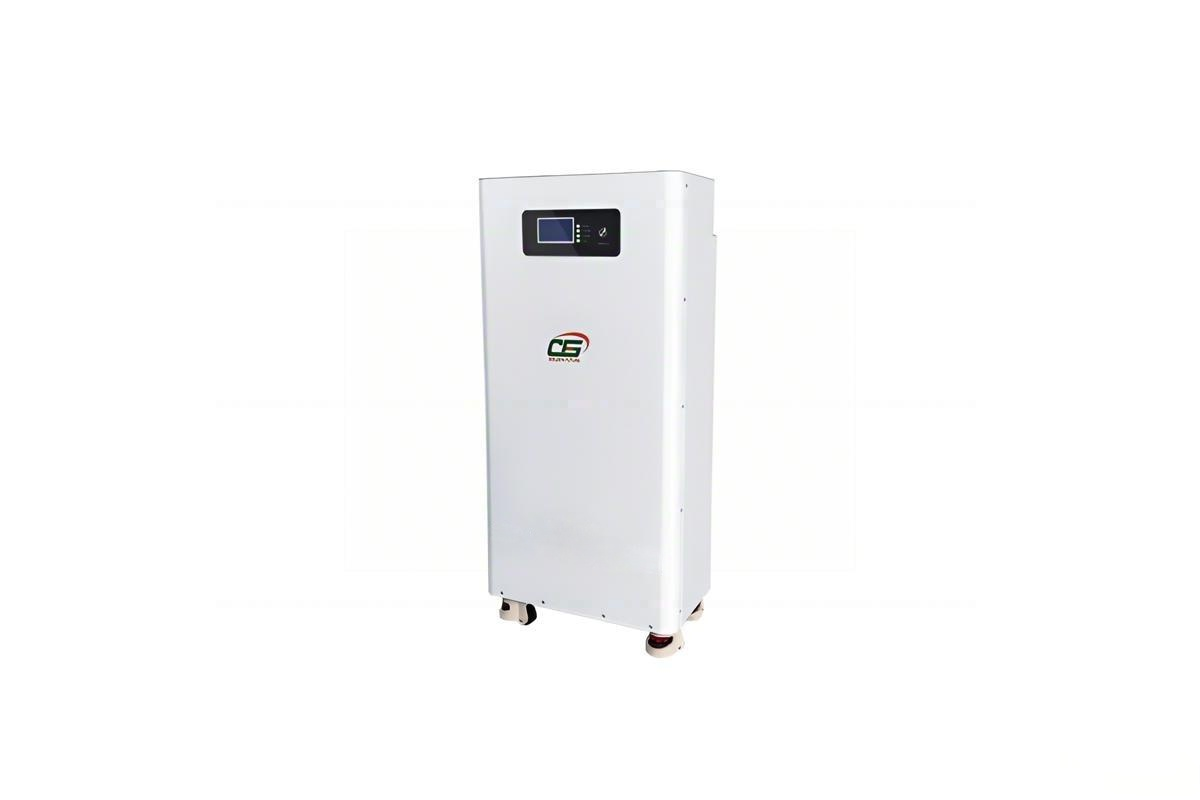
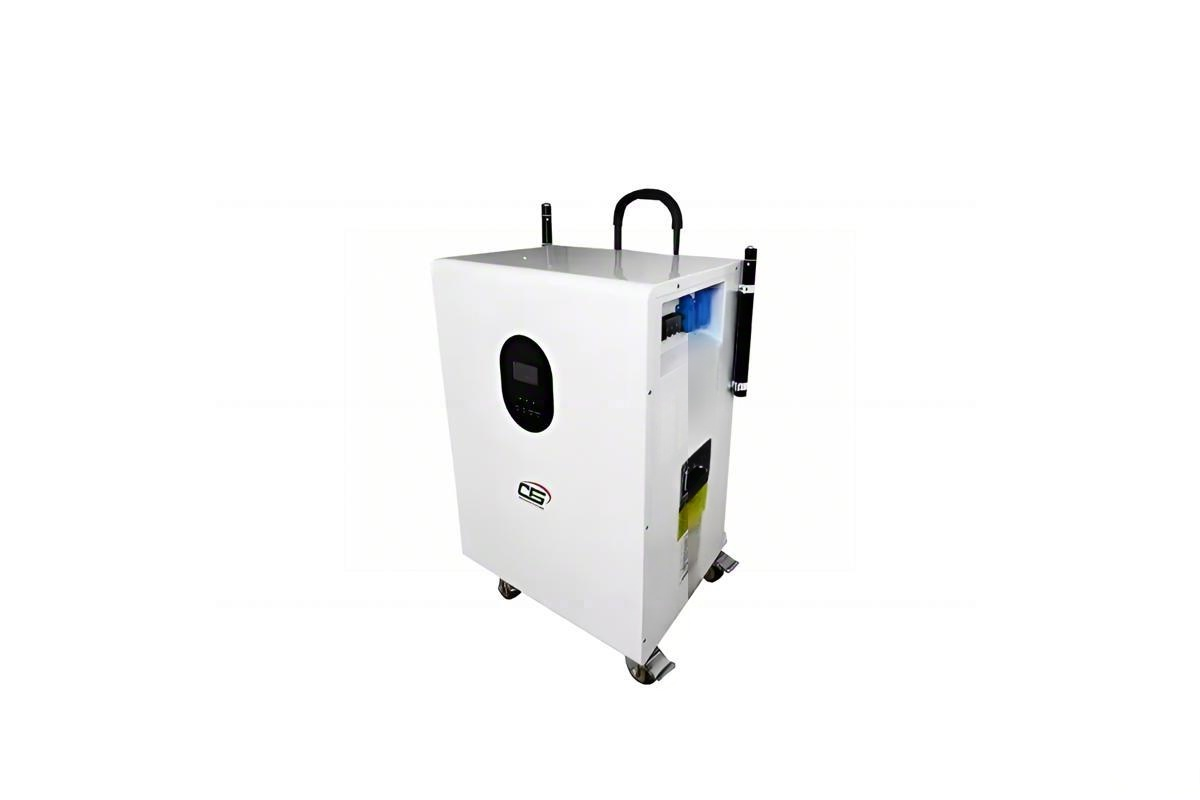
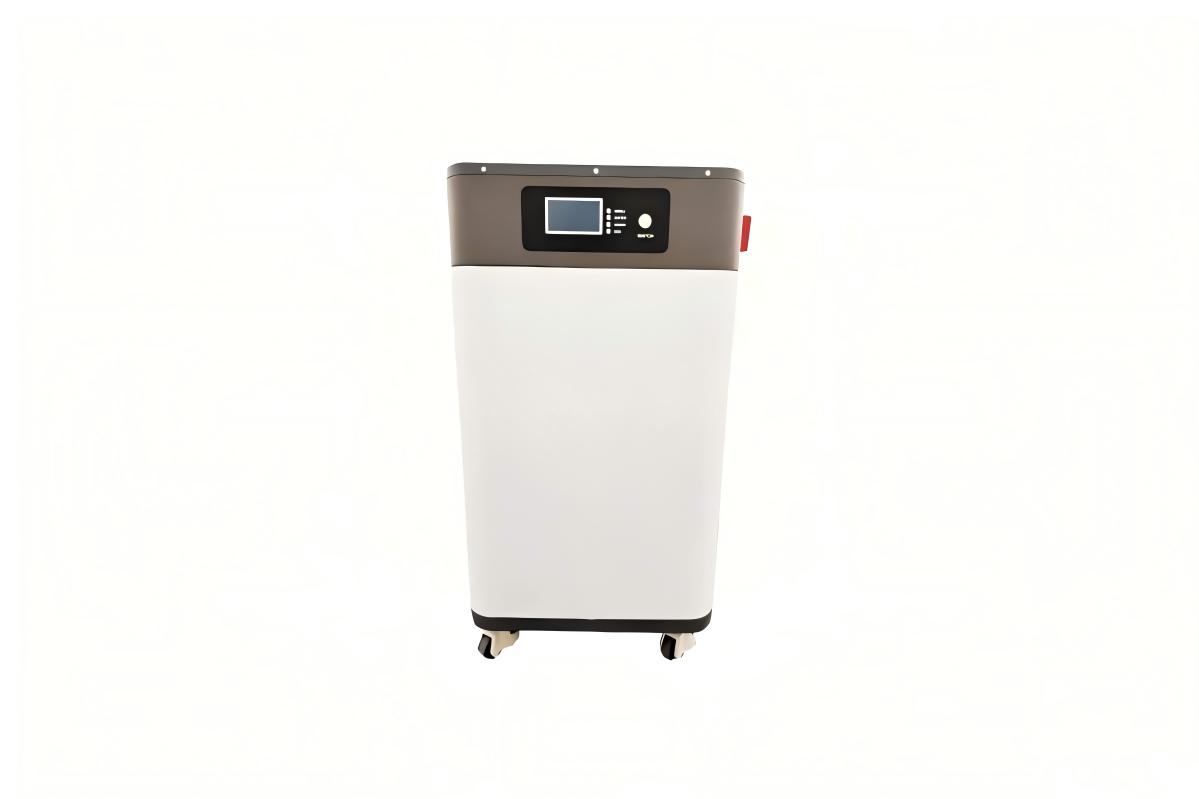
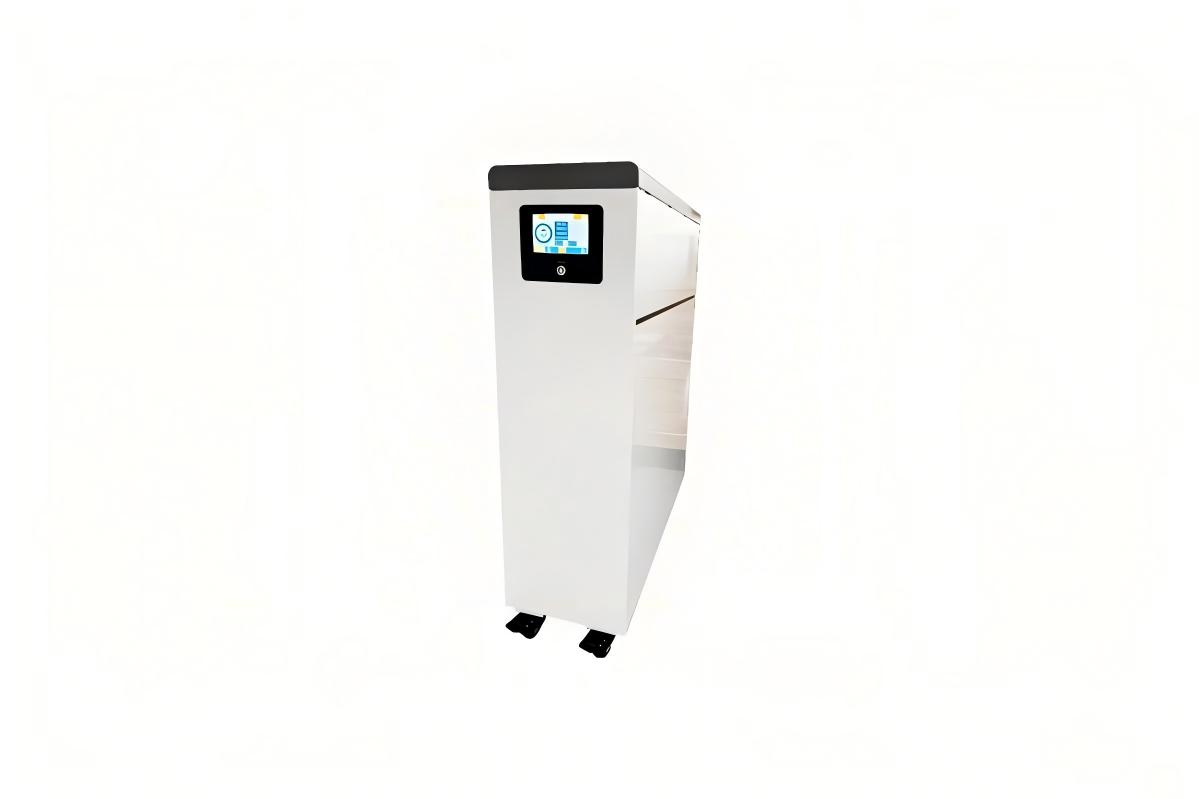
For household use, the energy storage temperature control system is compact, energy-saving, and intelligent, suitable for household refrigeration, heating, and food preservation. It stores electrical energy during off-peak hours and uses it for temperature control during peak hours, reducing household electricity bills. The system can be connected to smart home devices, allowing users to adjust temperature settings remotely and monitor energy consumption in real time. For families in areas with unstable grid supply, the system can also provide emergency backup power, ensuring that refrigerators and other temperature control equipment operate normally during power outages. With the improvement of household energy conservation needs, this system has gradually become a new choice for green and intelligent home life, balancing comfort, energy conservation, and reliability.




 59911926@qq.com/sales@goldenfuturehk.com
 13316809242 / 15816897019
 Inquiry
 Home >