





Time:2026-05-19 Views:519
Commercial complexes, including shopping malls, office towers, and mixed-use buildings, are typical high-energy-consuming scenarios with distinct characteristics such as large peak-valley price gaps, volatile load demands, and high requirements for power stability. The energy consumption of these complexes mainly comes from HVAC systems (accounting for about 40%), lighting (25%), elevators (15%), and critical equipment such as POS systems and cold storage, which puts forward high requirements for the reliability and efficiency of energy supply. Energy storage solutions tailored for commercial complexes effectively address these pain points, achieving cost reduction, efficiency improvement, and stability enhancement.
The core functions of commercial complex energy storage solutions include peak-valley arbitrage, power quality optimization, and emergency backup. By storing energy during off-peak hours (when electricity prices are low) and discharging it during peak hours (such as 8:00-11:00 and 17:00-22:00, when electricity prices are 3-4 times higher), the solution can reduce electricity costs by 20-40% for the complex. For large shopping malls with frequent load fluctuations, the system can smooth the load curve, mitigate voltage sags and harmonics, protect sensitive electrical equipment, and avoid equipment damage caused by power quality problems. In case of grid outages, the system can switch to off-grid mode within 10 milliseconds, ensuring uninterrupted operation of critical systems such as elevators, security systems, and cold storage, reducing economic losses caused by power outages.
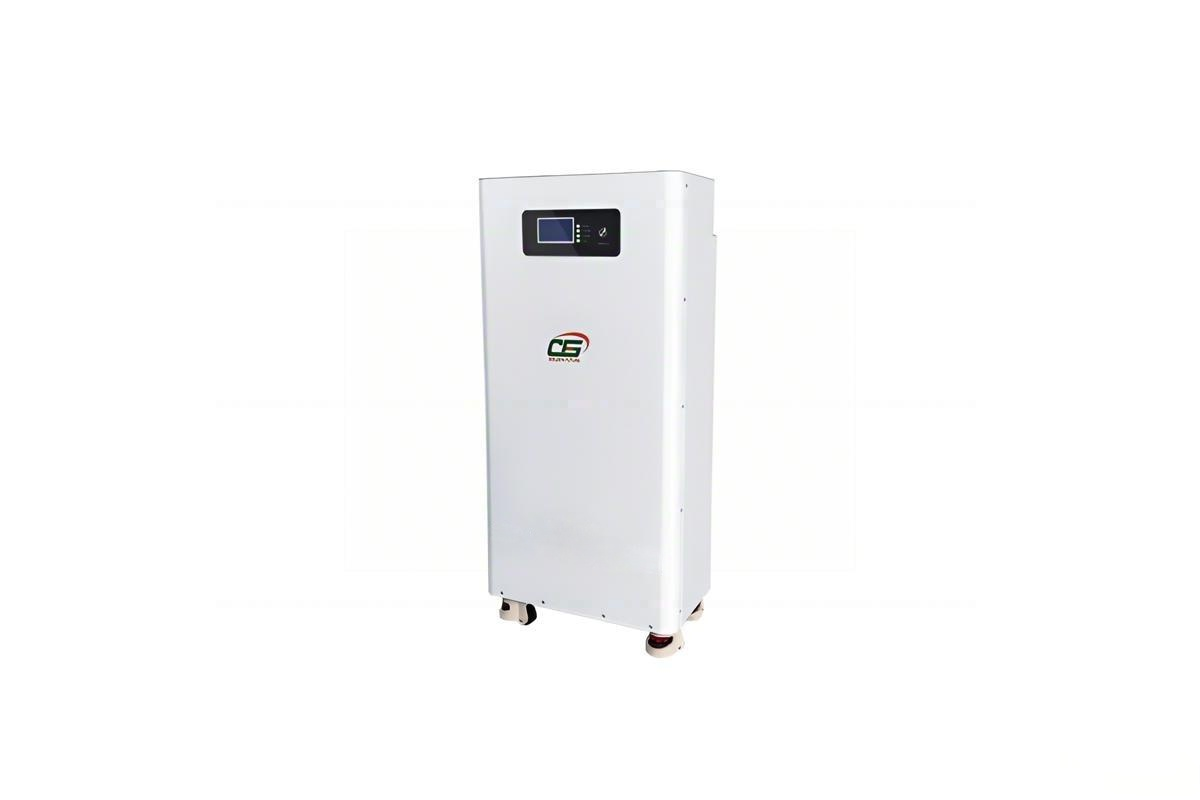
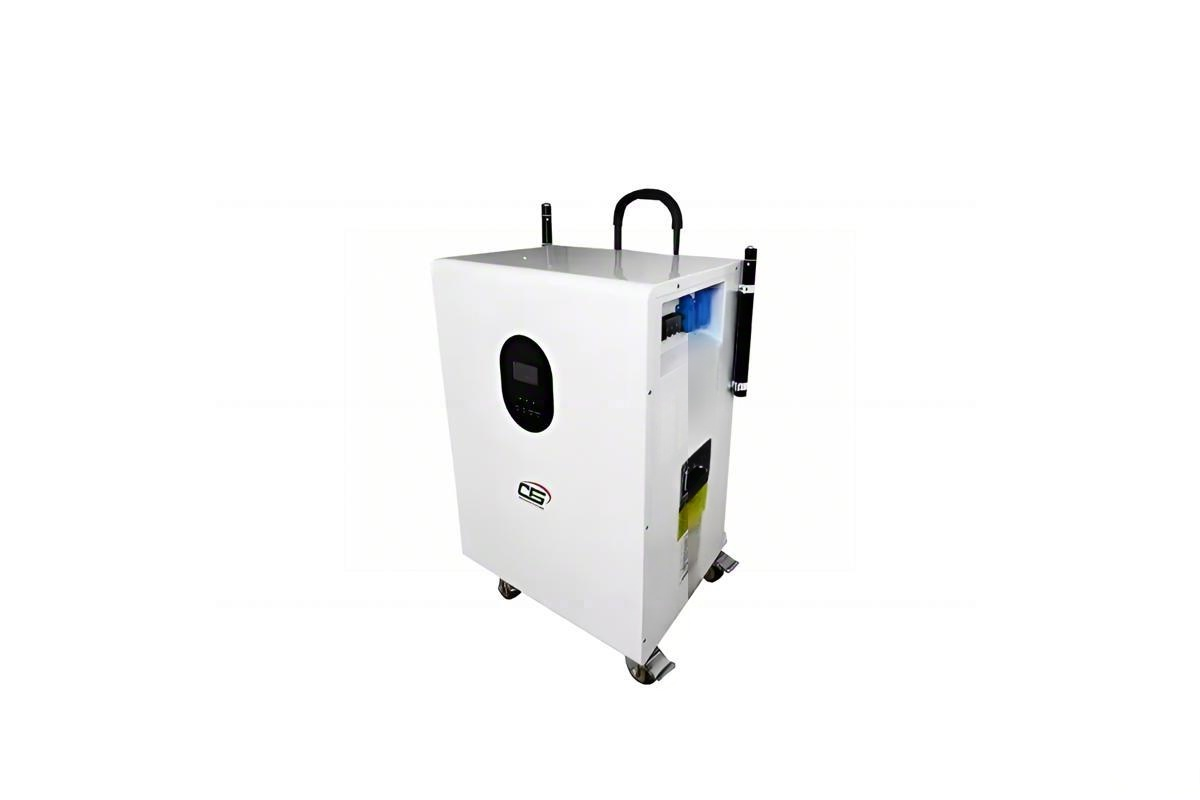
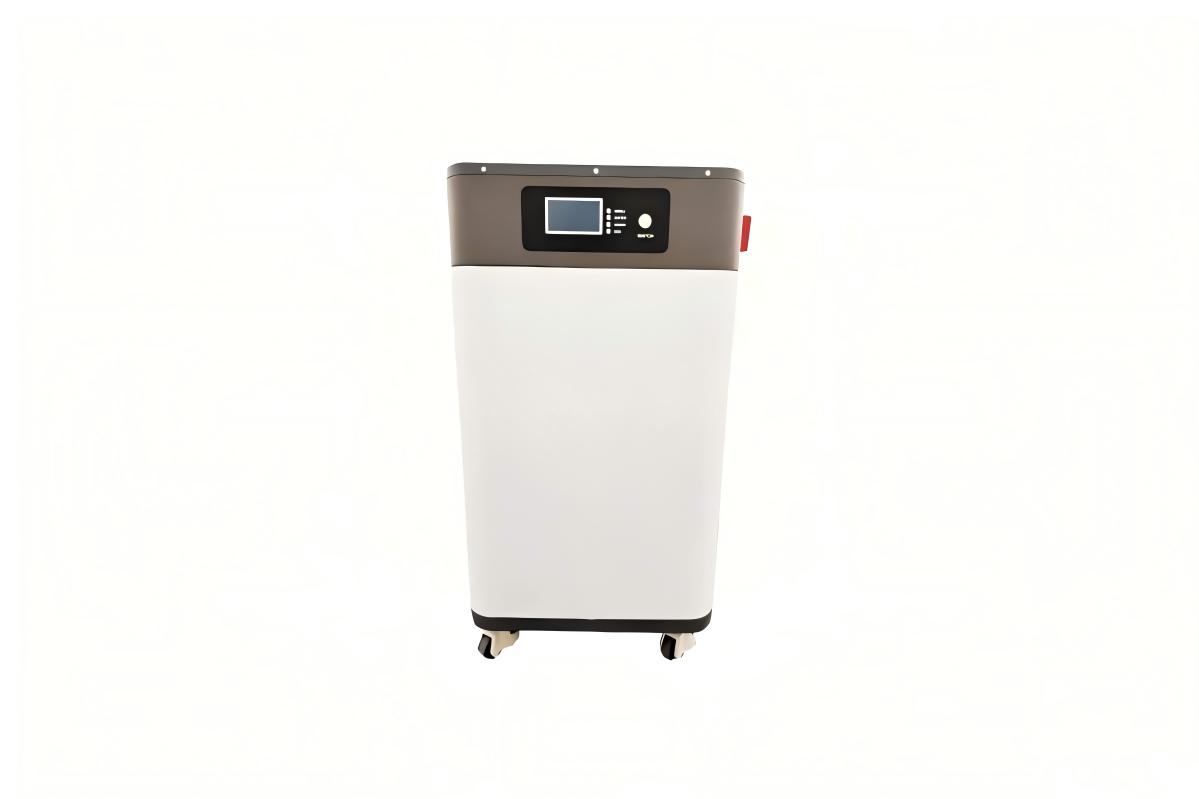
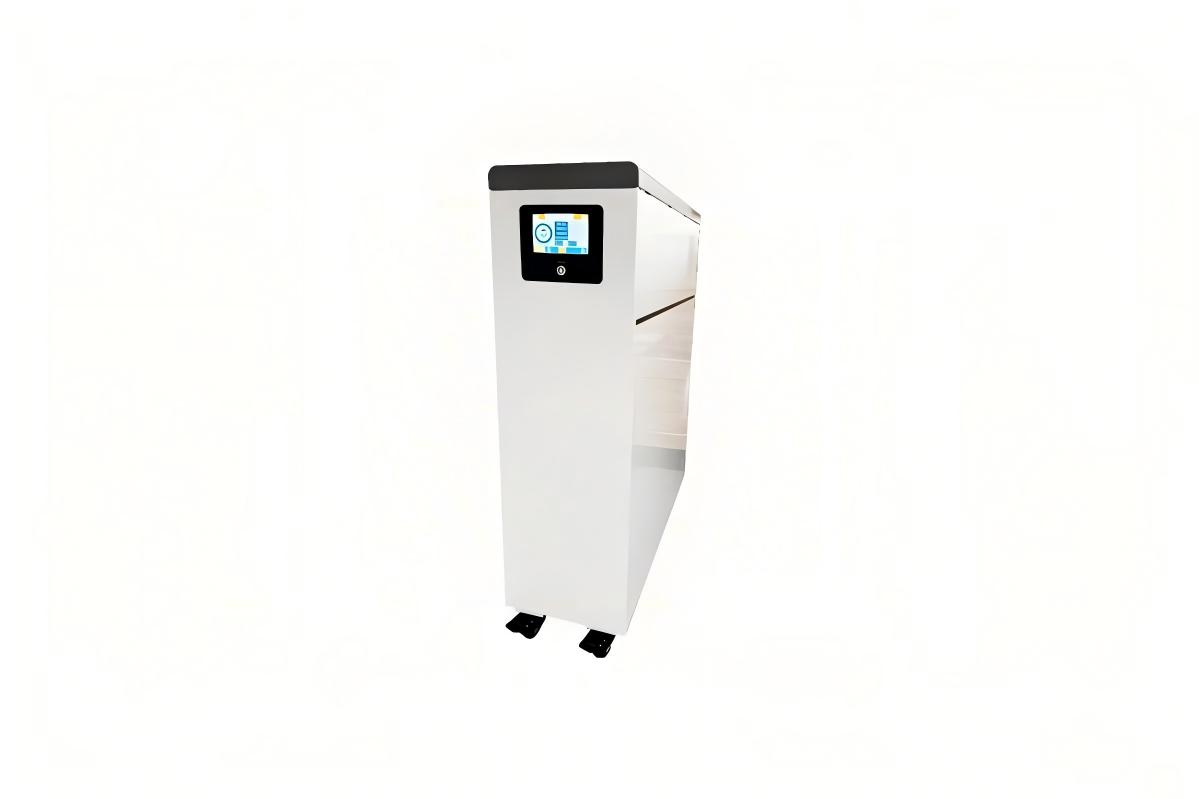
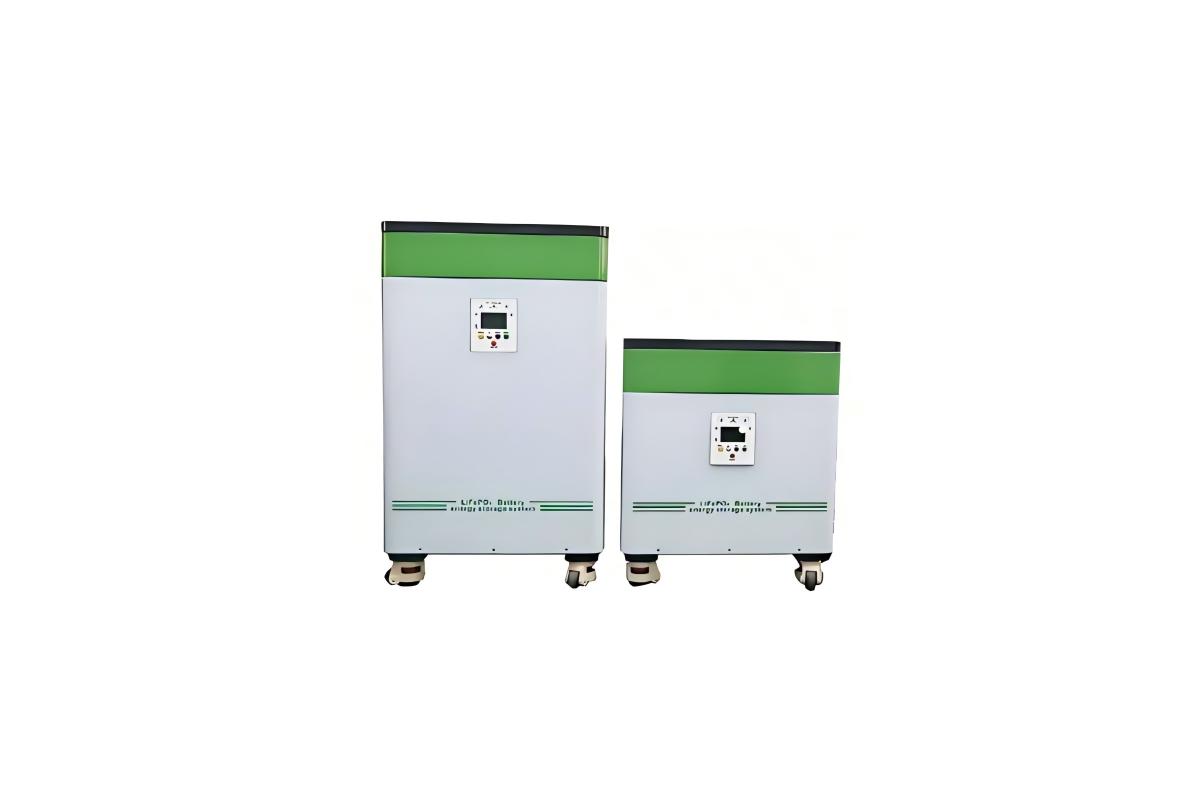
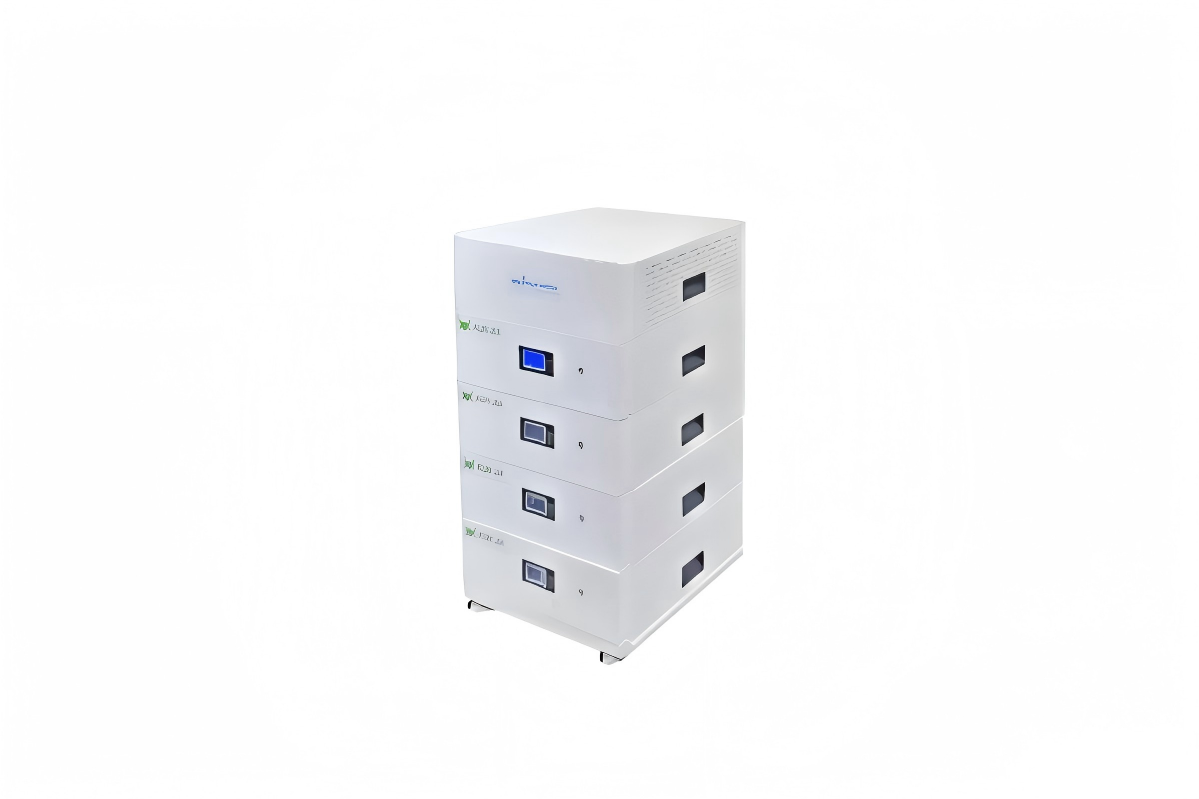
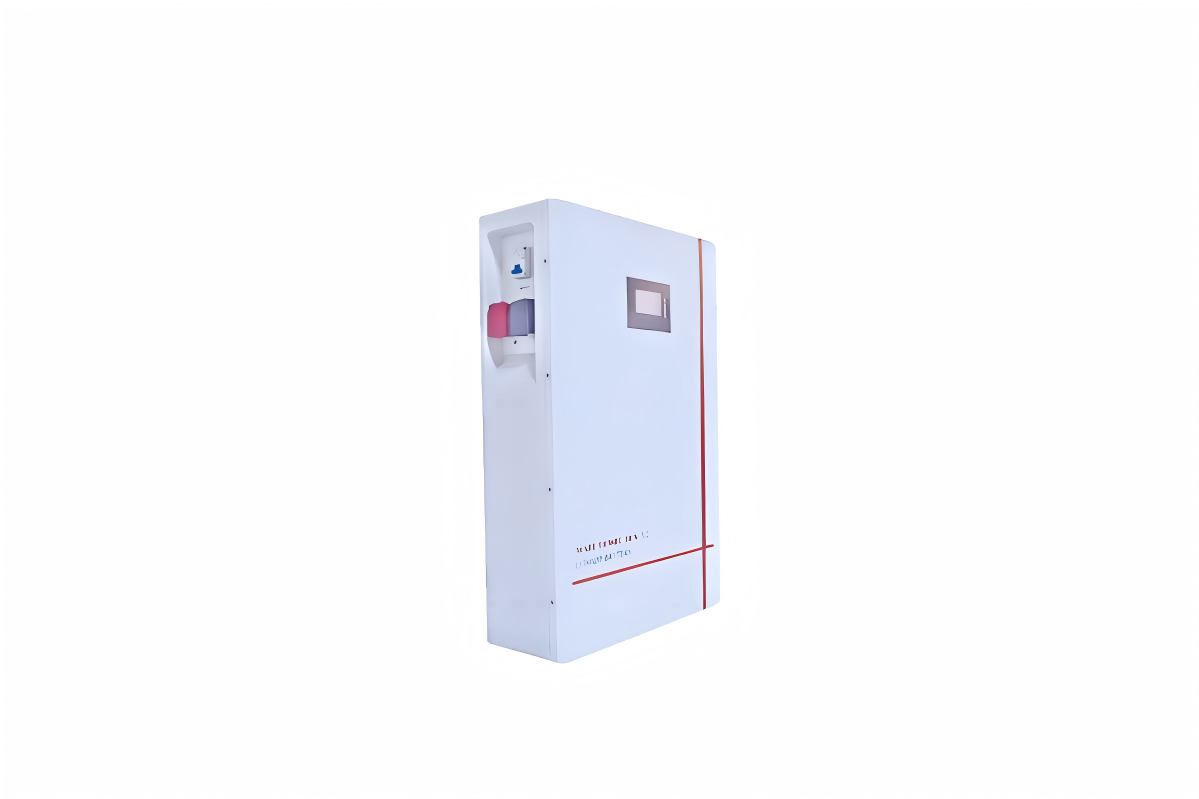
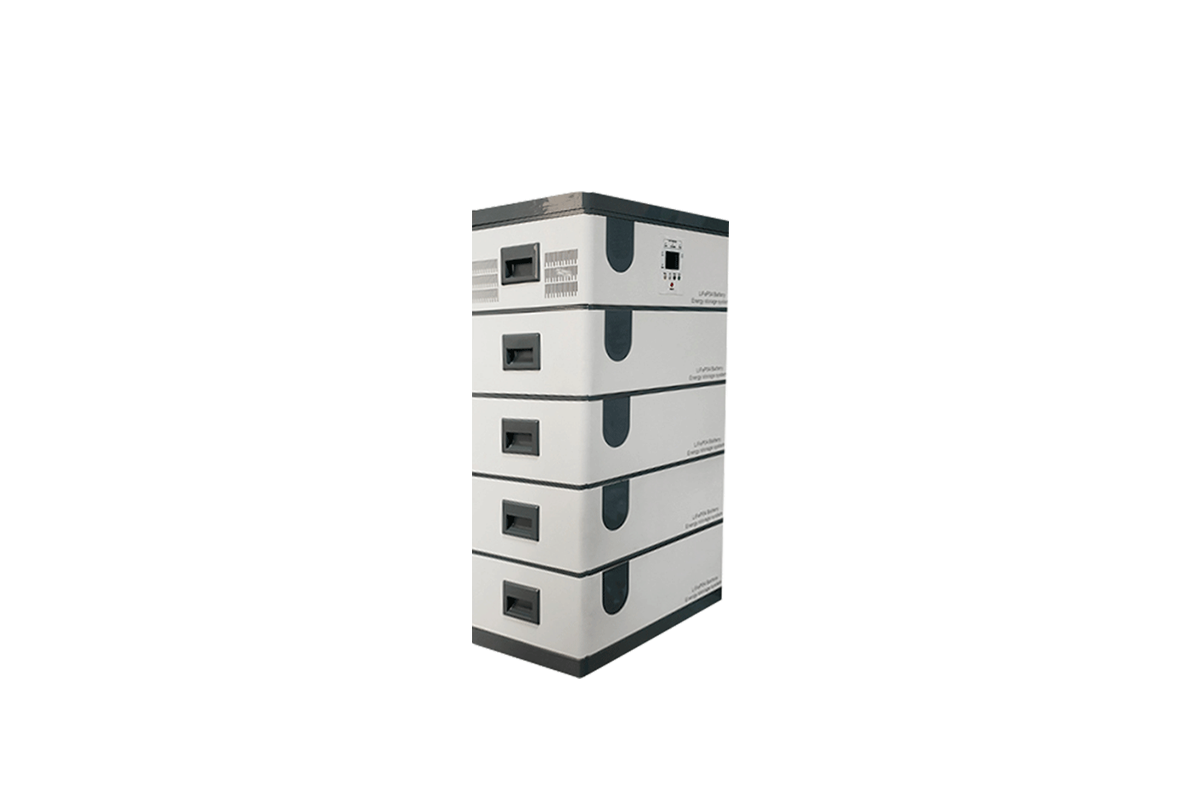
Modern commercial complex energy storage solutions adopt a modular and integrated design, which is easy to install and expand, and suitable for both new construction and renovation projects. The system is usually composed of LFP batteries (with a cycle life of more than 6,000 cycles), high-efficiency bidirectional inverters, and AI-driven EMS. The EMS can dynamically adjust charge and discharge schedules based on real-time energy consumption data, tenant demand, and grid tariff policies, maximizing return on investment. In addition, the solution can be integrated with rooftop solar and EV charging piles to form a "PV-storage-charging" integrated system, further improving the utilization rate of clean energy and promoting the green transformation of commercial complexes.




 59911926@qq.com/sales@goldenfuturehk.com
 13316809242 / 15816897019
 Inquiry
 Home >