





Time:2026-01-22 Views:1
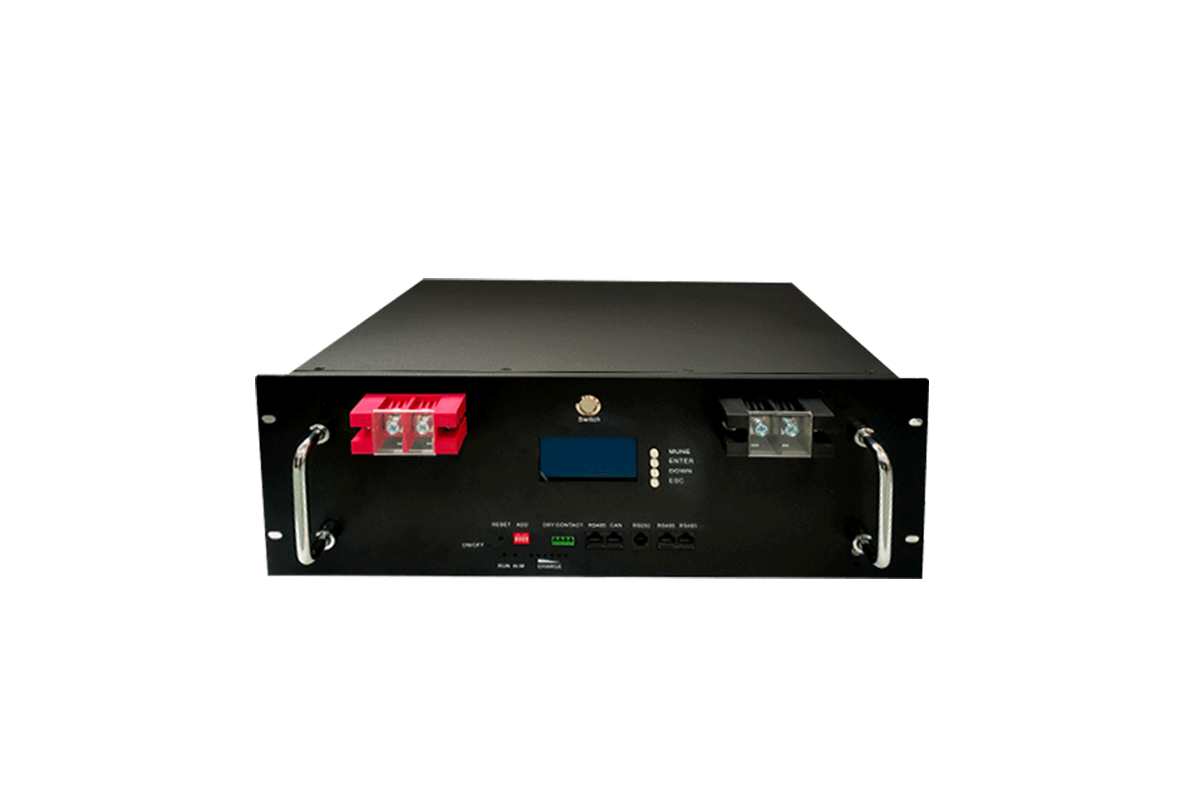
Energy storage lithium battery packs with high cycle life are highly sought after in the market due to their ability to endure a large number of charge - discharge cycles without significant capacity degradation. The cycle life of a lithium - ion battery is defined as the number of times it can be fully charged and discharged before its capacity drops to a certain percentage (usually 80%) of its original value. High - cycle - life battery packs can typically withstand thousands of cycles, making them a cost - effective and reliable energy - storage solution for various applications.
The key to achieving a high cycle life lies in the use of advanced materials and manufacturing techniques. High - quality lithium - ion chemistries, such as lithium - iron - phosphate (LiFePO4), are often employed in these battery packs. LiFePO4 batteries are known for their excellent thermal stability, long cycle life, and high safety performance. Additionally, precise cell manufacturing processes, including strict quality control during electrode coating, cell assembly, and electrolyte filling, contribute to the overall durability and cycle - life performance of the battery pack.
In addition to material and manufacturing factors, the battery management system (BMS) also plays a crucial role in extending the cycle life. A sophisticated BMS monitors and controls the charging and discharging processes of each cell within the battery pack. It ensures that cells are charged and discharged within their optimal voltage and current ranges, preventing over - stressing of individual cells. By maintaining a balanced state of charge among all cells, the BMS helps to avoid premature capacity loss and extends the overall cycle life of the battery pack.
High - cycle - life lithium battery packs are widely used in applications where frequent charging and discharging are required. For example, in electric buses and trucks, which undergo multiple charge - discharge cycles every day, these battery packs can provide long - term reliable power. In grid - scale energy - storage projects, they can store and release electricity countless times over their lifespan, contributing to the stability and efficiency of the power grid. Moreover, in renewable energy systems, such as solar and wind farms, high - cycle - life battery packs enable the effective utilization of intermittent energy sources by storing excess power during periods of high generation and supplying it when needed, ensuring a continuous and stable energy supply.




 59911926@qq.com/sales@goldenfuturehk.com
 13316809242 / 15816897019
 Inquiry
 Home >