





Time:2026-01-05 Views:1
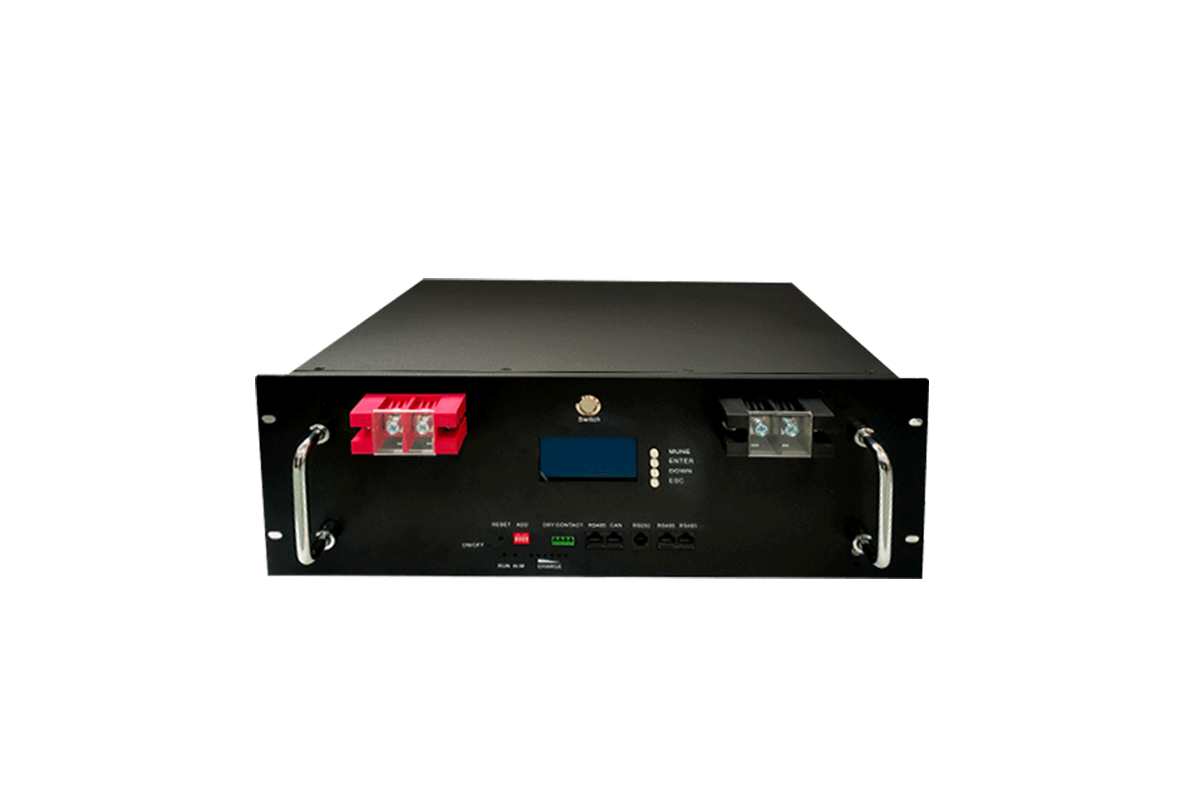
The Controller Area Network (CAN) communication protocol has revolutionized the management and operation of energy storage lithium - ion battery packs, offering enhanced functionality, reliability, and efficiency. CAN is a robust serial communication protocol designed to allow multiple devices, such as battery cells, sensors, and control units, to communicate with each other within a battery pack in a fast, reliable, and interference - resistant manner.
One of the key advantages of using the CAN communication protocol in energy storage battery packs is its ability to enable accurate and real - time monitoring of battery parameters. Each battery cell or module in a pack can be equipped with sensors that measure parameters such as voltage, temperature, and state of charge. These sensors communicate with the battery management system (BMS) via the CAN protocol, providing detailed information about the health and performance of individual cells. The BMS can then use this data to optimize the charging and discharging processes, balance the cells, and prevent overcharging or over - discharging, which can significantly extend the lifespan of the battery pack.
The CAN protocol also facilitates seamless integration of energy storage battery packs with other components in an energy system. For example, in a solar - energy storage system, the battery pack can communicate with the solar inverter, charge controller, and grid - connection equipment using the CAN protocol. This allows for coordinated operation, where the battery can store excess solar energy when available and supply it to the load or the grid as needed. The protocol enables efficient power management, ensuring that the energy system operates at peak efficiency and meets the changing power demands.
Another benefit is the enhanced fault detection and diagnosis capabilities. In the event of a malfunction, such as a cell failure or a communication error, the CAN - based BMS can quickly identify the problem and isolate the affected component. This reduces the risk of cascading failures and allows for targeted maintenance, minimizing downtime and repair costs. Additionally, the CAN protocol supports remote monitoring and control, enabling operators to access the battery pack's status and perform diagnostic tests from a central location. This is particularly useful for large - scale energy storage installations, where manual inspection of each battery pack is impractical.
Furthermore, the CAN communication protocol is highly scalable, making it suitable for battery packs of various sizes, from small residential units to large - scale grid - connected systems. It can handle a large number of nodes (devices) within the network, ensuring that as the battery pack expands or additional components are added, the communication remains stable and reliable. With its advanced features and capabilities, the CAN communication protocol is playing an increasingly important role in the development of intelligent, efficient, and reliable energy storage lithium - ion battery packs, driving the evolution of the energy storage industry.




 59911926@qq.com/sales@goldenfuturehk.com
 13316809242 / 15816897019
 Inquiry
 Home >