






Time:2025-12-30 Views:1
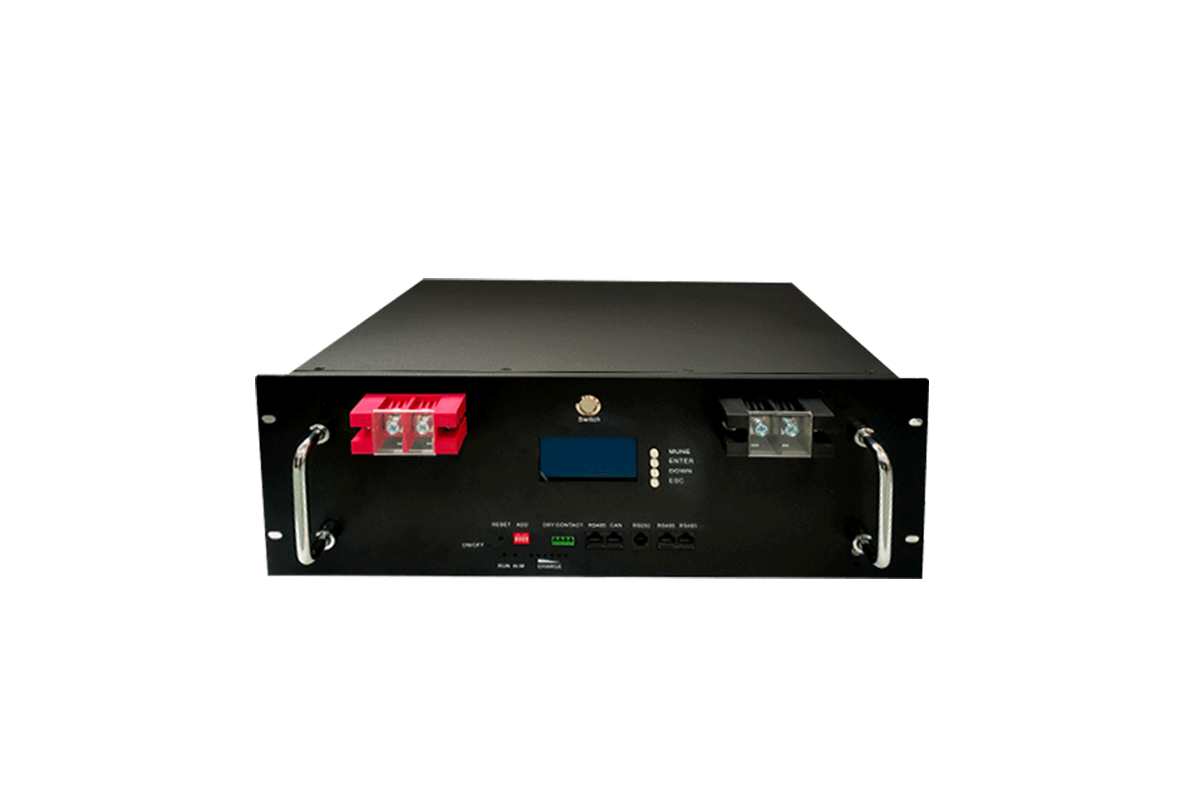
Energy storage lithium - ion batteries equipped with a built - in Energy Management System (EMS) interface offer enhanced functionality and integration capabilities, revolutionizing the way these batteries are managed and utilized within energy systems. The EMS interface acts as a communication gateway, enabling seamless interaction between the battery system and other components of the energy infrastructure, such as power generation sources, the electrical grid, and end - user loads.
One of the key advantages of having a built - in EMS interface is the ability to achieve intelligent energy management. The EMS can monitor real - time data from various sources, including the battery's state of charge, power generation levels from renewable sources (such as solar panels or wind turbines), and the electricity consumption patterns of connected loads. Based on this information, it can optimize the charging and discharging operations of the lithium - ion battery. For example, during periods of high solar energy generation and low electricity demand, the EMS can direct the excess solar power to charge the battery at an optimal rate, ensuring maximum energy utilization. Conversely, during peak demand hours or when renewable sources are not available, the EMS can manage the battery's discharge to meet the load requirements efficiently.
The EMS interface also enables seamless grid integration. It can communicate with the grid - side control systems, allowing the energy storage lithium - ion battery to participate in grid - support services. These services may include frequency regulation, voltage control, and peak - shaving. By adjusting the battery's power output in response to grid signals received through the EMS interface, the battery can help stabilize the electrical grid, improve power quality, and reduce the overall stress on the grid infrastructure. This is particularly important as the share of intermittent renewable energy sources in the grid continues to increase.
Furthermore, the built - in EMS interface enhances the monitoring and control capabilities of the battery system. Operators can remotely access and manage the battery through a centralized control platform connected via the EMS interface. They can view detailed performance data, such as battery health status, energy throughput, and efficiency metrics. In case of any anomalies or faults, the EMS can send real - time alerts to the operators, enabling them to take prompt corrective actions. This remote monitoring and control functionality not only improves the operational efficiency of the battery system but also reduces the need for on - site manual inspections, resulting in cost savings and increased system reliability. Overall, energy storage lithium - ion batteries with a built - in EMS interface offer a more intelligent, efficient, and integrated approach to energy storage, playing a crucial role in the development of modern, sustainable energy systems.




 59911926@qq.com/sales@goldenfuturehk.com
 13316809242 / 15816897019
 Inquiry
 Home >