





Time:2026-03-03 Views:1
As cities around the world embrace the concept of smart cities, focusing on efficiency, sustainability, and resilience, energy storage lead-acid batteries have emerged as a valuable component in smart city power supply systems, supporting the integration of renewable energy, improving grid stability, and ensuring reliable power for critical infrastructure. Smart cities rely on a complex network of technologies, including smart grids, IoT devices, and renewable energy sources, all of which require a stable and flexible power supply. Lead-acid batteries, with their proven performance, cost-effectiveness, and ability to handle high discharge rates, are well-suited to meet these demands, contributing to the overall efficiency and sustainability of smart city operations.
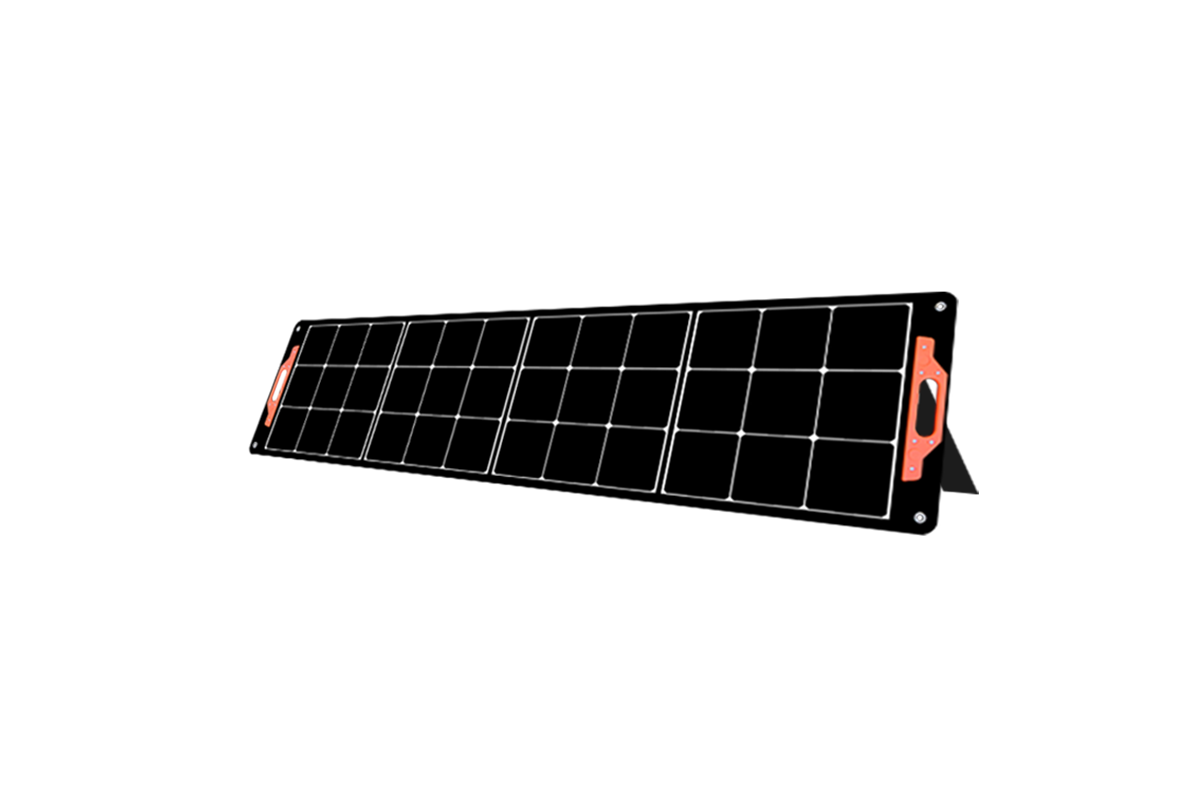
One of the primary applications of lead-acid batteries in smart city power supply is in the integration of renewable energy sources, such as solar panels and wind turbines, into the smart grid. Renewable energy generation is often intermittent, with output varying depending on weather conditions and time of day. Lead-acid batteries store excess energy generated during periods of high production and release it when production is low, helping to balance the grid and ensure a consistent power supply. For example, a smart city with a large-scale solar installation on public buildings can use lead-acid batteries to store solar energy during the day, then use that energy to power streetlights, traffic signals, and public transportation systems at night. This not only reduces the city’s reliance on fossil fuels but also lowers electricity costs and reduces carbon emissions.
Grid stability and resilience are also enhanced by the use of lead-acid batteries in smart city power supply systems. Smart grids are designed to be more flexible and responsive than traditional grids, but they still face challenges such as voltage fluctuations, power outages, and peak demand spikes. Lead-acid batteries act as a buffer, providing instant power during voltage sags or outages to critical infrastructure, such as hospitals, emergency services, and data centers. For instance, in the event of a grid failure, a lead-acid battery backup system can immediately supply power to a city’s emergency response center, ensuring that communication lines remain open and emergency services can continue to operate. Additionally, during periods of peak demand, lead-acid batteries can discharge stored energy to reduce the load on the grid, preventing blackouts and improving overall grid efficiency.
Cost-effectiveness and scalability are other key advantages of lead-acid batteries in smart city applications. Smart city projects often require large-scale energy storage solutions, and the lower upfront cost of lead-acid batteries compared to other technologies makes them an economical choice for cities operating on tight budgets. Furthermore, lead-acid batteries can be easily scaled up or down to meet the changing needs of a smart city. As the city grows and adds more renewable energy sources or critical infrastructure, additional lead-acid batteries can be integrated into the existing system without significant modifications. This scalability ensures that the power supply system can adapt to the evolving needs of the smart city, supporting long-term growth and sustainability.
In addition to their functional benefits, lead-acid batteries also contribute to the environmental goals of smart cities. They are highly recyclable, with a recycling rate of over 95%, making them a sustainable choice that aligns with the circular economy principles of smart city planning. By using lead-acid batteries, cities can reduce the amount of waste generated from energy storage systems and minimize their environmental impact. Whether it is supporting renewable energy integration, enhancing grid stability, or ensuring reliable power for critical infrastructure, energy storage lead-acid batteries are playing a crucial role in building smarter, more sustainable, and resilient cities.




 59911926@qq.com/sales@goldenfuturehk.com
 13316809242 / 15816897019
 Inquiry
 Home >