





Time:2026-03-03 Views:1
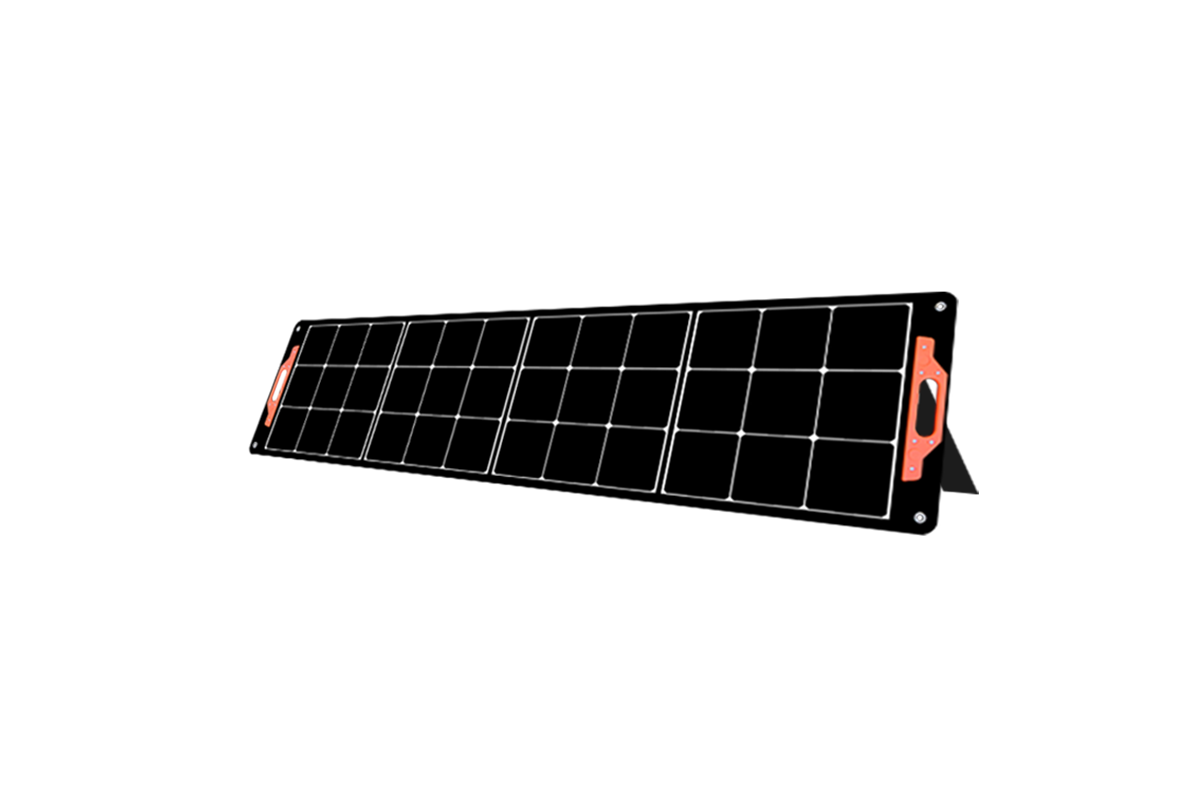
In rural areas where access to reliable grid electricity is often limited or inconsistent, energy storage lead-acid batteries have become a game-changing solution, providing a stable and affordable source of power for households, small businesses, and community facilities. Rural regions frequently face challenges such as frequent power outages, low voltage supply, and high electricity costs, making it difficult for residents to meet their basic energy needs, such as lighting, cooking, and powering essential appliances. Lead-acid batteries, when combined with renewable energy sources like solar panels or small wind turbines, offer an off-grid or hybrid energy solution that addresses these issues, improving the quality of life and supporting economic development in rural communities.
One of the key advantages of lead-acid batteries for rural electricity storage is their ability to operate in harsh environmental conditions. Rural areas often experience extreme temperatures, from hot summers to cold winters, and dusty or humid climates. Lead-acid batteries are designed to withstand these conditions, with robust construction that resists damage from temperature fluctuations and environmental debris. For example, in a rural village in a tropical region, a solar-powered system with lead-acid batteries can operate efficiently even in high temperatures, storing solar energy during the day to power homes and community centers at night. Similarly, in colder rural areas, lead-acid batteries can maintain their performance with proper insulation, ensuring that residents have access to power even during freezing weather.
Cost-effectiveness is another critical factor that makes lead-acid batteries ideal for rural electricity storage. Rural communities often have limited financial resources, and the high upfront cost of some energy storage technologies, such as lithium-ion batteries, can be a significant barrier to adoption. Lead-acid batteries, however, are more affordable, with a lower initial purchase price and minimal maintenance costs. This affordability allows rural households and communities to invest in energy storage systems without incurring excessive debt, making clean and reliable power accessible to those who need it most. Additionally, the simplicity of lead-acid battery technology means that local technicians can easily learn to install, maintain, and repair the batteries, reducing the need for expensive external expertise and ensuring that the systems remain operational over the long term.
Versatility is also a notable feature of lead-acid batteries in rural applications. They can be used in a variety of setups, from small household systems that power a few lights and a radio to larger community systems that provide electricity to multiple homes, schools, or healthcare clinics. For example, a rural health clinic can use a lead-acid battery storage system to power medical equipment, such as refrigerators for storing vaccines and diagnostic tools, ensuring that essential healthcare services are available even during power outages. Similarly, small rural businesses, such as agricultural processing facilities or local shops, can rely on lead-acid batteries to maintain operations, increasing productivity and supporting local economies. With their durability, affordability, and versatility, energy storage lead-acid batteries are playing a vital role in bridging the energy gap in rural areas, empowering communities and driving sustainable development.




 59911926@qq.com/sales@goldenfuturehk.com
 13316809242 / 15816897019
 Inquiry
 Home >