






Time:2025-12-03 Views:1
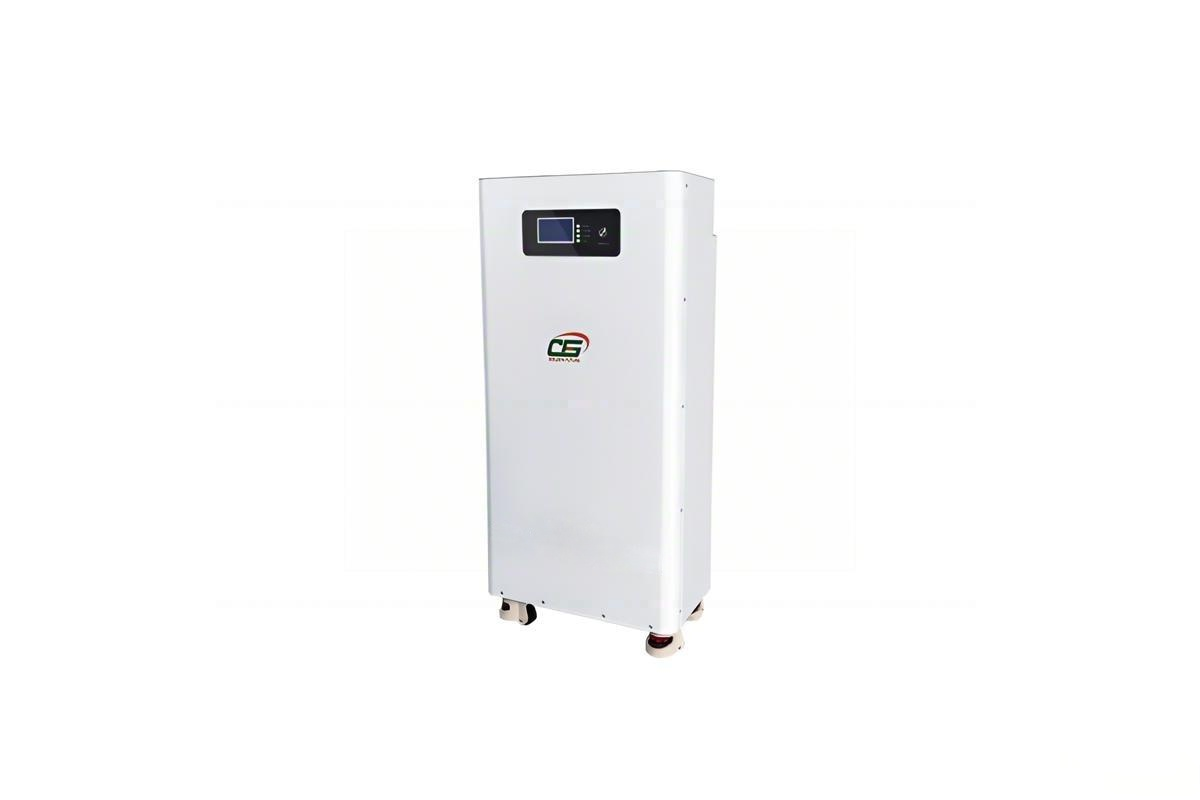
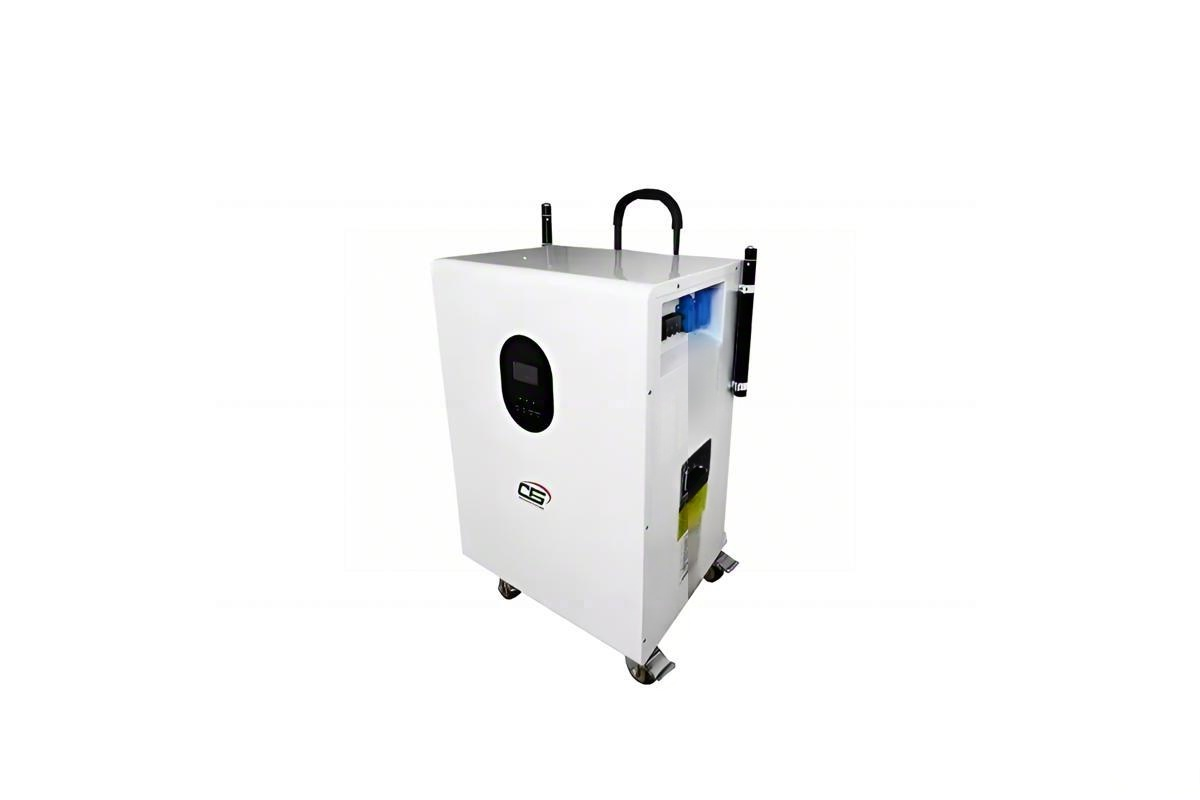
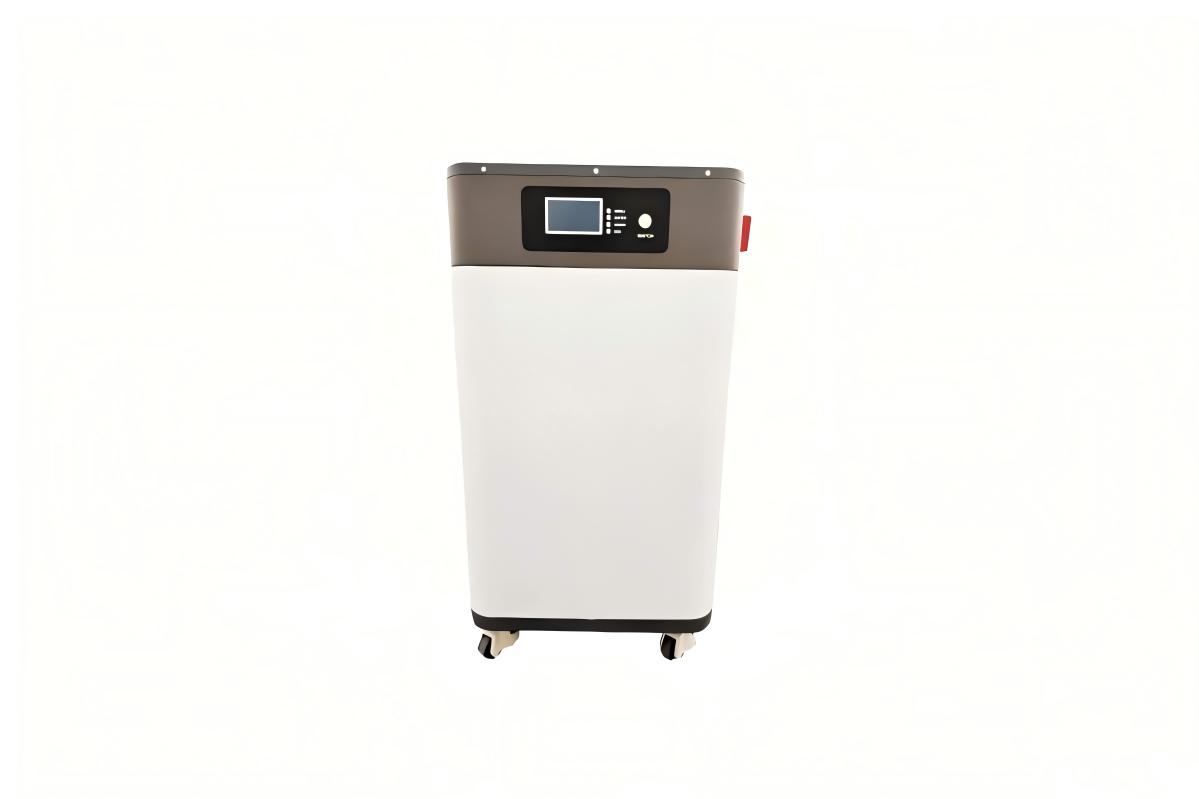
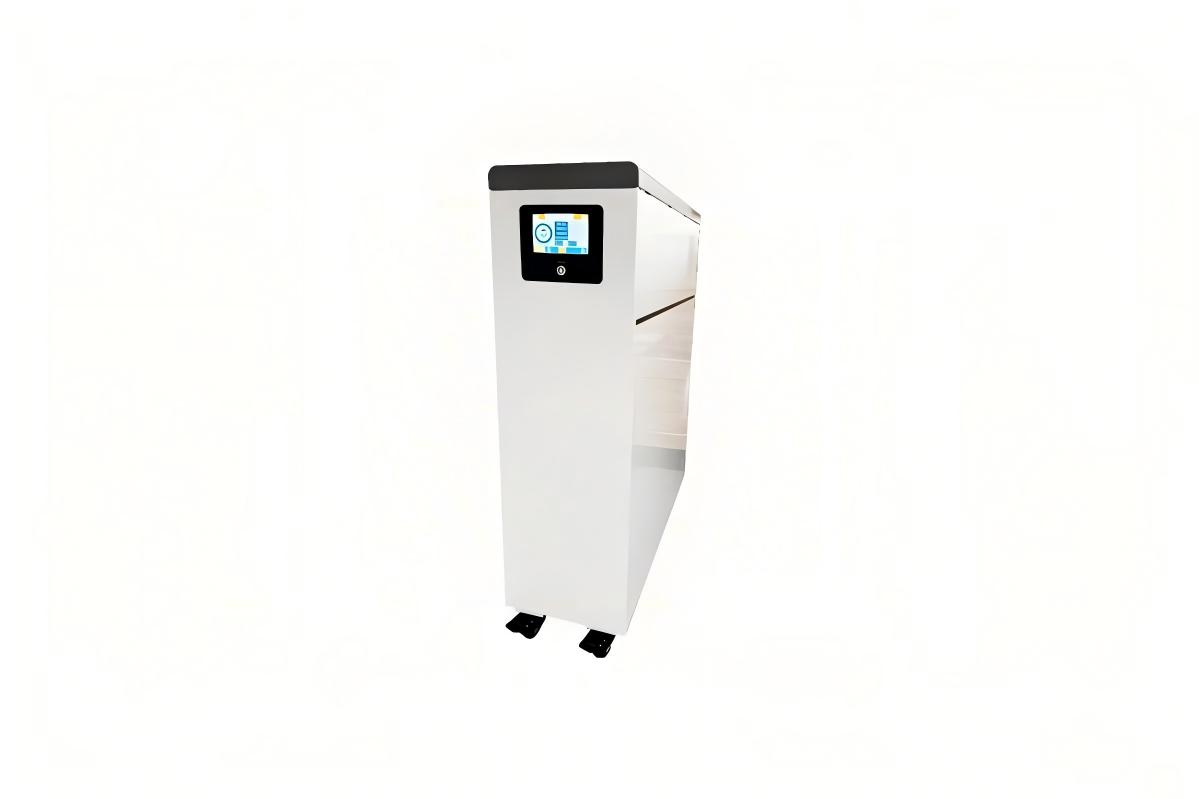
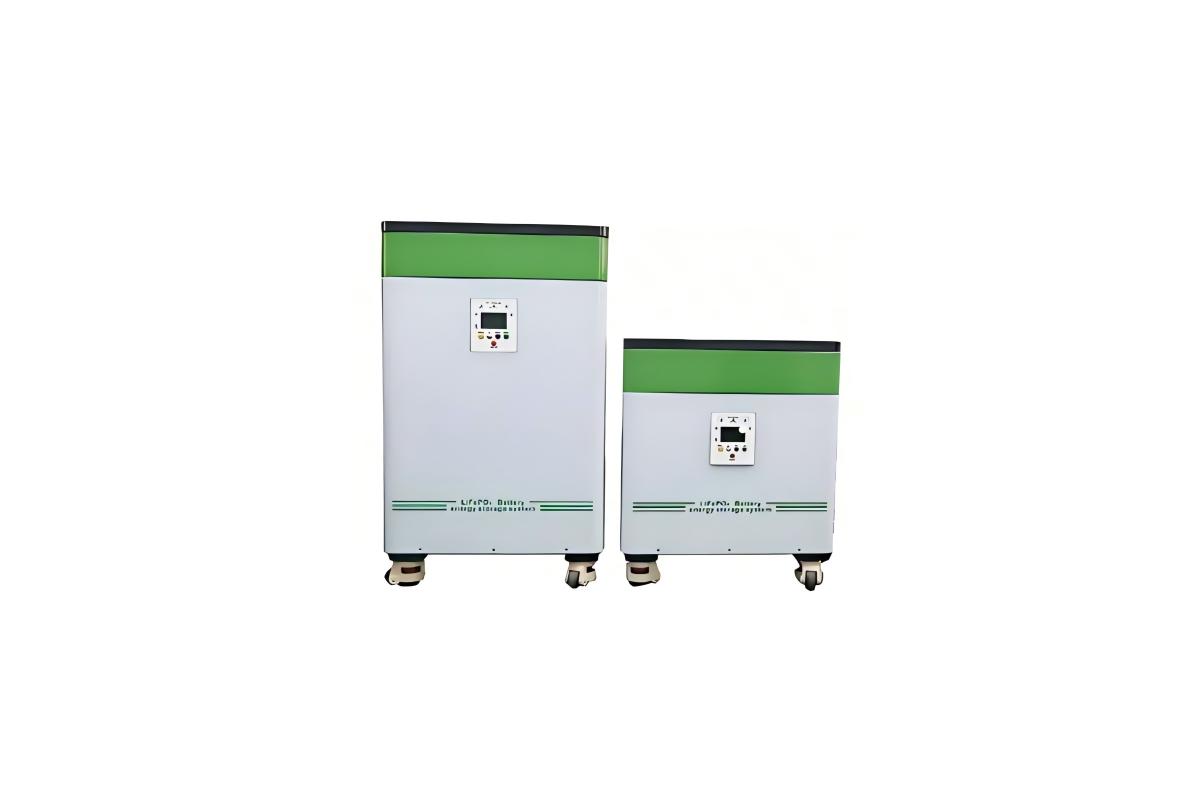
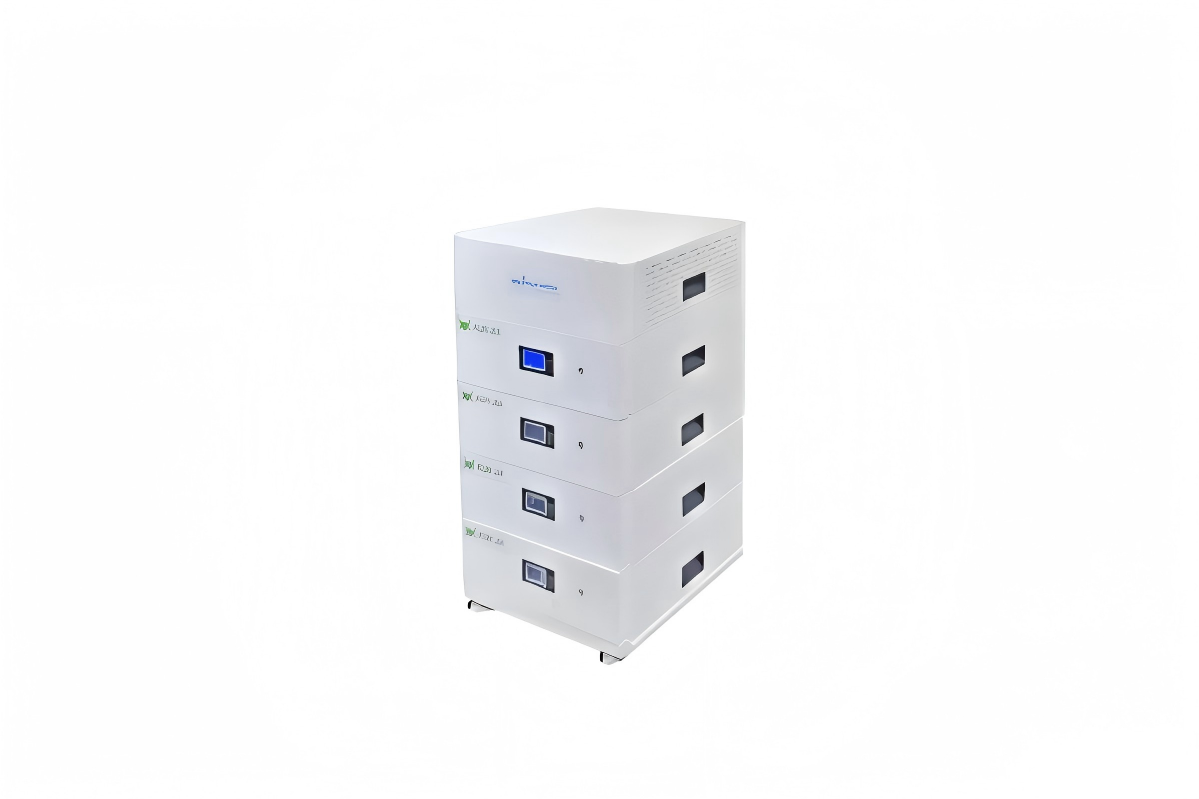
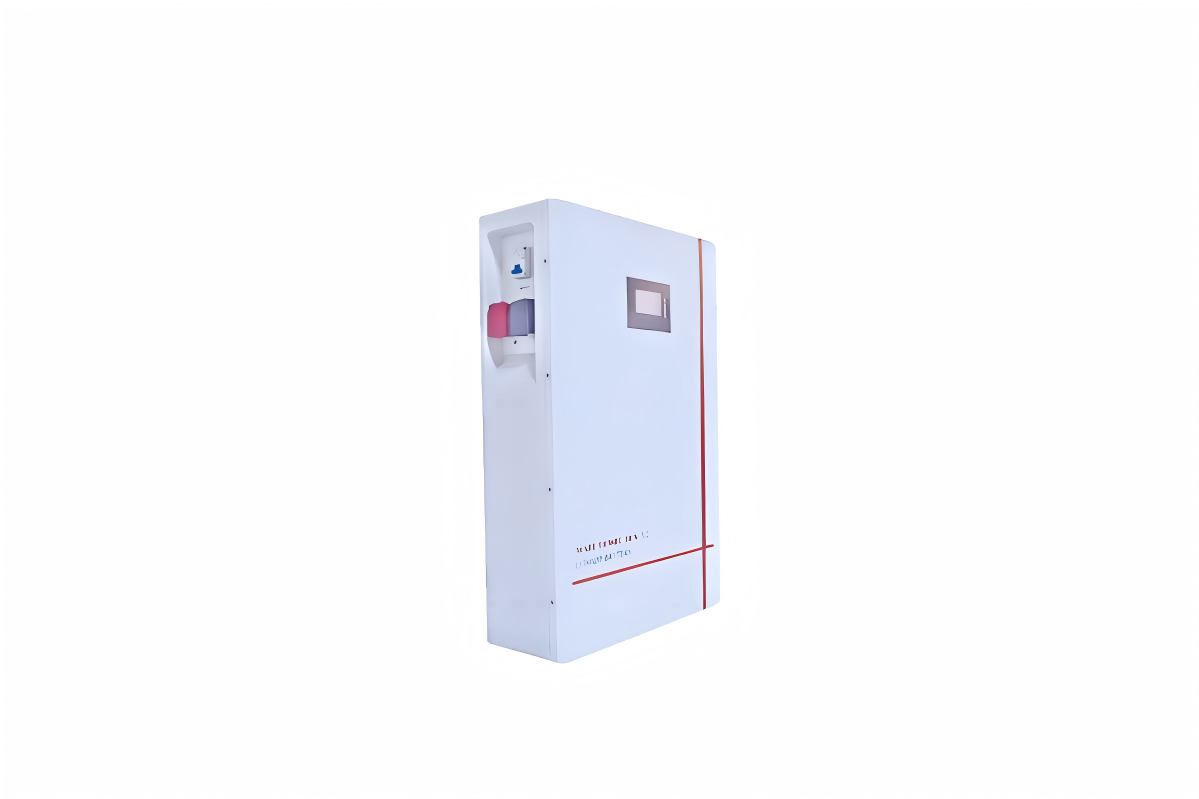
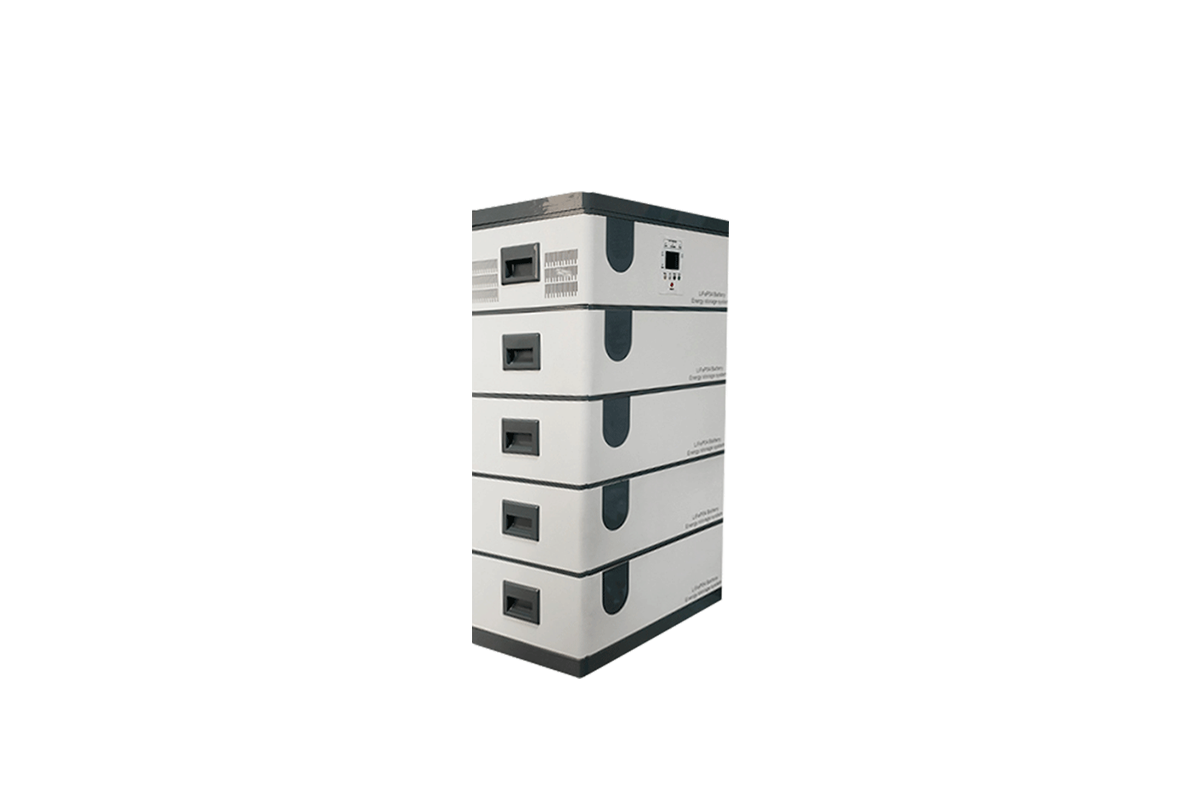
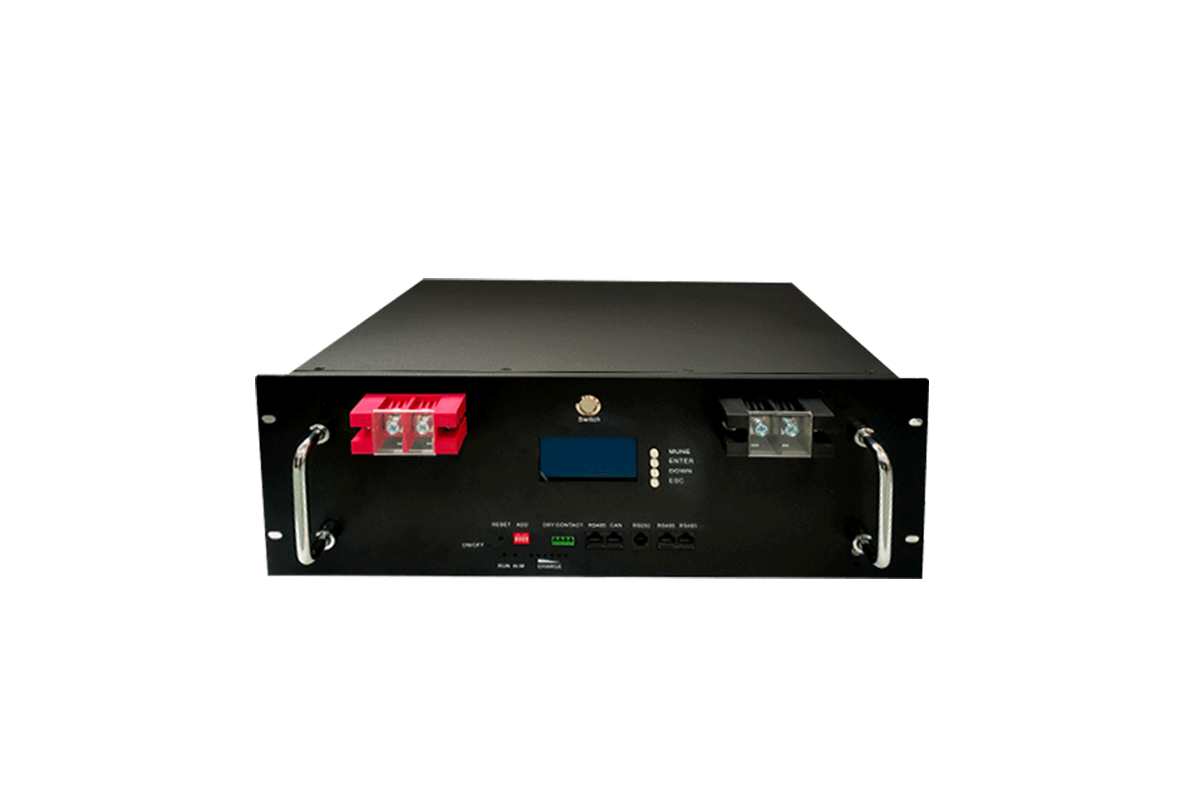
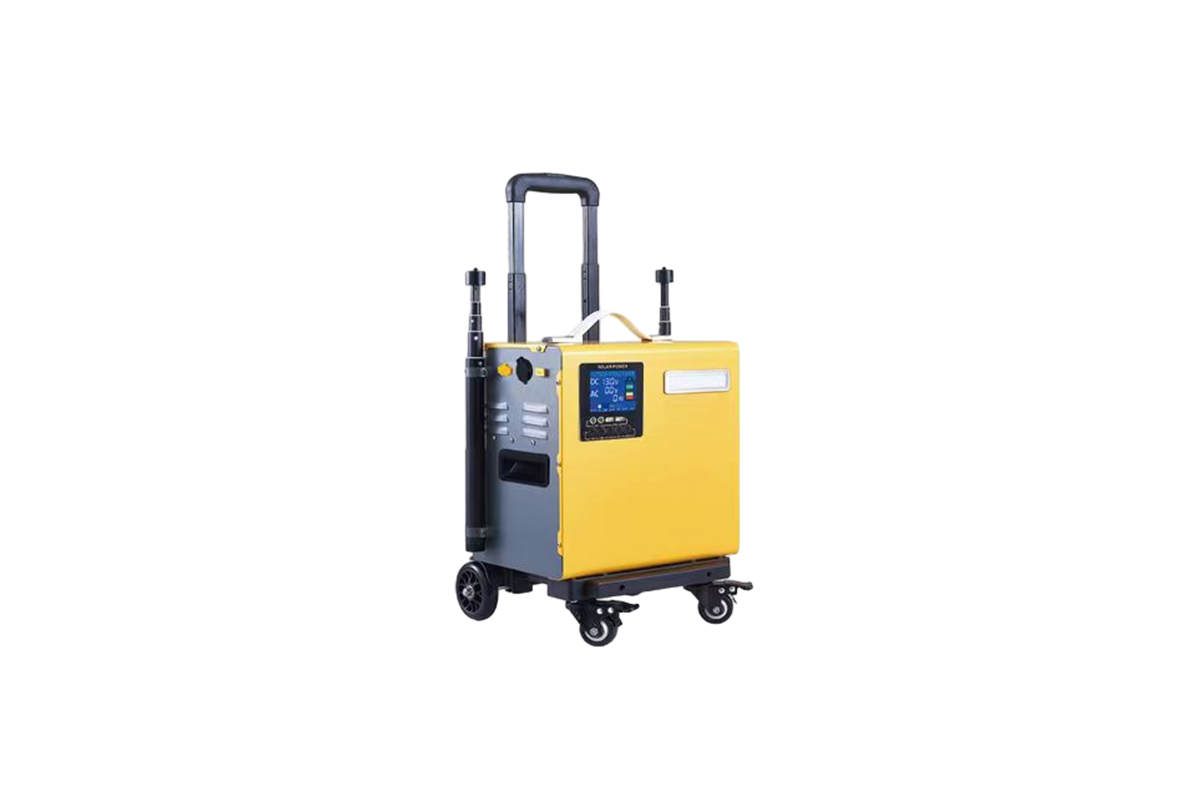
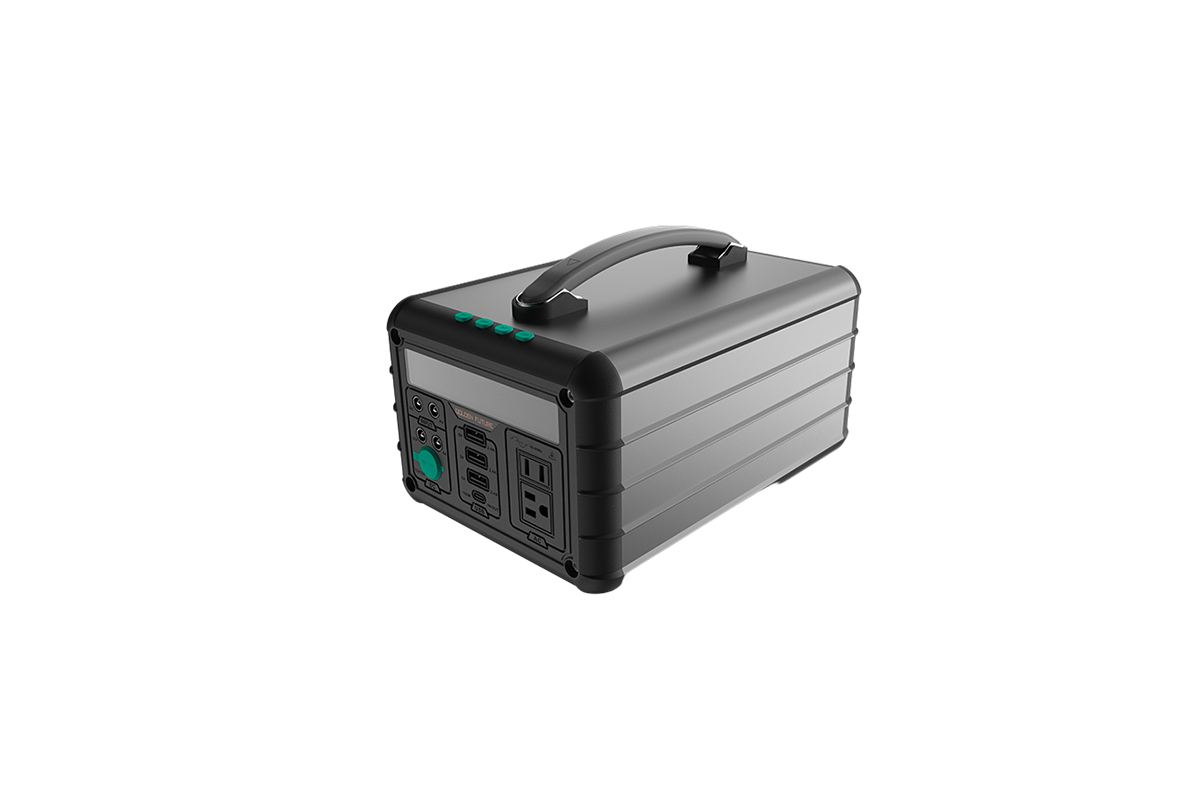
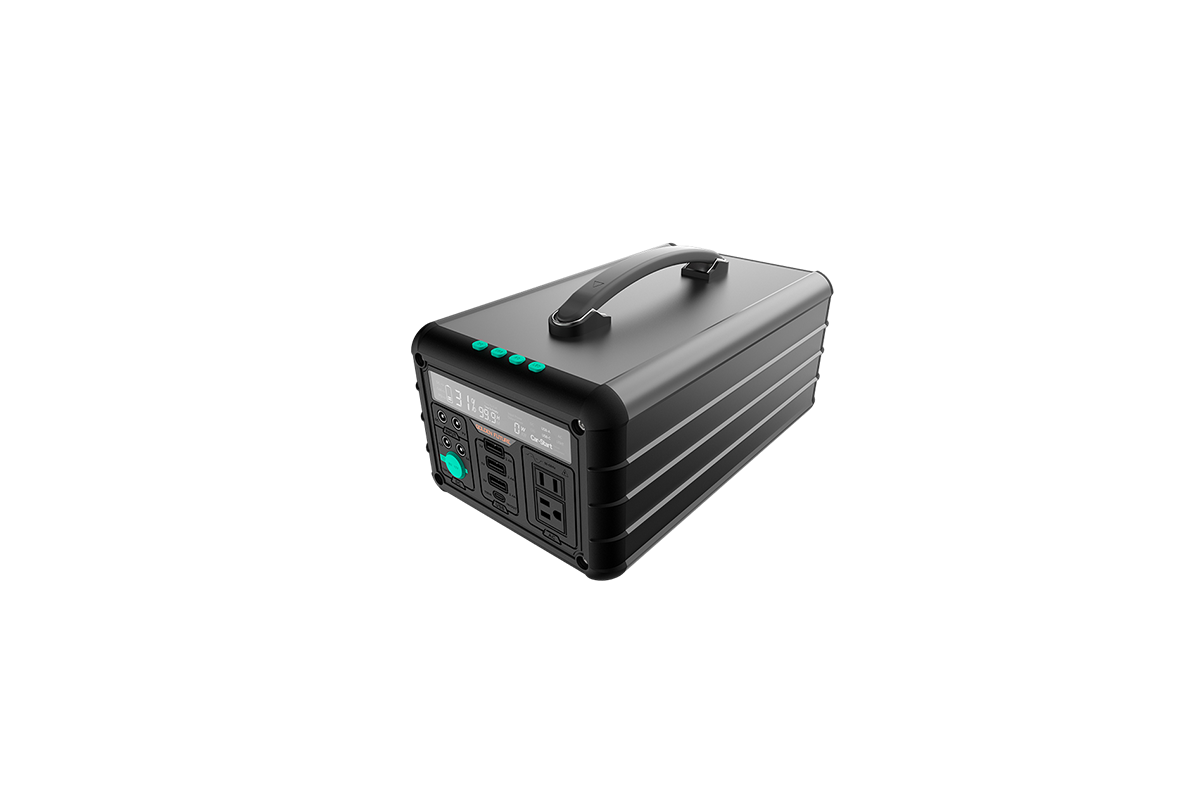
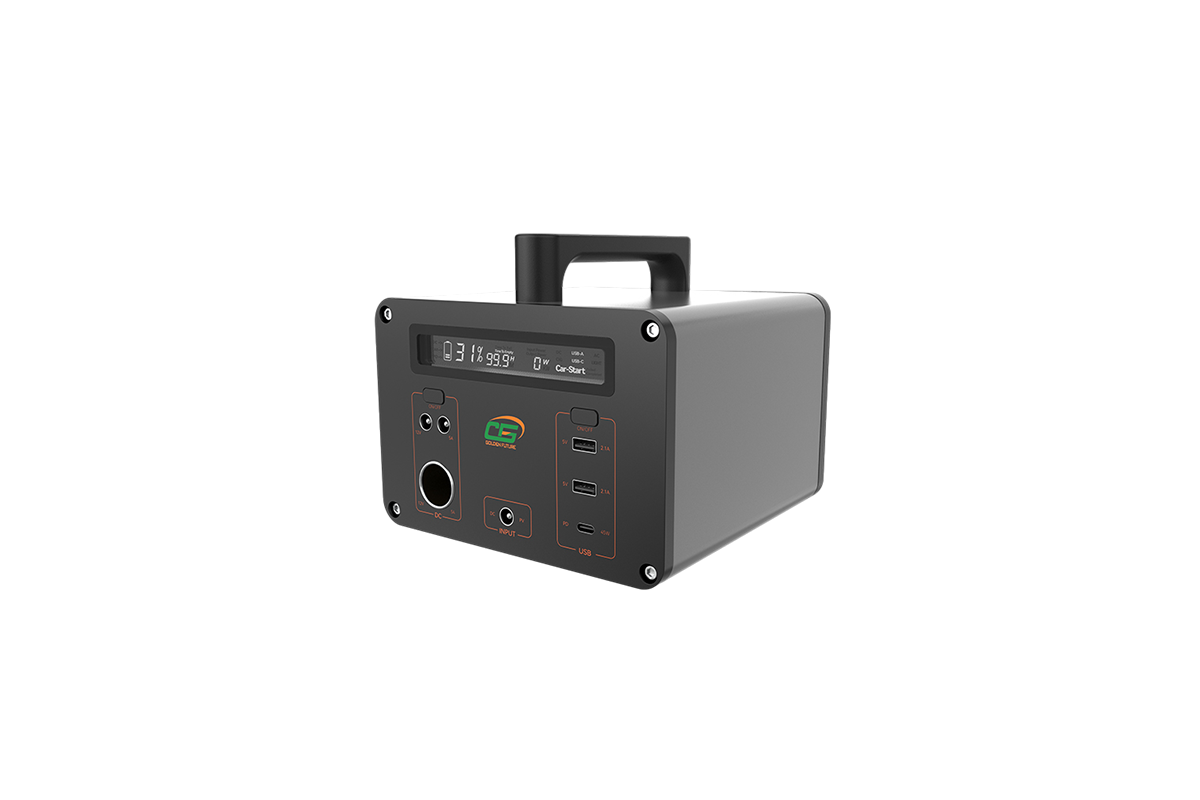
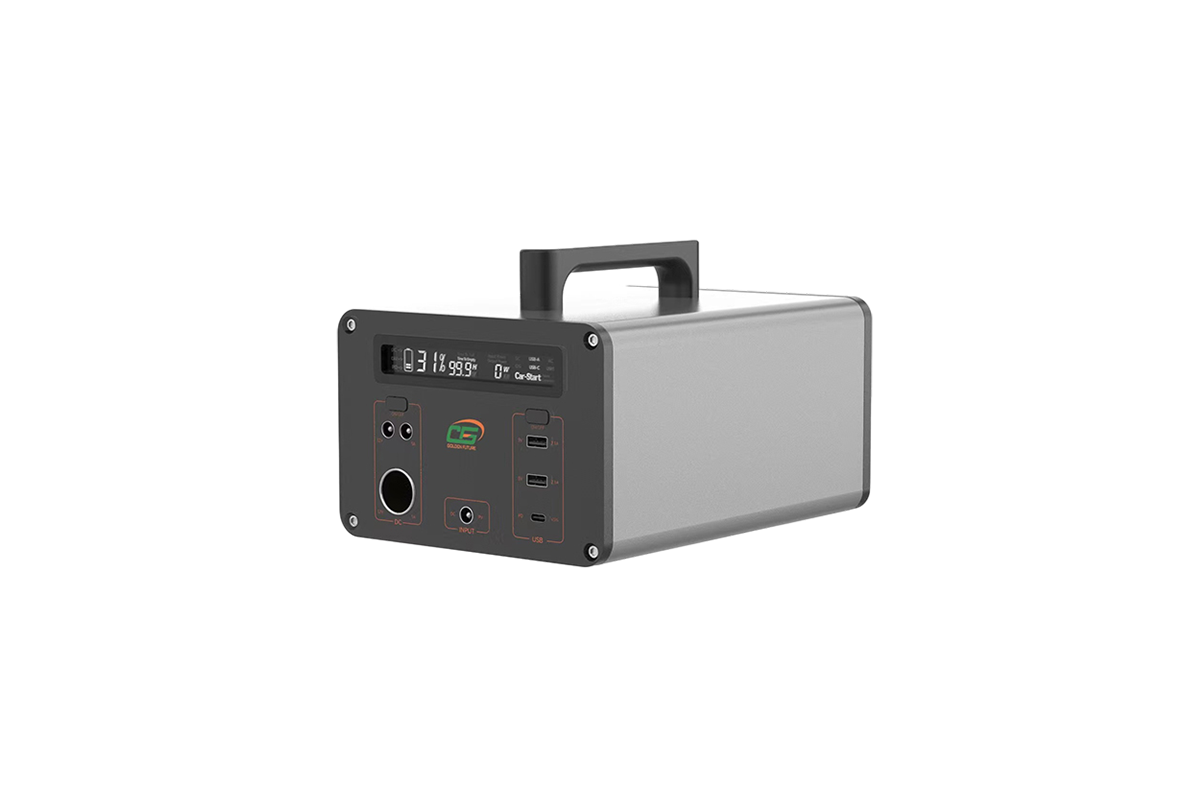
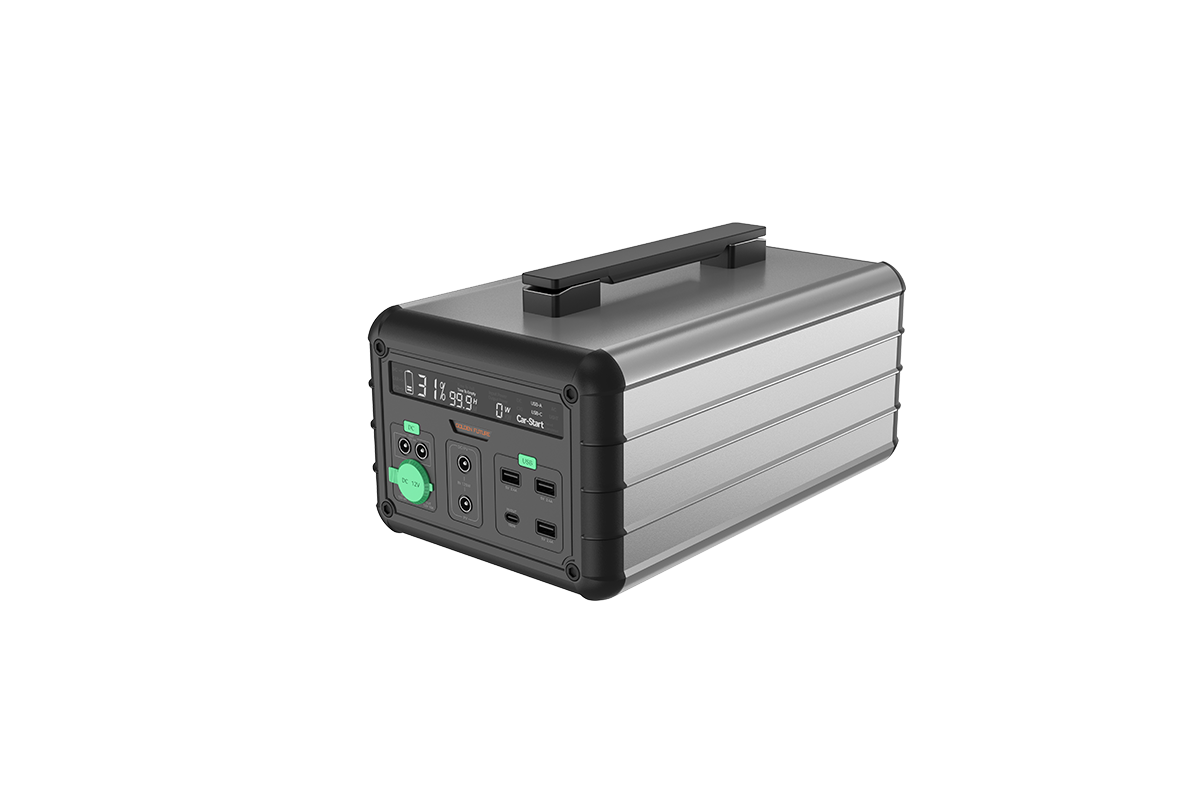
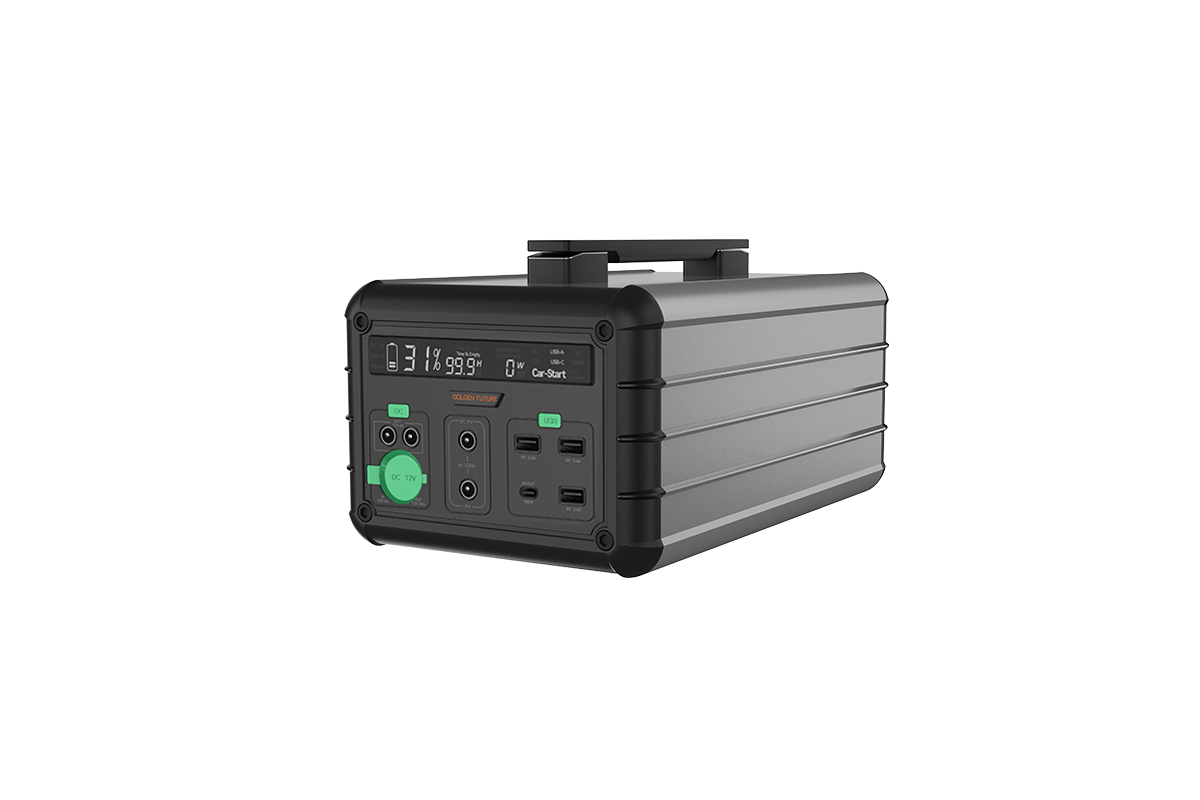
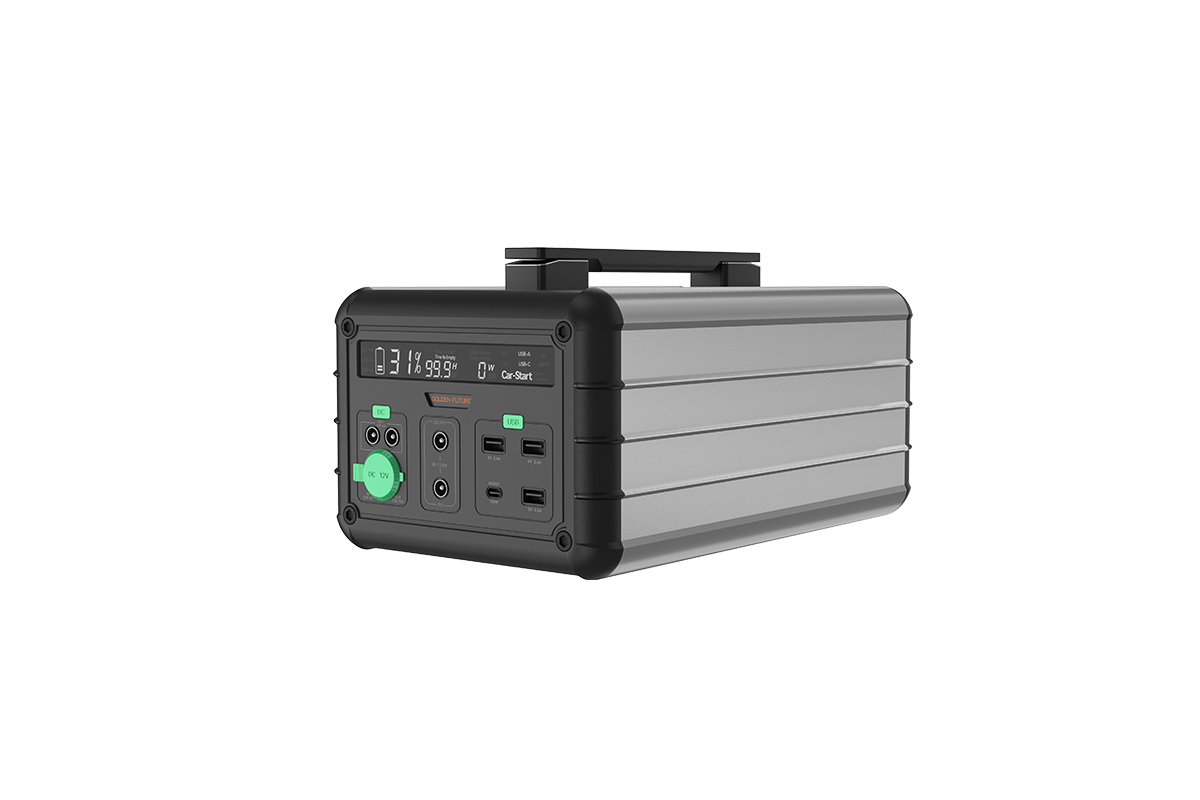
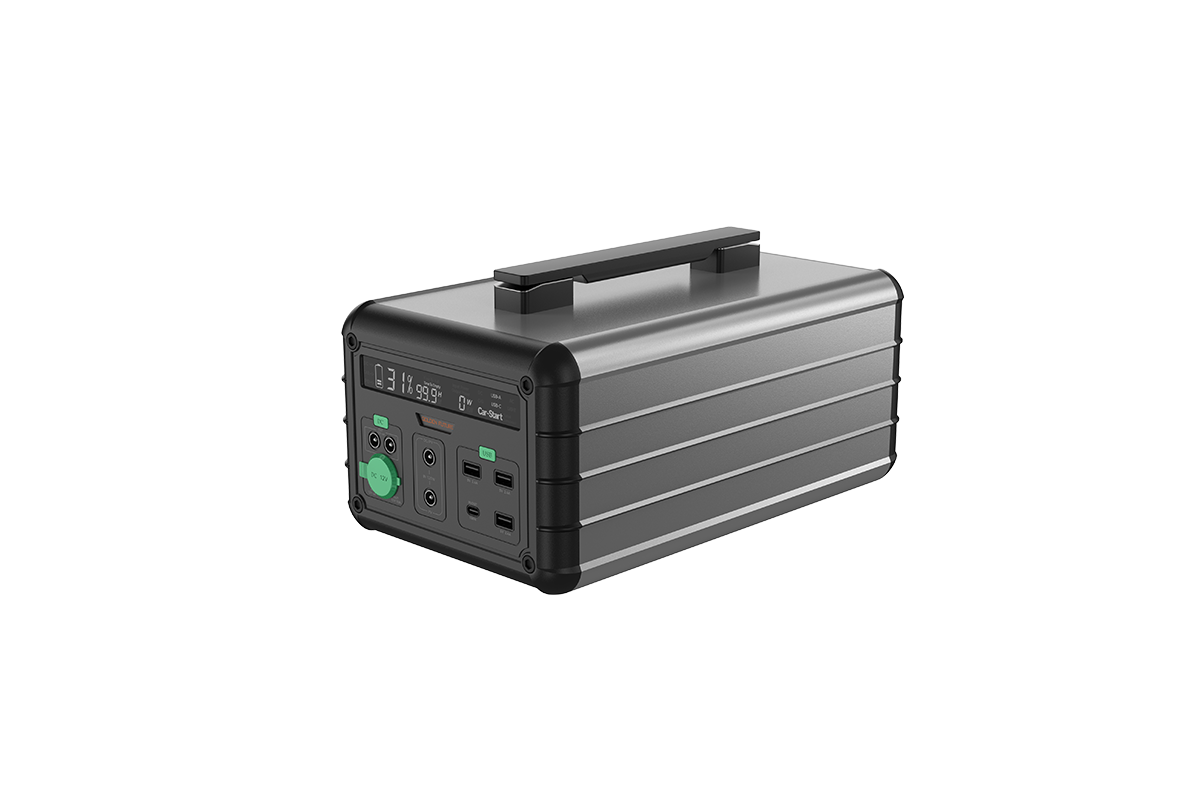
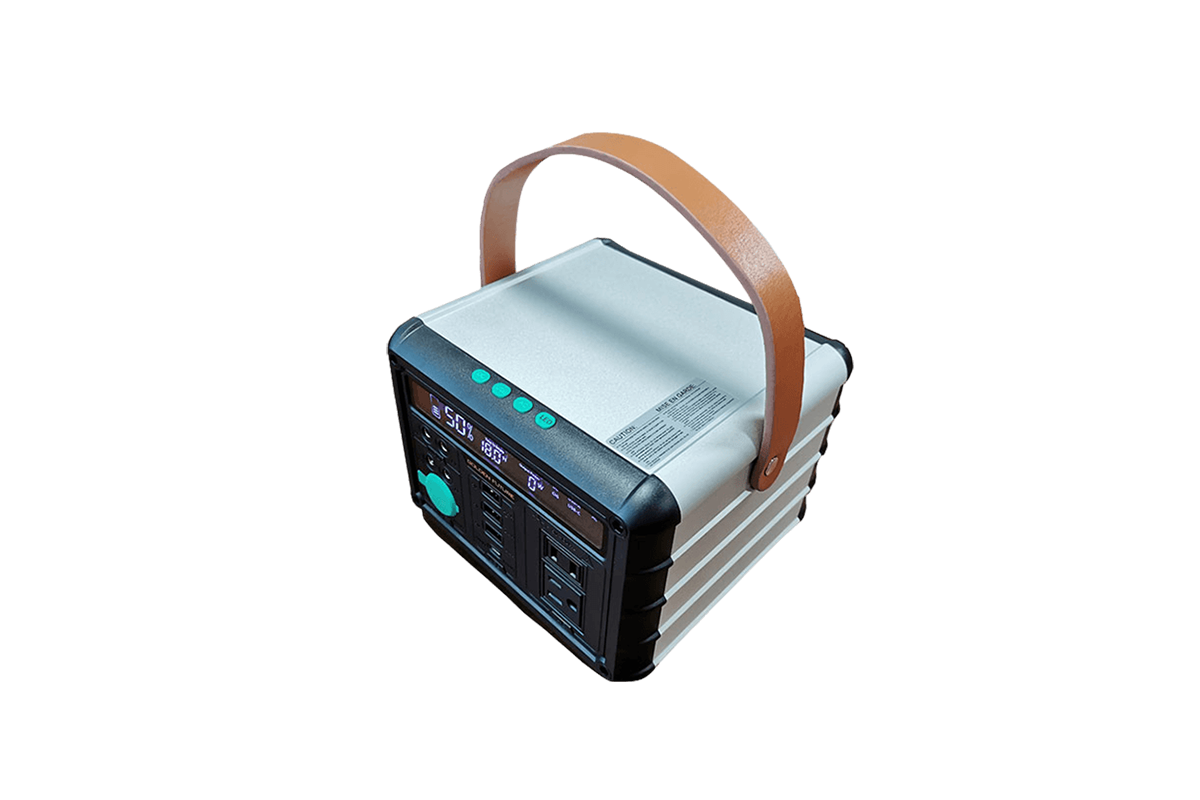
Emergency powered stations, also known as portable power stations, are specialized energy storage devices designed to provide critical electricity during power outages, natural disasters, or other emergency situations. Unlike small power banks, these stations offer significantly higher capacity, ranging from several hundred to several thousand watt-hours, enabling them to power essential equipment such as refrigerators, medical devices (like CPAP machines), communication tools, and lighting systems for extended periods. Their robust design often includes multiple output ports—USB, AC, and DC—to accommodate various devices, making them versatile assets for both residential and commercial use.
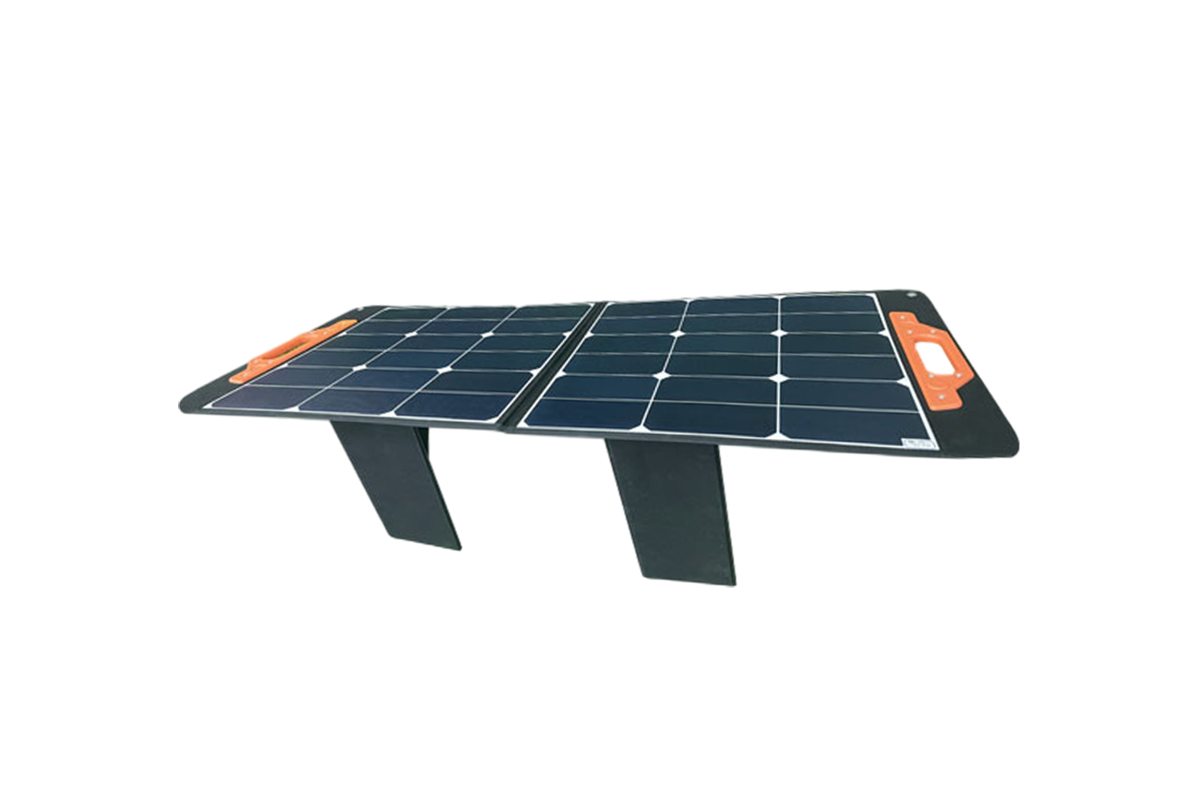
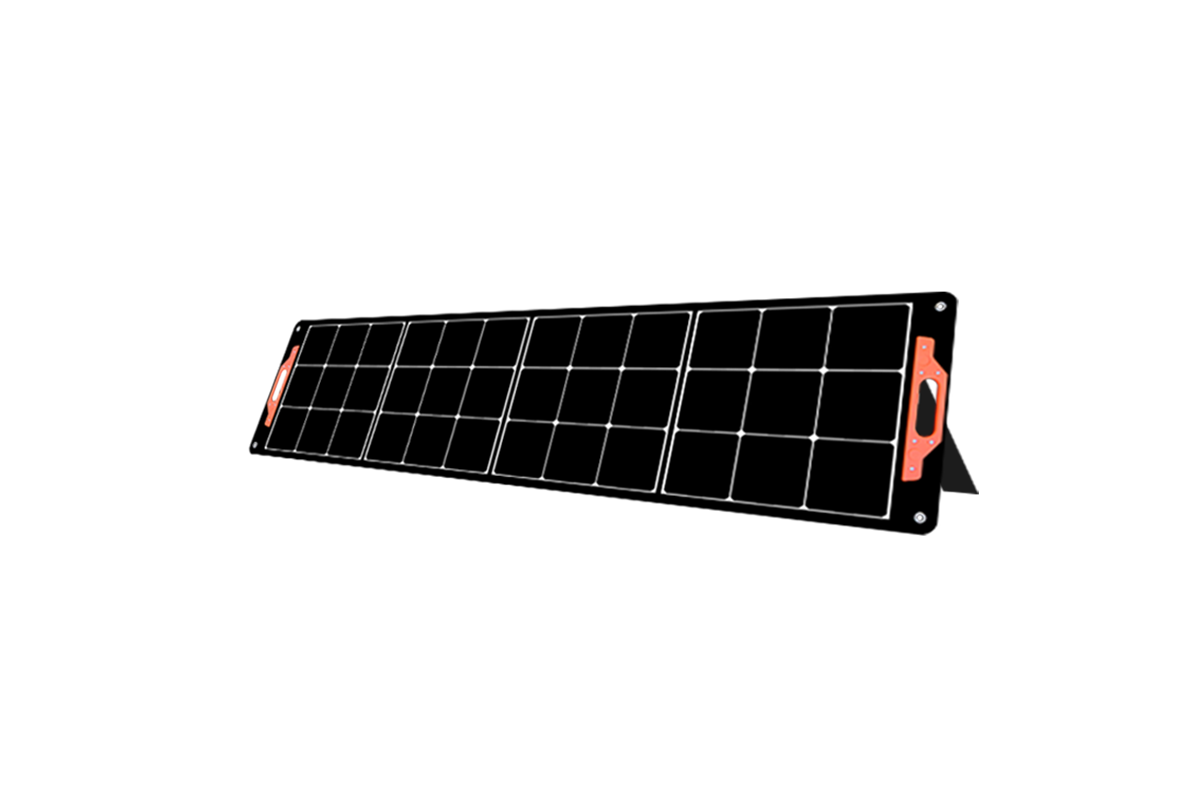
A key advantage of emergency powered stations is their quick deployment; they can be activated within seconds, providing immediate relief when the grid fails. Many modern models also integrate renewable energy compatibility, allowing them to be recharged via solar panels, which is crucial in situations where fuel supplies are limited or inaccessible. Additionally, advancements in battery management systems (BMS) have enhanced their safety, with features like overcharge, overheat, and short-circuit protection to prevent accidents. As climate change leads to more frequent and severe weather events, the role of emergency powered stations in disaster preparedness and response has become increasingly vital, making them a must-have for households, emergency services, and communities in high-risk areas.




 59911926@qq.com/sales@goldenfuturehk.com
 13316809242 / 15816897019
 Inquiry
 Home >