






Time:2025-12-08 Views:1
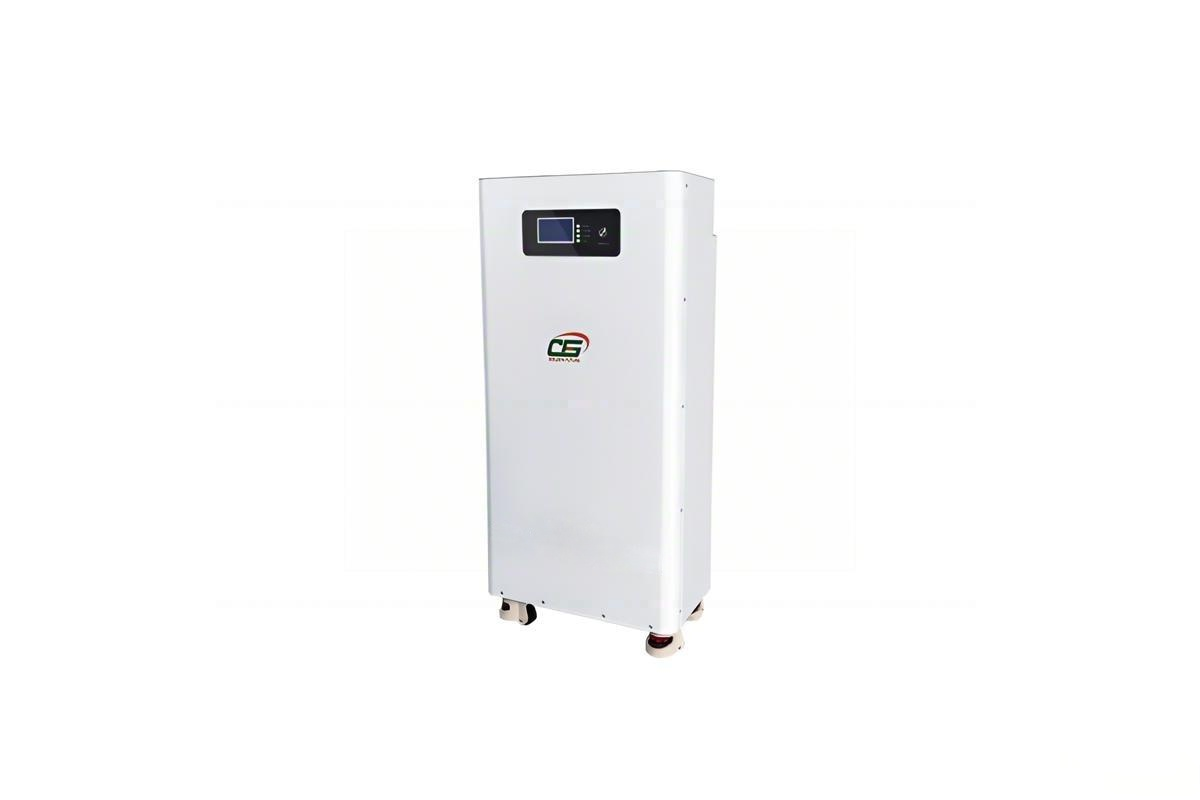
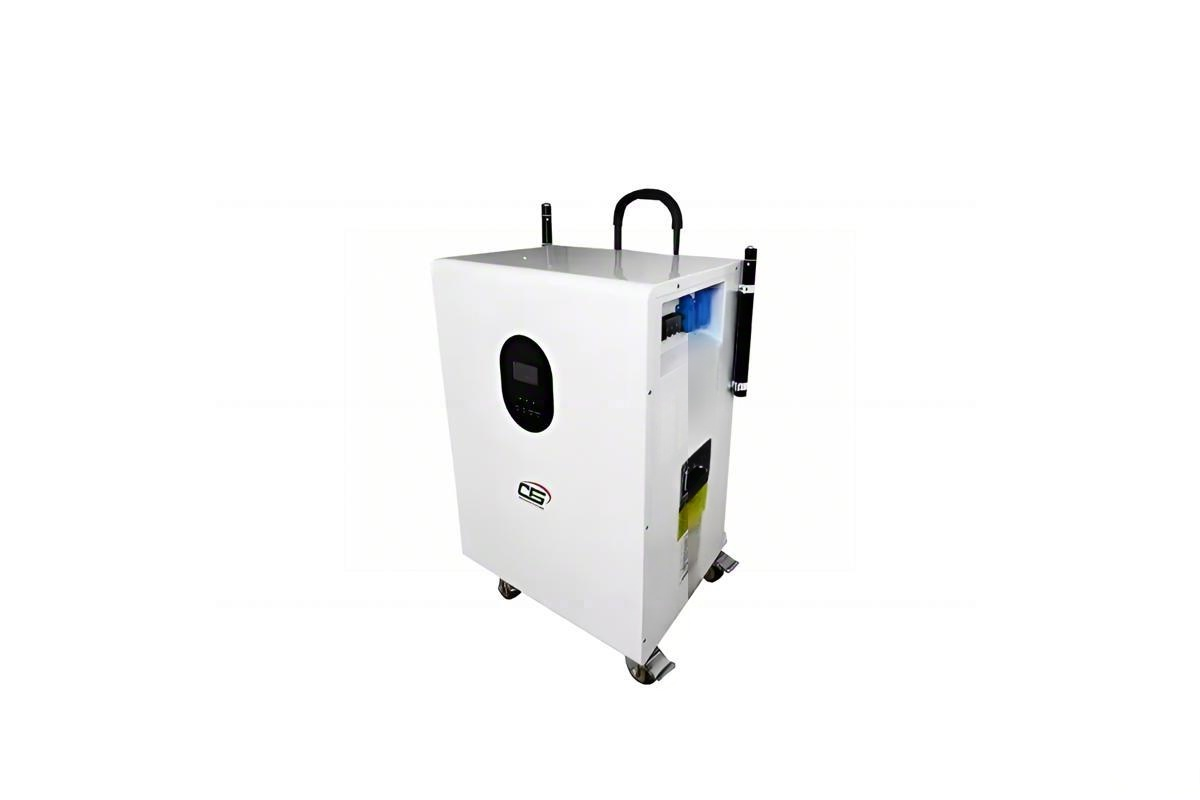
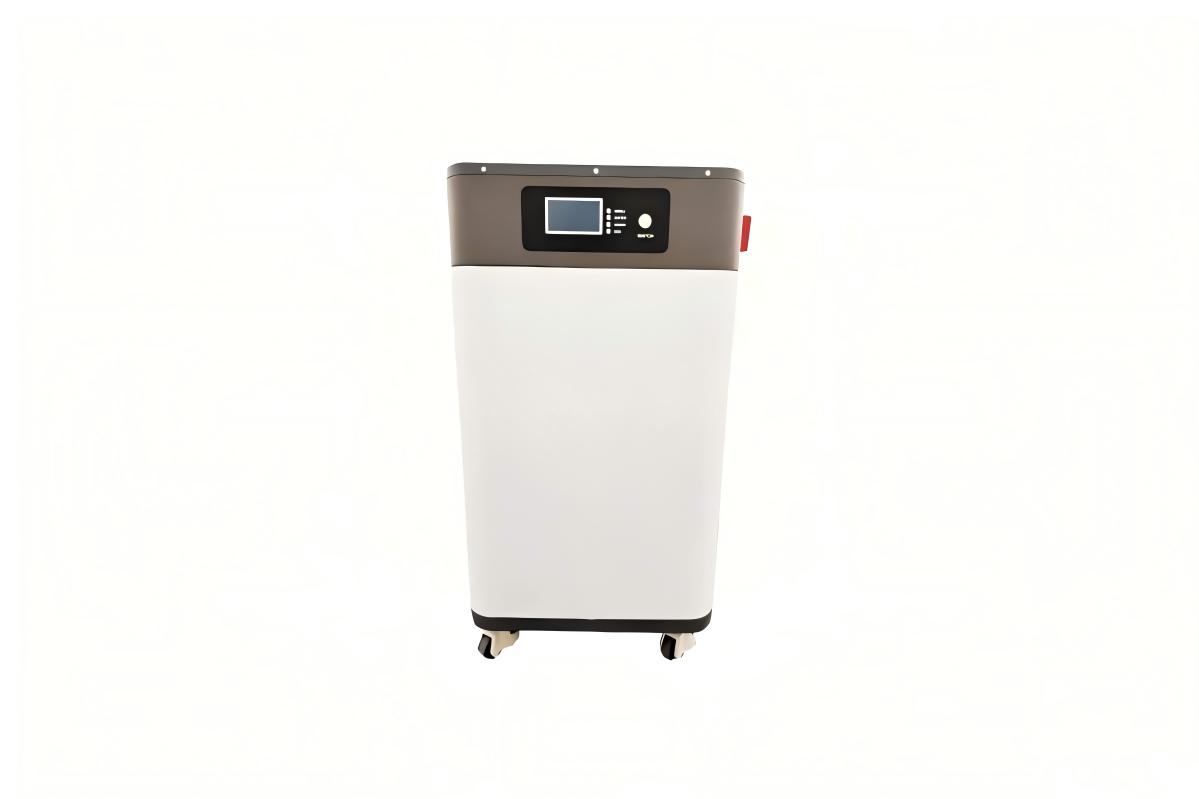
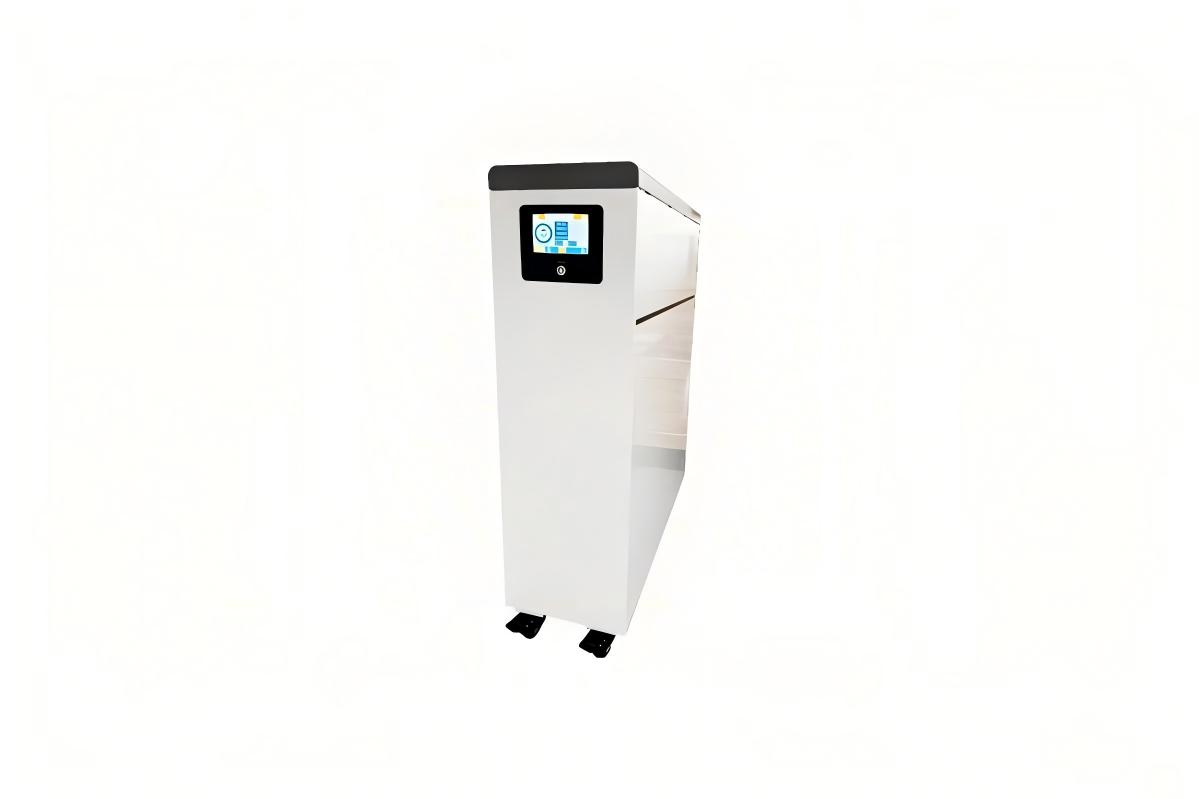
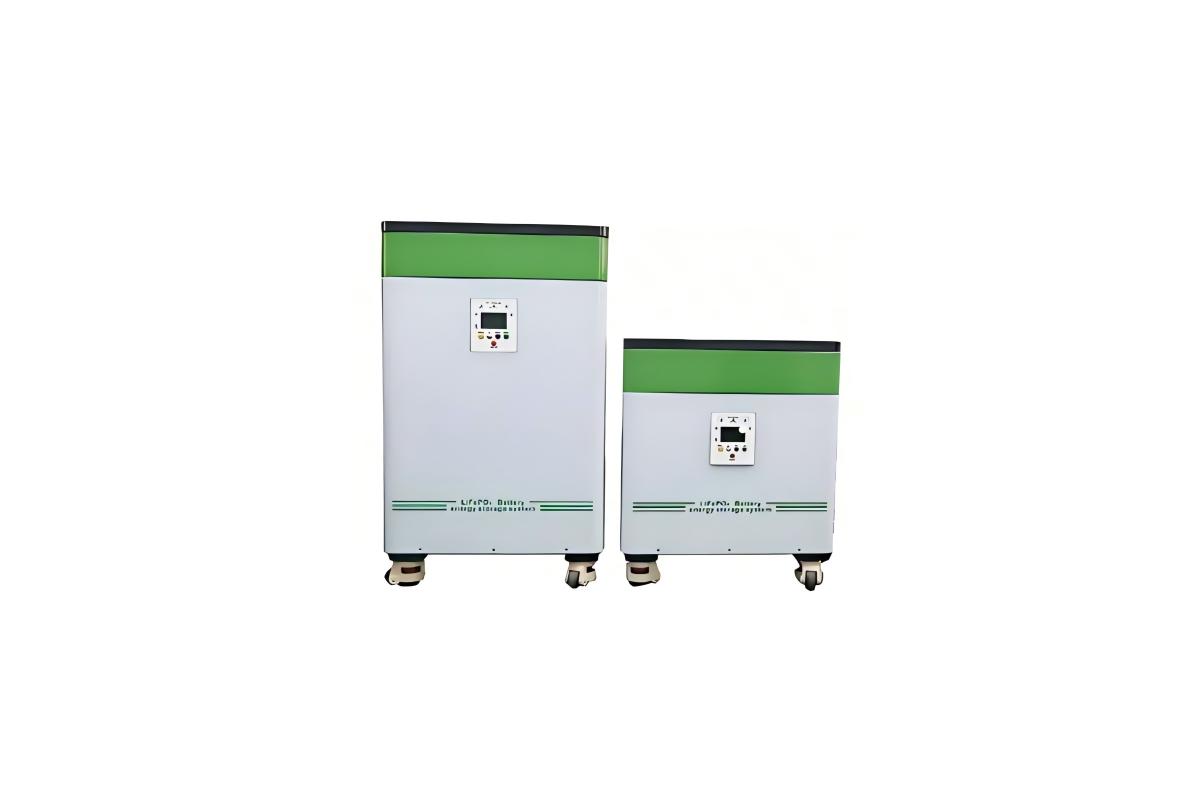
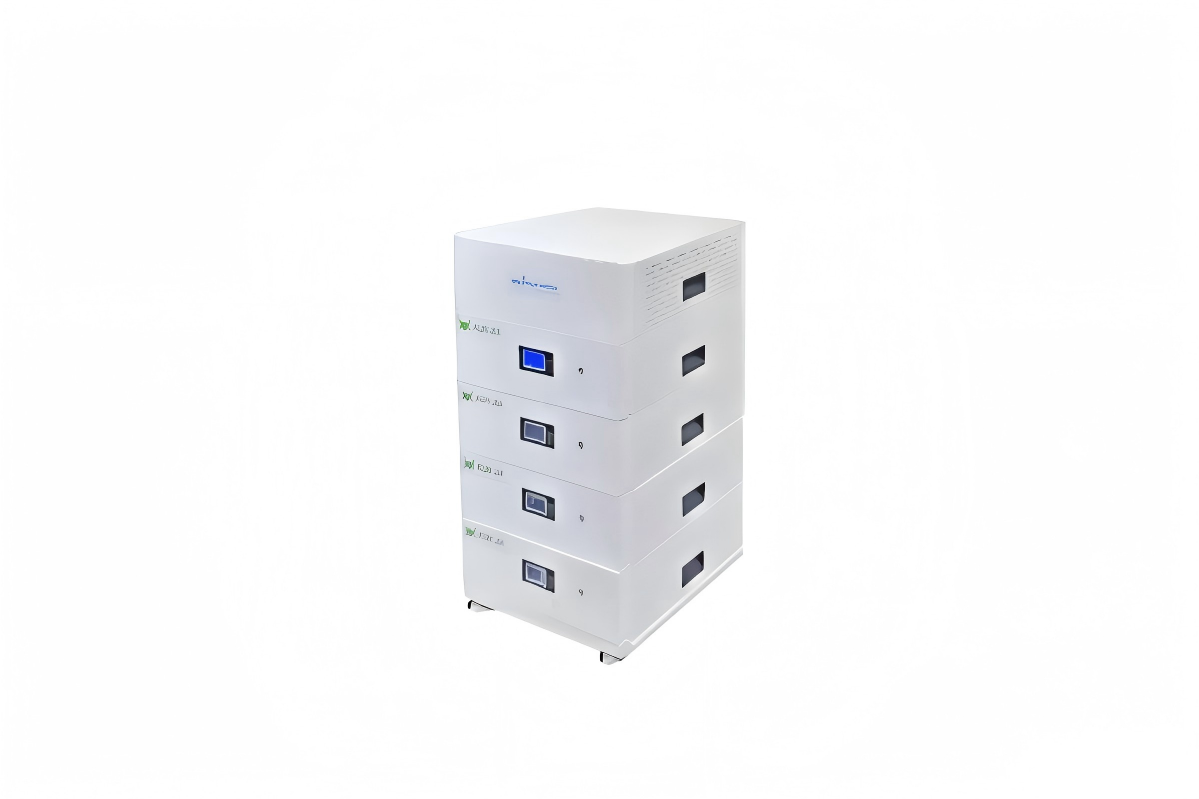
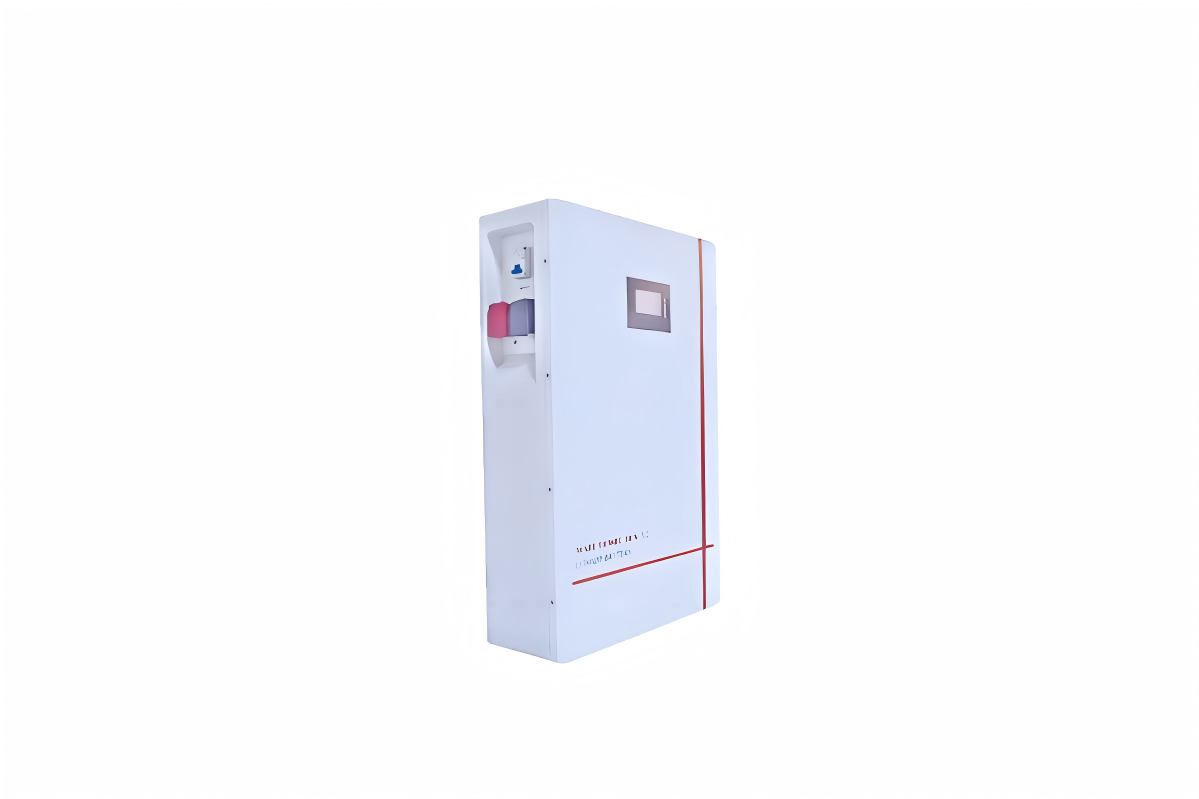
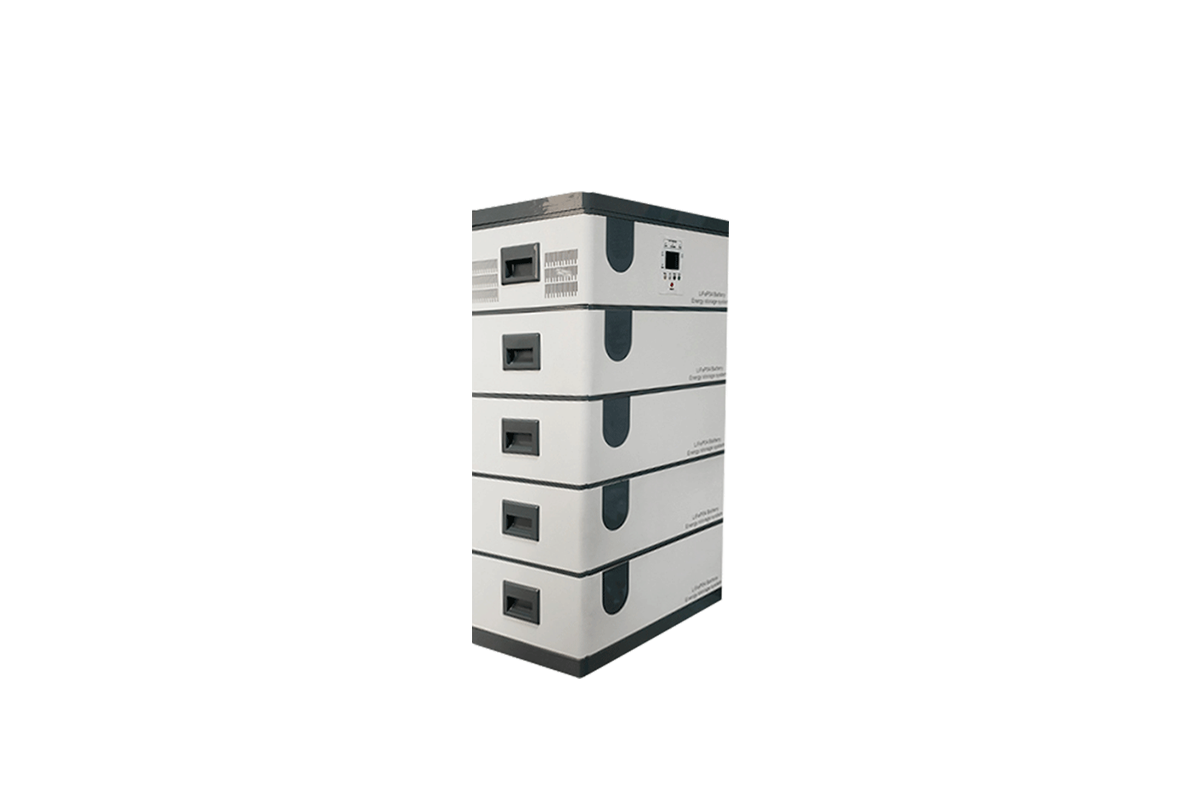
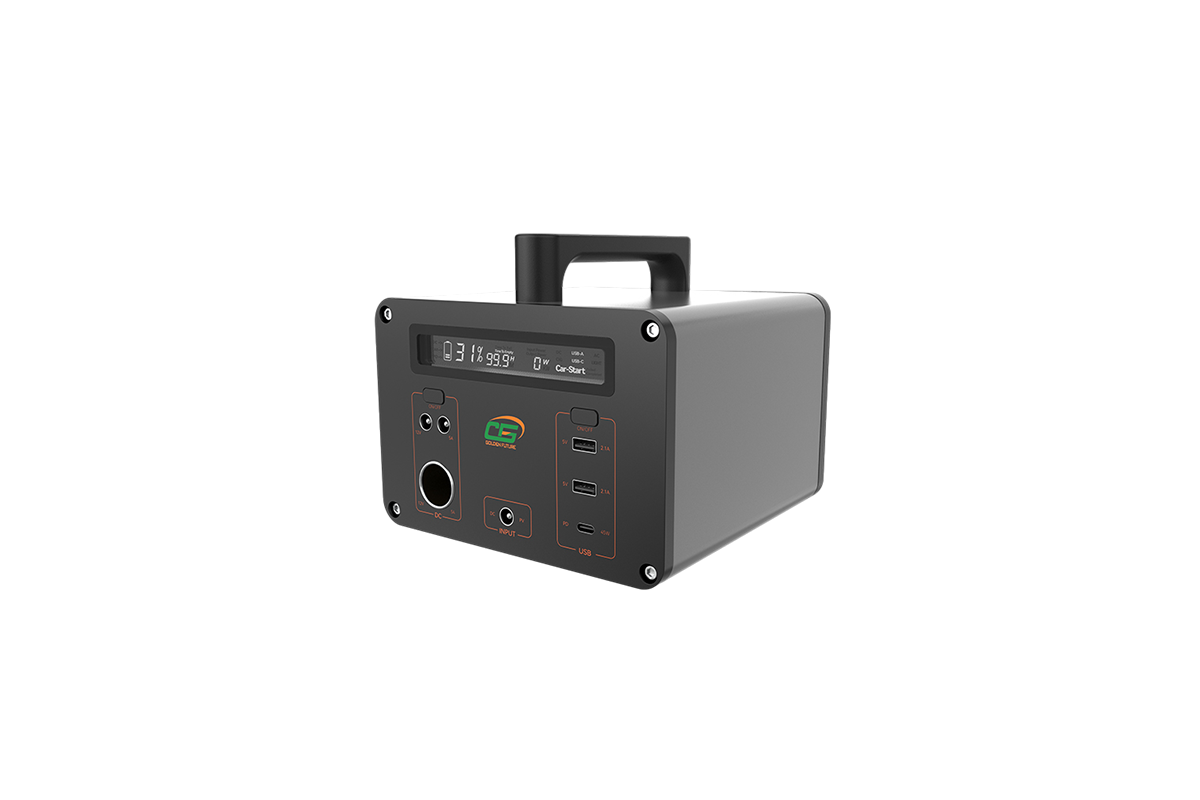
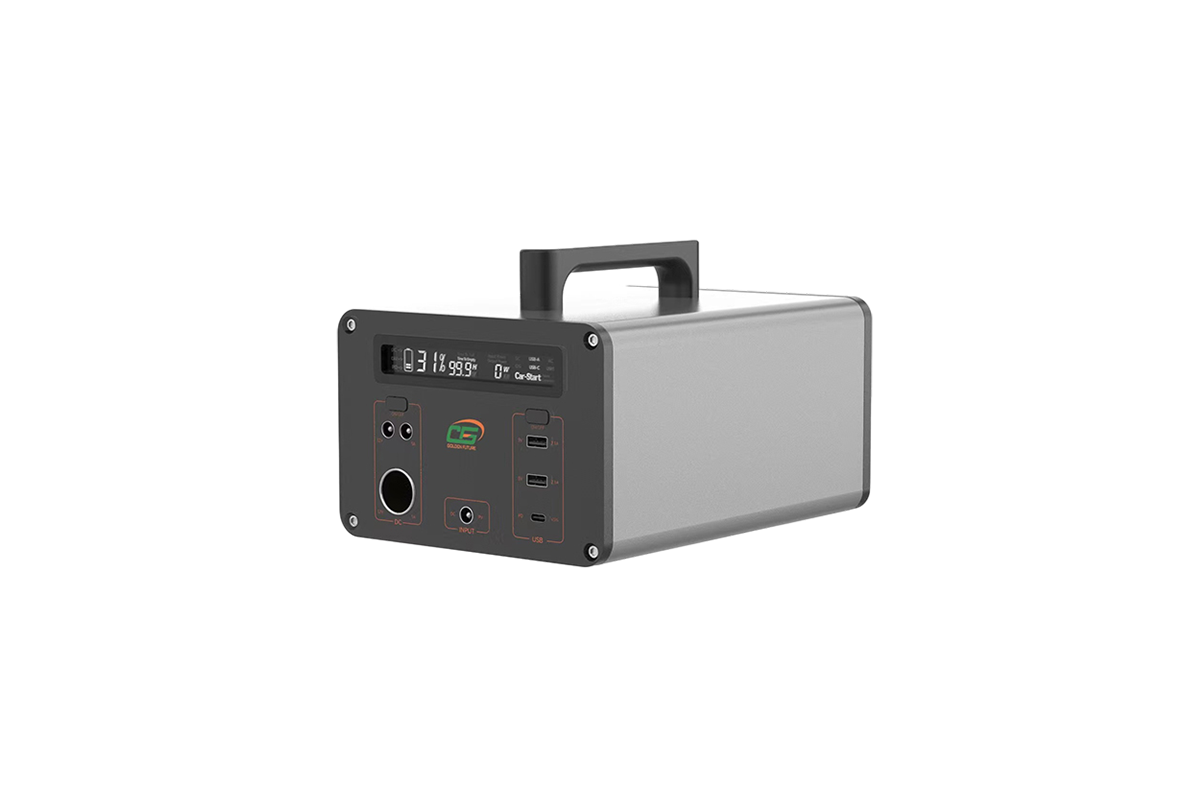
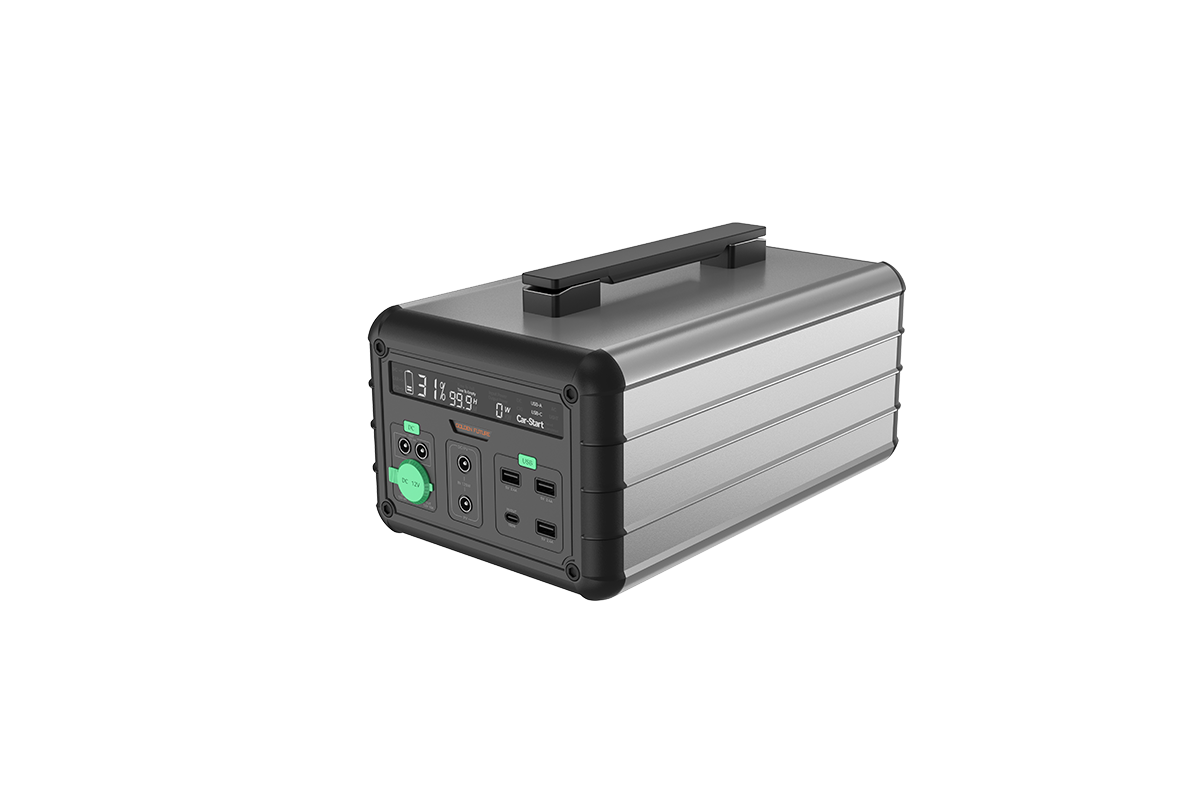
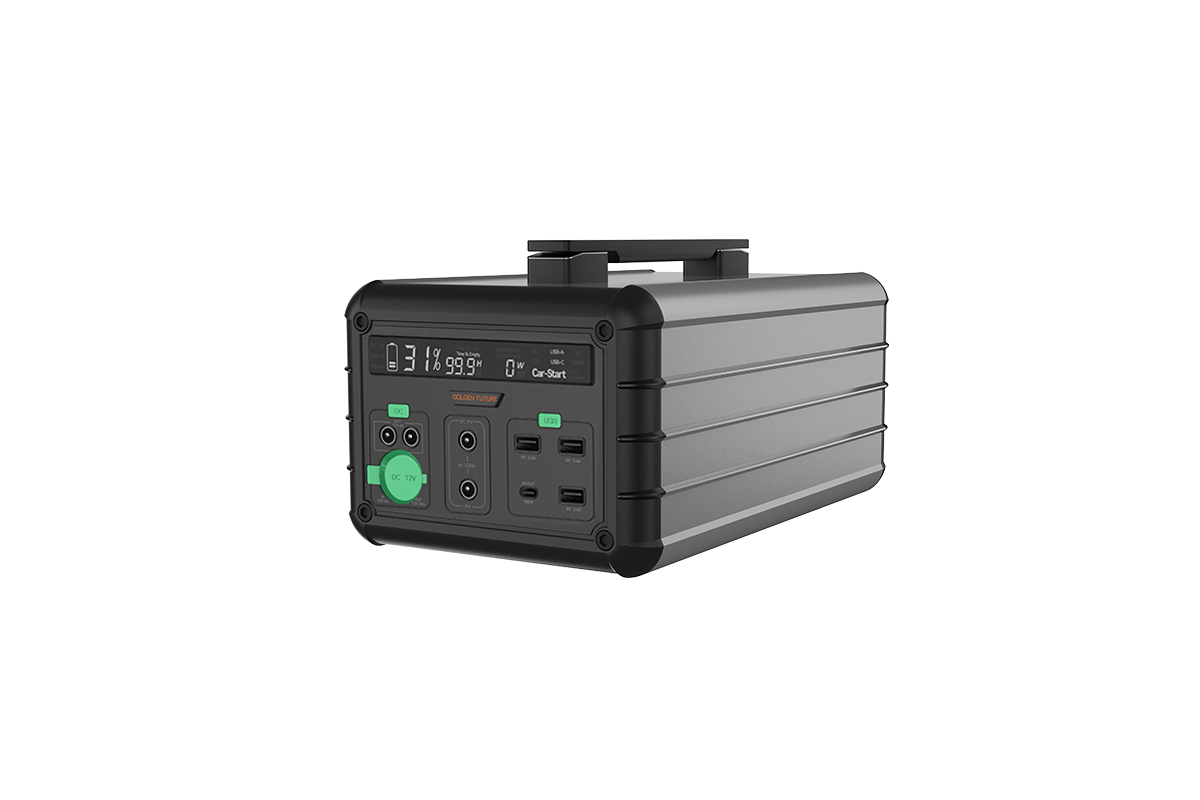
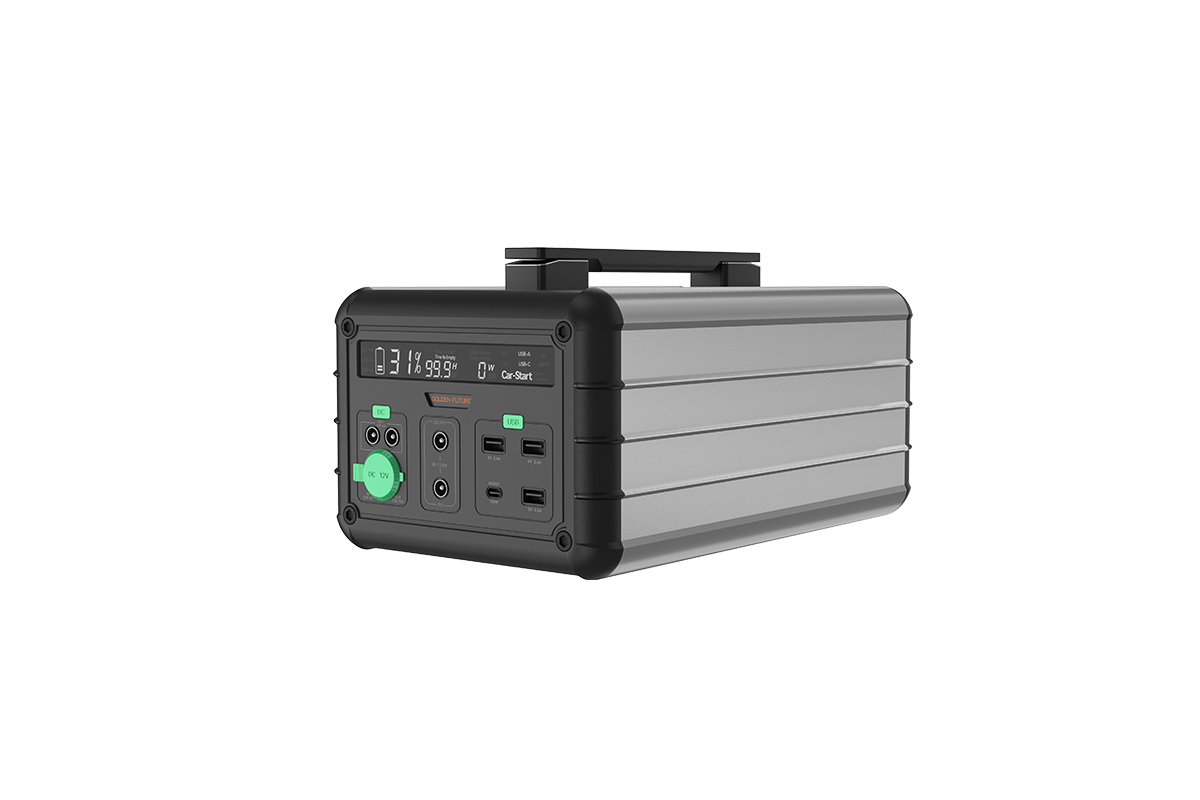
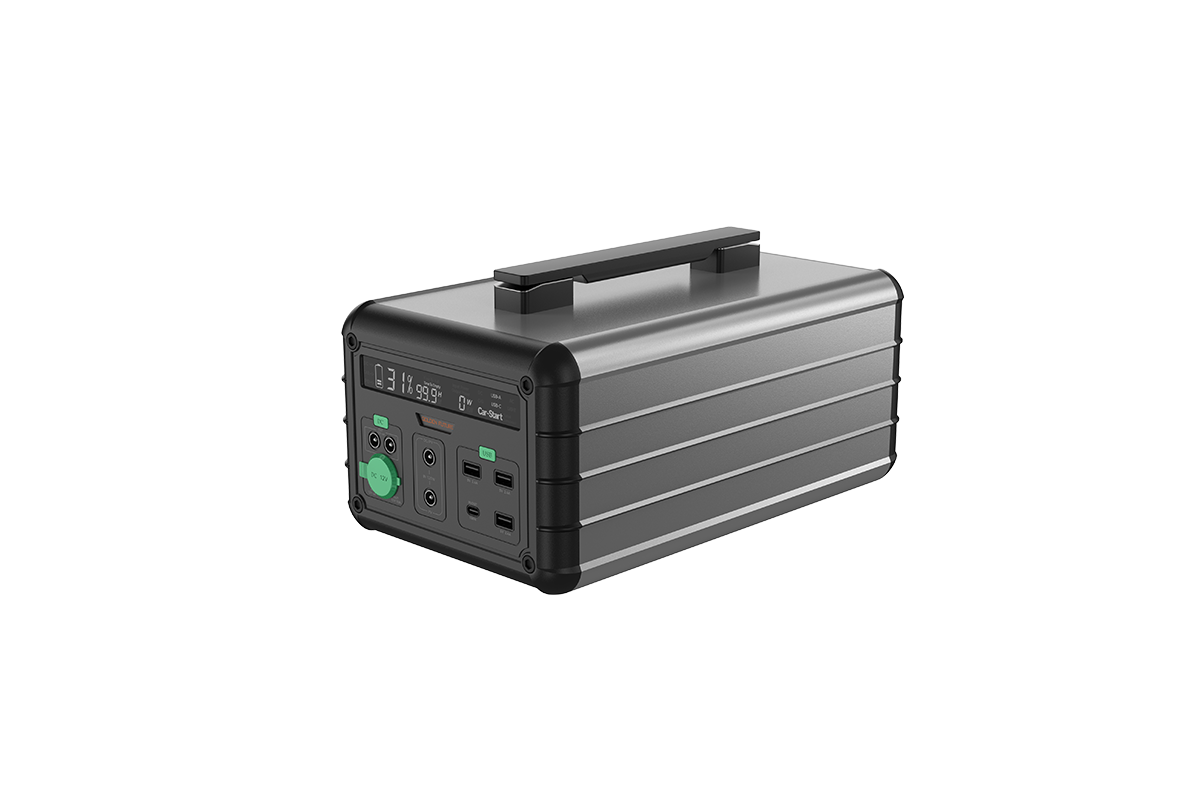
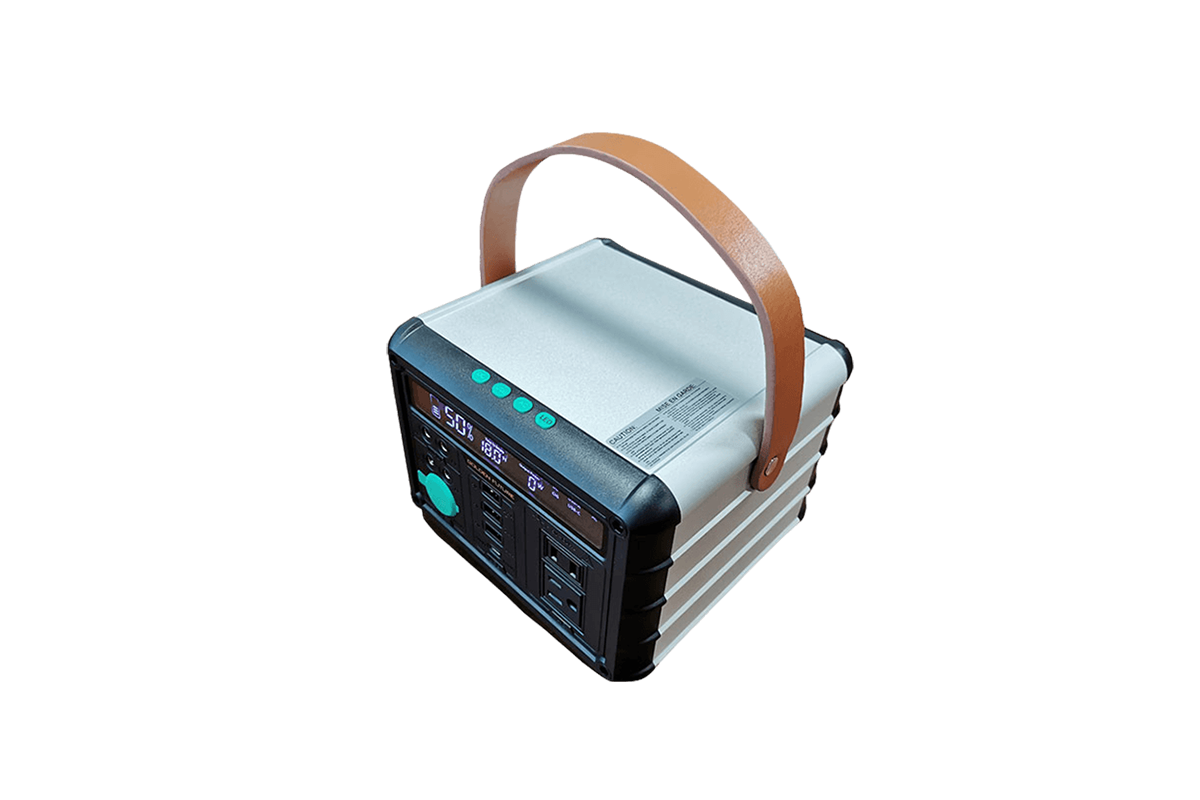
Developing an Economical Home Energy Storage Solution focuses on achieving the desired level of energy security and financial benefit while minimizing the upfront capital expenditure. An economical approach emphasizes maximizing the cost-to-benefit ratio by smart sizing, component selection, and strategic system use, rather than opting for the largest or most feature-rich system available.
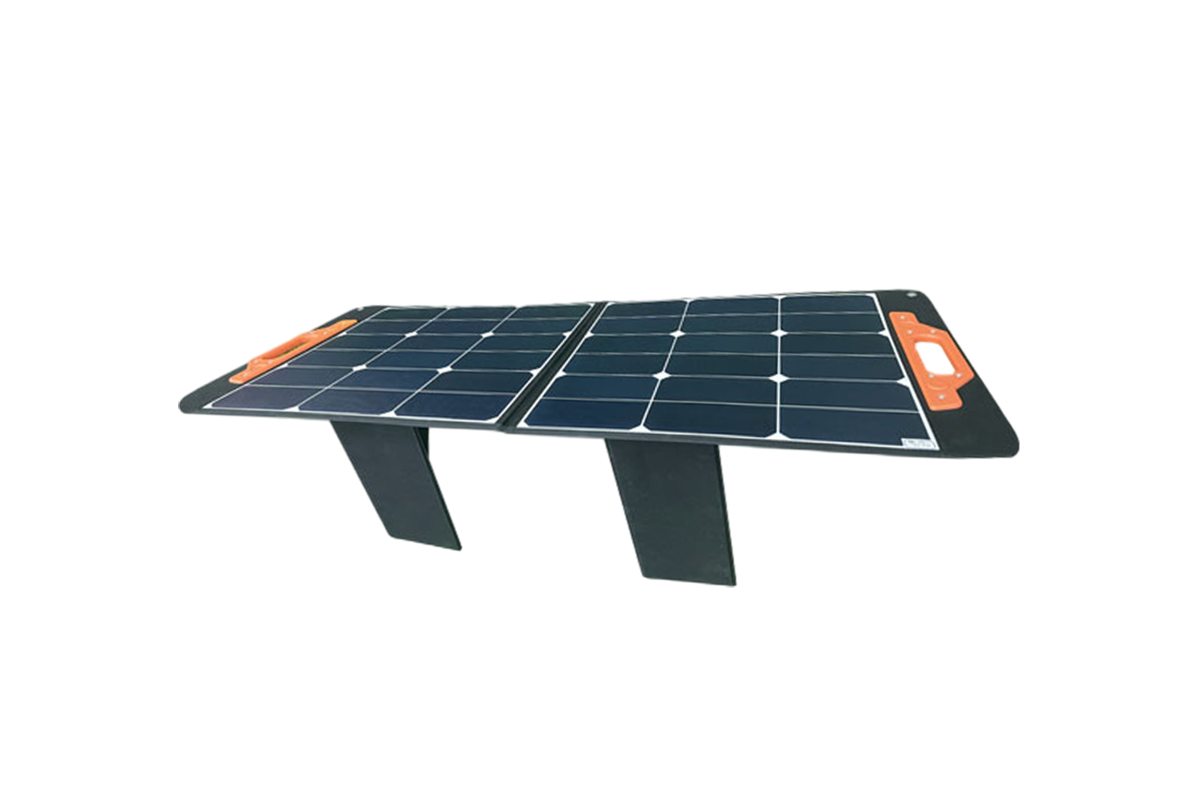
One key strategy for cost savings is Targeted Backup Sizing. Instead of sizing the battery to back up the entire home, an economical solution focuses solely on the small subset of "critical loads" (e.g., router, a few lights, a single circuit for the refrigerator). This significantly reduces the required kWh capacity, which is the single most expensive component of the system. Another major factor is the Inverter Topology. Opting for an AC-coupled retrofitted solution can be more economical if the homeowner already has a functional grid-tied solar PV system, as it avoids replacing the existing solar inverter. For component selection, prioritizing proven, high-efficiency Lithium Iron Phosphate (LiFePO4) batteries, which offer excellent cycle life and safety at a generally lower cost per kWh than high-performance chemistries, is a key economic driver. Finally, the usage model must be aligned with the lowest cost: optimizing the system for solar self-consumption and TOU arbitrage where electricity rates are favorable ensures the system pays for itself through reduced grid purchases, making the overall lifetime cost of energy lower.




 59911926@qq.com/sales@goldenfuturehk.com
 13316809242 / 15816897019
 Inquiry
 Home >