





Time:2026-01-17 Views:1
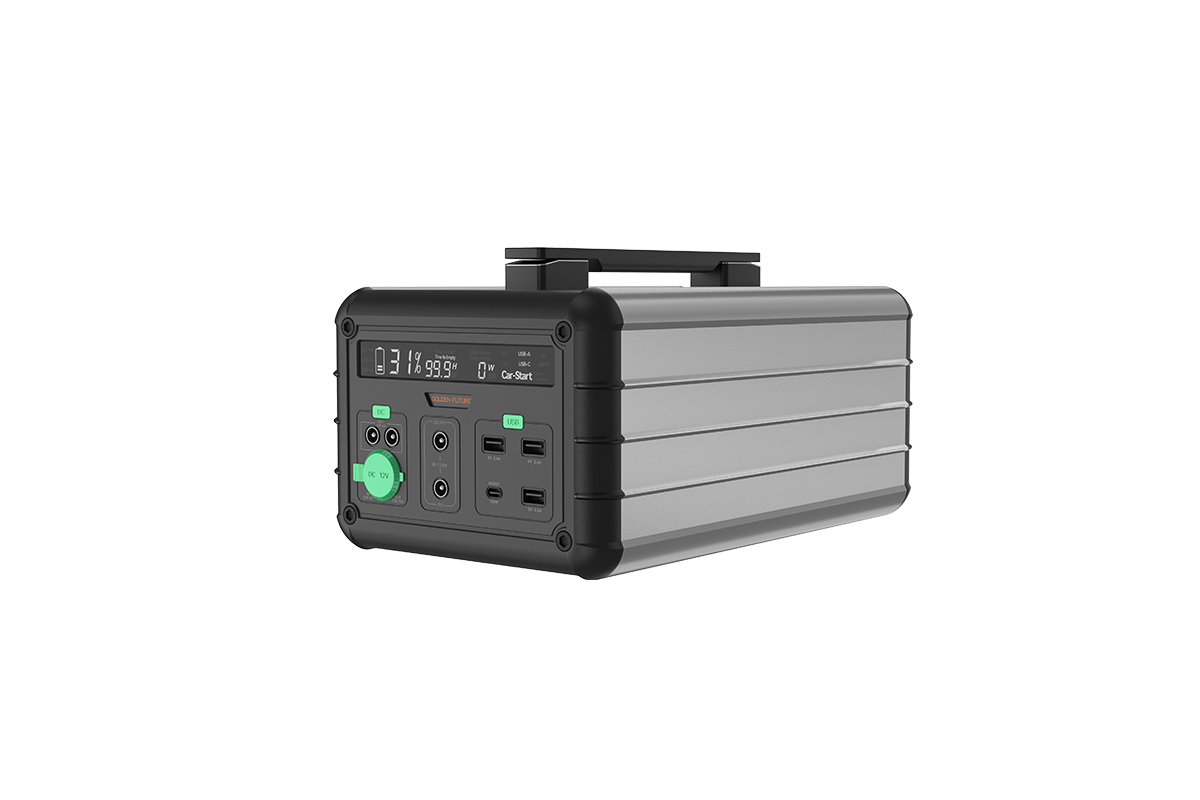
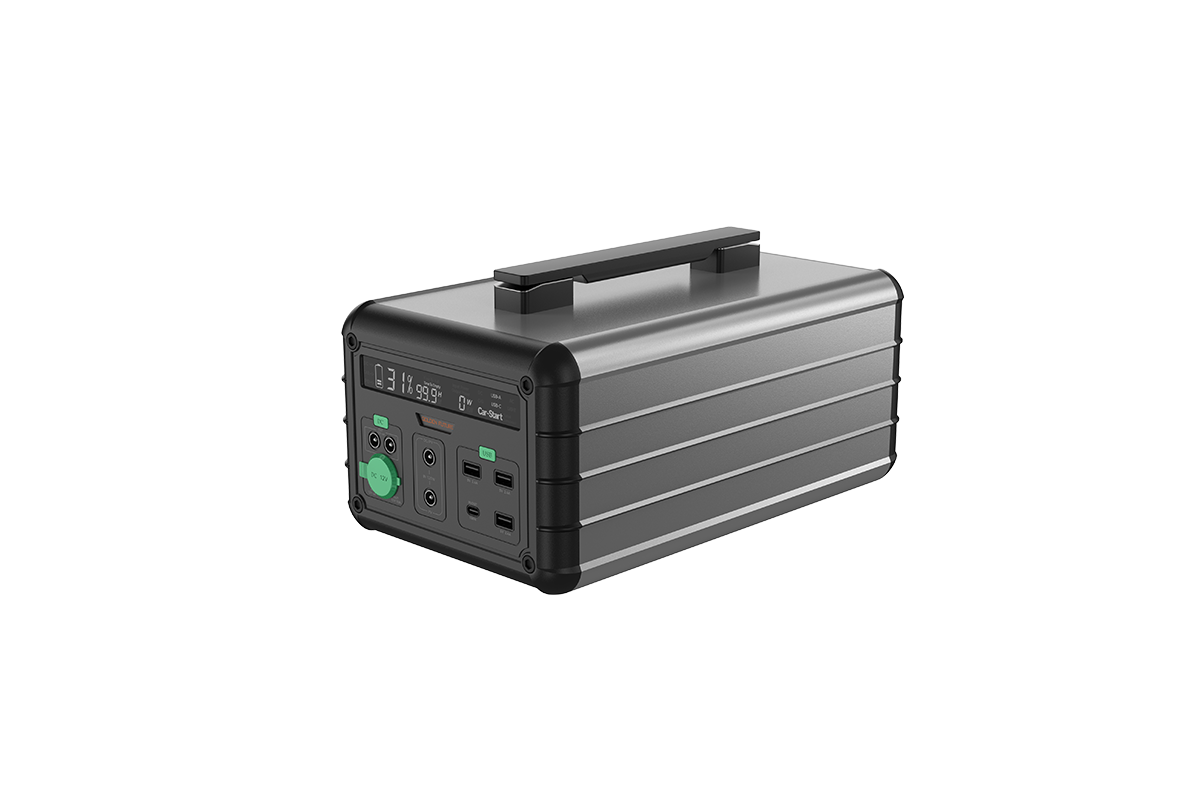
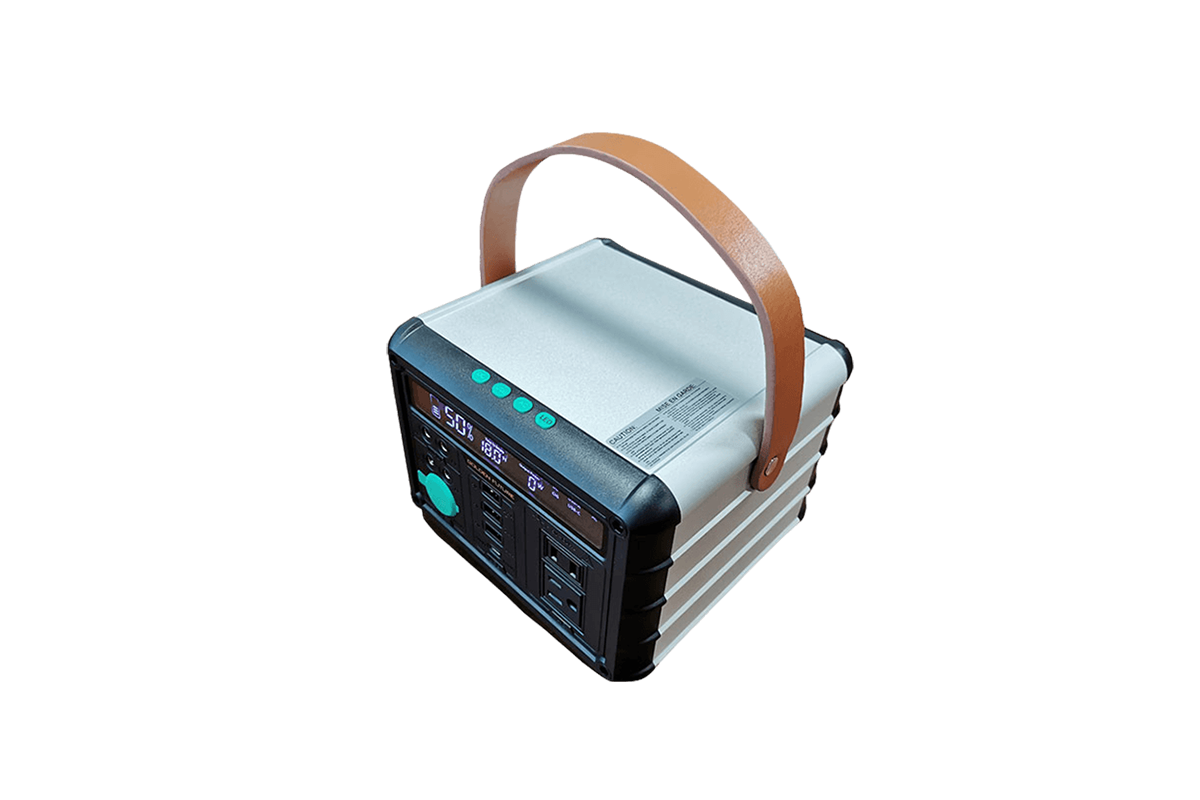
Yes, energy storage lithium batteries are highly compatible with inverters, and this combination is fundamental to many off - grid and hybrid power systems. An inverter is a crucial device that converts the direct - current (DC) electricity stored in lithium batteries into alternating - current (AC) electricity, which is the standard form of electrical power used by most household appliances, commercial equipment, and the electrical grid.
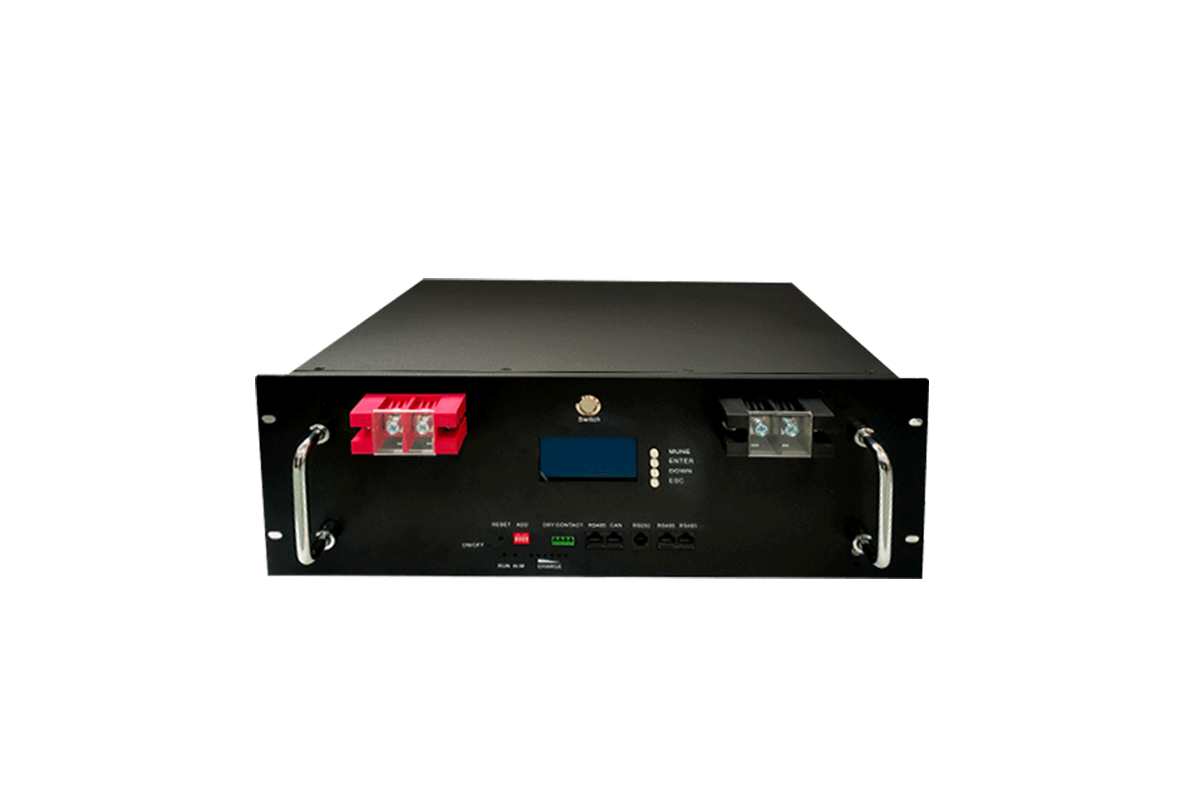
Lithium - ion batteries, with their stable and efficient power output, work seamlessly with inverters. The battery management system (BMS) integrated into modern energy storage lithium - battery systems plays a vital role in this compatibility. The BMS monitors the battery's state of charge, voltage, and temperature, ensuring that the battery supplies the appropriate amount of DC power to the inverter at all times. This stable DC input allows the inverter to operate optimally and produce a clean and consistent AC output.
There are different types of inverters that can be paired with energy storage lithium batteries, depending on the application. For residential off - grid systems, a pure - sine - wave inverter is often preferred as it produces a high - quality AC output similar to that of the utility grid, which is suitable for sensitive electronics such as computers, TVs, and medical devices. In commercial and industrial settings, larger - capacity inverters are used to handle the higher power demands of machinery and equipment.
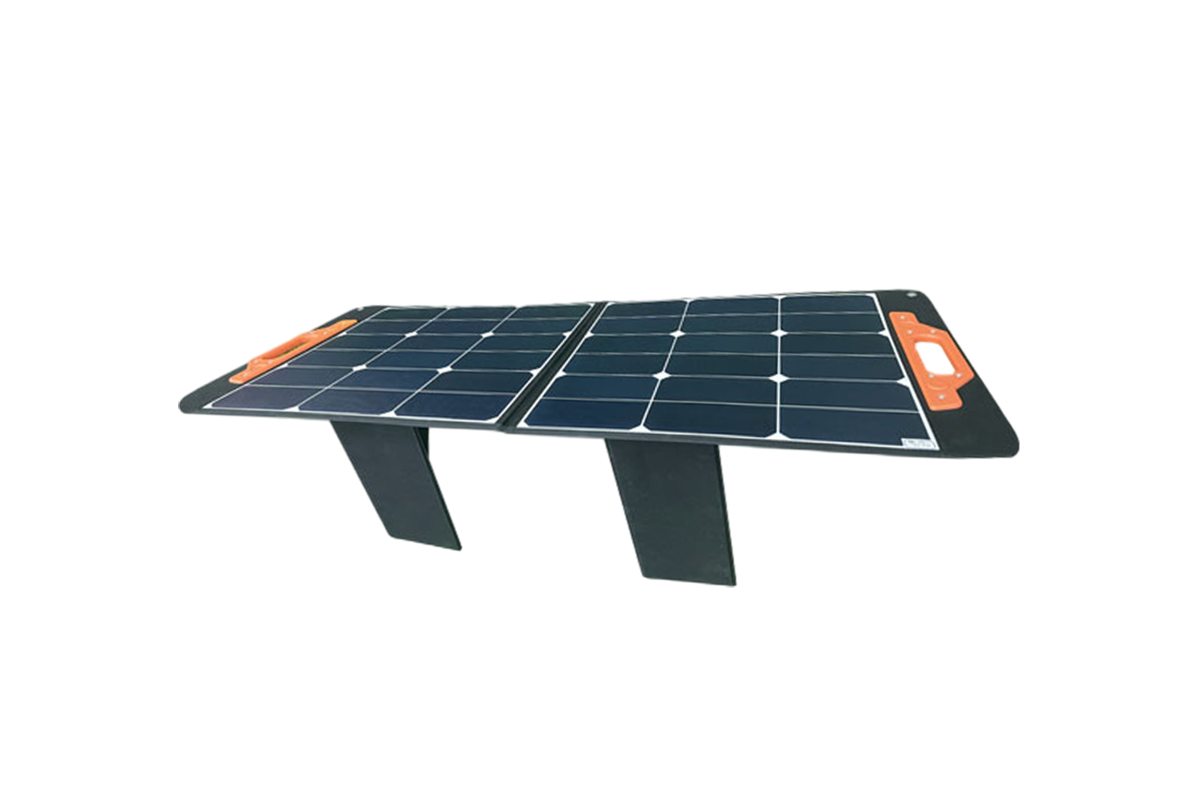
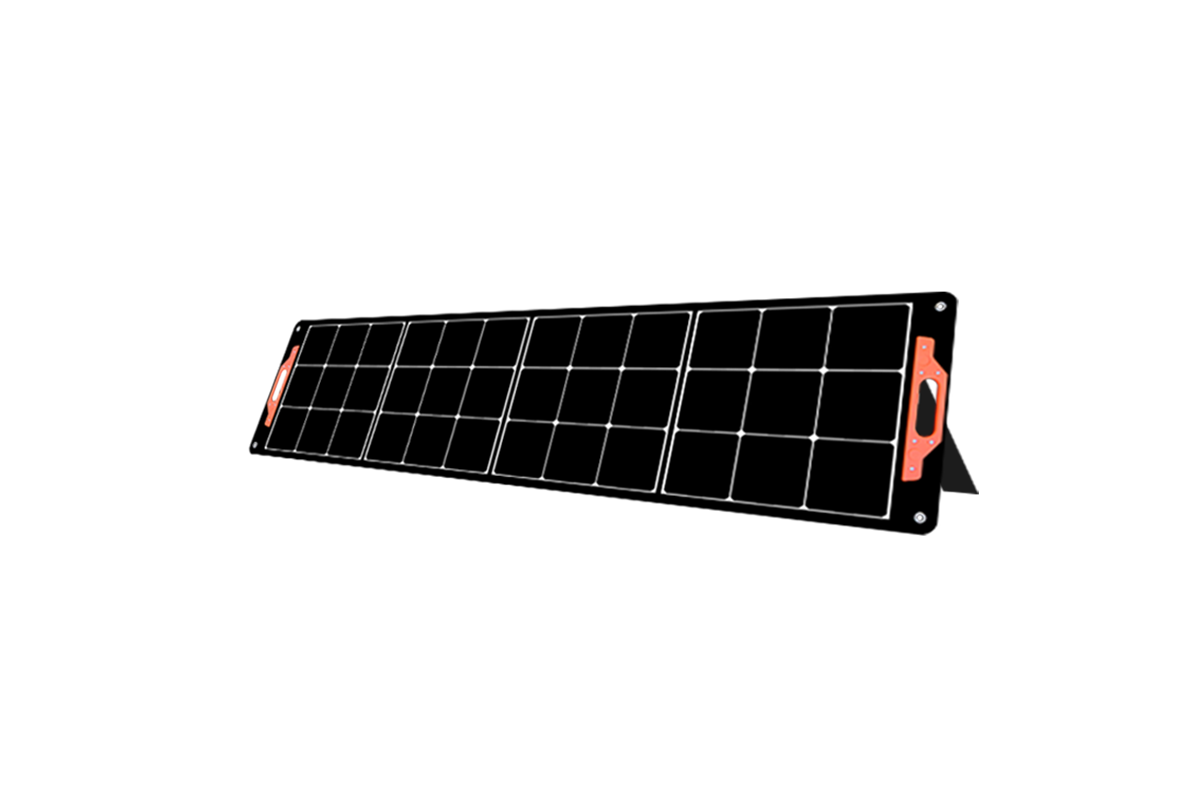
The combination of energy storage lithium batteries and inverters also enables smart energy management. In hybrid power systems that integrate solar or wind power, the inverter can control the flow of electricity between the renewable energy source, the battery, and the load. For example, during the day when solar panels are generating excess power, the inverter can direct the surplus energy to charge the lithium batteries. At night or when the renewable source is not producing enough power, the inverter can draw power from the batteries and supply it to the load.




 59911926@qq.com/sales@goldenfuturehk.com
 13316809242 / 15816897019
 Inquiry
 Home >