





Time:2026-03-04 Views:1
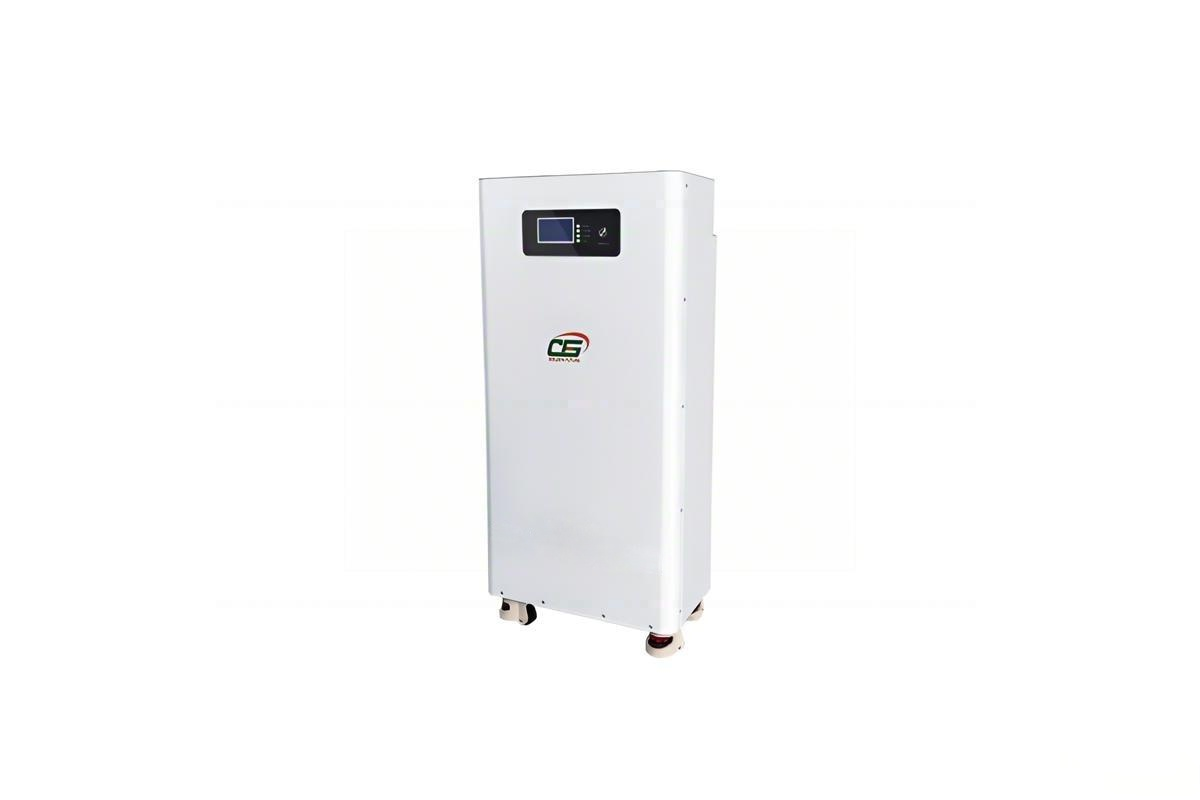
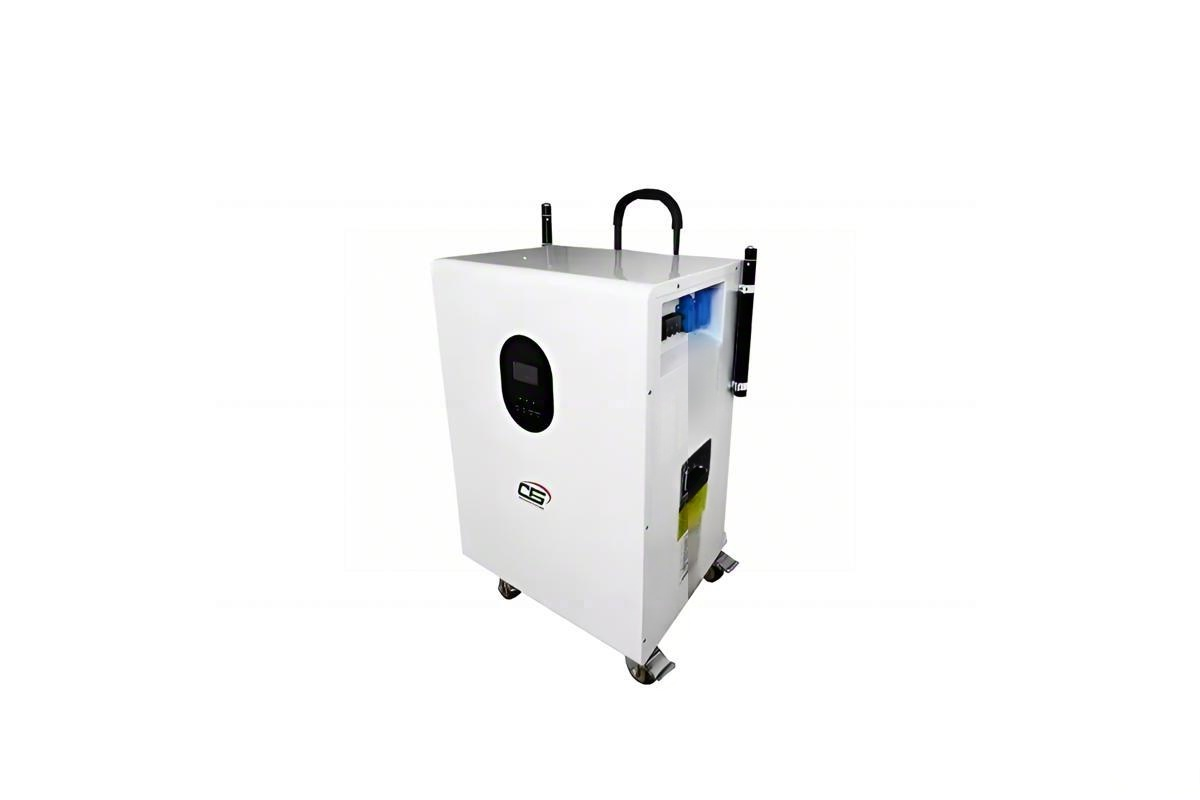
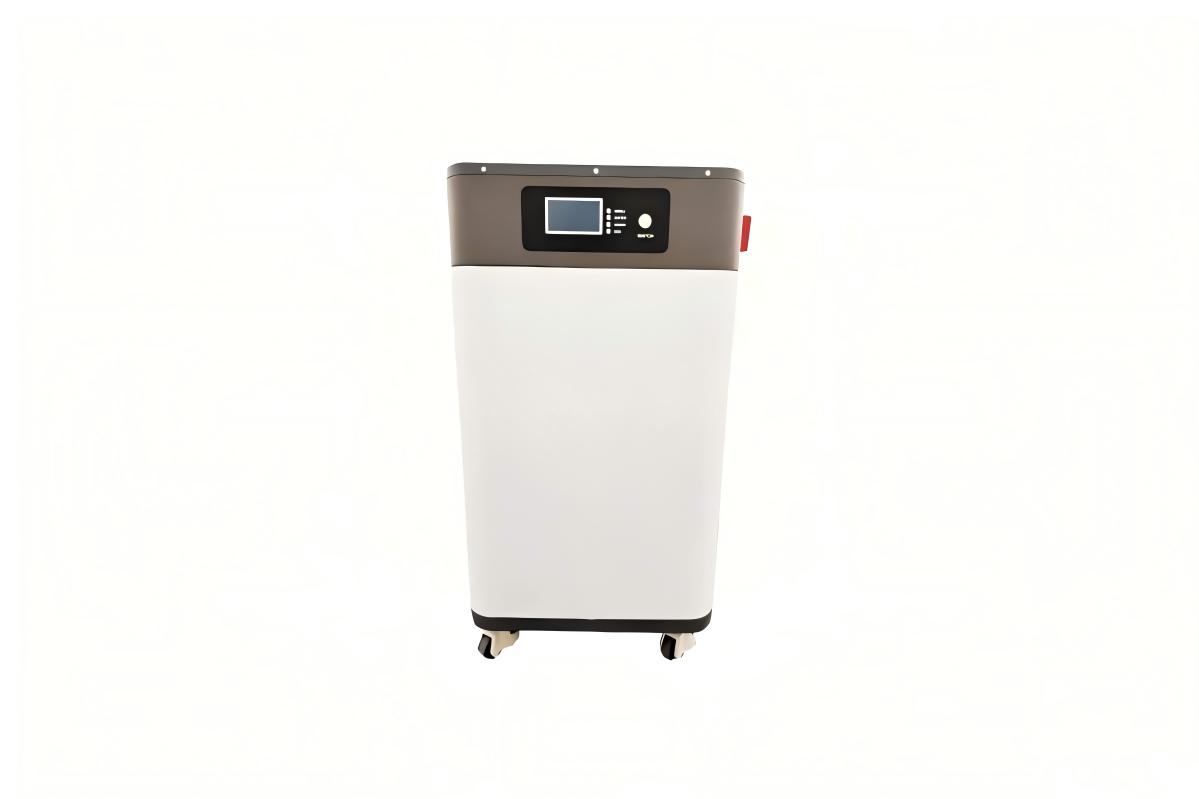
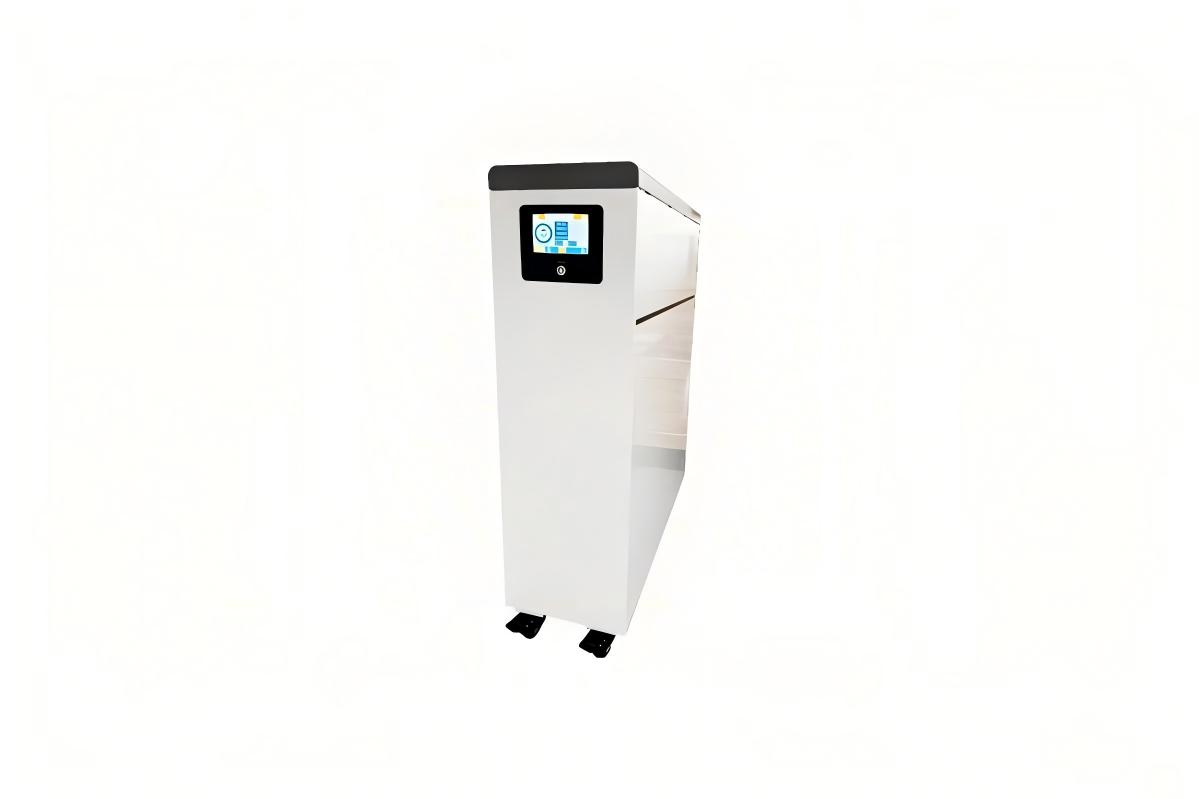
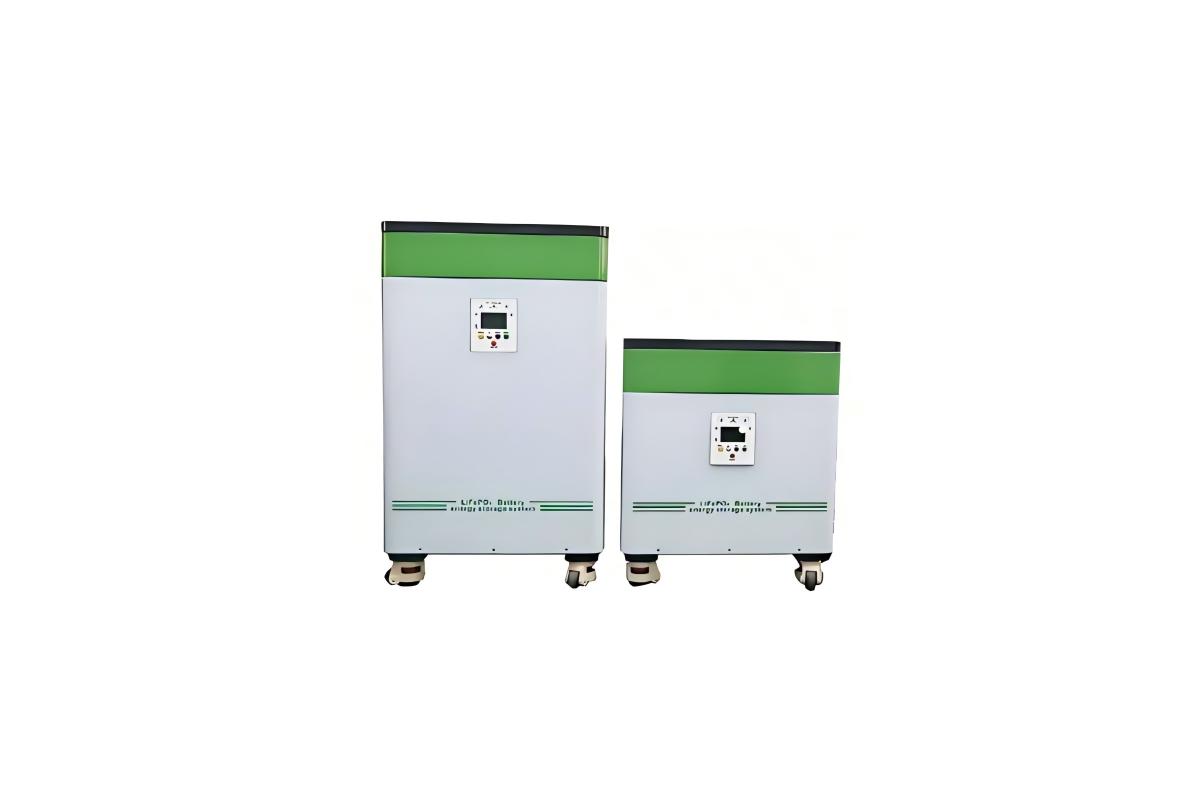
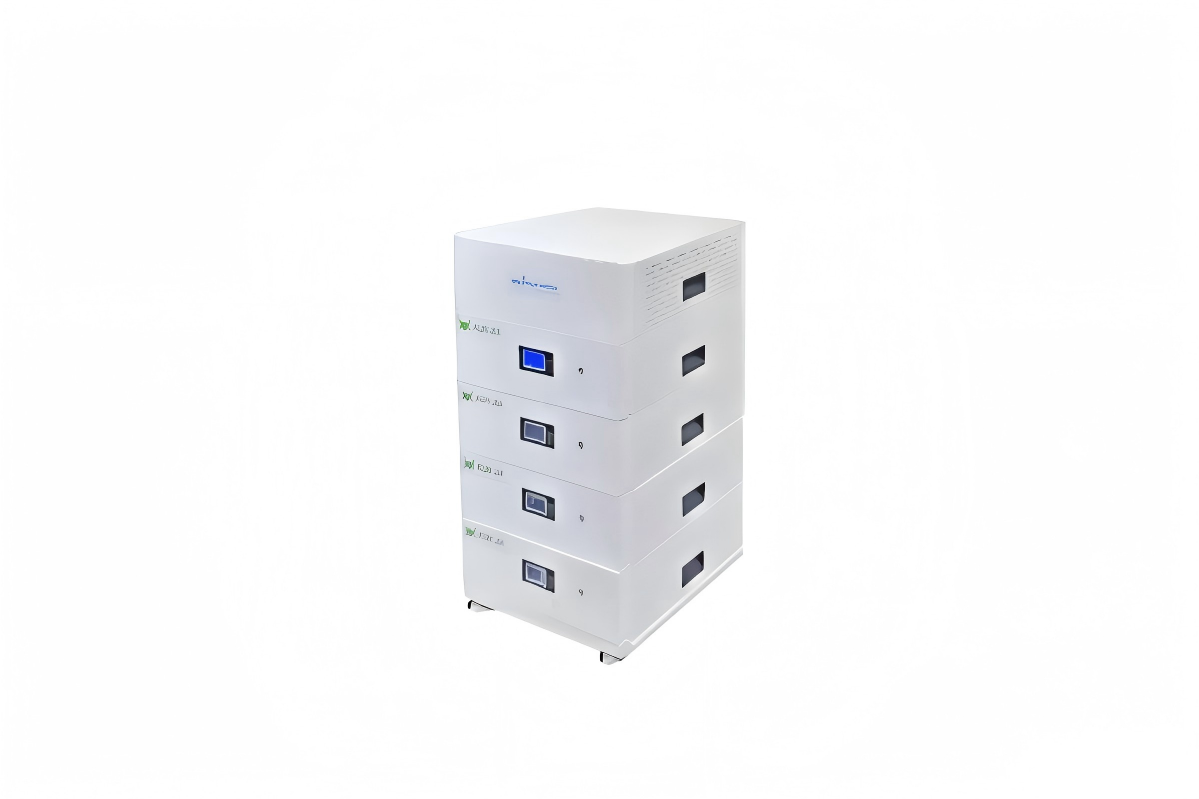
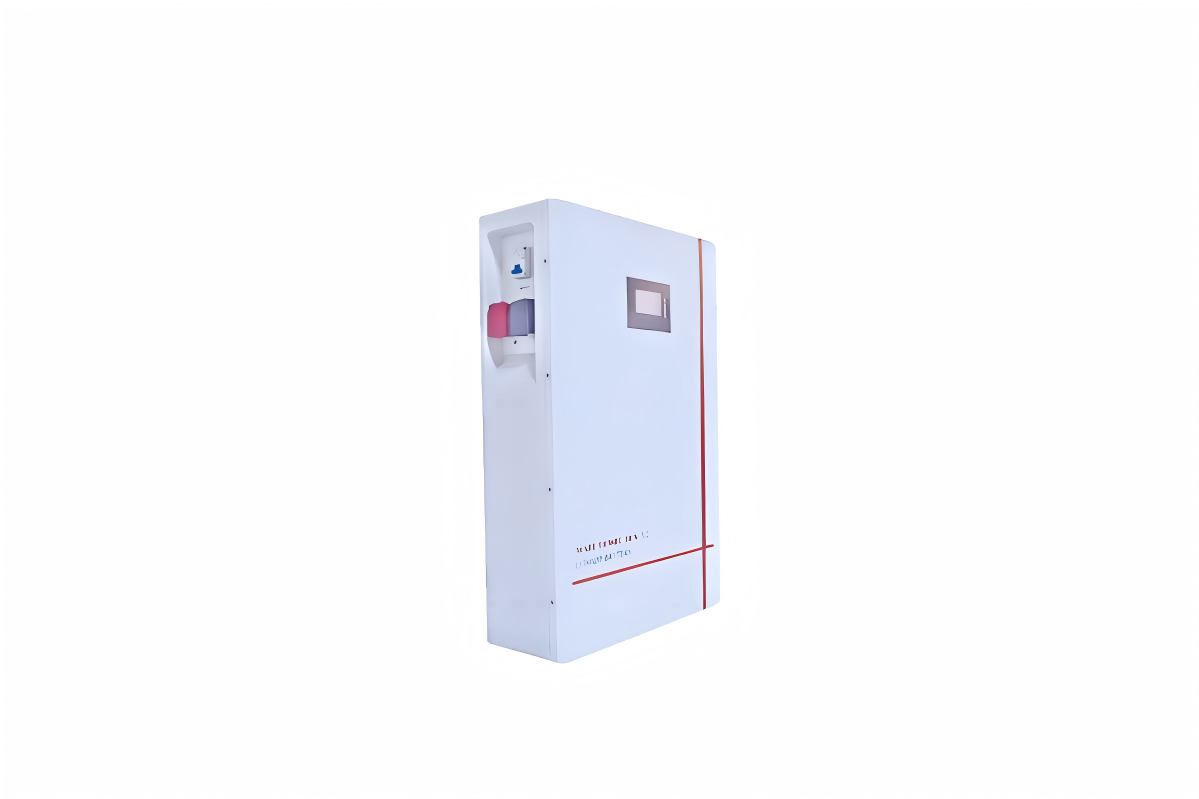
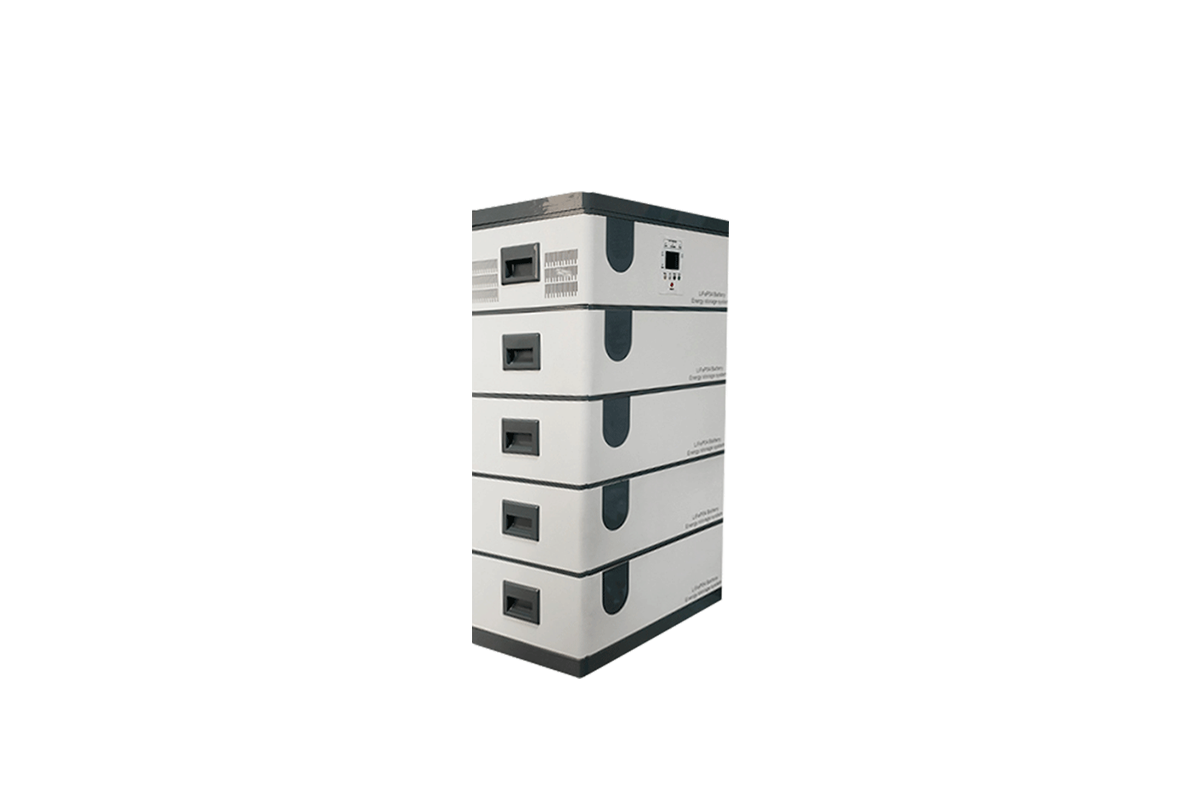
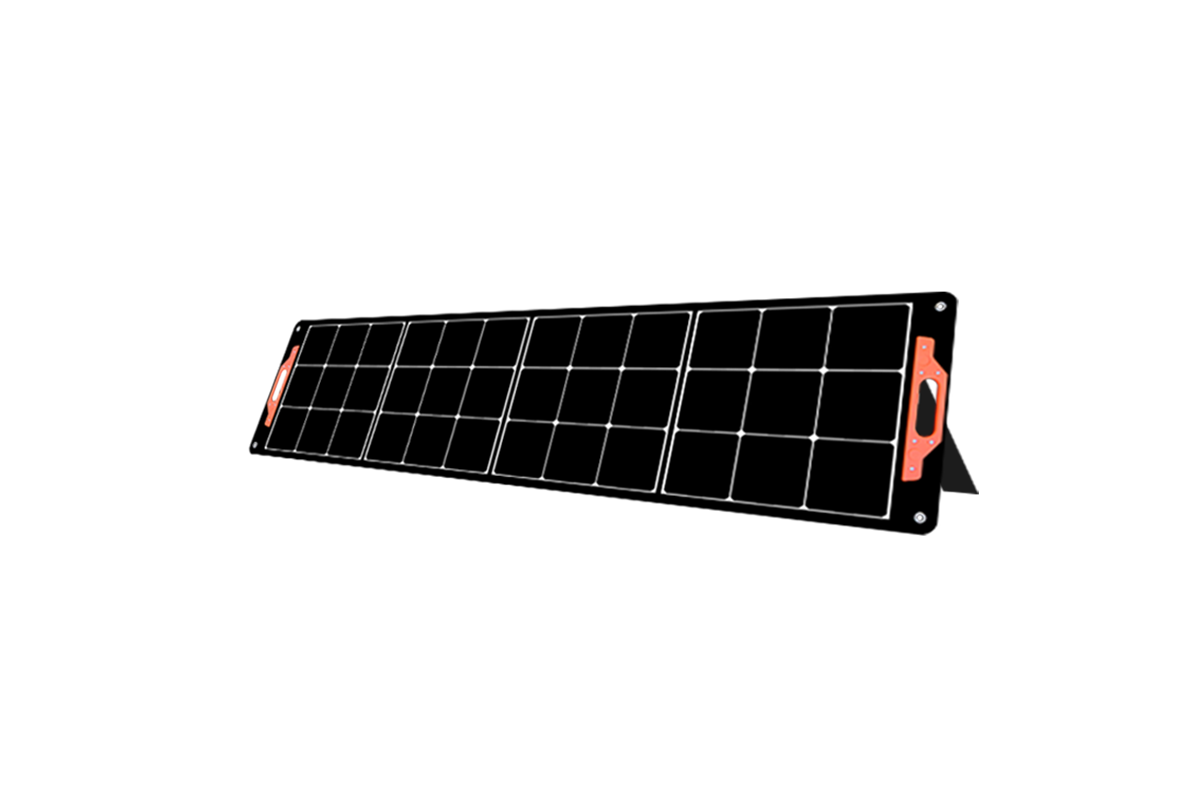
Distributed solar energy storage systems are decentralized energy storage solutions integrated with distributed solar photovoltaic (PV) installations, designed to store excess electricity generated by solar panels for later use. Unlike centralized energy storage systems, distributed systems are typically installed near the point of energy consumption, such as residential buildings, commercial facilities, or industrial parks, which reduces transmission losses and improves energy supply reliability.
One of the key advantages of distributed solar energy storage systems is their ability to enhance grid stability. By storing excess solar energy during peak generation periods (usually midday) and releasing it during peak demand periods (morning and evening), these systems help balance the supply and demand of electricity, reducing the pressure on the power grid. They also enable users to achieve "self-consumption" of solar energy, reducing reliance on grid electricity and lowering electricity bills.
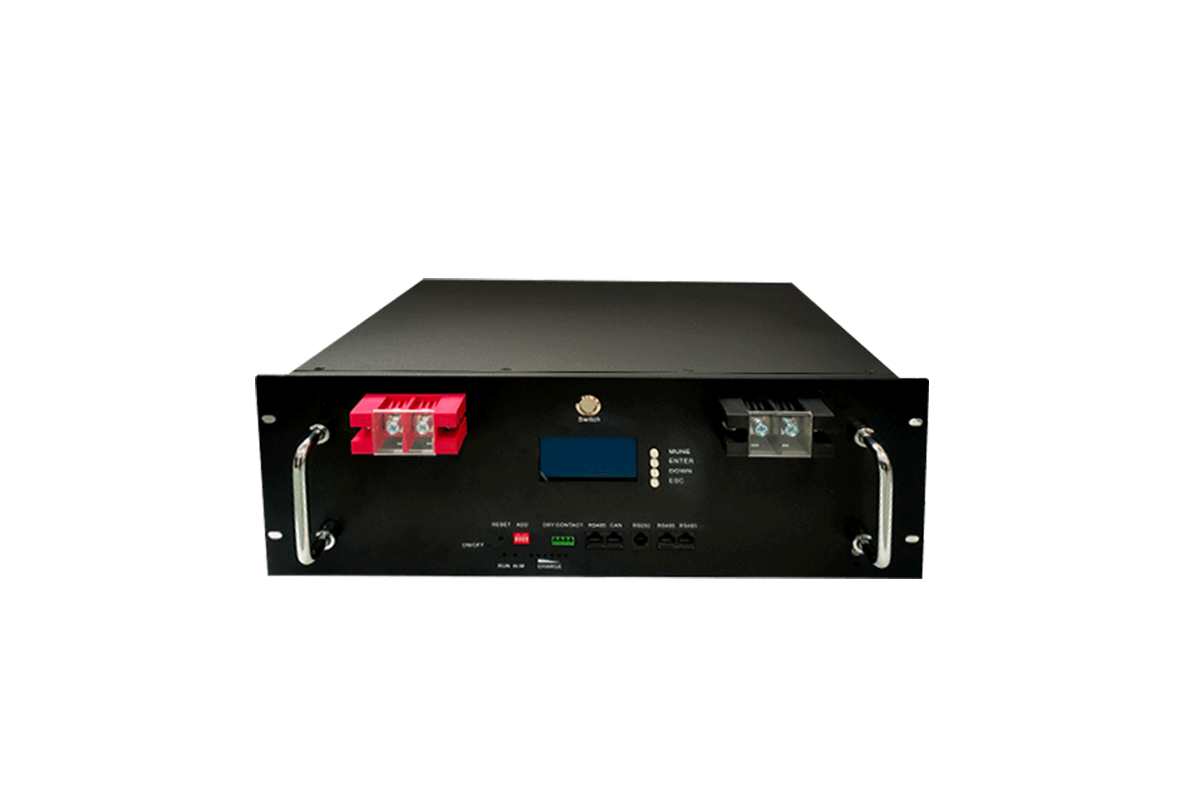
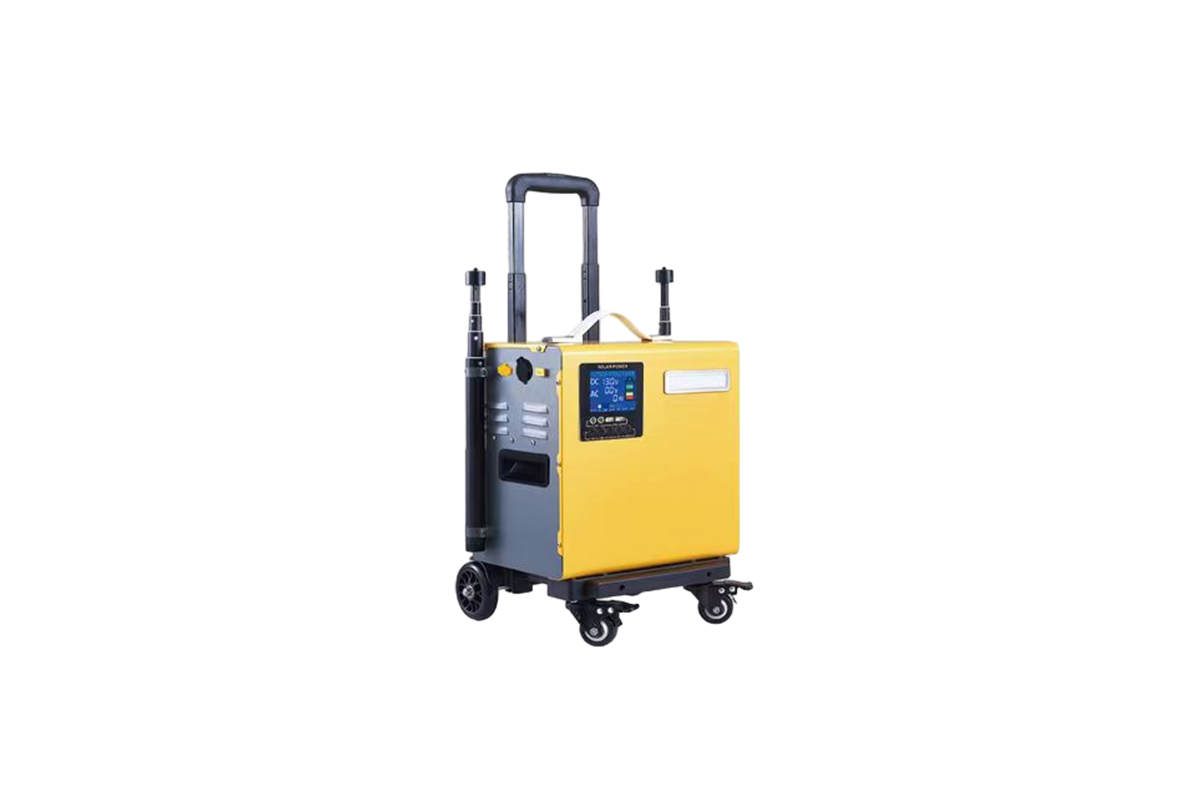
The configuration of distributed solar energy storage systems varies based on user needs, with typical capacities ranging from 5 kWh for residential use to several hundred kWh for commercial and industrial applications. These systems often include solar panels, batteries, inverters, and energy management systems (EMS) that optimize charging and discharging schedules. With the development of smart grid technology, distributed solar energy storage systems are increasingly integrated with grid-connected systems, enabling two-way power flow and improving the overall efficiency of the energy system.




 59911926@qq.com/sales@goldenfuturehk.com
 13316809242 / 15816897019
 Inquiry
 Home >