





Time:2025-12-24 Views:1
When it comes to lithium energy storage batteries, customization is often necessary to meet the specific needs of different applications. Customization requirements can cover a wide range of aspects, from technical specifications to physical design and functionality.
One of the primary customization requirements is related to the battery's capacity. Different applications have varying energy demands, and the capacity of the lithium energy storage battery needs to be tailored accordingly. For example, a small - scale residential off - grid system may require a battery with a capacity of a few kilowatt - hours (kWh), while a large - scale commercial energy storage project might need a battery with a capacity in the megawatt - hour (MWh) range. Customizing the battery capacity ensures that it can store enough energy to meet the load requirements during peak usage periods and periods of low renewable energy generation.
Voltage and current ratings are also crucial customization factors. The voltage of the lithium energy storage battery must match the requirements of the connected devices and the power system. Similarly, the current rating should be sufficient to supply the necessary power to the loads without overheating or causing damage to the battery. Customizing these electrical parameters ensures seamless integration with the existing electrical infrastructure and optimal performance of the battery system.
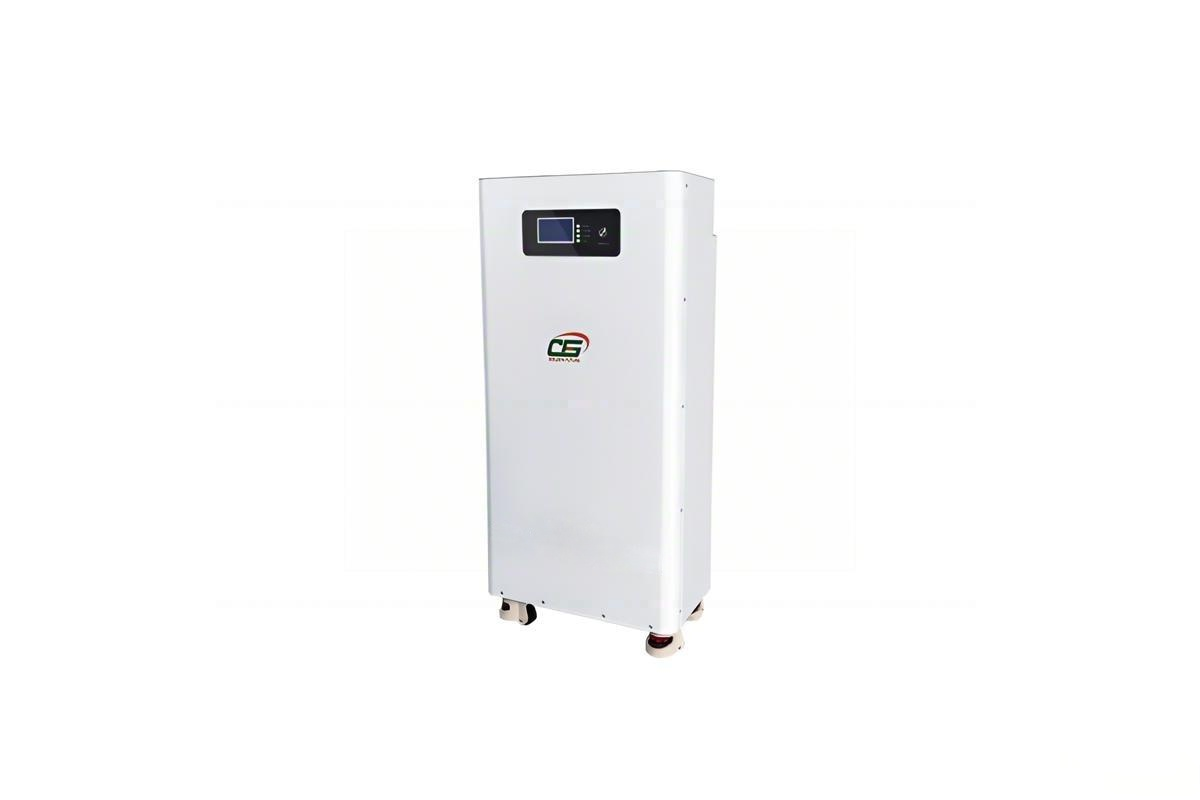
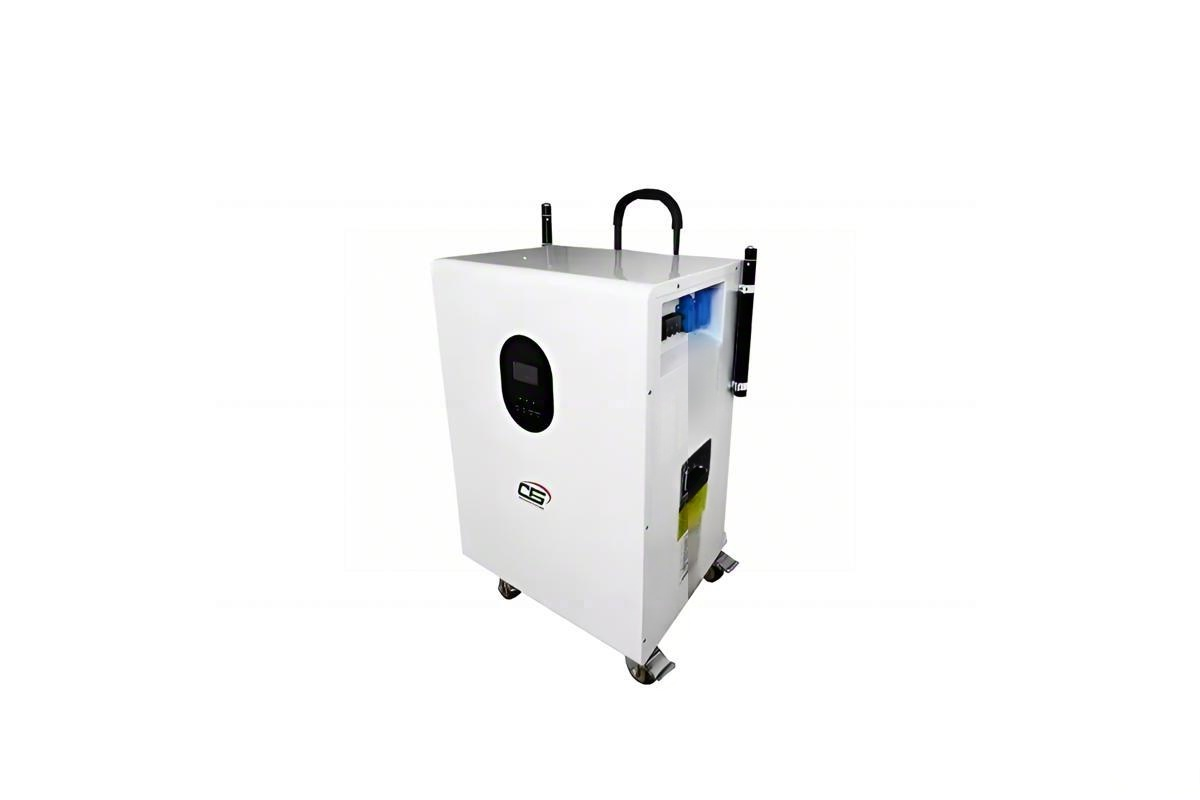
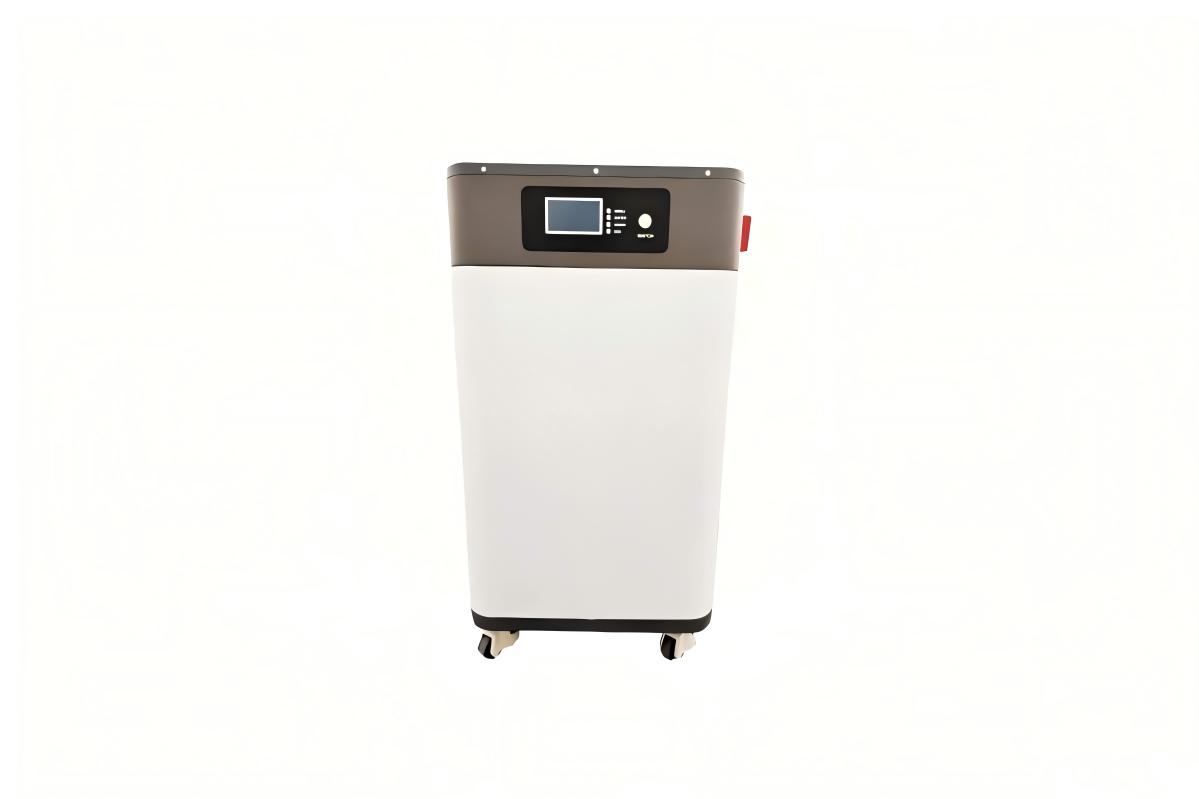
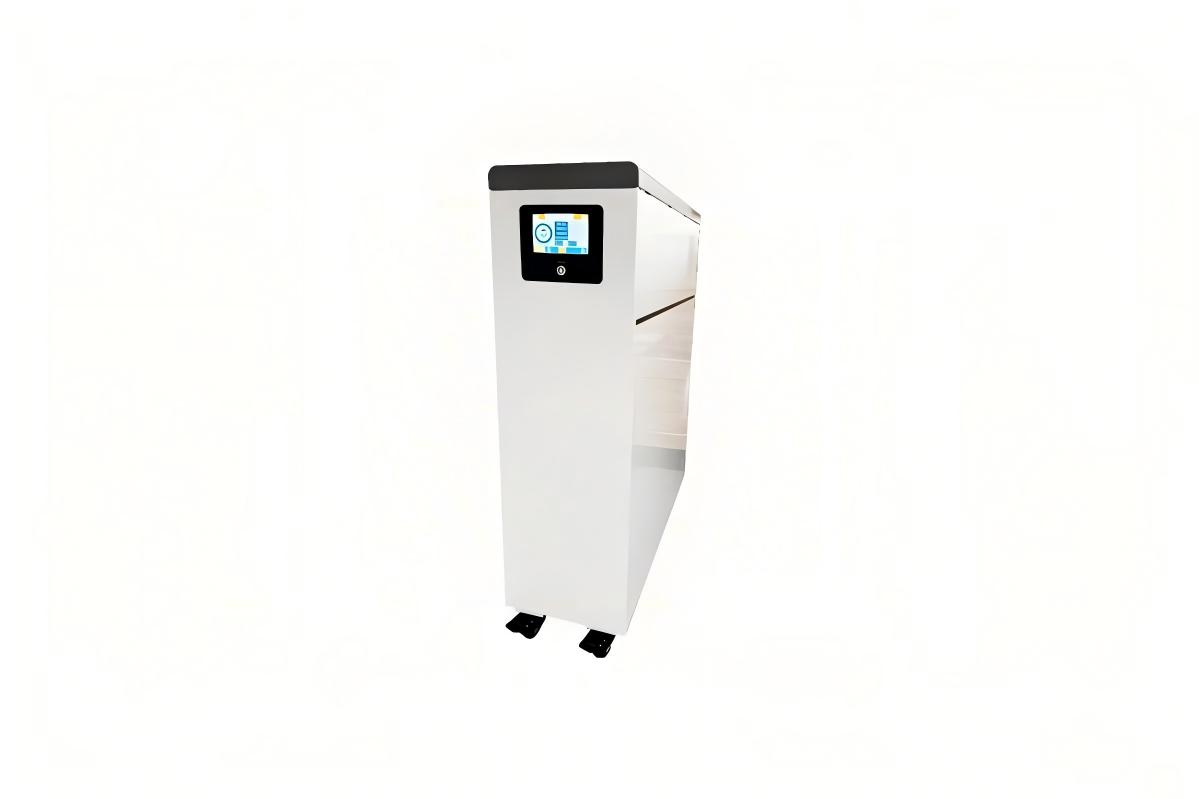
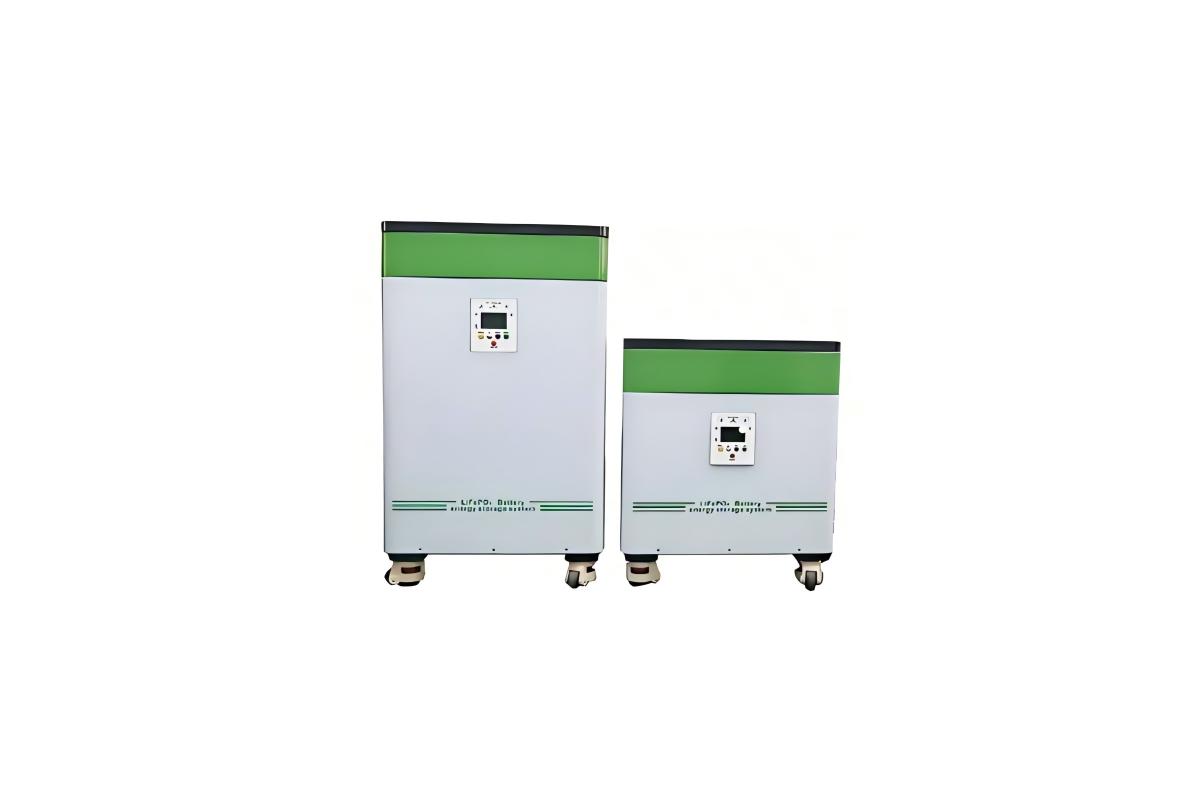
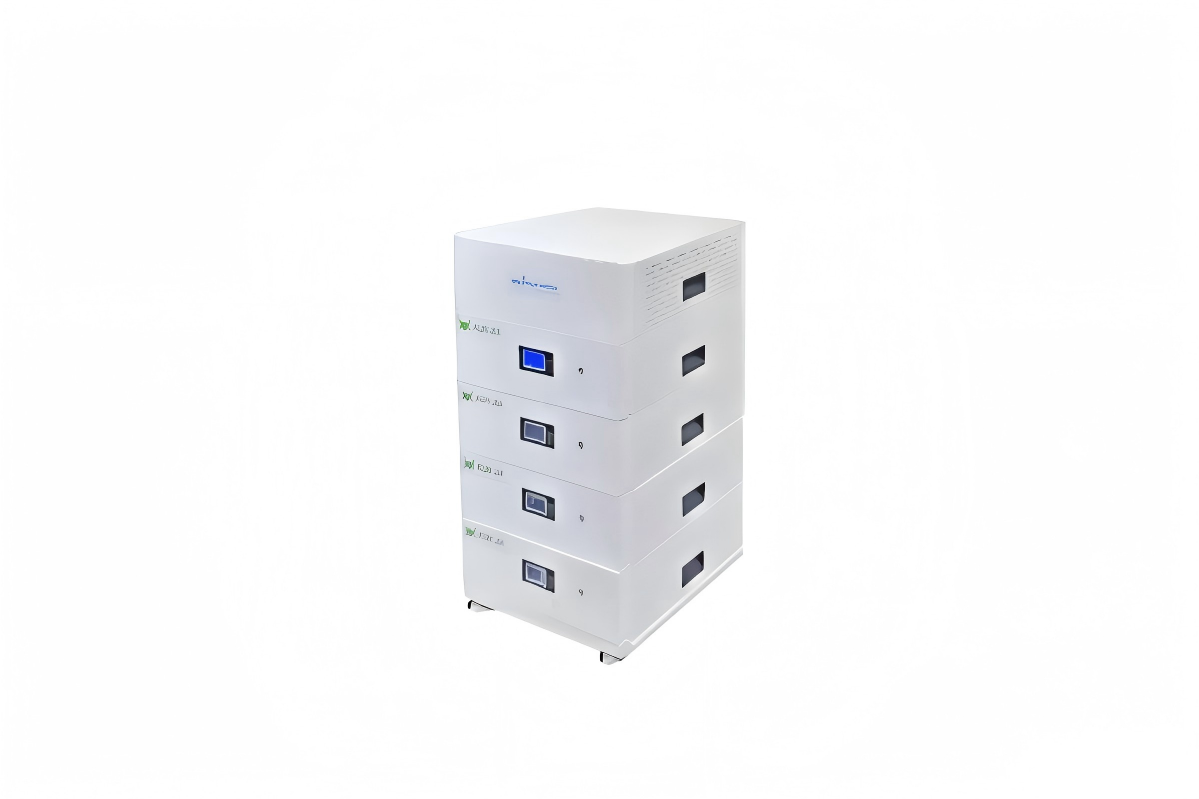
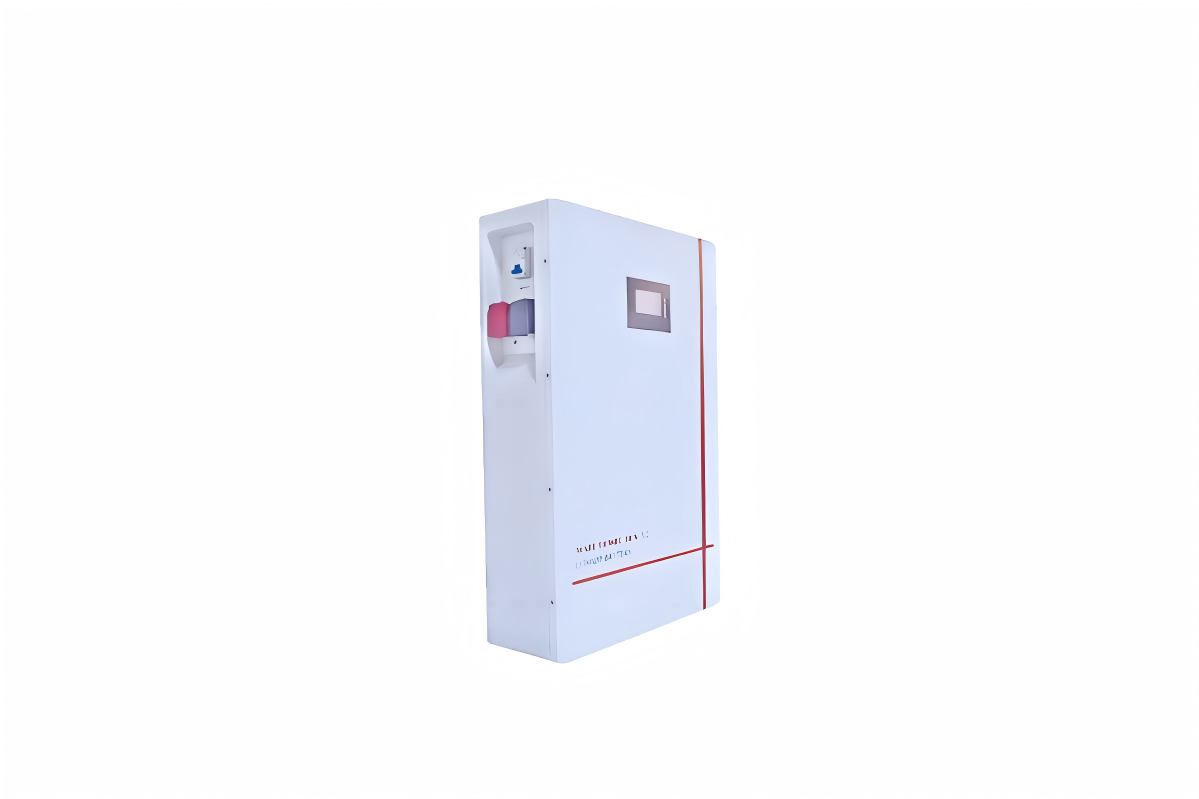
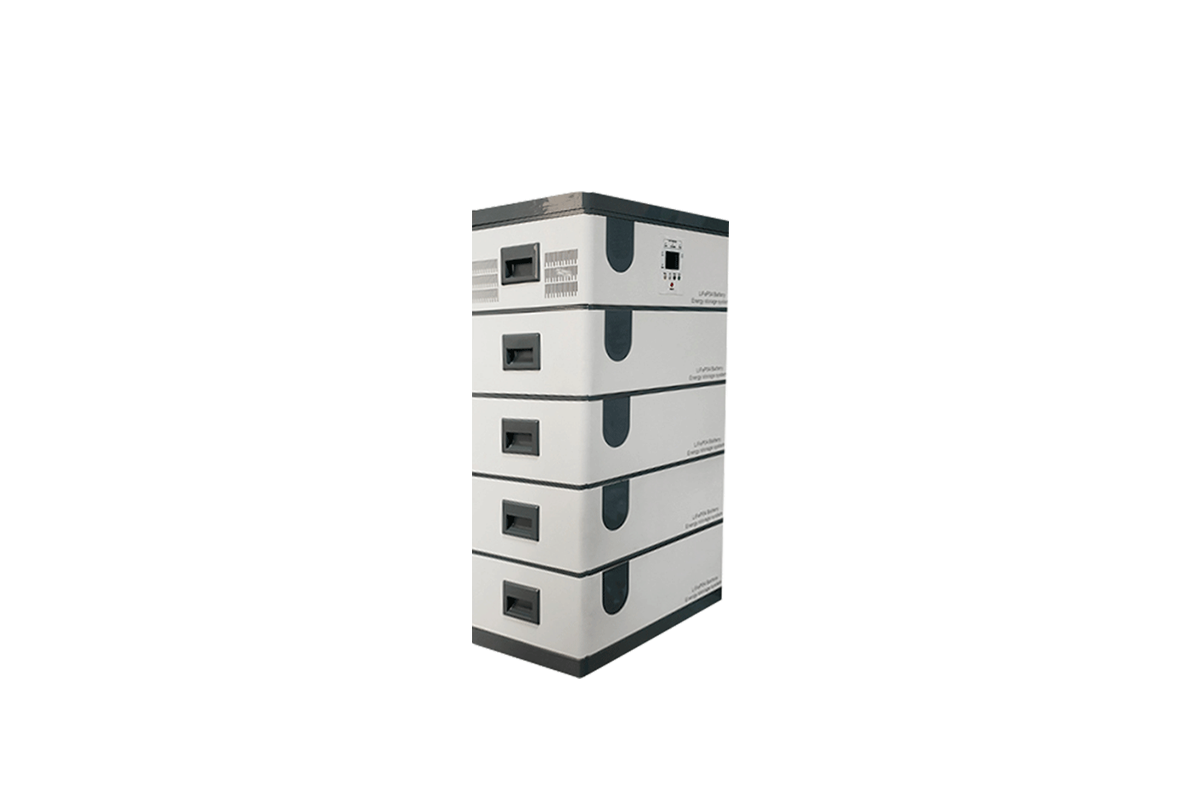
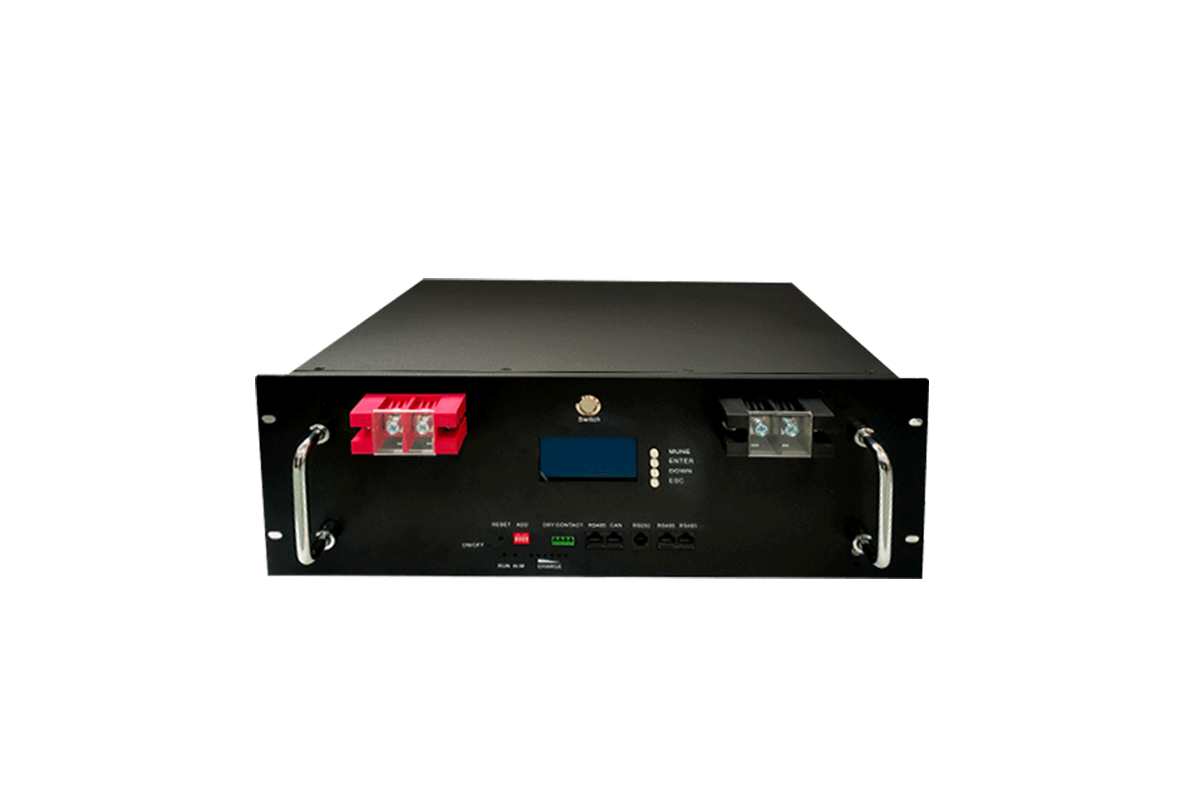
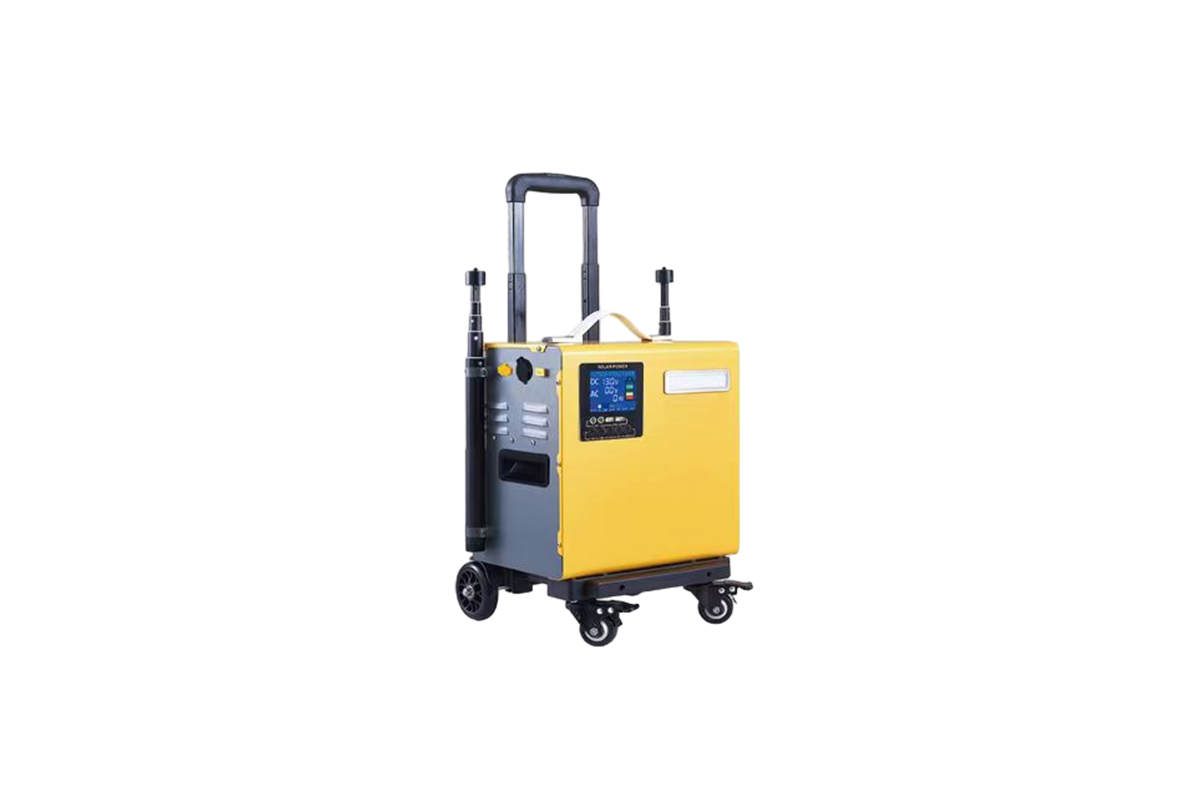
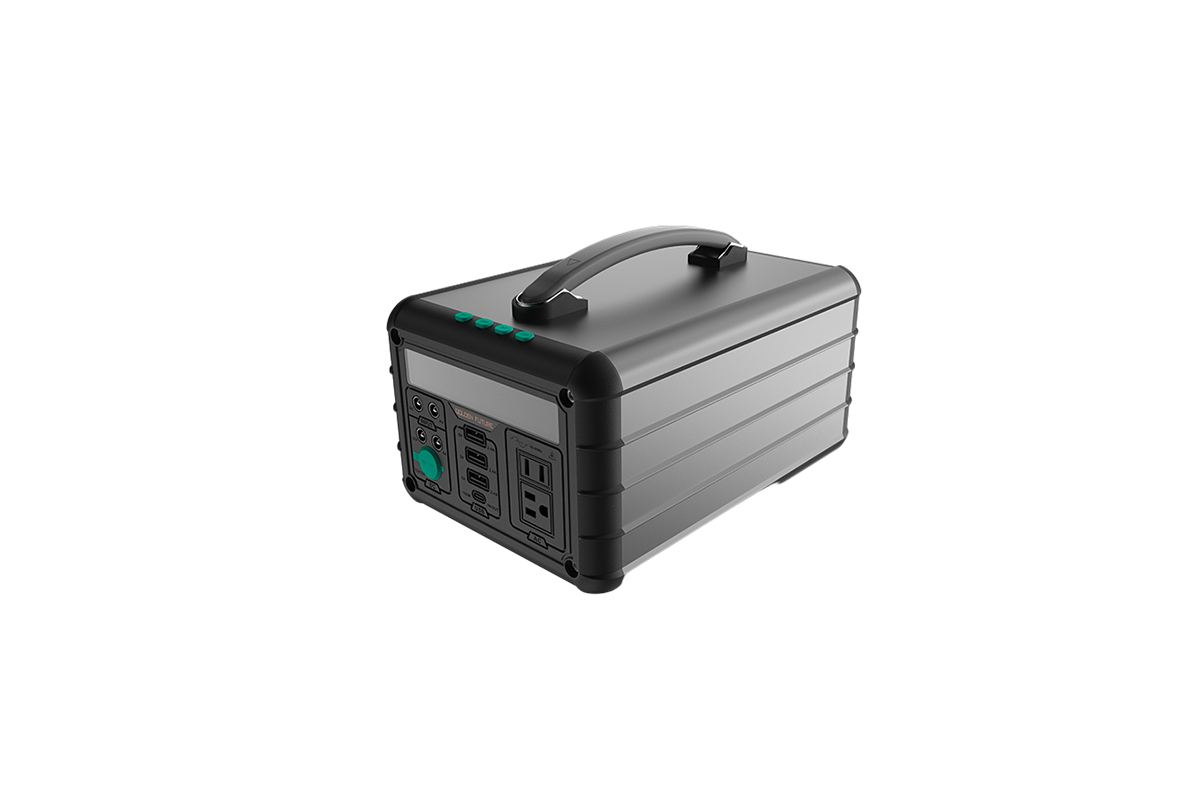
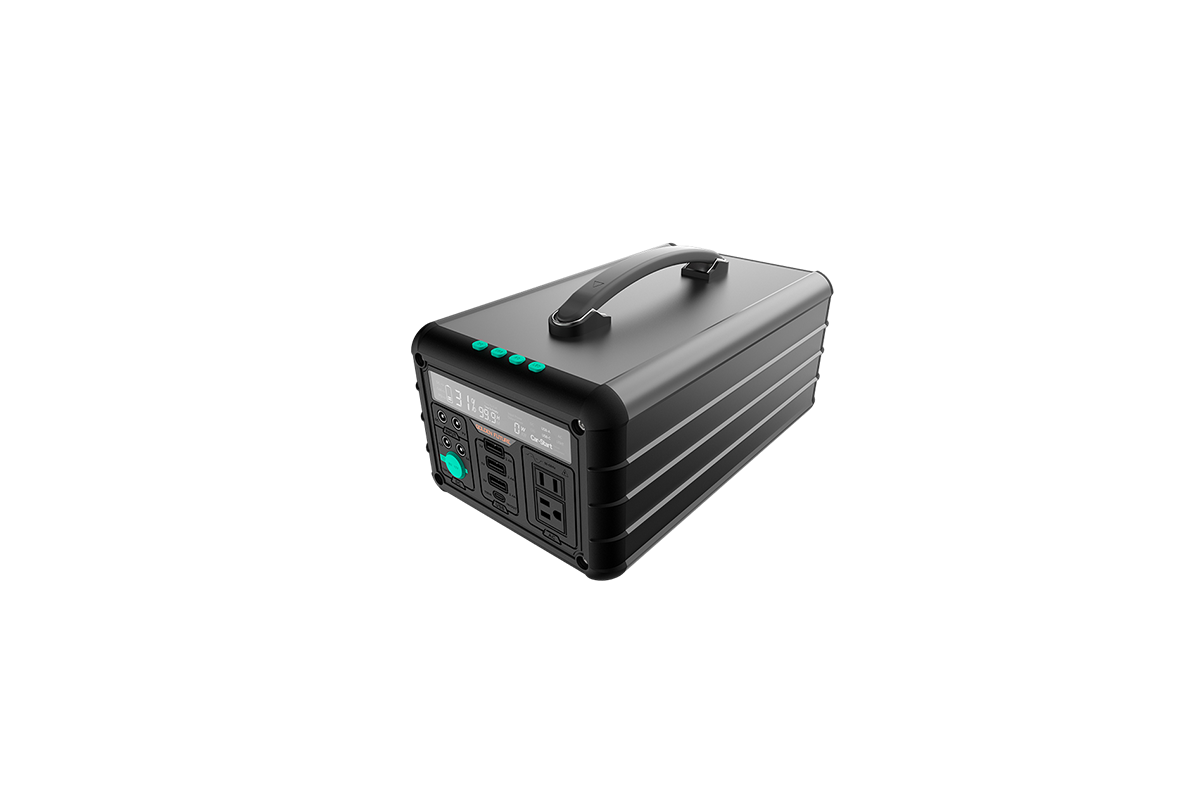
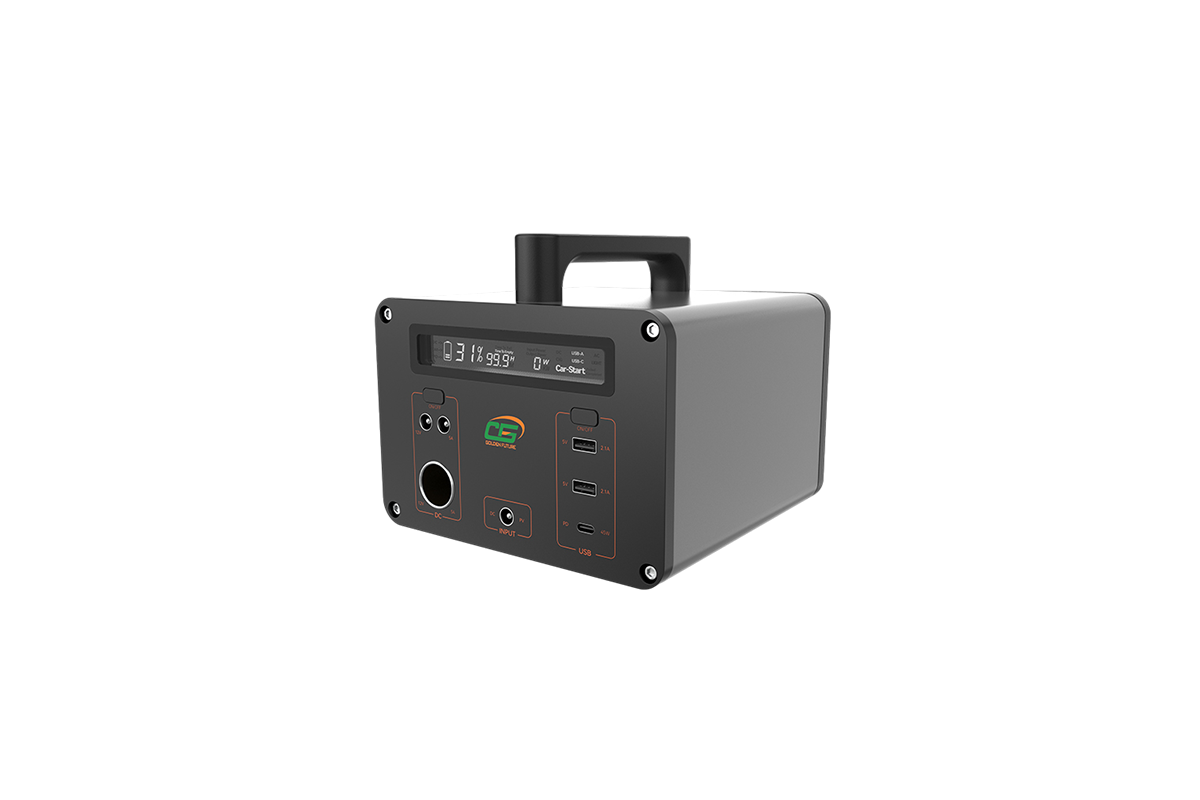
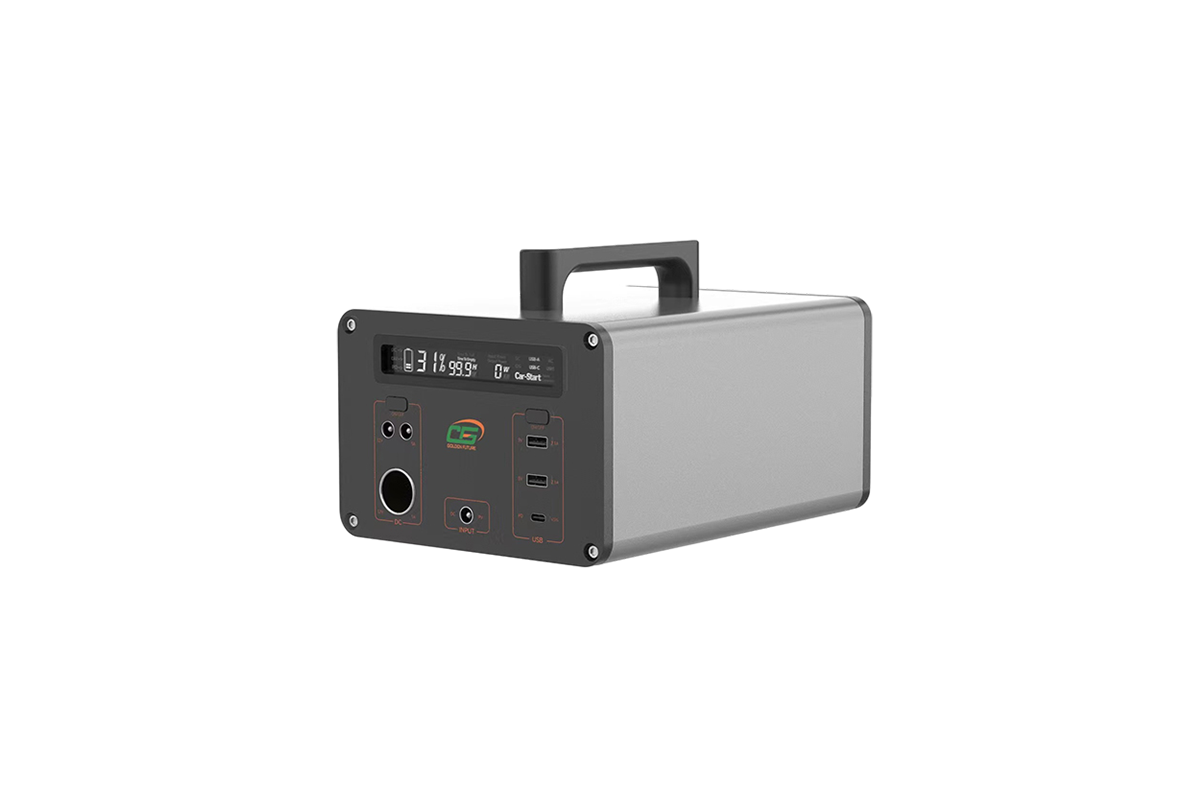
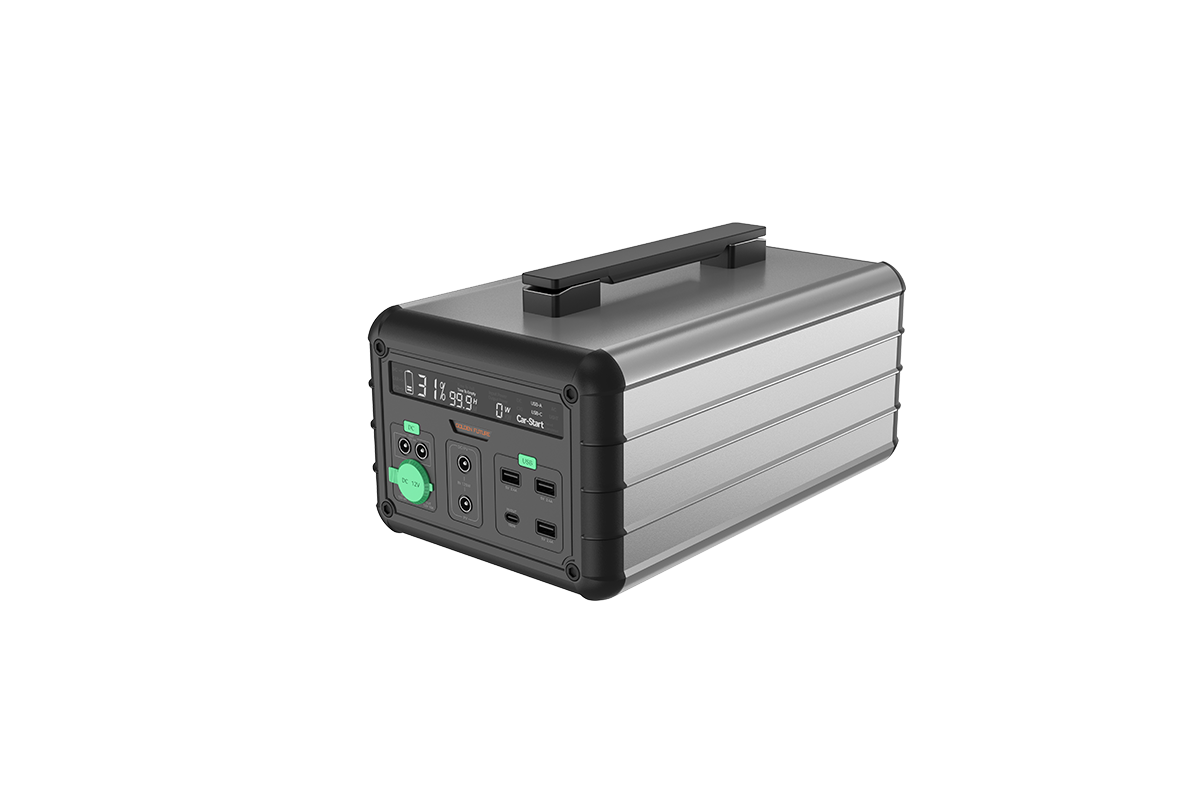
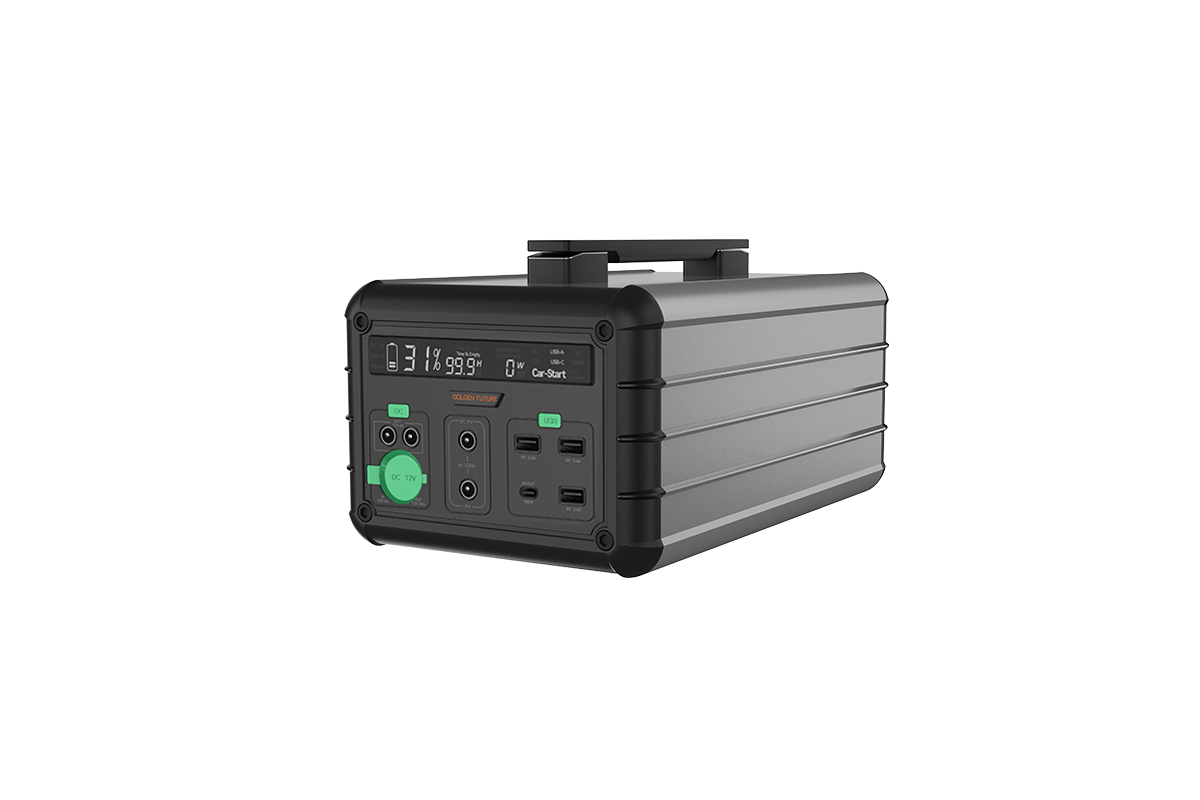
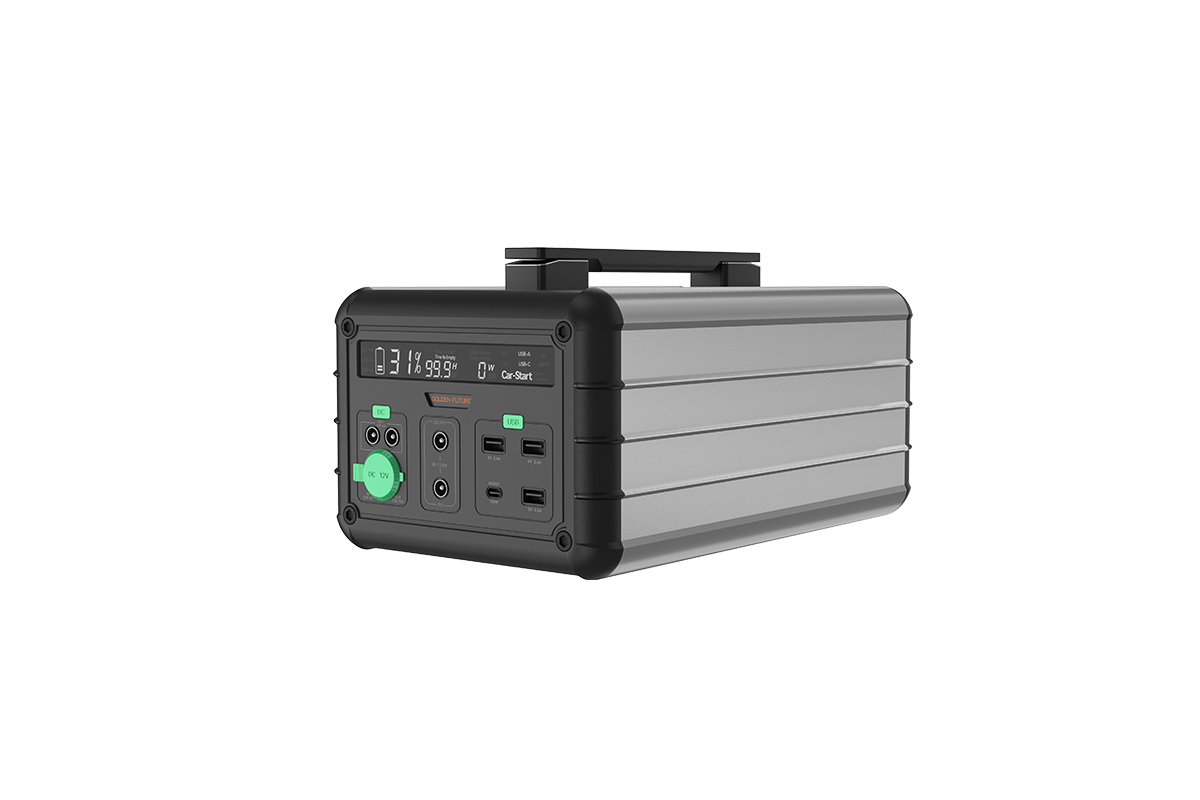
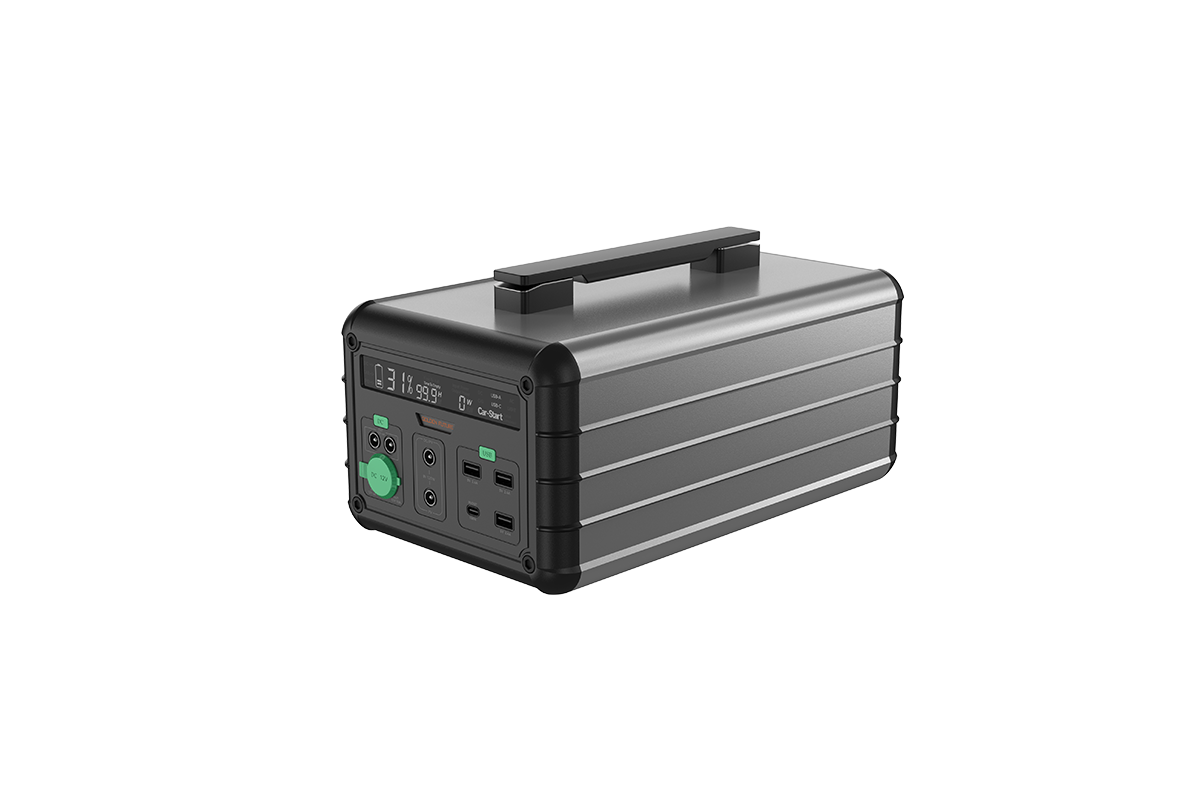
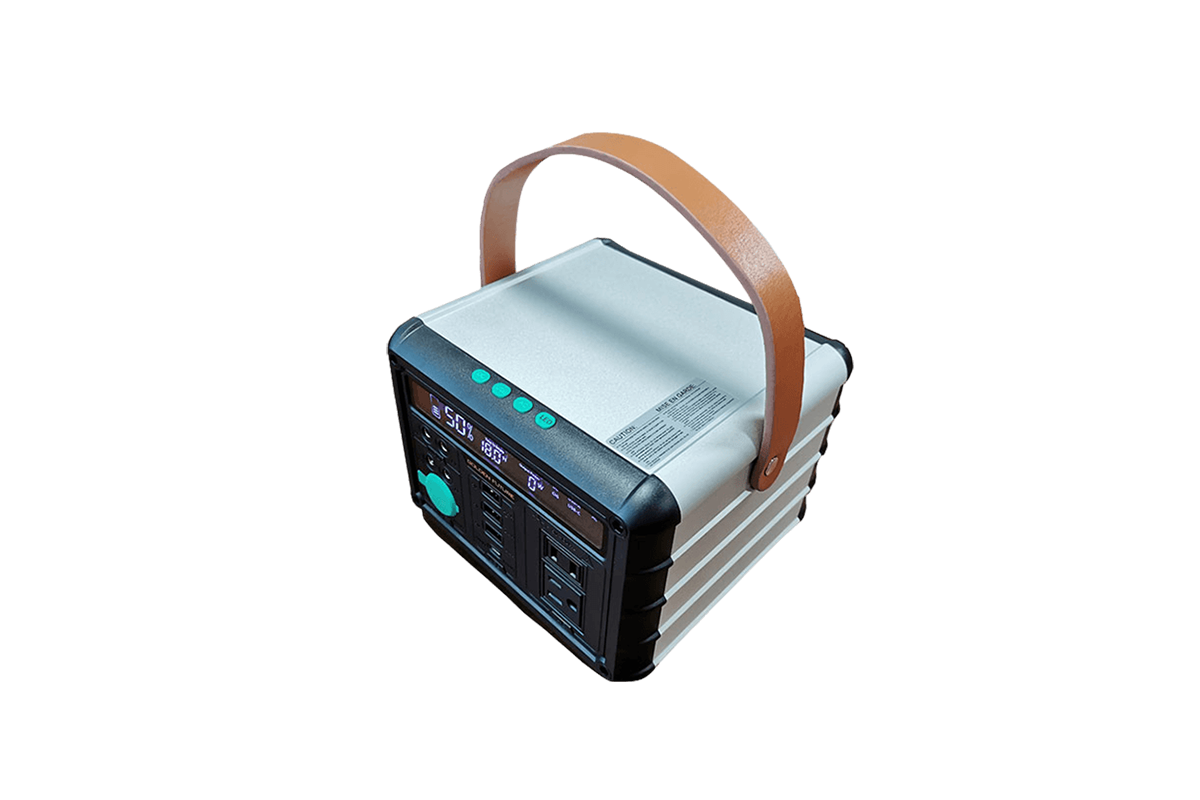
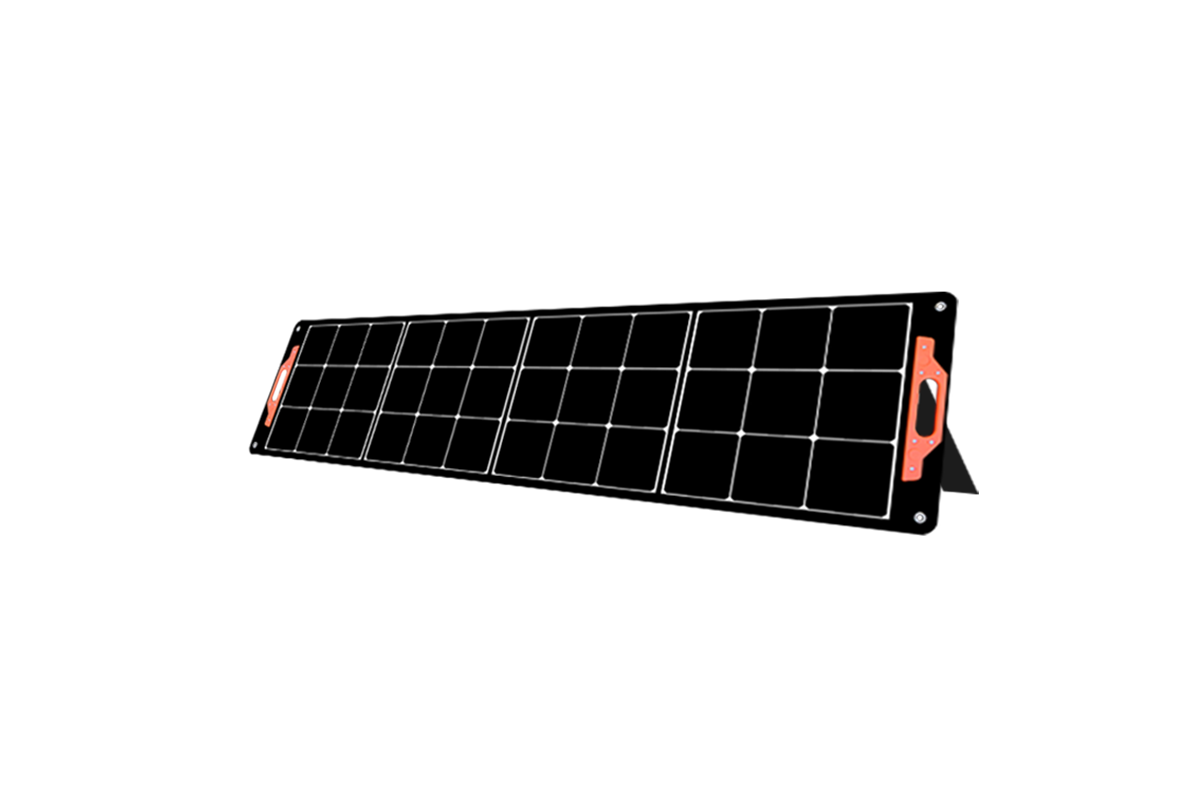
Physical dimensions and form factors are important for applications where space is a constraint. Lithium energy storage batteries can be customized to fit into specific enclosures or spaces, such as in electric vehicles, portable power stations, or compact off - grid systems. Custom design also allows for the integration of additional features, such as handles for portability, mounting brackets for easy installation, or waterproof and dust - proof casings for outdoor applications.
Another significant customization requirement is related to the battery management system (BMS). Different applications may have specific monitoring and control needs. For example, in electric vehicles, the BMS needs to communicate with the vehicle's control system to optimize battery performance and safety. In grid - connected energy storage systems, the BMS may need to interface with the grid management system for efficient power dispatch. Customizing the BMS ensures that it can effectively manage the battery's operation and meet the unique requirements of the application.
In addition, customization can also involve the choice of battery chemistry. While lithium - ion batteries are the most common, there are different types of lithium - ion chemistries, each with its own characteristics in terms of energy density, cycle life, safety, and cost. Depending on the application, a specific lithium - ion chemistry may be selected or customized to achieve the best balance of performance and cost.




 59911926@qq.com/sales@goldenfuturehk.com
 13316809242 / 15816897019
 Inquiry
 Home >