






Time:2026-07-29 Views:509
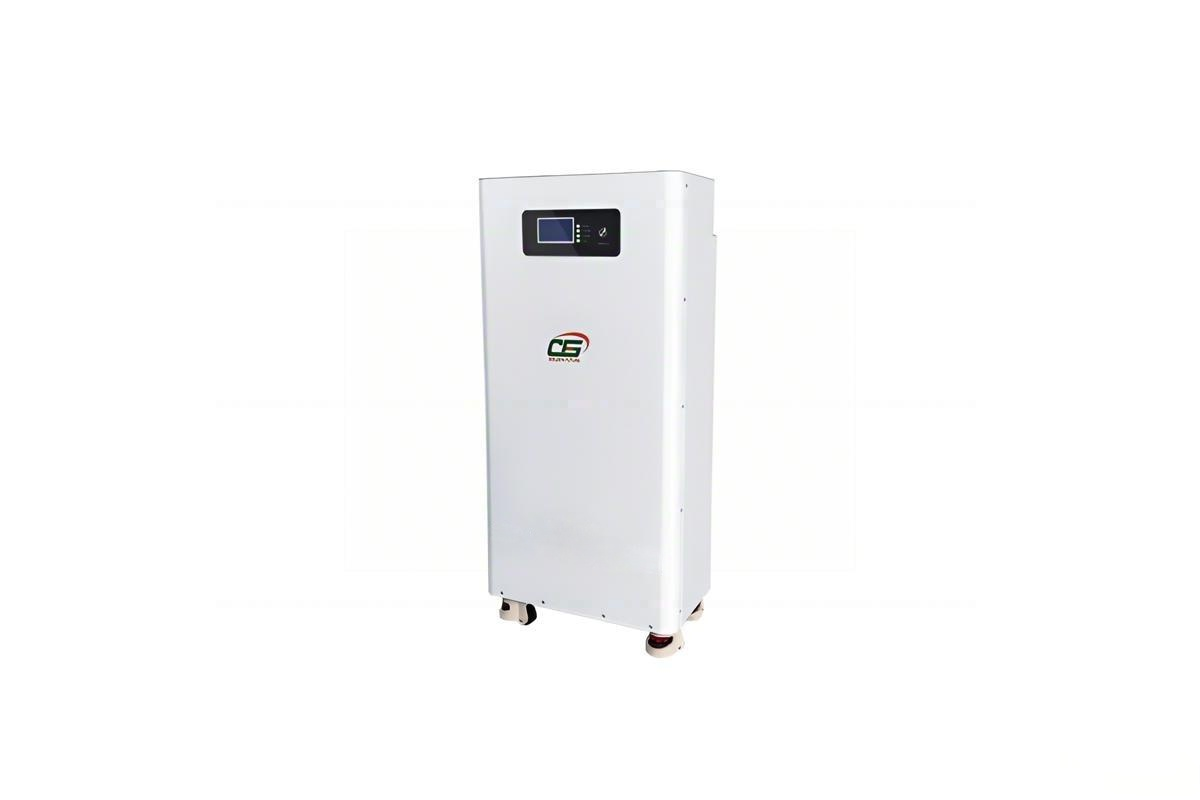
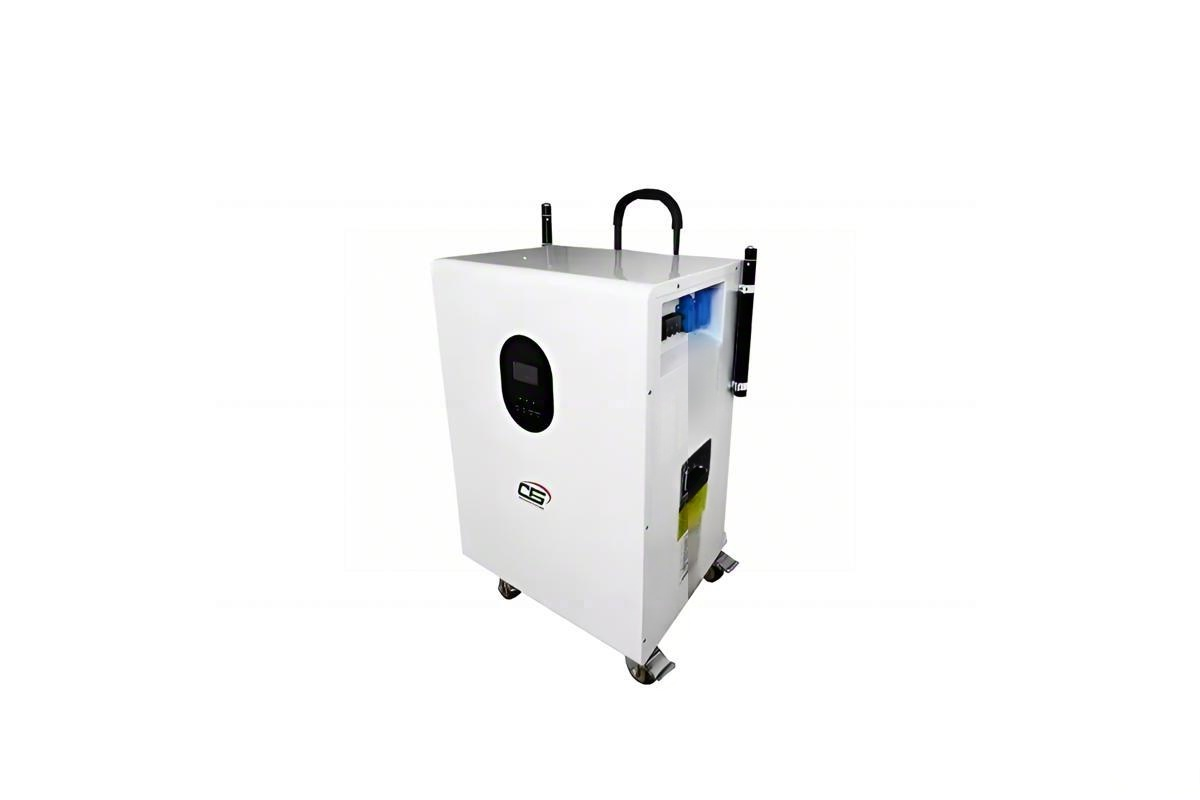
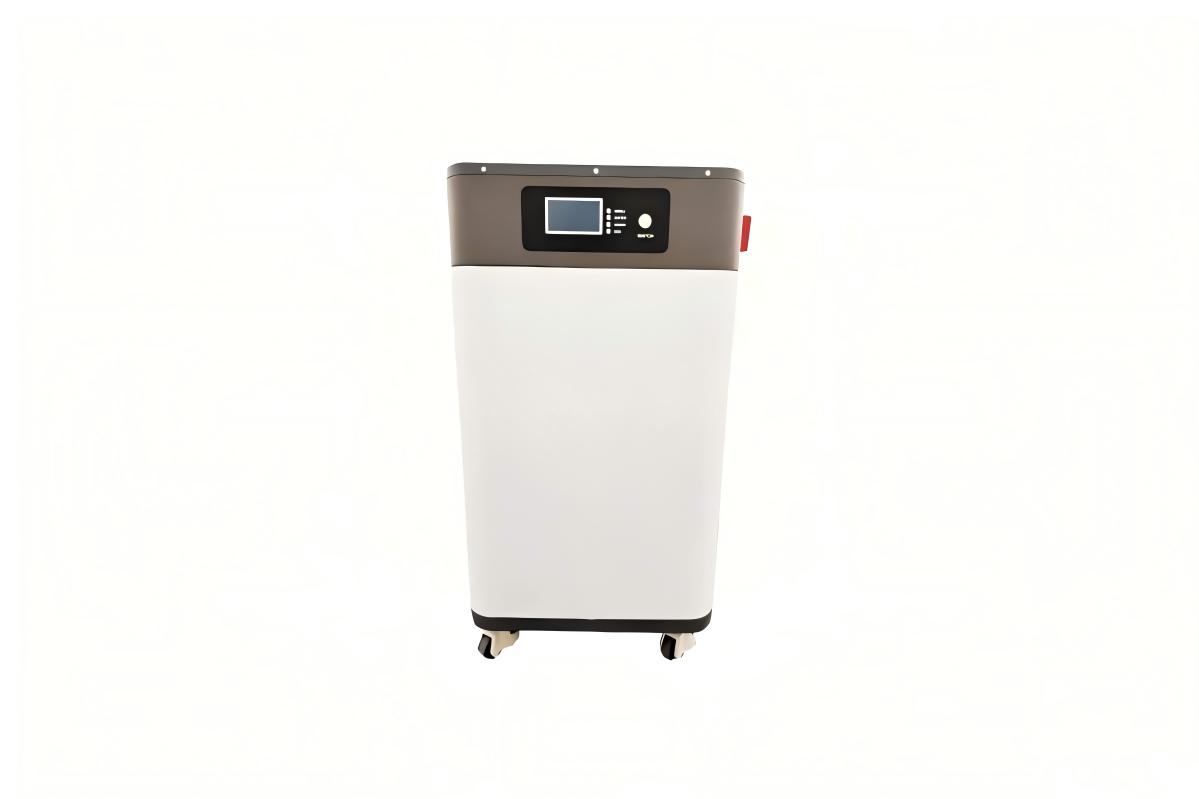
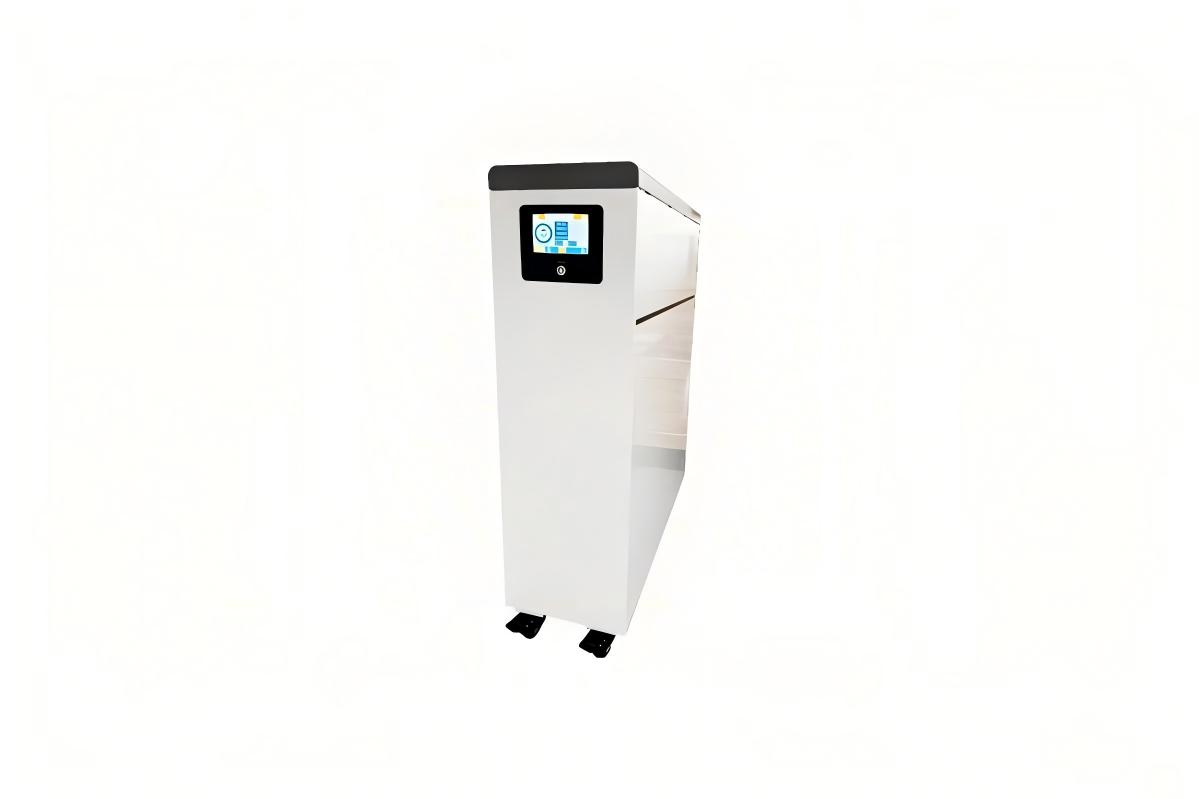
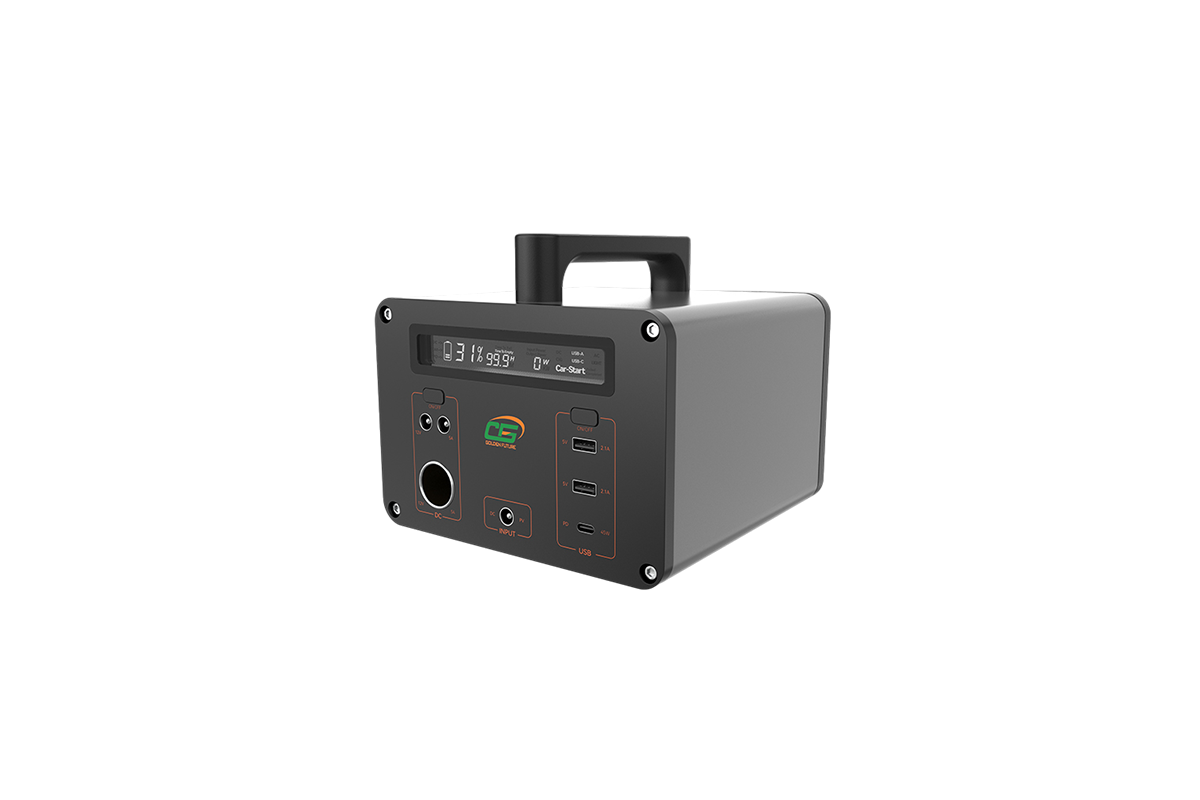
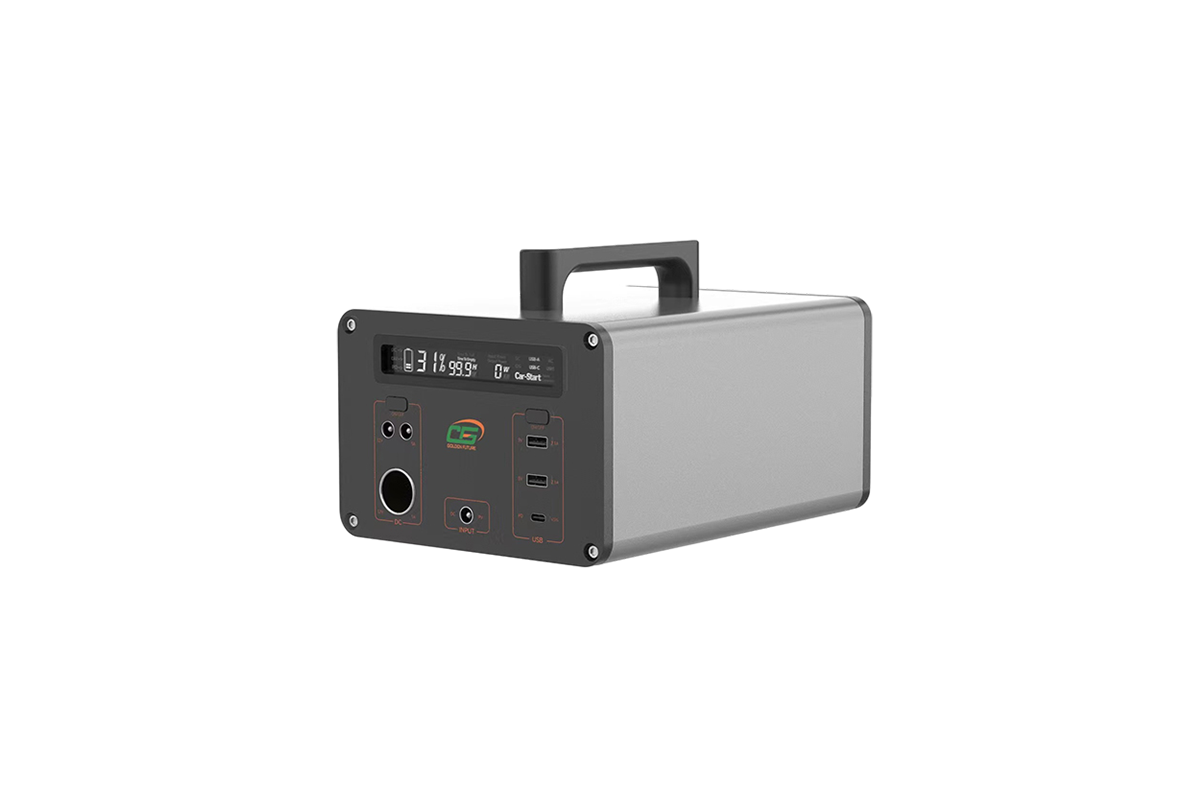
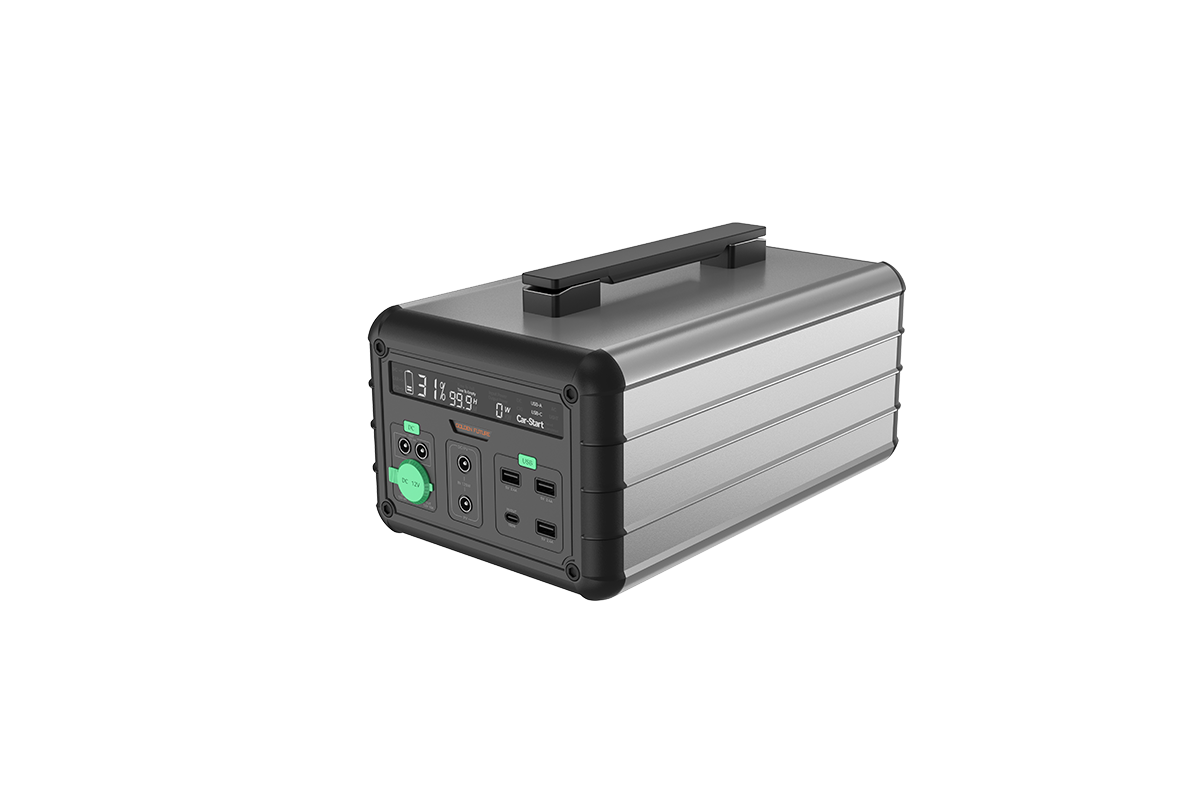
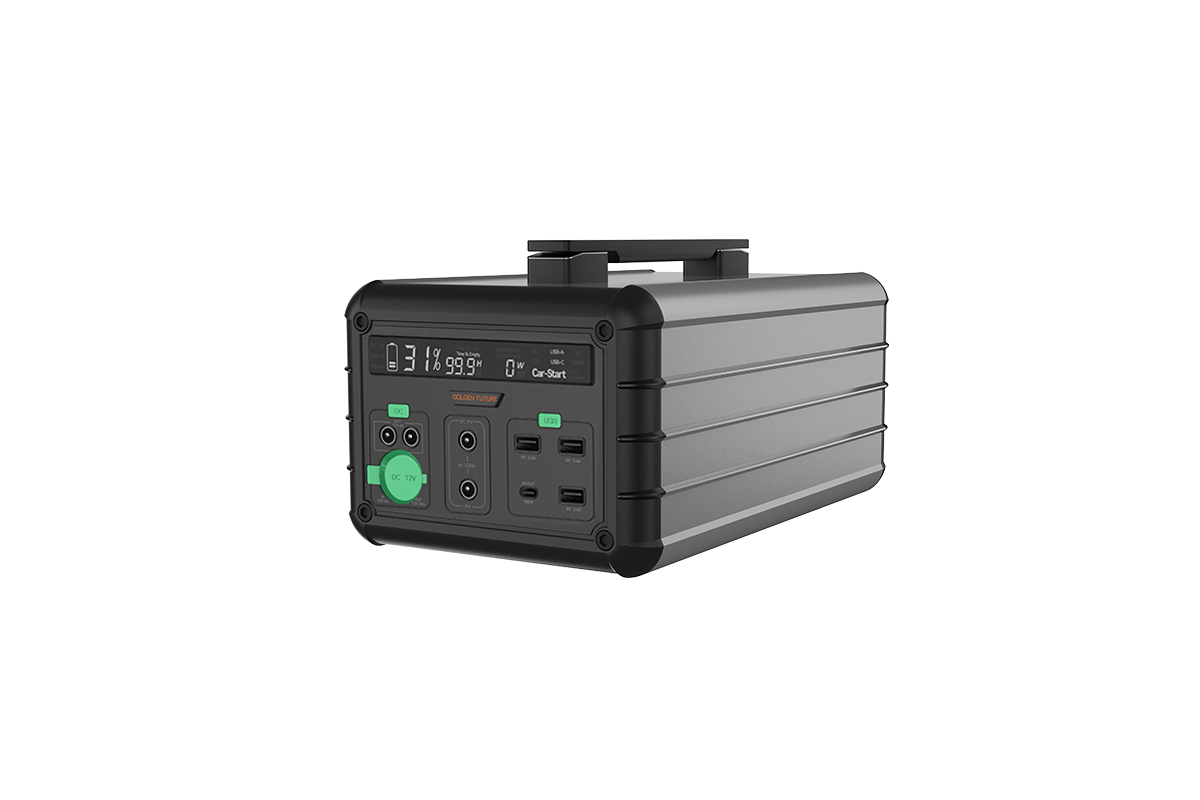
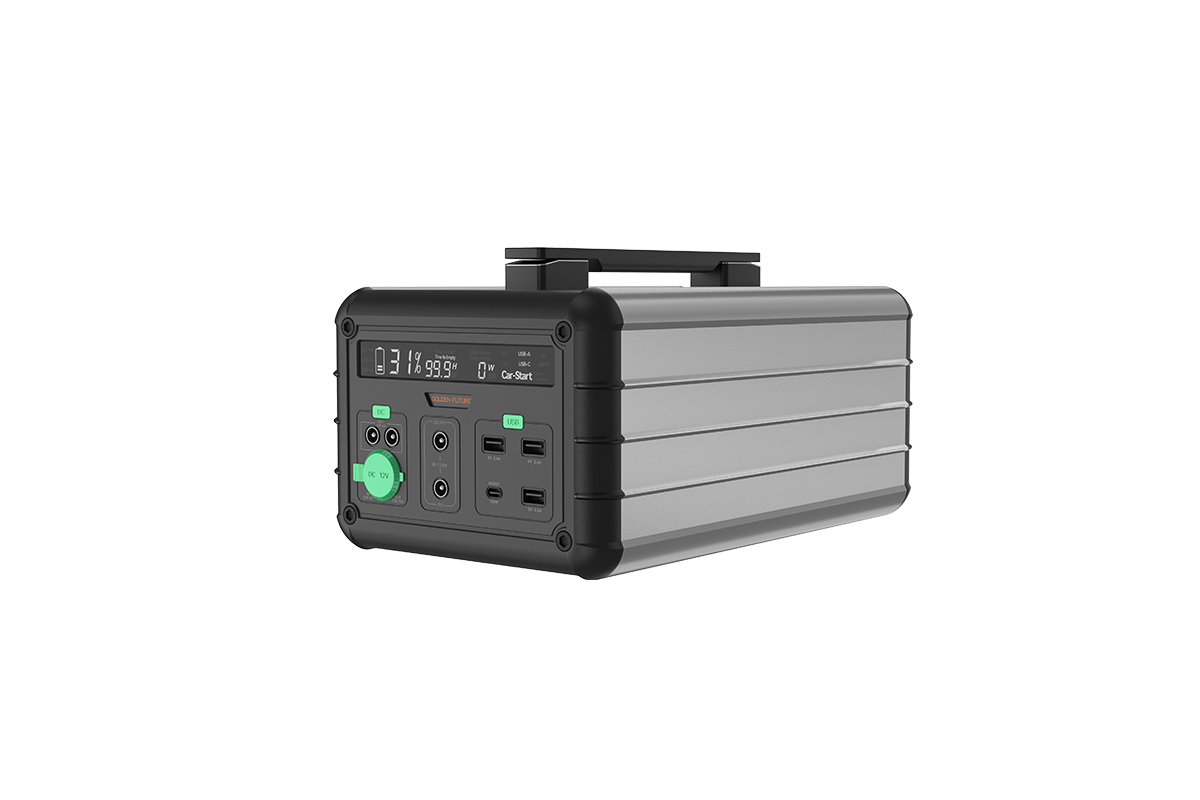
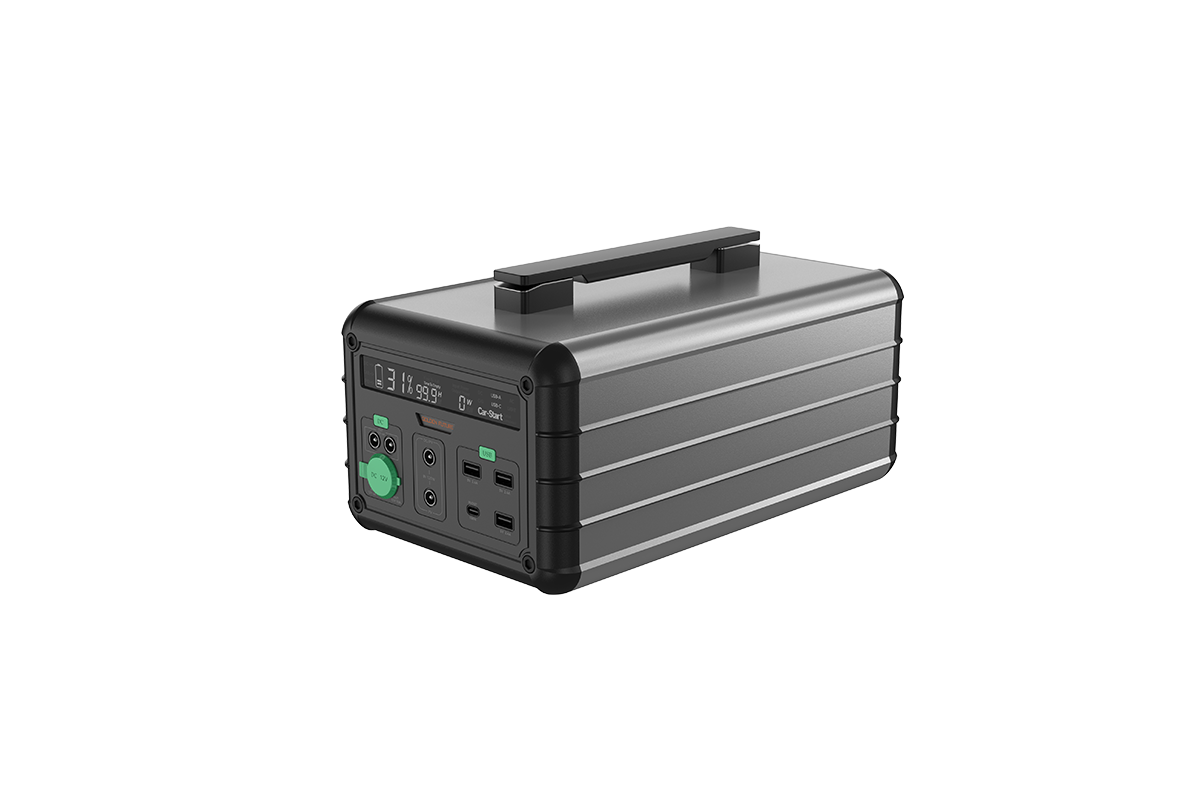
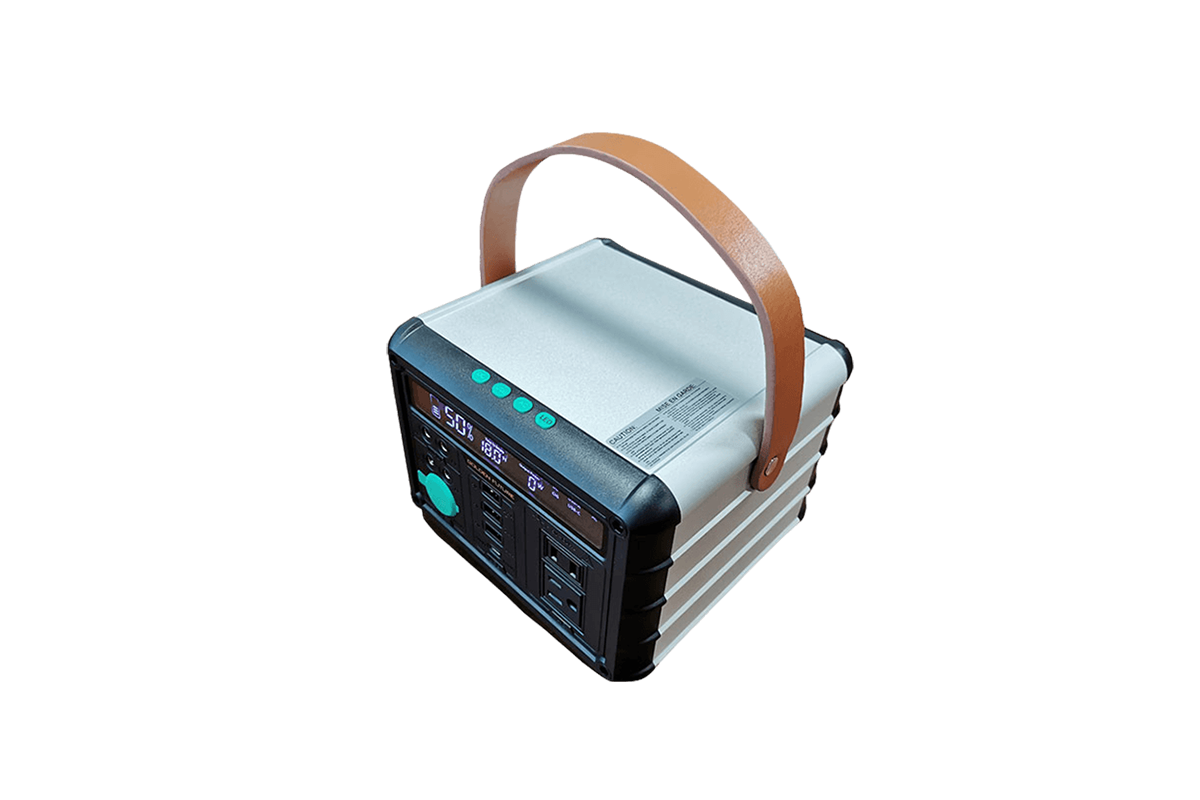
Composite material energy storage batteries are a new generation of high-performance energy storage devices formed by integrating multiple functional composite materials into traditional battery structures, breaking through the performance limitations of single-material batteries. Different from conventional batteries using pure metal shells and single electrode materials, composite batteries adopt multi-component composite structures such as carbon fiber composites, graphene-modified composites, and polymer matrix composites, which integrate energy storage, mechanical bearing, heat dissipation, and anti-corrosion functions. This innovative structural design enables the battery to achieve dual improvements in electrochemical performance and physical stability, making it a key development direction of advanced energy storage batteries in recent years.
Composite material energy storage batteries achieve significant breakthroughs in lightweight and structural strength. Traditional energy storage batteries mostly use metal shells, which are heavy, easy to corrode, and poor in shock resistance. In contrast, composite materials such as carbon fiber and thermoset composites used in new batteries are 60% lighter than traditional metal structures while having three times the tensile strength of aluminum alloy. The lightweight design greatly reduces the overall load of the energy storage system, facilitating transportation, installation, and modular deployment, especially suitable for mobile energy storage, offshore wind energy storage, and vehicle-mounted energy storage scenarios. At the same time, the composite shell has excellent corrosion resistance, resisting salt spray, humidity, and chemical erosion, and its maintenance cycle is extended from 6 months of traditional batteries to 18 months, greatly reducing later operation and maintenance costs.
The electrochemical performance of composite material energy storage batteries is comprehensively optimized at the micro level. By modifying electrode materials with graphene, carbon nanotubes, and nanocellulose composites, the battery forms a three-dimensional network conductive structure inside, which significantly improves electron transmission efficiency and ionic mobility. This structural optimization effectively reduces internal resistance, accelerates charge and discharge response speed, and improves the overall energy density of the battery. Experimental data shows that the volume energy density of composite energy storage batteries is increased by 40% compared with traditional batteries, and the charge-discharge stability under high-rate operation is significantly improved. In addition, the composite material structure can effectively buffer the volume expansion of electrode materials during cycling, avoid structural damage of cells, and greatly extend the cycle life of the battery.
Multifunctional integration and environmental friendliness are core competitive advantages of composite material energy storage batteries. Different from traditional batteries that only have a single energy storage function, composite batteries realize the integration of structural bearing and energy storage, which can be used as both power storage equipment and structural components of energy storage devices, saving space and reducing the overall system cost. Most composite materials are cobalt-free and environmentally degradable, avoiding the environmental pollution problems caused by heavy metal materials of traditional batteries. With the continuous maturity of composite material preparation technology and molding process, the production cost of composite energy storage batteries is gradually reduced, and they are widely used in grid energy storage, new energy vehicles, aerospace, and portable energy storage fields, becoming an important support for the high-quality development of the new energy industry.




 59911926@qq.com/sales@goldenfuturehk.com
 13316809242 / 15816897019
 Inquiry
 Home >