





Time:2026-04-15 Views:61
Portable power stations and home energy storage systems are two distinct energy storage solutions designed to meet different user needs, with differences in design, functionality, and application scenarios. While both can store electrical energy and provide backup power, their core purposes and performance characteristics vary significantly, making them suitable for different use cases. Understanding these differences is crucial for users to choose the right energy storage solution that aligns with their specific requirements, whether it is for emergency backup, outdoor activities, or long-term home energy independence.
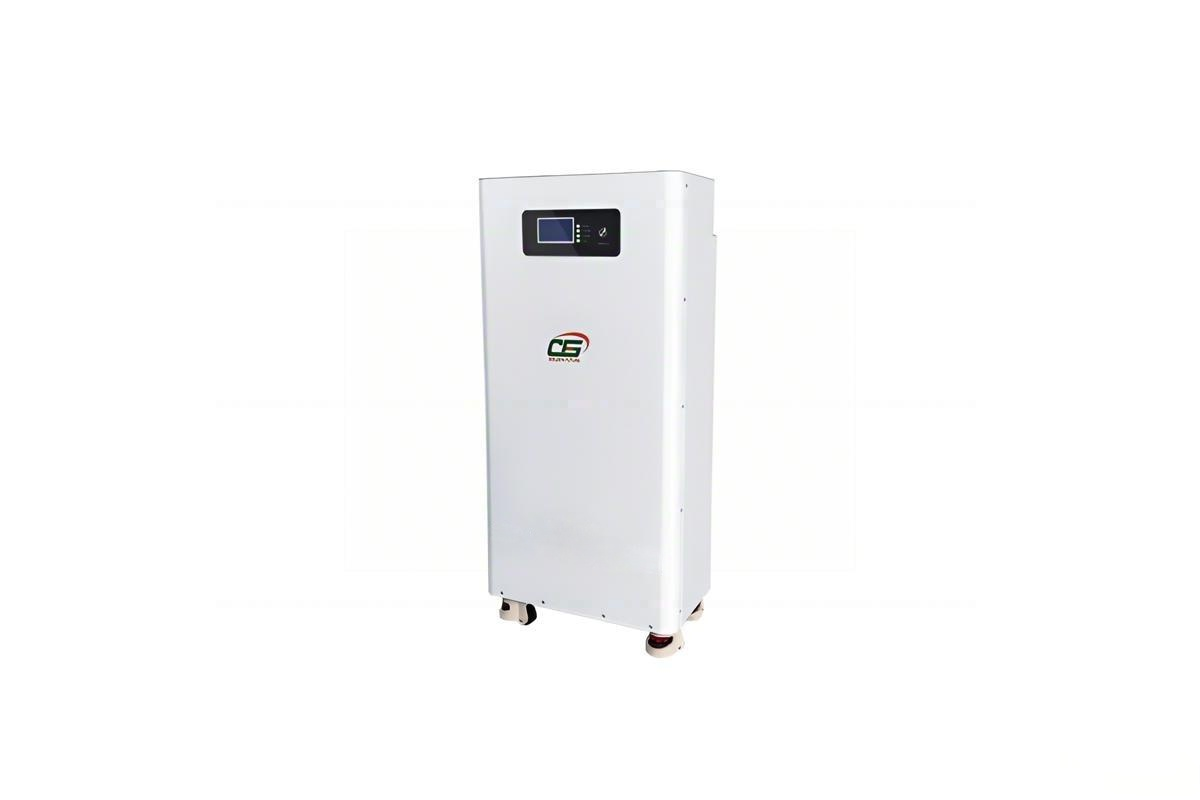
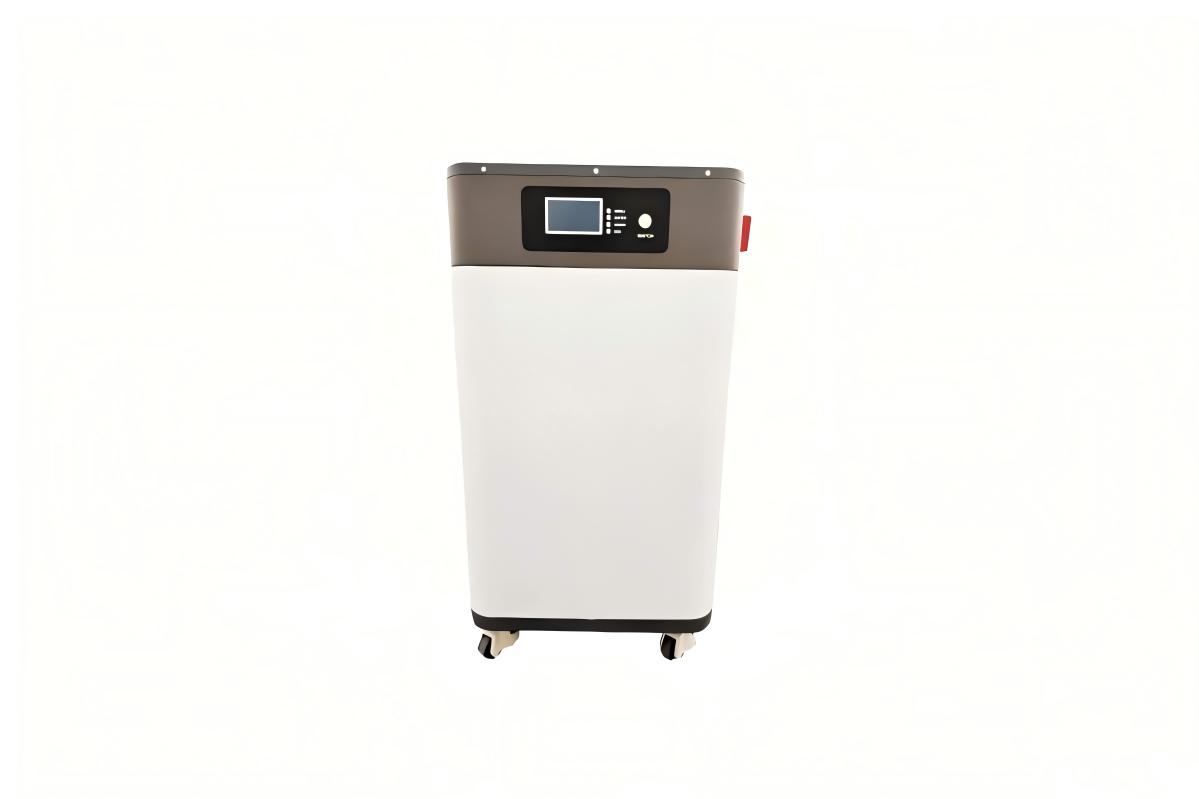
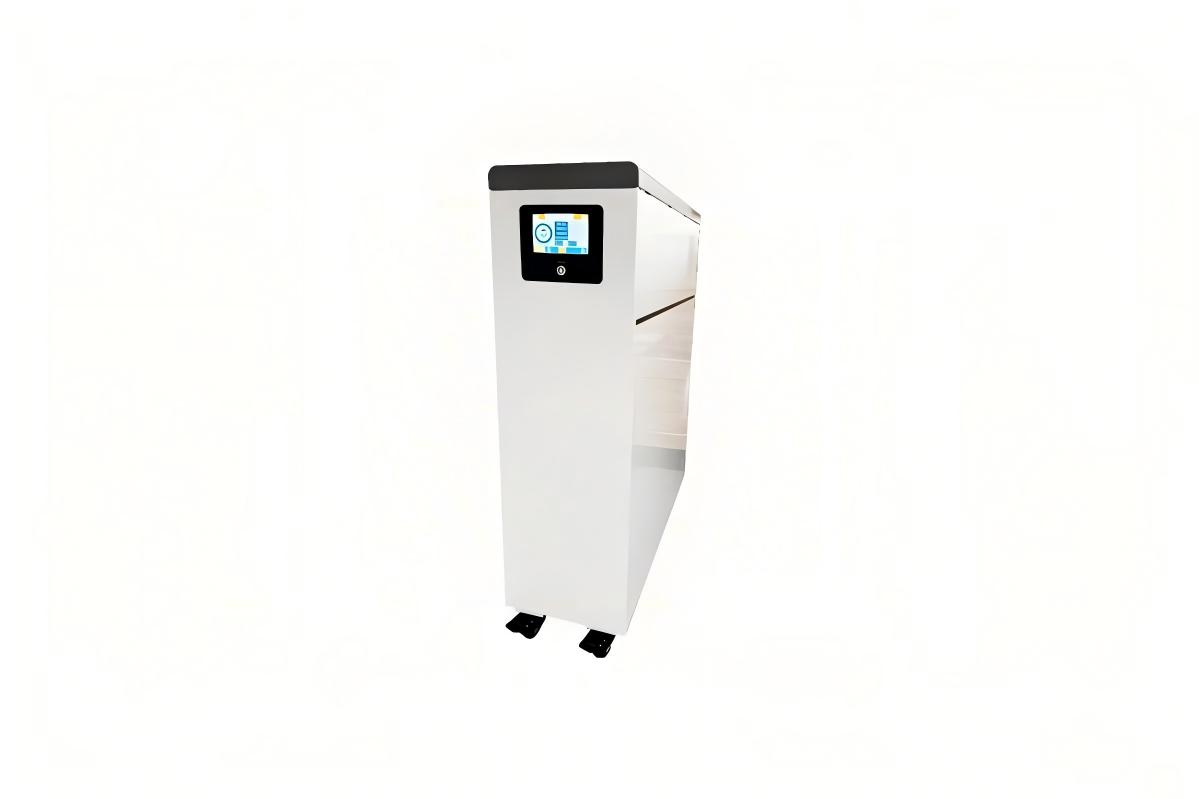
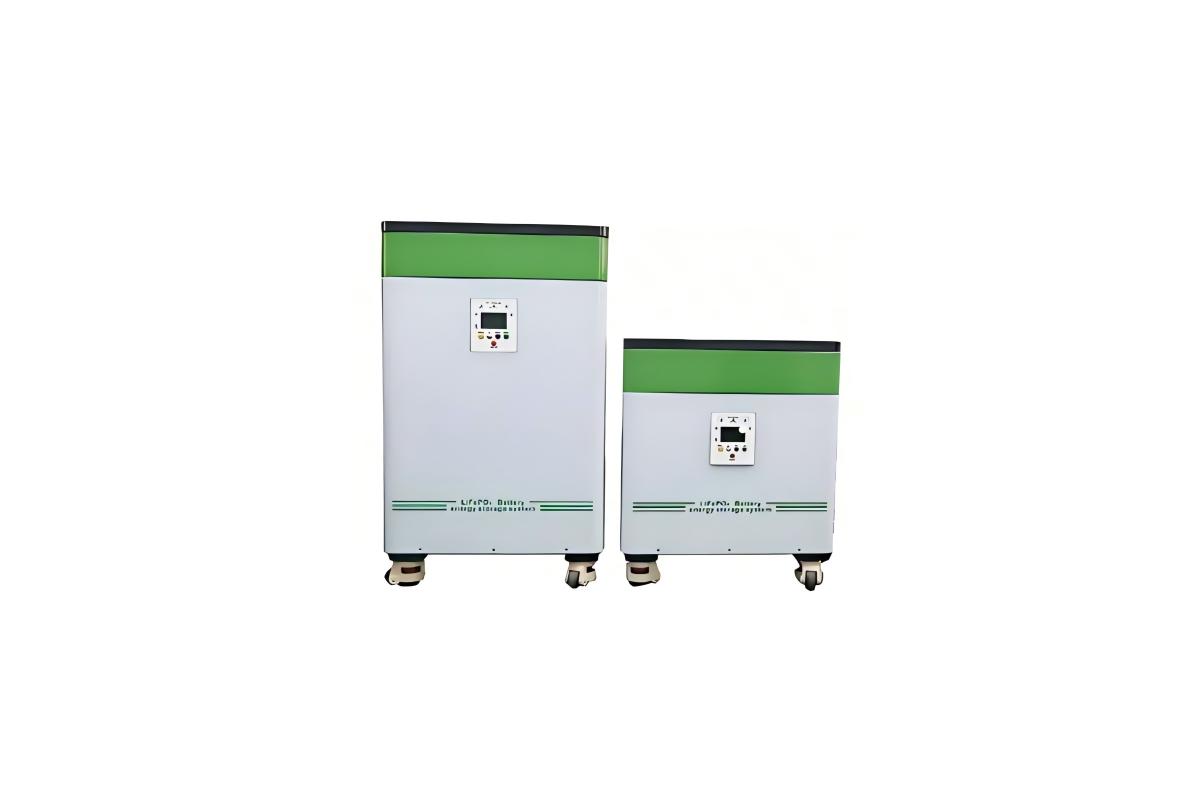
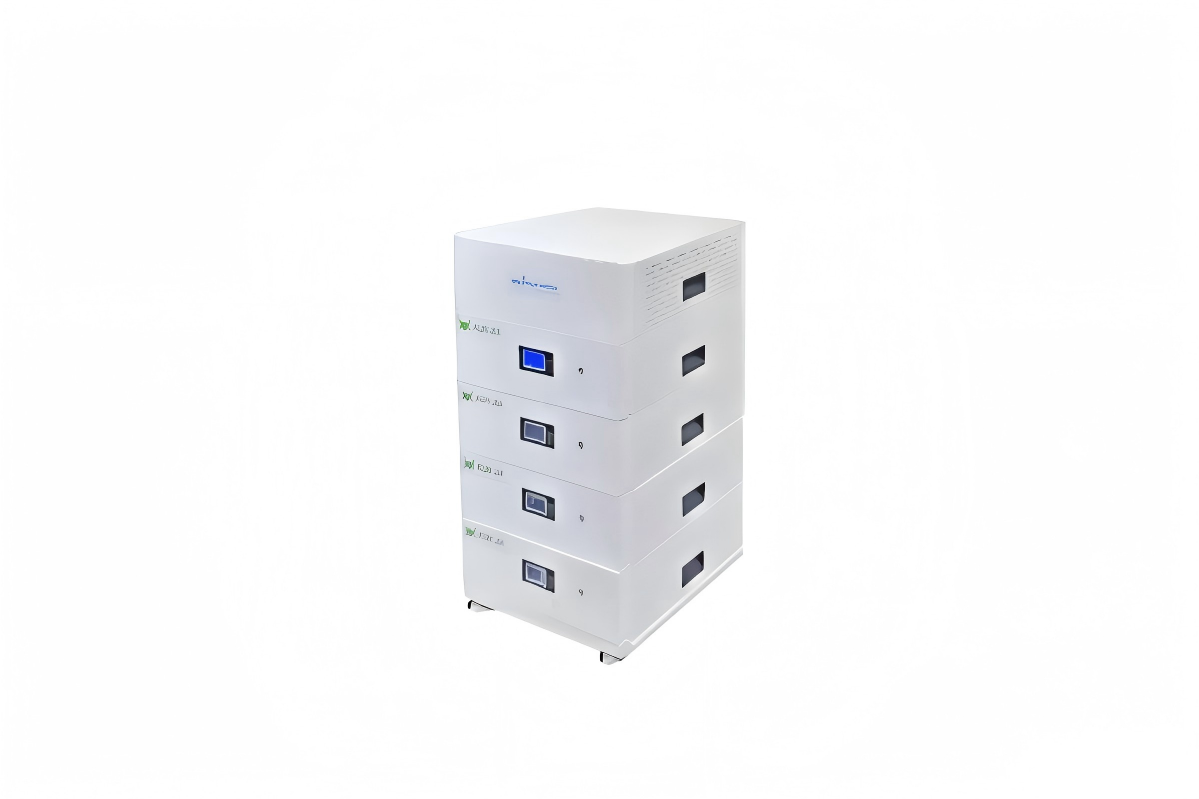
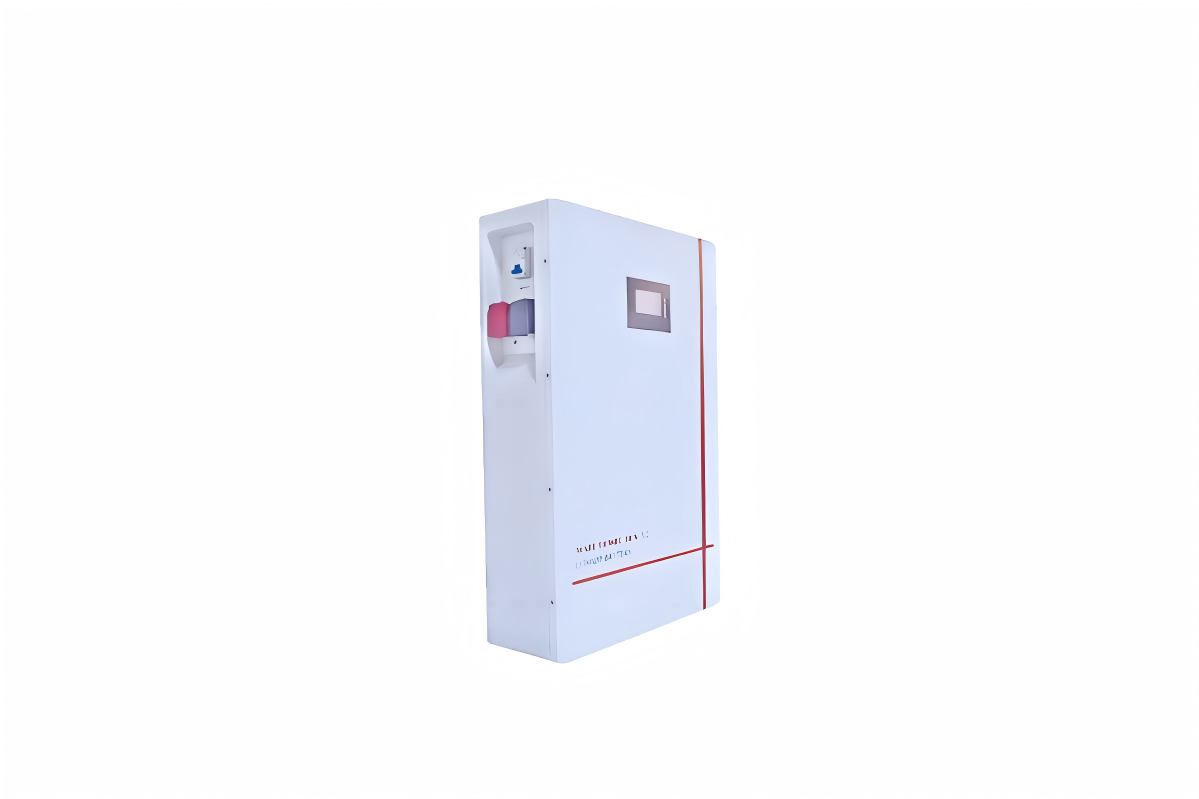
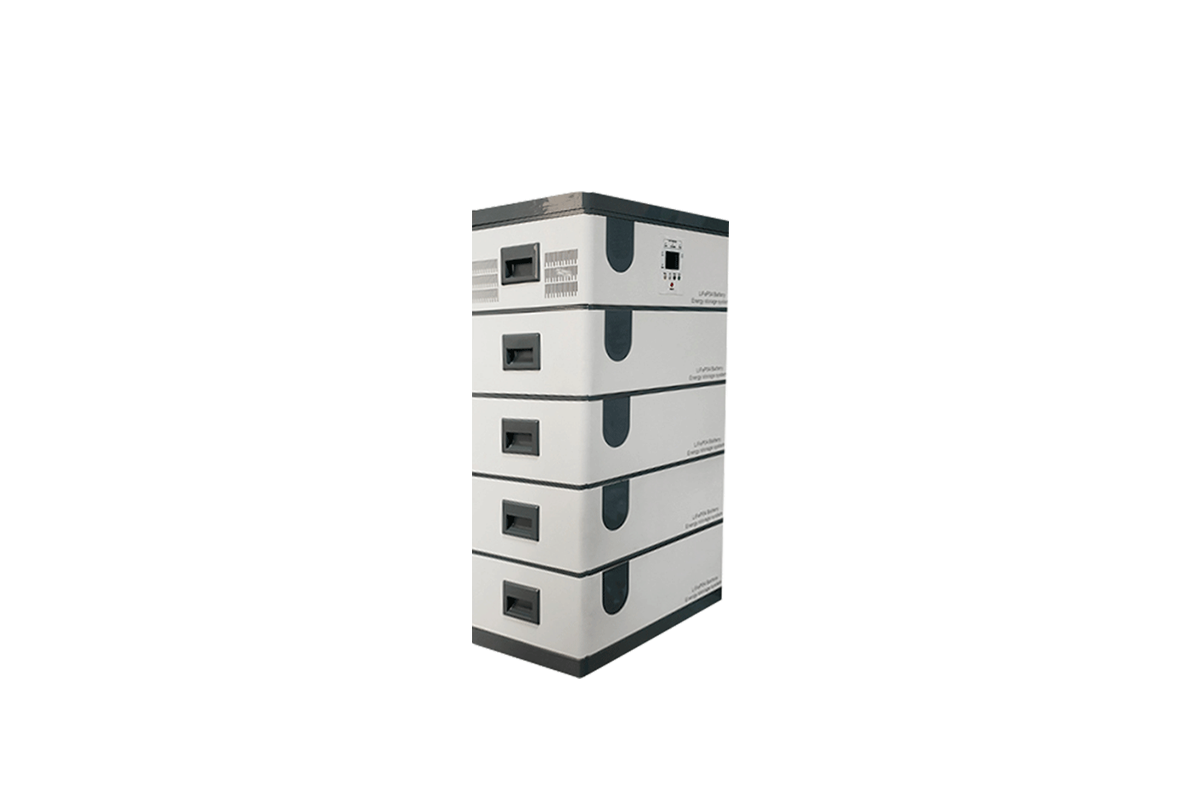
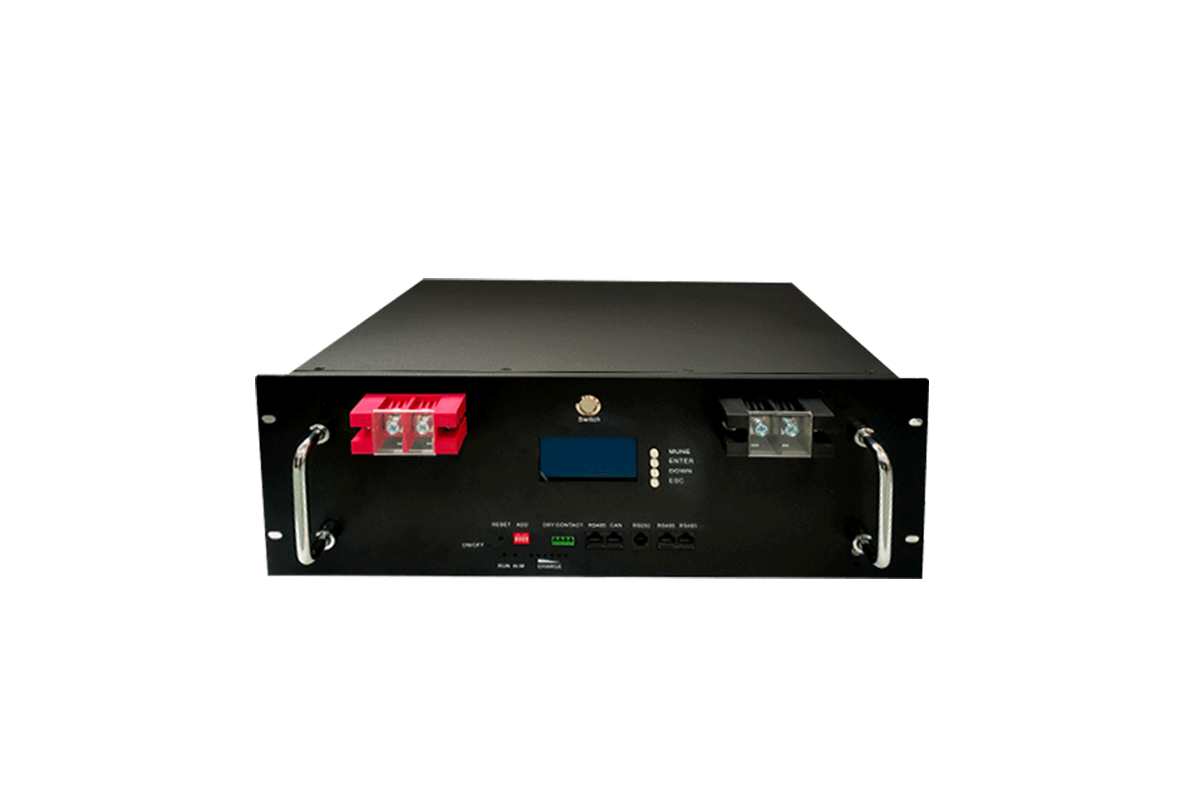
Home energy storage systems are fixed, large-scale systems typically installed permanently in a home, often paired with rooftop solar panels. They are designed to integrate with the home’s electrical grid, providing whole-home backup power during grid outages and helping to reduce reliance on the grid by storing excess solar energy. These systems are characterized by high capacity, usually ranging from 10 to 50+ kWh, and can power all essential household appliances, including refrigerators, air conditioners, and medical devices, for extended periods. They operate automatically, switching to backup power within milliseconds of a grid outage, ensuring minimal disruption to daily life. Home energy storage systems are ideal for homeowners seeking long-term energy security, reduced electricity bills, and increased self-sufficiency, as they can be charged from the grid during off-peak hours or from solar panels, maximizing energy efficiency.
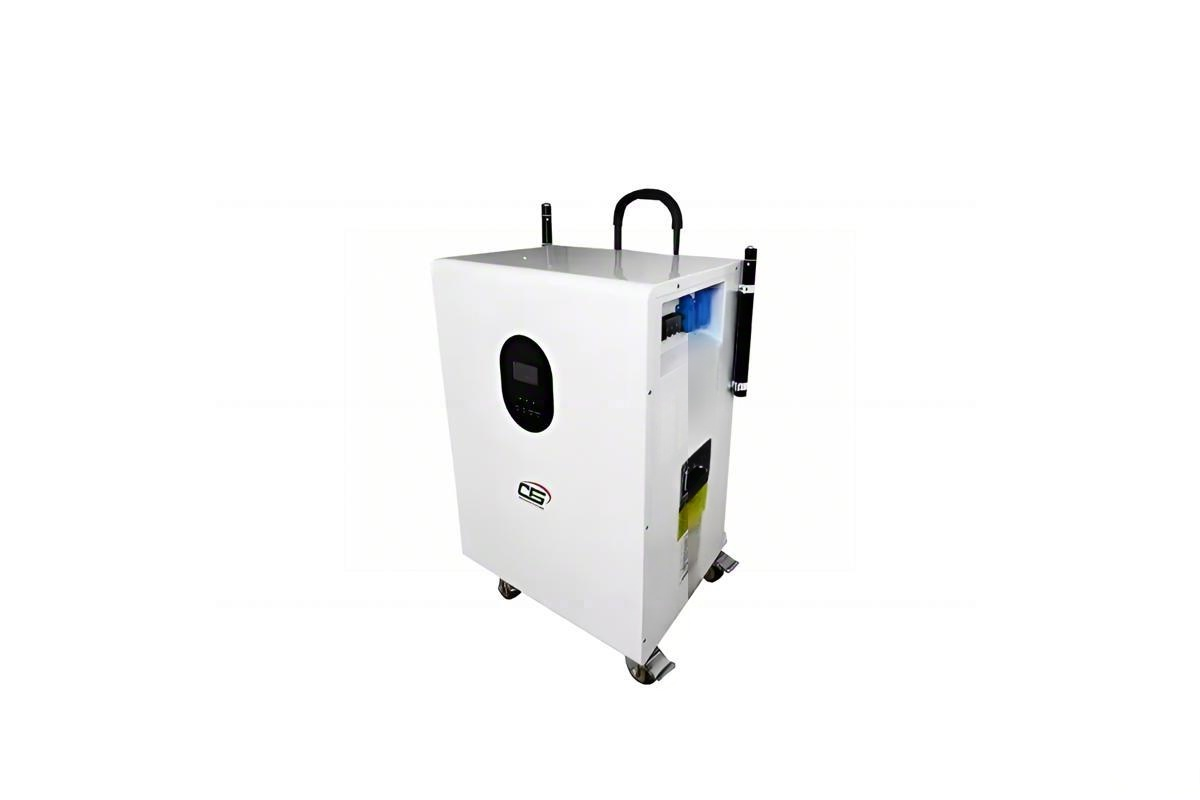
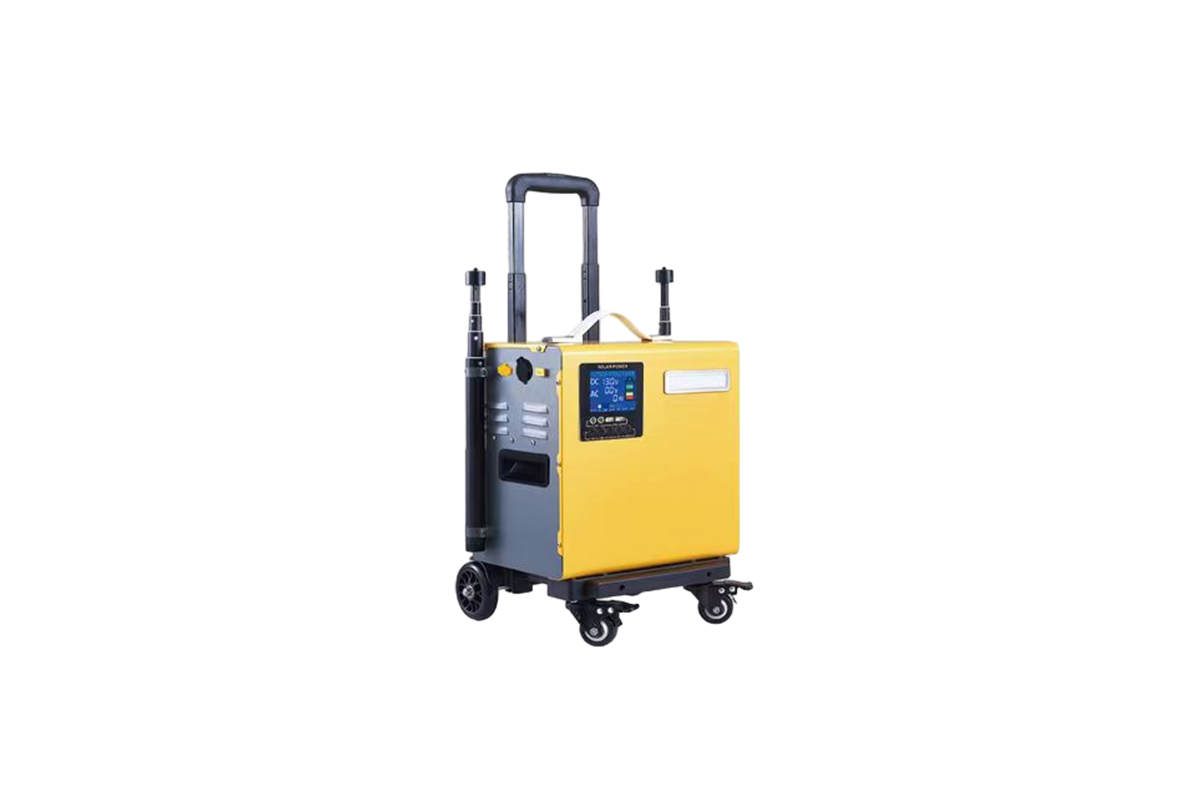
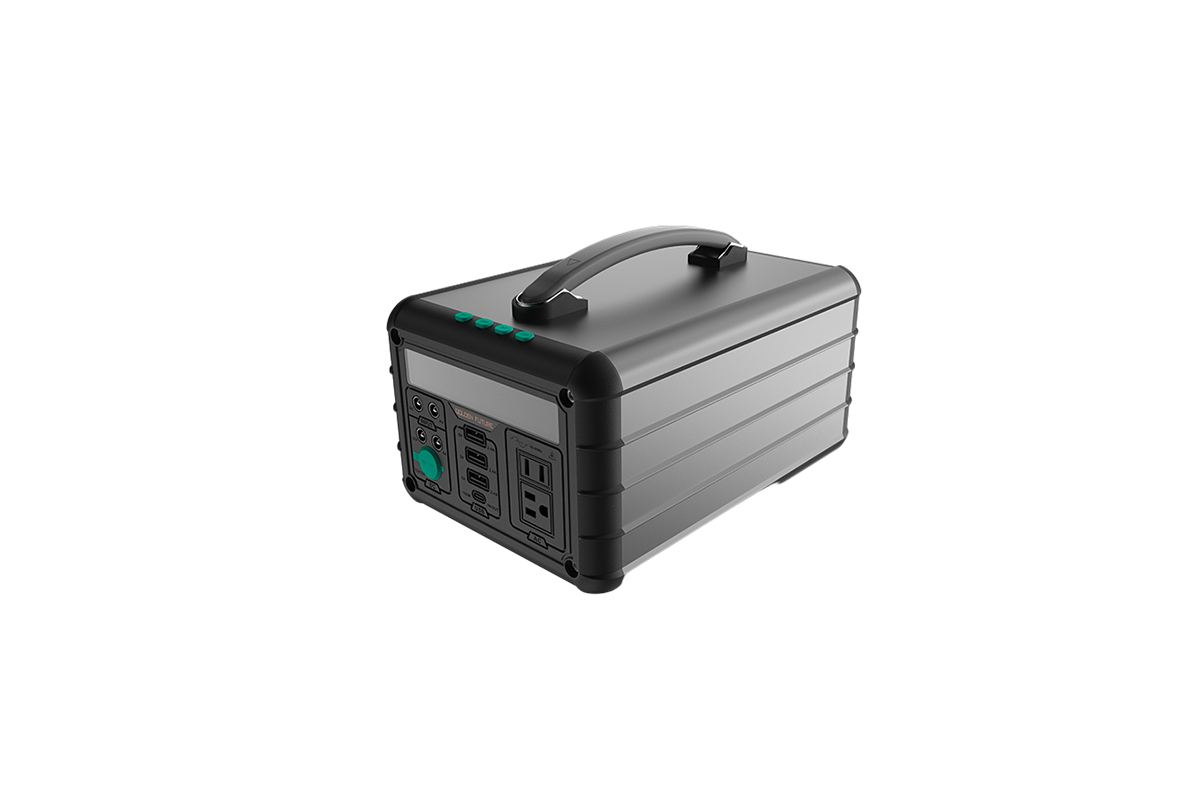
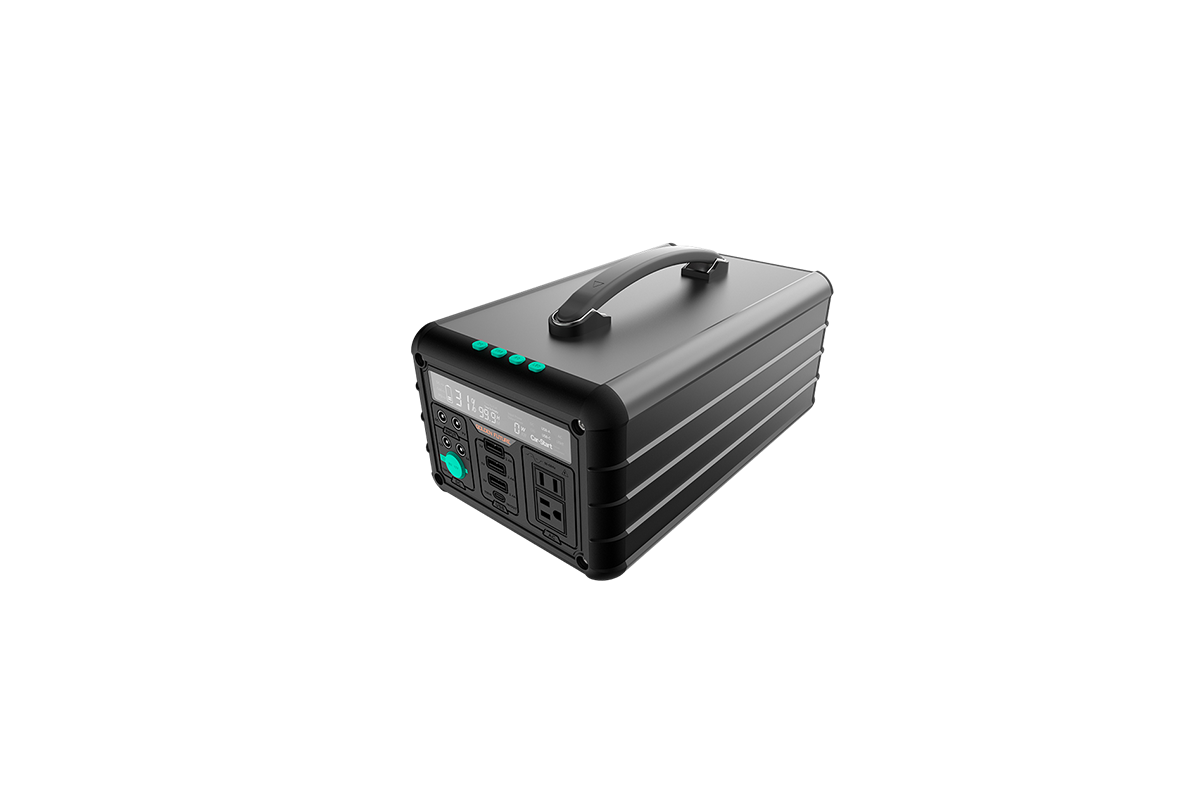
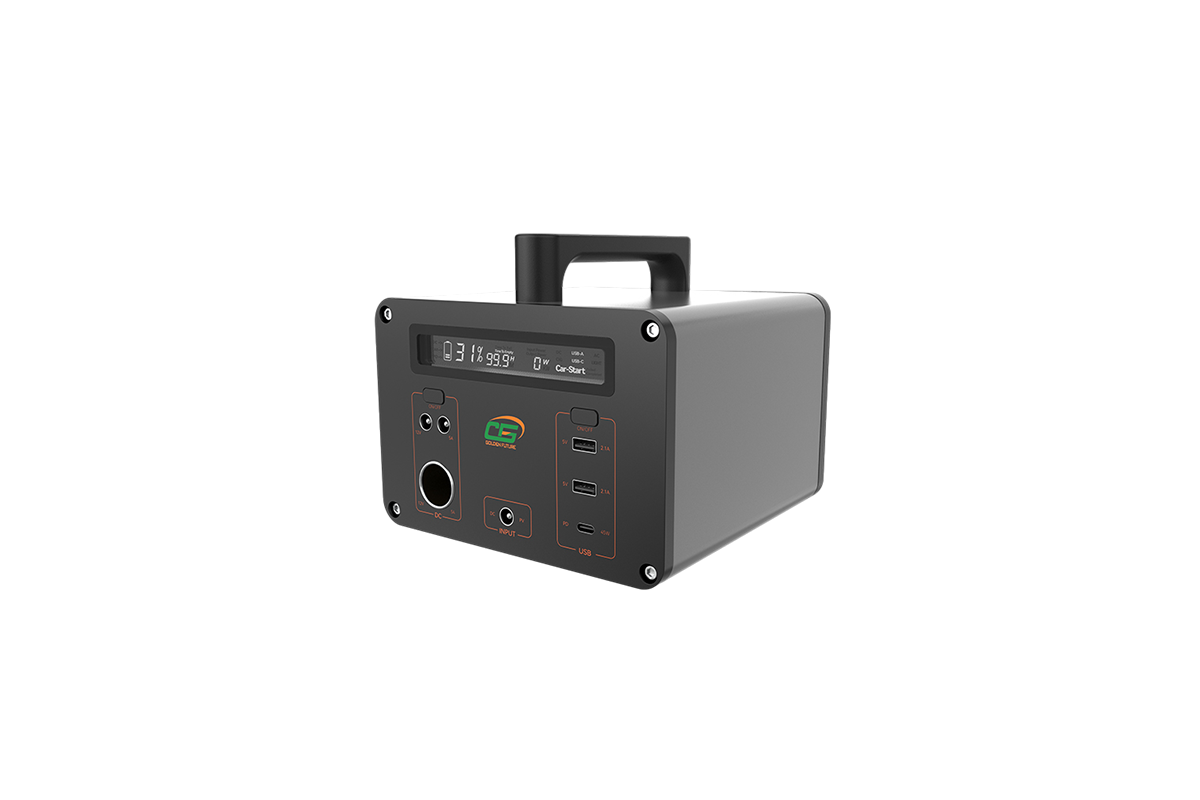
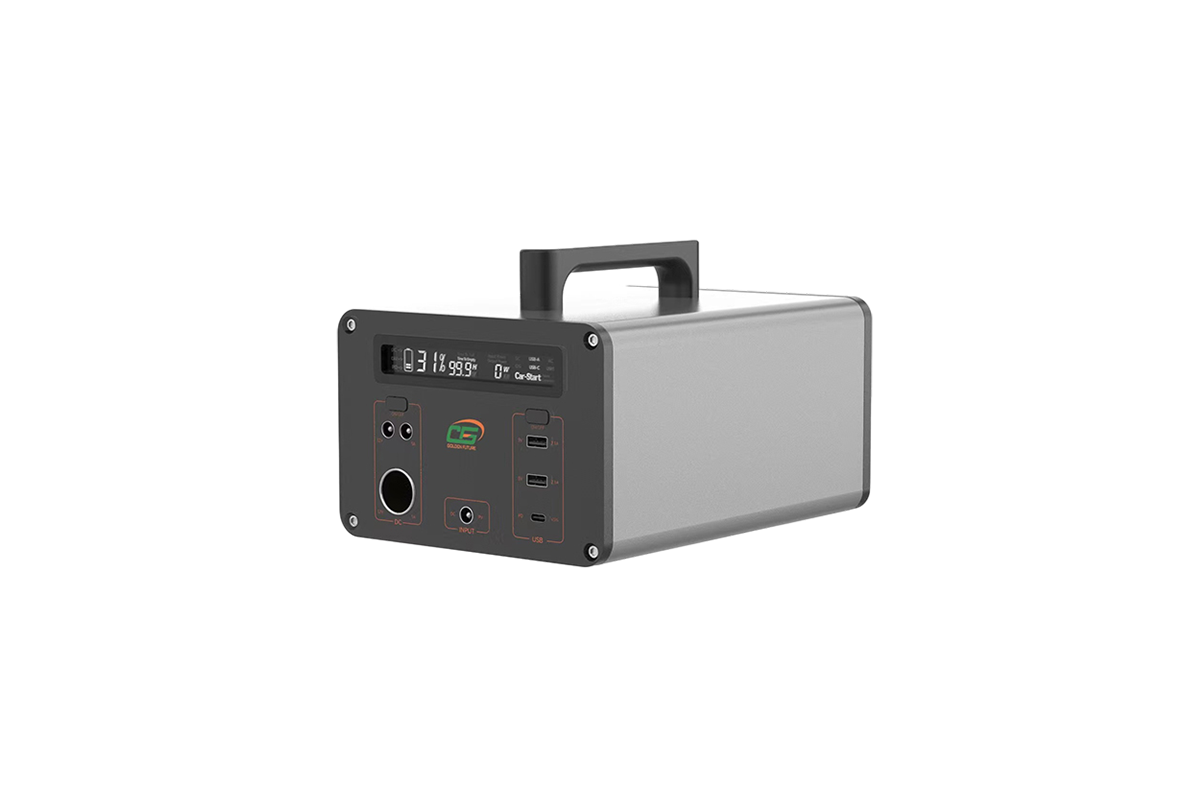
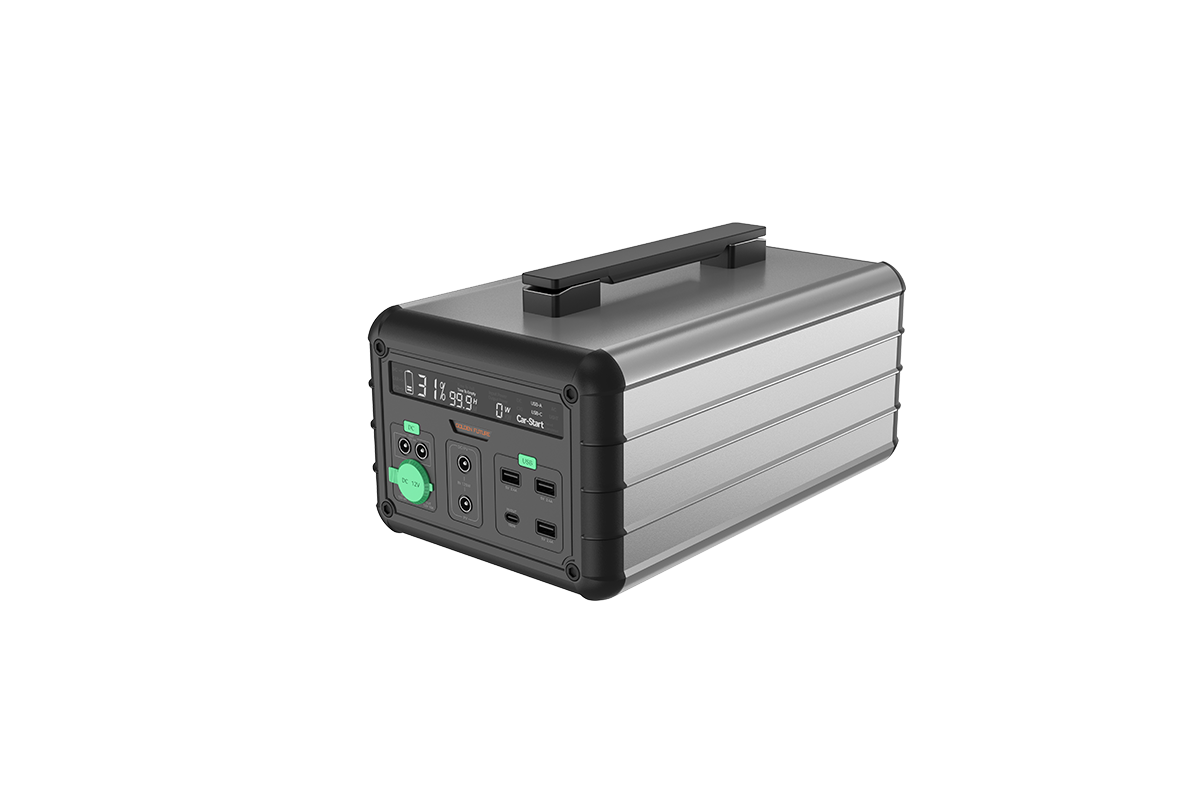
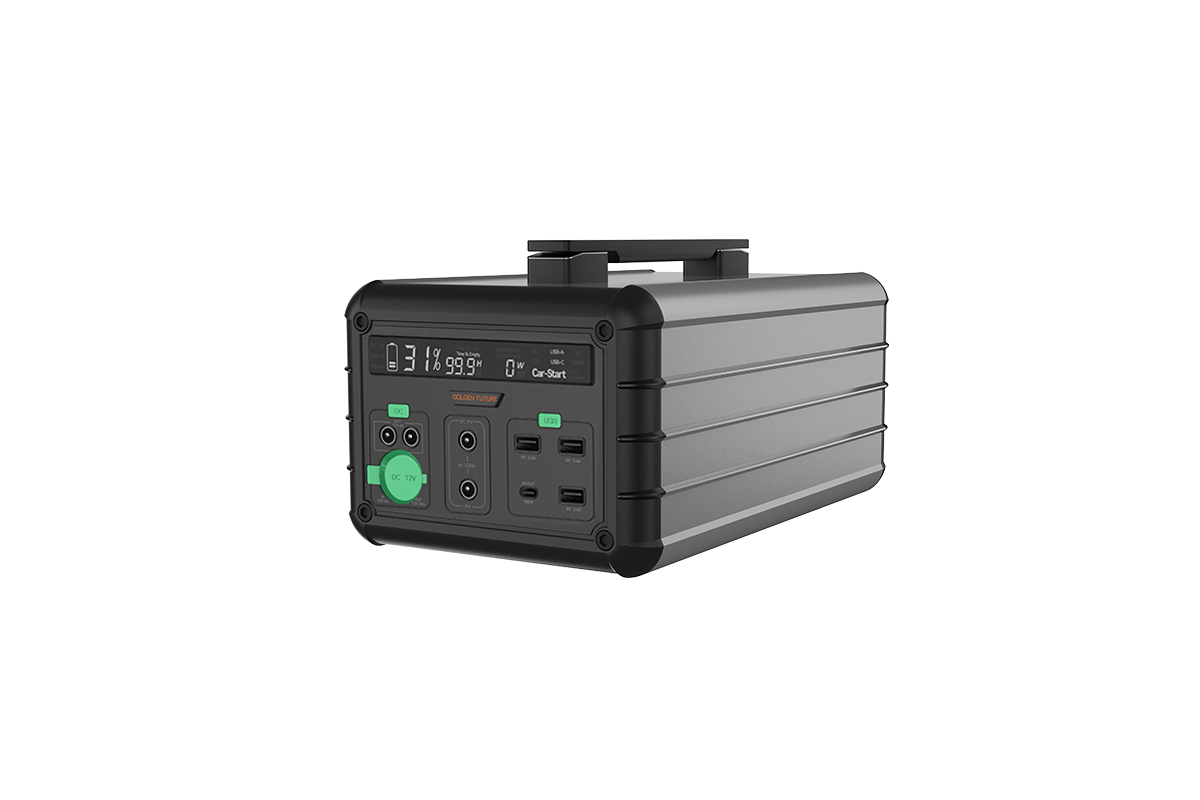
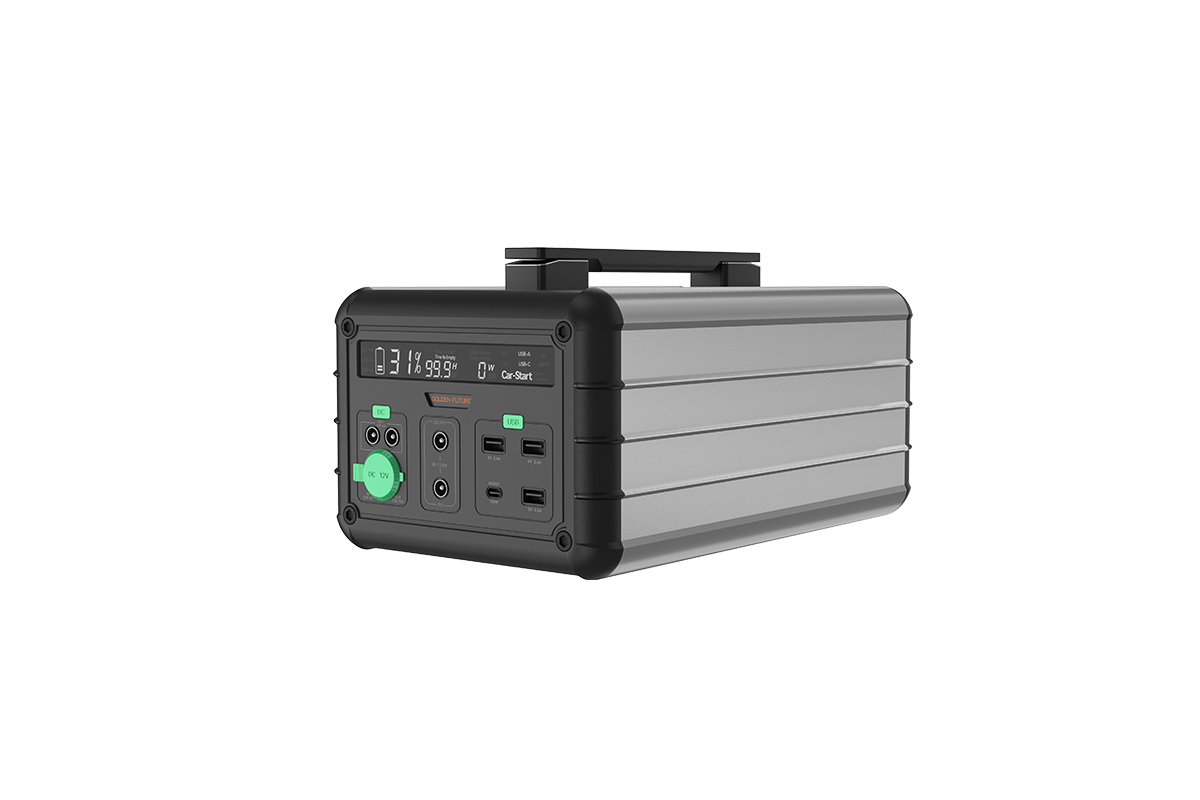
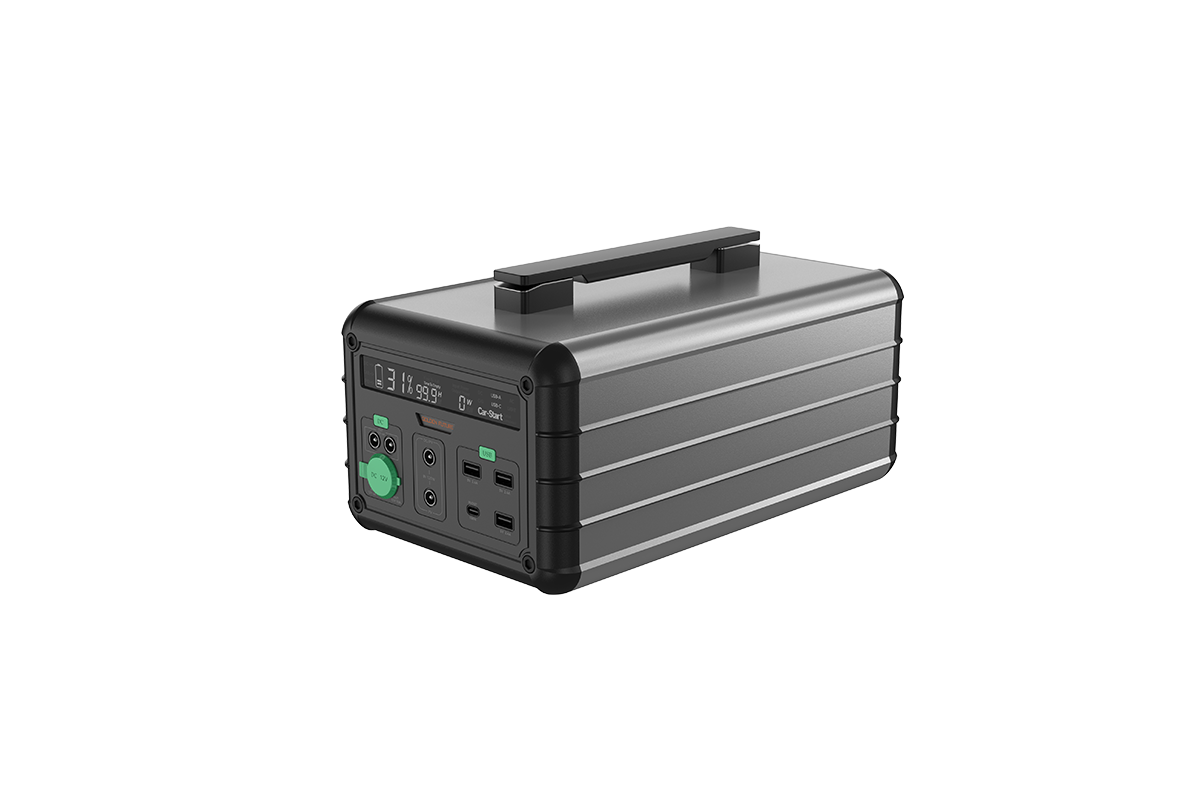
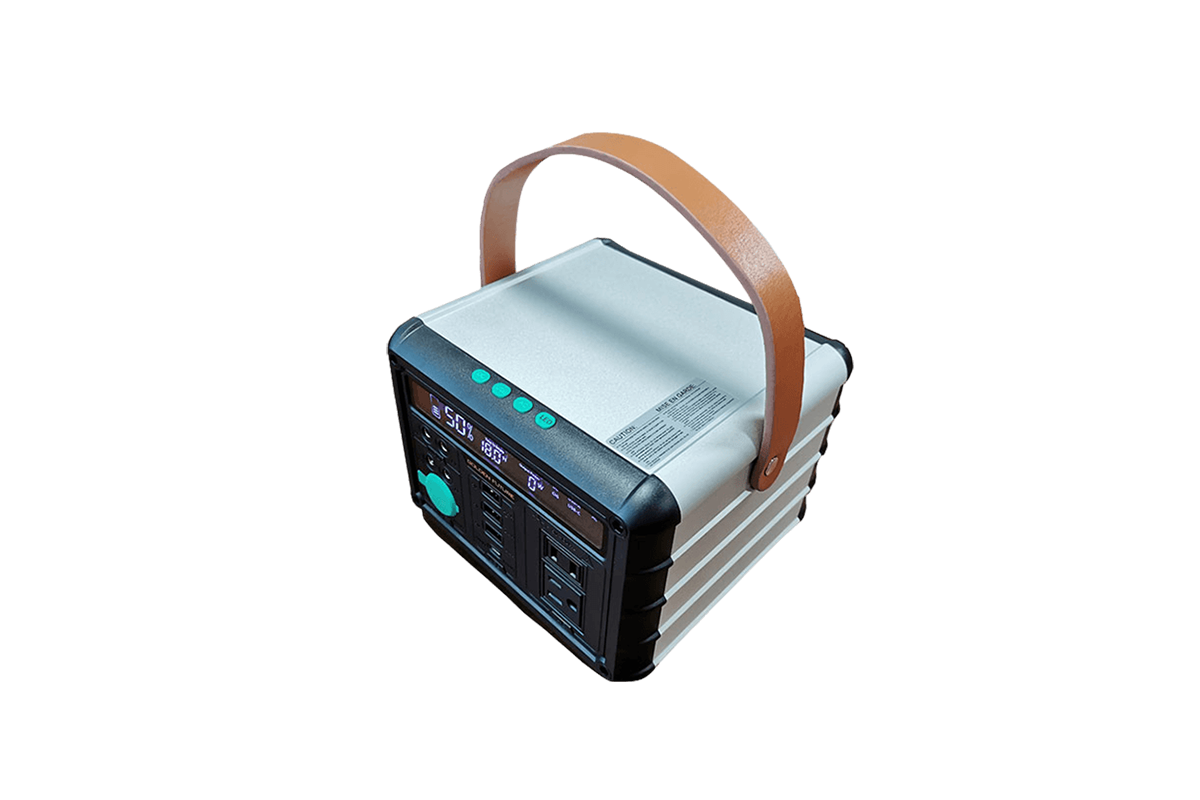
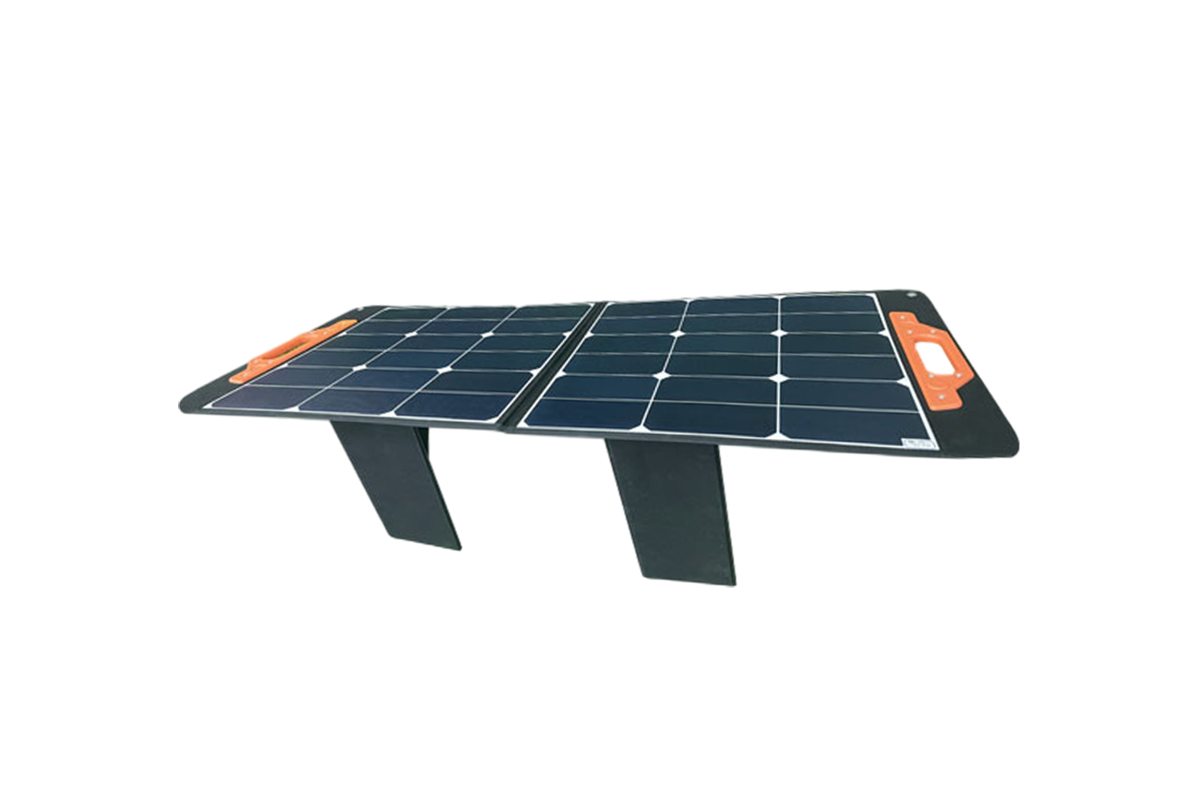
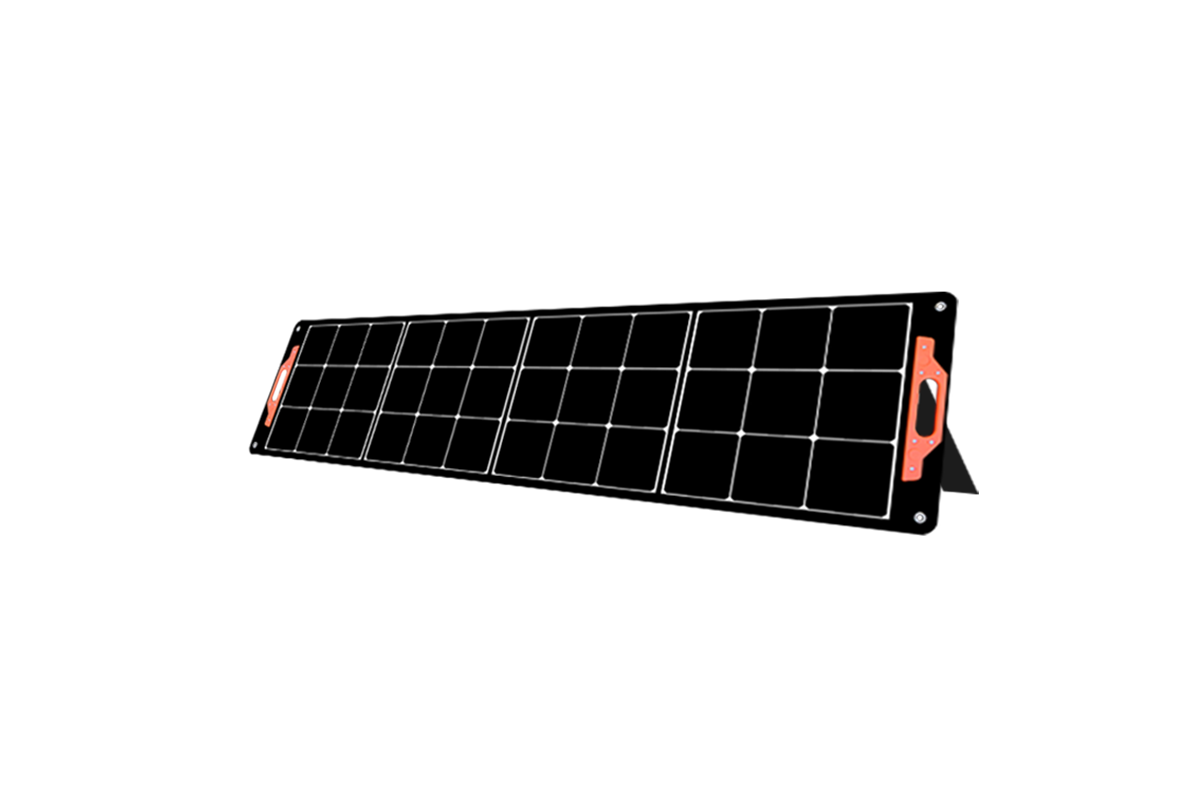
In contrast, portable power stations are compact, lightweight, and designed for mobility and temporary use. They are self-contained units with built-in batteries, AC outlets, DC ports, and USB ports, allowing users to power small devices directly without professional installation. Portable power stations have lower capacity, typically ranging from 0.5 to 3 kWh, and are primarily used for outdoor activities such as camping, tailgating, or remote work sites, as well as for short-term emergency backup to power small devices like phones, laptops, and LED lights during brief grid outages. They are plug-and-play devices that can be recharged from a home outlet, car cigarette lighter, or portable solar panel, offering flexibility and convenience. Portable power stations are ideal for renters, frequent travelers, or users who need temporary power on the go, as they do not require permanent installation and can be easily transported.




 59911926@qq.com/sales@goldenfuturehk.com
 13316809242 / 15816897019
 Inquiry
 Home >