





Time:2025-12-04 Views:1
A Detailed Guide to Compact Portable Energy Storage Power Supplies
1. Definition and Core Differentiation
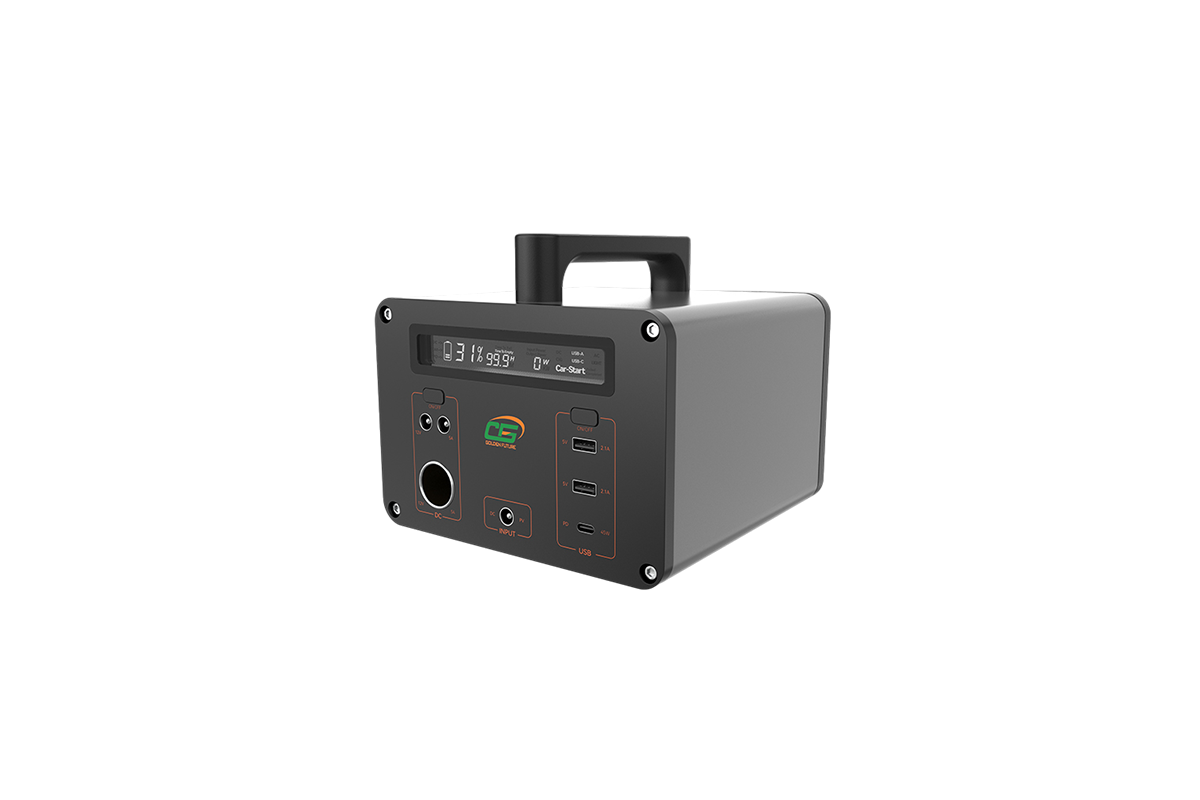
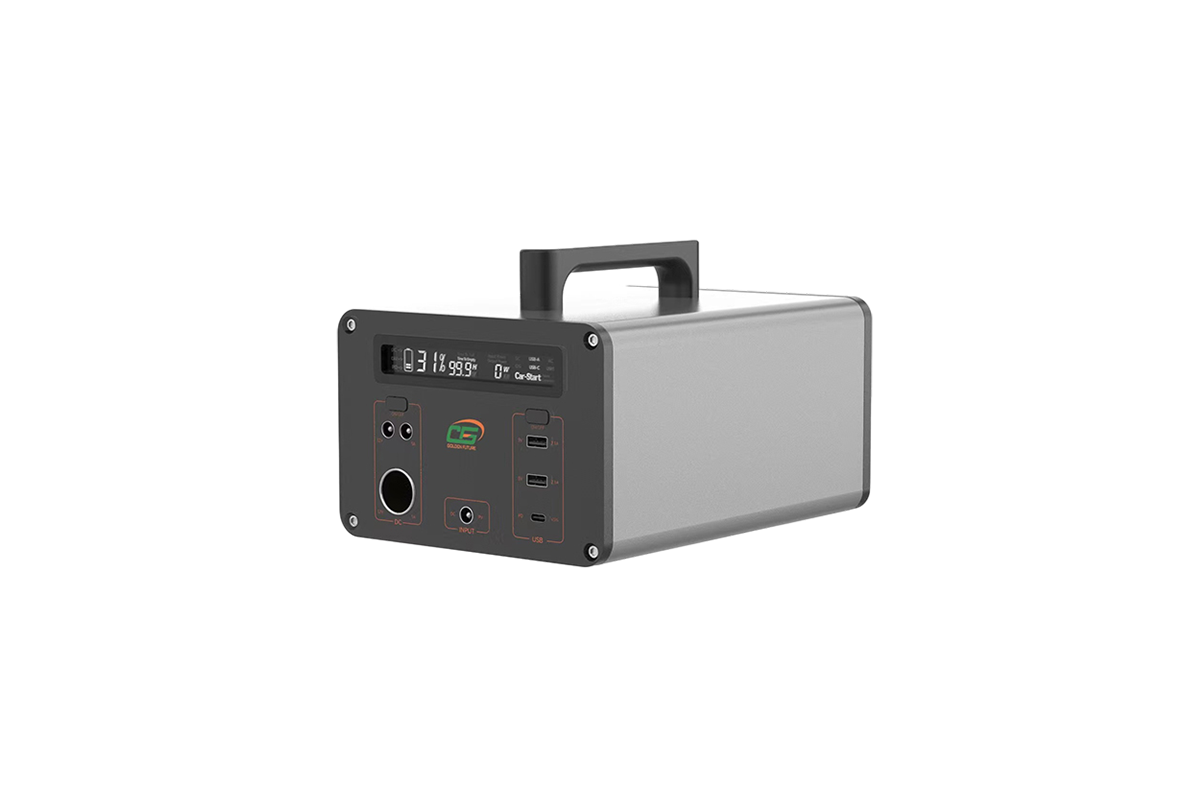
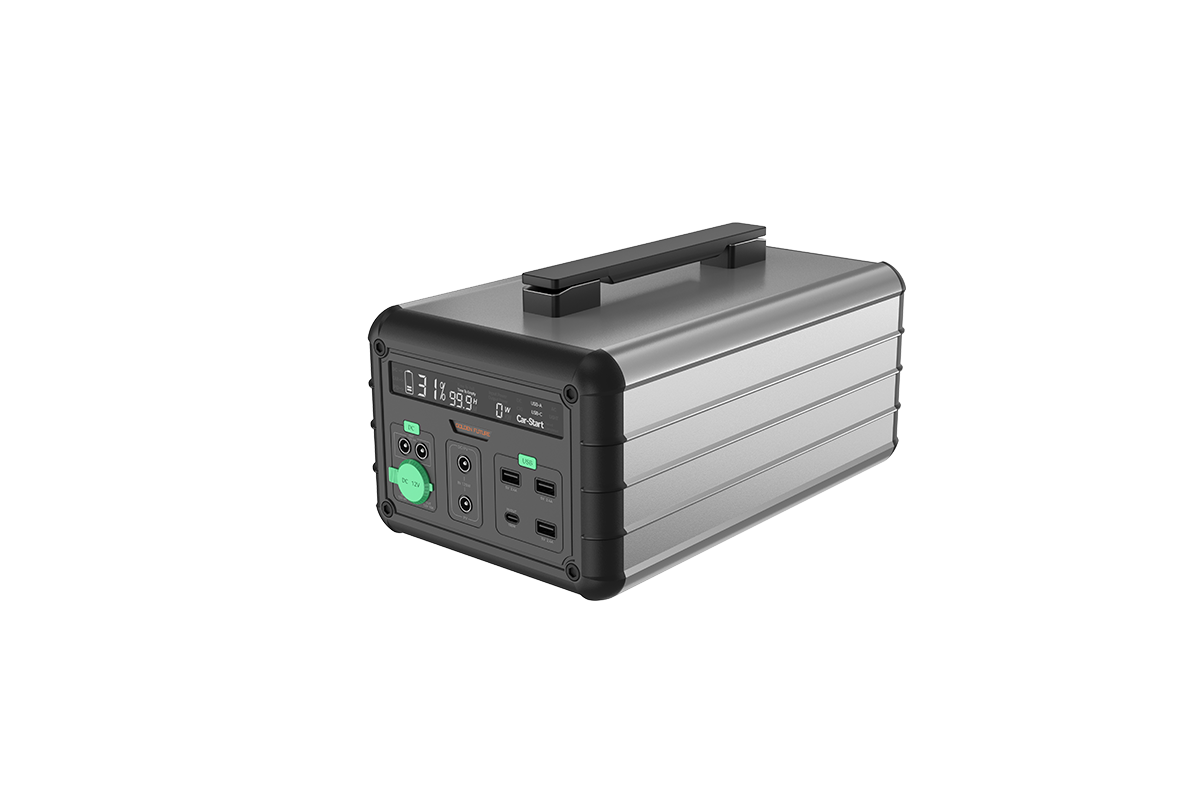
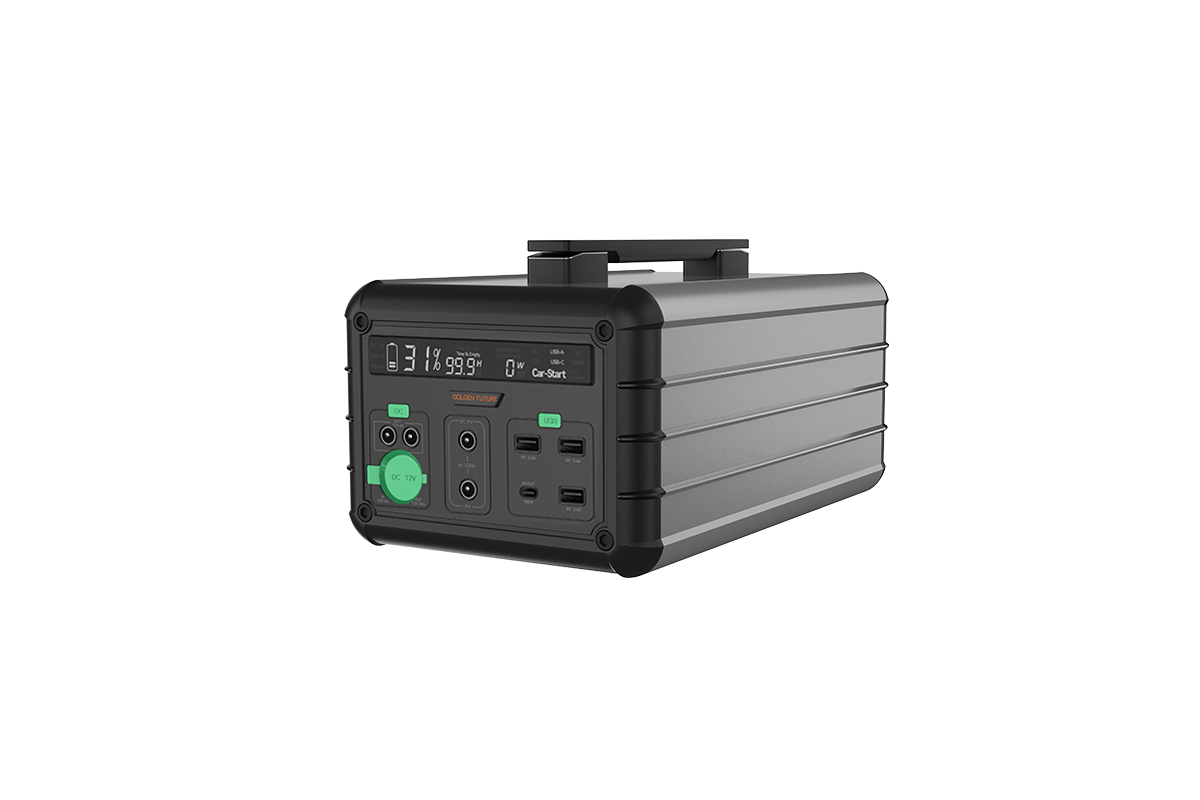
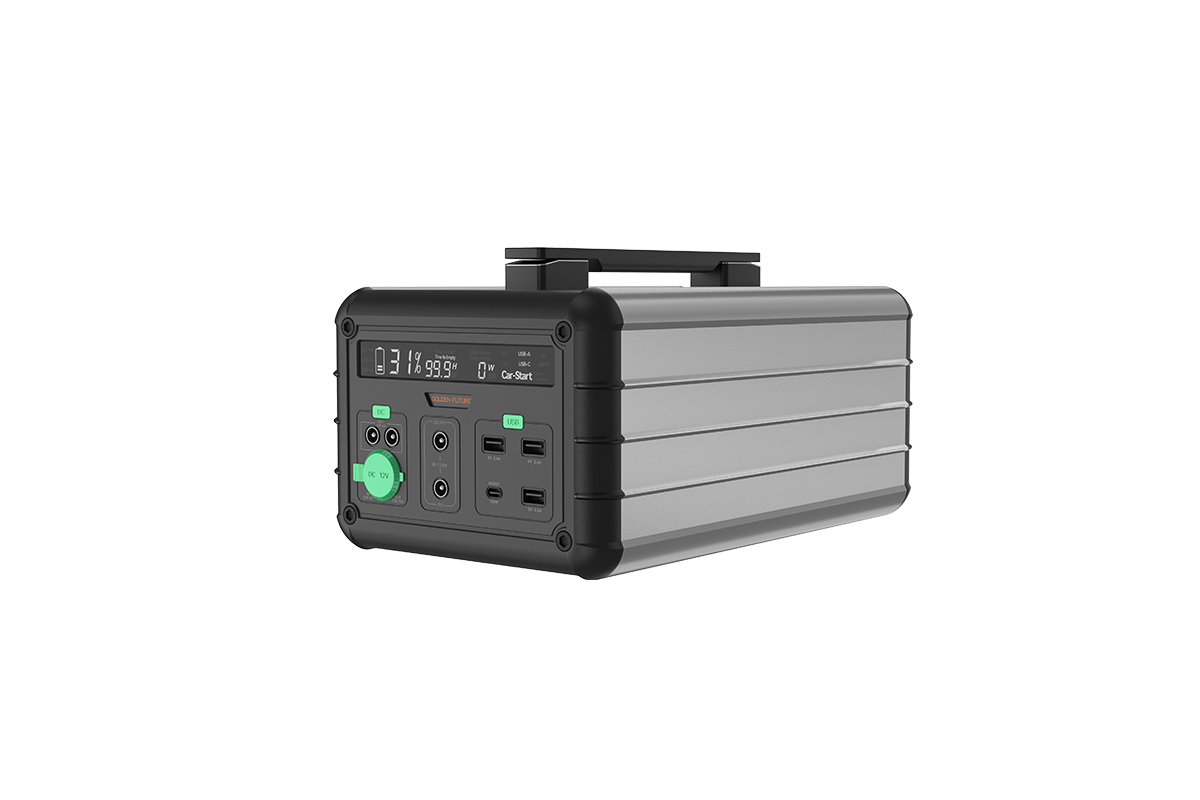
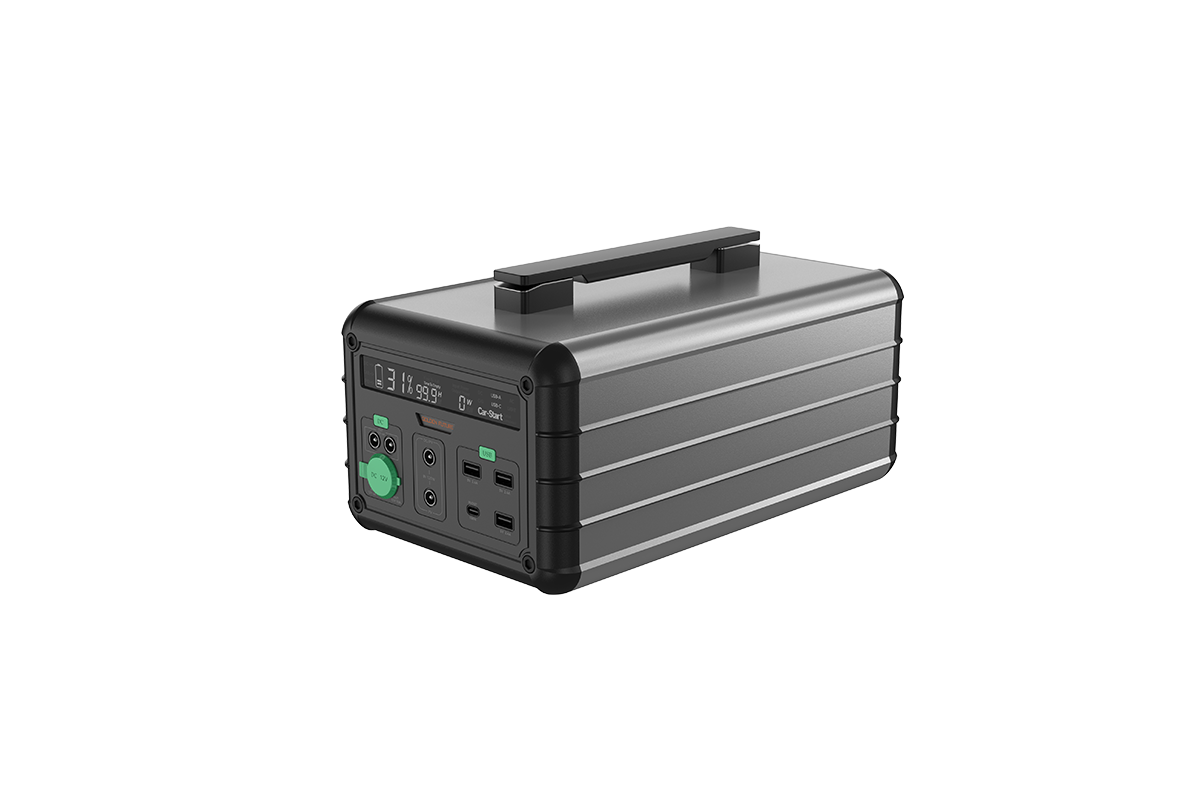
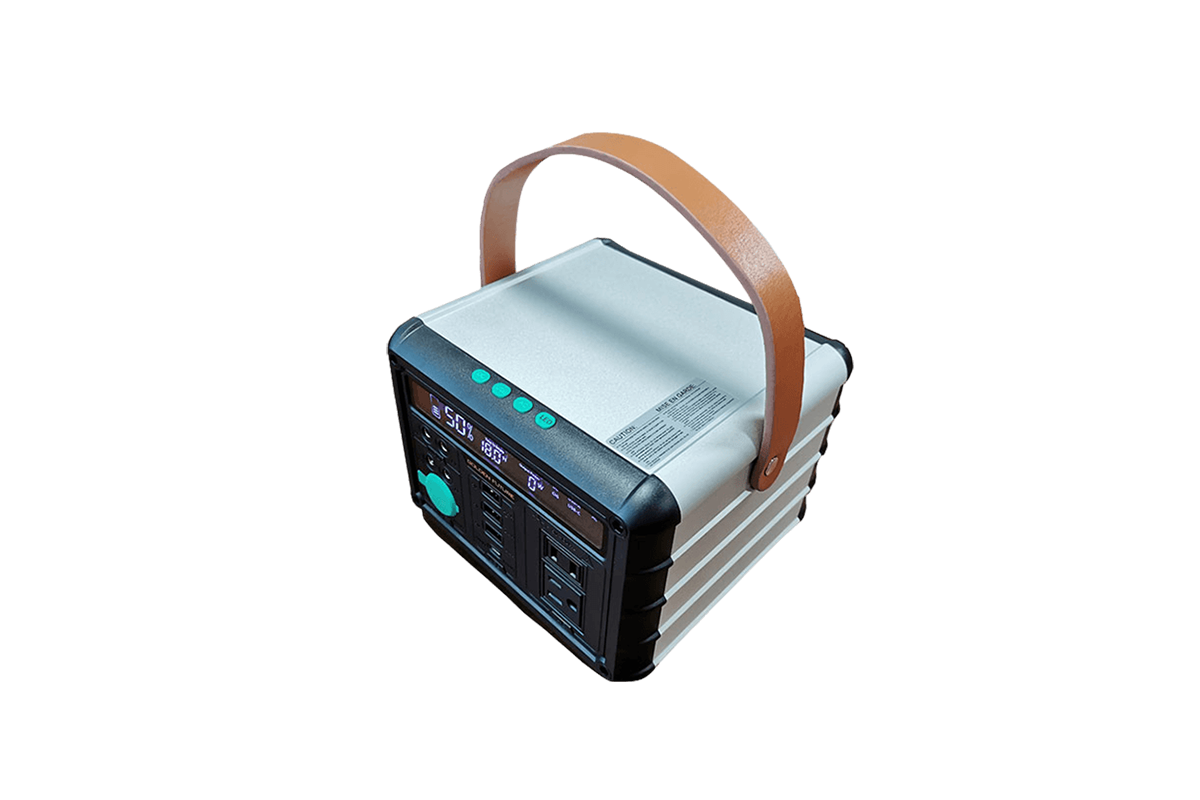
A compact portable energy storage power supply refers to a portable energy storage device characterized by ultra-small volume while maintaining basic energy storage and power supply functions. Unlike general lightweight portable models that may prioritize weight reduction over volume, this type focuses on "space-saving" as its core advantage—typically with a volume of less than 5L (equivalent to the size of a 1.5L beverage bottle or a thick laptop) and a weight of 1kg-8kg. Its core positioning lies in solving the "portability dilemma" in scenarios where space is limited (such as commuter bags, small backpacks, or narrow storage spaces), filling the gap between bulky traditional energy storage devices and low-capacity power banks.
2. Core Design Features for Compactness
2.1 Space-Optimized Structural Design
Integrated Component Layout: Adopts highly integrated circuit boards and miniaturized core components (e.g., micro-inverters, slim lithium-ion battery cells) to reduce internal space waste. For example, some 500Wh compact models integrate batteries, inverters, and charging modules into a single slim casing, with a thickness of only 8-12cm.
Foldable/Hidden Interface Design: AC sockets, USB ports, and DC jacks are designed to be foldable or hidden. When not in use, they can be retracted into the casing, avoiding protruding parts that increase volume—making the overall shape more regular and easy to fit into narrow spaces.
2.2 Lightweight and High-Strength Materials
Composite Material Application: Uses lightweight composite materials such as carbon fiber-reinforced plastic (CFRP) or high-density EVA foam, which are 30%-50% lighter than traditional aluminum alloys while ensuring impact resistance. This allows the device to maintain a small volume without compromising structural strength.
Thin-Wall Casing Technology: Adopts precision injection molding to create thin-wall casings (wall thickness of 1.5-2mm) that reduce volume while meeting IP53 or higher dustproof and waterproof standards, adapting to daily outdoor environments.
2.3 Balanced Capacity and Portability
High-Energy-Density Battery Cells: Primarily uses cylindrical lithium-ion cells (e.g., 18650 or 21700 models) or thin prismatic lithium-ion cells with energy density exceeding 250Wh/kg. This enables the device to provide 200Wh-800Wh of capacity within a small volume—sufficient to power smartphones, laptops, and small digital devices.
Low-Power Consumption Management: Equipped with intelligent power management chips that automatically switch to low-power mode when not in use (standby power consumption less than 1W/h), extending battery life while avoiding unnecessary energy waste.
3. Application Scenarios with Compact Advantage
3.1 Daily Commuting and Urban Mobility
Commuter Office: Fits into a laptop bag or tote bag, providing continuous power for laptops (50W-80W) for 4-8 hours. It solves the problem of insufficient battery life for remote work in cafes, subways, or airports without relying on fixed power outlets.
Urban Outdoor Activities: Powers mini projectors for park movie nights, portable Bluetooth speakers for picnics, or action cameras for street photography—its small size avoids the burden of carrying large backpacks.
3.2 Miniature Outdoor Adventures
Light Camping/Hiking: Suitable for 1-2 person overnight camping trips, powering LED camping lights (5W) for 20-30 hours, or charging GPS devices and water purifiers. It can be easily stored in a small hiking backpack without occupying space for food and tents.
Bicycle/Motorcycle Trips: Mounts to the vehicle’s storage box (due to its compact size) to charge mobile phones or motorcycle navigation systems, eliminating the need for bulky external power sources.
3.3 Emergency Micro-Scenarios
Home Small-Scale Emergencies: During short-term power outages (1-3 hours), it powers routers (10W) to maintain network connectivity, small humidifiers (20W) for babies’ rooms, or blood glucose monitors for the elderly—its small volume allows it to be stored in a closet or under the bed for quick access.
On-Site Maintenance: Used by electricians, photographers, or maintenance personnel to power small tools (e.g., mini drills, camera flashes) in narrow spaces (such as under desks or in equipment cabinets) where large energy storage devices cannot fit.
4. Selection Criteria for Compact Models
4.1 Volume and Portability Matching
Prioritize models with a volume of less than 4L and weight below 5kg for daily commuting (to fit into standard laptop bags); for outdoor use, models with a volume of 4L-5L and weight of 5kg-8kg can be selected to balance capacity and portability.
Check the shape—rectangular or slim designs are more compatible with bag storage than irregular shapes.
4.2 Capacity and Output Compatibility
For digital device users: Choose 200Wh-500Wh models to meet the charging needs of smartphones (10Wh/charge) 15-40 times or laptops (50Wh/charge) 4-10 times.
For small appliance users: Ensure the AC output power is above 100W (to support mini kettles or small fans) and that there are at least 2 USB-C ports (for fast charging of new laptops and phones).
4.3 Charging Efficiency and Convenience
Prefer models that support fast charging (e.g., 60W PD fast charging), which can charge the energy storage device itself from 0-100% in 1.5-2.5 hours using a laptop charger.
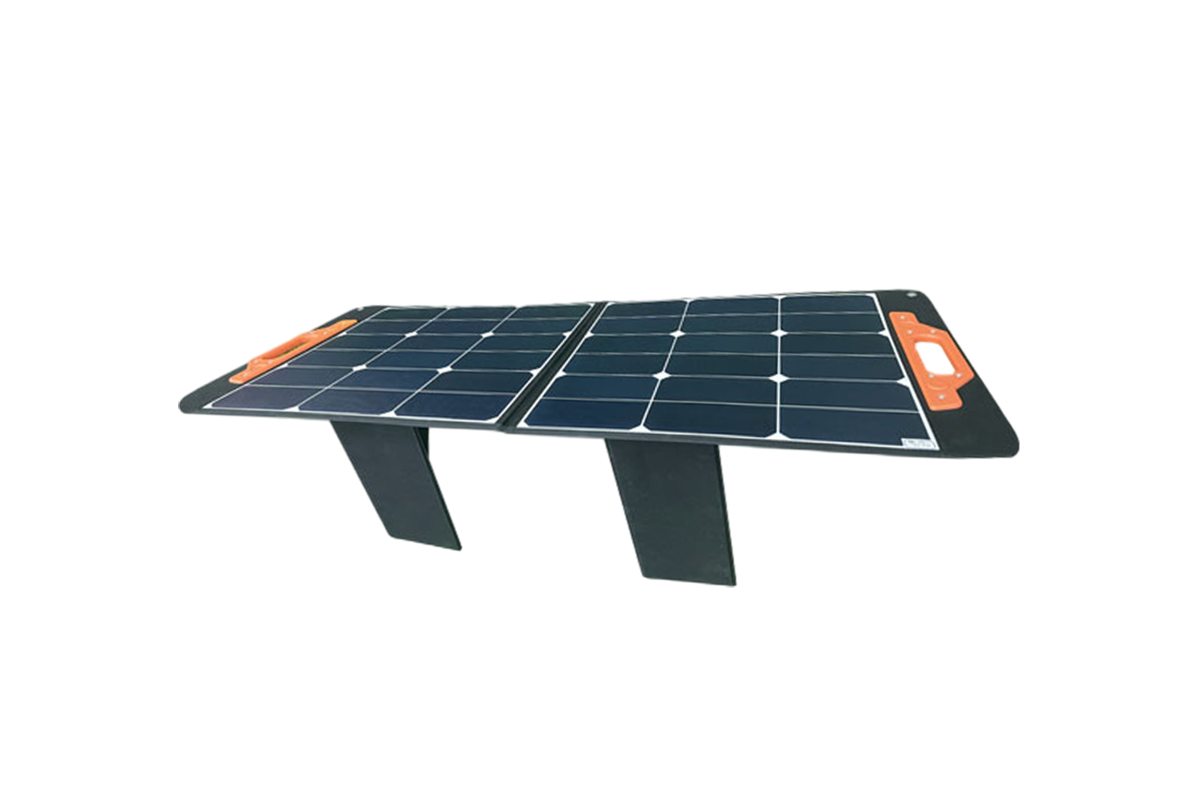
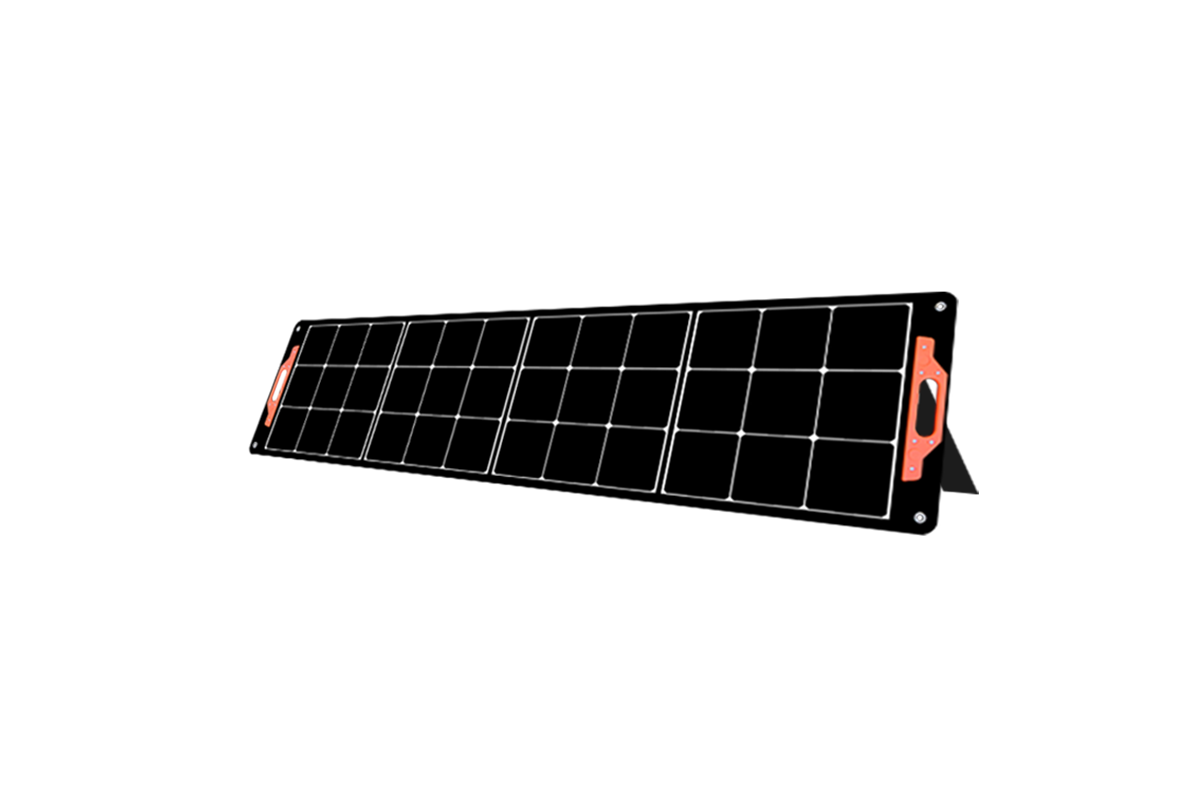
Consider multi-channel charging options (AC + USB-C + solar), especially for outdoor use—compatibility with 30W-60W portable solar panels allows for off-grid charging.
4.4 Safety and Durability
Select products with international certifications (CE, FCC, ROHS) and built-in multi-layer protection (overcharge, over-discharge, short-circuit, and high-temperature protection) to avoid safety hazards caused by compact design compressing safety components.
Check the casing material—prefer models with scratch-resistant and impact-resistant surfaces (e.g., ABS + PC composite materials) to adapt to daily collision and friction.
5. Market Status and Future Trends
5.1 Current Market Characteristics
Rising Demand for Urban Portability: Driven by the popularity of remote work and urban outdoor lifestyles, the global compact portable energy storage market is growing at a CAGR of over 40%. Key brands focus on launching "pocket-sized" models (e.g., Anker 757 PowerHouse, RAVPower Portable Power Station 300W).
Price Gradient Optimization: Entry-level models (200Wh-300Wh) are priced at $100-$200, suitable for mass consumers; mid-to-high-end models (500Wh-800Wh) with fast charging and multi-interface designs are priced at $300-$500, targeting professional users.
5.2 Future Development Directions
Ultra-Miniaturization with Higher Capacity: With the advancement of solid-state battery technology, future compact models may achieve 1000Wh capacity within a 5L volume (current 5L models max out at 800Wh), further expanding their application scope to small appliances like mini-fridges.
Integration with Daily Products: Integration with backpacks, laptop cases, or bicycle accessories (e.g., a backpack with a built-in 300Wh compact energy storage module) to realize "invisible power supply" and eliminate the need for independent carrying.
Intelligent Interaction Upgrade: Addition of Bluetooth connectivity and mobile APP control (to check remaining power, set charging schedules, or remotely shut down) and voice control compatibility (with Siri or Alexa) to enhance user convenience.
Eco-Friendly Material Application: Adoption of biodegradable casing materials and recyclable battery cells to reduce environmental impact, aligning with global carbon neutrality trends.
6. Conclusion
Compact portable energy storage power supplies redefine "portable energy" by focusing on volume optimization—they not only meet the basic power needs of small devices but also solve the space constraints in daily and mini-outdoor scenarios. As battery miniaturization technology advances and user demand for "lightweight + space-saving" grows, this product category will become an indispensable part of urban mobility and miniature outdoor lifestyles. When selecting a model, users should prioritize volume-portability balance, capacity-output matching, and safety performance to maximize the value of compact energy storage in specific scenarios.




 59911926@qq.com/sales@goldenfuturehk.com
 13316809242 / 15816897019
 Inquiry
 Home >