





Time:2026-05-20 Views:475
Commercial Energy Storage System Battery: Multi-dimensional Adaptation Analysis and Customized Application in Commercial Scenarios
1. Industry Overview: Adaptability as the Core Criterion for Commercial Energy Storage
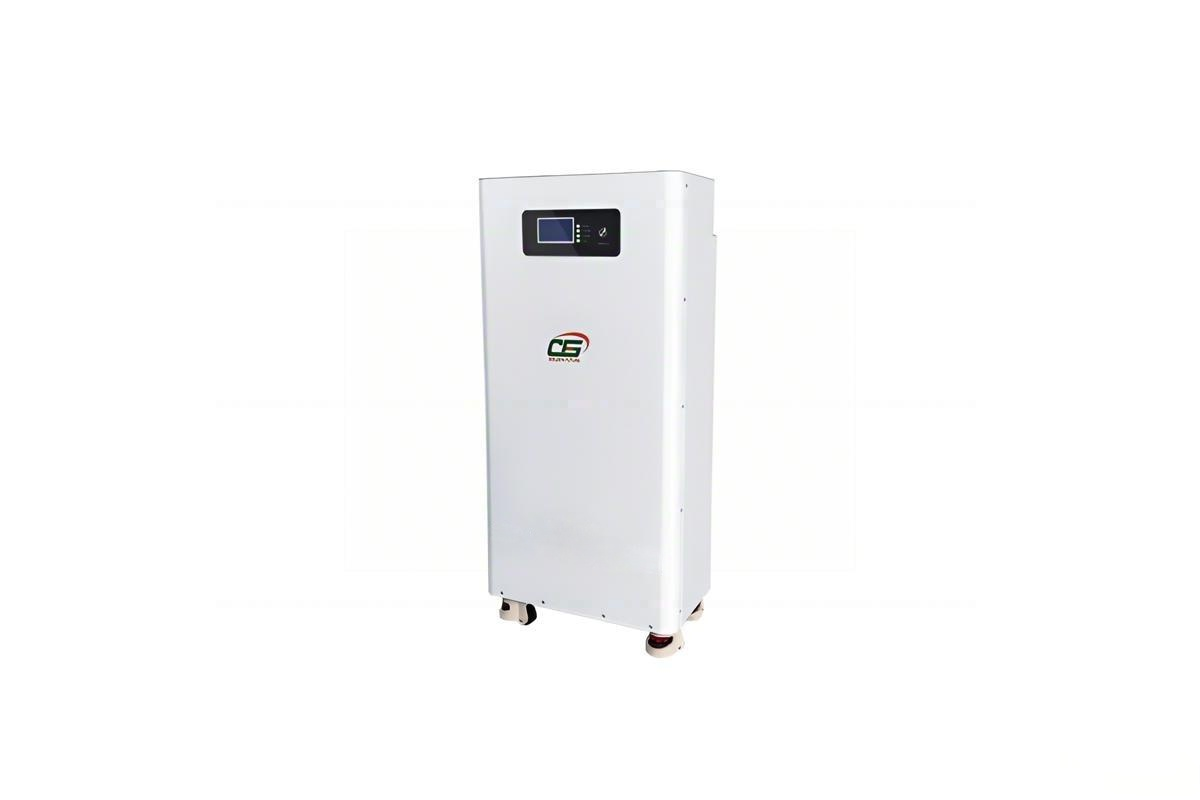
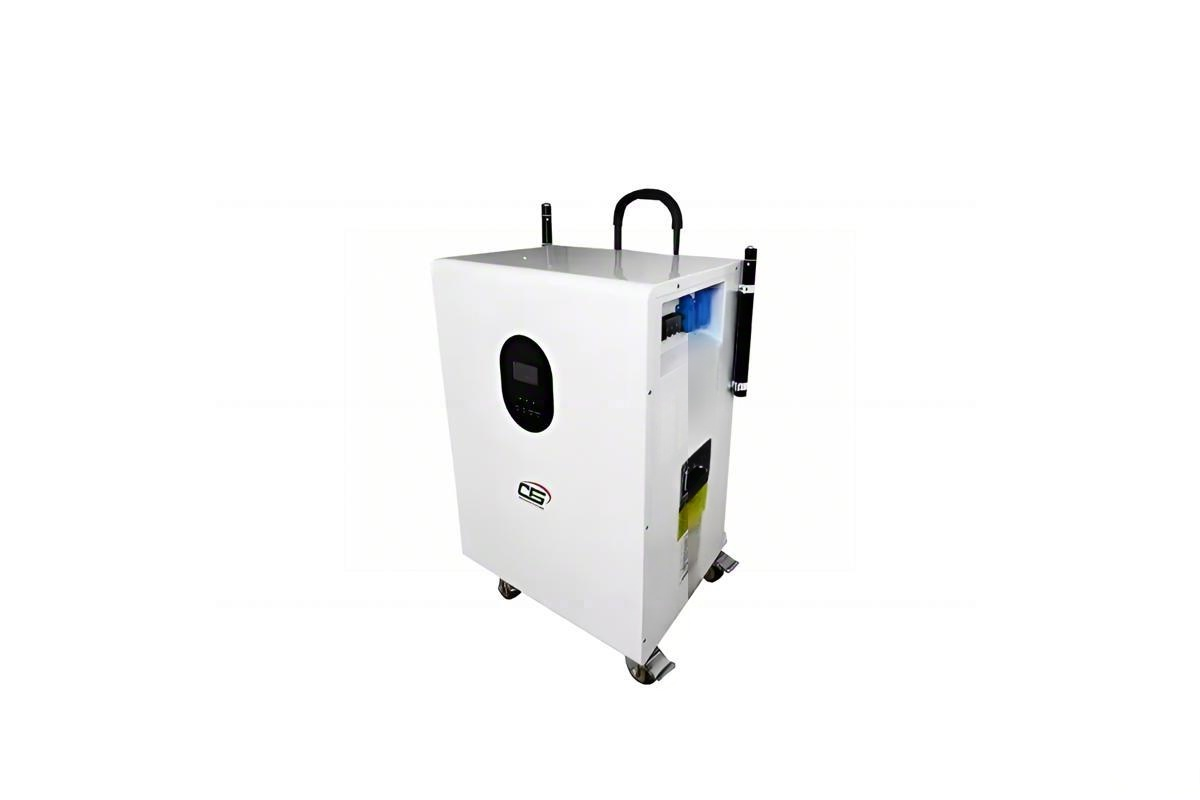
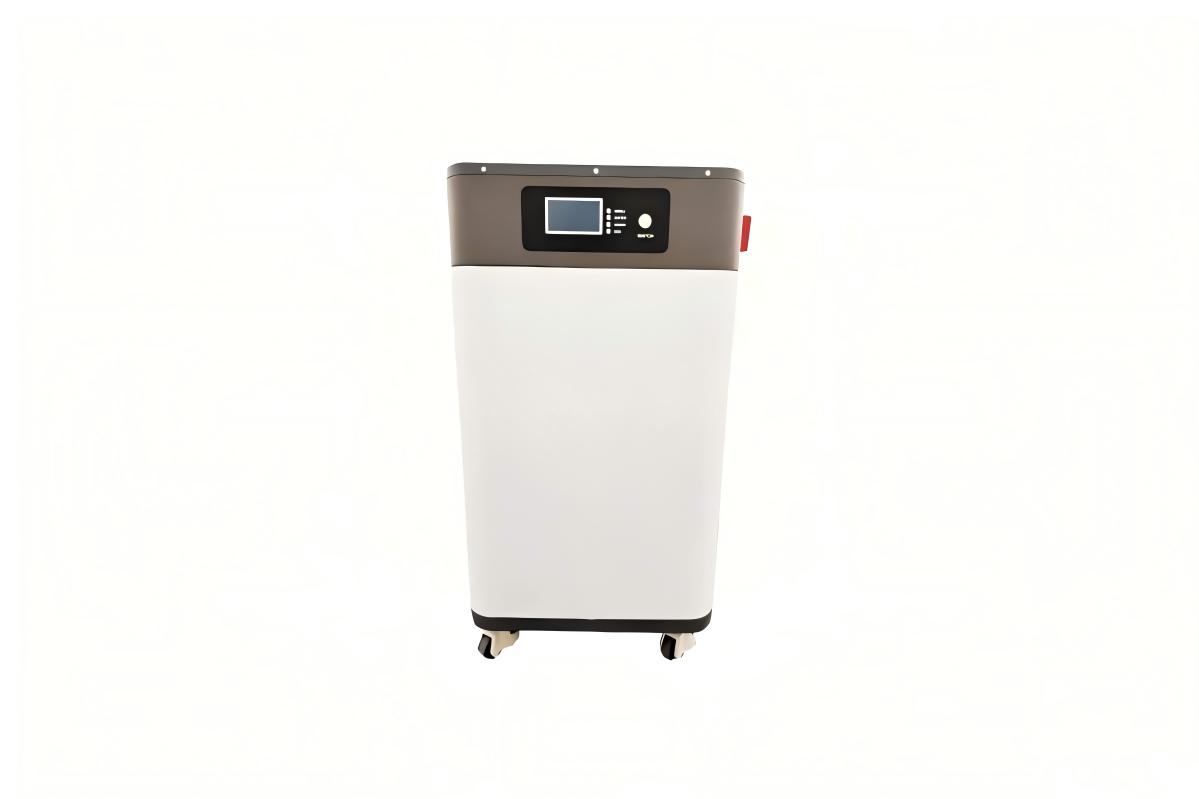
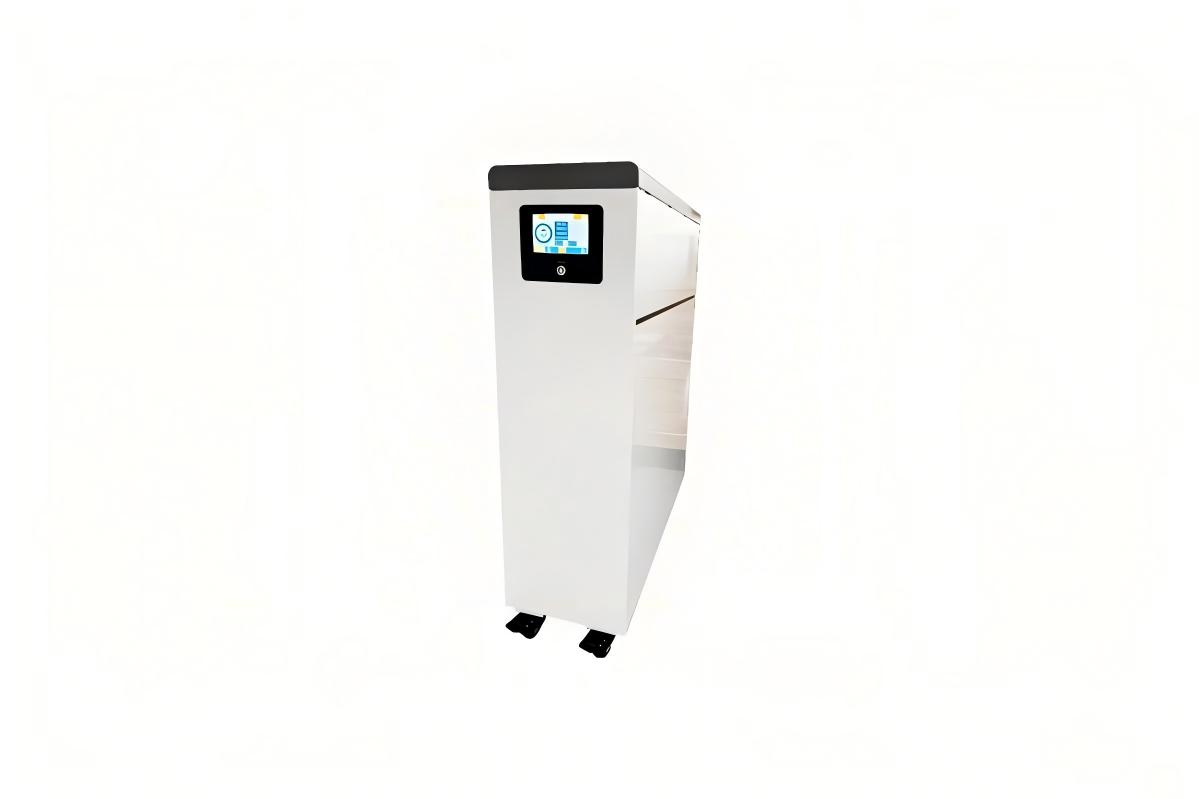
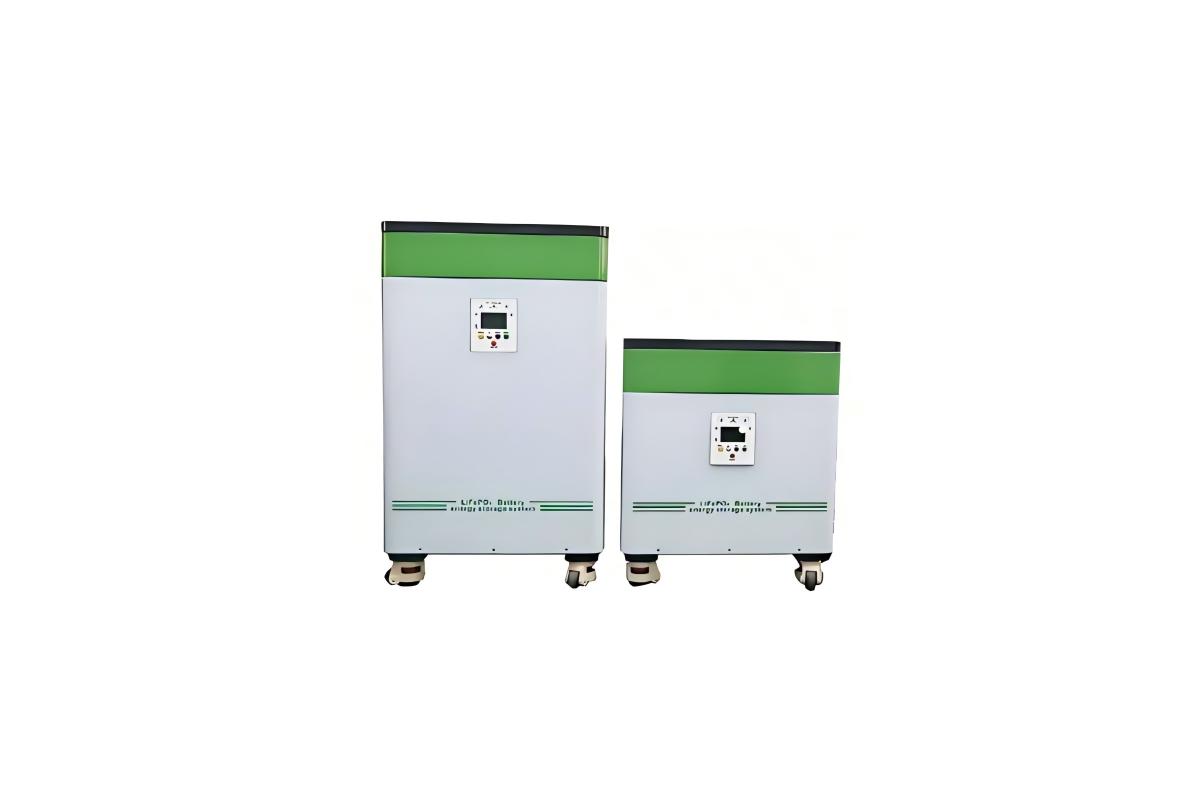
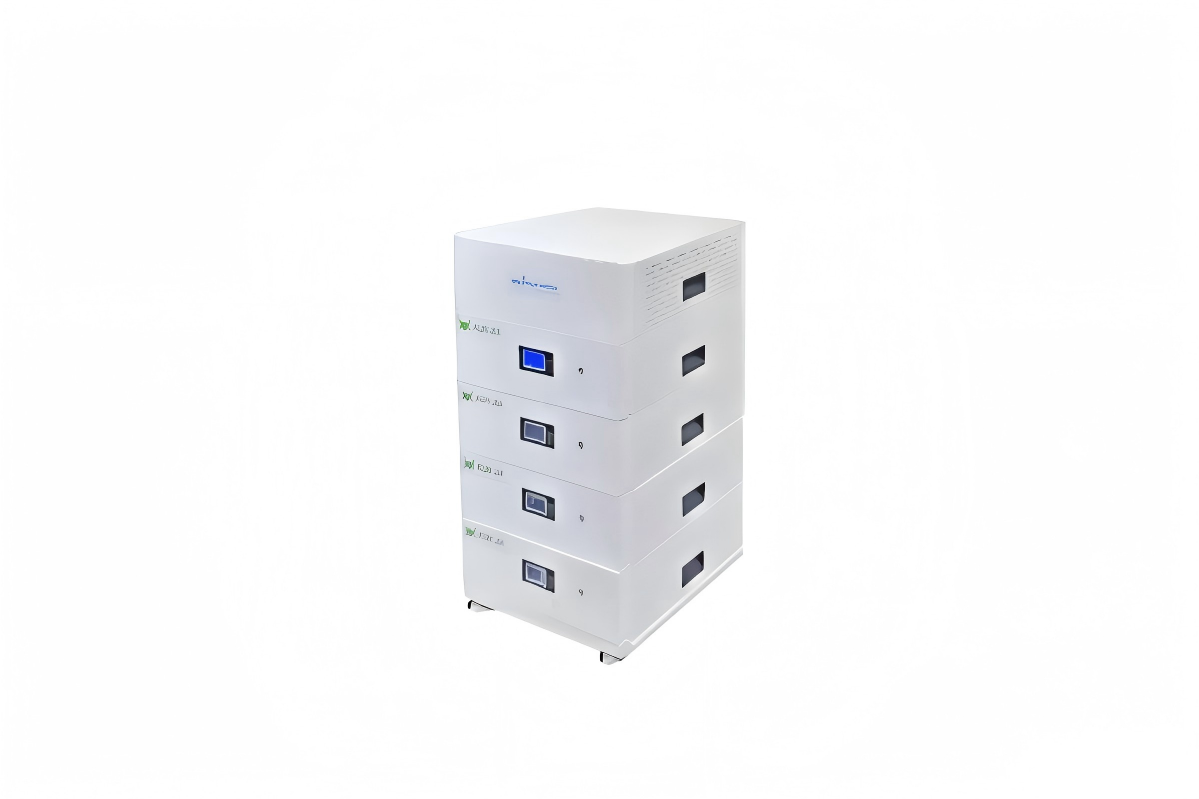
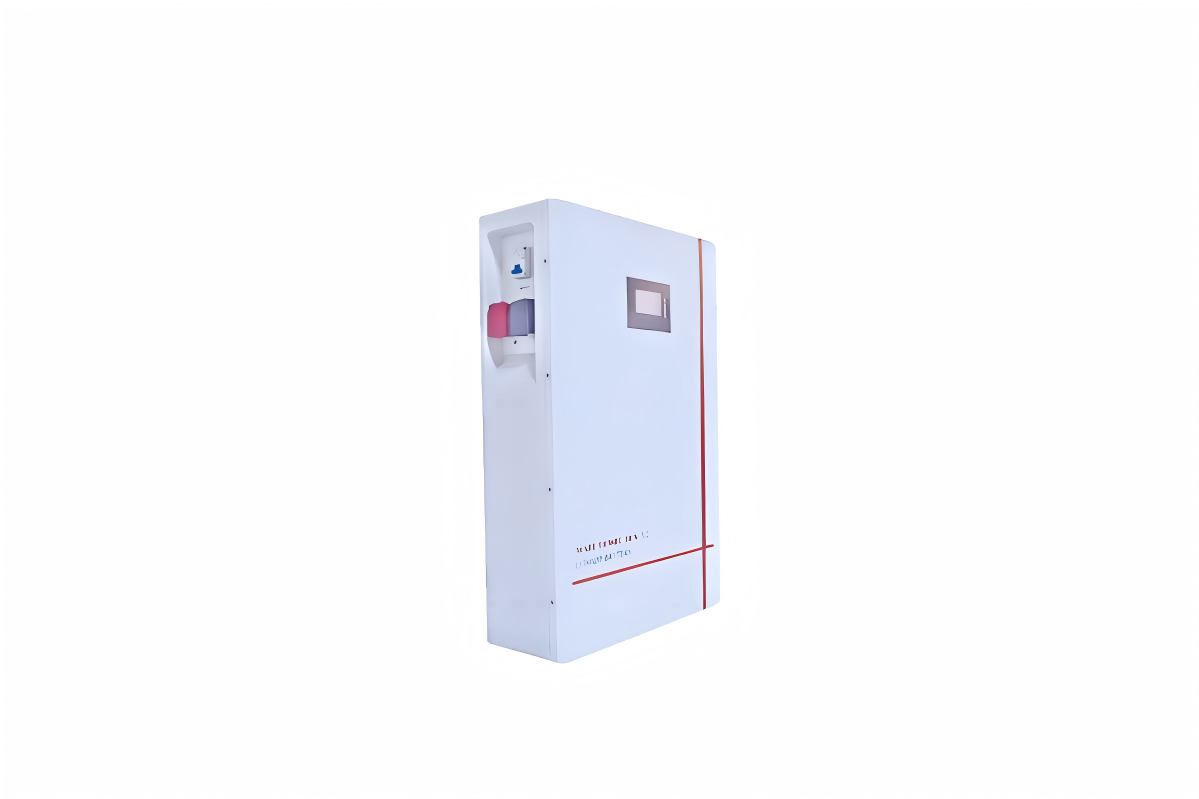
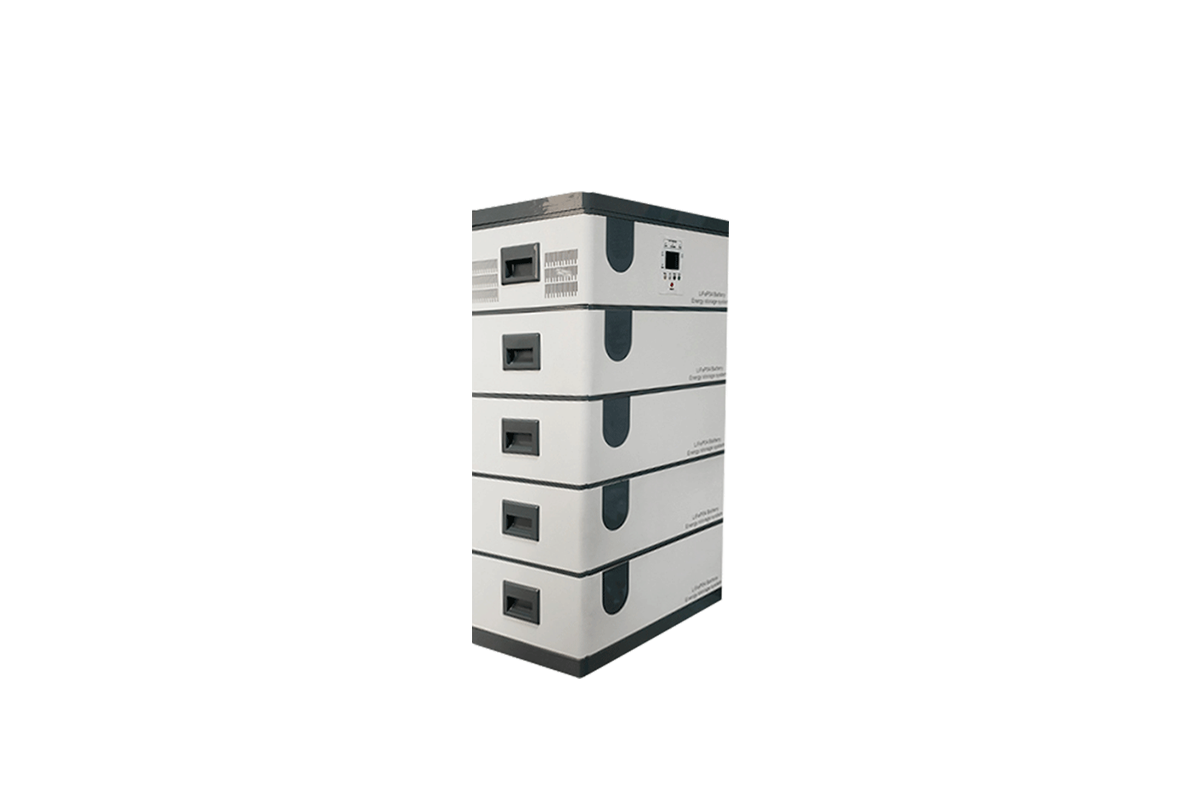
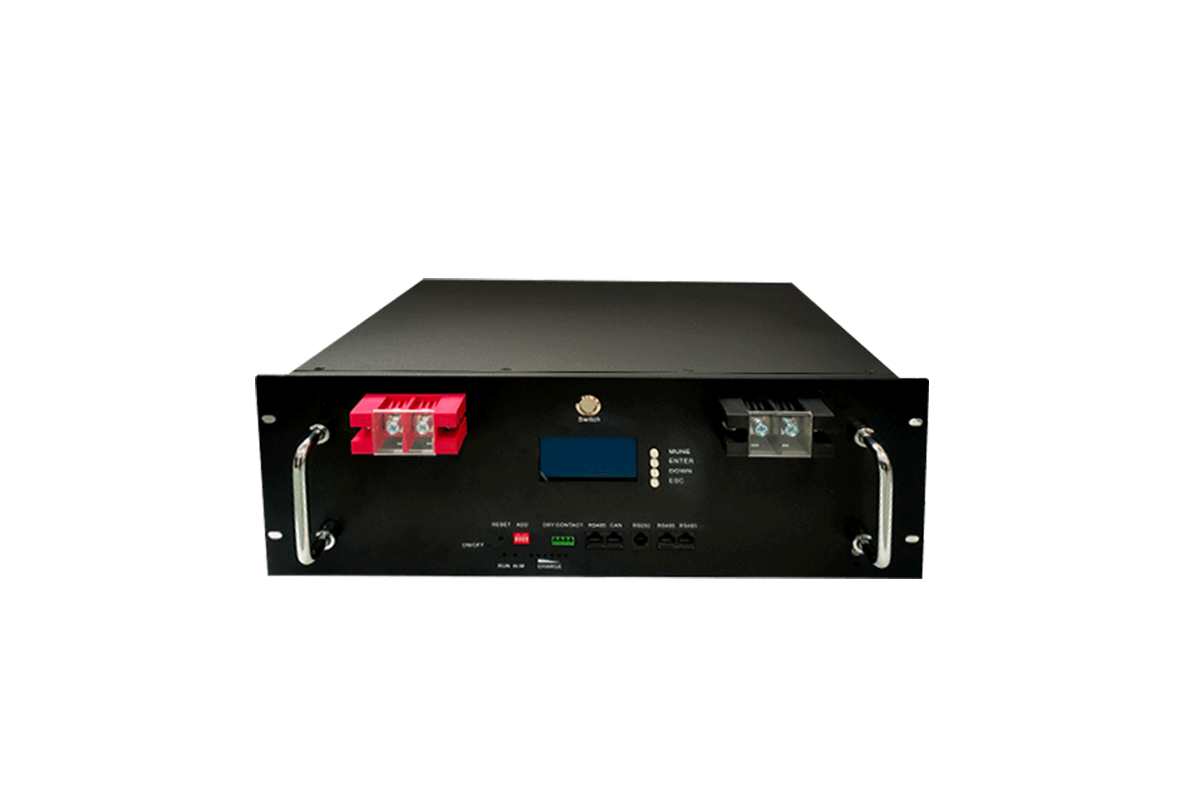
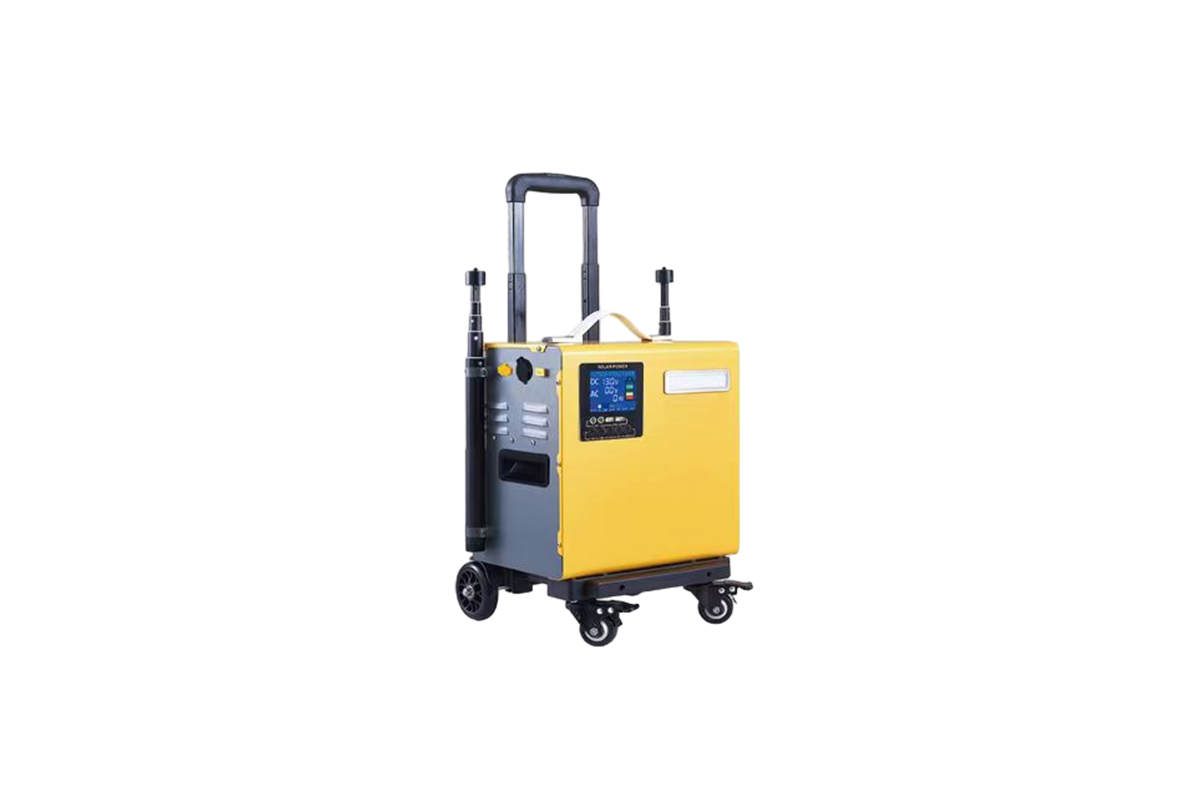
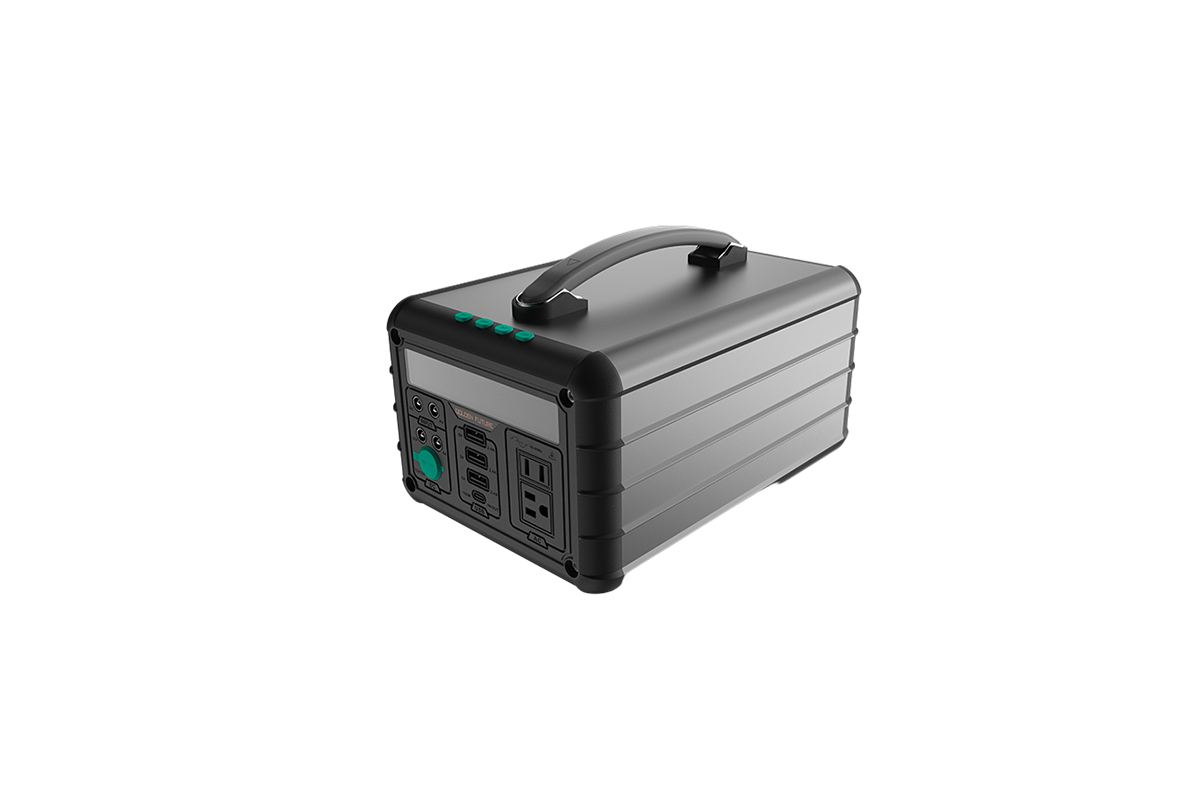
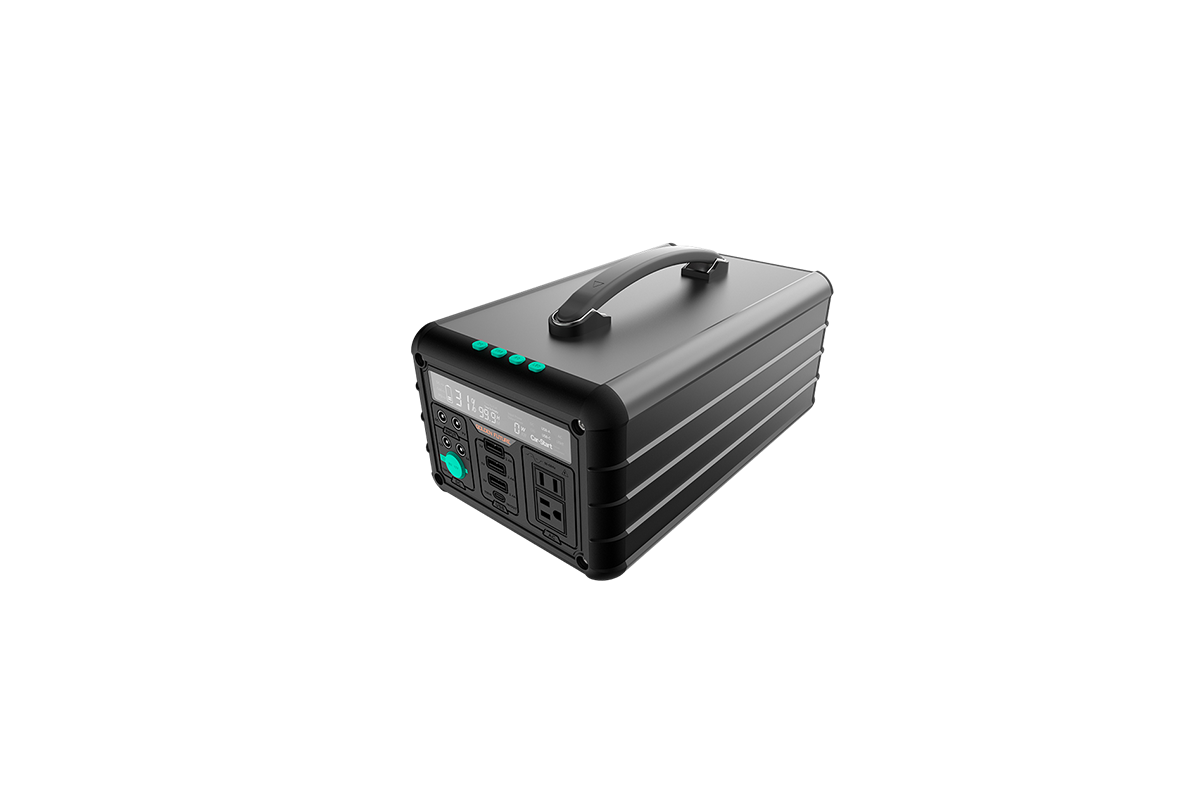
A commercial energy storage system battery is a modular energy storage device applied in commercial parks, shopping mall complexes, office buildings, small and medium-sized processing plants, charging stations, medical buildings and other commercial scenarios. It is between household energy storage and large-scale industrial energy storage, featuring miscellaneous scenarios, fluctuating loads, limited space, profit priority and simple operation and maintenance. Different from household energy storage focusing on household safety and industrial energy storage focusing on working condition durability, commercial energy storage batteries take adaptability as the core design logic, which needs to fit the power load, building space, electricity price policy, climatic environment and grid access conditions of different commercial formats. At present, the cost of commercial electricity remains high, and demand charges and peak electricity prices bring heavy operating burdens to enterprises. With the popularization of distributed photovoltaics and the advancement of power market reform, commercial energy storage has become the core equipment for enterprises to reduce costs and increase efficiency by virtue of four major functions: peak-valley arbitrage, demand control, emergency power supply and power quality optimization. Currently, mainstream commercial energy storage batteries adopt lithium iron phosphate system, realizing customized adaptation of power, capacity and size relying on flexible modular PACK design. From the perspective of adaptation, this paper analyzes the adaptation logic, technical schemes and existing adaptation shortcomings of commercial energy storage batteries from six dimensions: load scenario, spatial structure, grid access, electricity price mechanism, climatic environment and operation and maintenance management, and puts forward adaptation optimization strategies, providing professional reference for the selection, customized deployment and commercial operation of commercial energy storage projects.
2. Analysis of Six Core Adaptation Dimensions of Commercial Energy Storage Batteries
2.1 Load Scenario Adaptation: Matching Diversified Commercial Power Consumption Characteristics
Commercial formats are diverse, and the power load curves of different places vary greatly. Load adaptation is the most basic adaptation capability of commercial energy storage batteries. High-energy-consuming small processing plants have intermittent impact loads, and the start-stop of production equipment causes sudden current changes, requiring batteries to have medium-rate charge-discharge capacity to adapt to 1C-2C short-term high-power output. Shopping malls, office buildings and hotels have regular power consumption characteristics of stable high load during the day and low load at night, which are suitable for low-rate long-term energy storage mode with 0.5C stable charge and discharge to gain arbitrage benefits relying on peak-valley electricity price difference. Charging stations and data centers have strict requirements for power supply continuity, and batteries need to respond to power failure faults quickly to realize millisecond-level switching of standby power supply. To meet the differentiated load demands, commercial energy storage batteries adopt a flexible cell ratio scheme, which can flexibly adjust the number of cells in series and parallel to form energy storage systems ranging from 50kWh to 10MWh, covering lightweight commercial cabinets and large-capacity commercial container equipment. Meanwhile, it is equipped with a dynamic load identification algorithm to automatically collect commercial power consumption curves and intelligently match charge-discharge strategies, adapting to various commercial power consumption conditions such as fluctuating load, stable load and emergency load to ensure stable power supply in different commercial scenarios.
2.2 Spatial Structure Adaptation: Fitting the Installation Conditions of Commercial Buildings
Commercial buildings generally have the characteristics of high land rent, limited reserved equipment space and regular layout, and spatial adaptability determines the installation and landing capacity of batteries. Industrial energy storage mostly adopts open-air large-scale container arrangement, while commercial energy storage needs to adapt to narrow spaces such as indoor machine rooms, underground equipment rooms, idle roof areas and outdoor corner open spaces. Therefore, commercial energy storage batteries adopt a highly integrated and compact design to simplify the internal PACK structure, optimize the module arrangement and reduce the equipment footprint. Standard commercial energy storage cabinets have a compact volume and can be placed close to building corners and equipment machine rooms. In addition, the equipment has standardized appearance and interfaces, supporting multiple installation methods such as vertical, horizontal and stacked types to adapt to different building structure restrictions. In view of the aesthetic requirements of urban business districts, the outer shell of energy storage equipment is treated with dust-proof, rust-proof and silent processing, and the operating noise is controlled within 55 decibels, which will not interfere with the operation environment of shopping malls and office buildings. Furthermore, the modular design supports subsequent capacity expansion. Enterprises can gradually superimpose battery modules according to business scale expansion without one-time large capital investment, adapting to the gradual capacity expansion needs of small and medium-sized enterprises.
2.3 Grid Access Adaptation: Complying with Urban Commercial Grid Standards
The urban commercial power grid has a complex grid structure, limited access capacity and low voltage level, with strict grid management standards. The battery system must adapt to urban grid access specifications. The converter matched with commercial energy storage batteries is suitable for 380V low-voltage commercial power grid, eliminating the need for high-voltage transformation and reducing enterprise renovation costs, which is applicable to most small and medium-sized commercial power consumers. In terms of grid compatibility, the system has functions of reactive power regulation, harmonic control and voltage stabilization. Air conditioners, elevators and frequency conversion equipment in commercial places are prone to harmonic pollution. The energy storage system can correct power waveforms in real time, optimize power quality and avoid accelerated loss of electrical equipment. Meanwhile, the built-in grid protection logic of the battery management system can adapt to auxiliary services such as grid voltage regulation and frequency modulation, actively feed power during grid peak load, and automatically disconnect from the grid in case of grid faults to realize seamless switching between grid-connected and off-grid modes. It strictly complies with urban grid safety access standards, with anti-islanding and anti-reflux protection functions to prevent excess power from flowing back into the public grid and avoid hidden dangers to grid operation, perfectly adapting to the management requirements of urban commercial low-voltage power grid.
2.4 Electricity Price Mechanism Adaptation: Conforming to Commercial Profit Logic
Profitability is the core demand of commercial energy storage. The hardware and software design of battery systems is deeply adapted to domestic industrial and commercial electricity price policies. Domestic provinces and cities implement time-of-use pricing for industrial and commercial electricity with large peak-valley price differences. Relying on the energy management system, commercial energy storage batteries accurately capture the fluctuation law of electricity prices, charge and store energy during low electricity price periods, and discharge for self-use during high electricity price periods to cut peak electricity expenses. For industrial shops and processing plants adopting demand-based billing, batteries can smooth power consumption peaks, reduce contractual demand and decrease monthly basic electricity charges. The system is embedded with a localized electricity price strategy model, which can adapt to electricity price rules of different provinces, automatically update electricity price periods and dynamically adjust charge-discharge duration. Meanwhile, the battery cycle life conforms to the commercial payback cycle. The cycle life of mainstream commercial lithium iron phosphate batteries reaches 6,000-8,000 times with a service life of 10-12 years under normal working conditions, matching the operation logic of 5-6 years of investment payback and long-term stable profit of commercial projects. Compared with industrial energy storage pursuing ultra-long cycle times, commercial batteries reasonably balance cost and service life to meet the low-cost and fast-payback adaptation needs of commercial use.
2.5 Climatic Environment Adaptation: Adapting to Diverse Urban Environmental Working Conditions
Commercial energy storage equipment is deployed in scattered scenarios, covering complex urban environments such as high temperature and humidity in the south, low temperature and dryness in the north, and salt spray corrosion in coastal areas. Environmental adaptability ensures the stable operation of equipment all day long. In terms of temperature control adaptation, commercial energy storage is equipped with a lightweight composite temperature control system combining air cooling and simple liquid cooling. Compared with industrial full liquid cooling systems, it has lower costs and meets commercial cost control requirements, maintaining the operating temperature between 15℃ and 40℃ to prevent overheating in summer and capacity attenuation in winter. In terms of protection adaptation, the equipment reaches IP54 protection level with dustproof, waterproof, moisture-proof and condensation-proof capabilities, resisting the erosion of urban dust and rainwater. Equipment in coastal areas is additionally coated with salt spray resistance to delay metal shell corrosion. In terms of seismic adaptation, the fixed structure is optimized against urban transportation vibration and slight building shaking, with reinforced and shockproof modules to avoid circuit loosening and cell displacement caused by long-term vibration, adapting to complex and changeable urban natural environments without strict constant temperature and humidity industrial deployment conditions.
2.6 Operation and Maintenance Adaptation: Reducing Commercial Operation Labor Costs
Commercial enterprises generally lack professional energy storage operation and maintenance personnel, and simplified operation and maintenance is an important adaptive attribute of commercial batteries. The system is equipped with a lightweight intelligent operation and maintenance platform with an optimized and simplified interface, enabling ordinary enterprise maintenance personnel to complete daily monitoring without professional electric power technicians. Relying on cloud internet of things technology, it realizes remote data monitoring, automatic fault alarm and remote parameter debugging to reduce manual inspection frequency. The built-in automatic cell equalization algorithm independently corrects cell voltage difference to reduce manual maintenance costs. In terms of fire protection adaptation, it is equipped with aerosol fire extinguishing devices and temperature and smoke sensors, with passive fire protection requiring no manual intervention to adapt to unattended commercial machine rooms. Meanwhile, the generality of equipment parts is high with unified commercial interfaces in the industry, resulting in low replacement and maintenance costs in the later stage, fitting the low-cost, simplified and low-threshold operation and maintenance management needs of small and medium-sized enterprises.
3. Existing Adaptation Pain Points of Commercial Energy Storage Batteries
3.1 Insufficient Adaptability to Extreme Scenarios
Existing general commercial batteries adapt to conventional commercial scenarios but have obvious shortcomings in special business formats. Batteries in alpine cities with low temperatures suffer severe capacity attenuation in winter, and simple temperature control systems cannot meet ultra-low temperature preheating requirements. Machine rooms in humid and rainy areas are prone to condensation, and ordinary sealing processes have potential electric leakage risks. Large charging stations have instantaneous impact loads, leading to excessive temperature rise of ordinary rate batteries and insufficient performance to adapt to high-power fast charging scenarios.
3.2 High Customization Adaptation Cost
Standard general batteries have low costs and are suitable for ordinary shops and small factories. However, enterprises with special buildings and power consumption requirements need customized batteries with exclusive size, rate and protection level, and customized transformation will increase R&D and production costs. Restricted by limited capital, small and medium-sized commercial entities face high customization thresholds and cannot achieve accurate matching of personalized scenarios.
3.3 Regional Differences in Grid Adaptation Compatibility
There are differences in grid access standards, harmonic requirements and grid-connected management rules among different cities, and general energy storage systems cannot adapt to all regional grid specifications. The aging of power lines in some old urban areas causes voltage fluctuation and signal interference when batteries are connected to the grid, and the compatibility optimization technology for old commercial power grids is insufficient.
4. Adaptation Optimization Directions and Industry Development Trends
4.1 Hierarchical Adaptation to Build a Scenario-specialized Battery System
Develop adaptive products by classification according to commercial formats, launching four categories of batteries: light shop type, medium-sized factory type, high-power charging station type and low-temperature alpine special type. Optimize cell formulas: low-temperature models adopt modified electrolyte to improve low-temperature activity, and high-power models apply multi-tab cells to reduce internal resistance. Conduct targeted adaptation optimization for different scenarios to reduce performance waste of general batteries.
4.2 Modular General Design to Reduce Customization Costs
Unify the size, interface and electrical parameters of commercial energy storage modules, adopting a general building block splicing structure to realize personalized adaptation through module addition and subtraction and accessory replacement without independent mold customization. Simplify the equipment structure to cut non-standard transformation costs, lower the customization adaptation threshold for small and medium-sized enterprises, and balance universality and personalized adaptation needs.
4.3 Strengthen Grid Compatibility to Adapt to Diversified Grid Architectures
Upgrade power quality control chips and optimize harmonic suppression and reactive power compensation algorithms to adapt to different grid architectures such as old urban areas, new business districts and industrial parks. Establish a regional grid adaptation database to automatically adjust grid-connected logic according to grid parameters of different cities, simplify grid-connected approval procedures, and improve the convenience of grid access adaptation.
4.4 Lightweight Intelligent Operation and Maintenance Fitting Commercial Management Modes
Optimize the simplified commercial operation and maintenance system to fit the operation habits of non-professional personnel, simplify background data, and intuitively display electricity cost savings, equipment status and operating benefits. Adopt an AI fault prediction model to eliminate hidden dangers such as line aging and cell attenuation in advance, extend the maintenance cycle, and minimize human operation and maintenance investment in commercial industries.
5. Conclusion
From the perspective of adaptation, commercial energy storage system batteries are customized energy storage products integrating load scenario, building space, grid access, electricity price profit, climatic environment and simple operation and maintenance. Adaptability is the core competitiveness distinguishing from household and industrial energy storage. Relying on modular integrated design, low-cost temperature control system and lightweight intelligent management architecture, commercial batteries can flexibly adapt to diverse commercial formats such as shops, factories, office buildings and charging stations, helping enterprises reduce electricity costs, control demand and ensure emergency power supply, maximizing the economic value of commercial power consumption. At present, the industry still faces problems such as weak adaptability to extreme scenarios, high customization costs and poor regional grid compatibility. In the future, commercial energy storage batteries will iterate towards hierarchical adaptation, general modularization, high compatibility, low cost and simple operation and maintenance, continuously optimizing the adaptation capability of segmented scenarios and lowering the entry threshold for small and medium-sized enterprises. With the continuous advancement of power marketization and the maturity of energy storage adaptation technology, commercial energy storage batteries will become standard equipment for commercial energy transformation and upgrading, assisting energy conservation, carbon reduction, income increase and efficiency improvement in the commercial field, and providing solid adaptation support for the commercial implementation of new power systems.




 59911926@qq.com/sales@goldenfuturehk.com
 13316809242 / 15816897019
 Inquiry
 Home >