






Time:2026-03-28 Views:84
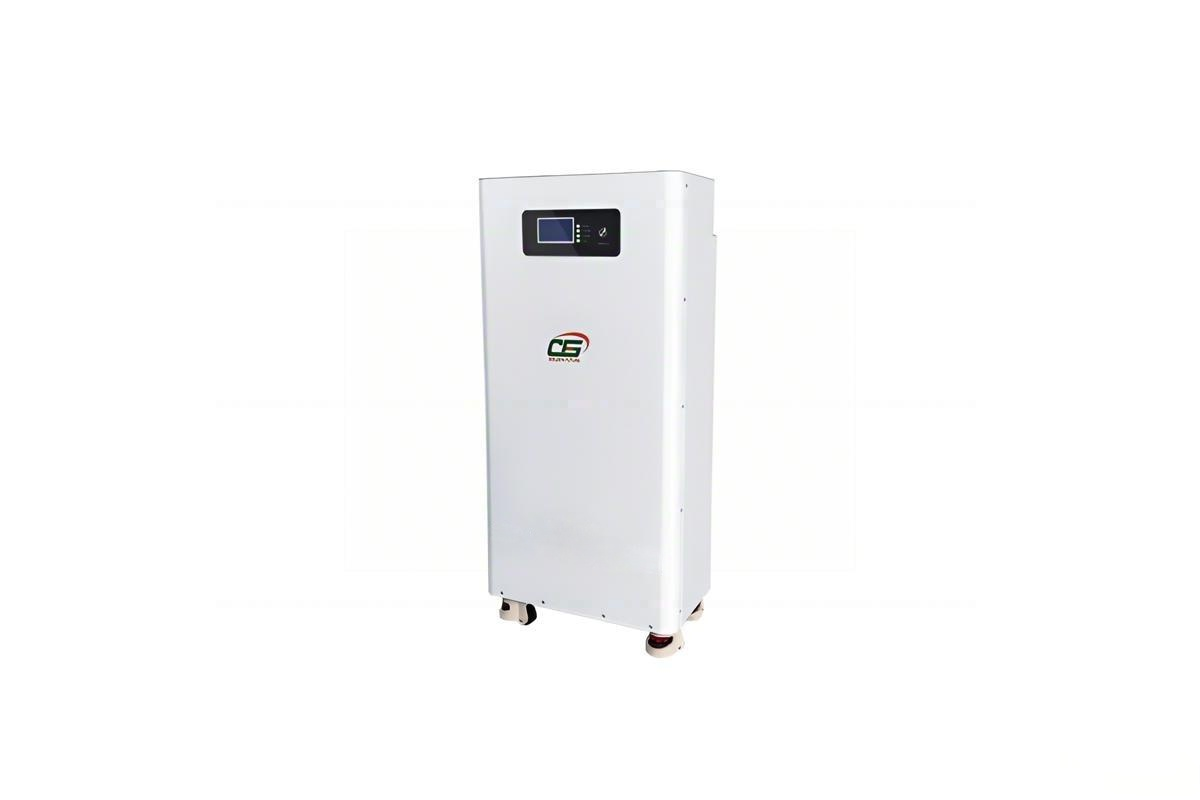
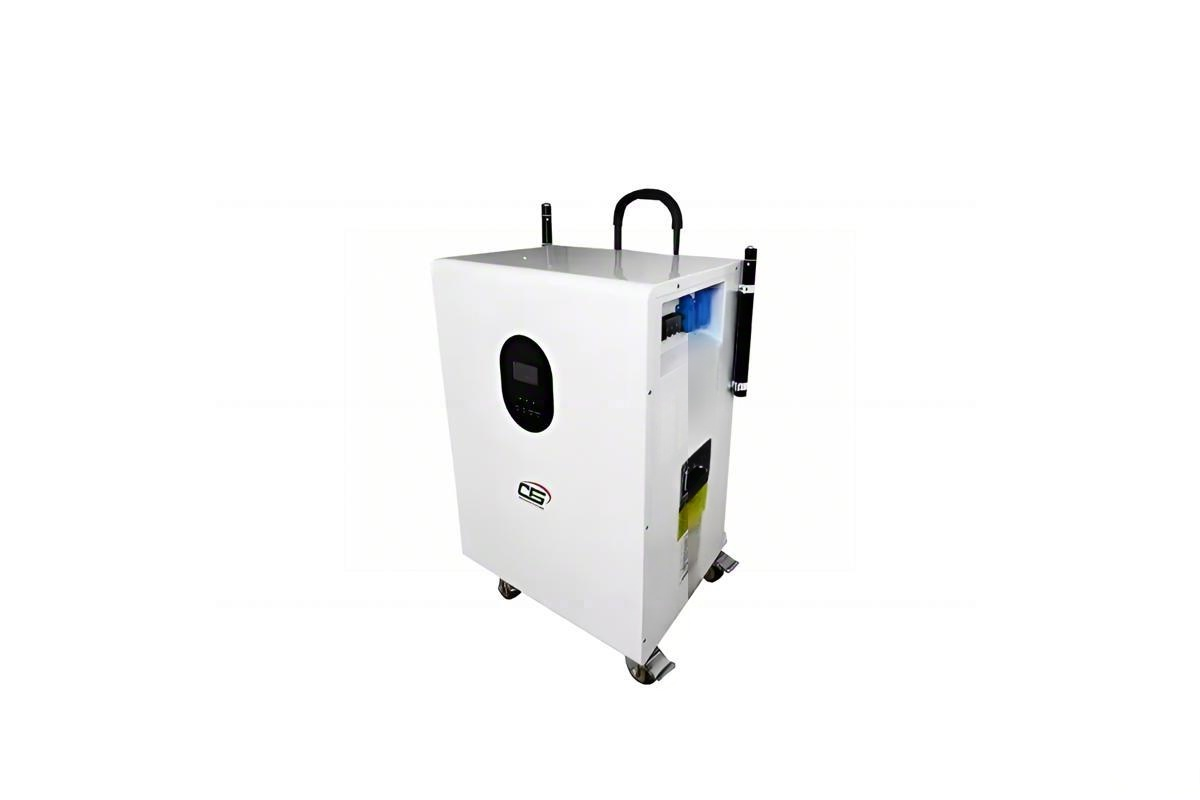
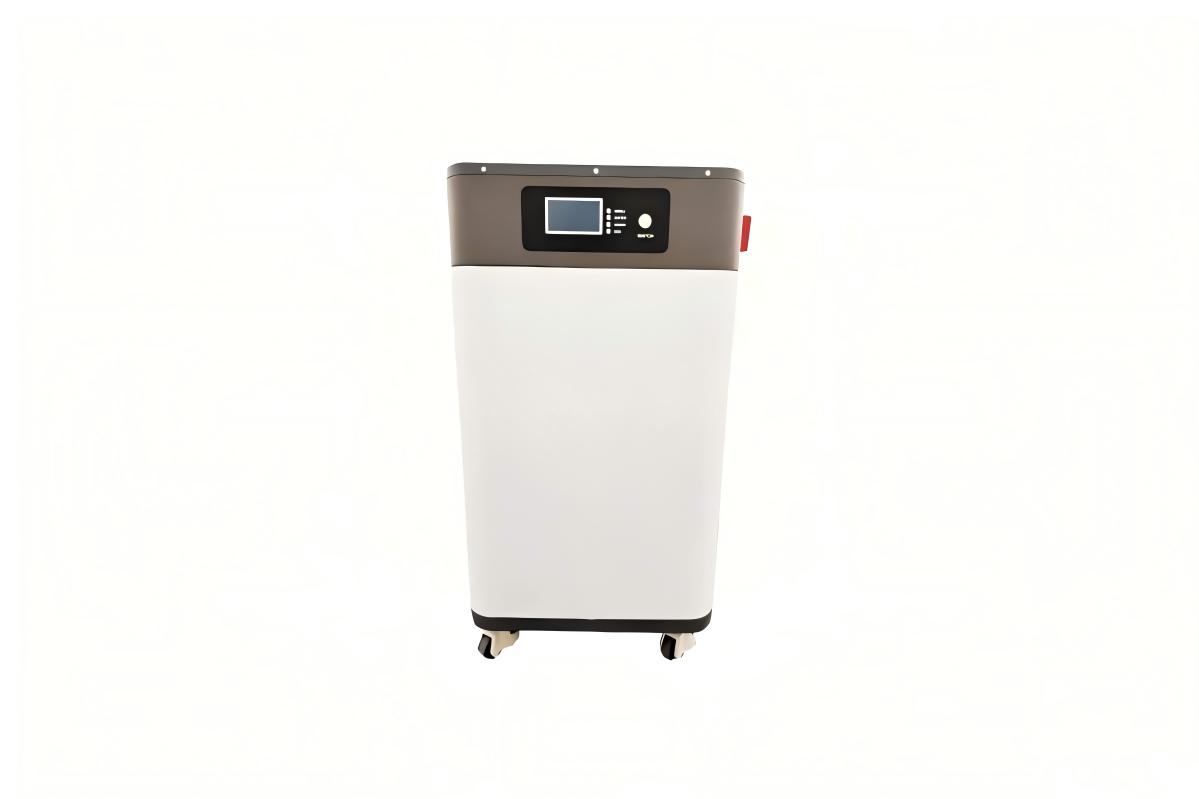
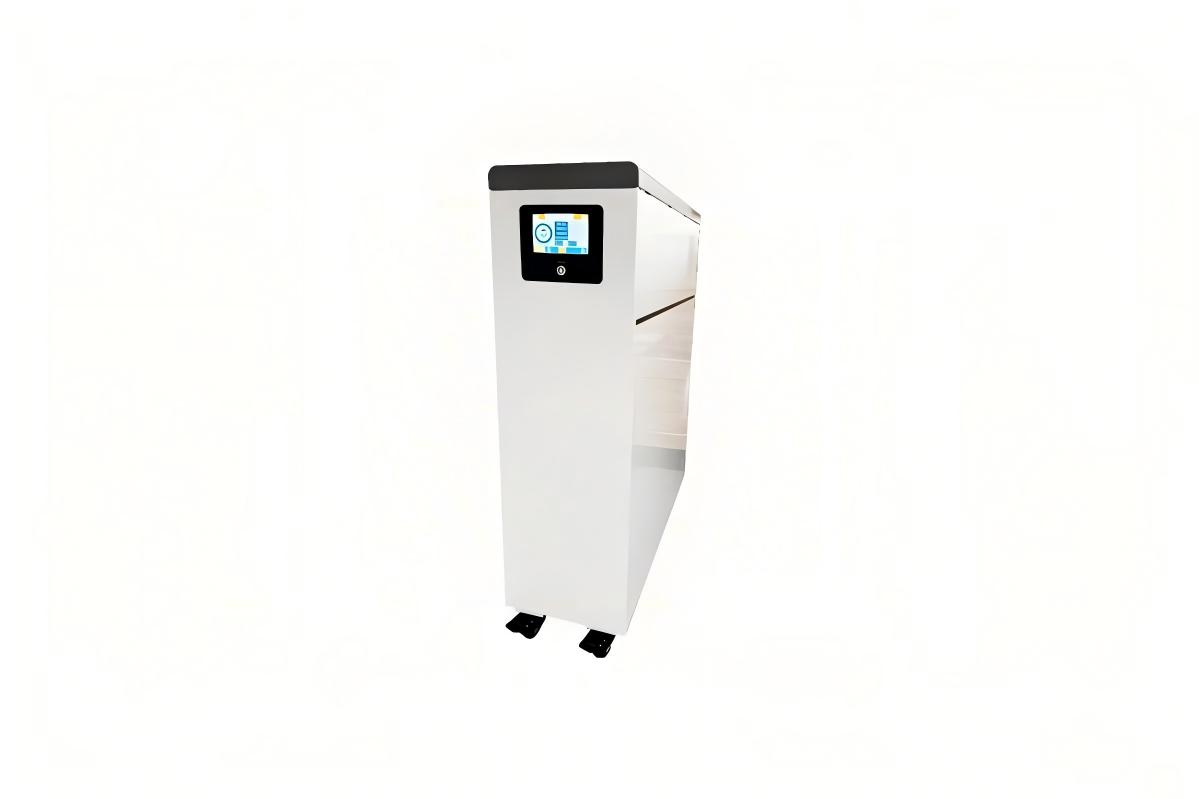
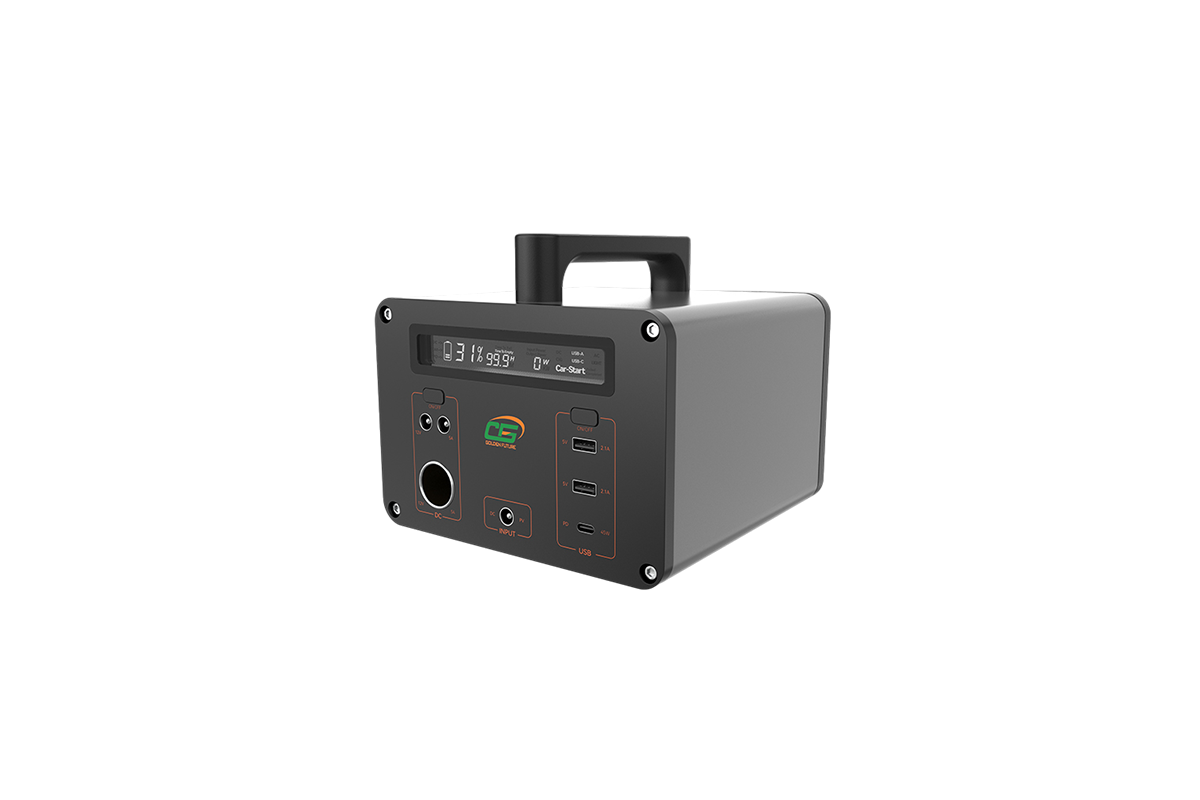
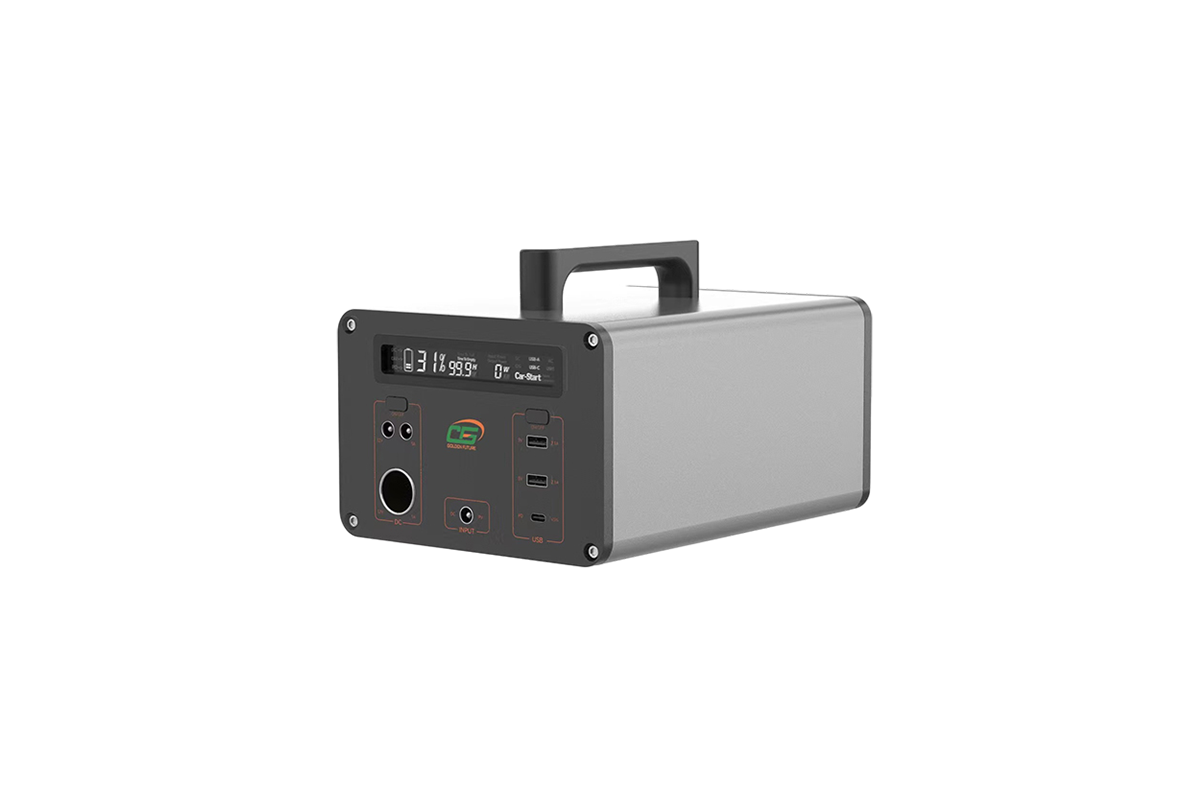
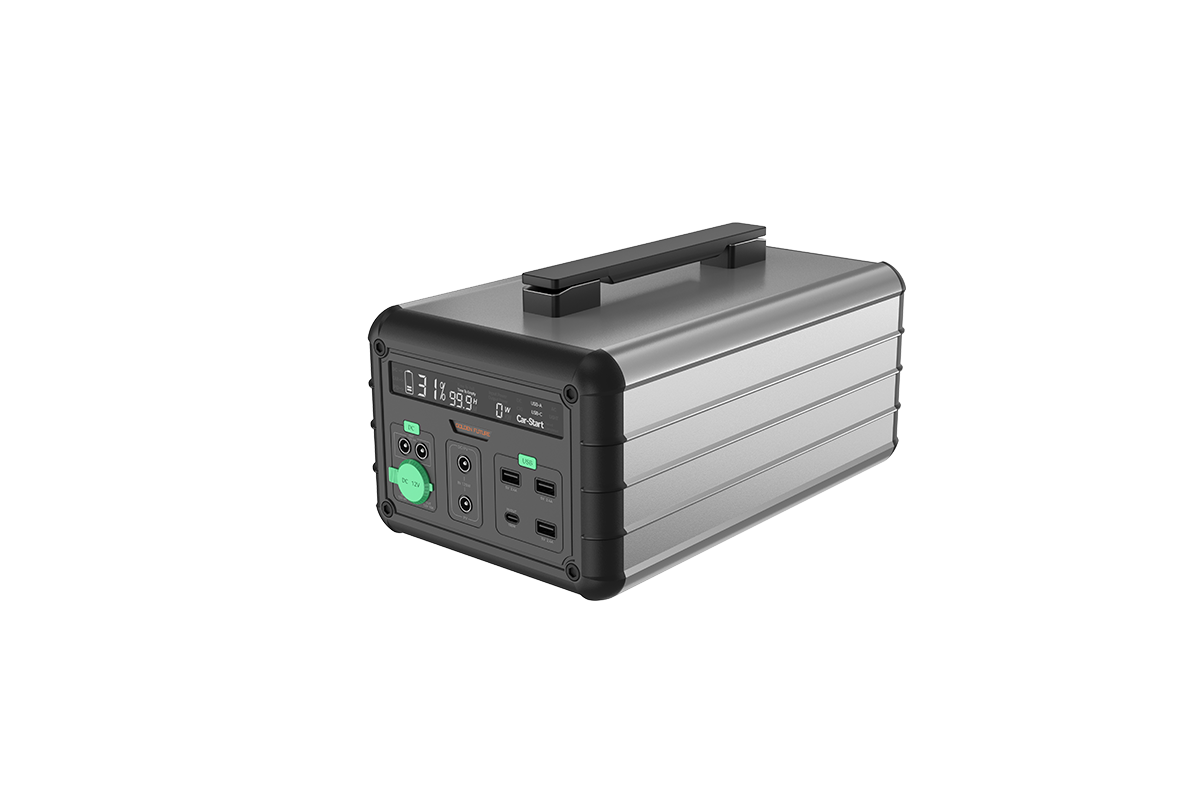
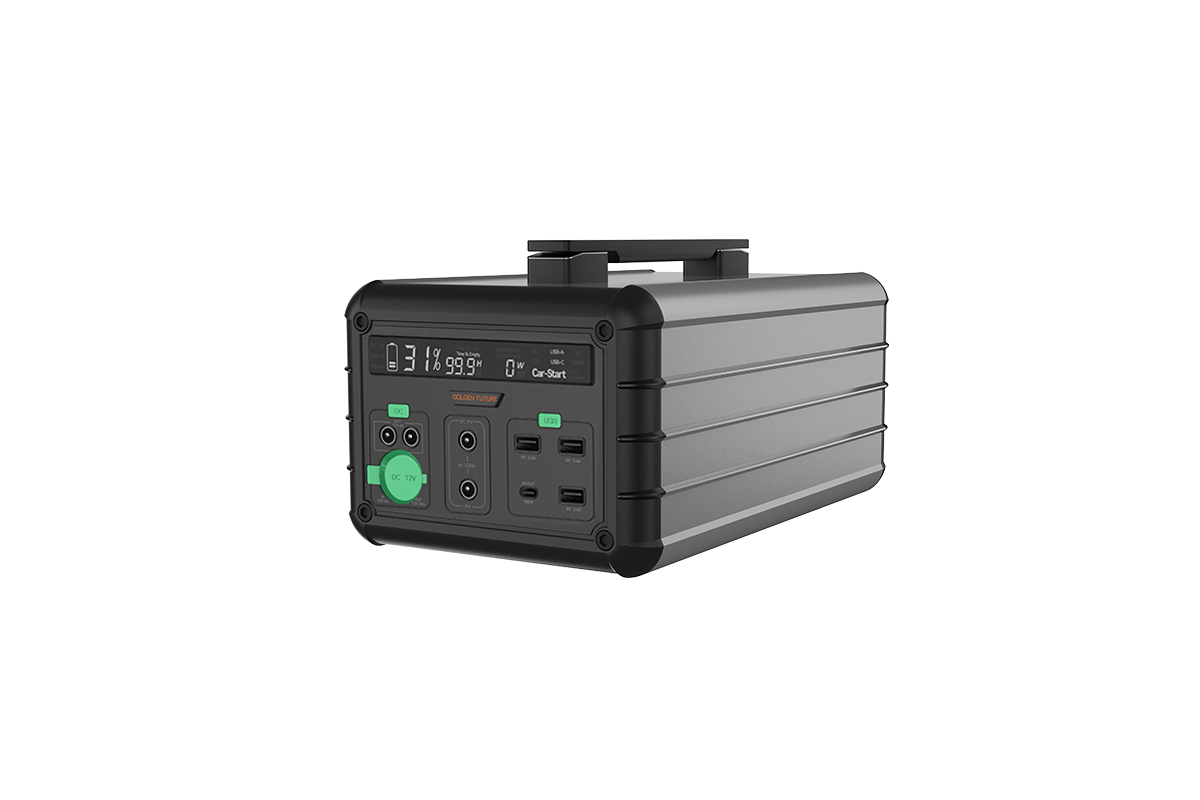
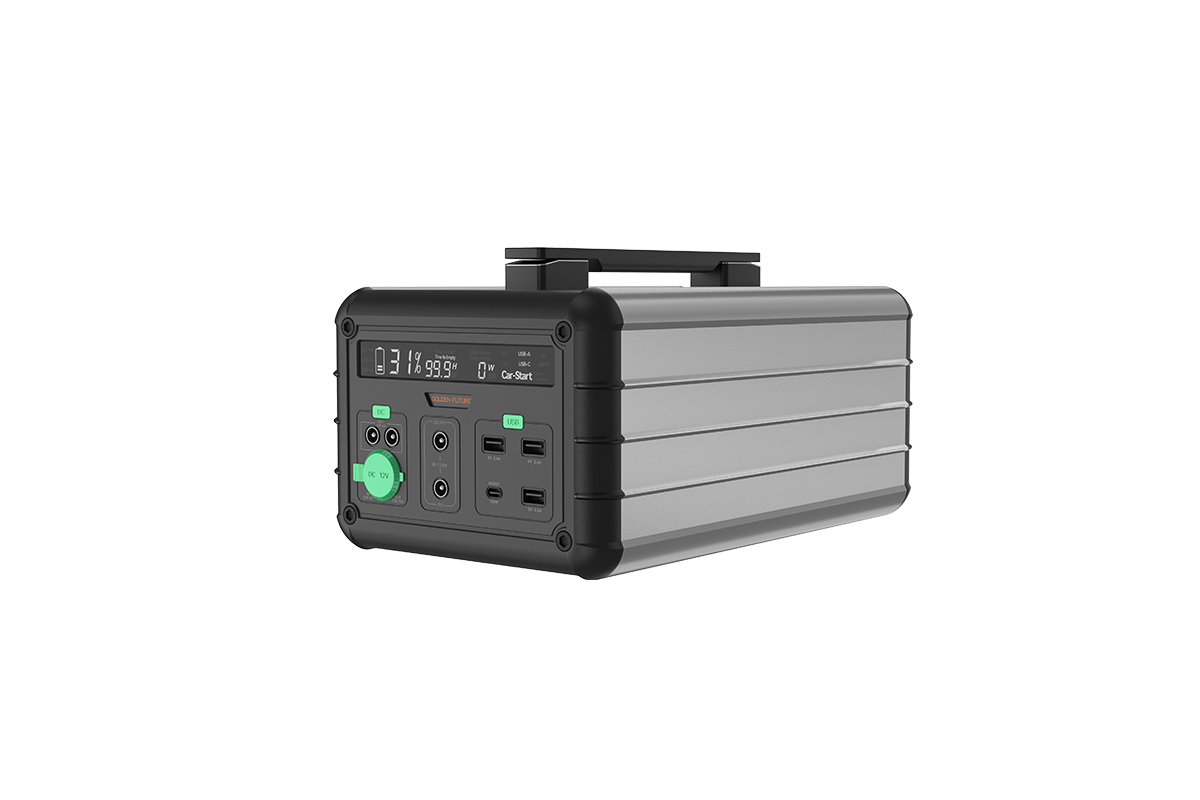
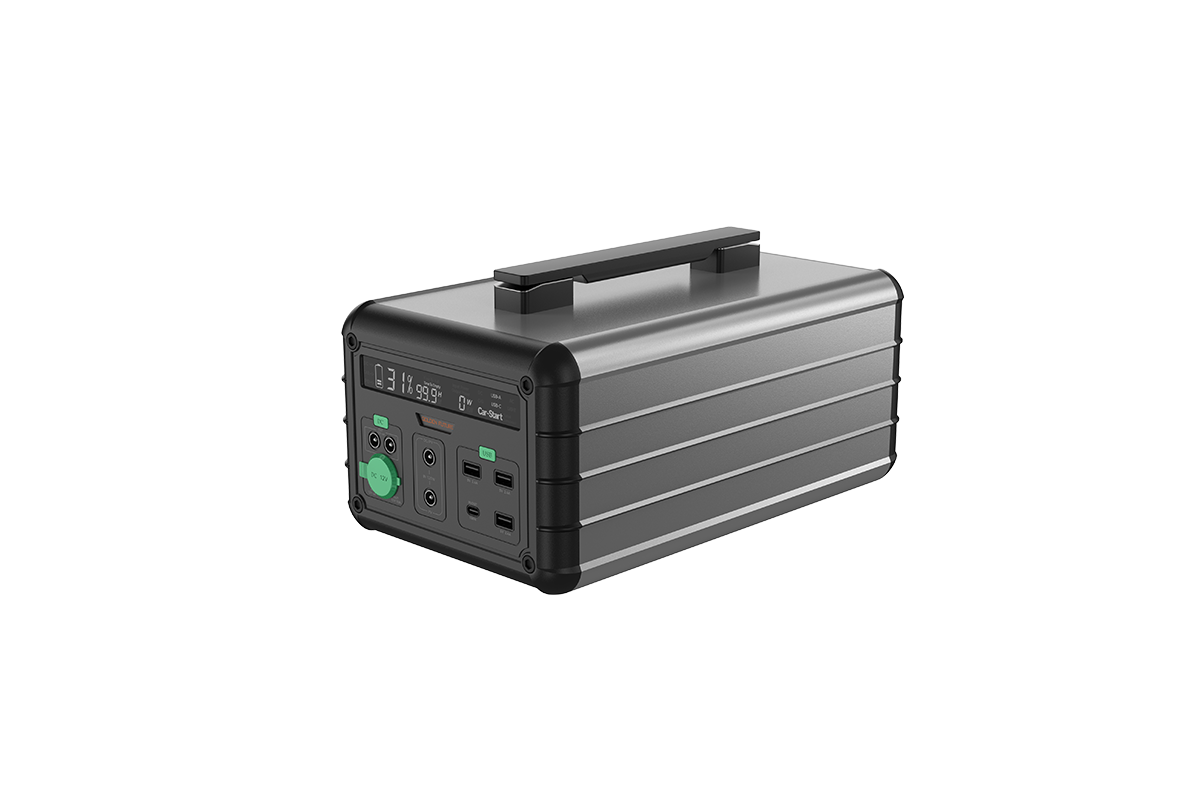
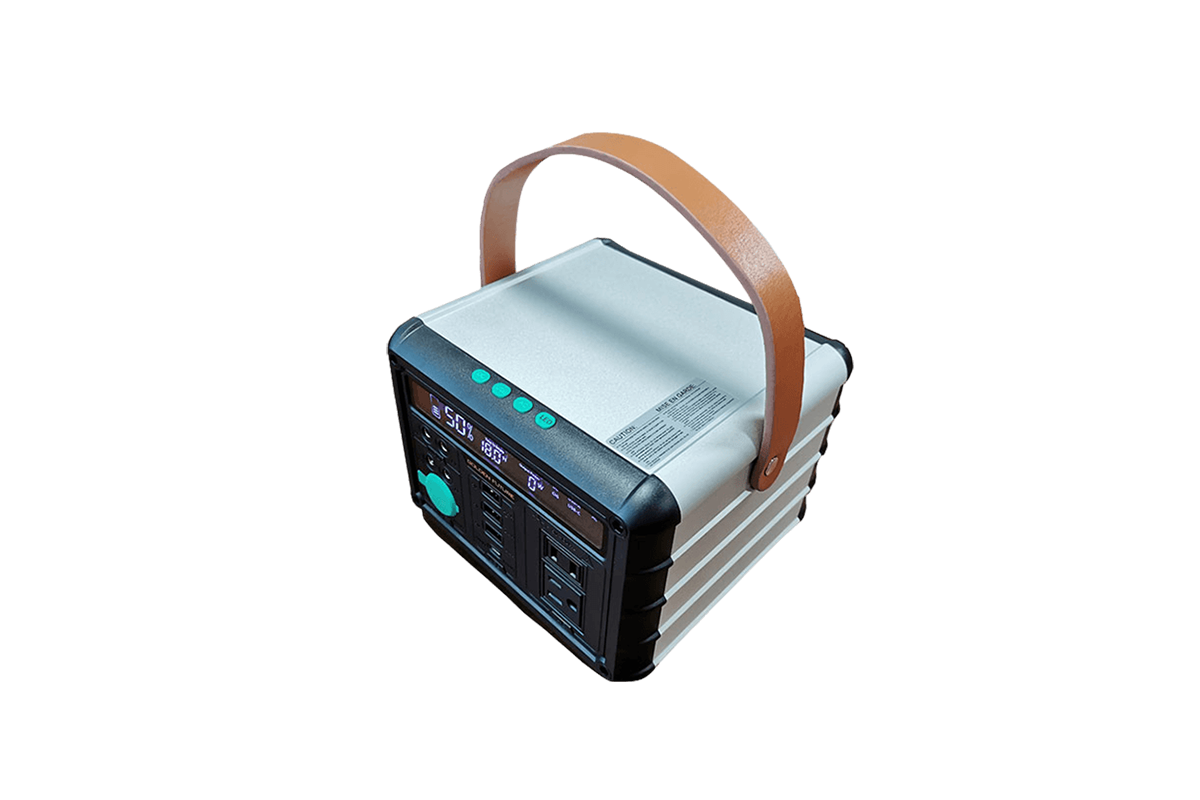
The charging time of a solar portable power station refers to how long it takes to fully recharge the battery using solar energy, and it is a key consideration for users who rely on off-grid power, such as outdoor campers, remote workers, and those in areas with frequent power outages. Unlike AC charging, which is relatively fast and consistent, solar charging time is influenced by multiple variables, including the wattage of the solar panel, the intensity of sunlight, the battery capacity of the power station, and the solar charging efficiency of the device. Understanding these factors can help users set realistic expectations and plan their charging schedule, ensuring the power station is fully charged when needed.
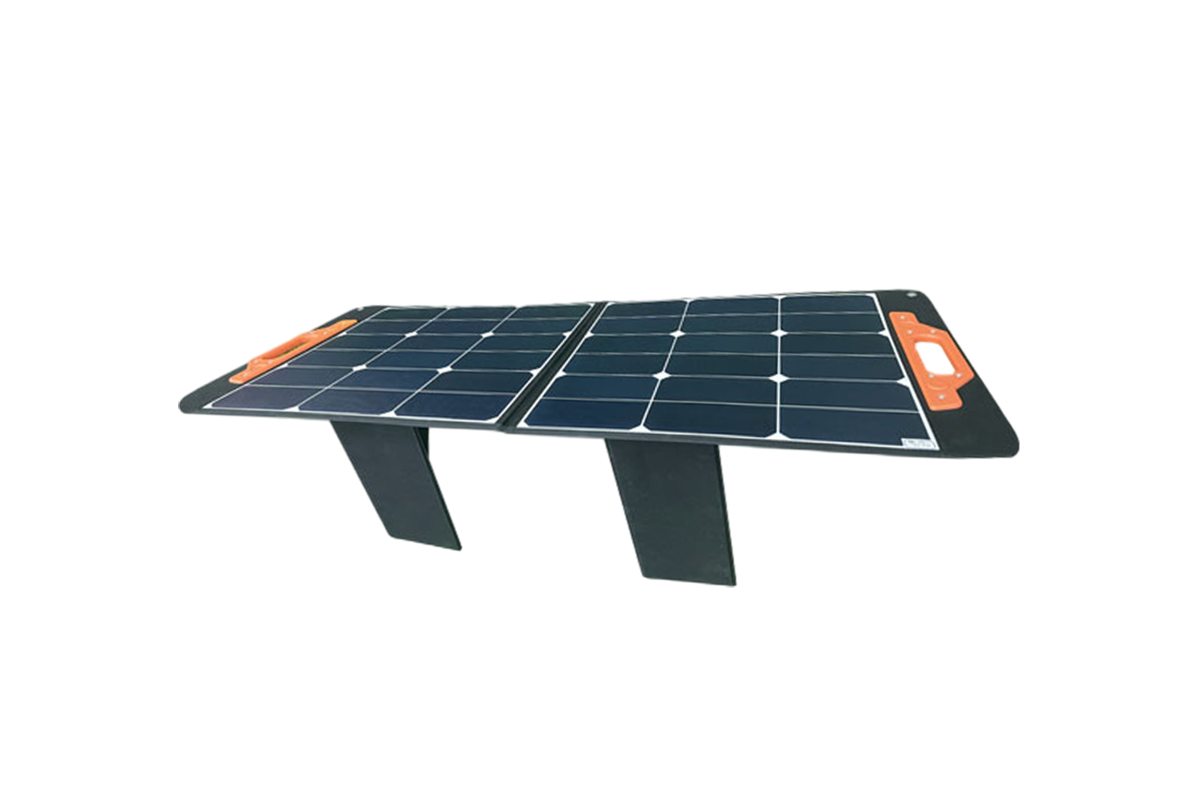
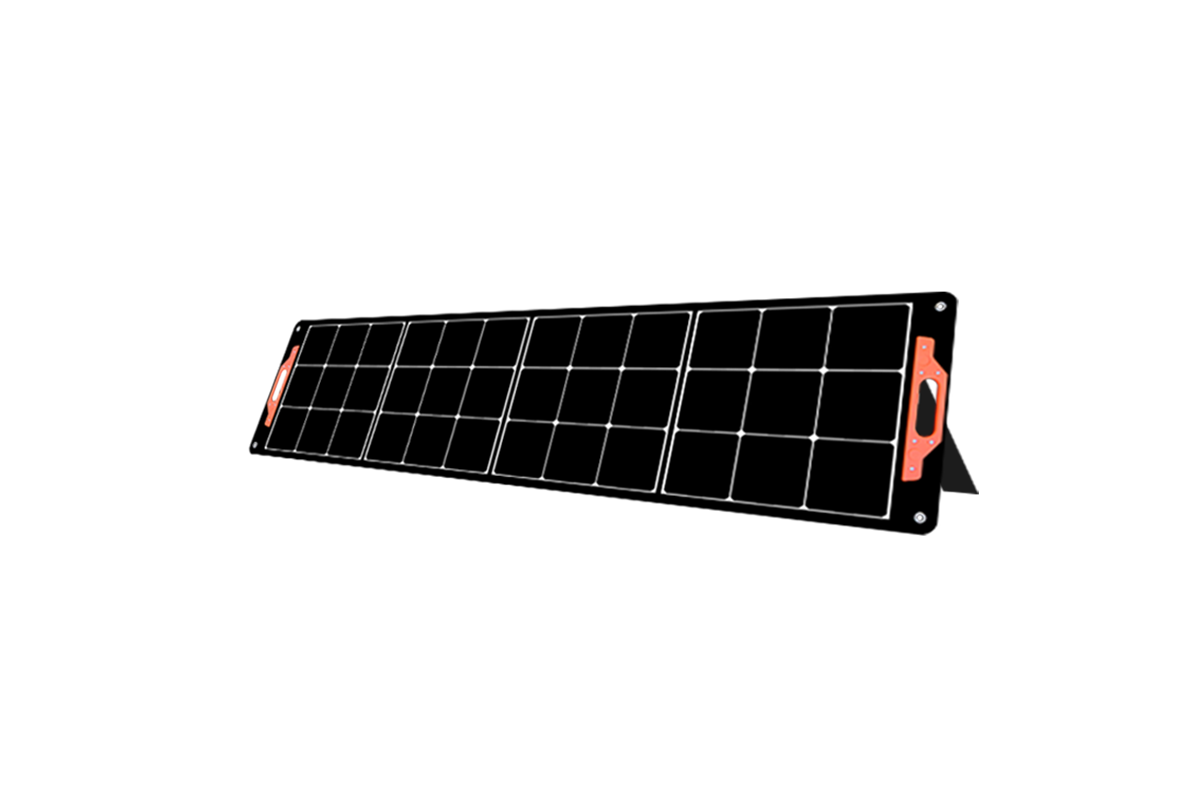
The wattage of the solar panel is the most direct factor affecting charging time – higher-wattage solar panels can convert more sunlight into electricity, reducing the time needed to fully charge the power station. Most solar portable power stations are compatible with 100W to 400W solar panels, with 100W and 200W panels being the most common for everyday use. For example, a 1000W solar portable power station with a 1000Wh battery will take approximately 10-12 hours to fully charge with a 100W solar panel in direct, unobstructed sunlight. If a 200W solar panel is used, the charging time is cut in half, to around 5-6 hours. Similarly, a 600W power station with a 600Wh battery can be fully charged in 6-8 hours with a 100W solar panel or 3-4 hours with a 200W panel. It is important to note that the power station’s maximum solar input wattage must match or exceed the solar panel’s wattage to avoid underutilizing the panel or damaging the device.
Sunlight intensity and environmental conditions also play a crucial role in solar charging time. Direct, full sunlight (typically between 10 AM and 4 PM) provides the highest charging efficiency, while cloudy weather, shade, or indirect sunlight can increase charging time by 50% or more. For example, on a cloudy day, a 100W solar panel may only output 50-70W of power, doubling the charging time for a 1000Wh power station to 20-24 hours. Additionally, the angle of the solar panel affects charging efficiency – angling the panel to face the sun directly (usually a 45-degree angle) can improve energy absorption by 15-20% compared to placing it flat. Some advanced solar portable power stations also feature MPPT (Maximum Power Point Tracking) technology, which optimizes the solar charging process by adjusting the voltage and current to capture the maximum available solar energy, reducing charging time by 10-15%. Finally, battery capacity directly impacts charging time: a 300Wh power station will charge much faster than a 1000Wh model with the same solar panel, as it requires less total energy to reach full capacity.




 59911926@qq.com/sales@goldenfuturehk.com
 13316809242 / 15816897019
 Inquiry
 Home >