






Time:2026-04-21 Views:26
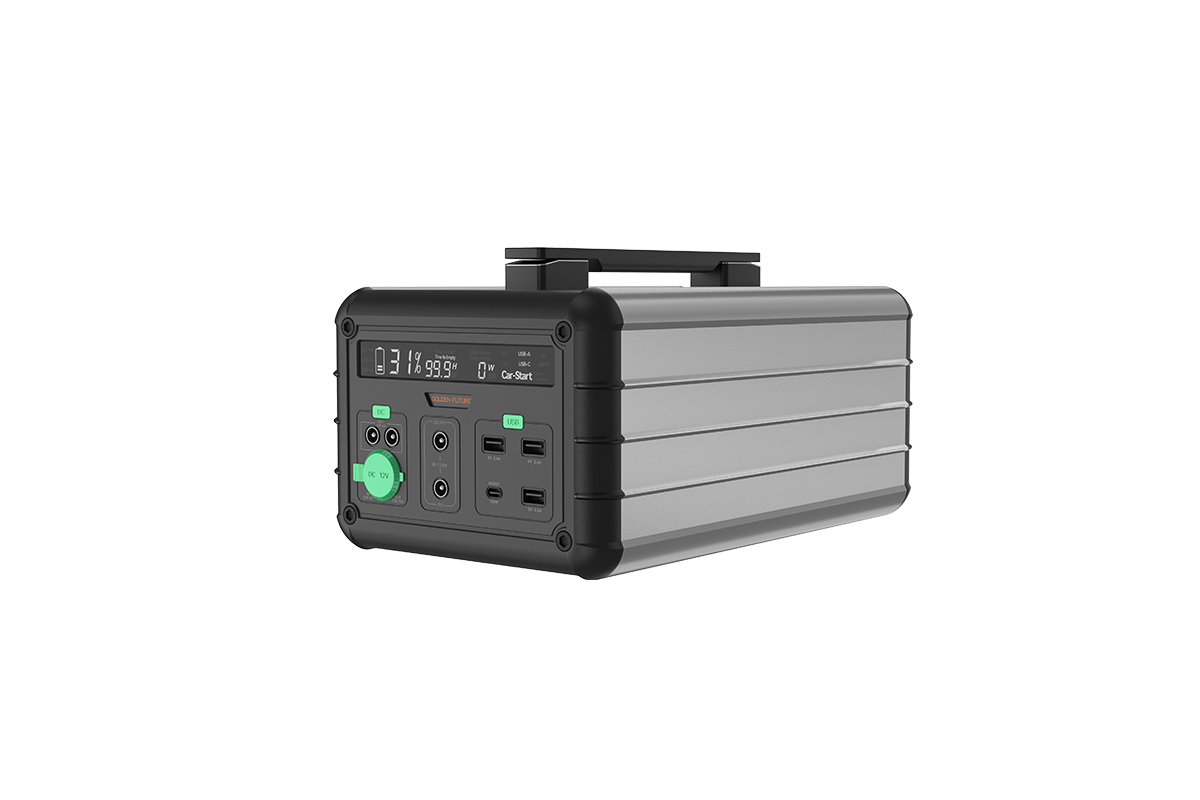
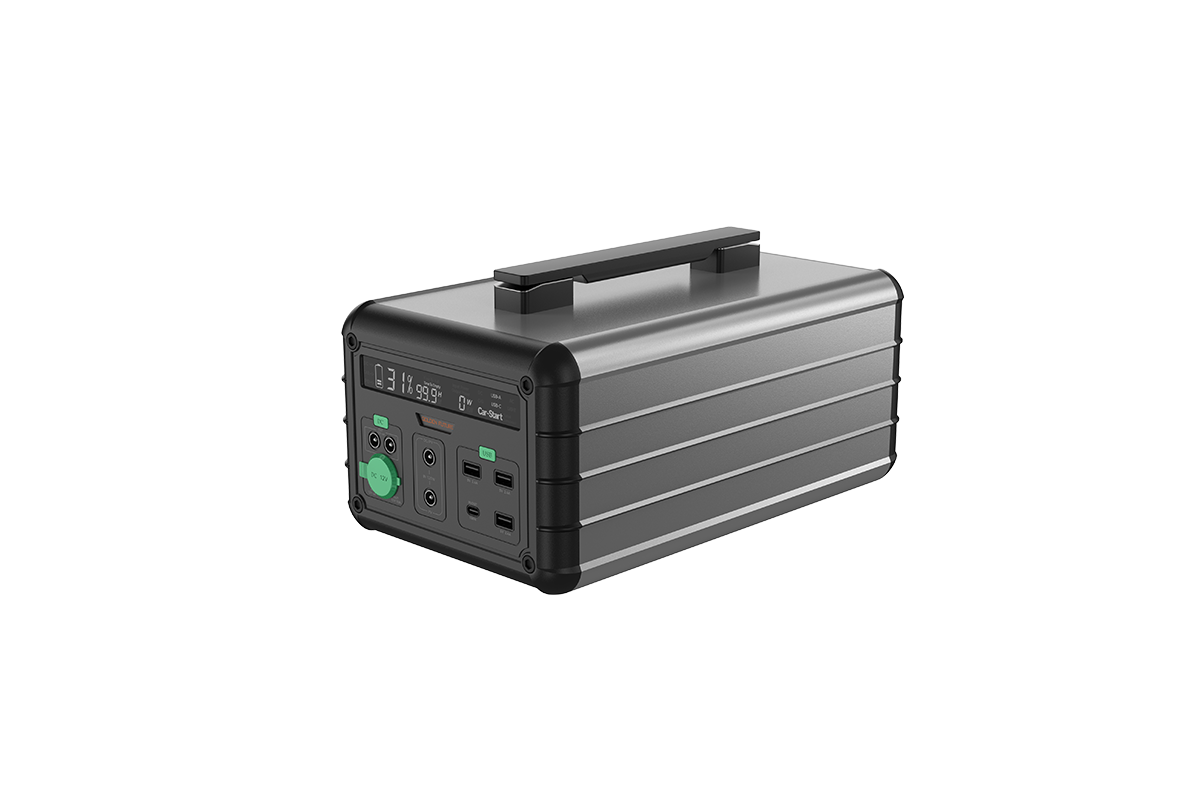
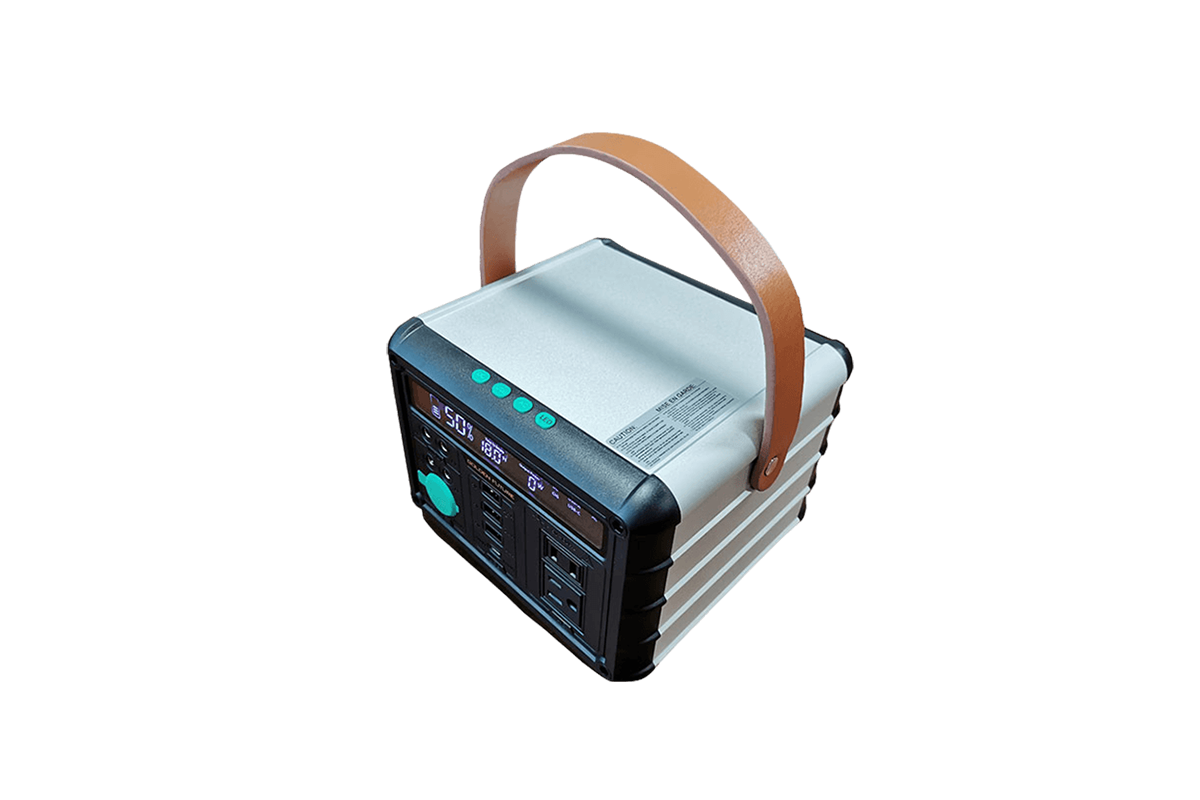
Household energy storage batteries are an important part of home energy systems, and their charging methods directly affect the performance, service life, and user experience of the battery. With the continuous development of household energy storage technology, a variety of charging methods have emerged, each with its own advantages and disadvantages, suitable for different user needs and application scenarios. The main charging methods of household energy storage batteries include mains charging, solar charging, car charging, wireless charging, and fast charging. Users can choose the appropriate charging method according to their own electricity needs, living environment, and economic conditions, to achieve efficient, convenient, and safe charging of the battery.
Mains charging is the most common and widely used charging method for household energy storage batteries. This method connects the household energy storage battery to the home power socket through a standard AC plug, using the grid’s alternating current to charge the battery. The biggest advantage of mains charging is simplicity and convenience, as almost all families can use it without additional equipment or complex installation. In addition, mains charging is not affected by weather conditions, and users can charge the battery at any time according to their needs. However, the disadvantage of mains charging is that the charging speed is relatively slow, which is limited by the power limit of the home power socket (usually 1-3 kW). In addition, the cost of mains charging is affected by the grid’s electricity price, and charging during peak periods may increase the user’s electricity cost. To solve this problem, many household energy storage systems are equipped with smart charging functions, which can be set to charge during off-peak periods when electricity prices are low, reducing charging costs.
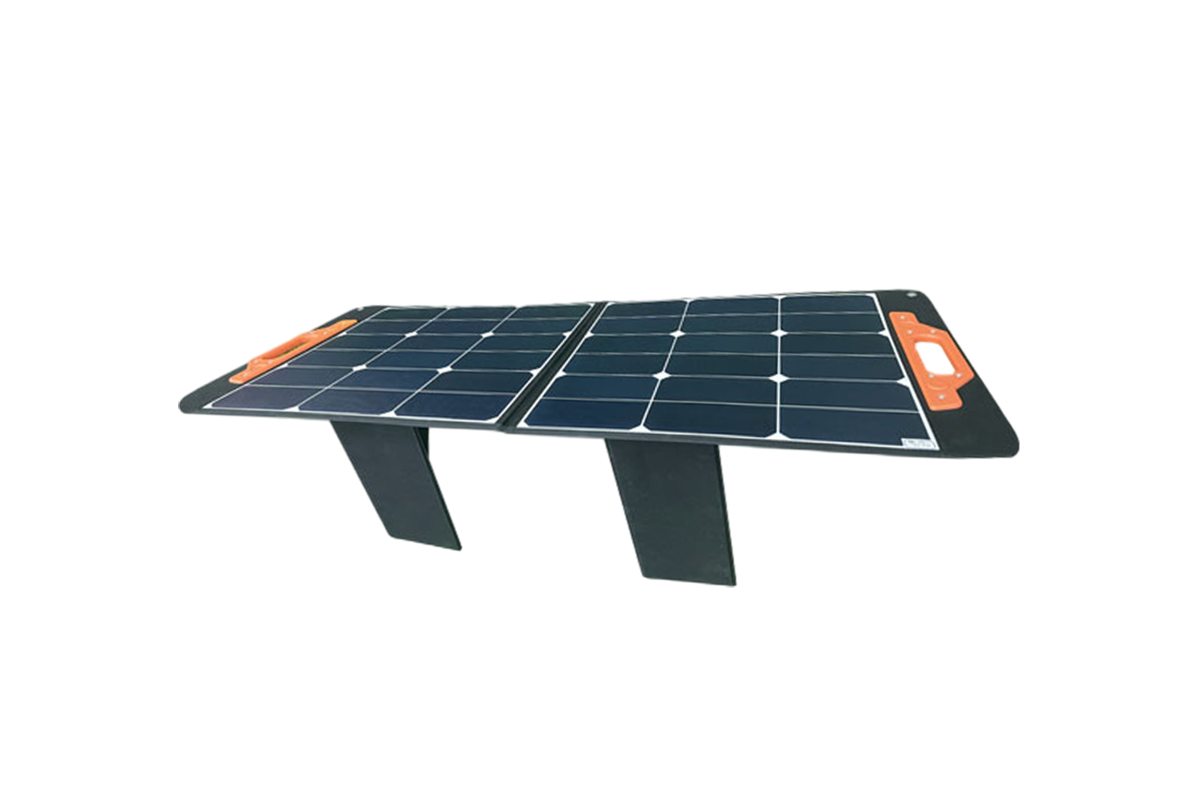
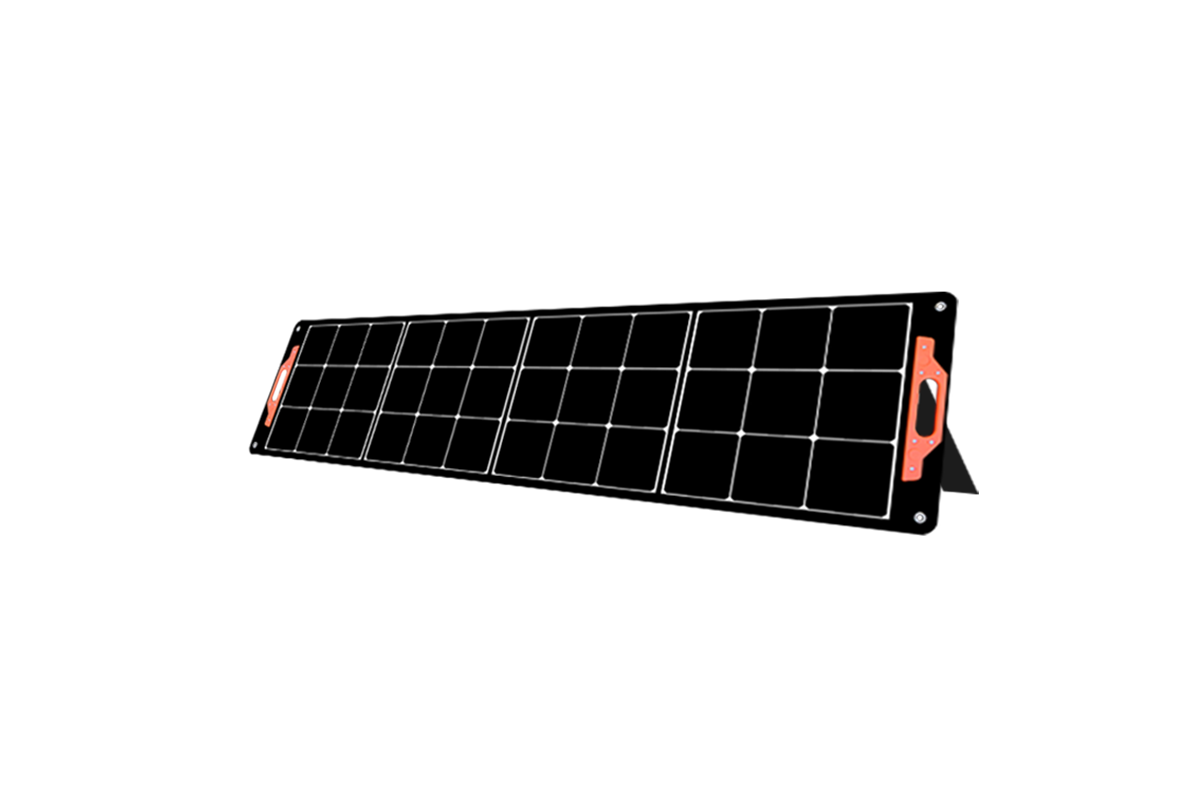
Solar charging is a green and environmentally friendly charging method suitable for families with rooftop or balcony solar panels. This method uses the direct current generated by solar panels to charge the household energy storage battery, without relying on the grid, which can reduce the user’s reliance on traditional electricity and reduce carbon emissions. The advantage of solar charging is that the energy source is clean and renewable, and the charging cost is almost zero after the initial investment in solar panels. However, solar charging is greatly affected by weather conditions and solar radiation intensity: on cloudy or rainy days, the charging efficiency will be significantly reduced; at night, solar charging cannot be carried out. In addition, the charging speed of solar charging is also affected by the performance and power of solar panels, and it may take a long time to fully charge the battery. To improve the efficiency of solar charging, many household energy storage systems are equipped with maximum power point tracking (MPPT) technology, which can automatically track the maximum power output of solar panels, improving the utilization rate of solar energy.
Car charging is an emerging and convenient charging method for household energy storage batteries, suitable for families with electric vehicles (EVs). This method uses the EV as a mobile charging station, connecting the household energy storage battery to the EV through the car’s charging interface to achieve fast charging. The biggest advantage of car charging is the fast charging speed, as the EV’s charging power is usually higher than that of mains charging (up to 10-20 kW), which can fully charge the household energy storage battery in a short time. In addition, car charging is very flexible, and users can charge the battery anywhere there is an EV, which is suitable for families that often go out or have unstable grid power supply. However, car charging is limited by the EV’s battery capacity and the compatibility of charging devices: if the EV’s battery capacity is small, it cannot provide enough power for the household energy storage battery; if the charging device is incompatible, it may cause damage to the battery or the EV.
Wireless charging and fast charging are two other charging methods for household energy storage batteries. Wireless charging is a new type of charging method that does not require cable connection: users only need to place the household energy storage battery on a wireless charging mat to realize automatic charging. The advantage of wireless charging is convenience and tidiness, without the trouble of cable connection. However, wireless charging requires users to purchase additional wireless charging equipment, and the charging speed is relatively slow, which is suitable for users who pursue convenience and do not have high requirements for charging speed. Fast charging uses a higher current or voltage to charge the battery, which can significantly shorten the charging time. The advantage of fast charging is that it can fully charge the battery in a short time, which is suitable for users who need to use the battery urgently. However, fast charging requires the use of a specific fast-charge adapter or charging cable, and frequent fast charging may affect the service life of the battery. Therefore, users should use fast charging reasonably according to their needs.




 59911926@qq.com/sales@goldenfuturehk.com
 13316809242 / 15816897019
 Inquiry
 Home >