






Time:2026-05-15 Views:510
Portable power stations and home energy storage systems are two distinct energy backup solutions, each designed for different use cases, and their charging methods reflect these differences. While both rely on rechargeable batteries (typically LiFePO4 for durability and safety), their charging approaches vary significantly in terms of power sources, speed, convenience, and integration with the home’s electrical infrastructure. Understanding these differences is crucial for homeowners and outdoor enthusiasts to choose the right solution and optimize their charging practices for maximum efficiency and reliability.
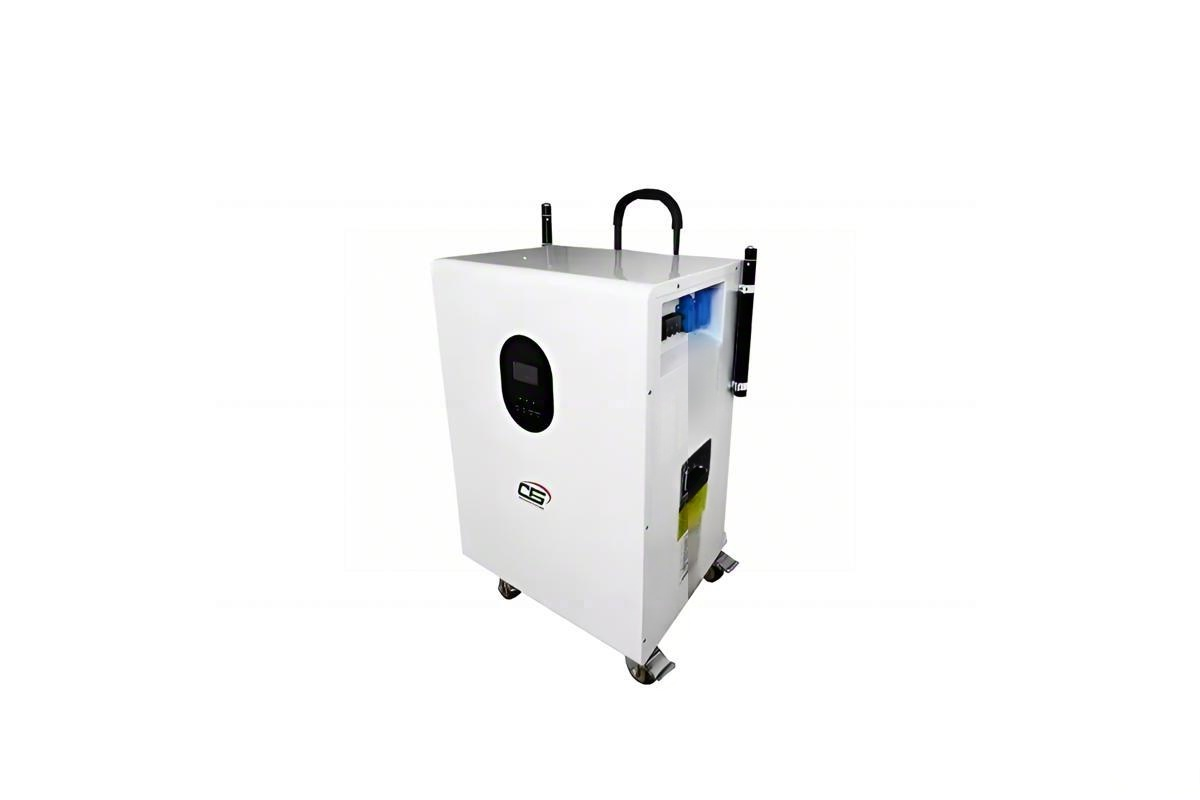
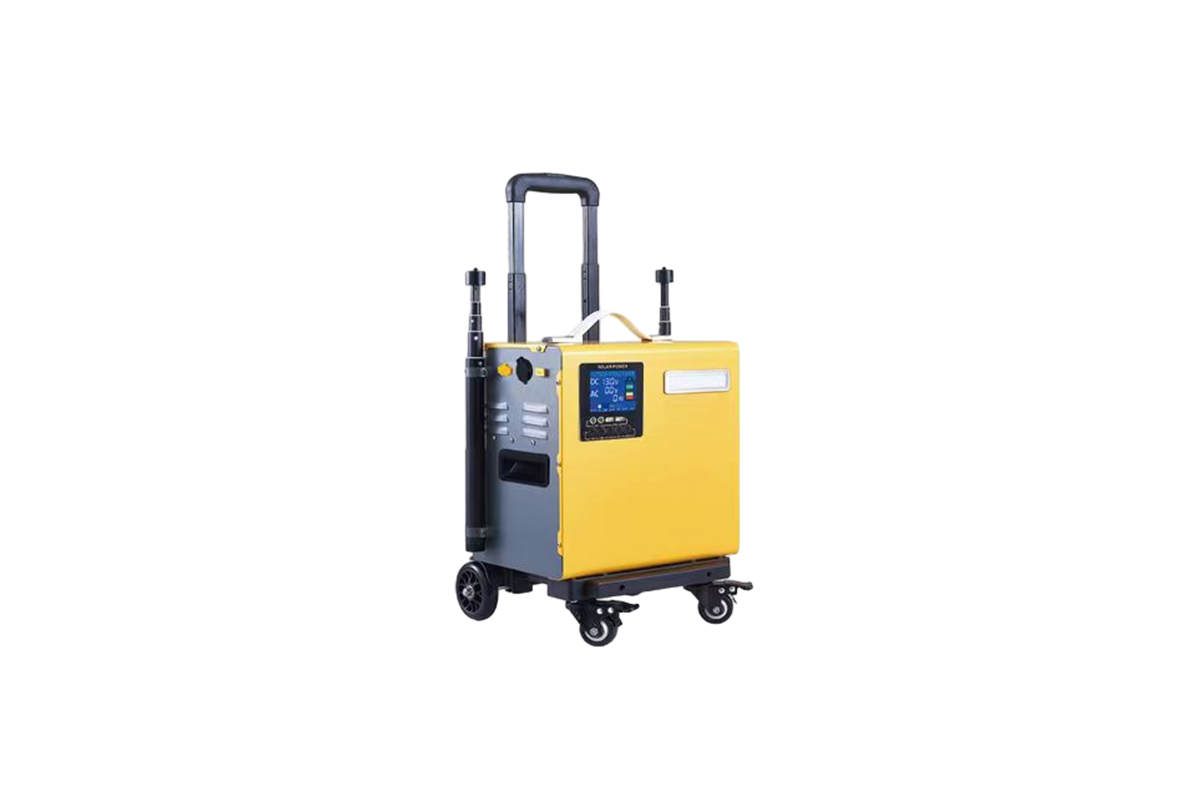
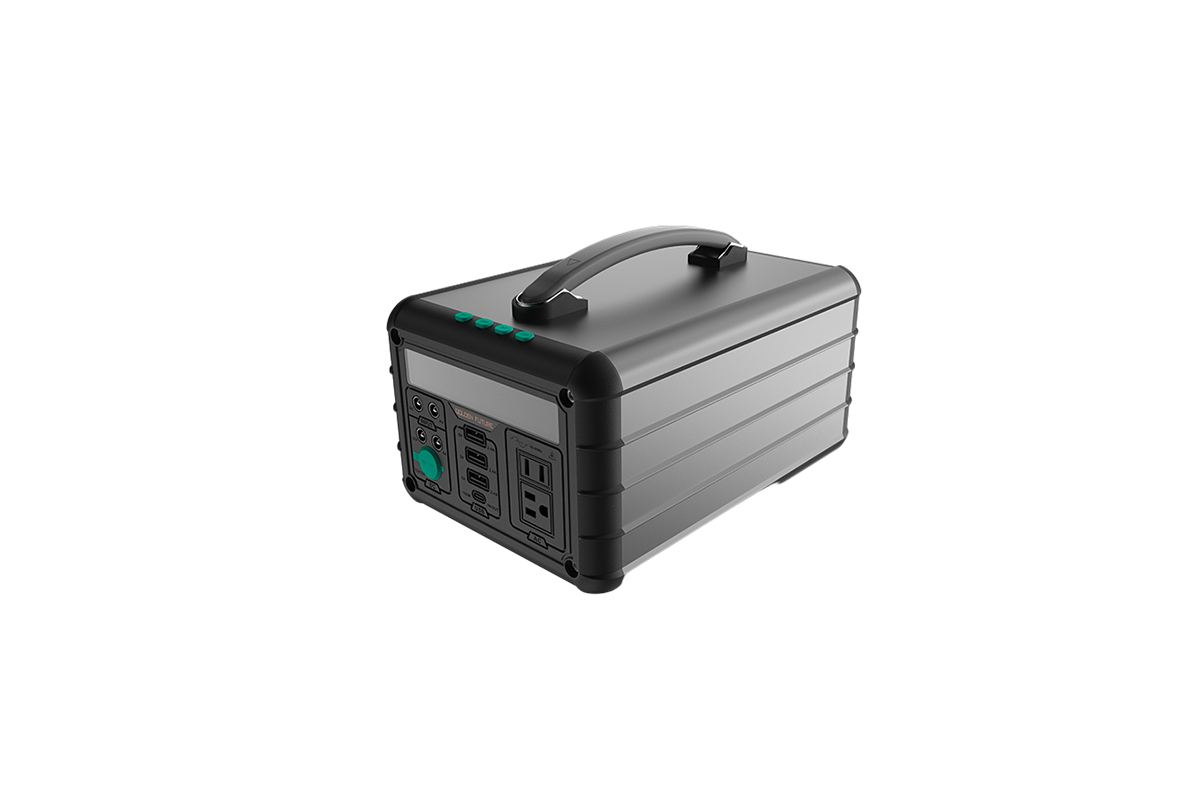
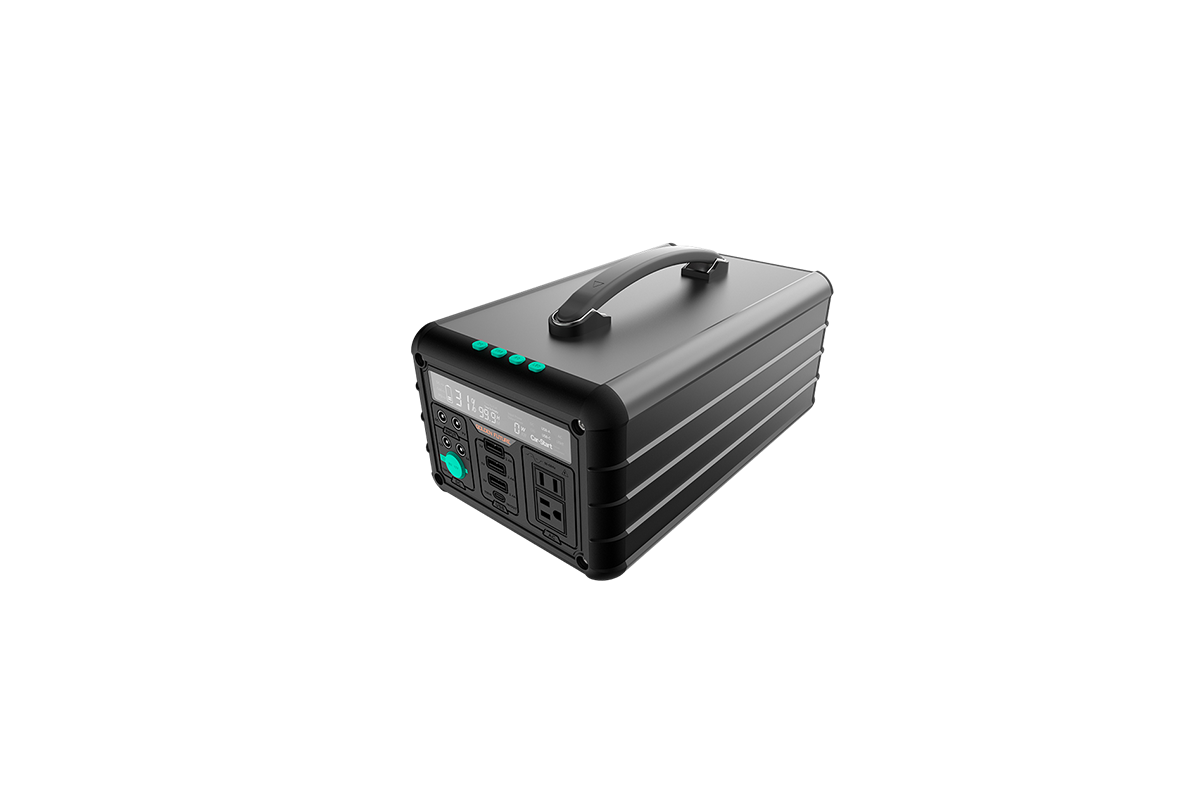
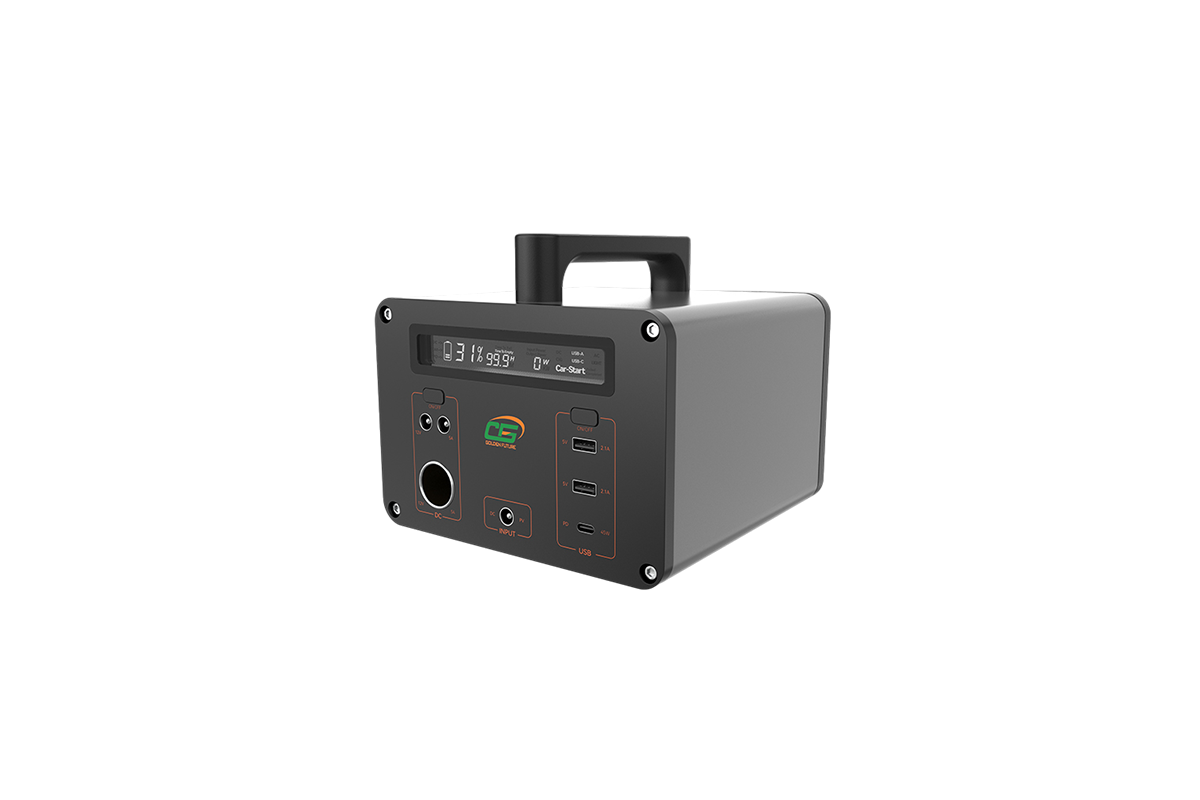
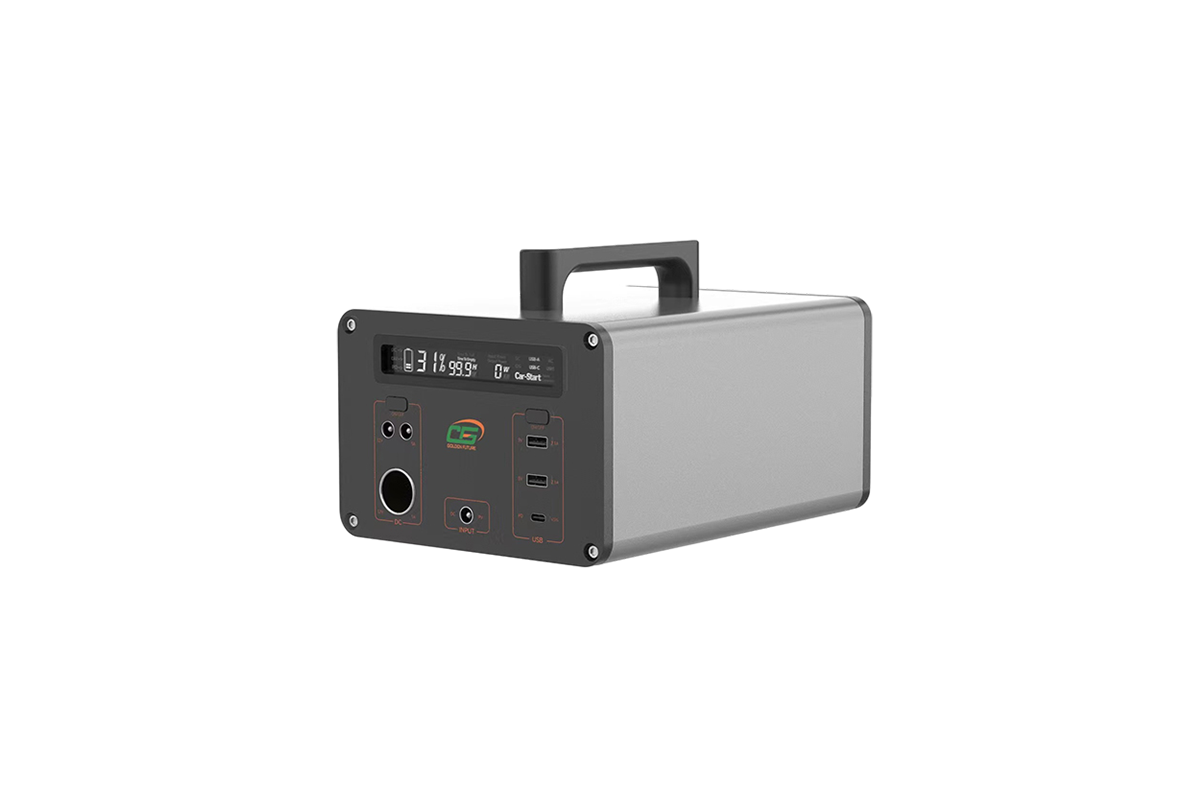
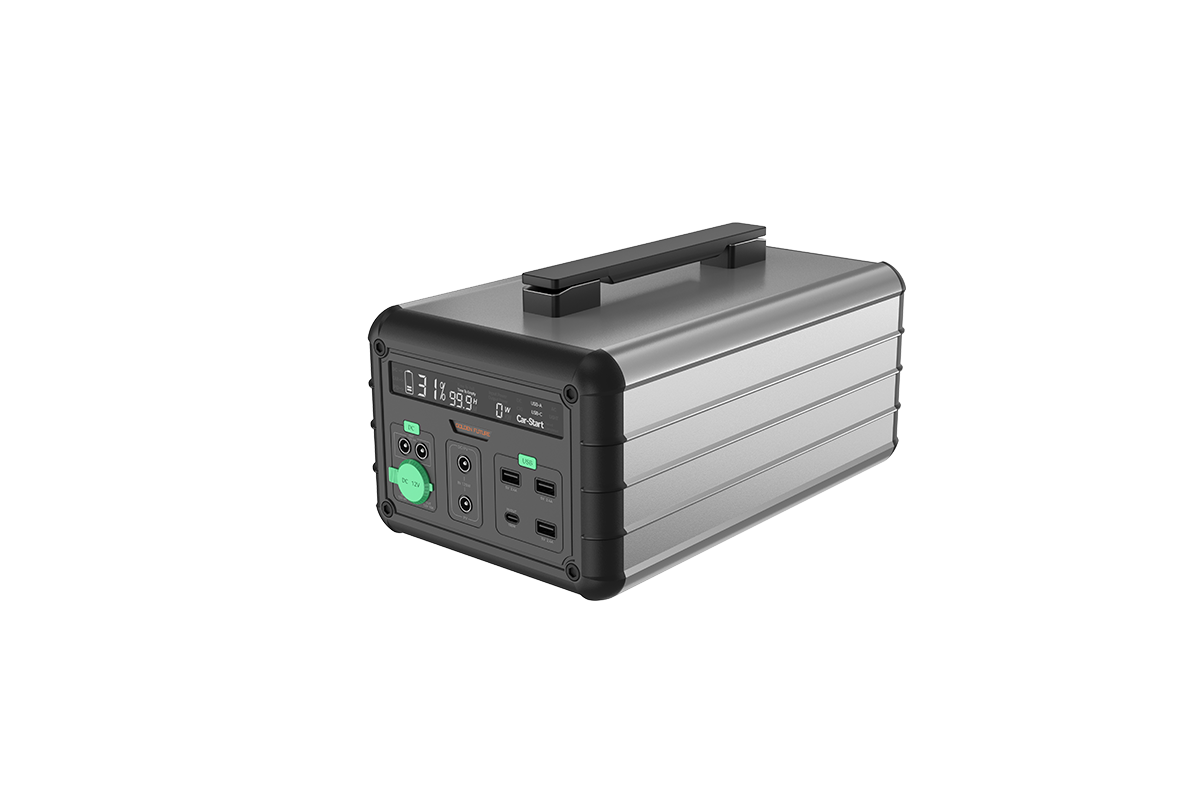
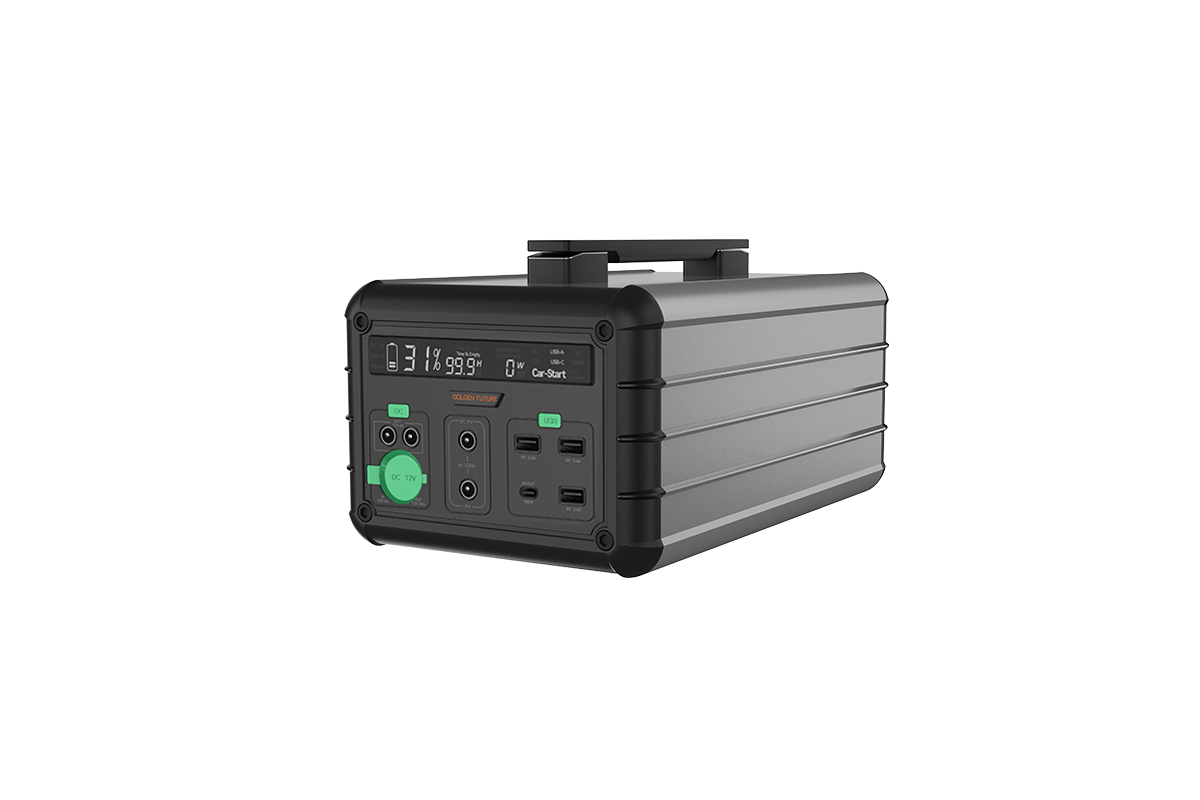
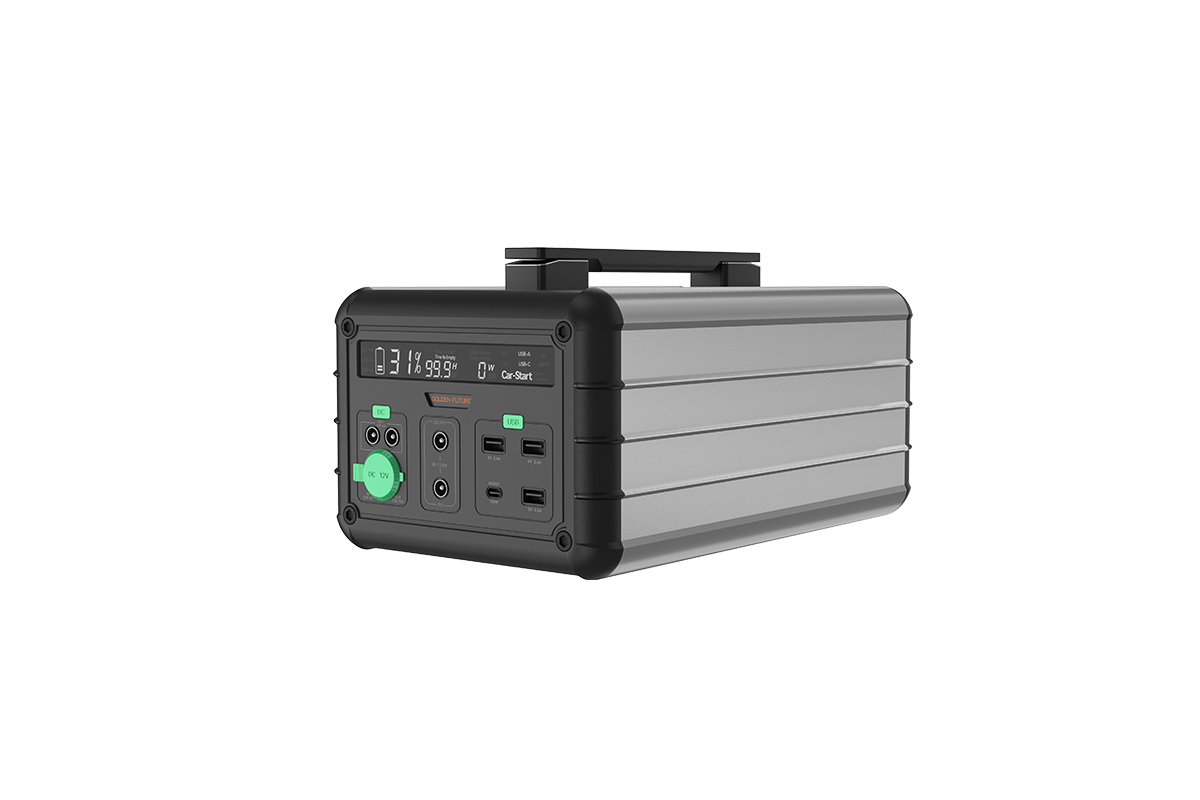
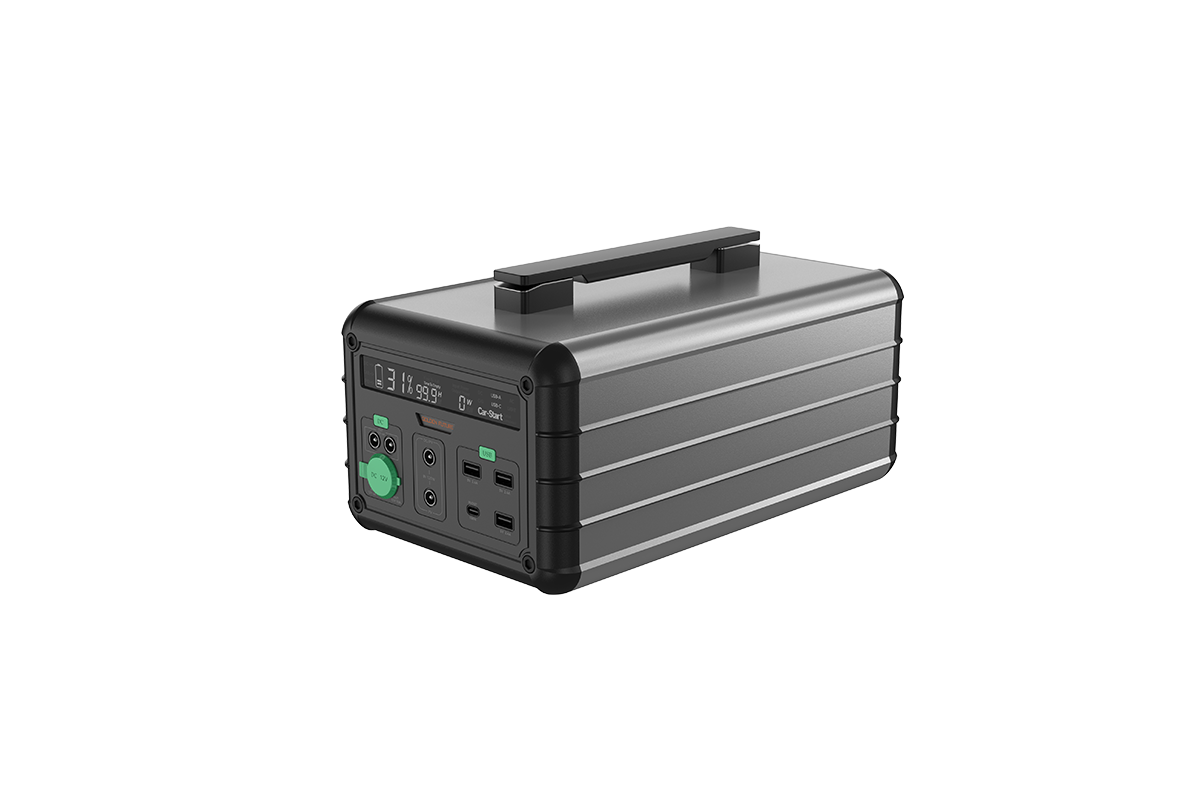
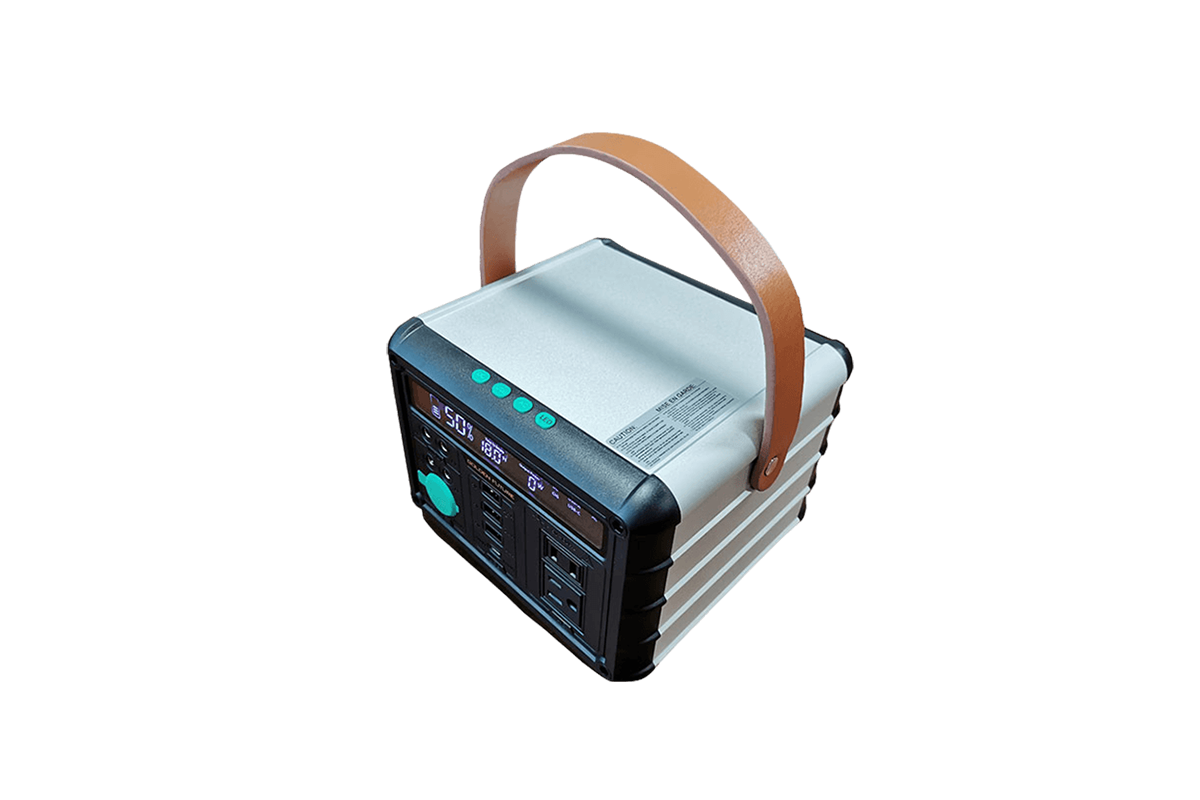
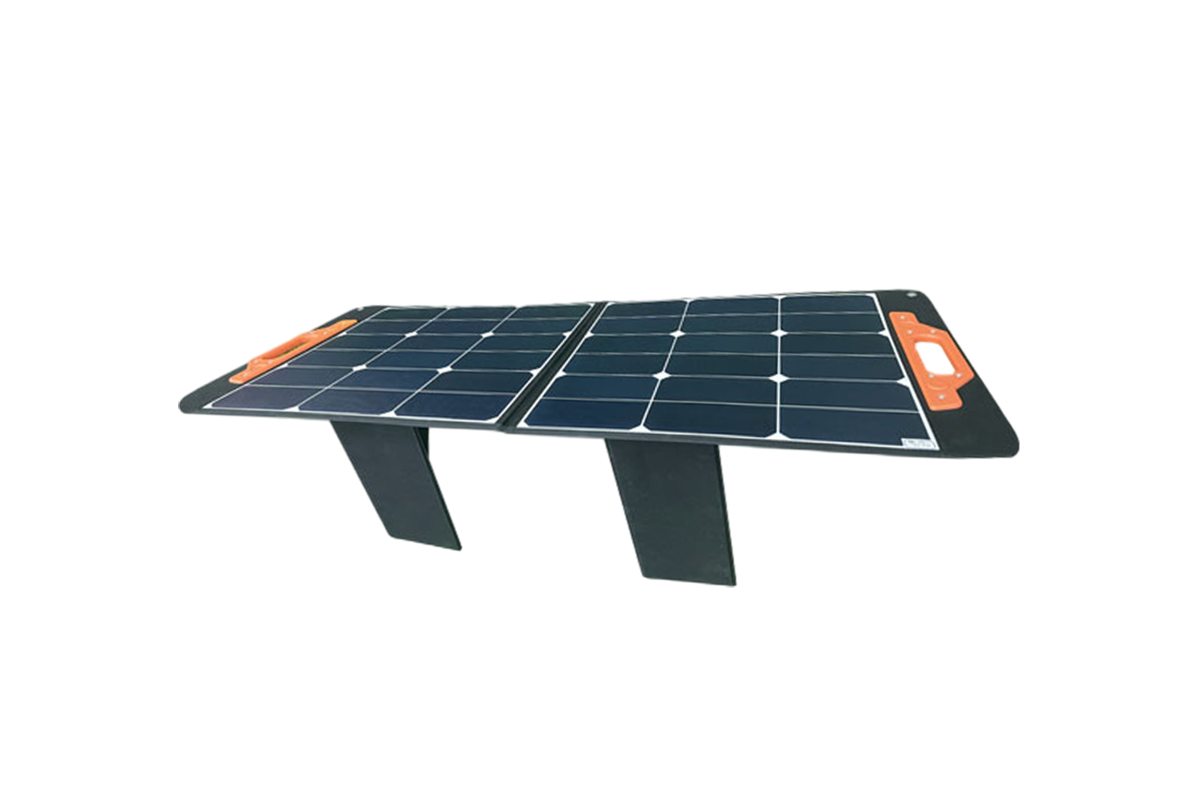
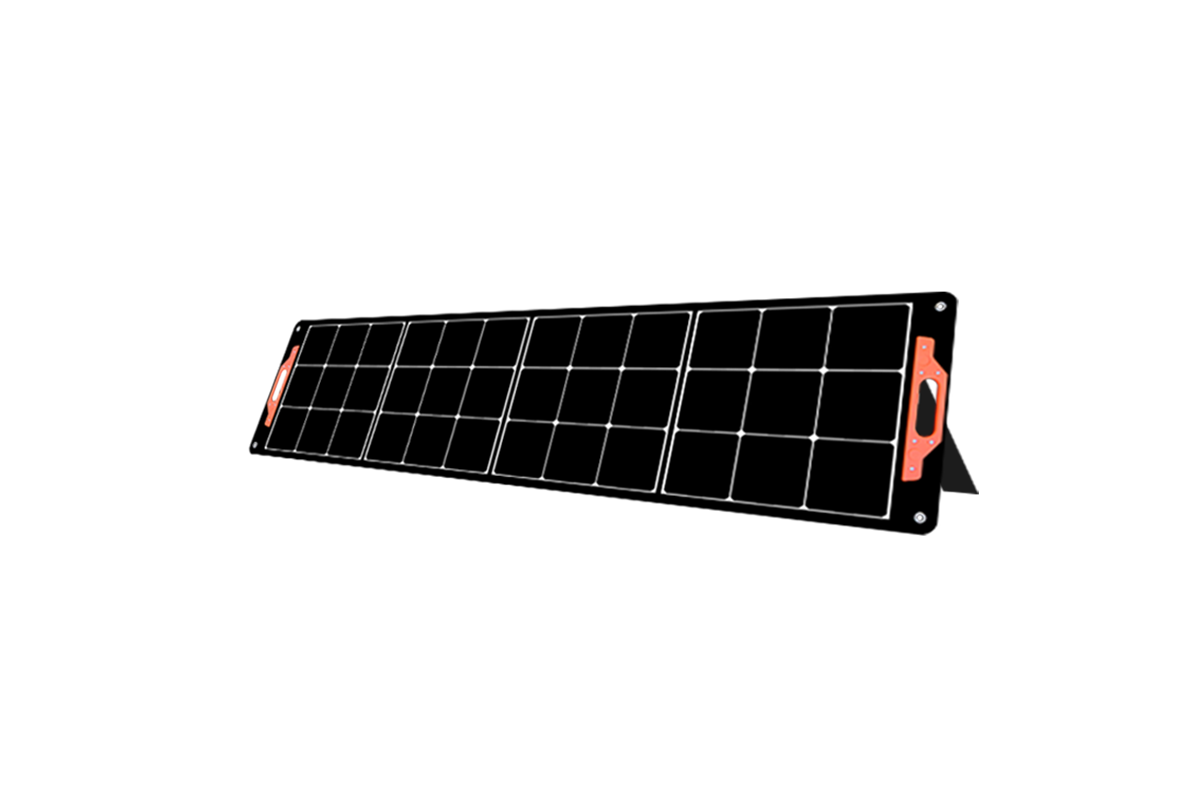
Portable power stations are compact, self-contained units designed for mobility and temporary power needs, and their charging methods prioritize convenience and versatility. The most common charging methods for portable stations include AC wall charging, solar charging, and car charging. AC wall charging is the fastest and most straightforward method: simply plug the station into a standard household outlet, and it recharges in a few hours (depending on capacity—smaller units under 500Wh take 1–2 hours, while larger units over 1000Wh may take 3–6 hours). Solar charging is an eco-friendly option for off-grid use, requiring compatible foldable or flexible solar panels connected via an XT60 or Anderson port; charging time varies based on solar panel wattage and sunlight conditions, typically 2–5 hours for full charge. Car charging is ideal for road trips or outdoor activities, using the vehicle’s 12V cigarette lighter socket to trickle-charge the station, though this is slower than AC or solar charging.
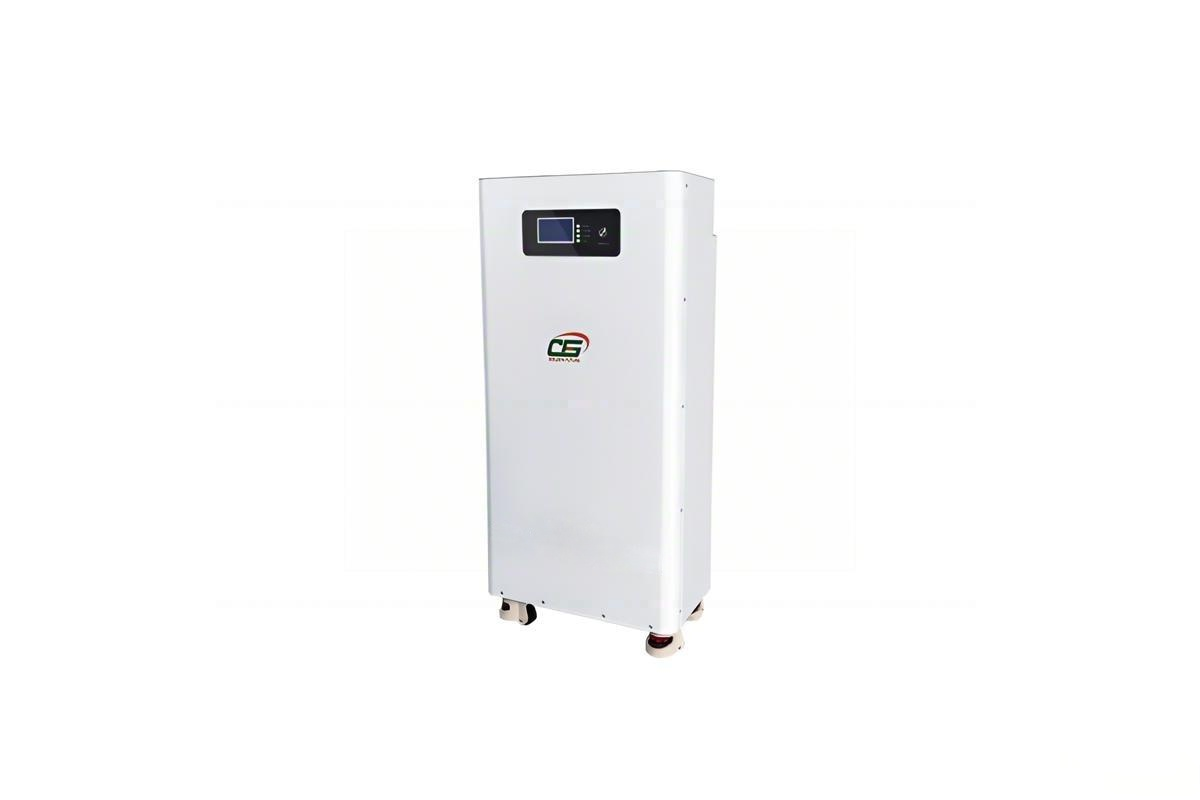
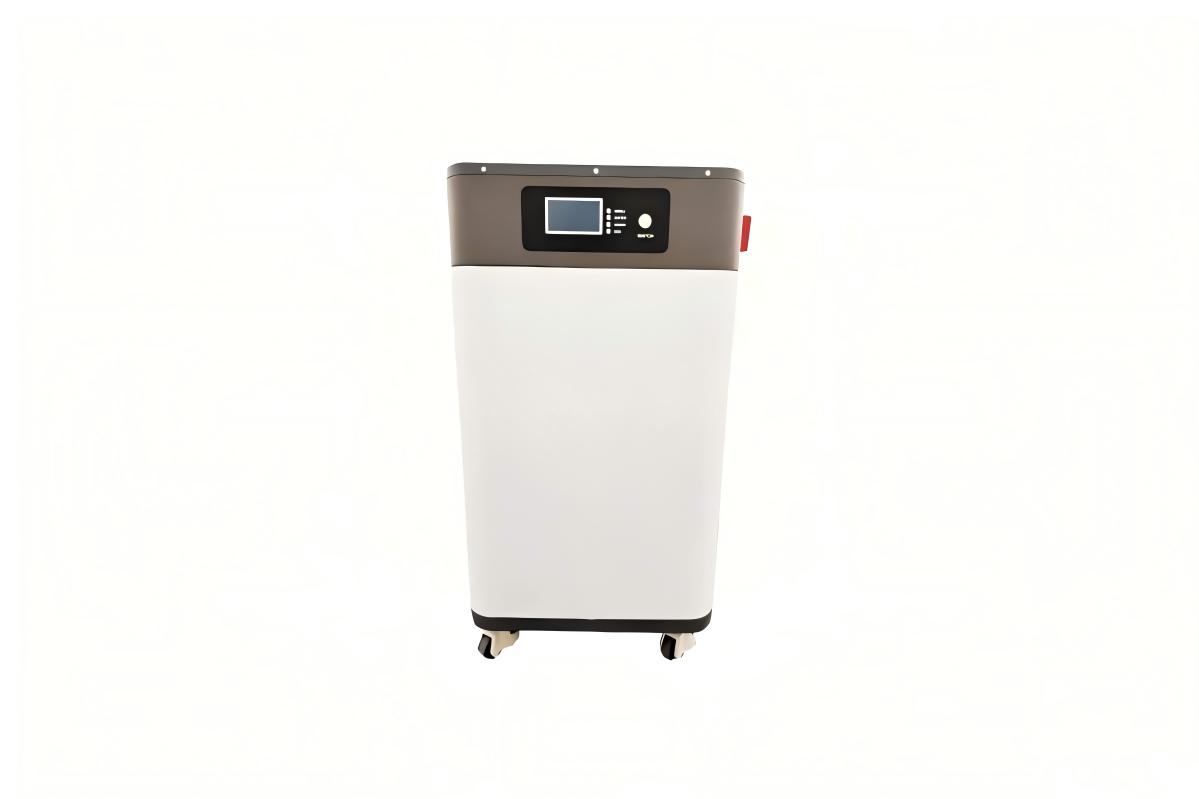
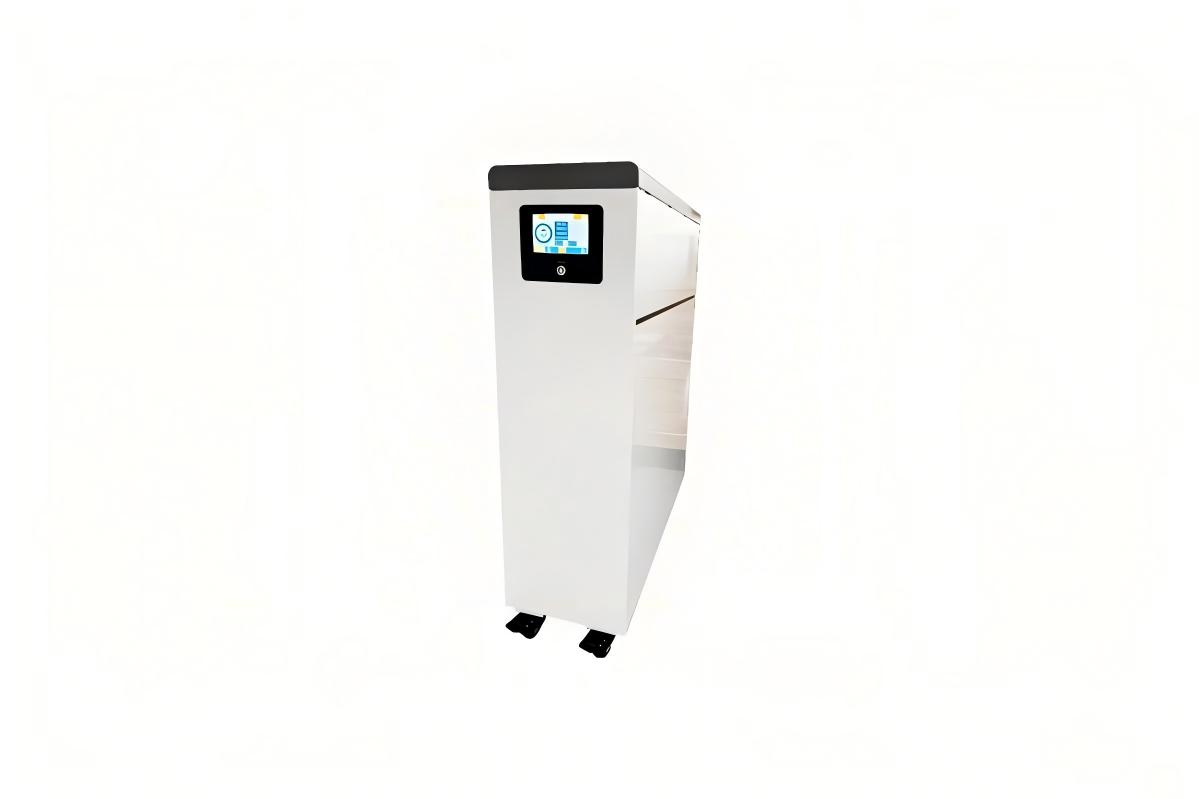
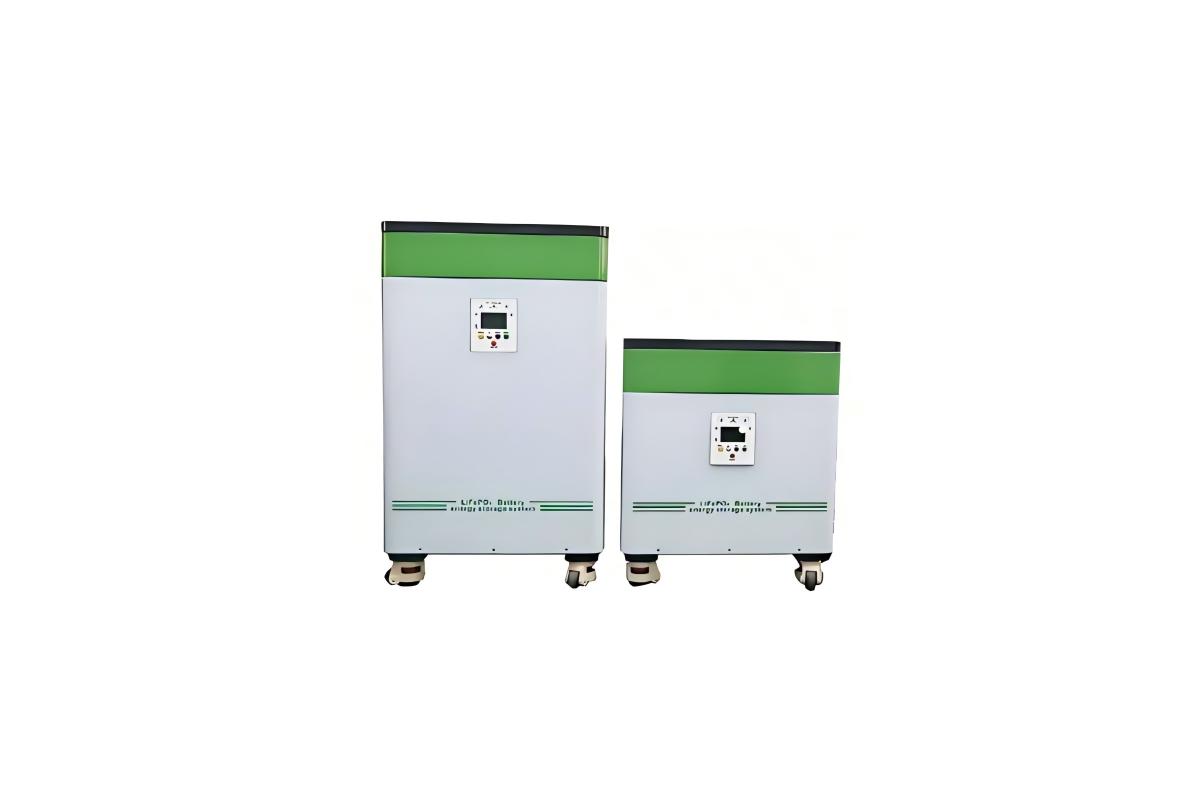
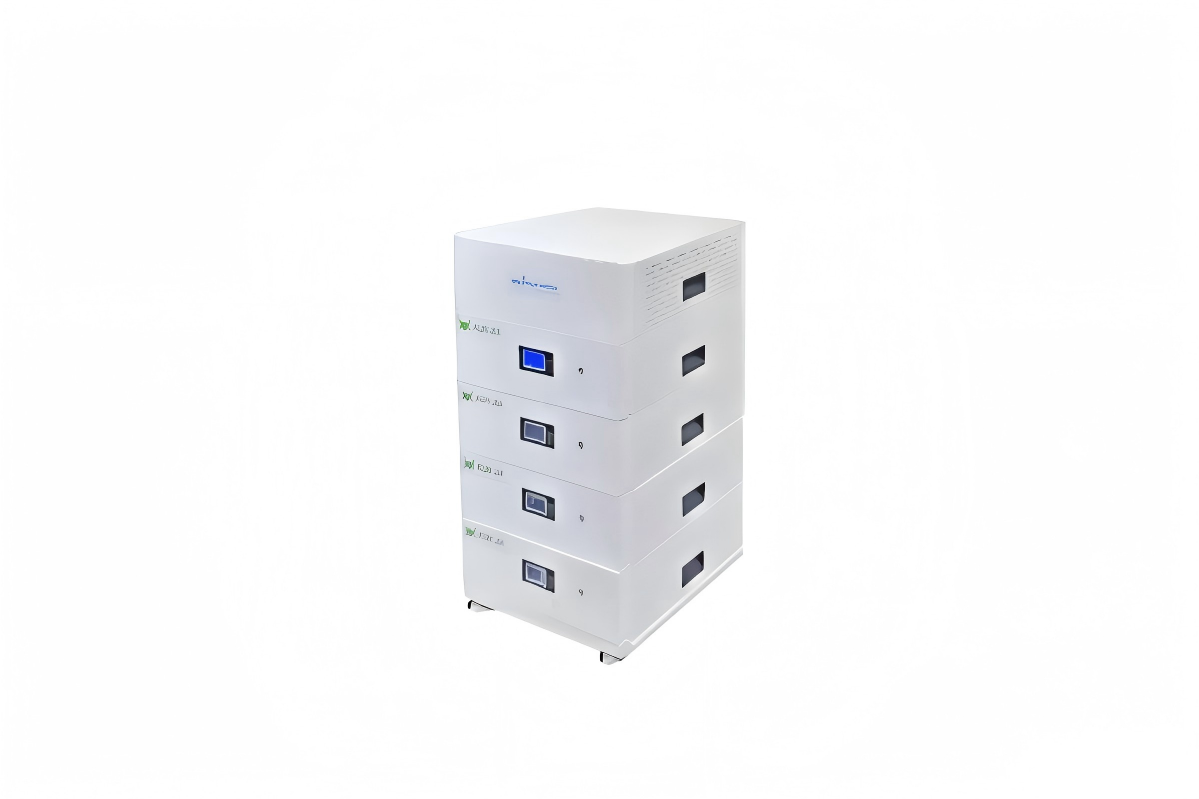
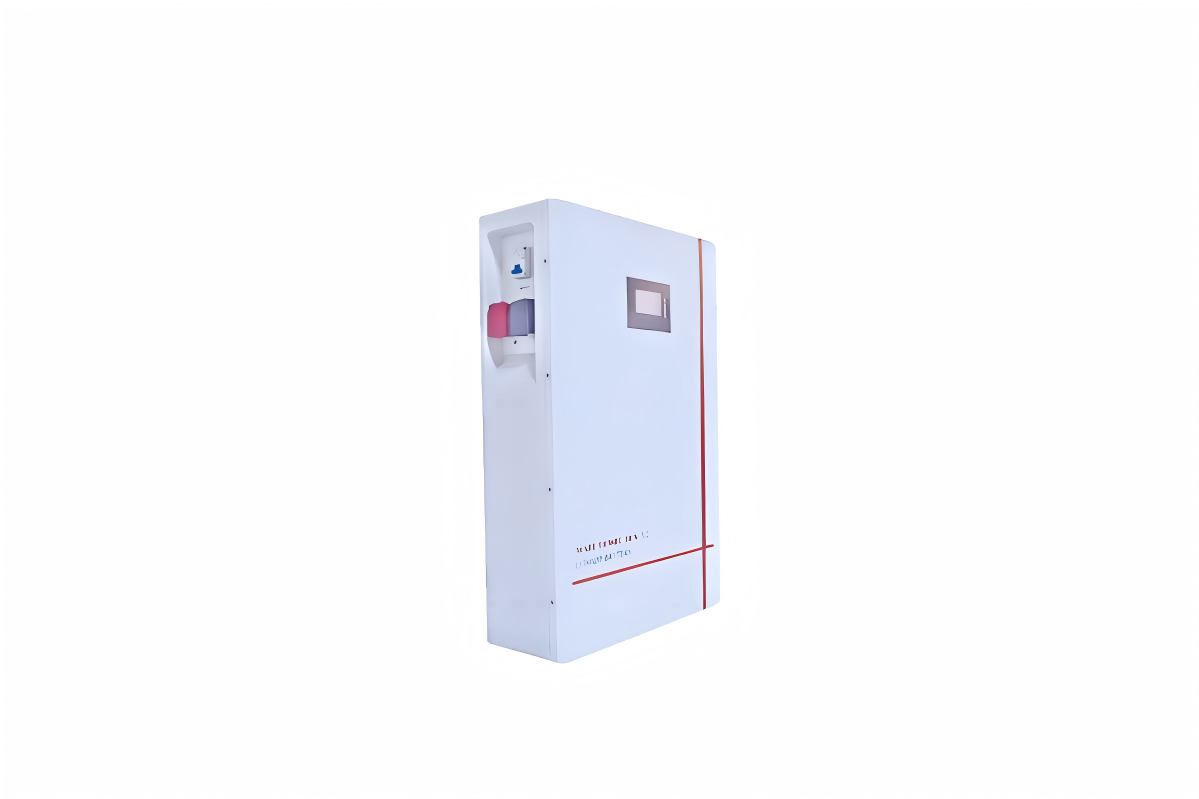
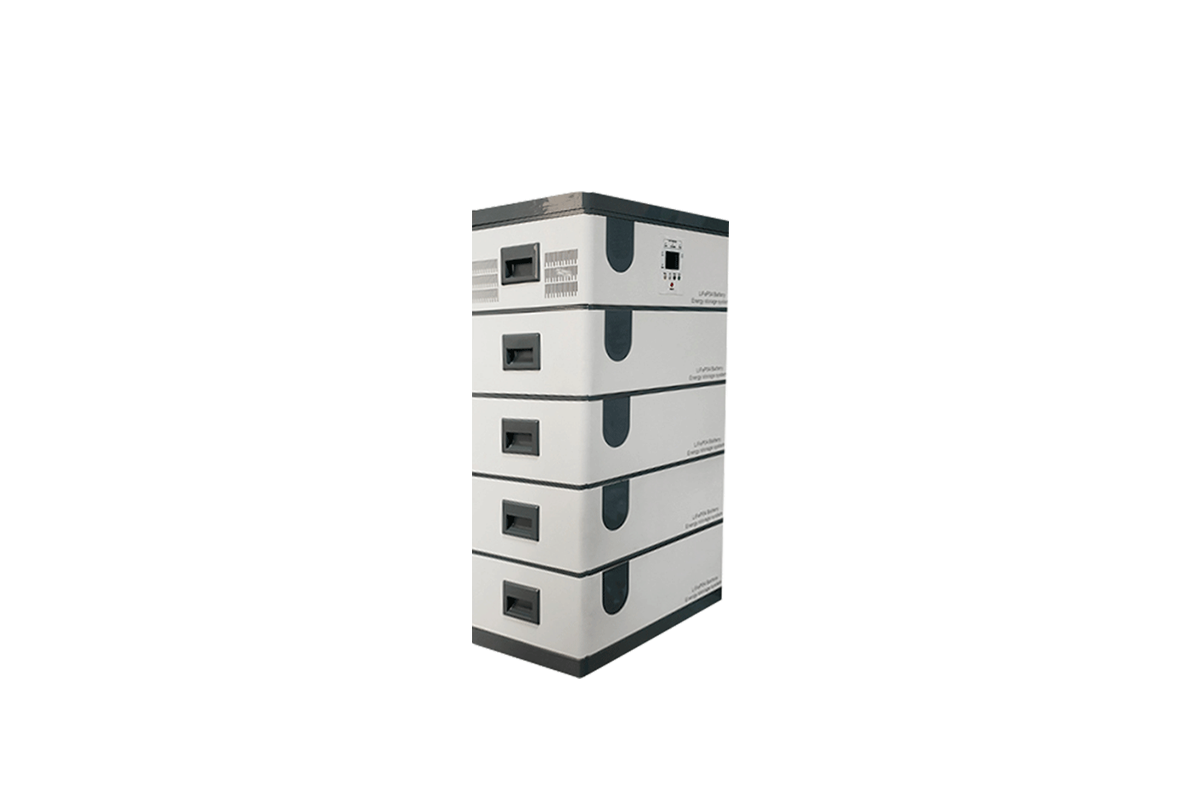
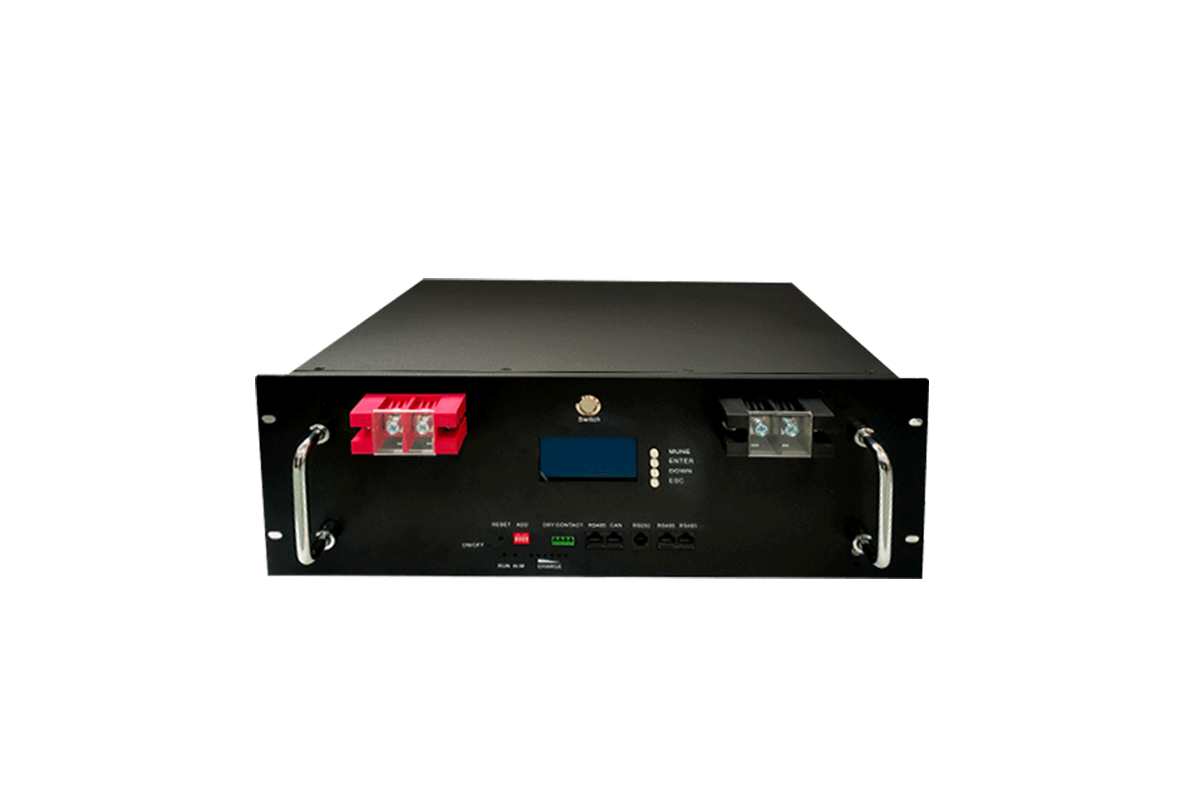
In contrast, home energy storage systems are permanent, professionally installed units that integrate directly with the home’s electrical panel and often with solar PV systems, and their charging methods focus on efficiency, automation, and long-term reliability. The primary charging methods for home energy storage include grid charging, solar charging, and hybrid charging. Grid charging is typically done during off-peak hours (when electricity rates are lower) using the home’s main power supply, with the system automatically switching to charging mode to minimize costs. Solar charging is a key feature for most home storage systems, as it allows homeowners to store excess solar energy generated during the day for use at night or during grid outages; this is facilitated by an MPPT charge controller that optimizes solar energy absorption and transfers it to the battery. Hybrid charging combines grid and solar power, allowing the system to switch between sources based on availability and cost, ensuring the battery remains fully charged at all times.
Another key difference between the two is the level of automation and integration. Home energy storage systems are fully automated, with the inverter and BMS working together to monitor grid status, solar energy production, and battery SOC, adjusting charging rates and sources without manual intervention. They can also be integrated with smart home systems, allowing homeowners to monitor and control charging remotely via a smartphone app. Portable power stations, on the other hand, require manual intervention: users must plug in the charger, connect solar panels, or switch between charging modes. Additionally, home energy storage systems support faster charging speeds (up to 6500W hybrid charging in some models) compared to portable stations, which typically max out at 2000W AC charging. Ultimately, the choice of charging method depends on the intended use: portable stations excel in mobility and convenience for outdoor or temporary use, while home energy storage systems prioritize automation, efficiency, and seamless integration with the home’s energy infrastructure for long-term, reliable backup power.




 59911926@qq.com/sales@goldenfuturehk.com
 13316809242 / 15816897019
 Inquiry
 Home >