






Time:2026-03-28 Views:410
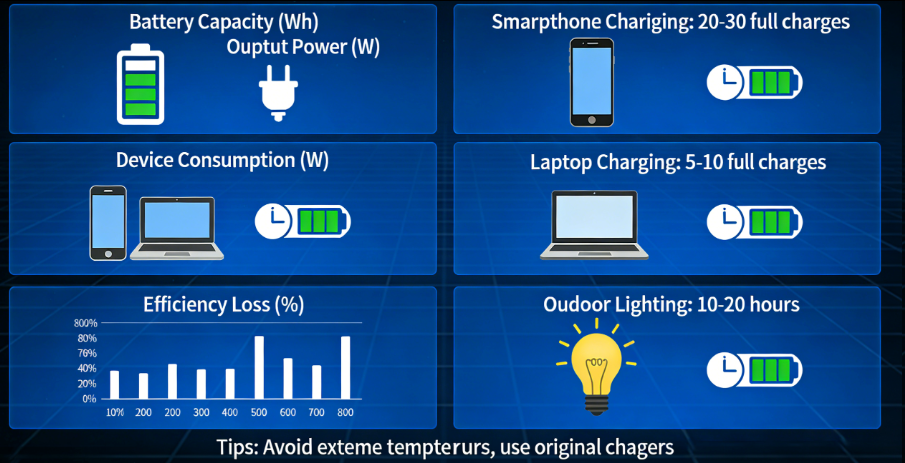
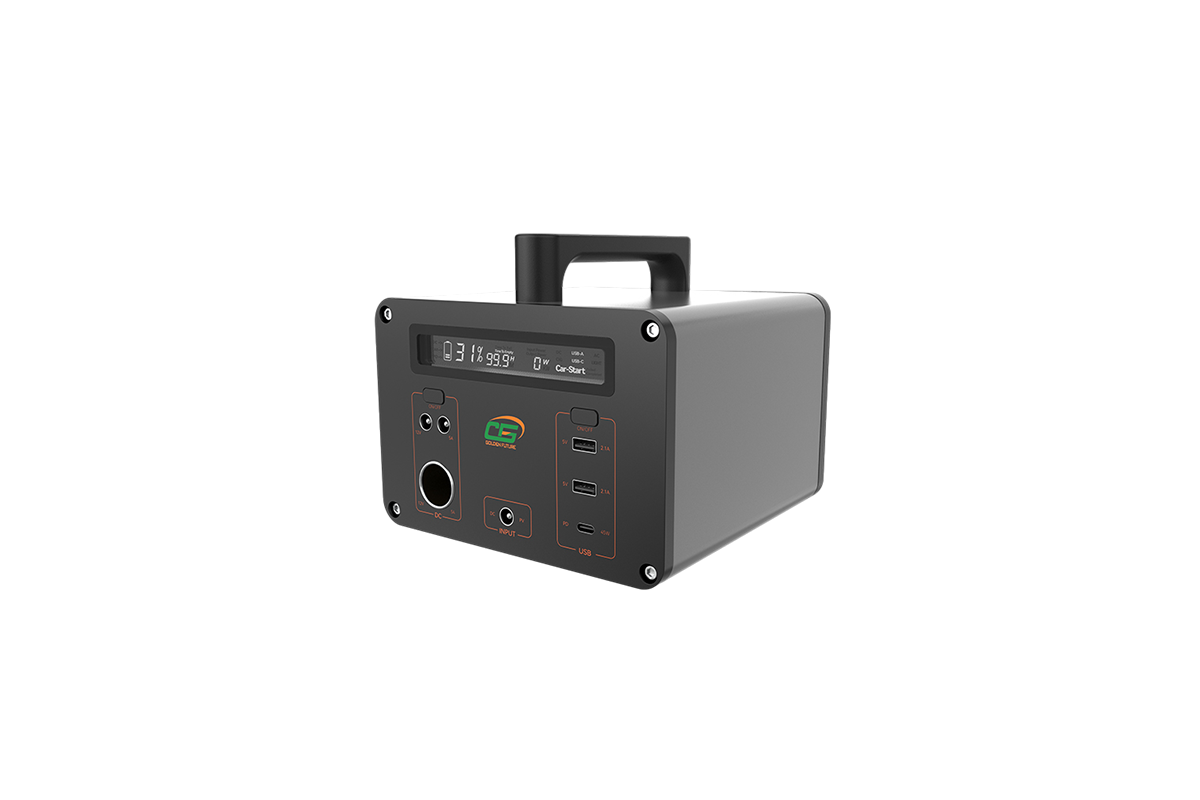
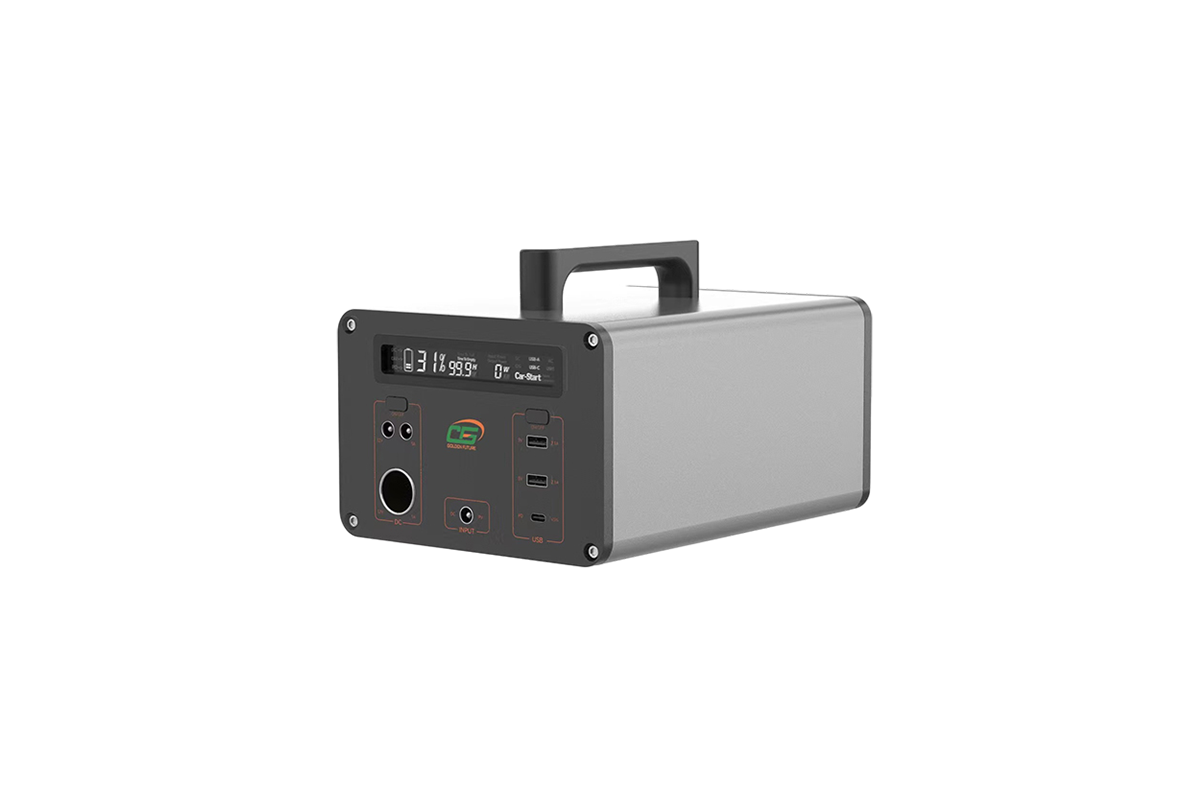
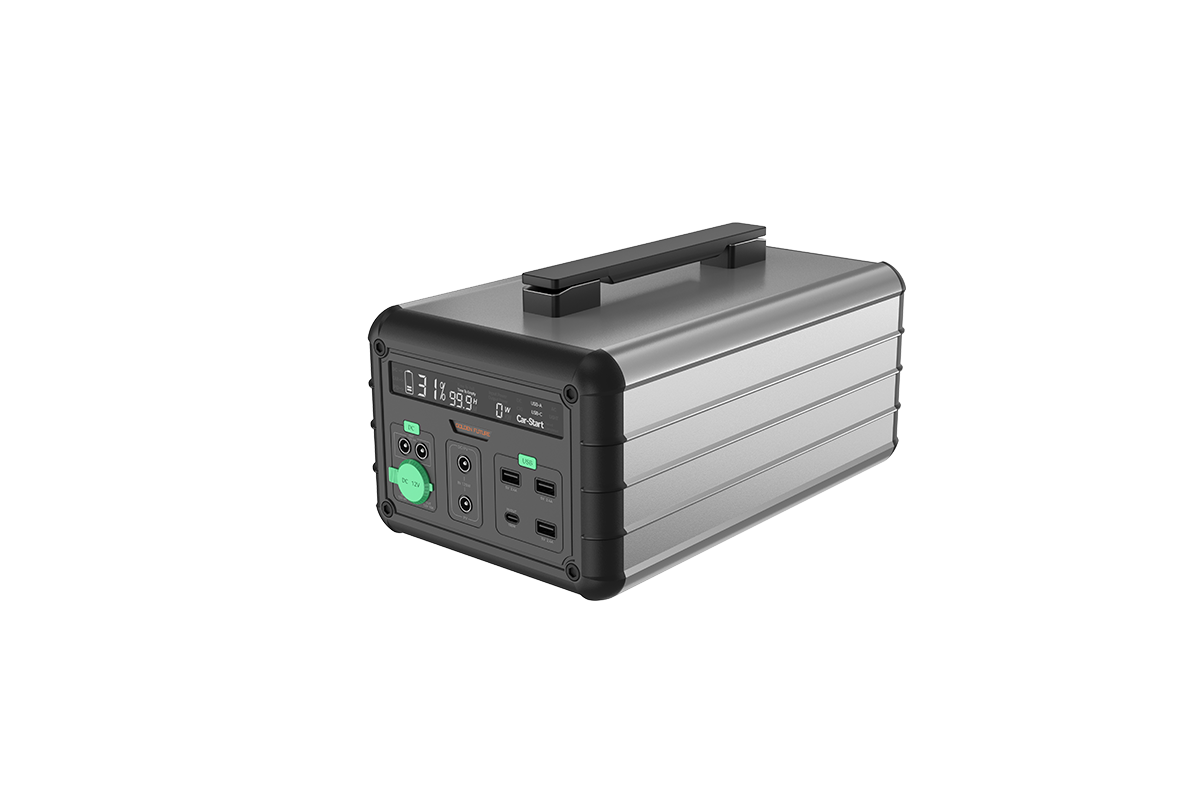
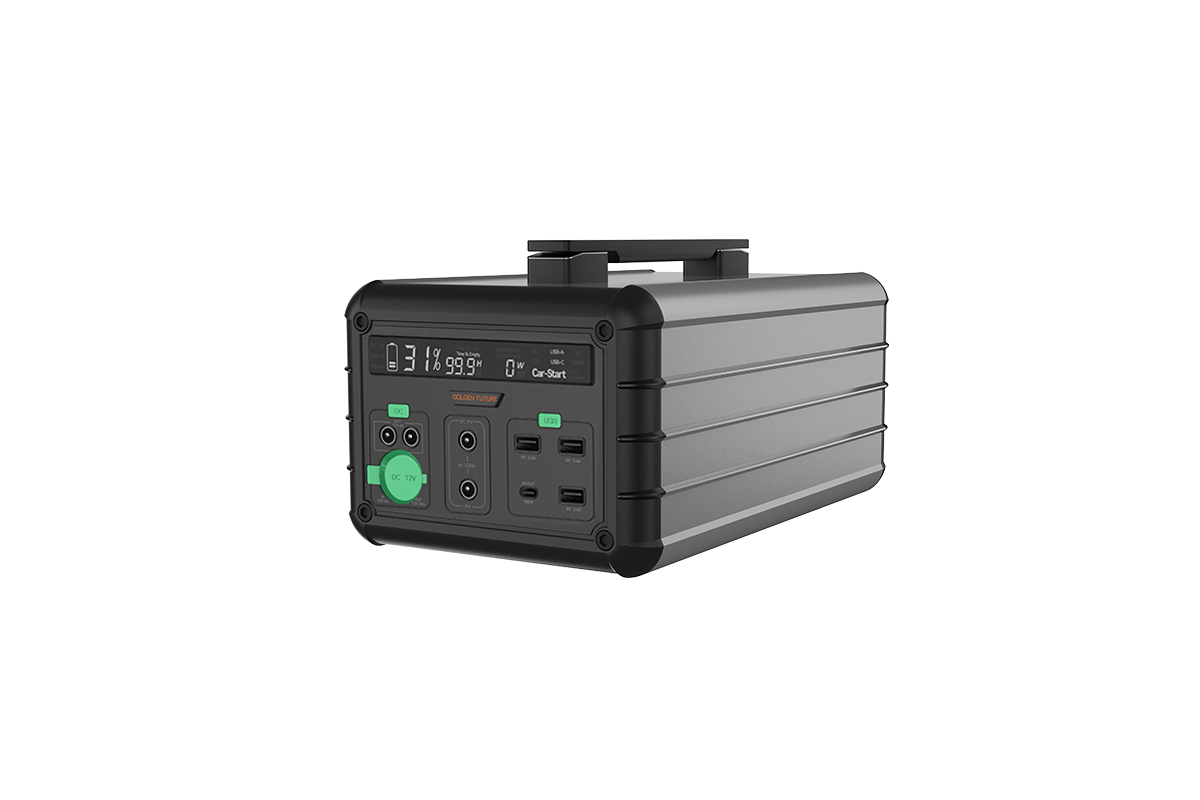
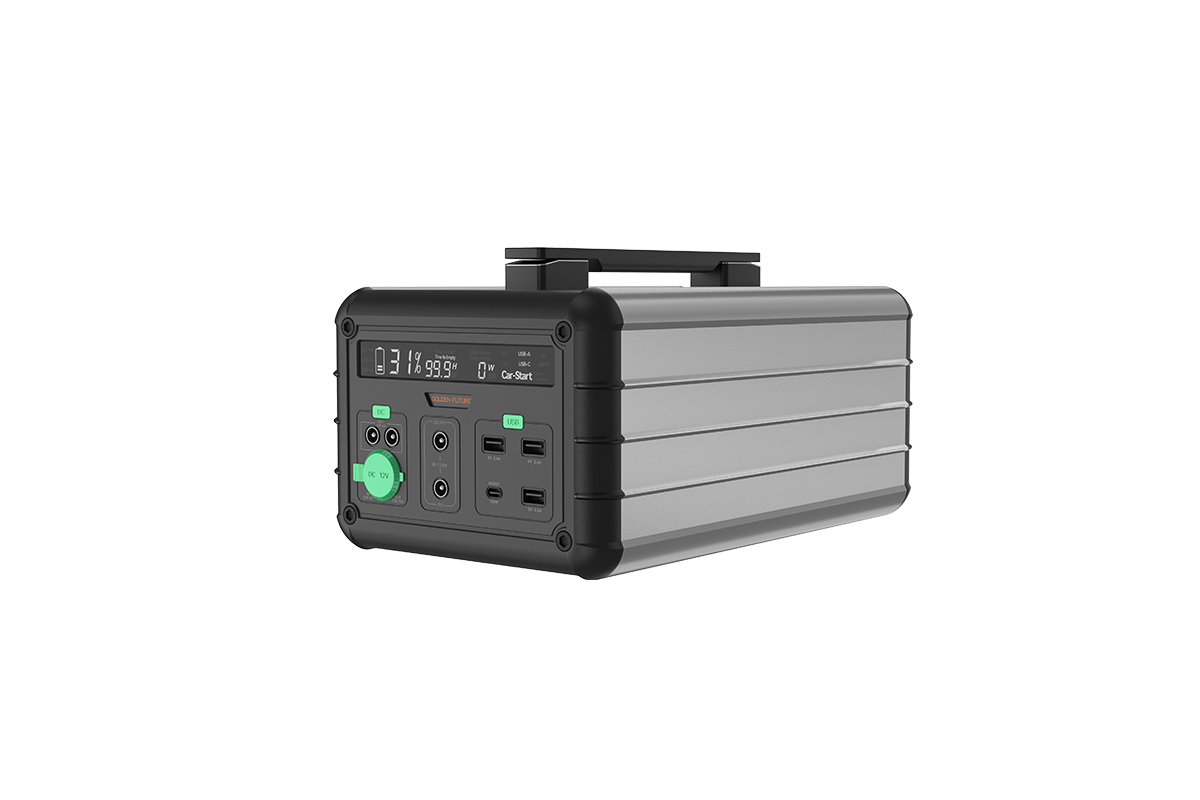
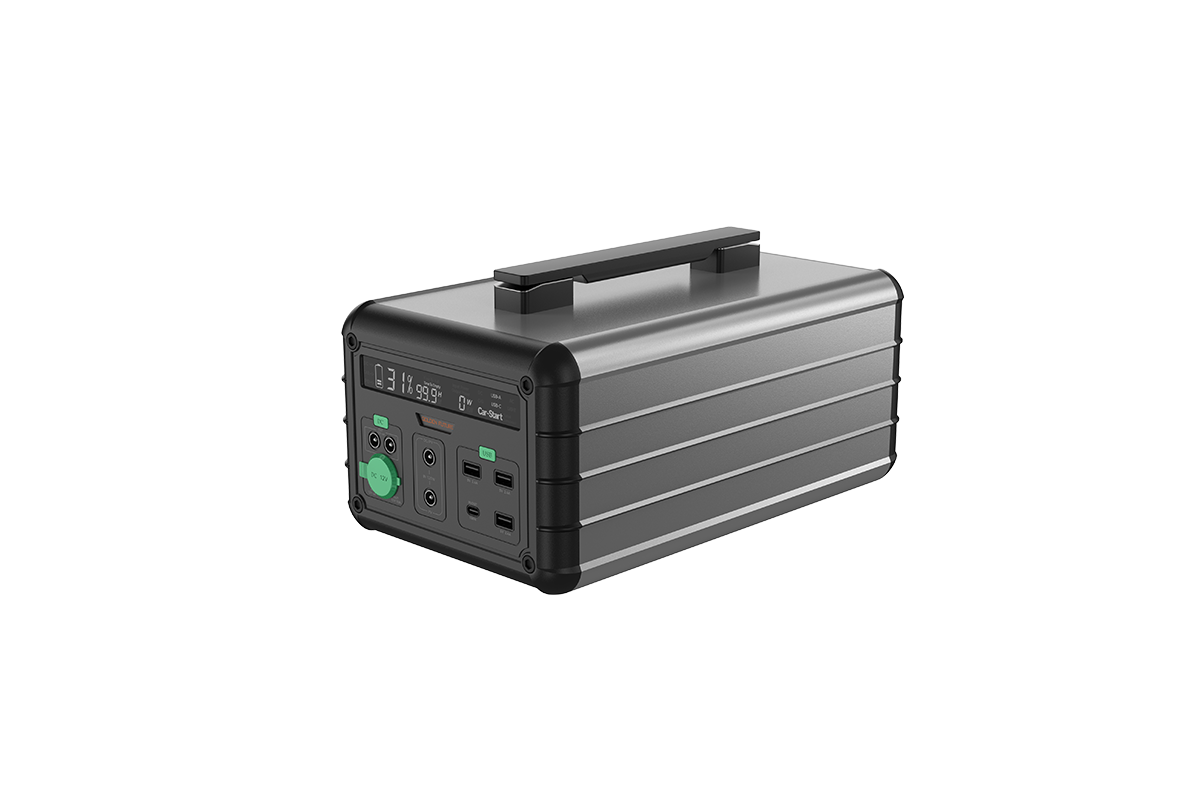
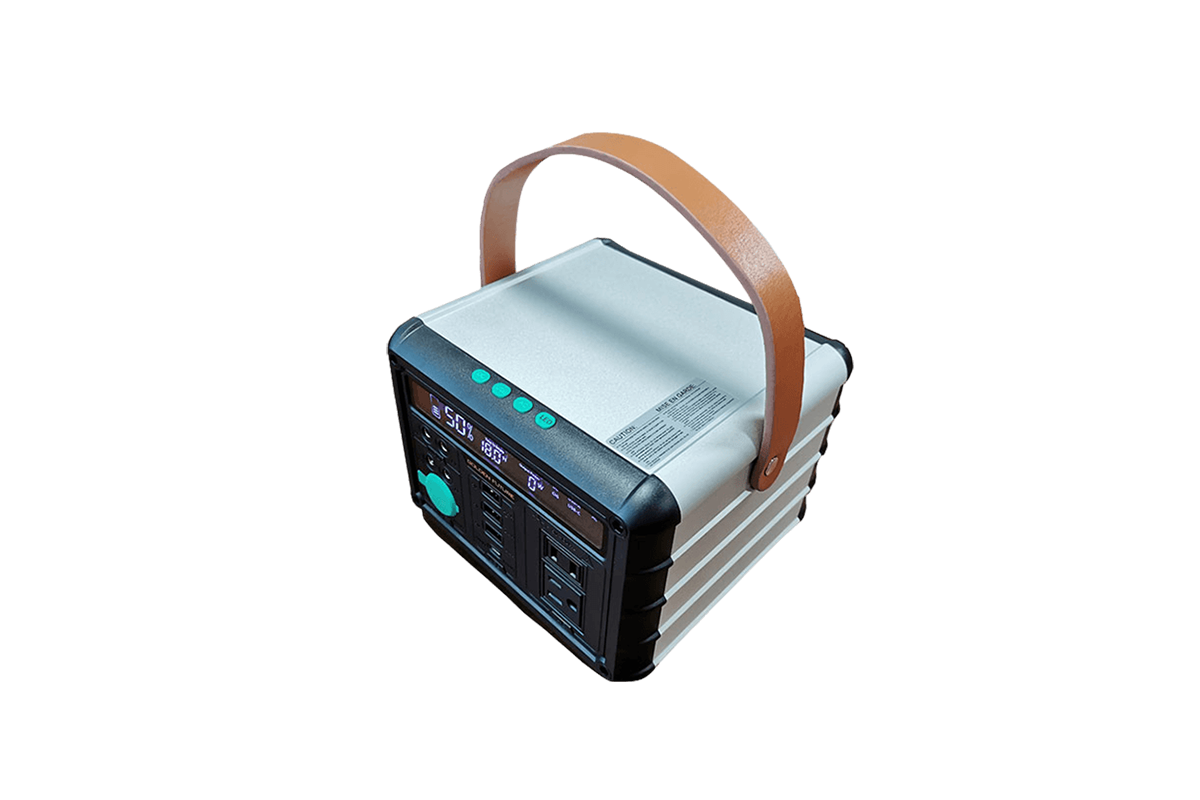
The battery life (or runtime) of a portable power station is one of its most critical performance indicators, directly determining its practicality for outdoor adventures, home emergencies, and remote work. Unlike the common misunderstanding that battery life refers to the lifespan of the battery itself, it specifically refers to how long the power station can continuously supply power to connected devices before needing a recharge. This duration is not fixed but is influenced by three core factors: the battery’s capacity (measured in watt-hours, Wh), the total power consumption of the connected devices (in watts, W), and the power conversion efficiency of the power station (typically 85-90%). Understanding these factors is essential for users to choose the right power station and plan their power usage effectively, avoiding unexpected power shortages during critical moments.
Battery capacity is the foundation of battery life, as it represents the total amount of energy the power station can store. Portable power stations across different wattages have varying battery capacities: 300W models usually range from 200Wh to 300Wh, 500W models from 400Wh to 600Wh, 600W models from 500Wh to 650Wh, and 1000W models from 800Wh to 1200Wh. For example, a 300W power station with a 280Wh battery can power a 10W smartphone for approximately 23.8 hours (280Wh × 0.85 ÷ 10W ≈ 23.8 hours), while a 1000W power station with a 1000Wh battery can run a 50W mini fridge for about 17 hours (1000Wh × 0.85 ÷ 50W ≈ 17 hours). It is important to note that higher wattage does not always mean longer battery life – a 500W power station with a 600Wh battery may have a longer runtime than a 600W model with a 500Wh battery, depending on the devices being powered.
In addition to battery capacity and device power consumption, several other factors can affect the actual battery life of a portable power station. Extreme temperatures are a major influencer: high temperatures (above 35°C) can accelerate battery degradation and reduce efficiency, while low temperatures (below 0°C) can significantly decrease the battery’s discharge capacity, shortening runtime by 20-30%. Devices with variable power consumption, such as mini fridges with compressors that cycle on and off, will extend battery life compared to devices that run continuously at full power. Additionally, charging multiple devices simultaneously increases the total power draw, which reduces the overall runtime. Regular maintenance, such as storing the power station in a cool, dry place and recharging it every 3-6 months when not in use, can help maintain battery health and ensure consistent performance over time. Overall, the battery life of a portable power station is flexible and can be optimized by choosing the right capacity for your needs and managing power usage wisely.



 59911926@qq.com/sales@goldenfuturehk.com
 13316809242 / 15816897019
 Inquiry
 Home >