






Time:2026-04-07 Views:34
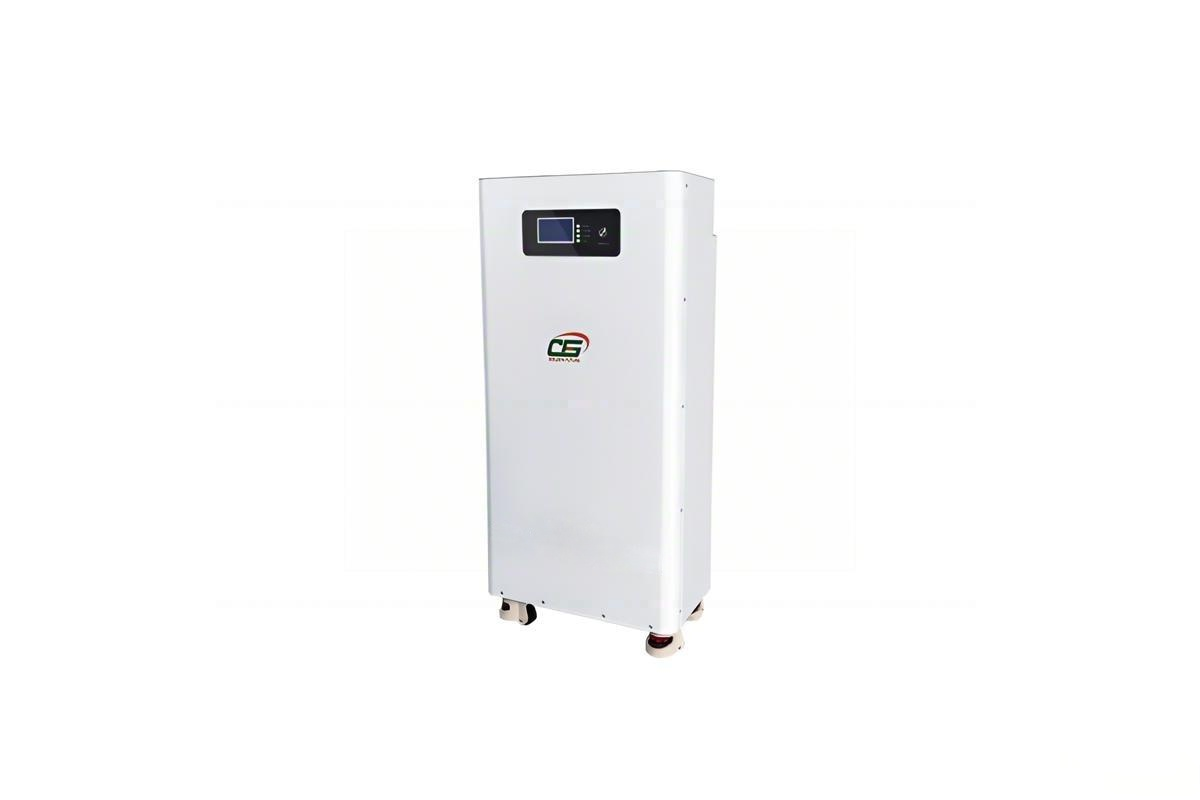
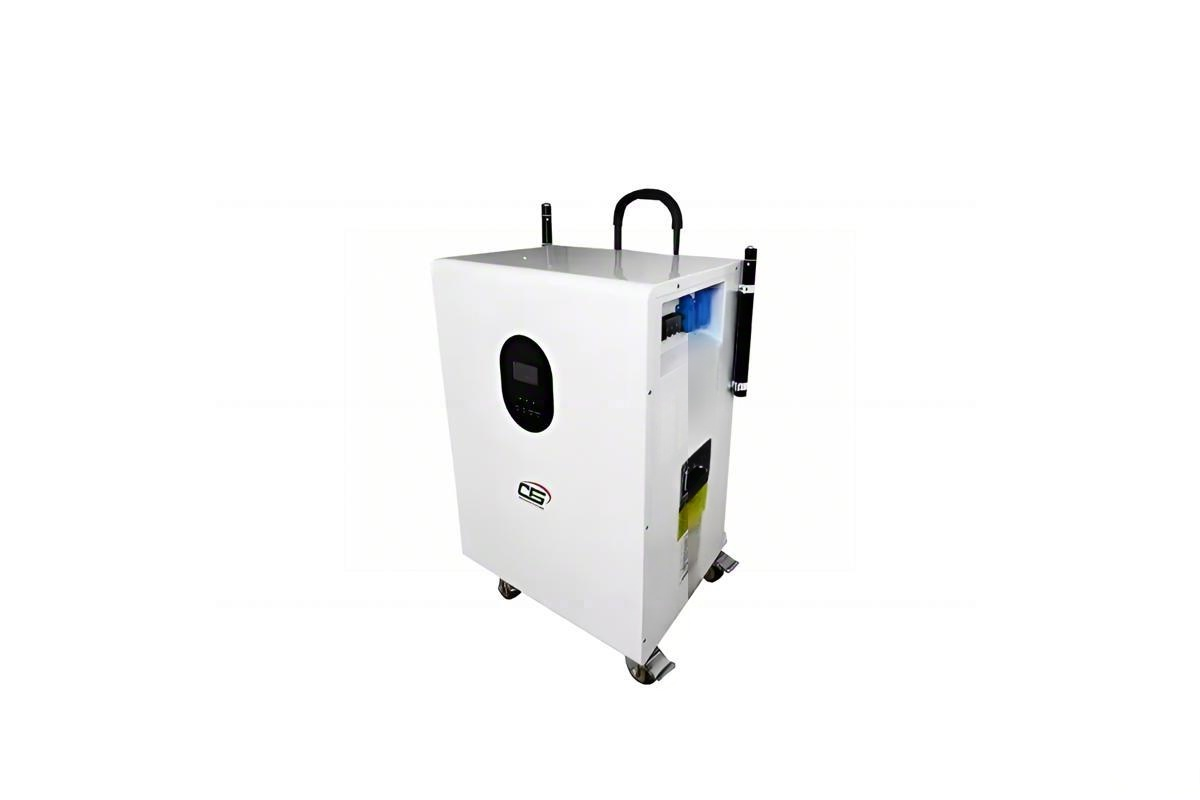
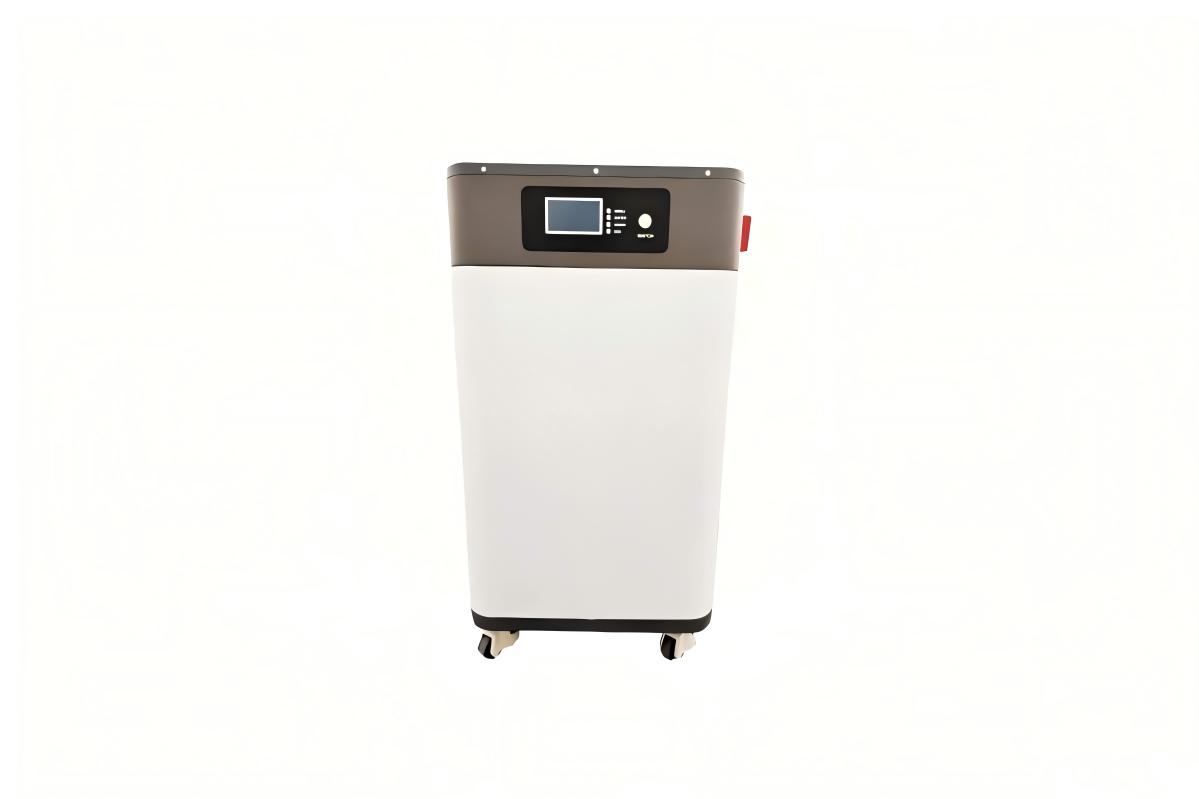
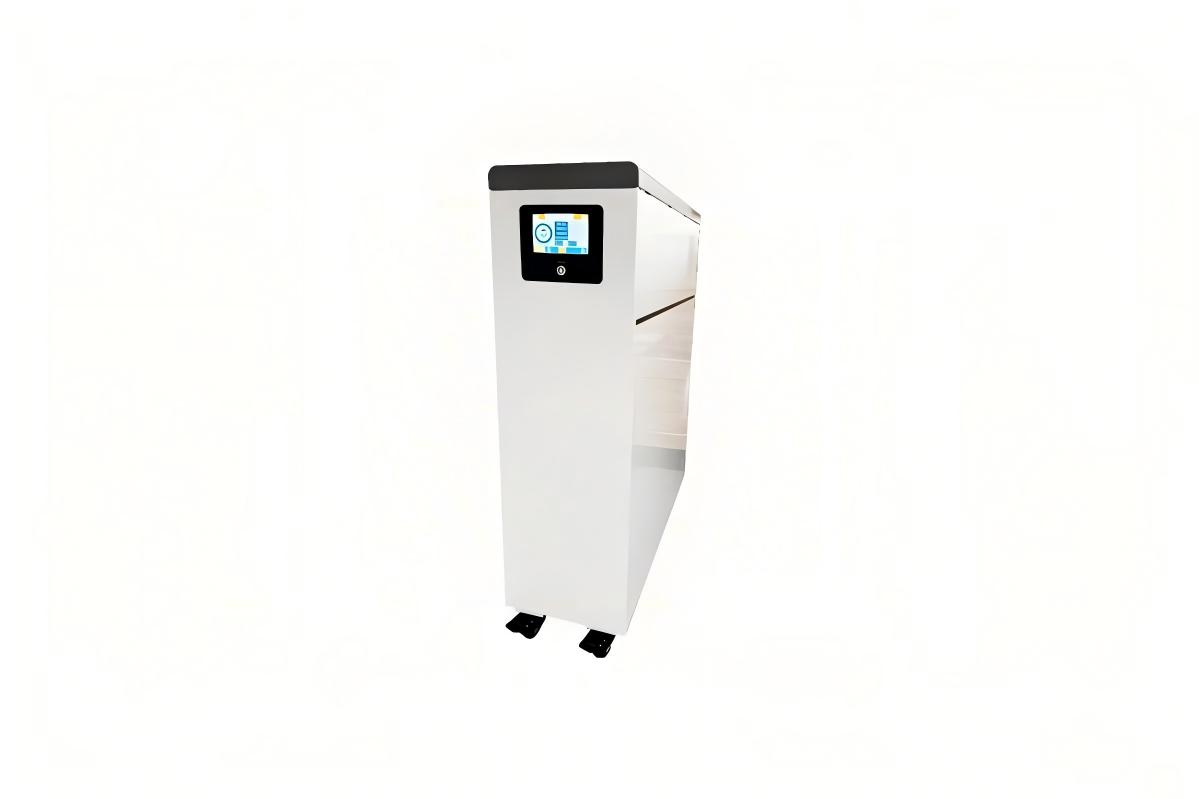
The battery capacity for a 48V solar system is a critical factor in determining the system’s ability to store solar energy and meet household energy needs, and it must be carefully matched with the solar panel output, inverter capacity, and daily energy consumption. For a 48V solar system paired with a 5kW energy storage wall, a 20kWh battery capacity is a practical and efficient choice, as it balances storage capacity, system cost, and performance. The 48V system is a low-voltage configuration that is safer for home use, as it avoids the risks associated with high-voltage systems, while also being more cost-effective in terms of components (such as cables, connectors, and charge controllers).
When selecting battery capacity for a 48V solar system, several factors must be considered: daily energy consumption, solar panel output, depth of discharge (DOD), and backup power requirements. For example, a household with a daily energy consumption of 10kWh would require a battery capacity of 12.5-15kWh (at 80-90% DOD) to cover one day of use, while a 20kWh battery would provide 1-2 days of backup power, which is ideal for areas with intermittent solar irradiation or frequent grid outages. The 48V system’s battery capacity is also influenced by the inverter’s charging and discharging current – a 5kW inverter typically requires a battery pack that can handle a continuous discharge current of 100-120A, which is easily achieved with a 20kWh LiFePO4 battery pack (which has a high discharge rate, usually 0.5C-1C, meaning 10-20A per kWh).
Another key consideration is the compatibility between the battery capacity and the solar charge controller. A 48V solar system with a 5kW inverter and 20kWh battery would require an MPPT charge controller with a suitable current rating (typically 30-60A) to efficiently charge the battery from the solar panels. The battery capacity also affects the system’s efficiency – a larger battery capacity (such as 20kWh) allows for more flexibility in storing solar energy, reducing the amount of energy wasted due to overcharging or insufficient storage. Additionally, the 48V system’s battery capacity can be expanded in the future if household energy needs increase, making it a scalable solution for long-term use.




 59911926@qq.com/sales@goldenfuturehk.com
 13316809242 / 15816897019
 Inquiry
 Home >