





Time:2026-07-11 Views:386
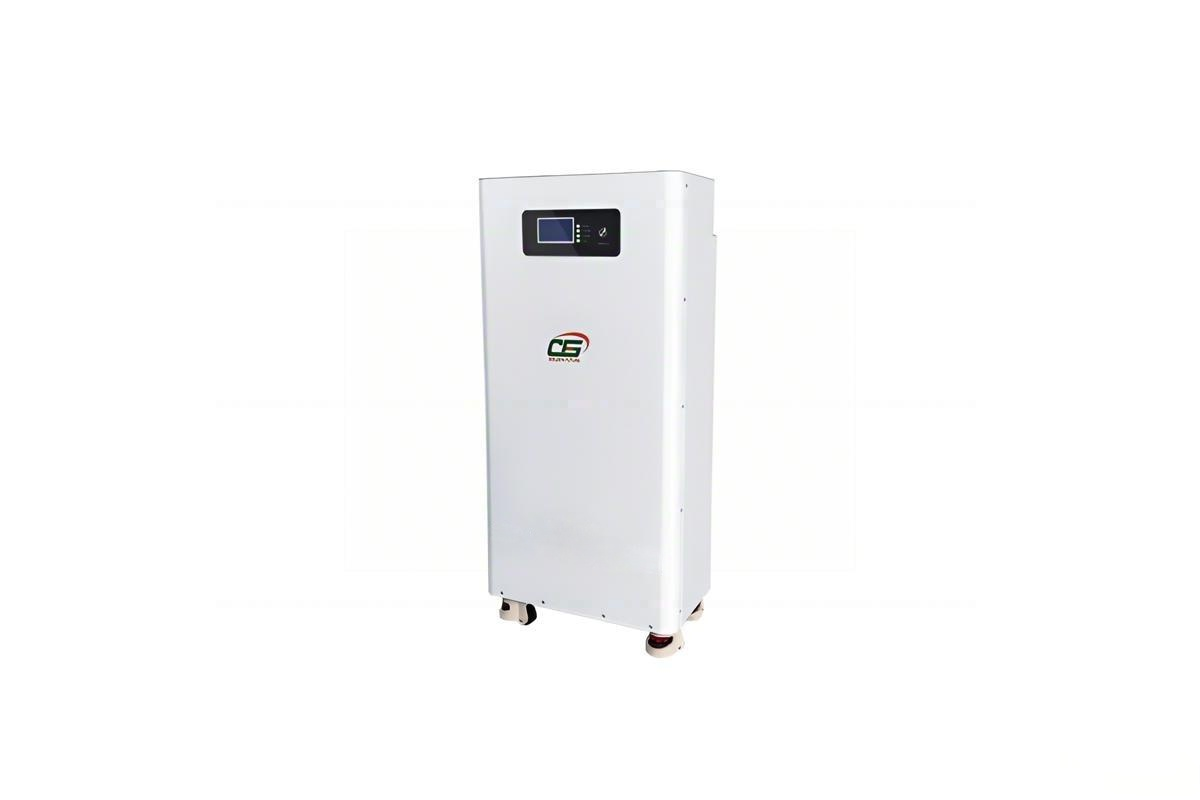
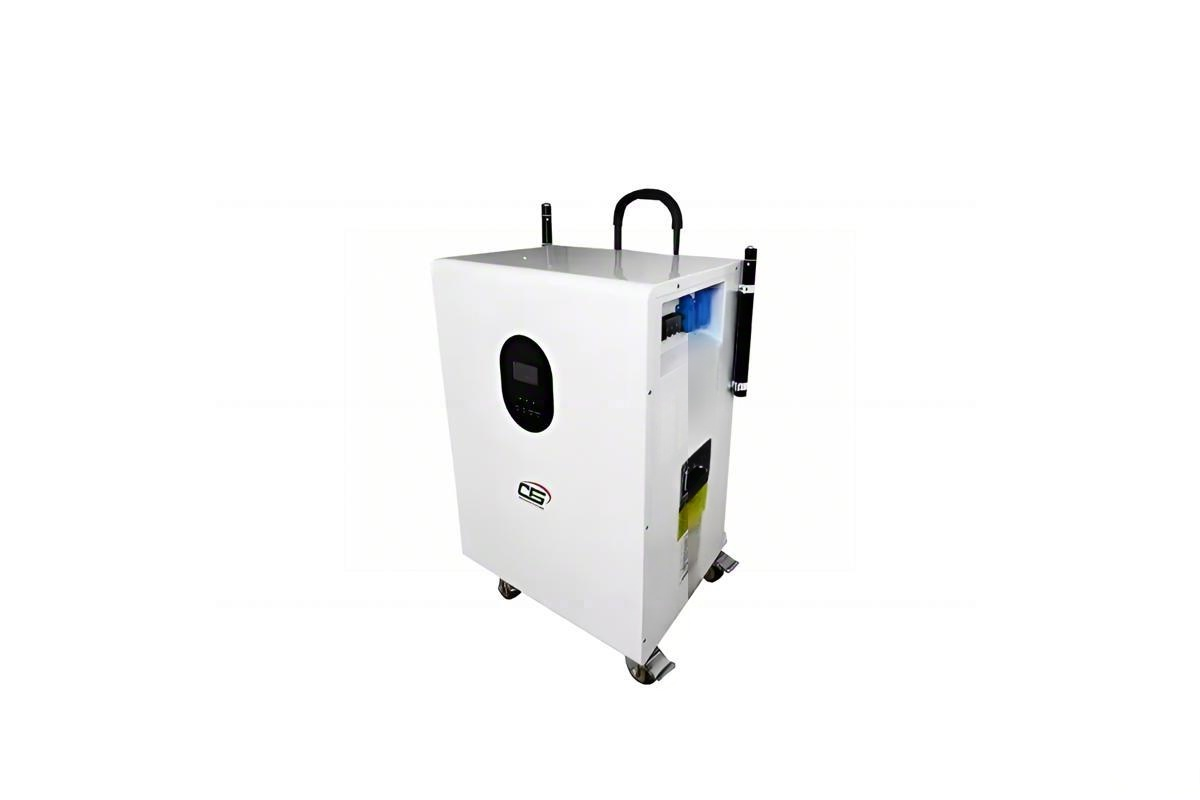
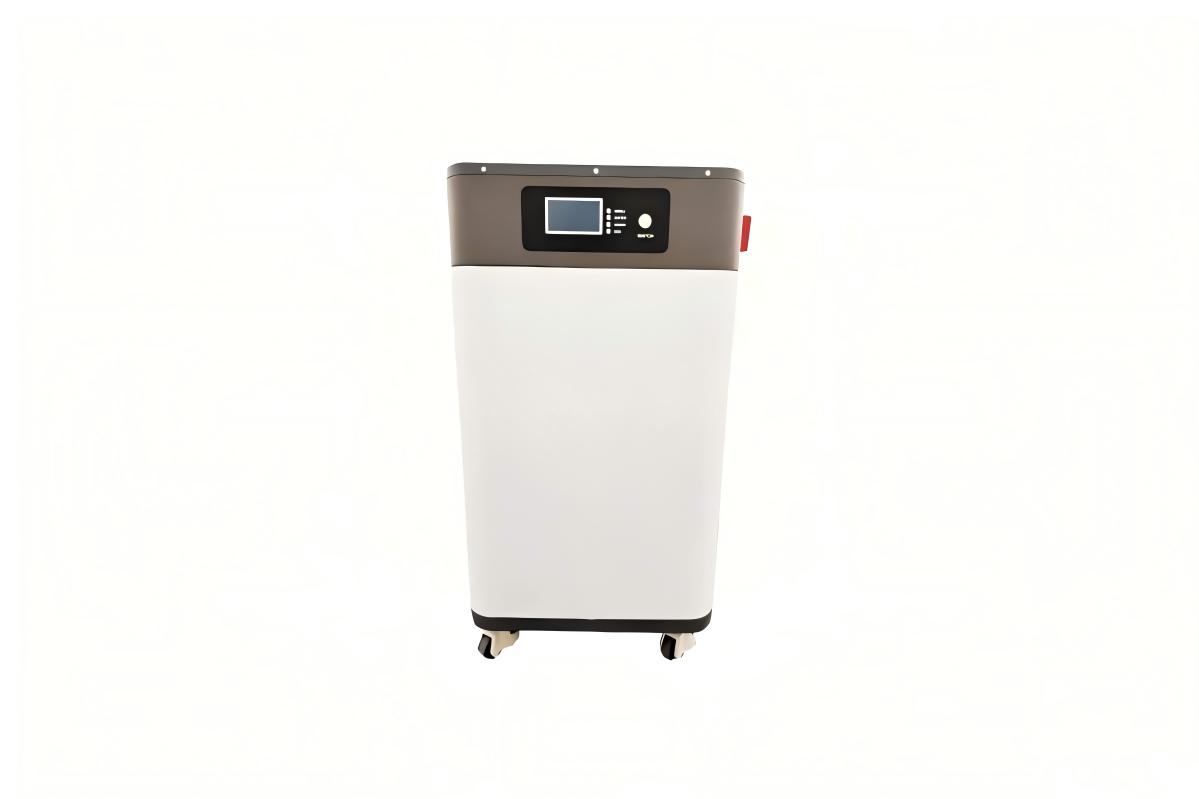
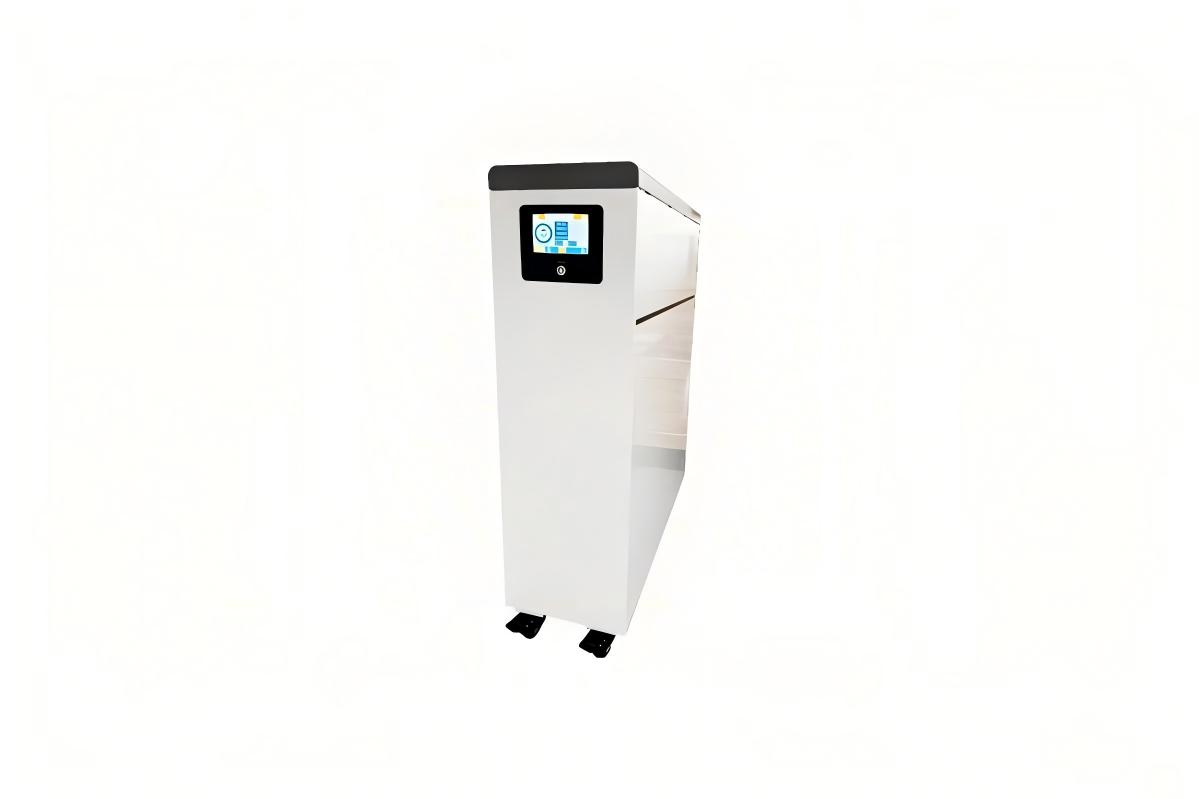
As a universal power storage device compatible with household mains voltage that integrates outdoor energy storage and home emergency power supply, the 220v portable power station is widely used in diverse scenarios such as outdoor camping, self-driving travel, field construction, power outage emergency and small equipment power supply. Different from low-voltage portable power supplies, 220V high-voltage output energy storage equipment has stricter requirements on material technology, safety materials and structural materials. The overall material of the equipment directly determines its heat dissipation efficiency, explosion-proof safety, drop and wear resistance, service life and environmental adaptability. Most users only focus on power, capacity and output parameters during selection, ignoring the material differences of core components such as cell material, shell material, protective auxiliary materials and interface materials. This easily leads to the purchase of products with shrunk materials and inferior workmanship, causing problems such as body overheating, shell aging, cell bulging and electric leakage risks. From a professional material perspective, this paper comprehensively analyzes the core constituent materials, advantages and disadvantages of different materials, applicable scenarios and material selection avoidance points of 220V portable power stations, providing professional and practical material selection references for individual users and industrial bulk procurement.
The battery cell is the core energy storage carrier of the 220v portable power station. Material differences in battery cells directly determine the safety factor, cycle life, power supply stability and service cost of the equipment. At present, mainstream products on the market are divided into two major material systems: lithium iron phosphate and ternary lithium, with significant differences in performance characteristics. Lithium iron phosphate cells are the mainstream standard materials for mid-to-high-end 220V portable power stations, featuring ultra-high safety, high temperature resistance, thermal runaway resistance and non-flammable and non-explosive properties. Their thermal stability temperature is much higher than that of other lithium battery materials, adapting to harsh scenarios such as high temperature in summer outdoors and long-term full-load power supply. Meanwhile, this material has a cycle life of more than 2000 times, with slow attenuation during long-term charge and discharge, and the overall service life of the equipment can reach 5 to 8 years, suitable for long-term home emergency backup and high-frequency outdoor operation. The only disadvantage is low material density, resulting in slightly heavier overall weight and weaker portability under the same capacity. Ternary lithium cells focus on lightweight advantages, with high energy density, smaller size and lighter weight, delivering excellent body portability for short-distance camping and lightweight self-driving tours. However, they have poor high temperature resistance, a cycle life of only 800 to 1200 times, and are prone to accelerated attenuation and bulging when used at high temperatures for a long time, with lower safety tolerance than lithium iron phosphate materials.
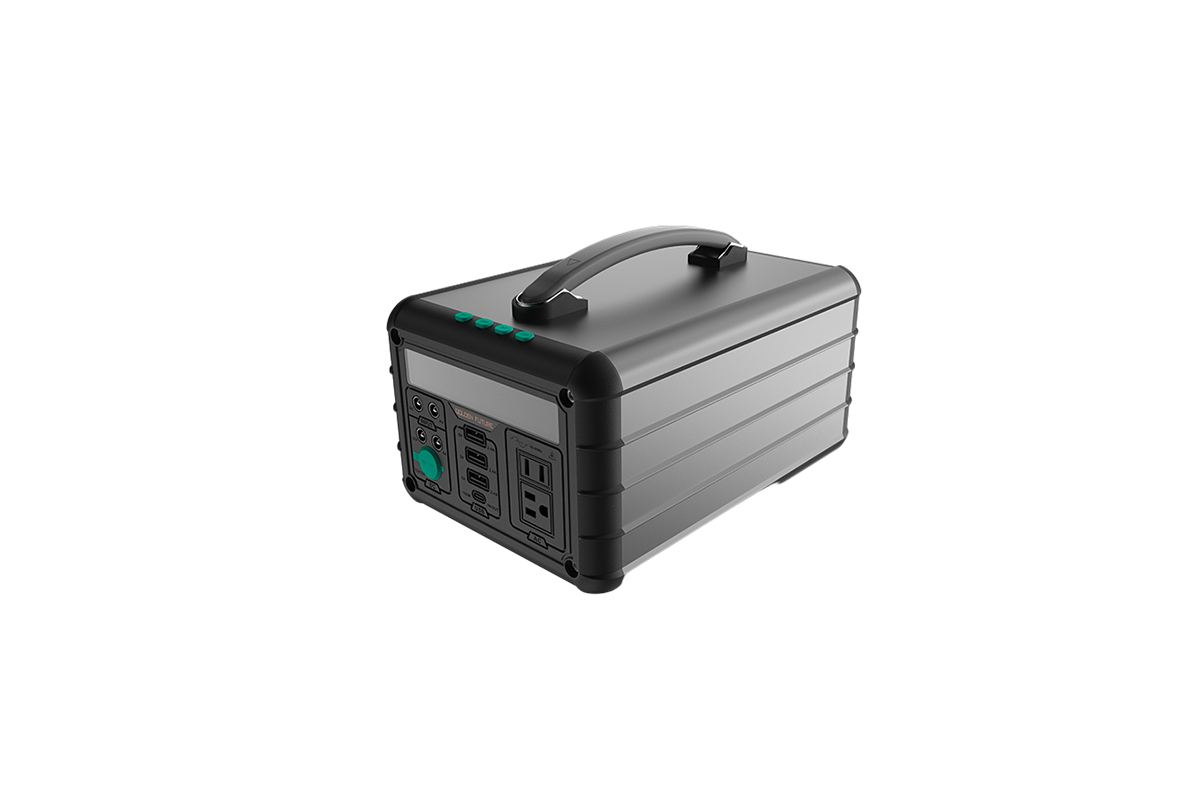
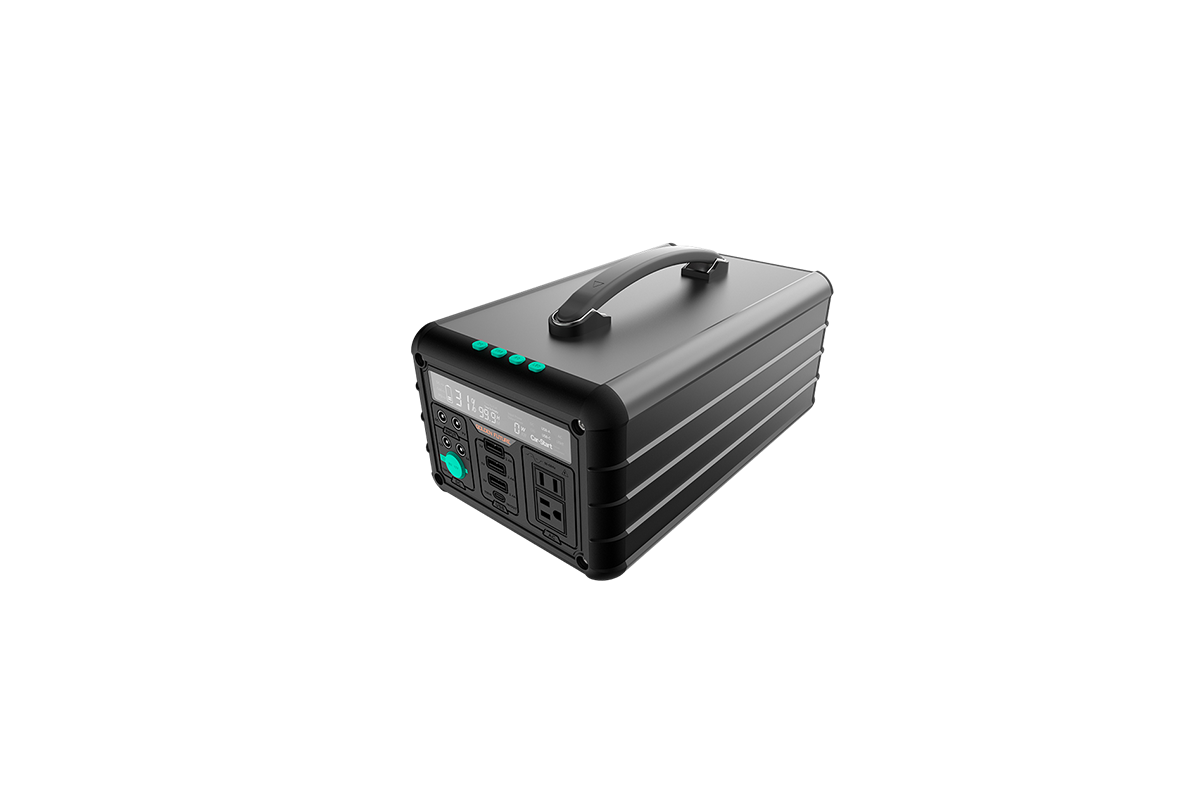
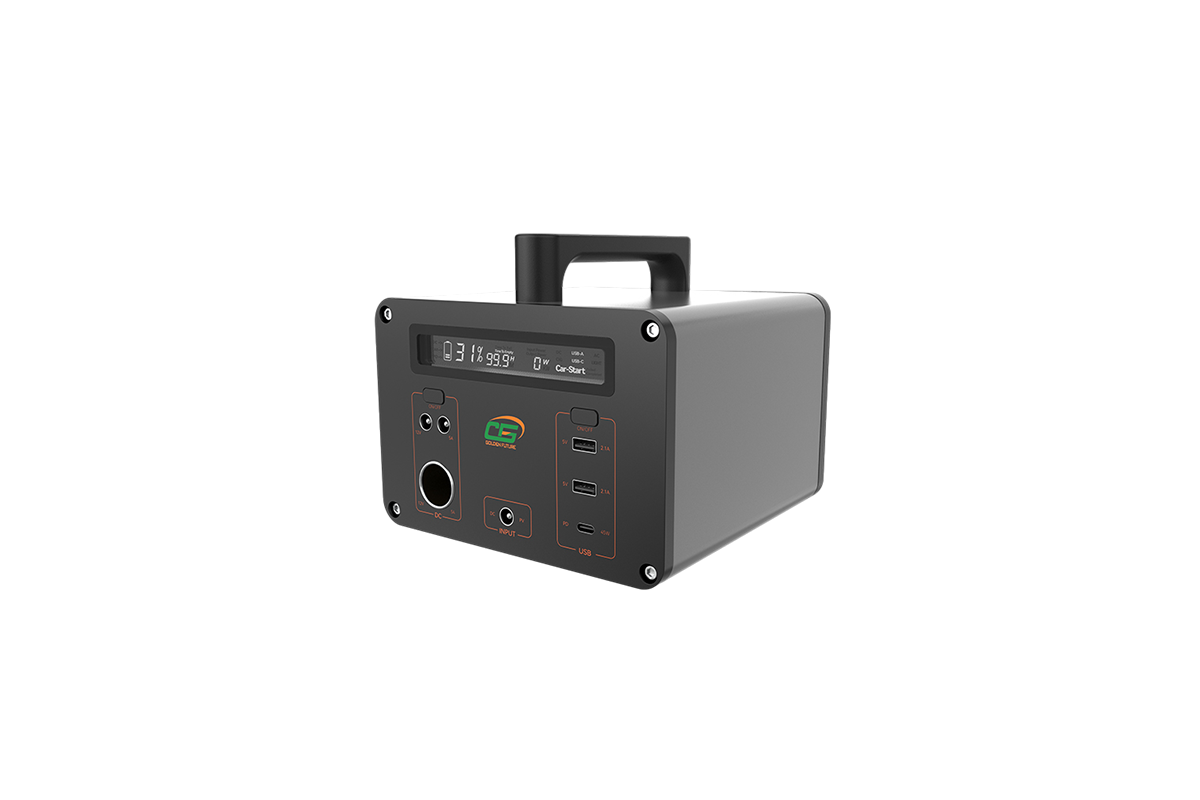
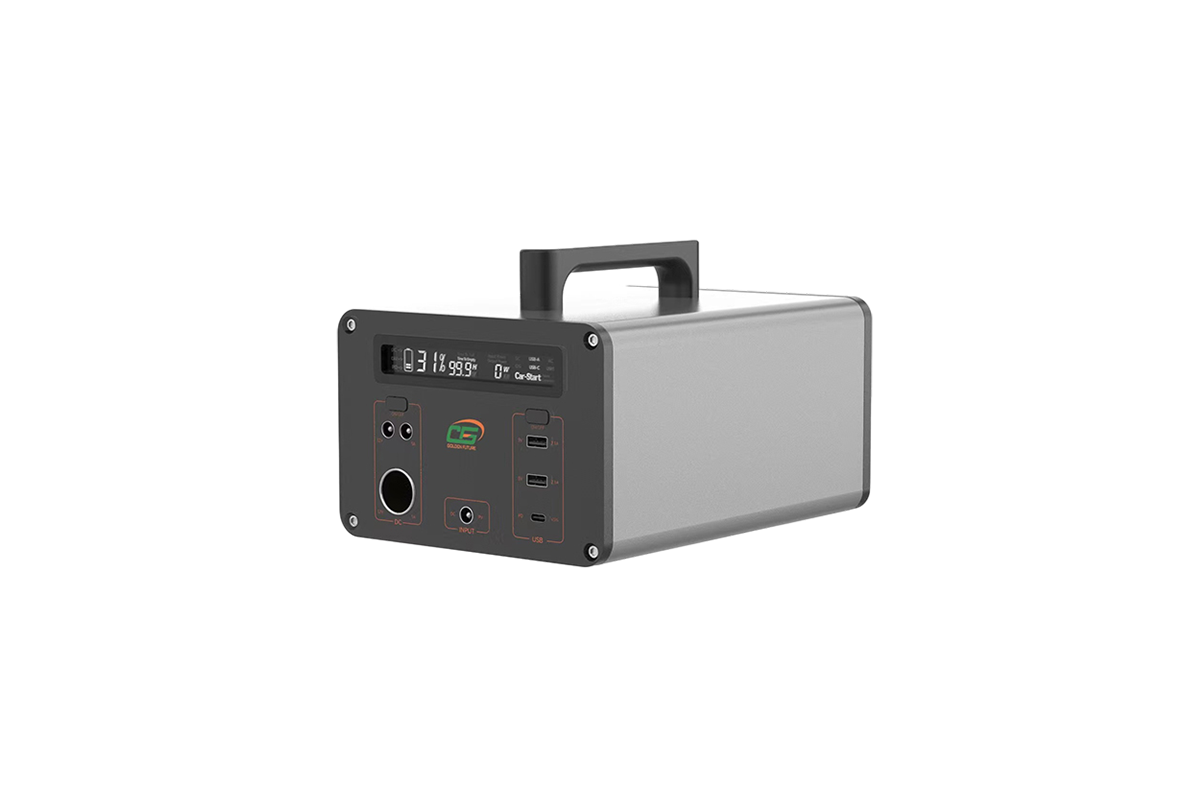
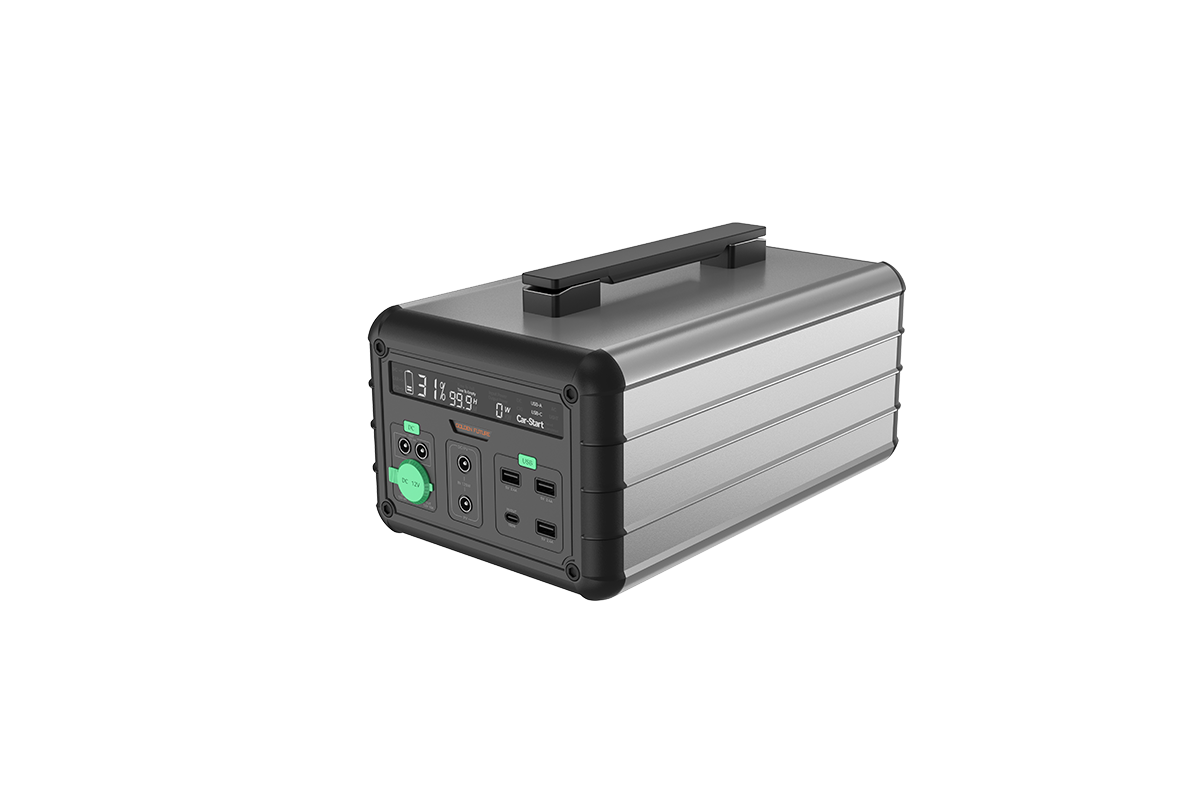
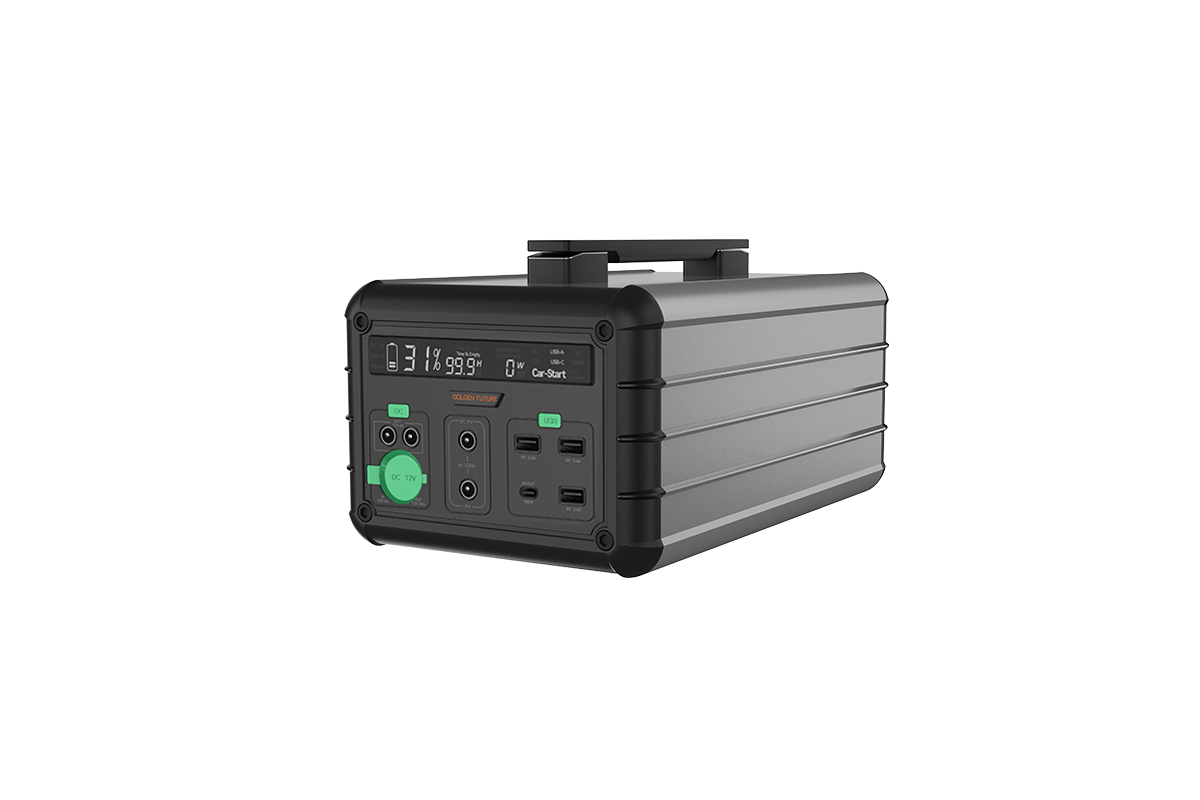
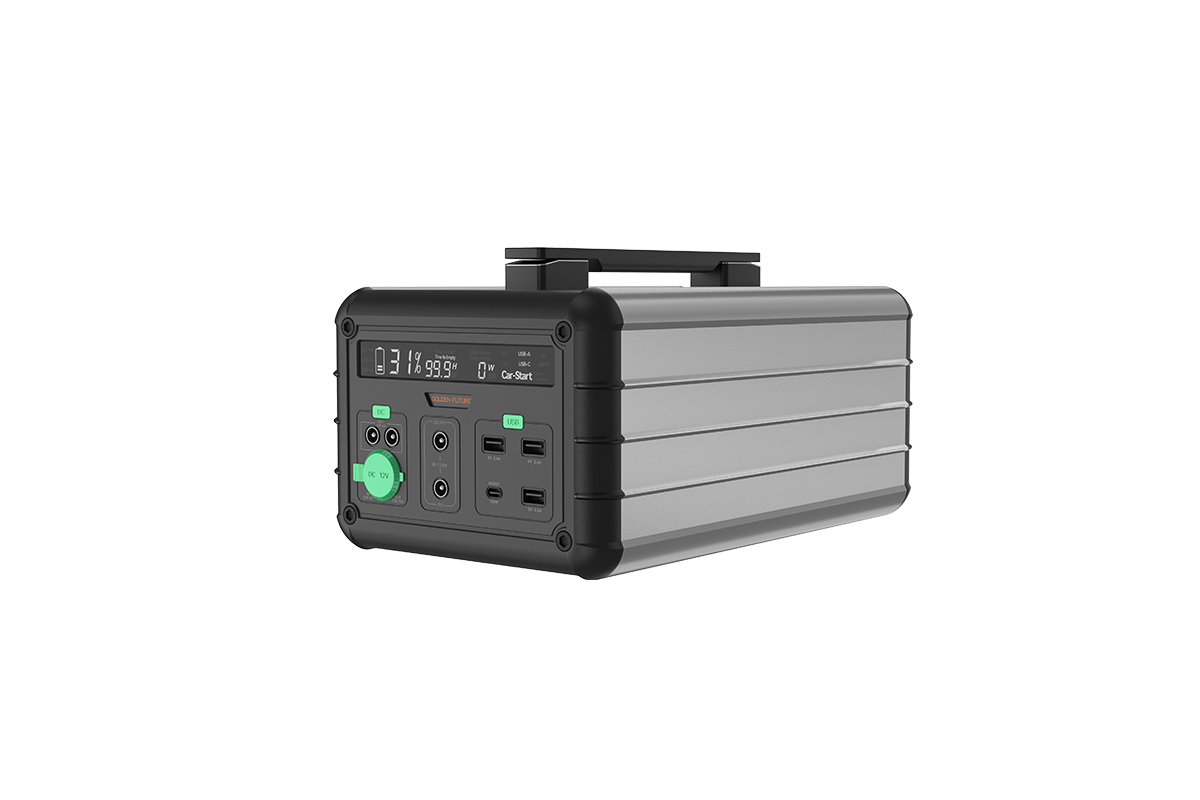
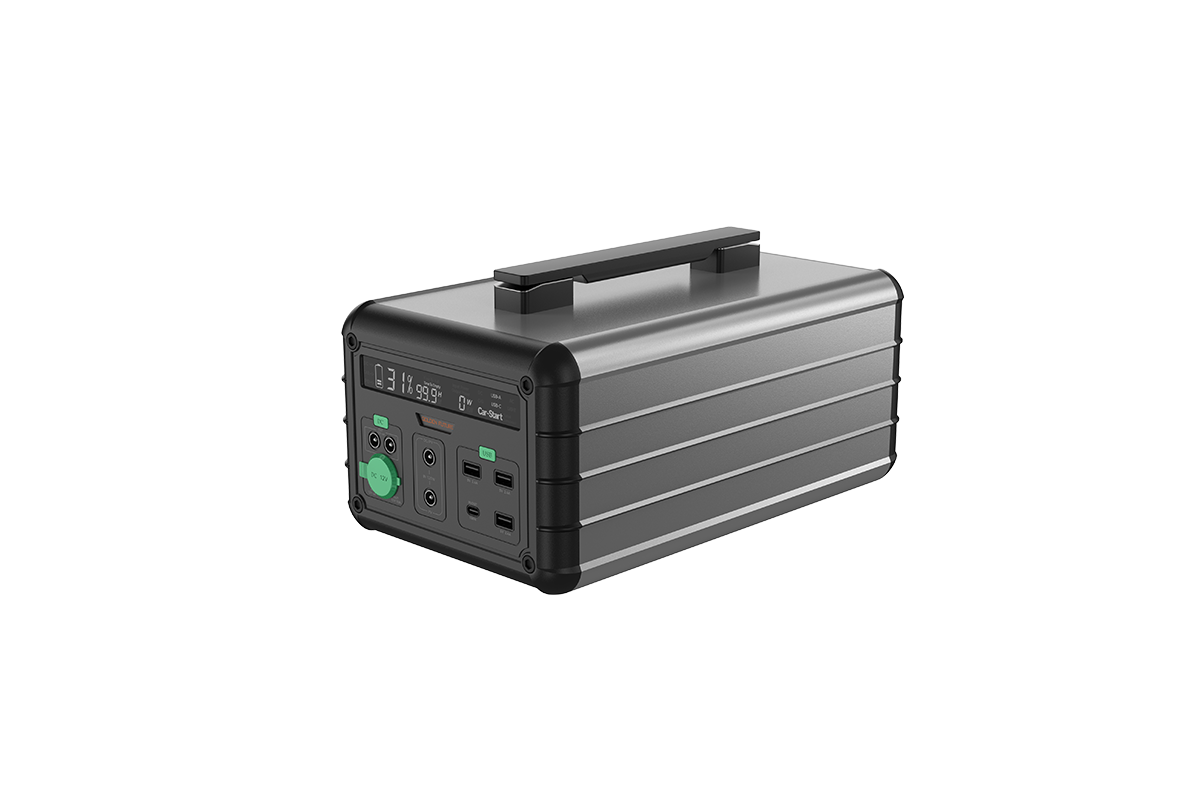
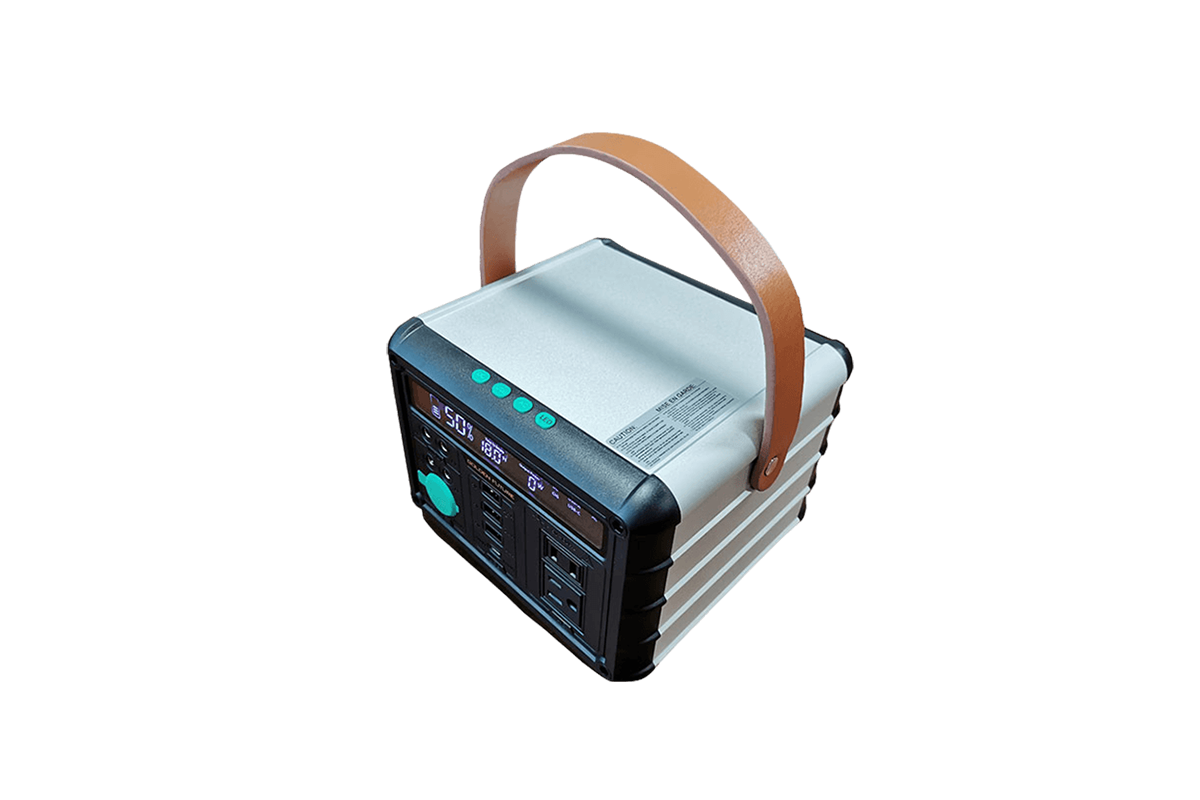
The equipment shell material determines the overall structural strength, heat dissipation capacity and outdoor damage resistance of the device. Mainstream shell materials for 220V portable power stations are divided into three categories: ABS engineering plastic, aluminum alloy and composite flame-retardant materials, matching product models of different positioning. Entry-level low-cost models mostly adopt thickened ABS flame-retardant engineering plastic shells, which feature light weight, good insulation, controllable cost and versatile styling, with basic flame retardant and corrosion resistance, fully meeting daily indoor emergency use. Nevertheless, their material hardness is limited, with poor drop and pressure resistance. The shell is prone to cracking and deformation after outdoor collision and extrusion. In addition, plastic has low thermal conductivity, easily causing internal heat accumulation during long-term high-power operation and affecting the service life of internal components. Mid-range mainstream models generally adopt ABS+PC composite flame-retardant materials, which strengthen wear resistance, aging resistance and flame retardancy on the basis of lightweight design. The frosted surface treatment achieves scratch and slip resistance, balancing practicality and texture, making it the most cost-effective general material solution. High-end outdoor dedicated models adopt aviation-grade aluminum alloy materials. Relying on the thermal conductivity of aluminum which is 3 times that of steel, they realize rapid full-domain heat dissipation and eliminate heat accumulation during high-power operation. Meanwhile, the metal shell has high structural strength, excellent drop resistance, pressure resistance, corrosion resistance and salt spray resistance, adapting to complex outdoor scenarios such as field operation, rainy days and high temperatures, with the only shortcomings of slightly heavier self-weight and higher cost.
Heat dissipation and structural auxiliary materials are implicit core factors to ensure the long-term stable operation of the 220v portable power station, and also the key to distinguish product workmanship quality. Formal high-quality models are equipped with a composite auxiliary material system of high thermal conductivity silicone sheets, nano heat dissipation cotton and flame-retardant heat insulation cotton. The high thermal conductivity silicone sheet fits the key heat-generating areas of battery cells and mainboards, with high thermal conductivity to quickly export internal heat and avoid local high-temperature accumulation. Flame-retardant heat insulation cotton can effectively isolate high-temperature conduction of battery cells, eliminate shell aging and circuit melting caused by high temperature, and greatly improve the overall safety factor of the equipment. In terms of structural auxiliary materials, high-quality models are equipped with high-elasticity silicone anti-slip mats at the bottom, made of high and low temperature resistant silicone materials with stable anti-slip performance and non-aging characteristics, maintaining good toughness in high and low temperature environments. The body joints adopt high-density flame-retardant sealing strips for dustproof, waterproof, moisture-proof and leakage-proof functions, effectively isolating outdoor water vapor and dust from invading the interior and protecting the battery cells and circuit system. In contrast, inferior reduced-configuration models simplify heat dissipation auxiliary materials, relying only on fans for passive heat dissipation without thermal conduction and heat insulation materials, prone to overheating protection and accelerated component aging during long-term operation.
Interface and conductive materials directly affect the power supply stability, fast charging efficiency and durability of the equipment, serving as easily overlooked key material selection details. As the core high-voltage interface, the 220V AC output socket of high-quality models adopts pure gold-plated copper shrapnel materials, with excellent electrical conductivity, low resistance and strong oxidation resistance. It ensures smooth plugging and unplugging, avoids loosening and poor contact after long-term repeated use, can stably bear rated power output, and eliminate hidden dangers such as high-voltage interface overheating and sparking. The internal conductive terminals of DC interfaces and USB fast charging interfaces also adopt thickened copper materials with anti-oxidation coatings to ensure stable and lossless fast charging transmission. The circuit mainboard is made of high flame-retardant glass fiber board, with high temperature resistance and strong insulation, avoiding breakdown and fire hazards under high-voltage operation, and eliminating circuit safety risks from the source. Low-end inferior models adopt ordinary copper-plated iron for interfaces, which are prone to oxidation and rust with large conductive loss, resulting in interface overheating, fast charging failure and contact failure after long-term use, bringing great potential power safety hazards.
Protective coatings and surface craftsmanship materials determine the anti-aging, weather-resistant and wear-resistant properties of the equipment, directly affecting the long-term appearance and service life. Mainstream high-quality 220V portable power stations are coated with UV-resistant weather-resistant coatings on the shell surface, which can effectively resist ultraviolet radiation and prevent shell yellowing, embrittlement and fading caused by long-term outdoor exposure, adapting to all-weather outdoor use scenarios. Plastic models adopt matte frosted coatings for fingerprint resistance and scratch resistance, avoiding permanent scratches from daily collisions. Aluminum alloy models adopt anodizing technology to form a dense oxide film on the surface, enhancing corrosion resistance and wear resistance while improving the heat dissipation efficiency of the body. Some professional outdoor models are also coated with waterproof and dustproof nano-coatings to seal tiny body gaps, improve the overall protection level, and adapt to complex environments such as light rain, humidity and dust. Low-cost models without protective coatings are prone to shell aging, paint peeling and cracking after long-term storage and outdoor use, with significantly reduced durability.
From the perspective of comprehensive materials, 220v portable power stations with different materials have great differences in applicable scenarios and service cycles, and material selection directly determines the safety and practicality of the equipment. For long-term home backup and high-frequency outdoor operation, priority should be given to high-end models with lithium iron phosphate cells and composite flame-retardant or aluminum alloy shells for safe, stable and long-lasting performance. For short-distance lightweight travel and temporary emergency use, lightweight models with ternary lithium cells and ABS flame-retardant plastic shells are suitable to balance portability and cost performance. During selection, it is necessary to focus on verifying the cell material, shell flame retardant grade, interface conductive material and heat dissipation auxiliary material configuration, and resolutely avoid inferior products with shrunk materials, missing flame-retardant protection and reduced auxiliary materials. Accurate material selection ensures power safety and realizes long-term stable operation of the equipment.




 59911926@qq.com/sales@goldenfuturehk.com
 13316809242 / 15816897019
 Inquiry
 Home >