





Time:2025-11-06 Views:1
1. Core Commercial Application Scenarios
1.1 Commercial Buildings (Office Towers, Malls, Hotels)
Typical Loads: HVAC systems, lighting, POS terminals, elevator backup, and emergency power
System Configuration:
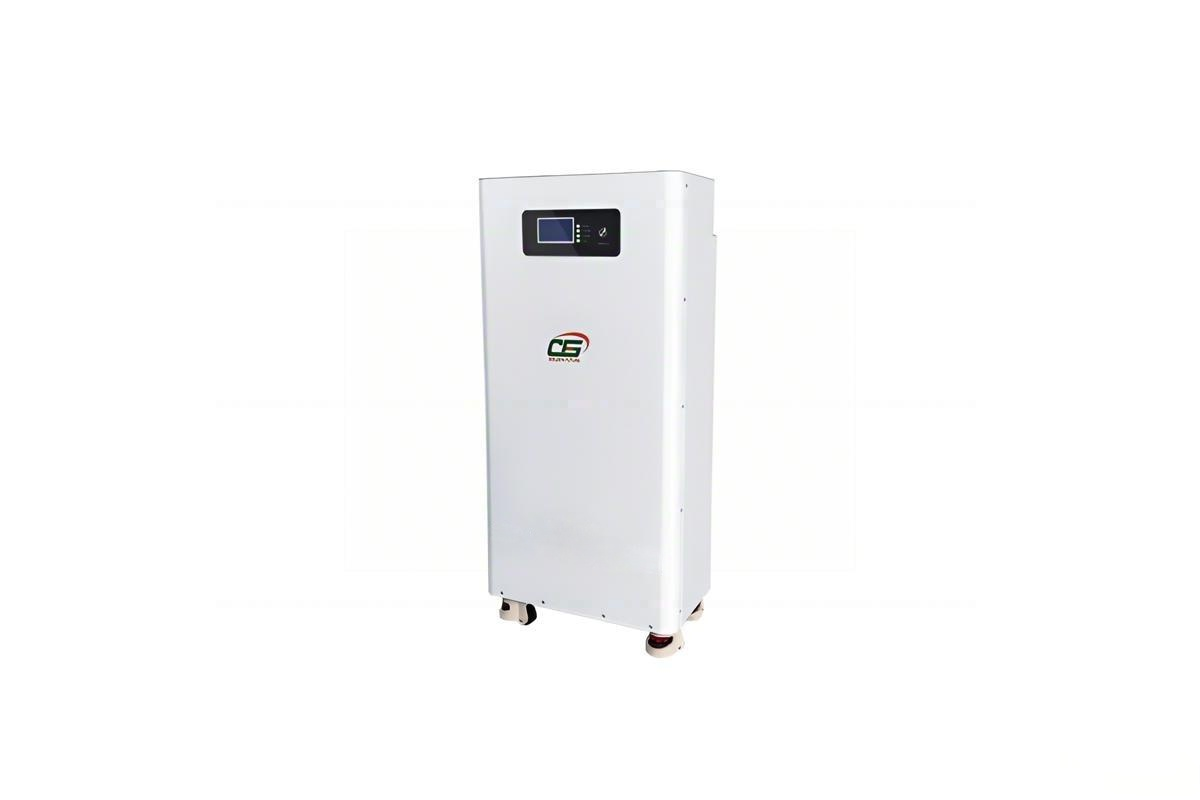
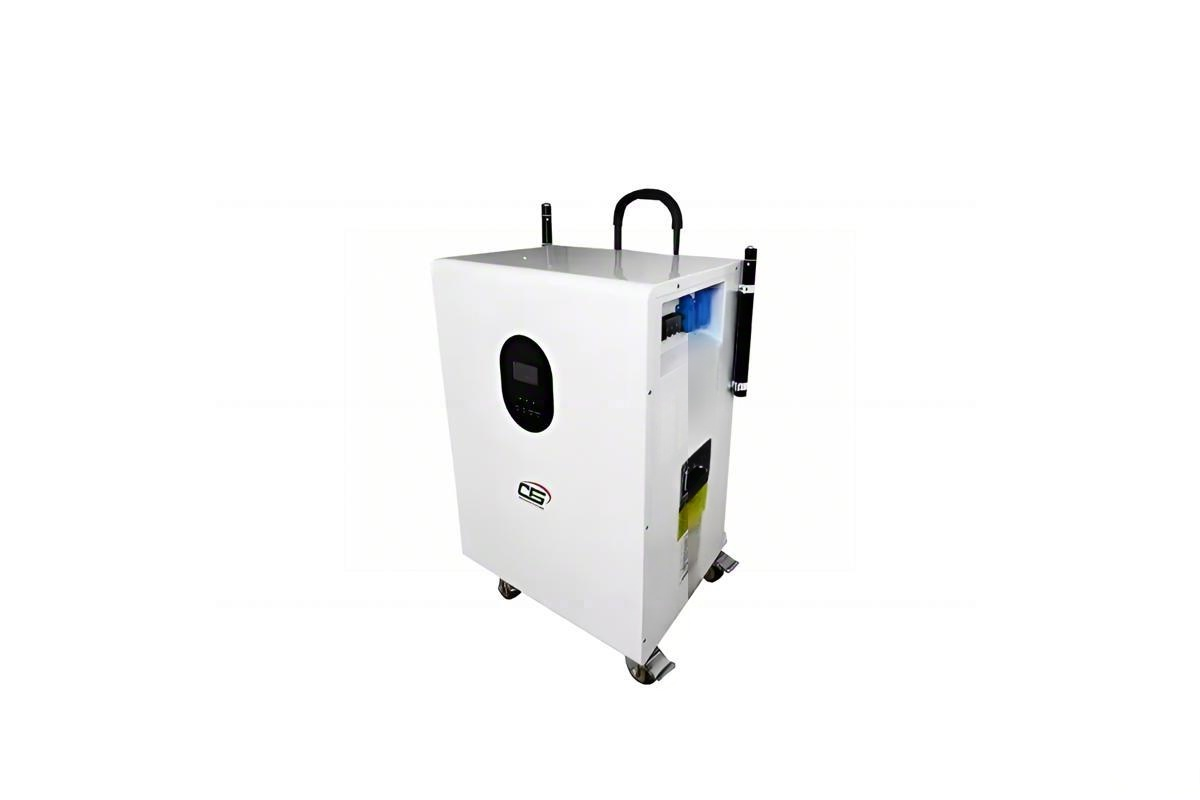
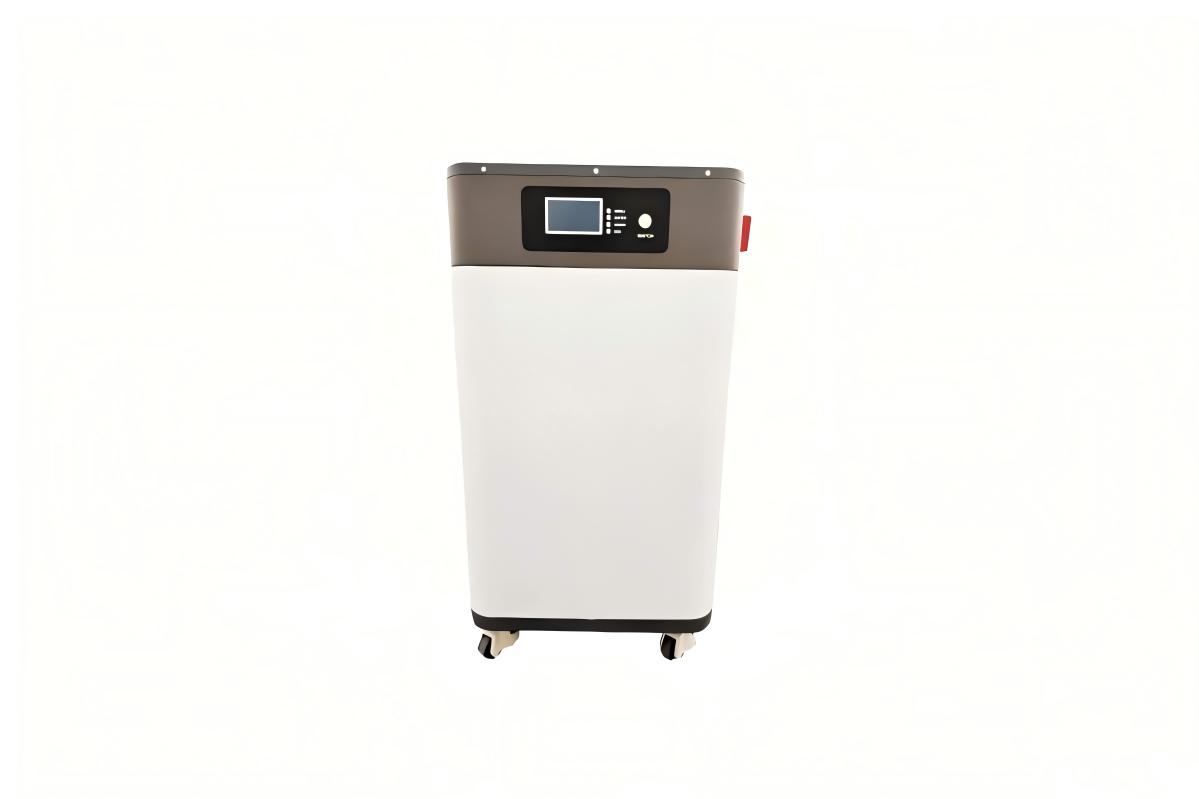
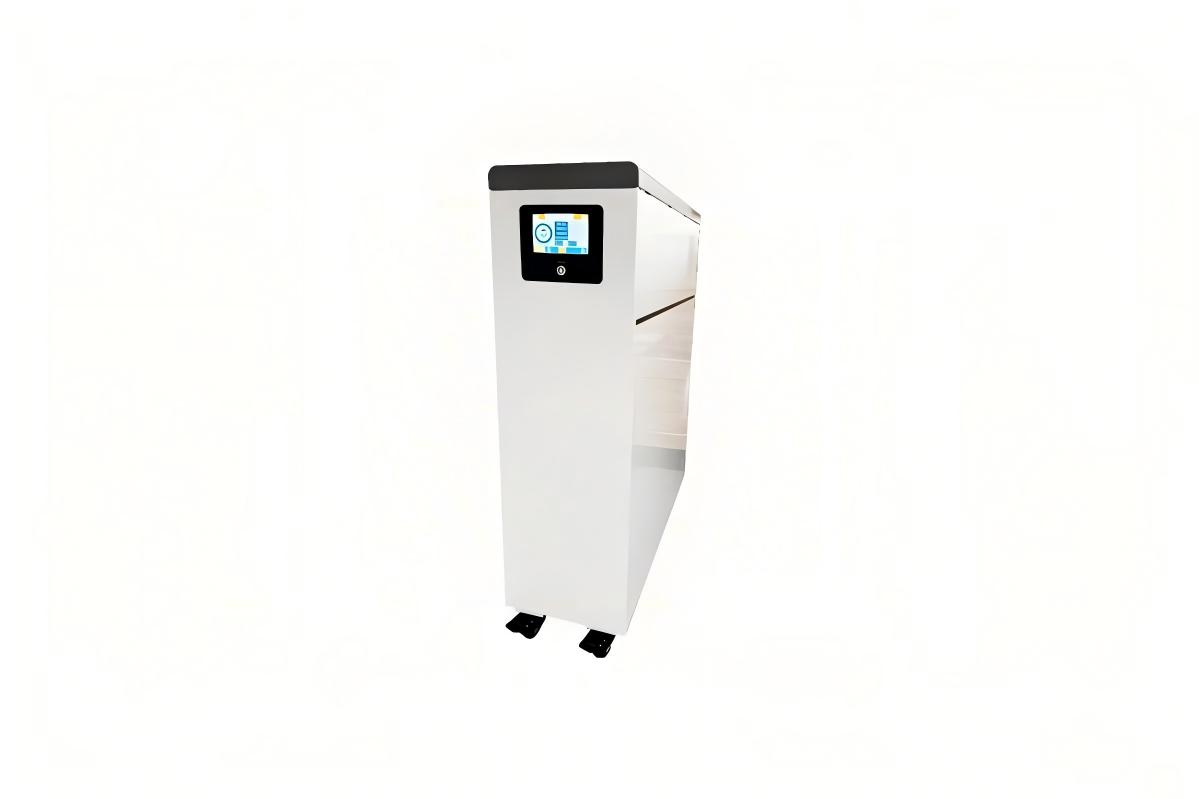
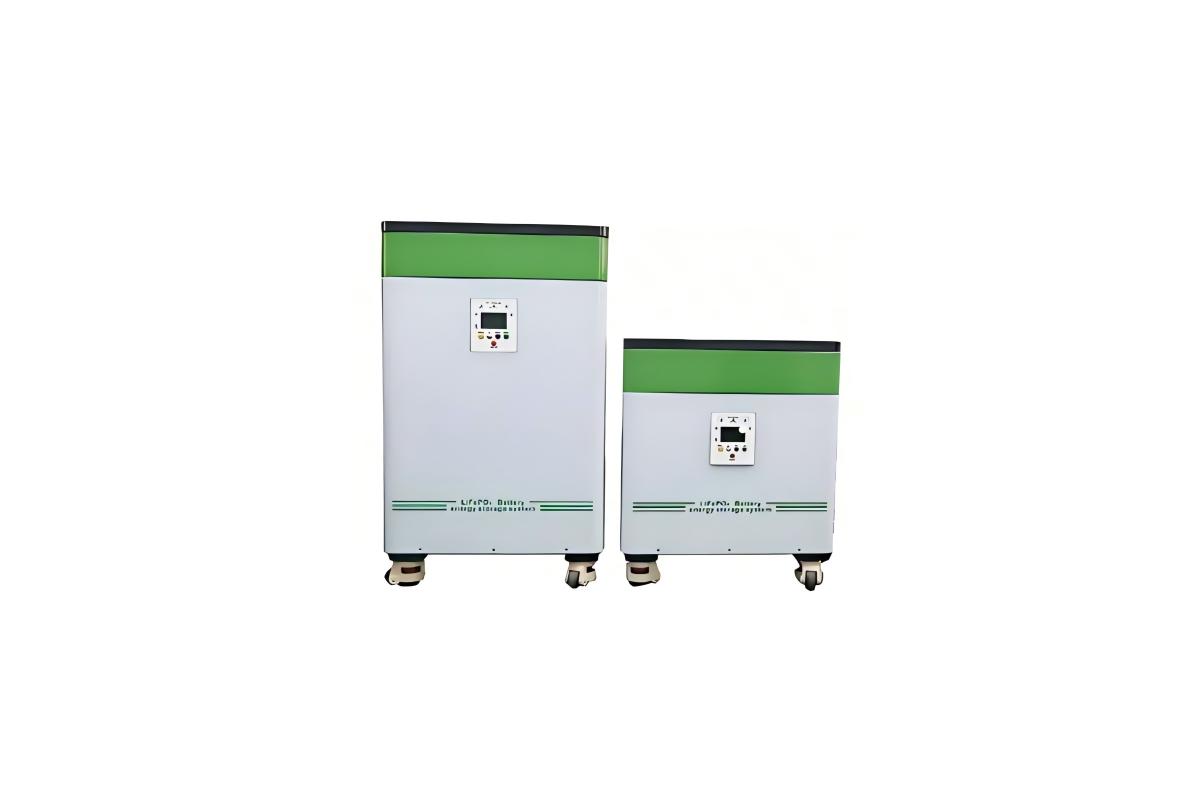
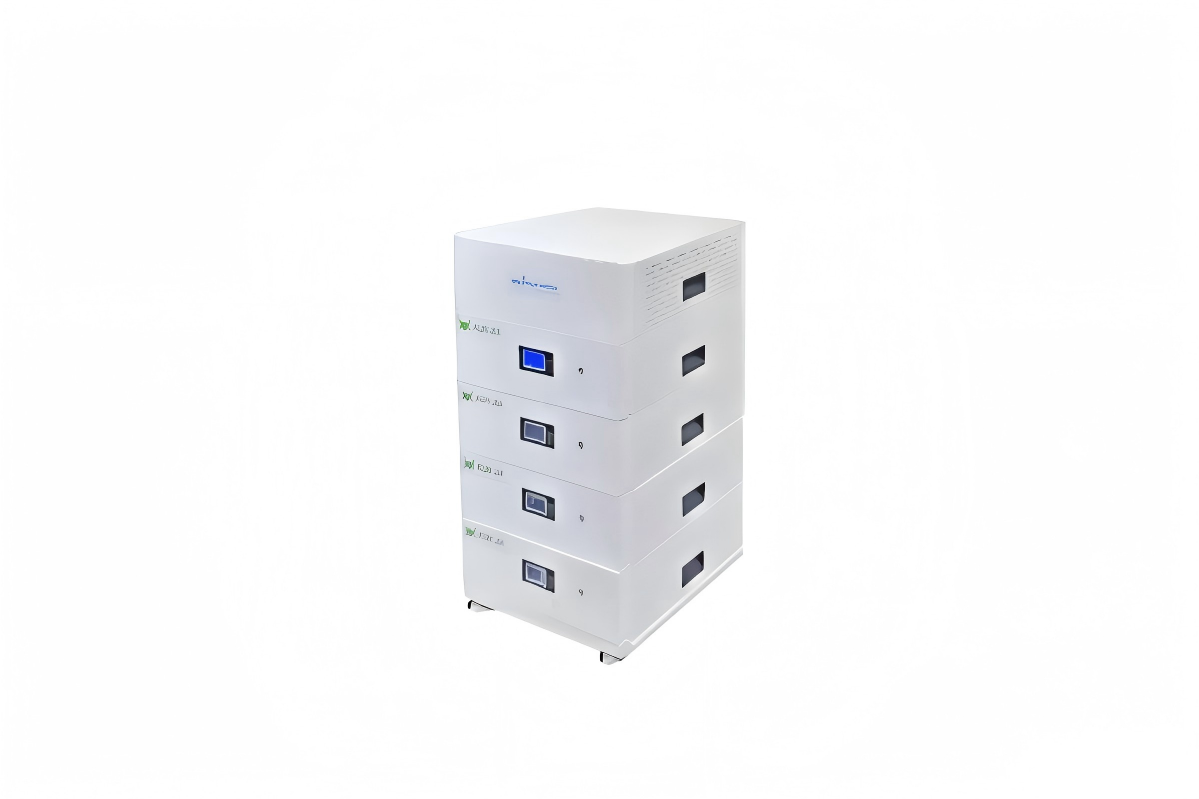
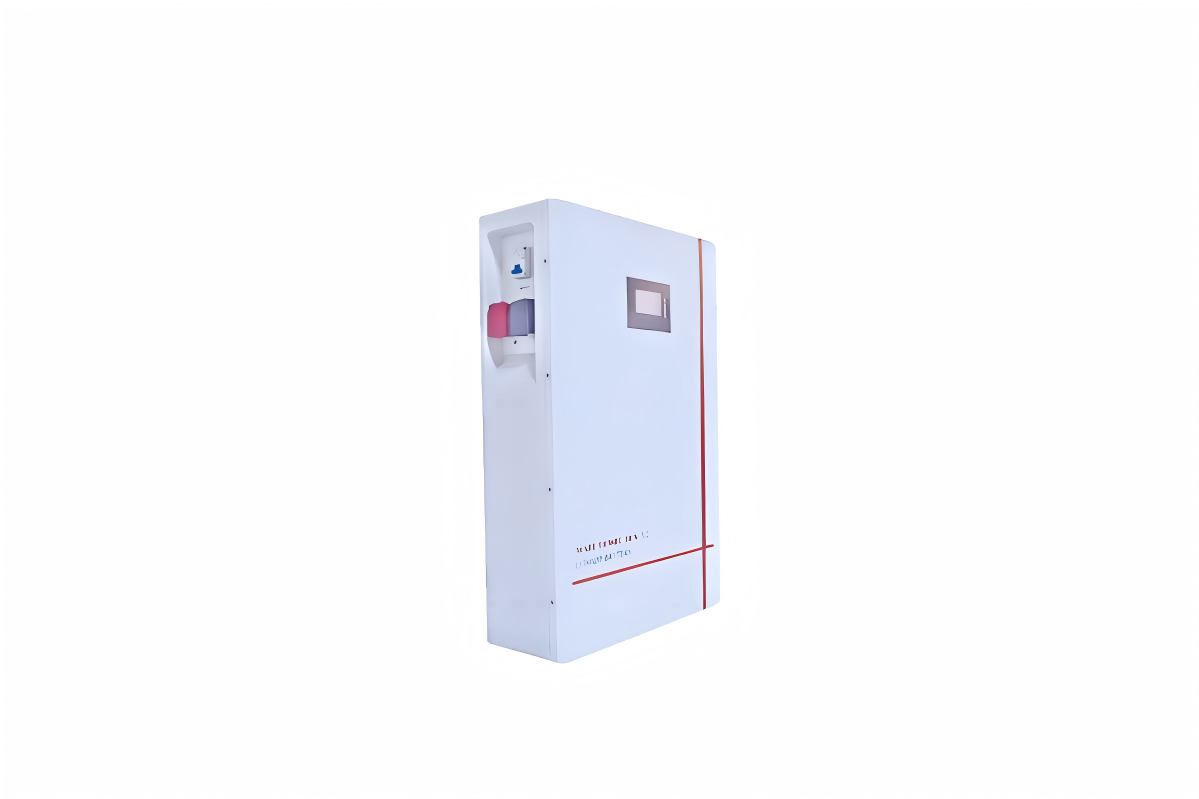
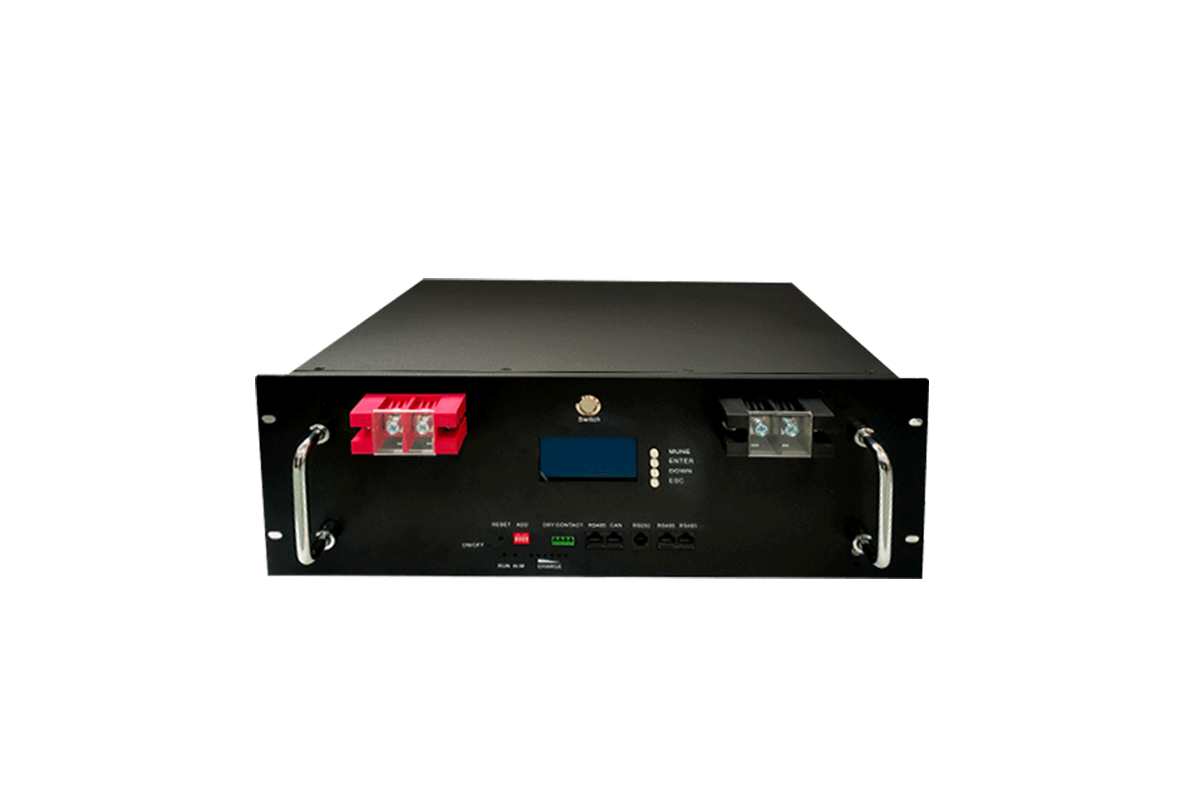
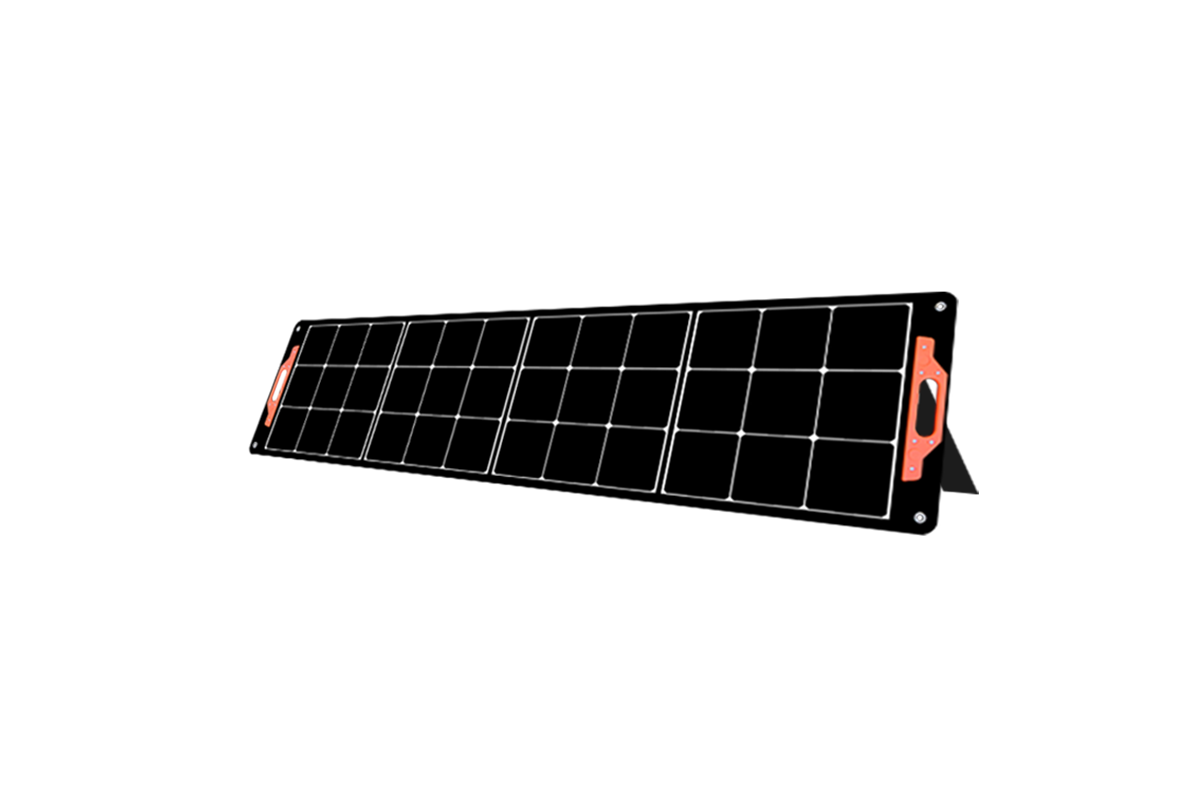
45 units of 350W photovoltaic (PV) panels (providing 15.75kW PV input) + 20.48kWh lithium iron phosphate (LFP) battery pack + 20kW grid-tied inverter
Optional: Battery management system (BMS) with peak-shaving software
Key Advantages:
Reduces demand charges by avoiding high electricity costs during peak grid hours (e.g., 9 AM–5 PM)
Provides backup power for critical loads, supporting 4–6 hours of continuous operation during grid outages
Complies with green building standards (e.g., LEED, BREEAM) to qualify for energy efficiency credits
1.2 Industrial Auxiliary Facilities (Manufacturing Plants, Warehouses)
Typical Loads: Conveyor belts, packaging equipment, security systems, and climate control for inventory
System Configuration:
50 units of 350W PV panels (providing 17.5kW PV input) + 20.48kWh LFP battery pack (with IP65 rating) + 20kW off-grid/hybrid inverter
Waterproof Measures: Battery cabinets installed on elevated concrete pads (to prevent flood damage) + IP68 cable glands
Key Advantages:
Mitigates production downtime caused by grid instability
Lowers reliance on diesel generators, reducing fuel costs and carbon emissions
Operates in harsh industrial environments (-20℃~55℃) when equipped with heating/cooling accessories
1.3 Small-Scale Commercial Parks (Retail Plazas, Business Districts)
Typical Loads: Shared parking lot lighting, public Wi-Fi, and centralized waste management systems
System Configuration:
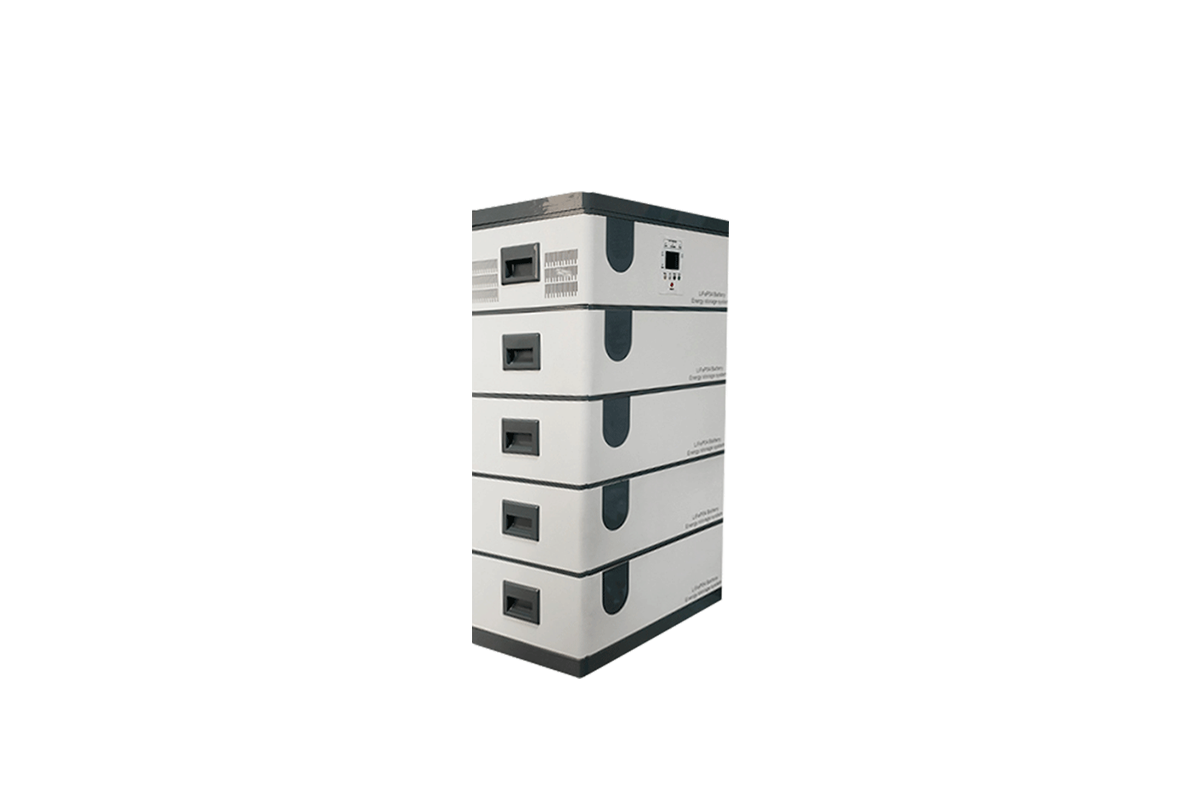
2 sets of 20kW battery packs (connected in parallel, providing a total capacity of 40.96kWh) + 40 units of 350W PV panels + dual 20kW inverters
Integration: Linked to the park’s smart energy management platform, enabling remote monitoring via cloud
Key Advantages:
Scalable to meet growing energy needs, supporting up to 5 parallel battery units
Reduces collective energy costs for multiple small businesses within the park
Enhances sustainability branding for the commercial park
2. Critical Performance Requirements for Commercial Use
Long Cycle Life: Minimum 6,000 cycles at 80% depth of discharge (DOD) — critical for commercial users seeking 8–10 years of service life, as it avoids frequent battery replacement costs.
Grid Compatibility: Compliance with grid interconnection standards (e.g., IEEE 1547 for North America, VDE 0126-1-1 for Europe) to ensure safe grid-tied operation and avoid penalties.
Redundancy Design: Equipped with dual BMS modules and parallelizable architecture — prevents system failure due to single-component issues, which is essential for 24/7 commercial operations.
High Efficiency: Minimum 92% round-trip efficiency (charge-discharge cycle) — maximizes energy utilization and reduces operational losses.
3. Commercial System Sizing & Waterproofing Considerations
Sizing Logic: Calculations are based on daily energy consumption and peak load:
Example: A small office with 150kWh daily usage — a 20kW battery (20.48kWh capacity) can cover approximately 13% of daily energy needs, plus support peak shaving (reducing 30–40% of demand charges).
Waterproofing for Commercial Installations:
Rooftop installations: Use IP65 battery enclosures and add drainage channels to prevent rainwater accumulation on roof-mounted cabinets.
Ground installations: Adopt IP65 enclosures with corrosion-resistant frames, suitable for outdoor commercial areas such as parking lots or open plazas.
4. Commercial Purchase Decision Factors
Total Cost of Ownership (TCO): Prioritize batteries with lower lifetime costs (not just upfront price) — LFP batteries are preferred, as their life span is 3 times longer than that of gel batteries, reducing replacement frequency.
Certifications for Commercial Compliance:
Grid safety: Certifications such as UL1973 (for North America) and IEC 62619 (global standard).
Environmental: RoHS certification (which restricts hazardous substances) — required for commercial buildings in the EU and US.
After-Sales Support: Select suppliers that offer 24/7 technical support and on-site maintenance within 48 hours, minimizing downtime for commercial operations.
Warranty Terms: Seek a 10-year warranty (or 6,000-cycle warranty) — aligned with the typical service life of commercial energy systems.
5. Commercial Maintenance Protocols
Regular Inspections:
Monthly: Check BMS data (including voltage, temperature, and state of charge) via the cloud platform.
Quarterly: Clean PV panels and battery ventilation vents to maintain efficiency.
Annually: Perform battery cell balancing to ensure uniform performance of multi-module packs.
Fault Response: Establish a backup module replacement plan — critical for commercial sites (e.g., keeping a spare 20kW battery module to avoid downtime during repairs).
Compliance Documentation: Maintain detailed maintenance logs — required for ISO 50001 energy management certification and utility rebate programs.




 59911926@qq.com/sales@goldenfuturehk.com
 13316809242 / 15816897019
 Inquiry
 Home >