






Time:2025-11-06 Views:1
1. Core Off-Grid Application Scenarios
Off-grid systems operate independently of the public power grid, relying entirely on photovoltaic (PV) generation and battery storage (with optional backup generators for low-irradiance periods). Key application scenarios include:
1.1 Remote Industrial Sites (Mining Camps, Oil/Gas Rigs)
Typical Loads: Heavy-duty equipment (e.g., small conveyors, pumps), worker dormitory lighting/HVAC, communication systems, and safety monitoring devices.
System Configuration:
70–80 units of 350W PV panels (24.5–28kW total input, to offset high energy demand) + 6–8 sets of 20.48kWh LFP battery packs (parallel-connected, 122.88–163.84kWh total storage) + 25kW off-grid inverter (supports 150% overload for 30 seconds, handling startup spikes of industrial machinery) + 15kW diesel backup generator (auto-start when battery SOC drops below 20%).
Key Advantages:
Eliminates reliance on expensive grid extension (costs up to $50,000 per kilometer in remote areas).
Reduces diesel fuel consumption by 60–70% (PV/battery covers daily loads; generator only activates in extended cloudy weather).
Ensures 24/7 power for critical safety systems (e.g., gas leak detectors).
1.2 Rural/Off-Grid Residences (Remote Villages, Mountain Cabins)
Typical Loads: Household appliances (refrigerators, washing machines), lighting, water pumps, and small electronics (phones, TVs).
System Configuration:
40–50 units of 350W PV panels (14–17.5kW input) + 3–4 sets of 20.48kWh LFP battery packs (61.44–81.92kWh storage) + 20kW off-grid inverter (pure sine wave output, compatible with sensitive electronics) + MPPT charge controller (80A, maximizing PV energy capture).
Key Advantages:
Provides stable power in areas with no grid access (e.g., mountainous regions or remote villages).
Lowers long-term energy costs (no monthly electricity bills; PV/battery lifespan of 10–15 years).
Reduces carbon footprint (replaces kerosene lamps or small diesel generators for daily use).
1.3 Field Operations Bases (Construction Camps, Wildlife Research Stations)
Typical Loads: Temporary office equipment (laptops, printers), camp lighting, water purification systems, and research sensors.
System Configuration:
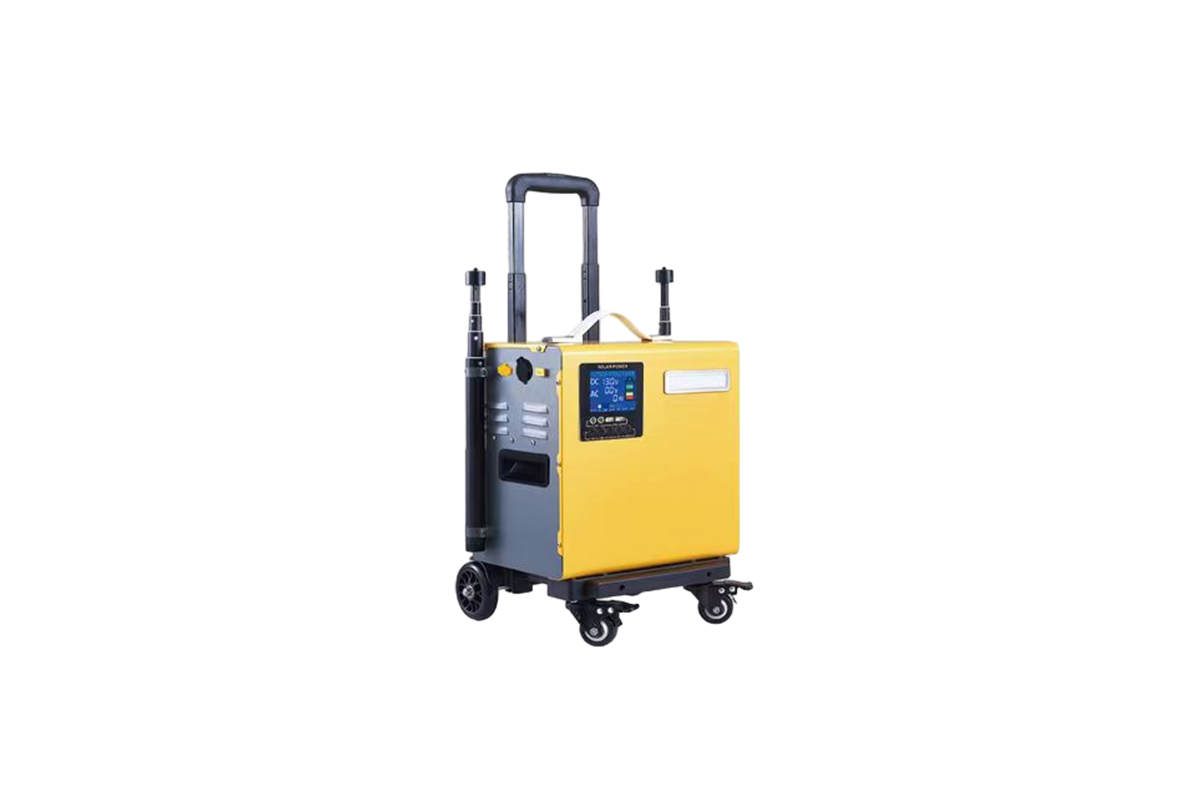
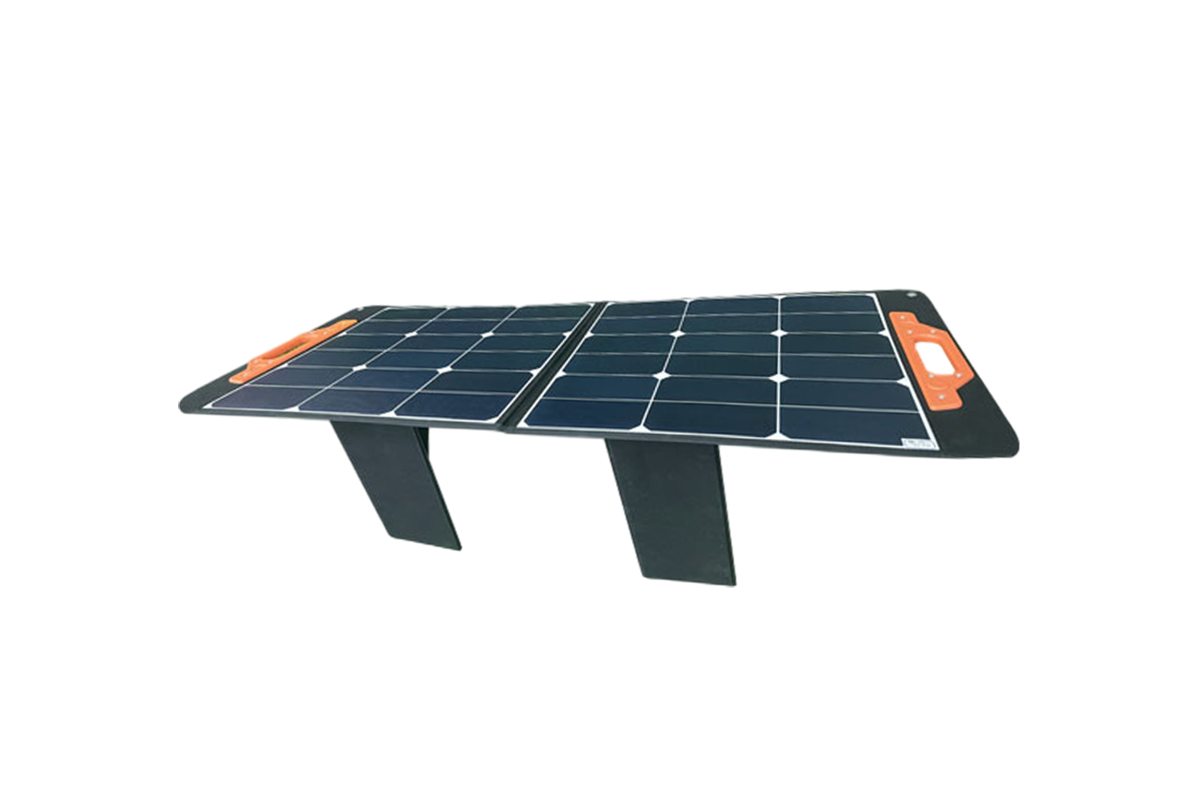
35–45 units of 350W portable PV panels (12.25–15.75kW input) + 2–3 sets of 20.48kWh modular battery packs (40.96–61.44kWh storage, easy to transport) + 20kW compact off-grid inverter (lightweight, suitable for mobile setups) + solar charge controller with USB ports (for small device charging).
Key Advantages:
Rapid deployment (installable in 1–2 days, no grid infrastructure needed).
Modular design (scales up/down based on team size; e.g., adding 1 battery pack for 5 more researchers).
Quiet operation (no generator noise, ideal for wildlife research or residential construction camps).
1.4 Emergency Disaster Zones (Post-Earthquake, Flood Relief Camps)
Typical Loads: Medical equipment (oxygen concentrators, small defibrillators), emergency lighting, communication radios, and water pumps.
System Configuration:
50–60 units of 350W foldable PV panels (17.5–21kW input, quick to unpack) + 4–5 sets of 20.48kWh high-cycle LFP battery packs (81.92–102.4kWh storage, resistant to vibration) + 20kW off-grid inverter (plug-and-play, no complex wiring) + 10kW backup generator (for 24/7 medical load support).
Key Advantages:
Lifesaving power for medical facilities (avoids power outages during critical treatments).
Weather-resistant (PV panels and batteries with IP67 rating, withstands rain/floods).
No fuel delivery delays (reduces reliance on diesel shipments to disaster-stricken areas).
2. Off-Grid System Composition & Key Component Roles
Unlike grid-tied systems, off-grid setups require full energy self-sufficiency, so component selection focuses on storage capacity, load compatibility, and backup integration:
PV Array: Provides primary energy input — monocrystalline panels (≥22% efficiency) are preferred for off-grid use (maximizes energy capture in limited space).
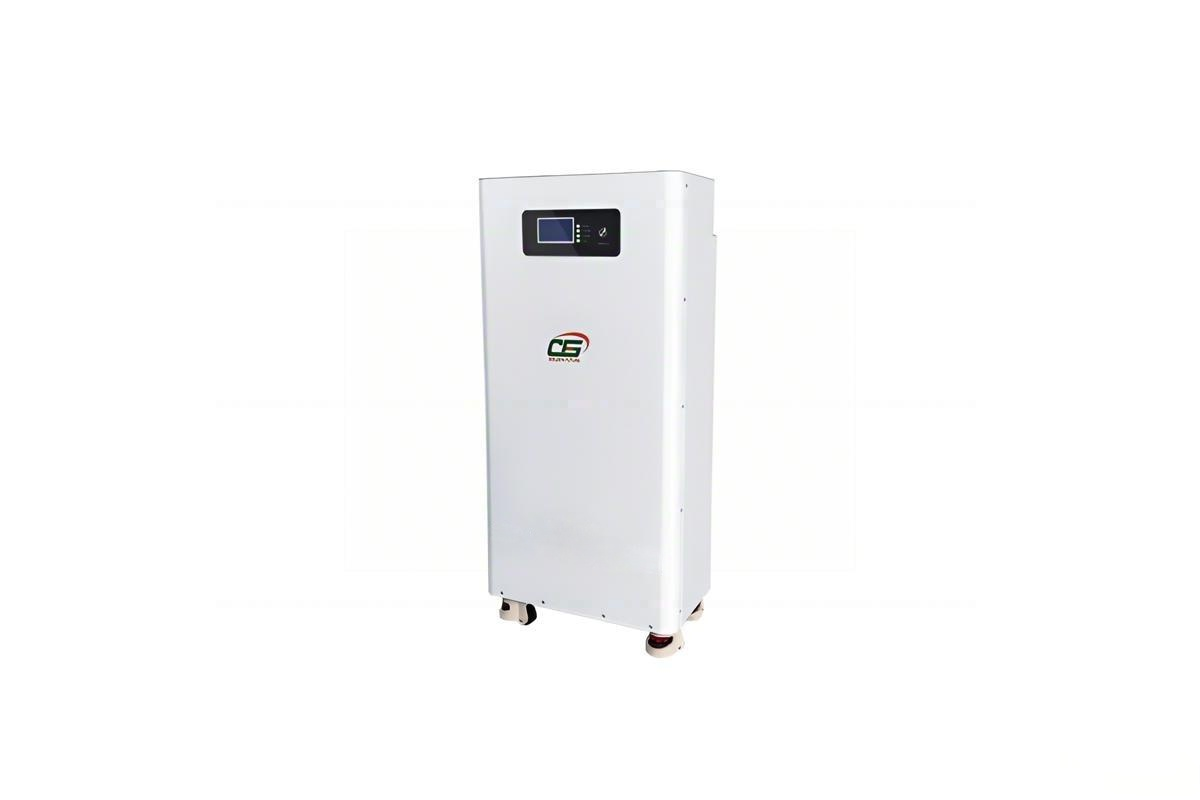
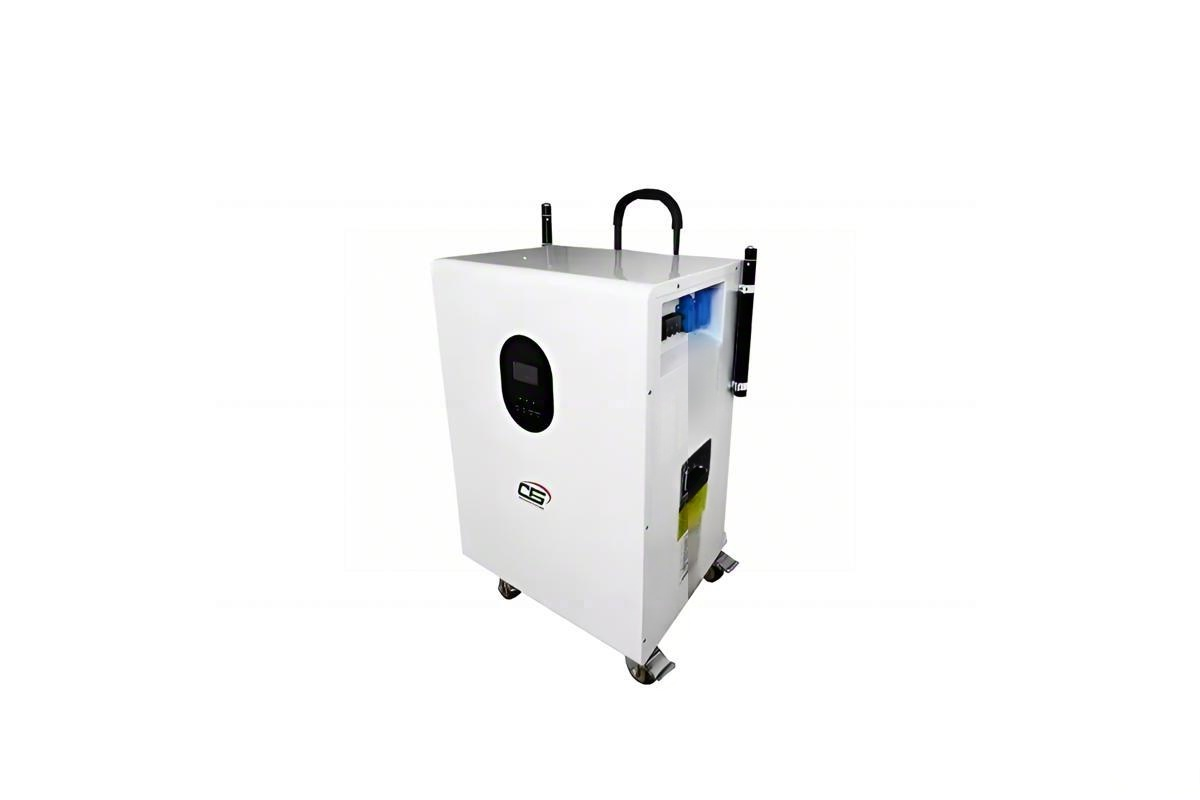
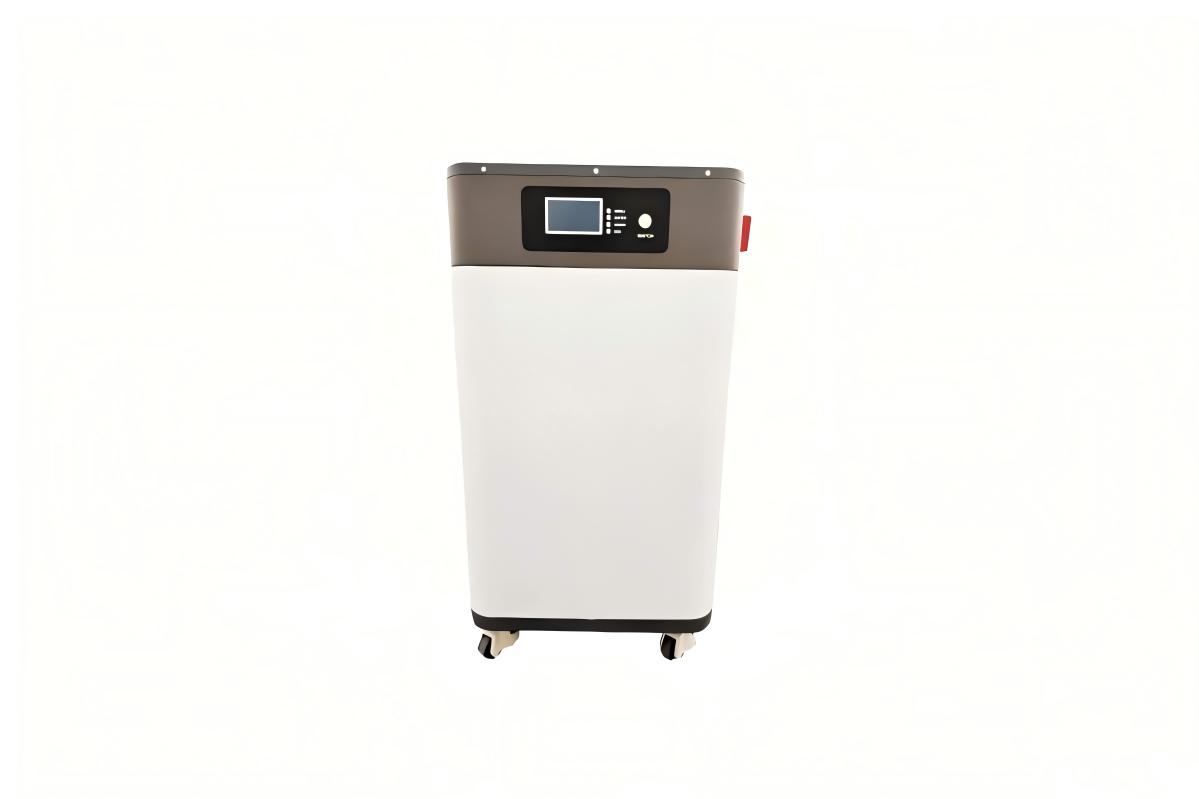
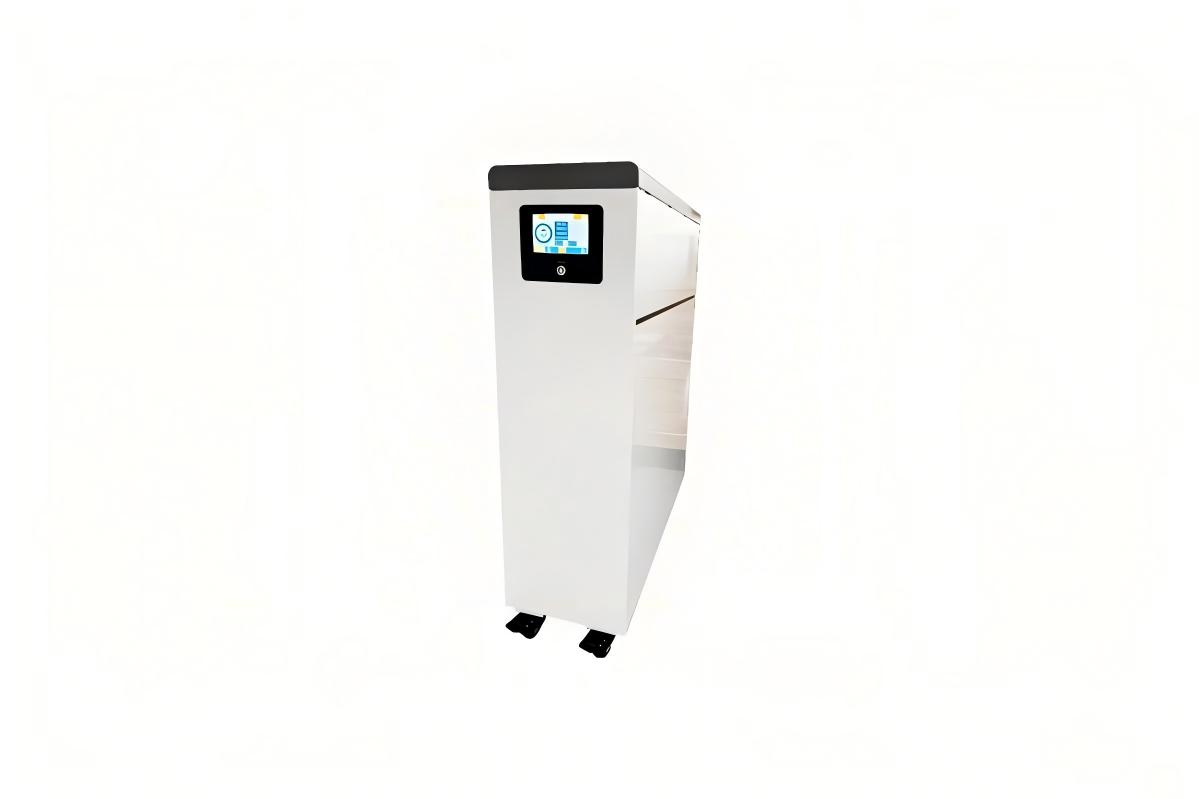
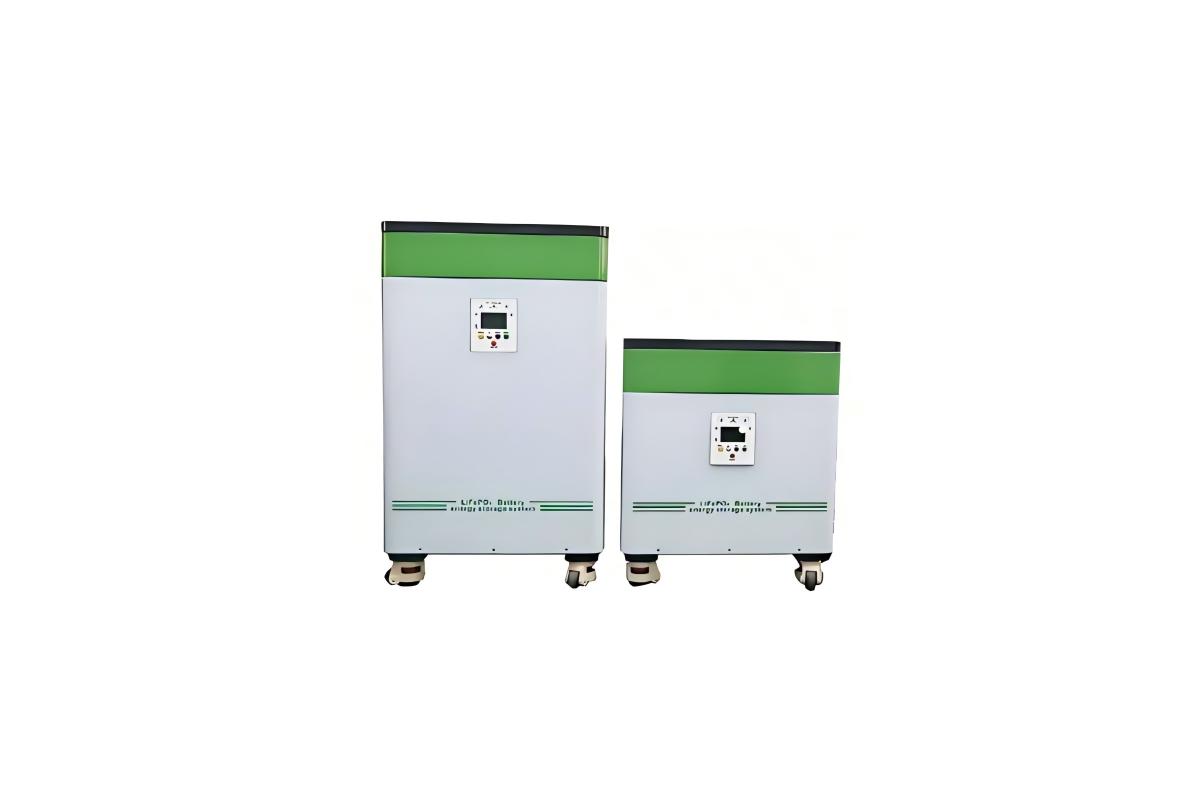
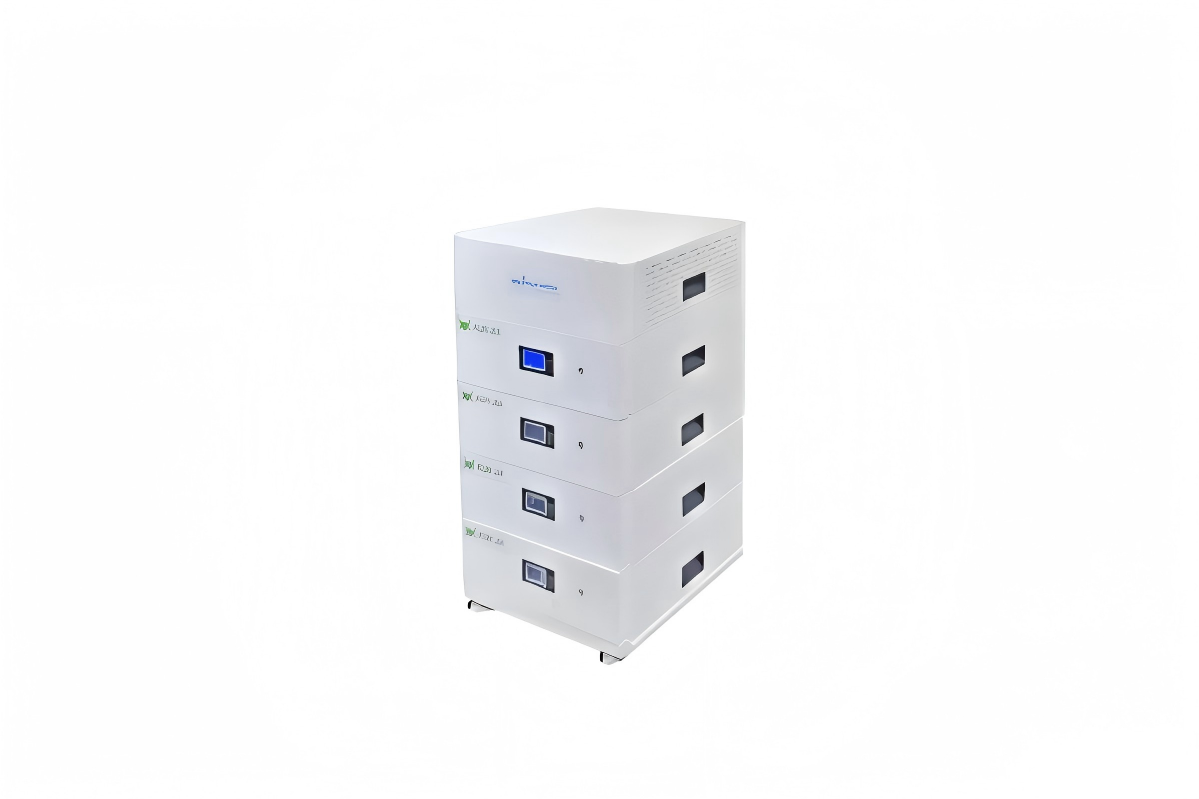
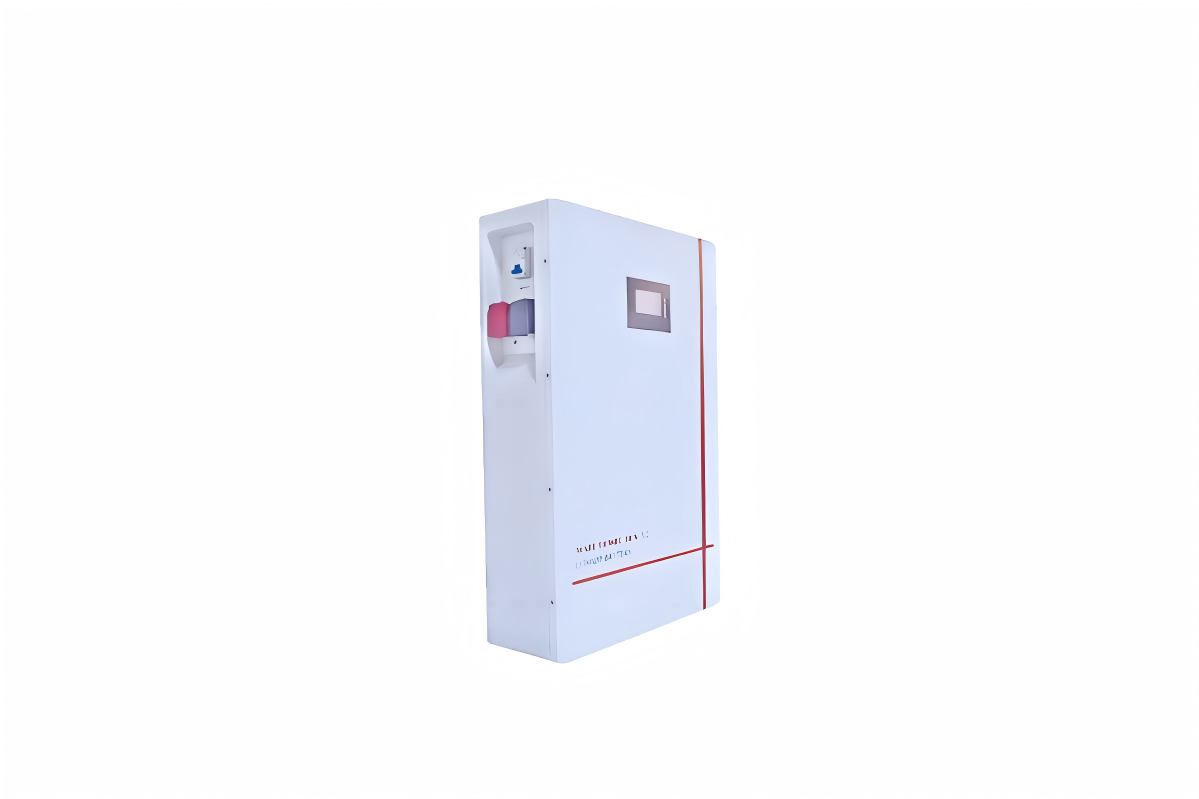
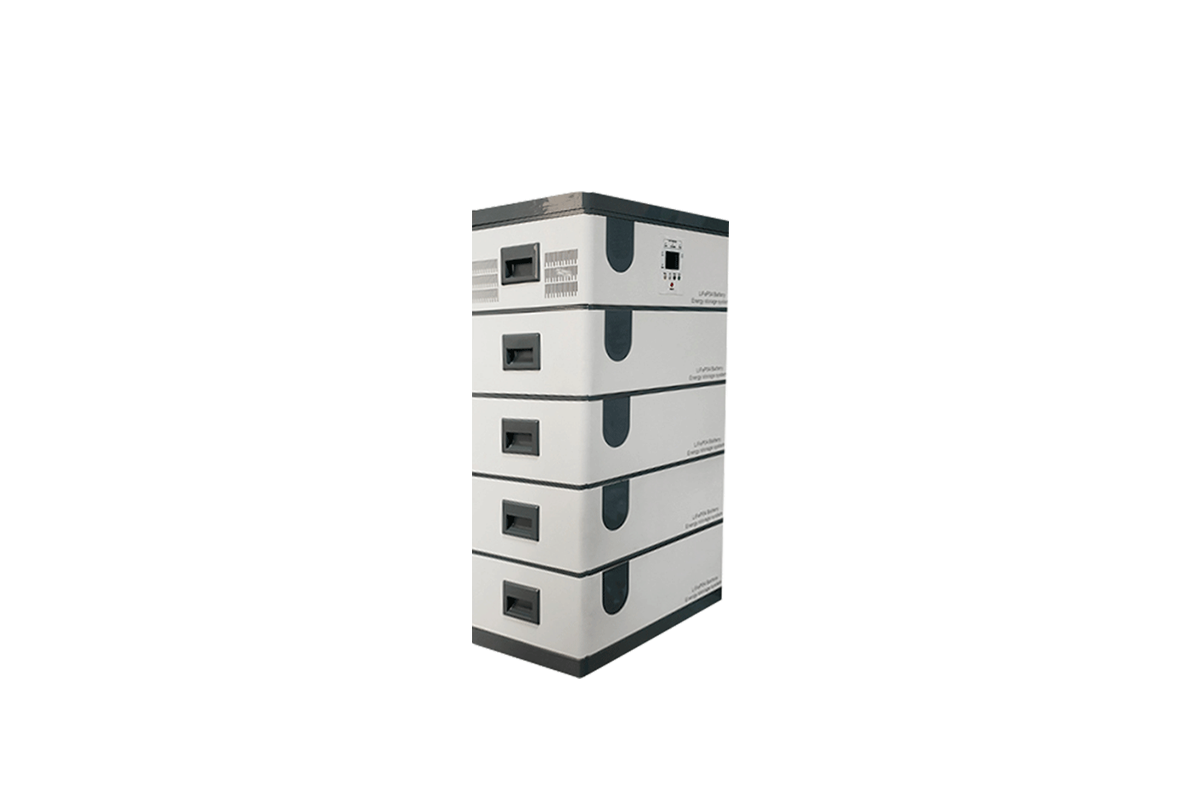
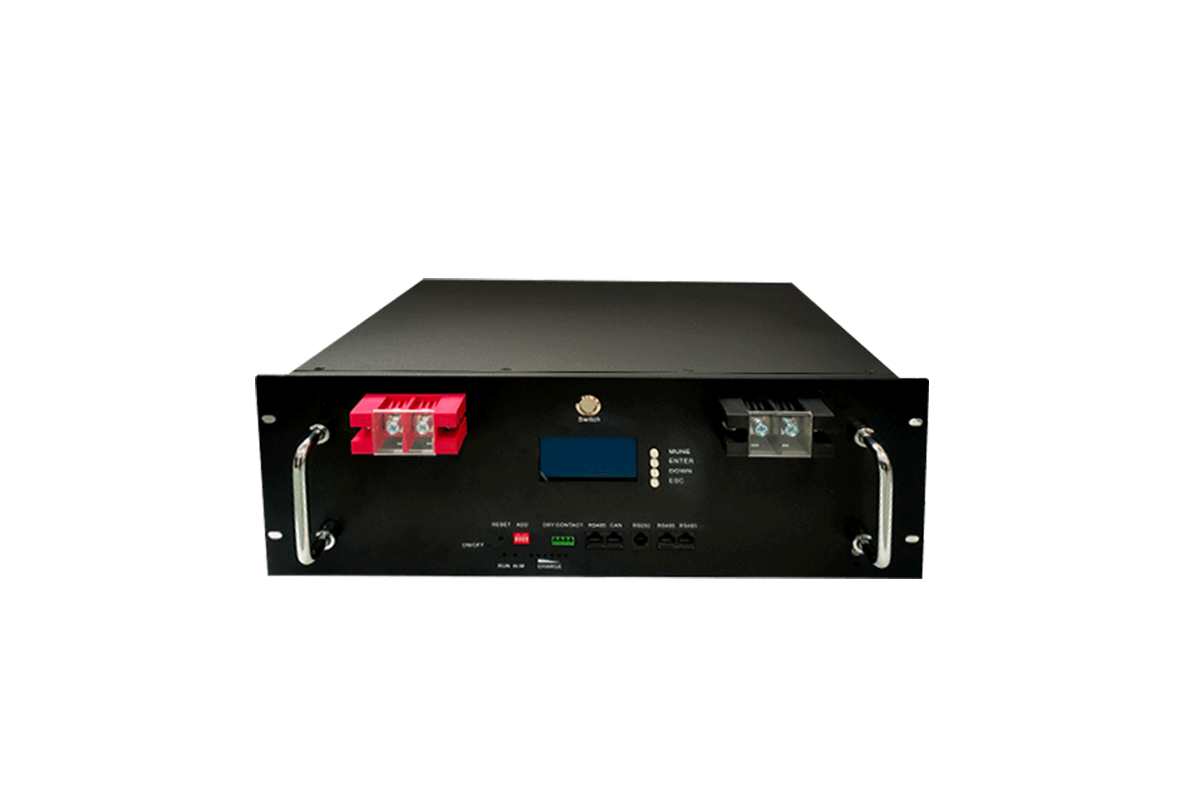
20kW LFP Battery Packs: Core energy storage — parallel-connected to meet daily demand + backup for cloudy days (LFP is ideal due to 6,000+ cycles at 80% DOD, avoiding frequent replacements).
Off-Grid Inverter: Converts DC power (from PV/batteries) to AC power for loads — must support pure sine wave output (compatible with medical/electronic devices) and auto-switching to backup generators.
MPPT Charge Controller: Regulates PV power to charge batteries efficiently (≥98% conversion efficiency) — prevents overcharging (critical for off-grid batteries, which lack grid backup to absorb excess power).
Backup Generator: Acts as a safety net — auto-activates when battery SOC < 20% (diesel or propane models; sized to match system load, e.g., 10–15kW for 20kW systems).
Battery Management System (BMS): Monitors cell voltage, temperature, and SOC — prevents deep discharge (≤20% SOC) and overheating (critical for off-grid reliability, as no grid can compensate for battery failure).
3. Critical Performance Requirements for Off-Grid Use
Off-grid systems operate without grid support, so performance standards are stricter than grid-tied setups:
Adequate Energy Storage: Battery capacity must cover daily energy consumption + 2–5 days of backup (for cloudy weather). Example: A rural home using 40kWh/day needs 80–200kWh storage (4–10×20.48kWh packs).
High Cycle Life: Batteries must withstand frequent charge-discharge cycles (off-grid batteries are used daily, vs. grid-tied batteries used only for peak shaving) — minimum 6,000 cycles at 80% DOD.
Wide Temperature Tolerance: Operable in -25℃~55℃ (remote areas often have extreme temperatures) — batteries with built-in heating films (for cold climates) and passive cooling (for hot regions) are required.
Inverter Overload Capacity: Supports 120–150% overload for 10–30 seconds (handles startup spikes from pumps or machinery — critical for off-grid loads with high initial power demand).
System Efficiency: ≥85% overall efficiency (PV → battery → load) — off-grid systems have no grid to offset energy losses, so every kWh captured must be used efficiently.
4. Off-Grid System Sizing & Environmental Adaptation
Sizing Logic: Calculated based on daily energy demand, local solar irradiance, and backup days:
Step 1: Determine daily load (e.g., 50kWh/day for a small mining camp).
Step 2: Account for backup days (3 days of cloudy weather → 50kWh × 3 = 150kWh storage needed → 7×20.48kWh battery packs).
Step 3: Size PV array to cover daily load + battery recharge (e.g., 50kWh/day load + 50kWh/day to recharge batteries → 100kWh daily PV output. With 4kWh/m² daily irradiance, 25kW PV array = 72×350W panels).
Environmental Adaptation:
Waterproofing: PV panels (IP67), batteries (IP65/IP67), and inverters (IP65) — critical for outdoor off-grid installations (e.g., flood-prone disaster zones or rainy rural areas).
Corrosion Resistance: Battery frames and PV mounting brackets made of aluminum or galvanized steel — prevents rust in coastal or humid regions (e.g., offshore oil rigs).
Dust Protection: Inverter vents with HEPA filters — reduces dust buildup in arid mining areas (avoids overheating).
5. Off-Grid System Purchase Decision Factors
Energy Redundancy: Prioritize systems with 20–30% extra battery capacity (e.g., 150kWh needed → 180kWh installed) — compensates for unexpected load increases or longer cloudy periods.
Backup Generator Compatibility: Ensure the inverter can auto-switch to a backup generator (≤10-second delay) — avoids load downtime during extended bad weather.
Local Technical Support: Select suppliers with regional service teams — off-grid sites are remote, so on-site maintenance within 72 hours is critical (avoids prolonged outages).
Total Cost of Ownership (TCO): Compare lifetime costs, not just upfront prices — LFP batteries cost more initially but last 3× longer than gel batteries (reducing replacement costs over 10 years).
Environmental Certifications: Look for IEC 62619 (battery safety) and IEC 61727 (PV system efficiency) — ensures reliability in harsh off-grid conditions.
6. Off-Grid System Maintenance Protocols
Off-grid systems require proactive maintenance (no grid backup to mask issues):
Regular Inspections:
Weekly: Check battery SOC (via BMS) — ensure it stays above 20% (avoid deep discharge).
Monthly: Clean PV panels (remove dust, leaves, or snow) — restores 5–15% efficiency (critical in dusty mining areas).
Quarterly: Test backup generator (run for 30 minutes) — prevents fuel degradation or engine seizure (common in rarely used generators).
Battery Care:
Annually: Perform cell balancing (ensures uniform charge across battery modules) — extends battery life by 2–3 years.
Every 2 Years: Replace battery cooling fans/heating elements — maintains temperature control in extreme climates.
Inverter & Controller Maintenance:
Bi-annually: Inspect inverter wiring (tighten loose connections) — prevents arcing (a major cause of off-grid system failures).
Annually: Calibrate MPPT charge controller — ensures maximum PV energy capture (efficiency drops by 1–2% yearly without calibration).
Emergency Preparedness:
Stock spare parts (e.g., fuses, PV fuses, small battery modules) — reduces downtime if components fail.
Train on-site staff to perform basic troubleshooting (e.g., resetting the inverter or starting the backup generator) — critical for remote sites with delayed service.




 59911926@qq.com/sales@goldenfuturehk.com
 13316809242 / 15816897019
 Inquiry
 Home >