





Time:2025-10-22 Views:1
I. Overall System Architecture and Core Positioning
The 20kW solar cell energy storage system is centered around the principles of "efficient power generation - reliable energy storage - stable energy supply." It's compatible with both off-grid and grid-connected applications, meeting the needs of industrial auxiliary power supply, remote residential electricity needs, and emergency backup power. Its core goal is to maximize solar resource utilization while buffering load fluctuations through energy storage and extending battery cycle life (referring to the lithium iron phosphate standard of 4,000 cycles or more).
Off-grid architecture: PV array → DC/DC controller (MPPT) → energy storage battery pack → off-grid inverter → AC load, with a diesel generator serving as an emergency backup unit to ensure continuous power supply during periods of low sunlight.
Grid-connected architecture: PV array → grid-connected inverter → grid/energy storage battery pack, supporting "peak-valley arbitrage" (charging during valley hours and discharging during peak hours) and offering off-grid failover (switching to battery power within 0.1 seconds in the event of a grid failure).
II. Core Component Selection and Parameter Matching
1. PV Modules: The Foundation of Efficient Power Generation
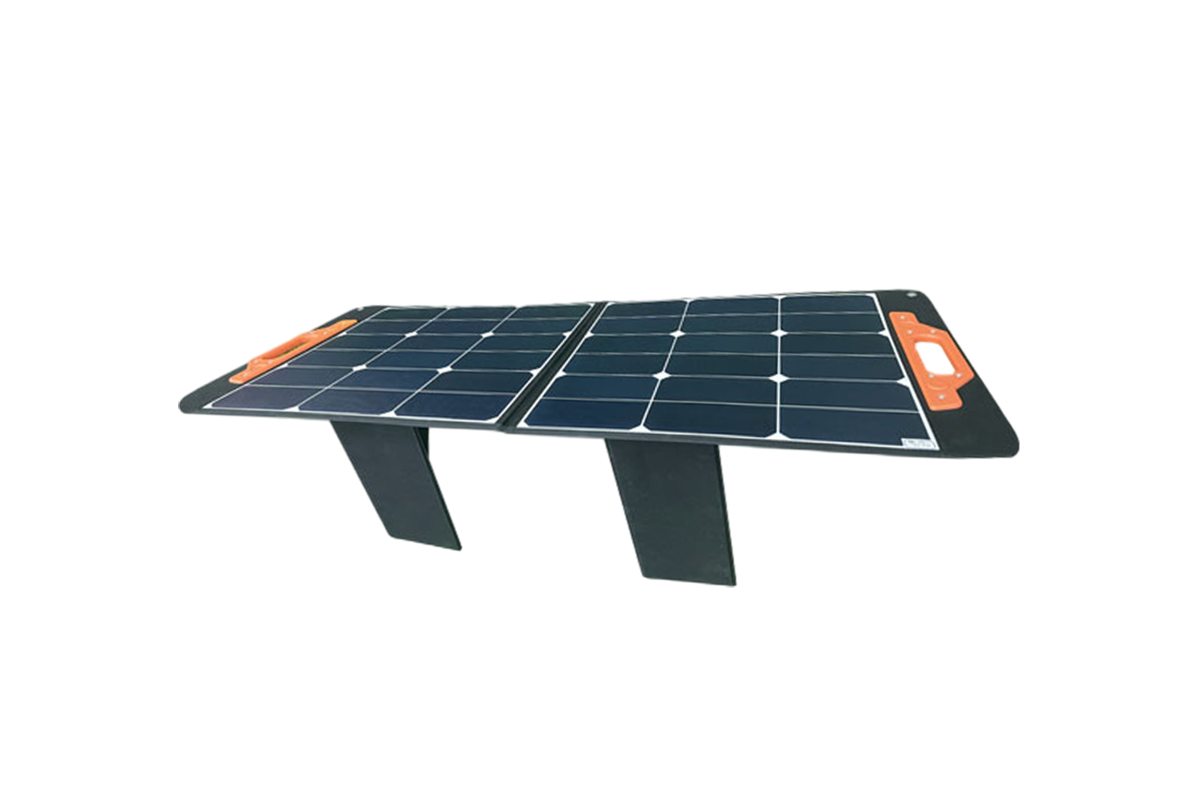
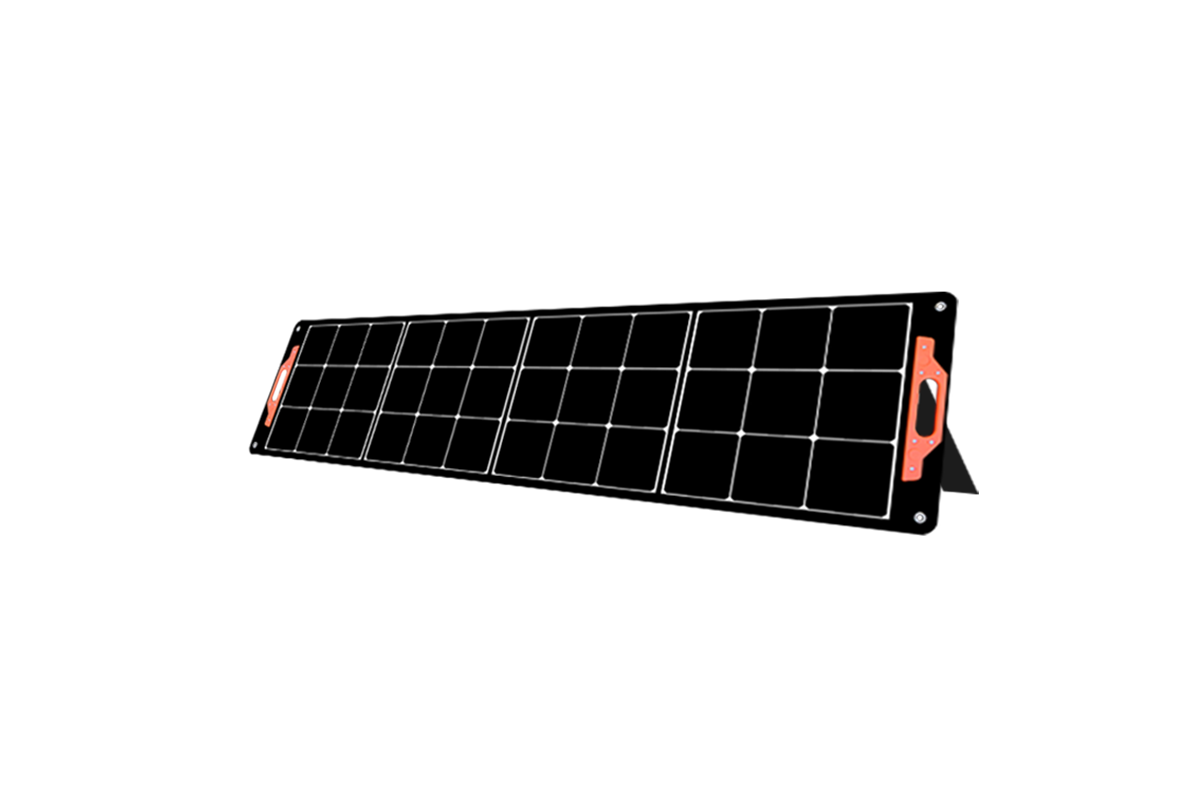
Prioritize monocrystalline silicon modules (conversion efficiency ≥ 23%), balancing power generation and installation space. A typical configuration consists of 40 550W modules (total power 22kW, compensating for system losses). Key parameters must be met:
Operating temperature range: -40°C to 85°C, wind load resistance ≥ 2400Pa, snow load resistance ≥ 5400Pa, suitable for complex outdoor environments;
Weak light response: At irradiance of 200W/㎡, power generation efficiency remains above 80% of the rated value, improving power generation in the early morning and evening hours;
Warranty: 10-year product warranty, 25-year power degradation guarantee (annual degradation rate ≤ 0.7%), matching the battery life (10 years+).
2. Energy Storage Battery Pack: Core Energy Storage Unit
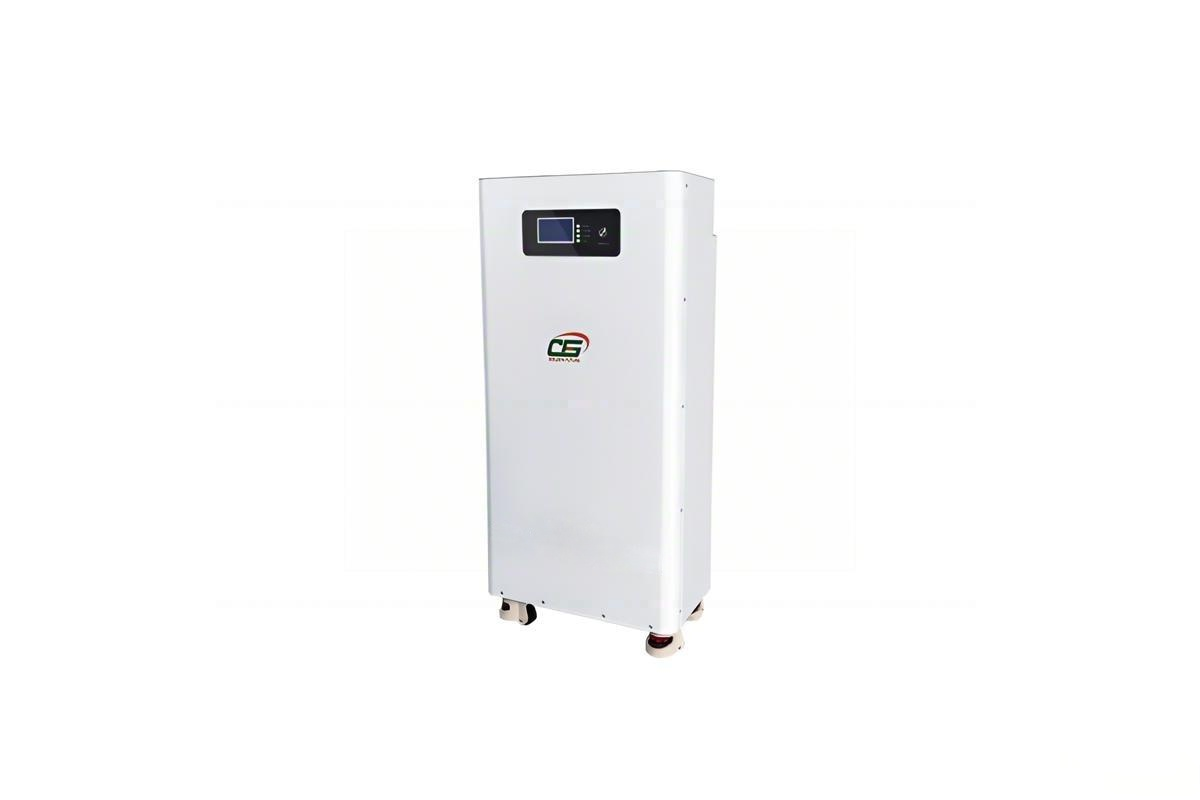
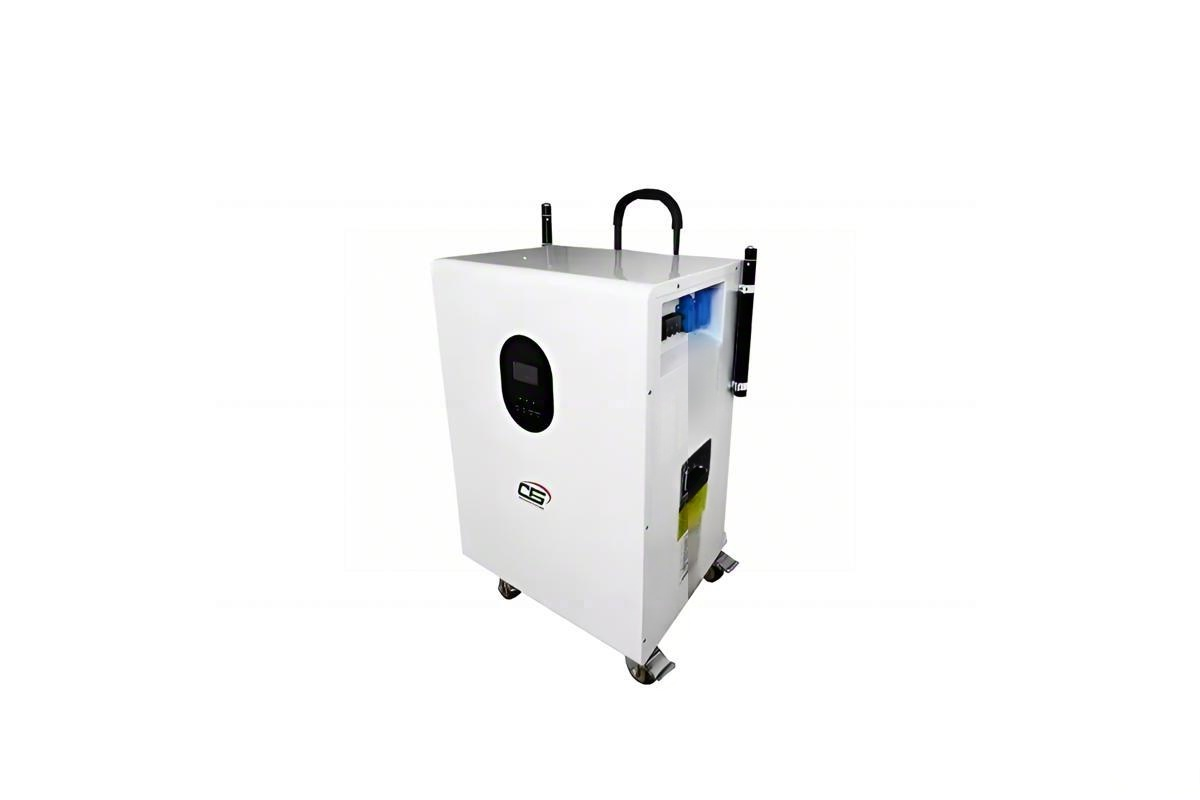
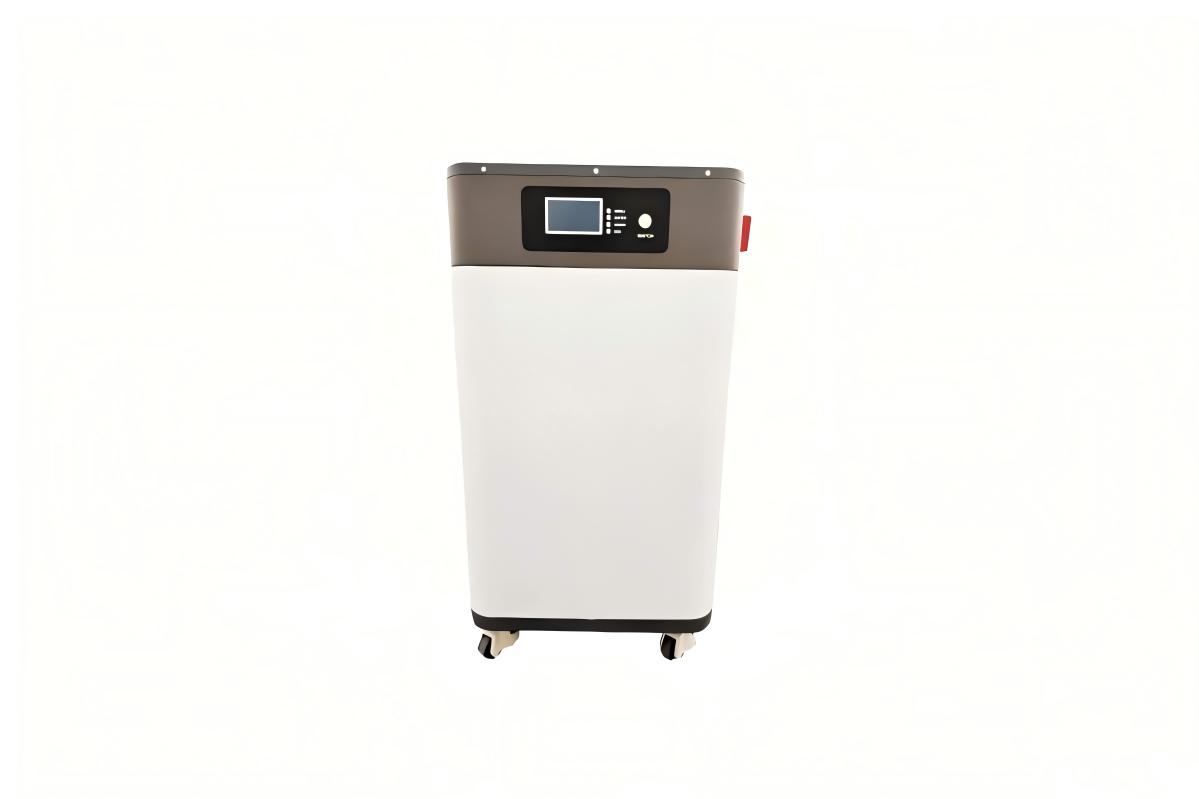
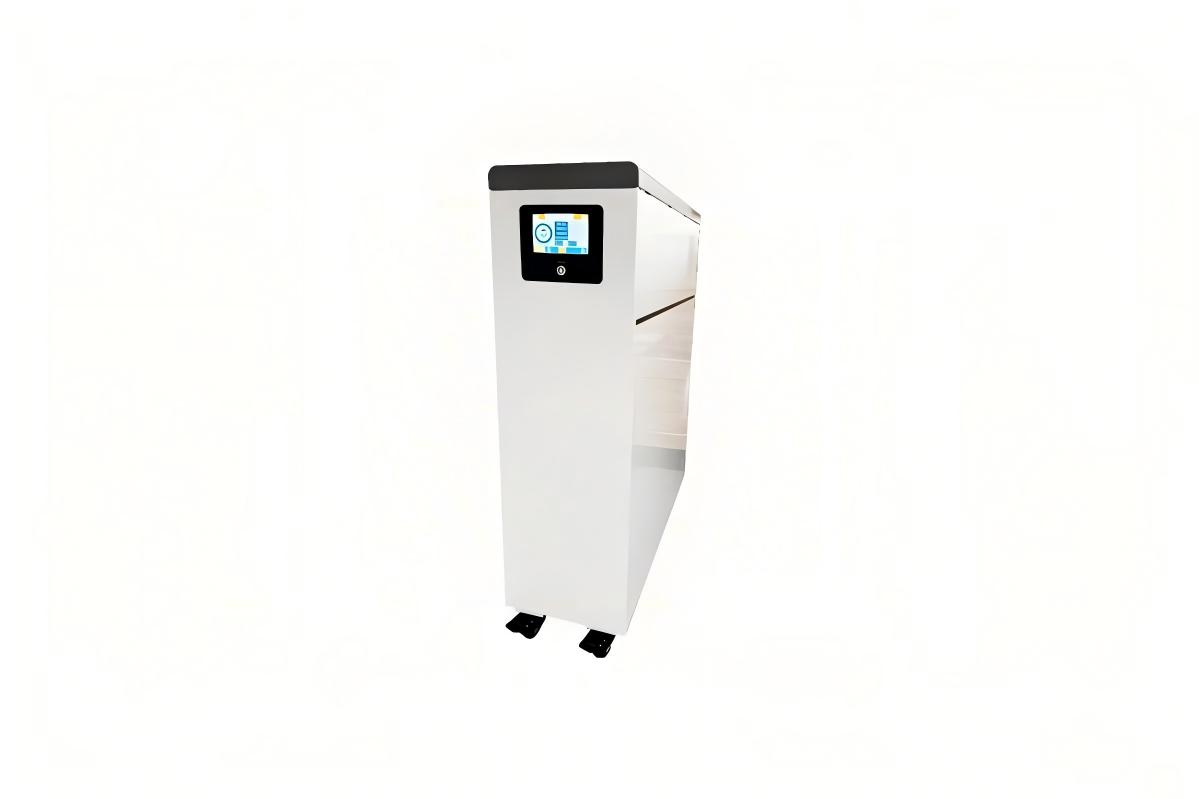
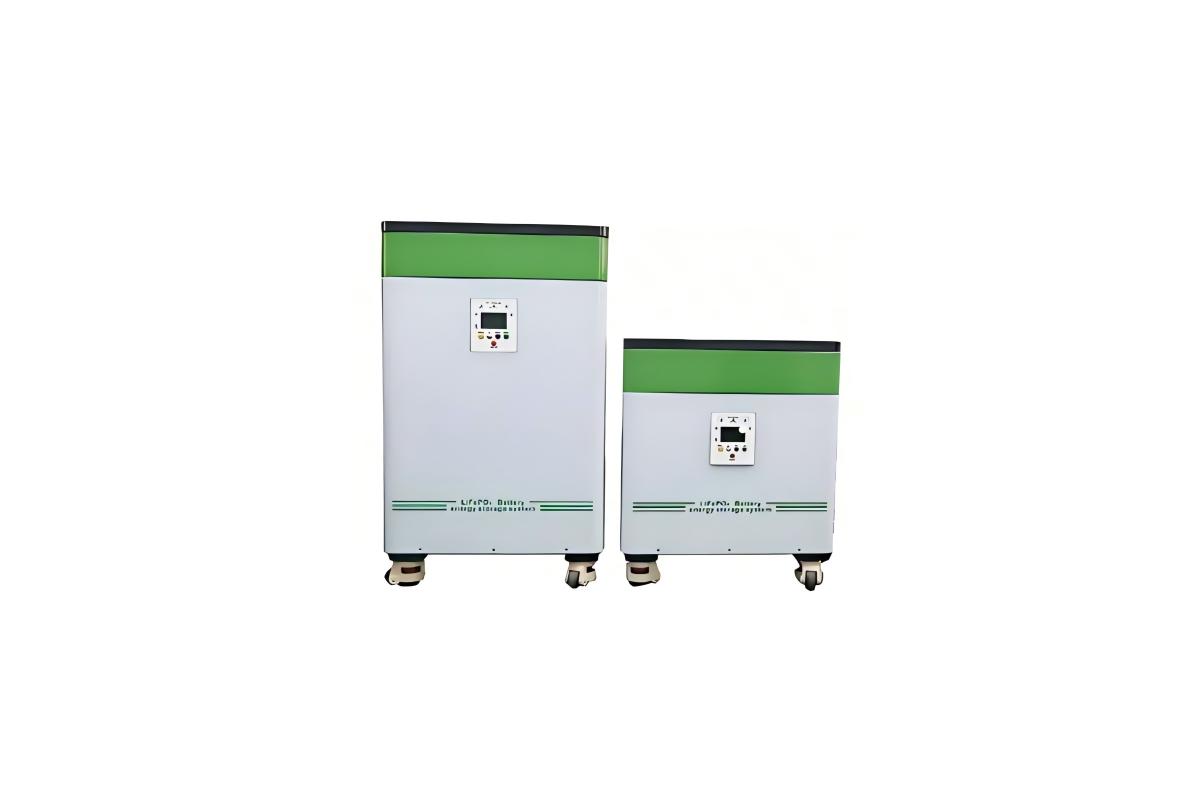
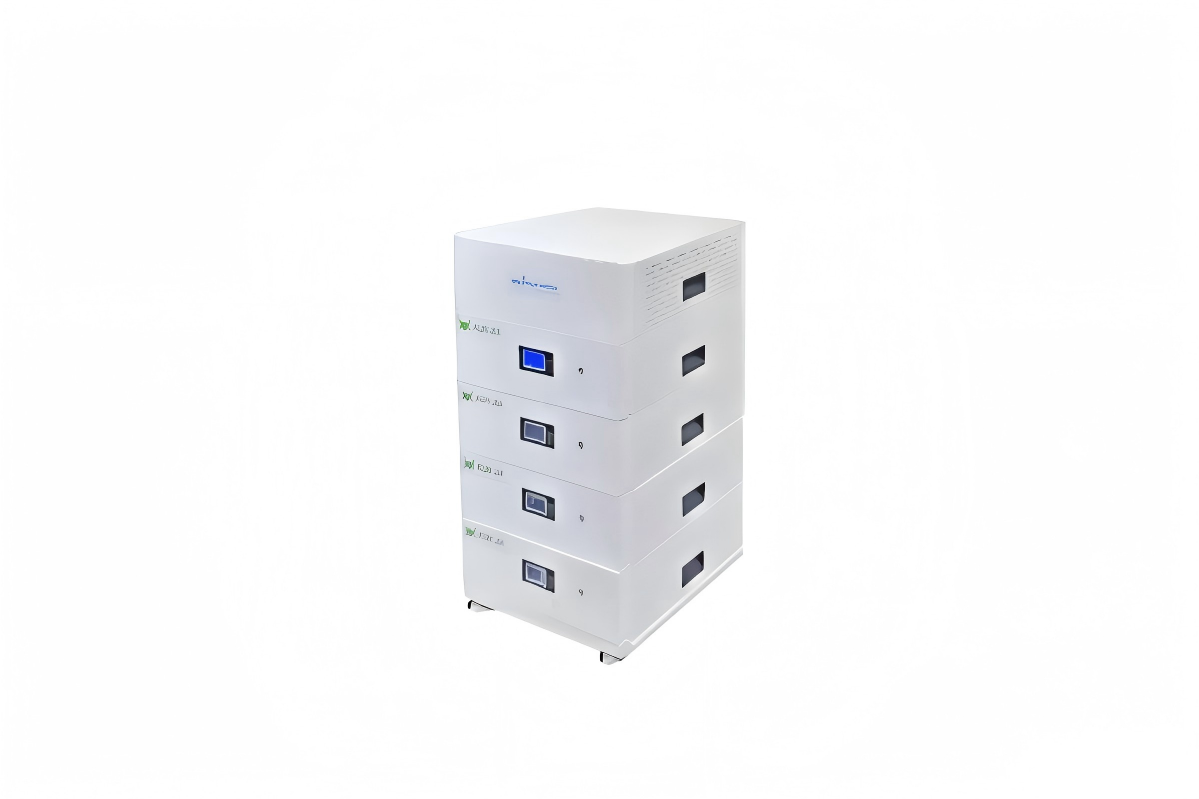
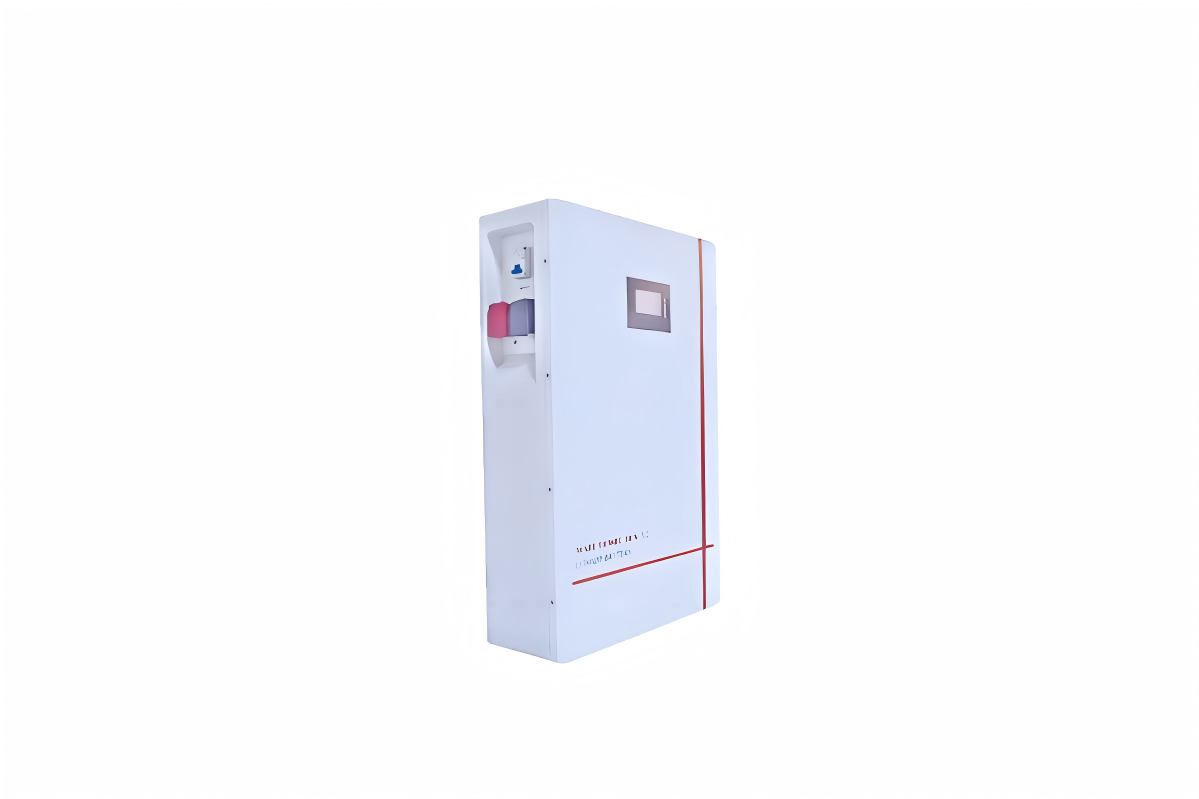
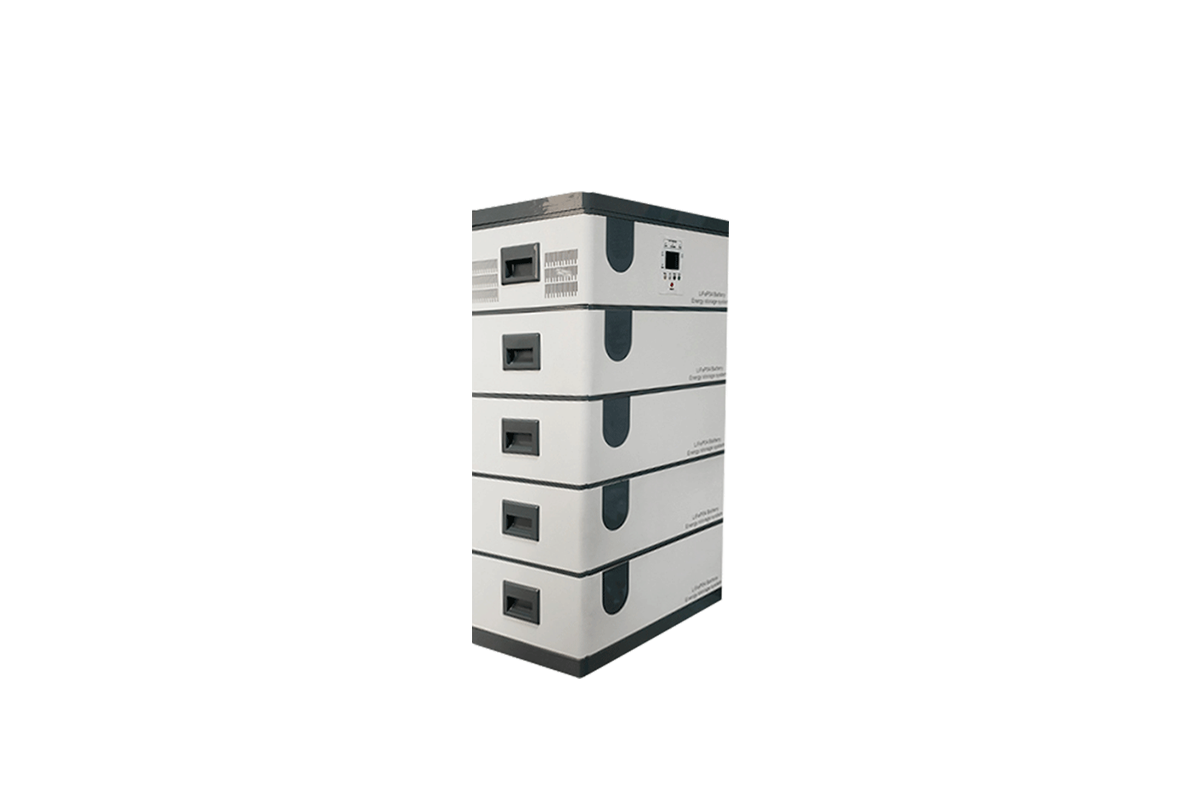
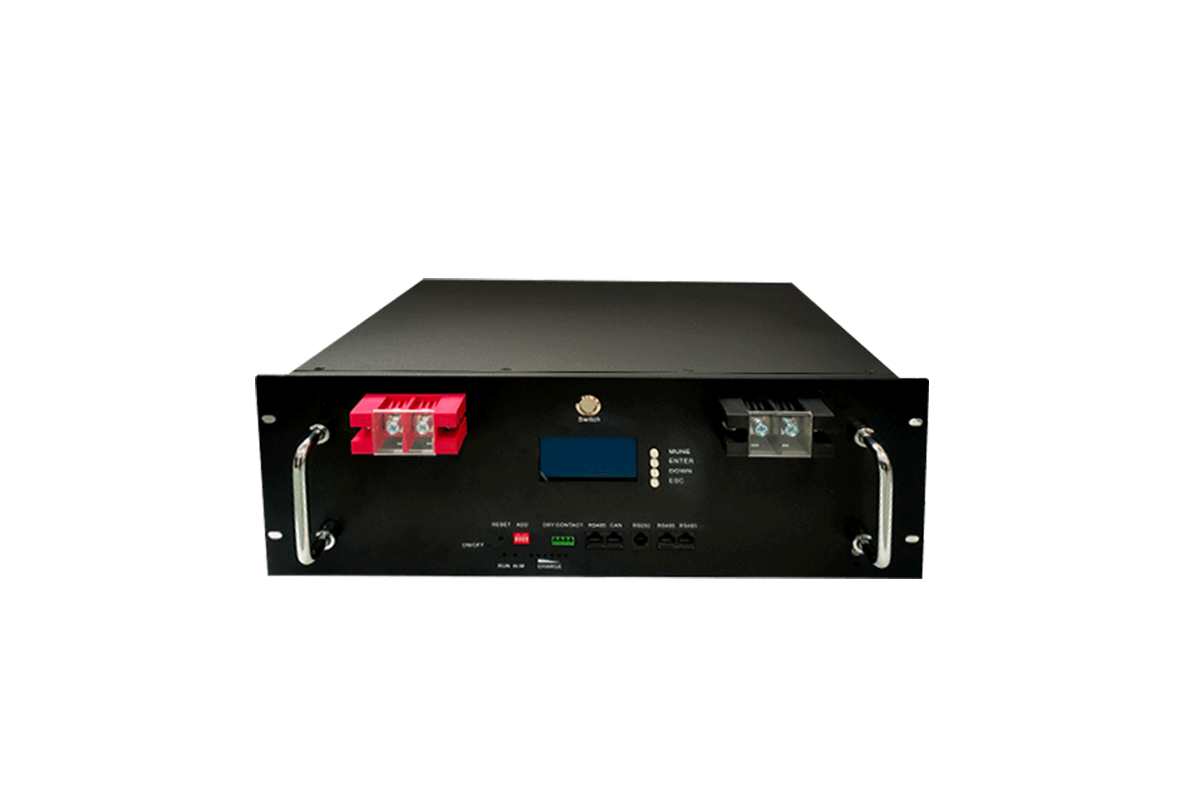
Automotive-grade lithium iron phosphate batteries are preferred (safety and cycle life are superior to lead-acid batteries). The typical configuration is a 48V 3000Ah battery pack (total capacity 144kWh, with 20% redundancy reserved to meet the actual demand of 150kWh). Key parameters:
Cycle life: ≥3000 cycles at 80% depth of discharge (DoD), with an average of 1 charge and discharge cycle per day, which can meet over 8 years of use; ≥5000 cycles at 50% DoD, extending the lifespan to 13 years;
Charge and discharge rate: Normal charge rate 0.2C-0.5C (60A-150A), peak discharge rate 1C (300A), supporting short-term high loads (such as starting a 5kW motor);
Temperature adaptability: Operating temperature 5°C to 35°C (optimal), -20°C to 60°C (extreme). A heating module is required for low-temperature environments (activates at -10°C, heating power 500W).
3. Inverter: The Core of Energy Conversion
Based on the architecture, select a 20kW power frequency isolated inverter for off-grid scenarios and a 20kW bidirectional grid-connected inverter for grid-connected scenarios. Key parameters must match the battery and PV panels:
Off-grid inverter: DC input voltage 40V-58.8V (covering the battery operating range), AC output 220V single-phase / 380V three-phase, peak power 40kW (supports starting at 3x load), conversion efficiency ≥93%, built-in MPPT controller (tracking efficiency ≥99%);
Grid-connected inverter: Bidirectional conversion efficiency ≥94% (charge/discharge mode), support for grid dispatch signal access, configurable charge and discharge time periods (e.g., charging during off-peak hours from 22:00-6:00 AM and discharging during peak hours from 8:00 AM to 10:00 PM), and overvoltage, overcurrent, and islanding protection functions (compliant with GB/T 34120-2017).
4. Auxiliary Systems: Ensuring Stable Operation
BMS (Battery Management System): Supports 5A active current balancing, ensuring a voltage difference of ≤0.03V between series cells (after 100 cycles). Real-time monitoring of battery State of Charge (SOC), temperature, and voltage triggers overvoltage (58.8V), undervoltage (40V), and overtemperature (45°C) protection.
Thermal Management System: Air cooling (activates when ambient temperature >40°C, wind speed ≥2m/s) or liquid cooling (in high-power scenarios, heat exchange efficiency ≥80W/(m²・K)) controls battery temperature difference to ≤5°C to prevent local overheating and accelerated degradation.
Power Distribution and Monitoring: Equipped with a DC combiner box (with 16A fuses for each PV module), an AC distribution cabinet (including a 250A main switch), and a remote monitoring module (using a mobile app to view power generation, SOC, and fault alarms, with a data refresh interval of ≤10 seconds).
III. Scenario-Specific System Configuration Solutions
1. Industrial/Commercial Scenarios (e.g., logistics warehouses, small factories)
Core Requirements: Adaptable to three-phase industrial loads (e.g., motors, air conditioners) to reduce peak electricity costs.
System Configuration: 22kW monocrystalline silicon PV array + 48V 3000Ah lithium iron phosphate battery pack + 20kW bidirectional grid-tied inverter (380V three-phase output) + liquid cooling system.
Functional Optimization: Configurable "peak-valley charge and discharge strategy" (0.2C charging during valley periods, 0.5C discharging during peak periods), coupled with a 15kW diesel generator (automatically starts when battery SOC <20%), to ensure uninterrupted production.
Performance Targets: Daily power generation ≥ 60kWh (Shanghai area), annual electricity savings from peak-valley arbitrage ≥ 30,000 RMB, battery cycle life ≥ 3,000 cycles (80% DoD).
2. Remote Areas (e.g., mountainous villages, islands)
Core Requirements: Independent off-grid power supply, resistant to harsh environments such as sandstorms and heavy rain.
System Configuration: 22kW sandstorm-resistant PV panels (anti-reflection coating) + 48V 3500Ah lithium iron phosphate battery pack (total capacity 168kWh, 3-day backup) + 20kW off-grid inverter + air cooling system + lightning protection and grounding device.
Functional Optimization: PV panel tilt angle set to local latitude + 5° (increases winter power generation), battery cabinet protection level IP54 (for heavy rain), grounding resistance ≤ 4Ω (for lightning protection).
Performance: Continuous power supply ≥ 72 hours in the absence of sunlight, annual system failure rate ≤ 2%, battery discharge efficiency ≥ 85% at -10°C.
3. Emergency Backup Scenarios (e.g., medical sites, communication base stations)
Core Requirements: Rapid failover in the event of a grid failure to ensure power supply to sensitive loads (e.g., ventilators, communication equipment);
System Configuration: 22kW PV array + 48V 2500Ah lithium iron phosphate battery pack (total capacity 120kWh) + 20kW UPS-grade off-grid inverter (failover time <10ms) + remote monitoring system;
Functional Optimization: The battery supports 0.5C fast charging (full charge in 4 hours), the inverter prioritizes medical/communication loads (automatically disconnecting non-critical loads), and SMS alerts are sent to maintenance personnel in the event of a failure;
Performance Targets: 100% failover success rate after a grid outage, continuous backup power supply ≥48 hours, and battery cycle life ≥4000 cycles (60% DoD, with shallow charge and discharge cycles to extend life).
IV. System Lifespan Assurance and Operation and Maintenance Management
1. Key Measures for Lifespan Assurance
DoD Control: Set DoD thresholds (80% for industrial scenarios, 60% for emergency scenarios) through the BMS to avoid deep discharge (a DoD >80% shortens battery cycle life by 40%).
Temperature Management: Activate air cooling when the ambient temperature is >35°C, liquid cooling when >45°C, and the heating module when the temperature is <5°C, ensuring the battery operates within the 5°C-35°C range.
Charge and Discharge Strategy: Avoid frequent fast charging (>1C), prioritize PV charging (using MPPT to track maximum power generation), and reduce the frequency of grid/generator charging (to reduce battery polarization).
2. Full-Cycle Operation and Maintenance Plan
Daily Operation and Maintenance (once a week):
Clean the PV panel surface (remove dust and bird droppings to improve power generation efficiency);
Check the battery cabinet temperature (≤45°C) and cable connectors (no overheating, temperature <60°C);
Check the monitoring system (SOC, power generation, fault codes, to ensure there are no abnormalities).
Regular Operation and Maintenance (once every three months):
Calibrate BMS parameters (SOC deviation ≤5%) and replenish battery balancing (balance starts when cell voltage difference >0.05V);
Check the inverter cooling fan (no jamming) and PV mounting brackets (no looseness, bolt torque 25N·m);
Test the emergency switching function (off-grid/on-grid switching, generator start-up, to ensure normal response).
Annual Maintenance (once per year):
Inspect PV module power degradation (annual degradation rate ≤ 3%) and replace aging cables (insulation damage);
Battery capacity test (one charge/discharge cycle, capacity degradation ≤ 20% is acceptable);
Inverter output accuracy calibration (AC voltage deviation ≤ ±2%).
V. System Performance Indicators and Compliance Standards
Core Performance Indicators:
System Power Generation Efficiency: PV-to-battery charging efficiency ≥ 92%, battery-to-load discharging efficiency ≥ 90%;
Energy Storage Capacity: Rated 144kWh–168kWh (depending on configuration), actual usable capacity ≥ 80% (DoD threshold);
Reliability: Annual operating time ≥ 8760 hours, fault repair time ≤ 4 hours;
Compliance Standards:
Battery: Complies with GB/T 36276-2025 "Lithium-ion Batteries for Energy Storage";
Inverter: Complies with GB/T 34120-2017 "Technical Requirements for Energy Storage Converters for Electrochemical Energy Storage Systems";
System: Complies with GB/T 36547-2023 "Technical Requirements for Photovoltaic Energy Storage Systems for Household and Similar Purposes."




 59911926@qq.com/sales@goldenfuturehk.com
 13316809242 / 15816897019
 Inquiry
 Home >