





Time:2025-11-21 Views:1
A 13.2kVA hybrid solar energy system is a high-capacity energy solution tailored for large commercial spaces, industrial facilities, multi-family dwellings, and off-grid installations with substantial power demands. With a power output of 13.2 kilovolt-amperes (translating to roughly 10.5-12kW of usable AC power, based on inverter efficiency), this system delivers the performance needed to handle heavy loads, reduce reliance on grid electricity, and provide long-duration backup power during outages.
One of the defining features of the 13.2kVA hybrid system is its ability to support high-energy-consuming equipment. For commercial applications—such as medium-sized retail stores, hotels, or manufacturing units—it can power multiple large appliances simultaneously, including 3-4 ton air conditioners, commercial refrigerators, industrial pumps, and heavy-duty machinery. In multi-family dwellings (like apartment buildings or townhomes), it can supply electricity to common areas (e.g., elevators, lighting, and laundry facilities) while offsetting the energy usage of individual units. For off-grid settings—such as remote mining sites, large-scale farms, or disaster relief camps—it can serve as the primary power source, supporting critical operations like water treatment, communication systems, and medical equipment.
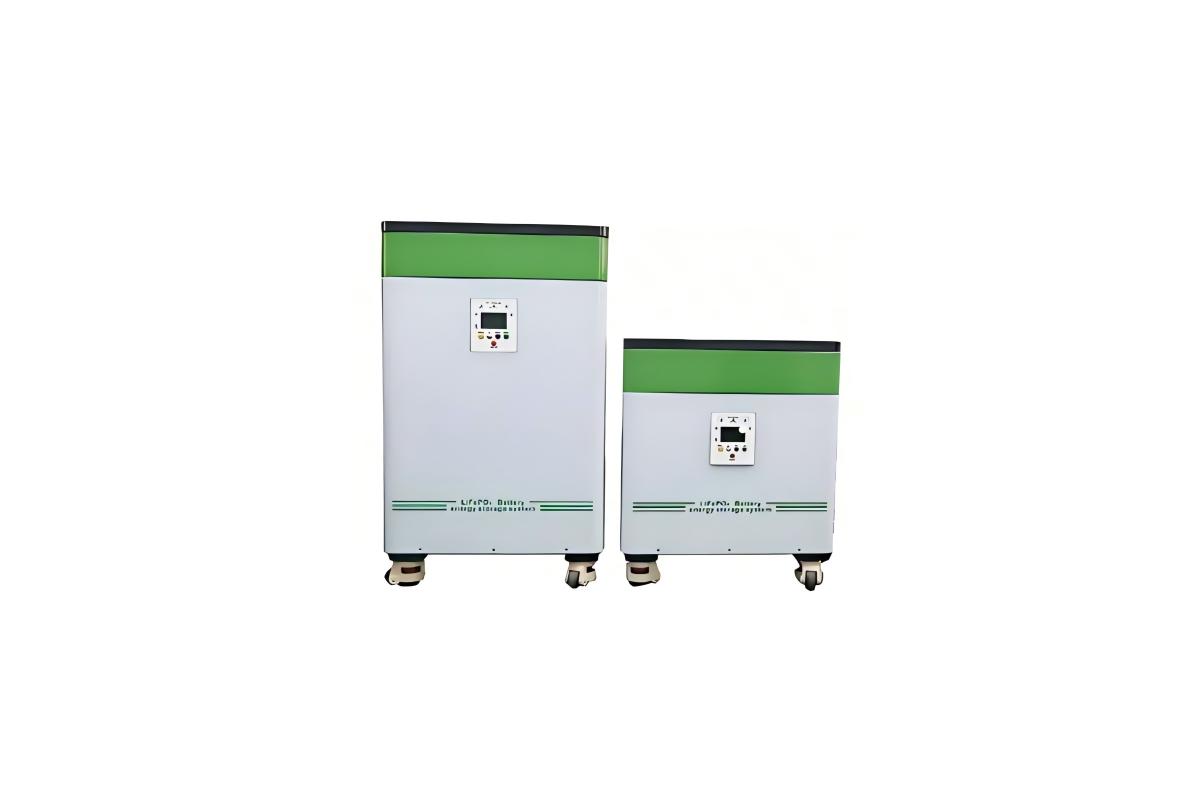
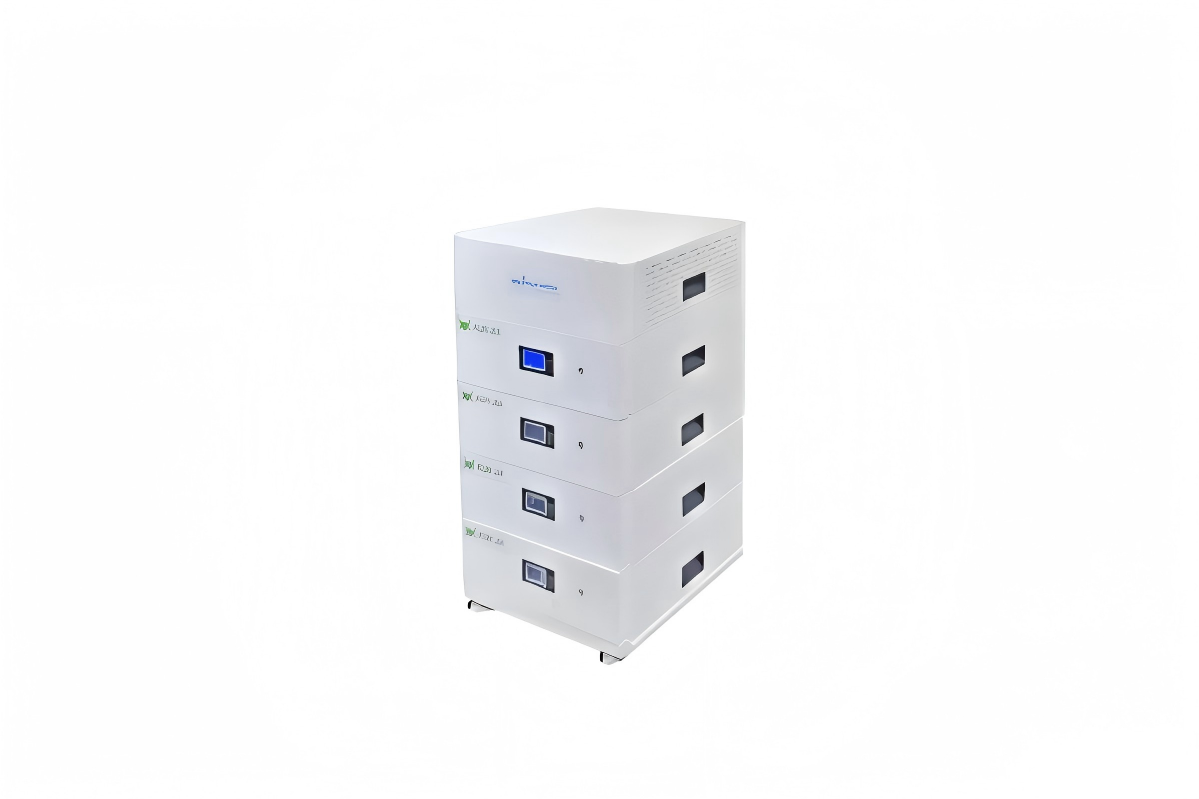
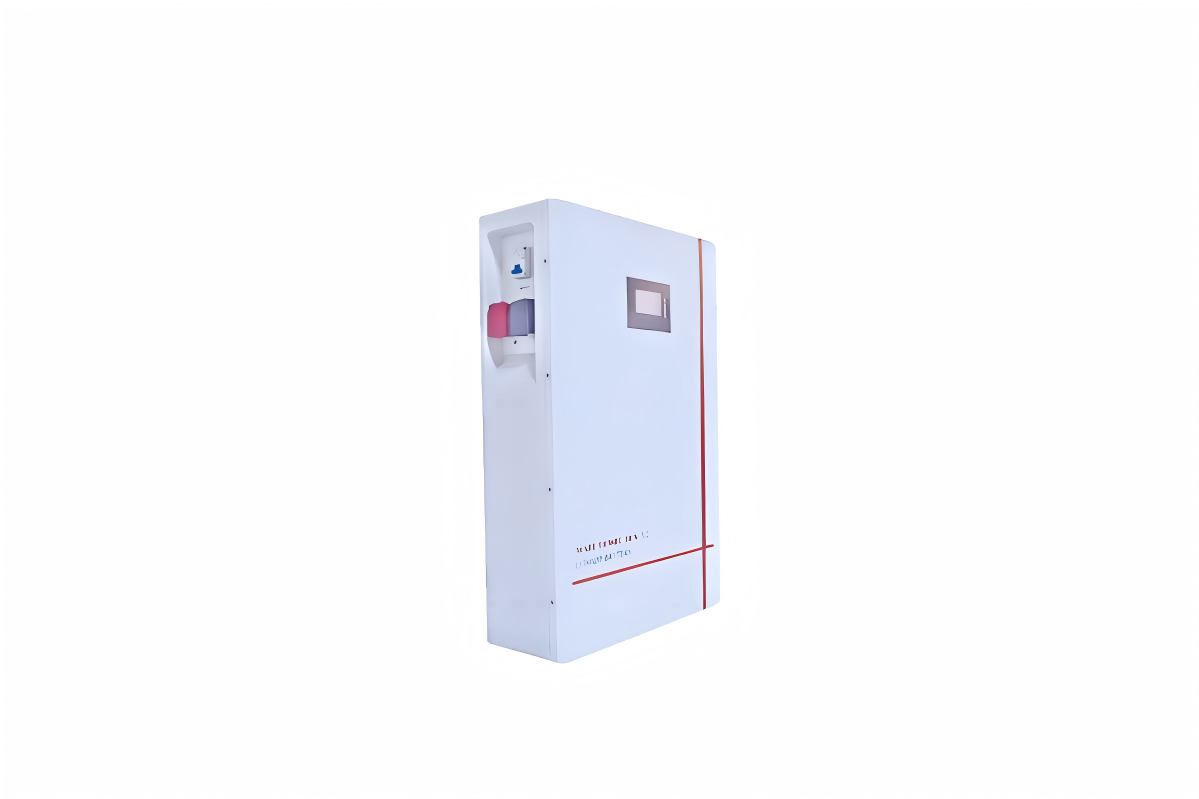
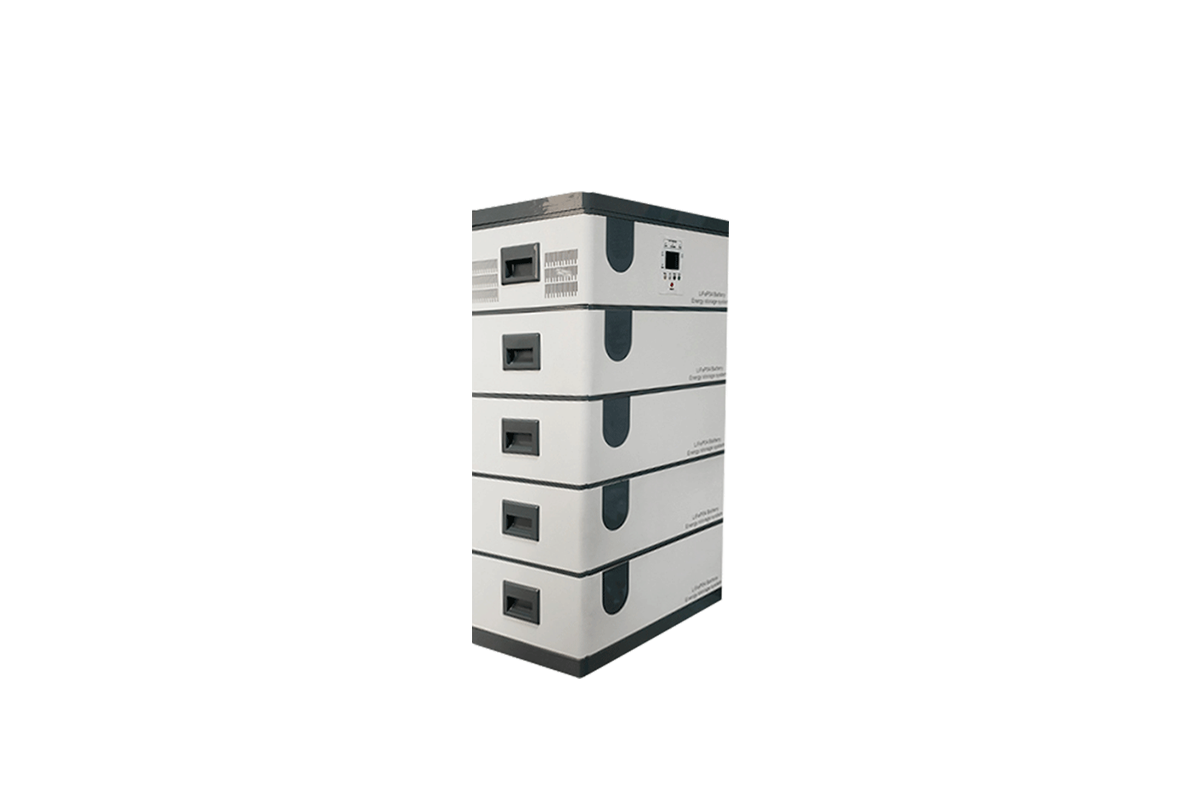
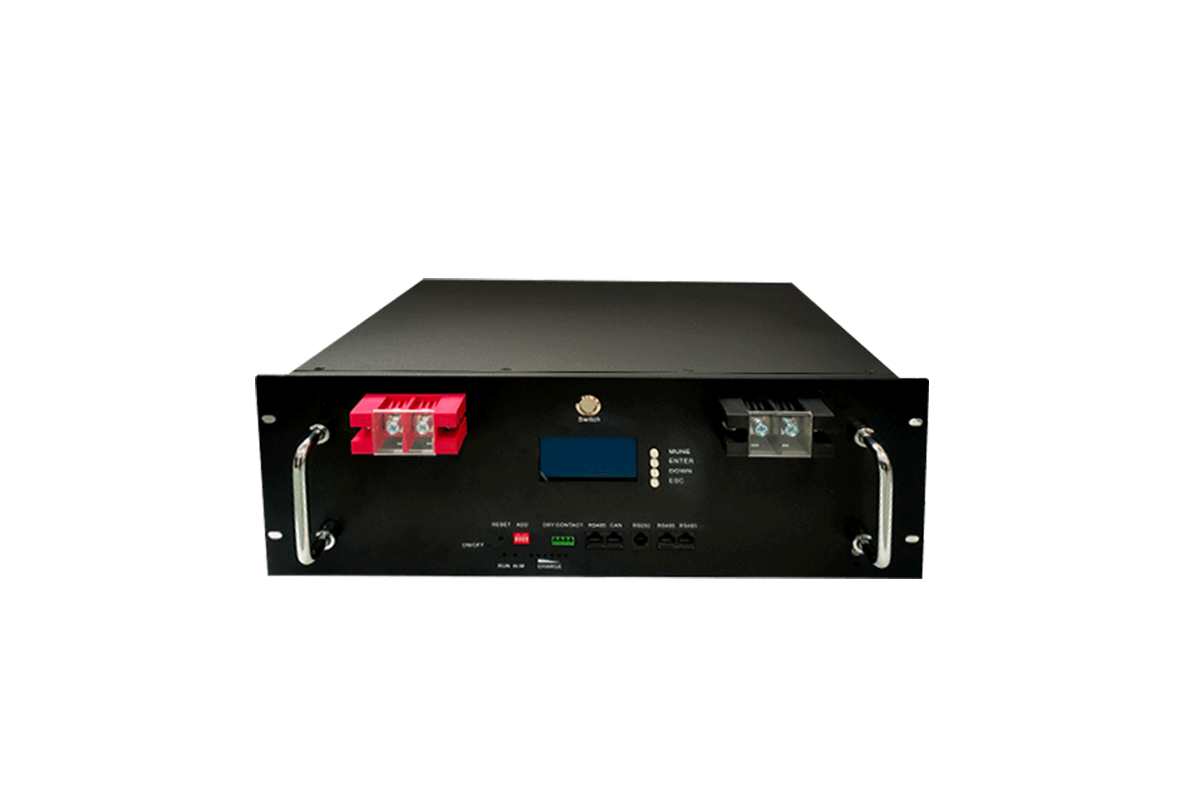
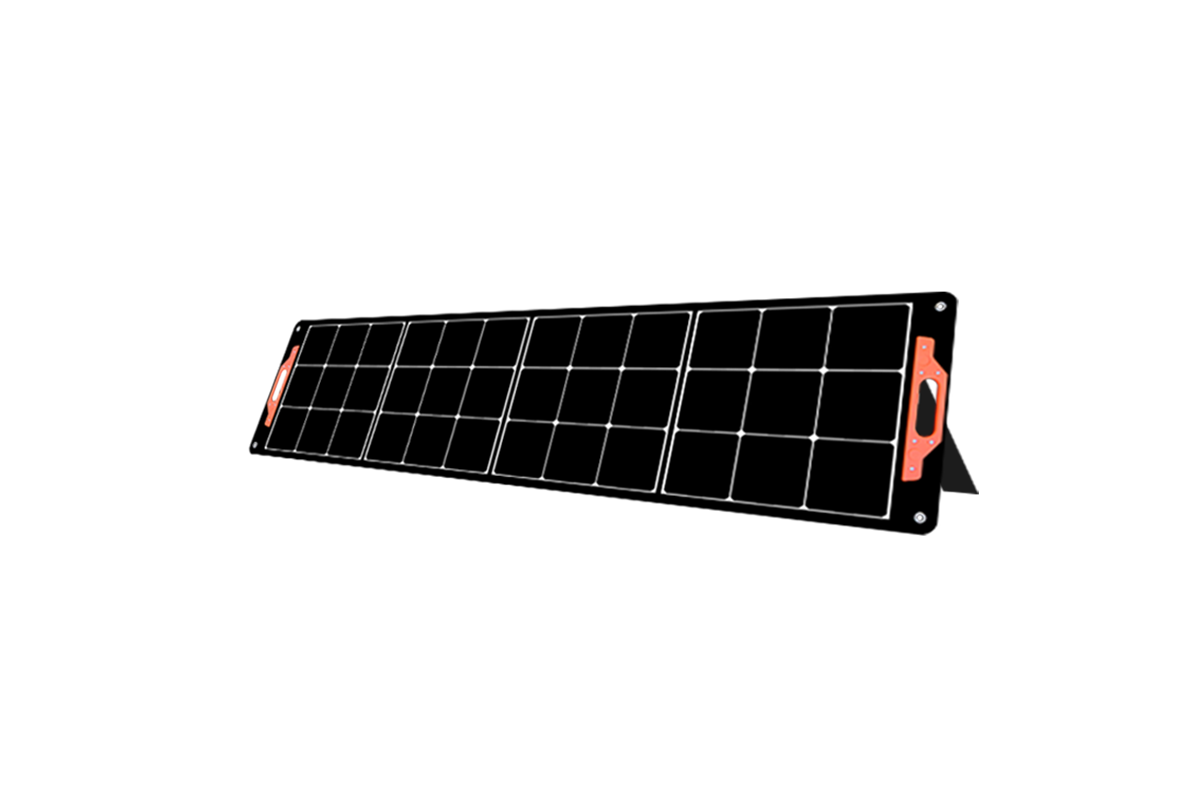
The system’s components are engineered for high performance and durability. It typically includes a 10-15kW solar panel array (consisting of 30-40 high-efficiency panels), a 13.2kVA hybrid inverter with advanced grid-tie and off-grid capabilities, a large battery bank (15-30kWh, often using LiFePO4 or lithium-ion technology for long life and high discharge rates), and a grid connection (or a backup generator for extended off-grid use). The hybrid inverter acts as the system’s “brain,” managing energy flow between solar panels, batteries, the grid, and the load to optimize efficiency and ensure stability. For example, during peak solar production, the inverter prioritizes powering the load, stores excess energy in the battery bank, and feeds surplus power to the grid (if allowed). During grid outages, it automatically switches to off-grid mode, using stored battery power to keep critical loads running.
Another key advantage of the 13.2kVA system is its resilience. The large battery bank provides extended backup power—for instance, a 20kWh battery can power a 2kW load (such as a small manufacturing line) for up to 10 hours, or a 5kW load (like a hotel’s essential systems) for 4 hours. Additionally, many systems can be paired with a backup generator that activates when battery levels drop below a certain threshold, ensuring power supply even during prolonged cloudy periods or extended outages. This makes the system ideal for facilities where downtime is costly, such as hospitals, data centers, or production plants.
Efficiency and sustainability are also central to the 13.2kVA hybrid system. High-efficiency solar panels (with conversion rates of 22% or higher) maximize energy generation, while the hybrid inverter minimizes energy loss during DC-AC conversion. The system’s ability to reduce grid electricity usage lowers carbon emissions, helping businesses meet sustainability goals and comply with environmental regulations. For example, a 13.2kVA system installed in a retail store can reduce annual carbon emissions by approximately 10-15 tons, depending on local grid emissions factors.
While the initial investment for a 13.2kVA hybrid solar system is significant, the long-term benefits—including reduced electricity costs, lower maintenance expenses (compared to diesel generators), and potential revenue from net metering—make it a cost-effective choice for large energy users. Additionally, many governments and utility companies offer rebates, grants, or low-interest loans for commercial solar installations, further improving the system’s ROI.
the 13.2kVA hybrid solar energy system is a robust and versatile solution for large-scale energy needs, combining high capacity, resilience, and sustainability to deliver reliable power for commercial, industrial, and off-grid applications.




 59911926@qq.com/sales@goldenfuturehk.com
 13316809242 / 15816897019
 Inquiry
 Home >