





Time:2025-11-22 Views:1
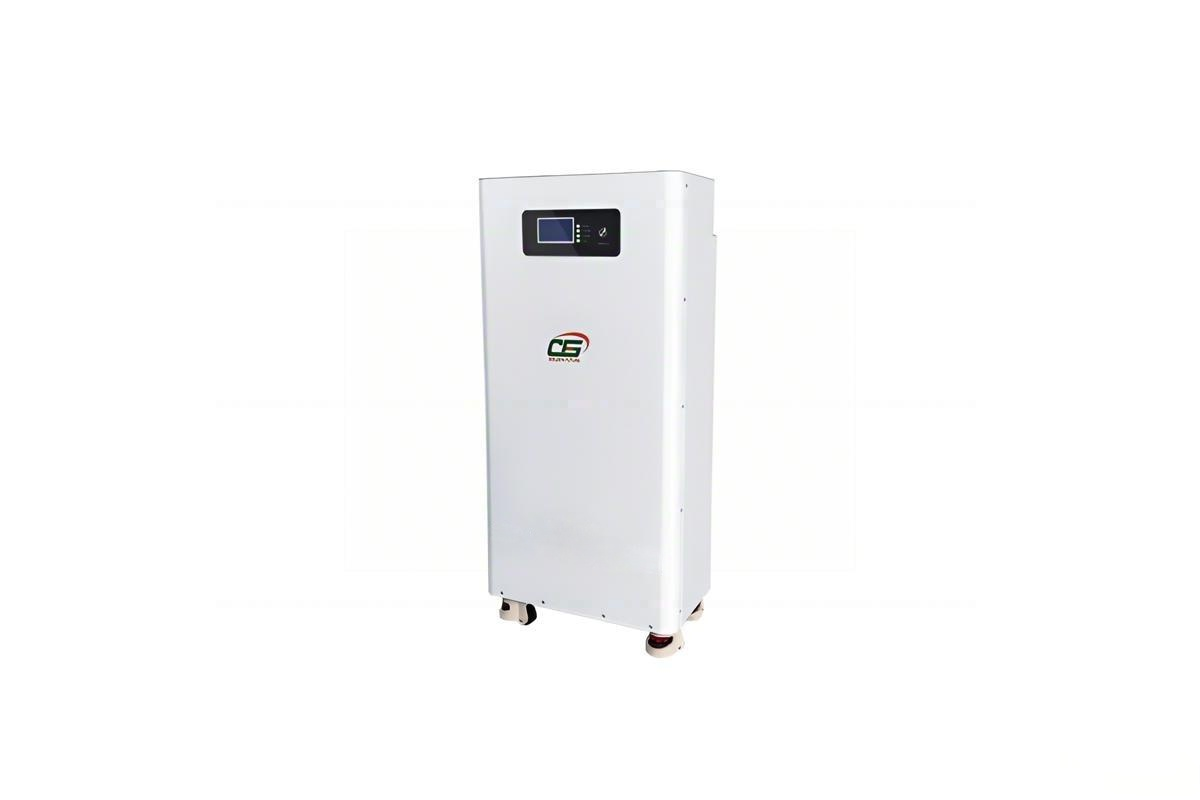
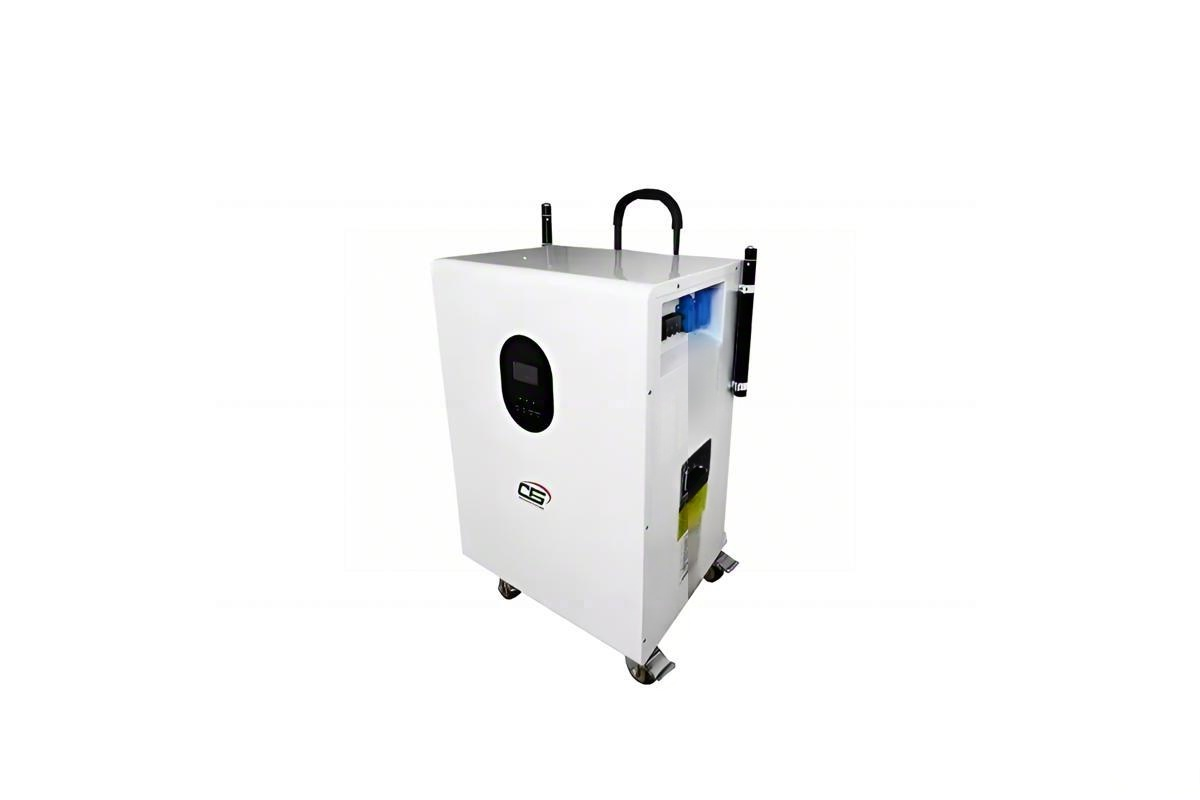
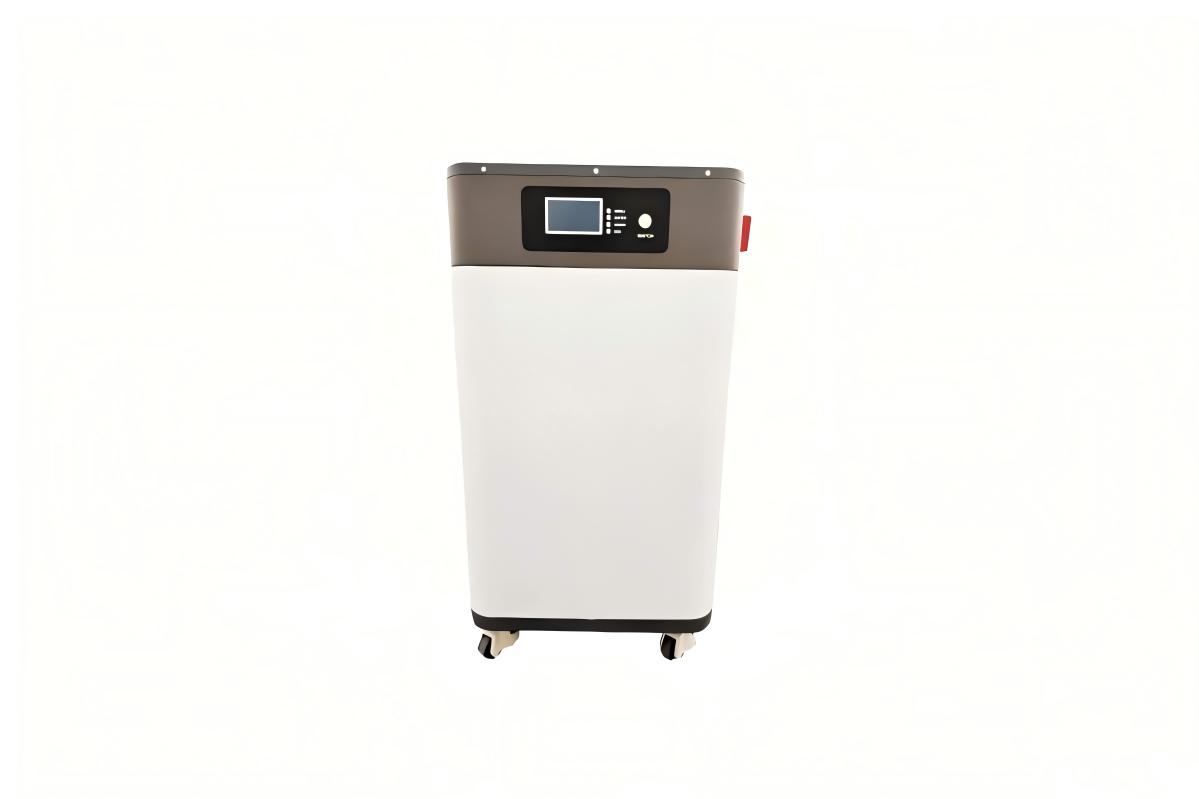
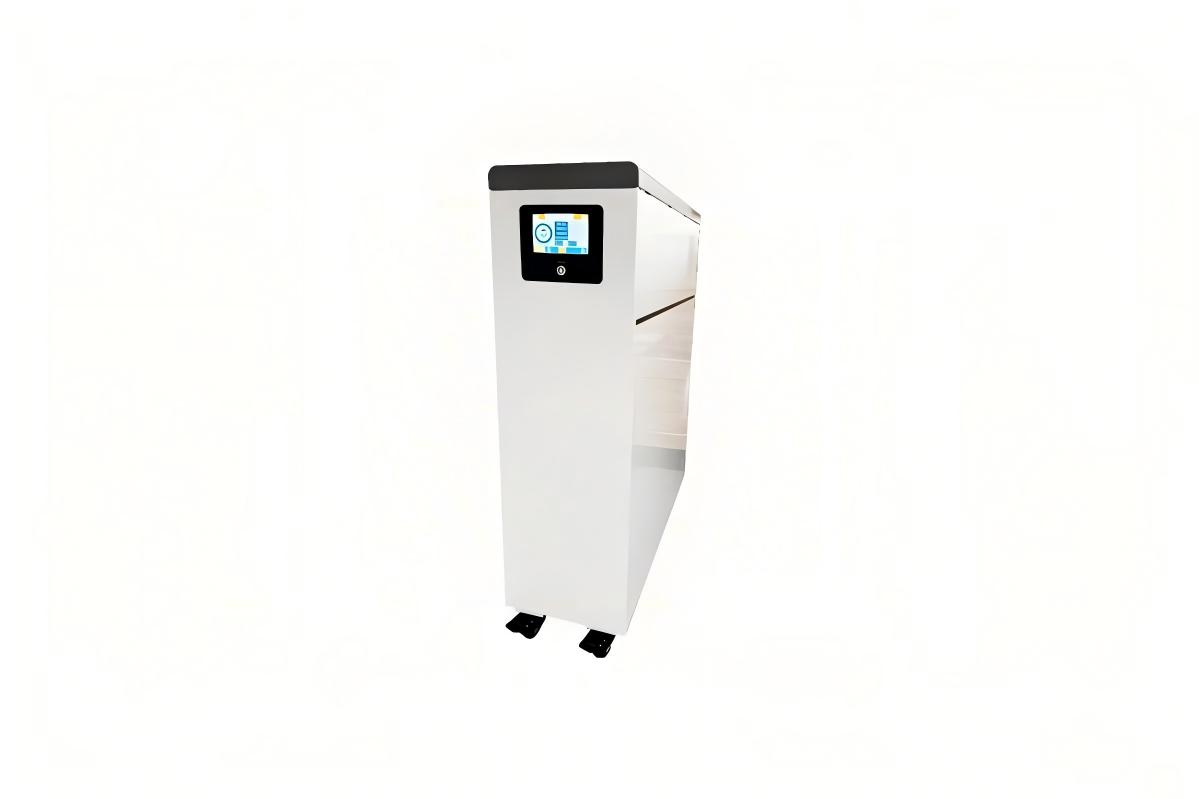
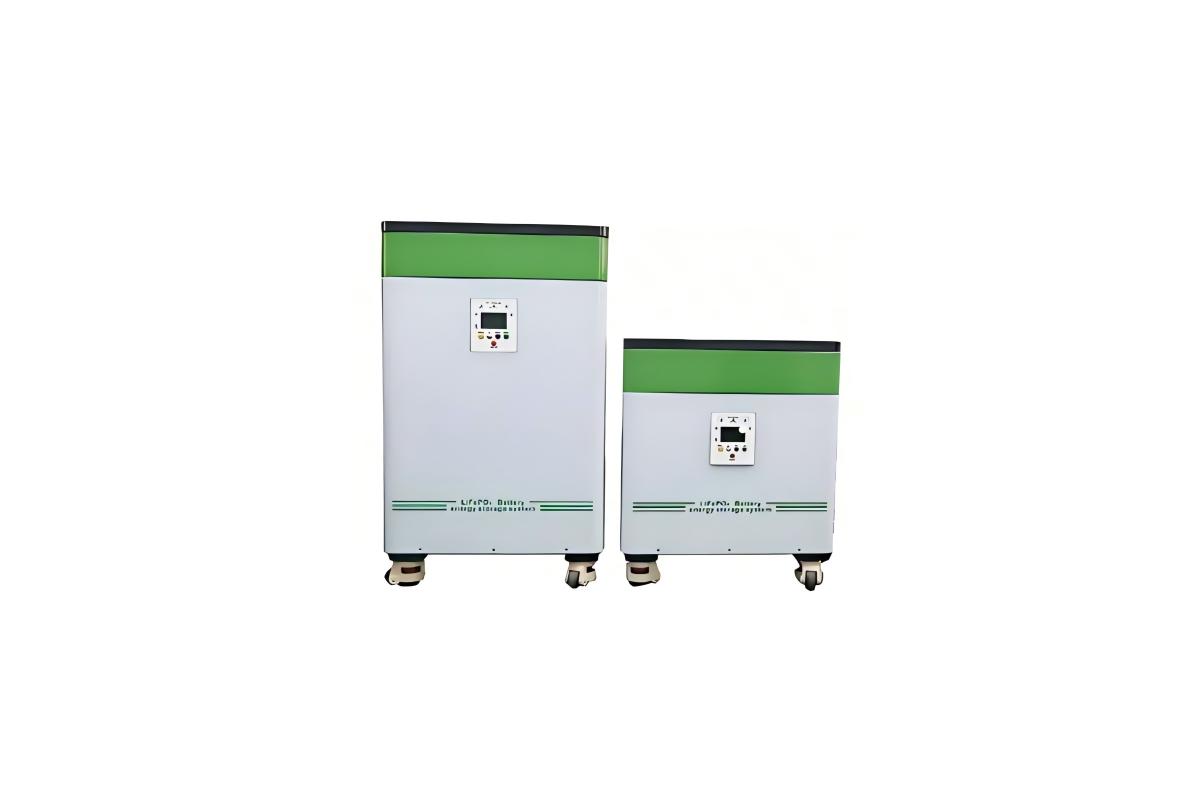
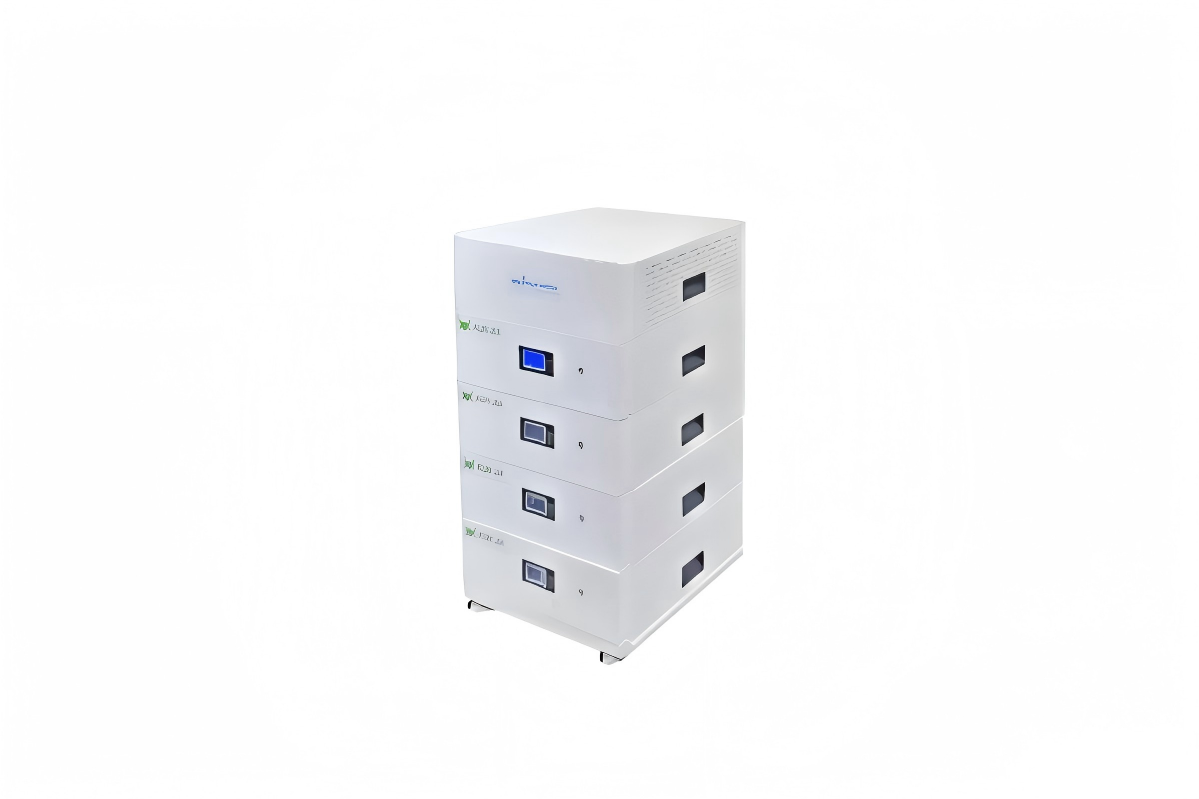
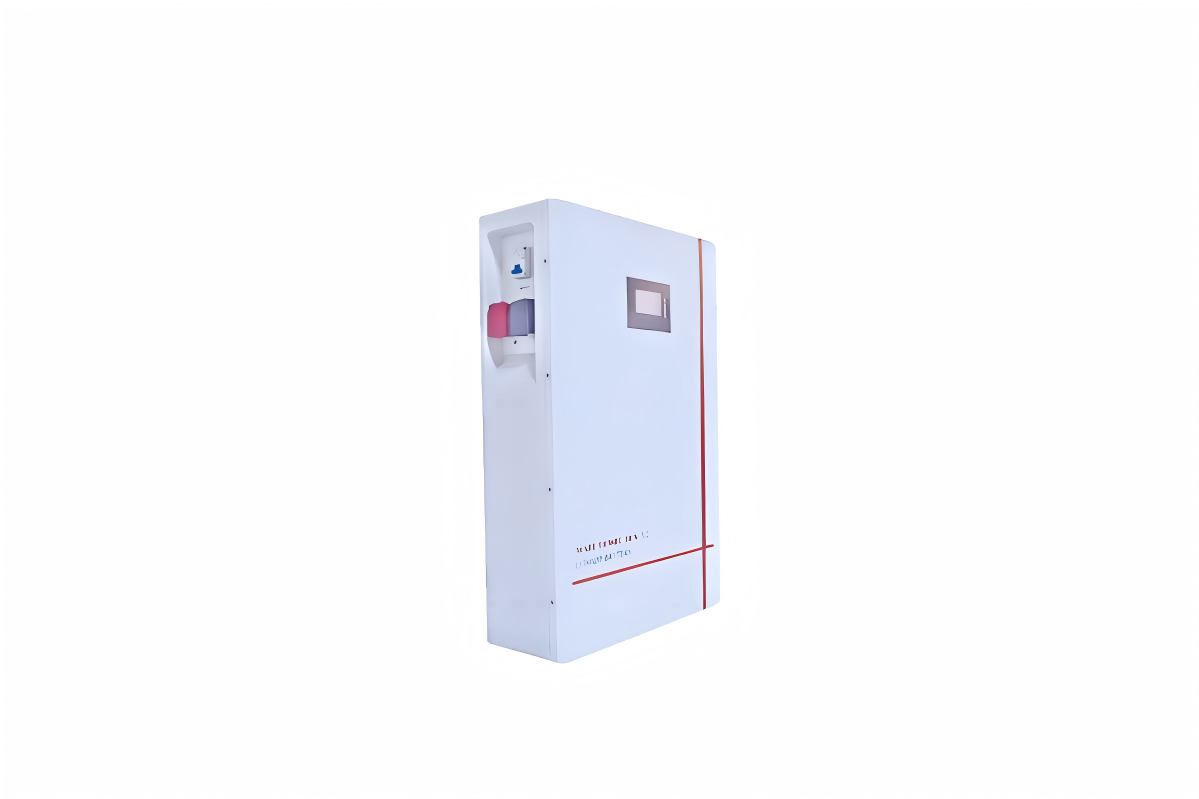
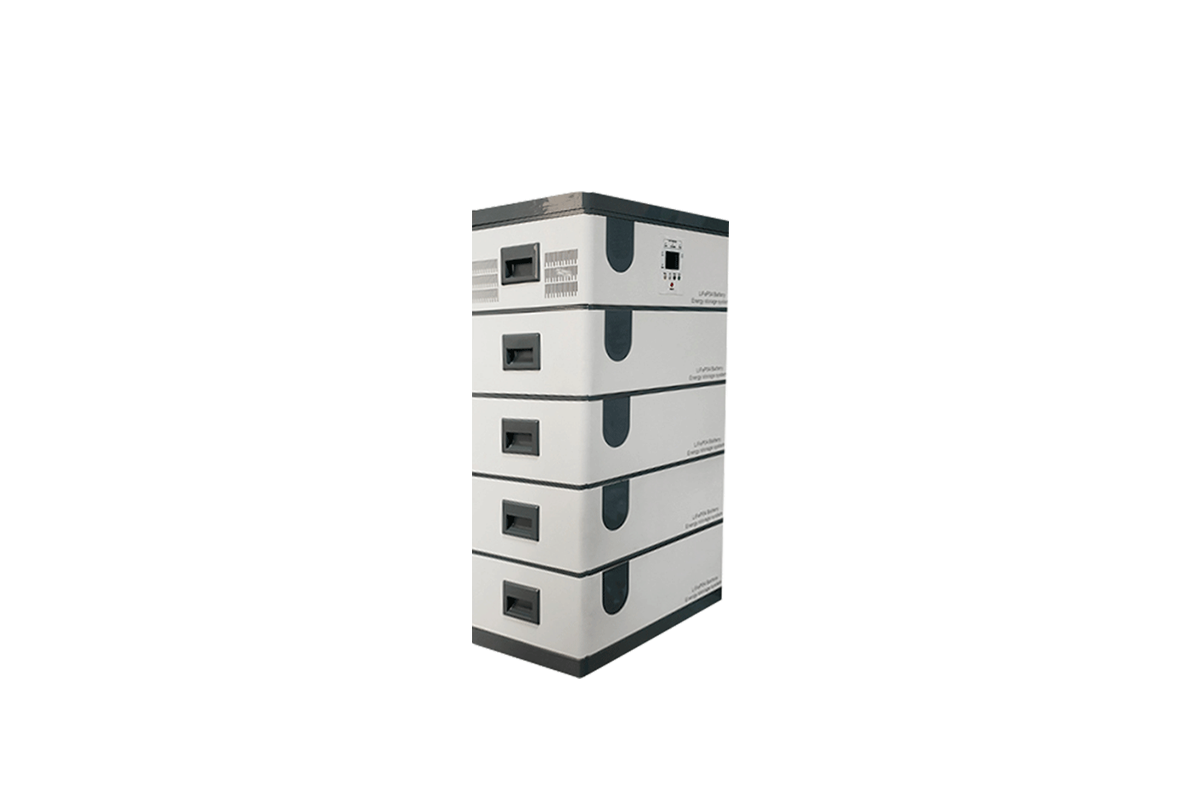
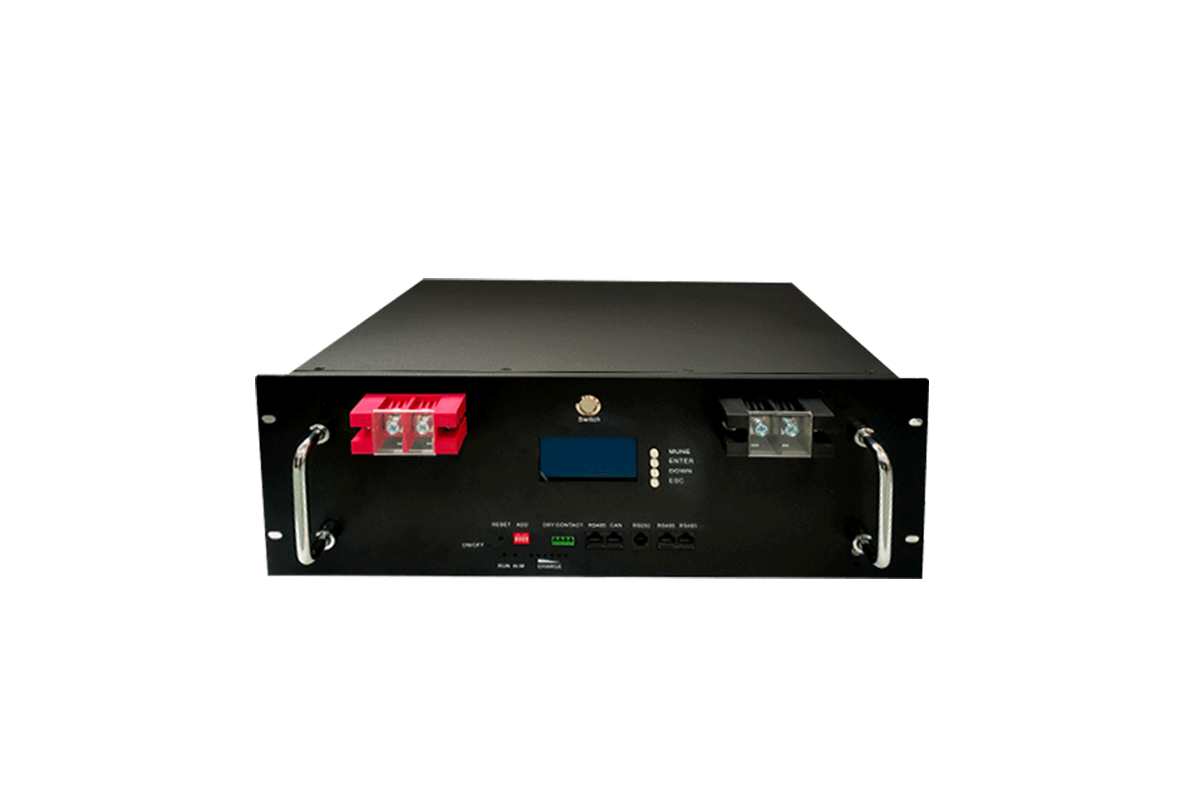
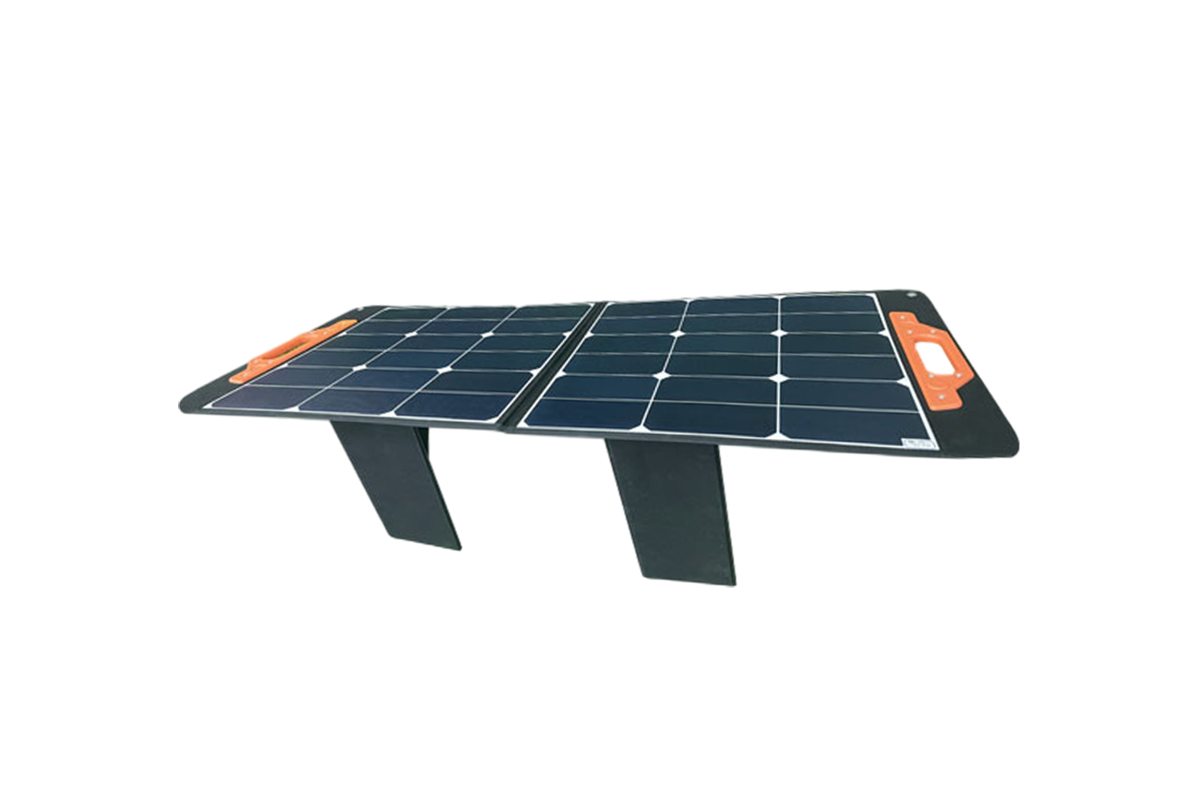
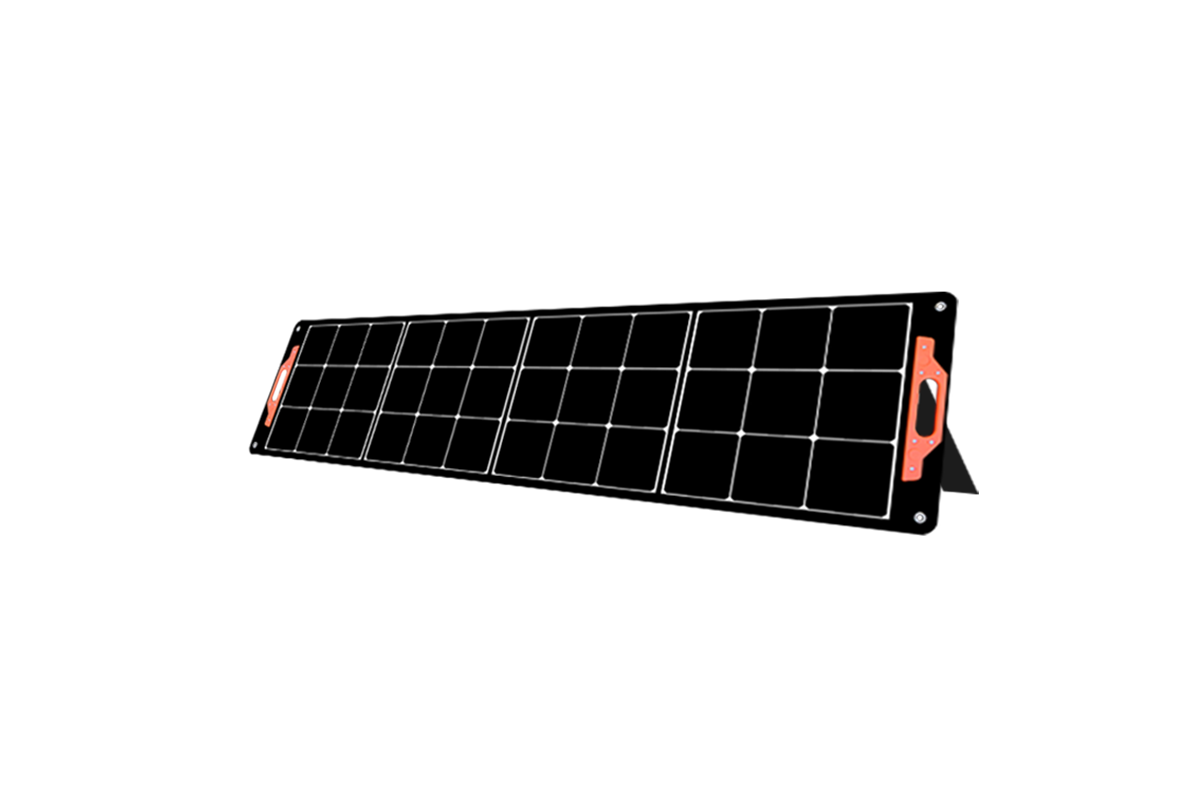
The 10kW Residential Energy Storage System is a powerful, home-focused energy solution designed for large households with high energy consumption—such as those with multiple bedrooms, electric vehicles (EVs), smart home systems, or energy-intensive appliances like central HVAC units, pools, or home gyms. Unlike smaller residential systems, it is engineered to handle the daily energy needs of a busy household while providing reliable backup power during grid outages. The system typically includes a 10kW hybrid inverter, 25 to 30 solar panels (each 330W to 350W), and a high-capacity LiFePO4 battery bank (14.4kWh to 28.8kWh, often a combination of 48V 100Ah and 48V 200Ah LiFePO4 batteries). This setup ensures the home has access to consistent, clean energy around the clock.
One of the primary benefits of the 10kW Residential Energy Storage System is its ability to reduce or eliminate reliance on the grid, even for high-consumption households. During sunny days, the solar panels generate enough power to run all household appliances—from refrigerators and washing machines to EV chargers and home theaters—with excess energy stored in the battery bank. At night or during cloudy weather, the battery discharges to power the home, avoiding the need to buy grid electricity during peak hours (when rates are highest). For households with EVs, the system can even act as a dedicated charger, using solar energy to power the vehicle instead of drawing from the grid—further lowering transportation costs.
Backup power is another critical feature. During grid outages, the system automatically switches to backup mode within milliseconds, using stored battery power to keep essential systems running. Unlike smaller backup systems that only power a few appliances, the 10kW system can keep the entire home operational—including HVAC, lighting, medical equipment, and EV chargers—for 1 to 3 days (depending on battery capacity and usage). This provides peace of mind for homeowners, especially in areas prone to storms, wildfires, or frequent power outages.
Performance and durability are key strengths. The hybrid inverter offers high conversion efficiency (95% to 97%) and supports bidirectional power flow, allowing excess energy to be fed back to the grid for net metering credits (where available). The LiFePO4 battery bank has a long cycle life (3000 to 5000 cycles at 80% DoD), meaning it will last 10 to 15 years with regular use—far longer than lead-acid batteries. It also has a low self-discharge rate (less than 3% per month), so it retains energy for extended periods when not in use. The system’s smart energy management features allow homeowners to optimize energy usage: for example, scheduling high-energy tasks (like laundry or EV charging) during peak solar production hours to maximize savings.
Installation is tailored to residential settings. The solar panels are installed on the roof (or ground, if space allows) with minimal disruption to the home, and the battery bank is typically placed in a garage, utility room, or outdoor storage cabinet (weatherproof models are available). The system is also scalable—homeowners can add more solar panels or batteries if their energy needs grow (e.g., adding a home addition or a second EV). Safety is ensured through multiple protections, including overcharge, over-discharge, short-circuit, and thermal protection, as well as compliance with safety standards like UL 1741 and UL 1973.
For large households seeking a comprehensive, long-lasting energy solution that delivers savings, independence, and backup power, the 10kW Residential Energy Storage System is an ideal choice. It combines the benefits of solar energy with reliable storage, making it a smart investment for sustainable, cost-effective home power.




 59911926@qq.com/sales@goldenfuturehk.com
 13316809242 / 15816897019
 Inquiry
 Home >