





Time:2025-10-23 Views:1
I. Targeting Use Cases and Core Value
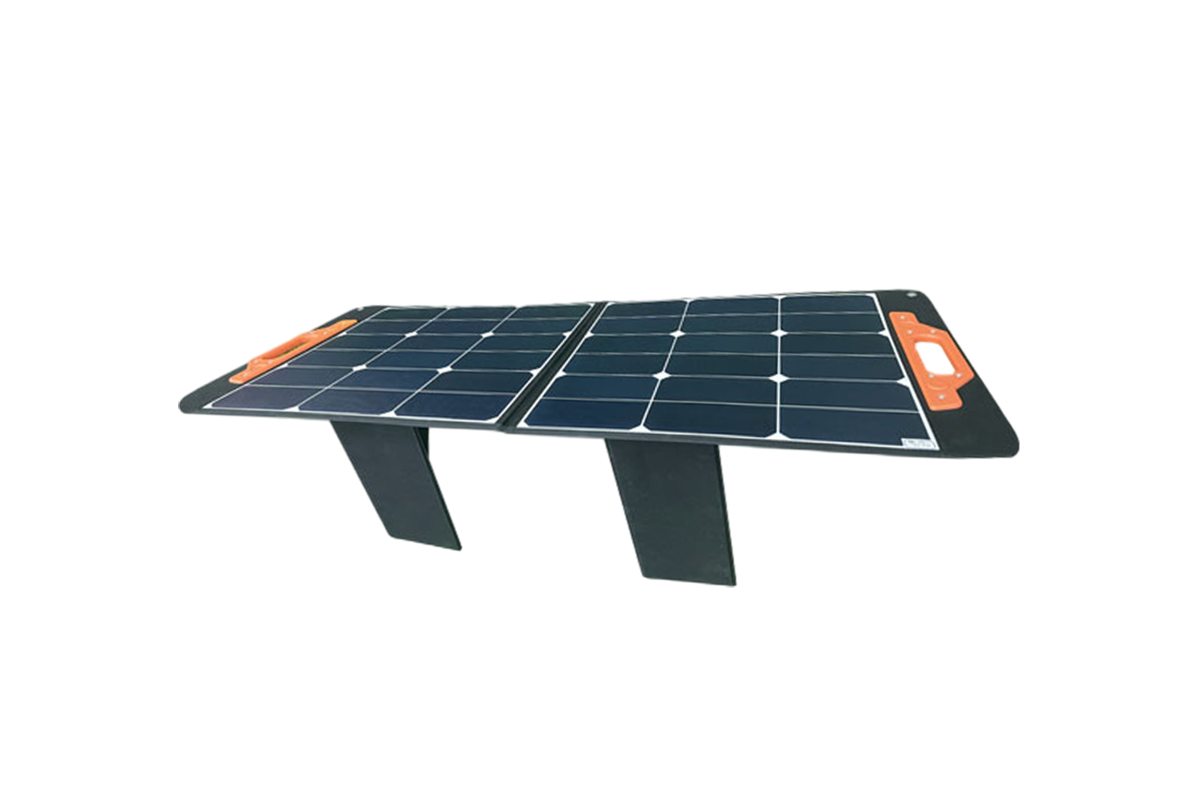
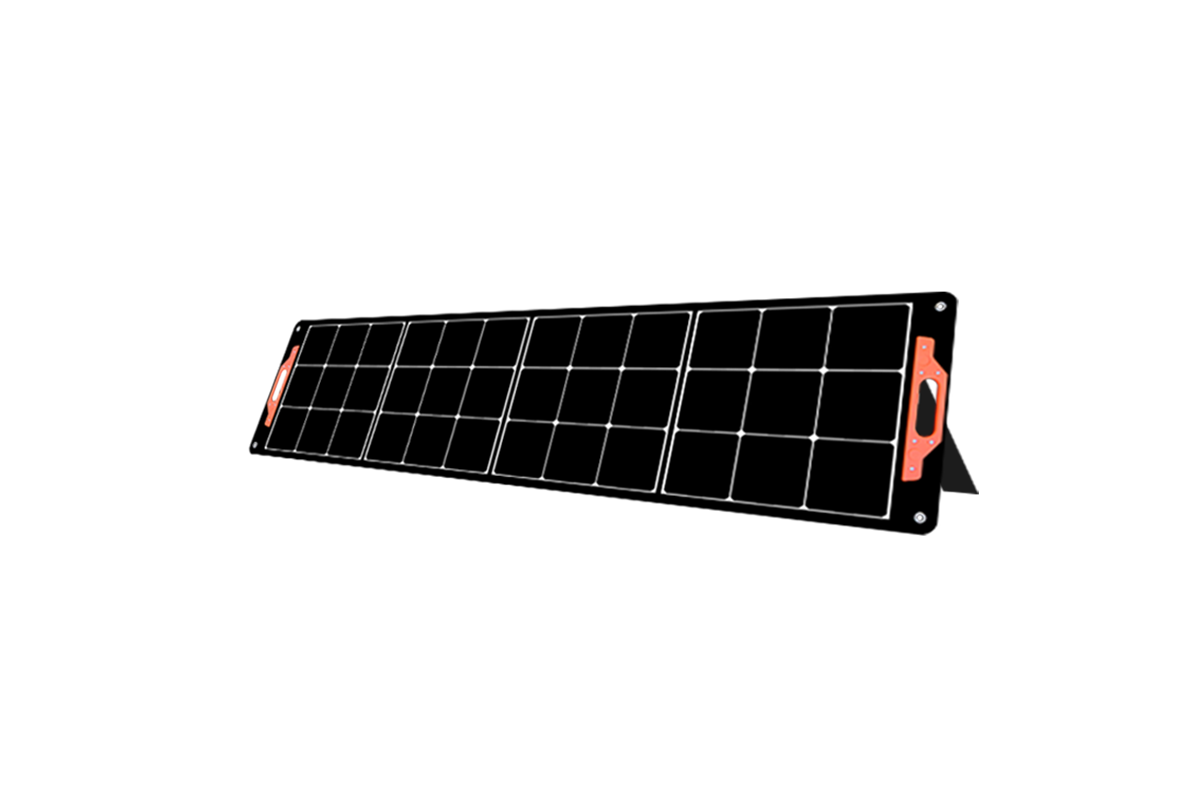
The 100W monocrystalline silicon solar panel is a core component of small off-grid photovoltaic systems, suitable for applications such as home balcony backup power, mobile energy for RVs and camping trips, powering outdoor surveillance and communications equipment, and powering small appliances (such as LED lighting and mobile phone charging). Leveraging the high conversion efficiency of monocrystalline silicon and enhanced weather-resistant design, it addresses the pain points of conventional solar panels in harsh environments. Conventional polycrystalline silicon and thin-film panels experience an average annual power degradation rate of 3%-5% under high temperature, high humidity, strong UV rays, rain, and snow, requiring replacement every 3-5 years. The 100W monocrystalline silicon weather-resistant version, however, limits this average annual degradation rate to less than 1.5%, resulting in a design lifespan of 25 years. It operates stably in a wide temperature range of -40°C to 85°C, is IP67-rated for water and dust resistance, and withstands 1000 hours of salt spray corrosion, making it suitable for complex outdoor scenarios such as high altitudes, coastal areas, and deserts. II. Core Performance Parameters and Weather Resistance Standards
(I) Electrical Performance Parameters (Core Advantages of Monocrystalline Silicon)
Power and Conversion Efficiency: Under standard test conditions (STC: 25°C, 1000W/㎡, AM1.5 spectrum), rated power is 100W (±3% deviation), and conversion efficiency reaches 18%-22% (monocrystalline silicon is 2%-3% higher than polycrystalline silicon); open circuit voltage (Voc) is 36-40V, short circuit current (Isc) is 3.2-3.5A, operating voltage (Vmpp) is 28-32V, and operating current (Impp) is 3.1-3.4A, suitable for 12V/24V small energy storage systems.
Low-light Performance: In low-light environments (200W/㎡) on cloudy days, early mornings, and evenings, power output still reaches over 60% of the rated value, surpassing polycrystalline silicon panels (≤50%), improving all-weather power generation capabilities. (II) Key Weather Resistance Indicators (Enhanced Design Focus)
Temperature Range and Protection: Operating Temperature Range - 40°C to 85°C (no frost cracking at low temperatures, no thermal runaway at high temperatures); Storage Temperature Range - 50°C to 90°C; IP67 protection rating (front waterproof, rear dustproof); front surface withstands immersion in water up to 1m for 24 hours without leakage; rear surface resists sand and dust intrusion, resulting in circuit shorts. Mechanical and Environmental Resistance:
Wind Load Resistance: Withstands 2400Pa wind pressure (equivalent to force 12 wind) on the front and 1200Pa negative pressure on the back without frame deformation or cell cracking.
Snow Load Resistance: Withstands 5400Pa static load (equivalent to 1.2m of snow), with module deflection ≤L/100 (L is the module side length).
Corrosion Resistance: After 1000h of salt spray testing per GB/T 19394-2003 (5% NaCl solution, 35°C), the frame and junction box showed no rust, with power degradation ≤2%.
Ultraviolet Aging Resistance: After 1000h of UV10k exposure per IEC 61215, the backsheet showed no cracking or yellowing, with power degradation ≤3%. Long-term degradation: 10-year power warranty ≥ 90% rated power, 25-year power warranty ≥ 80% rated power, average annual degradation ≤ 1.5%, significantly lower than the 2%-3% average annual degradation rate for ordinary monocrystalline silicon panels.
III. Technical Path to Better Weather Resistance
(I) Strengthening the Material System (Core Weather Resistance Guarantee)
Cover Material: 3.2mm ultra-clear tempered glass (transmittance ≥ 94%) coated with an anti-reflection coating (AR film) and anti-glare coating to improve light absorption efficiency and enhance impact resistance (withstands a 25mm diameter steel ball falling from a height of 1m without breakage). The glass edges are finely ground to prevent stress concentration and cracking. Encapsulation layer (EVA film): Aging-resistant EVA (ethylene-vinyl acetate copolymer) is used, with UV inhibitors (such as hindered amine light stabilizers (HALS)) and antioxidants added. After high-temperature lamination at 150°C, it adheres tightly to the glass, cell, and backsheet. Peel strength is ≥60N/m (room temperature) and ≥40N/m (85°C), preventing delamination and water ingress under high temperature and humidity.
Backsheet material: A TPT (polyvinyl fluoride-polyester-polyvinyl fluoride) composite backsheet is used, with an outer PVDF (polyvinylidene fluoride) weathering layer ≥50μm thick. It is UV-resistant and hydrolysis-resistant. After 1000h of humidity testing at 85°C/85% RH, the breakdown voltage is ≥10kV and the volume resistivity is ≥1×10¹⁴Ω・cm, preventing circuit leakage caused by backsheet aging. Frame structure: Utilizes a 6063-T5 aluminum alloy frame (thickness ≥ 1.5mm), anodized (film thickness ≥ 15μm), and salt spray resistance ≥ 1000h. Rounded corners enhance wind load resistance and prevent scratches during transportation and installation. Drainage grooves (5mm wide, slope ≥ 3‰) are provided in the frame to prevent rainwater from accumulating around the module edges and causing corrosion. (II) Structural and Process Optimization (Weather Resistance Upgrade)
Cell Protection: Monocrystalline silicon cells (size 166mm×166mm or 182mm×182mm) are covered with a passivation layer (Al₂O₃/SiNx stack) to reduce surface recombination losses and enhance PID (potential-induced degradation) resistance (power degradation ≤ 5% for 1000 hours at 85°C/85% RH and 1000V bias). Cells are soldered together using tinned copper tape (0.2mm thick), and the solder joints are coated with anti-corrosion insulating adhesive to prevent short circuits caused by oxidation. Junction Box and Connector: The junction box is constructed of flame-retardant ABS (UL94 V-0 rated) with an IP67-rated waterproof seal. The terminals are nickel-plated copper alloy (salt spray resistant ≥500 hours) to prevent short circuits caused by rain intrusion. The connectors are MC4 type, with both plugs and sockets featuring waterproof locking latches, a plug-in/out life of ≥500 cycles, and a contact resistance of ≤5mΩ, ensuring long-term outdoor connection stability.
Lamination Process Control: A vacuum lamination process (vacuum pressure ≤ -0.095MPa, lamination temperature 145-150°C, holding time 15-20 minutes) is used to ensure that the EVA is completely melted and free of bubbles and wrinkles (bubble area ≤0.1mm²/㎡), preventing water from entering the bubble area and causing cell corrosion. IV. Application Proof and Value
Home Balcony Backup Power: A user in East China installed two 100W weather-resistant monocrystalline silicon panels (paired with 12V/100Ah lithium battery storage) on their balcony. In summer temperatures (40°C) and winter temperatures (-5°C), the average daily power generation remains stable at 0.8-1.2kWh, sufficient for home LED lighting (10W x 5) and mobile phone charging (5V/2A). After three years of use, the power degradation was only 4.2% (annual average of 1.4%), outperforming conventional panels (annual average degradation of 2.8%).
Coastal RV Camping: A RV user in the southeast coast used these panels (mounted on their vehicle roof). After experiencing a typhoon (force 10 winds) and high humidity and salt spray, the frame showed no rust, the junction box showed no water intrusion, and the power output remained at 97% of the rated value. Compared to the previous polycrystalline silicon panels (which experienced an 8% power degradation after the typhoon), maintenance costs were reduced by 60%. High-altitude outdoor surveillance: In the high-altitude areas of Qinghai (3,500 meters above sea level, with strong UV rays and a 25°C temperature difference between day and night), this solar panel has powered outdoor surveillance equipment for two years of continuous operation with a power degradation of 3.1%. There are no signs of hidden cracks in the cells or aging of the backsheet, ensuring uninterrupted operation of the surveillance equipment year-round (average daily power supply ≥6 hours).
V. Key Points for Model Selection
Weather Resistance Verification: Prioritize models clearly marked "Weather-Reinforced" and require suppliers to provide weather resistance test reports (1000 hours of salt spray, 10k UV, 1000 hours of damp heat). Pay special attention to the power degradation rate (≤10% after 10 years, ≤20% after 25 years) and the protection level (IP67 and above). For coastal areas, additional verification is required of the frame anodized film thickness (≥15μm) and the backsheet PVDF layer thickness (≥50μm). Electrical Performance Adaptation: Select matching parameters based on load requirements. For 12V energy storage systems, choose a model with an operating voltage of 28-32V. For 24V systems, choose a series combination (two 100W modules in series) with an operating voltage of 56-64V. For low-light environments (such as rainy areas), prioritize models with a conversion efficiency ≥20% and a low-light output ≥60%.
Structural Details: Check whether the frame has drainage grooves, whether the junction box has waterproof locks, and whether the connector is MC4 type (reverse polarity and leakage protection). Weather-resistant brackets (such as aluminum alloy brackets and stainless steel bolts) are required during installation to prevent corrosion and tilting of the module, which could lead to water ingress.
Warranty and Service: Choose a brand that offers a "10-year material warranty + 25-year power warranty" to ensure traceability of weather resistance issues. Prefer suppliers that provide on-site testing to facilitate performance verification after long-term outdoor use (e.g., power degradation testing every five years).




 59911926@qq.com/sales@goldenfuturehk.com
 13316809242 / 15816897019
 Inquiry
 Home >