






Time:2025-11-28 Views:1
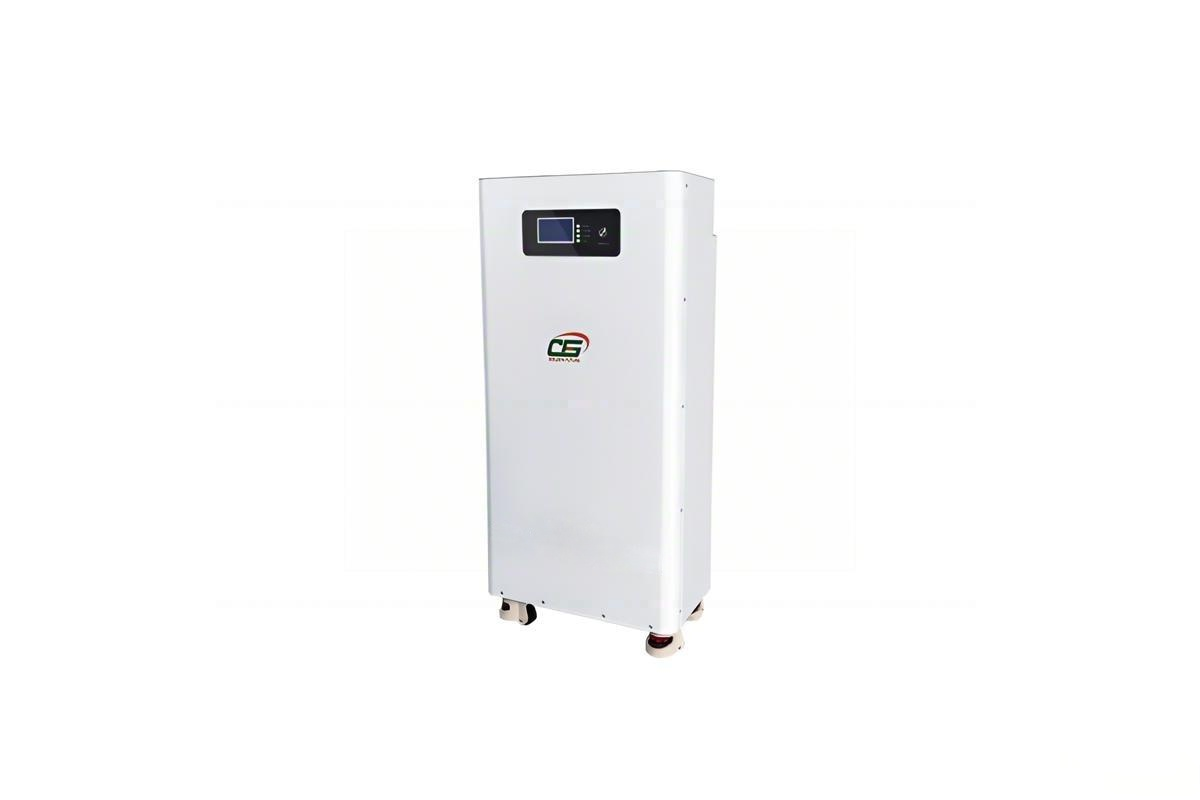
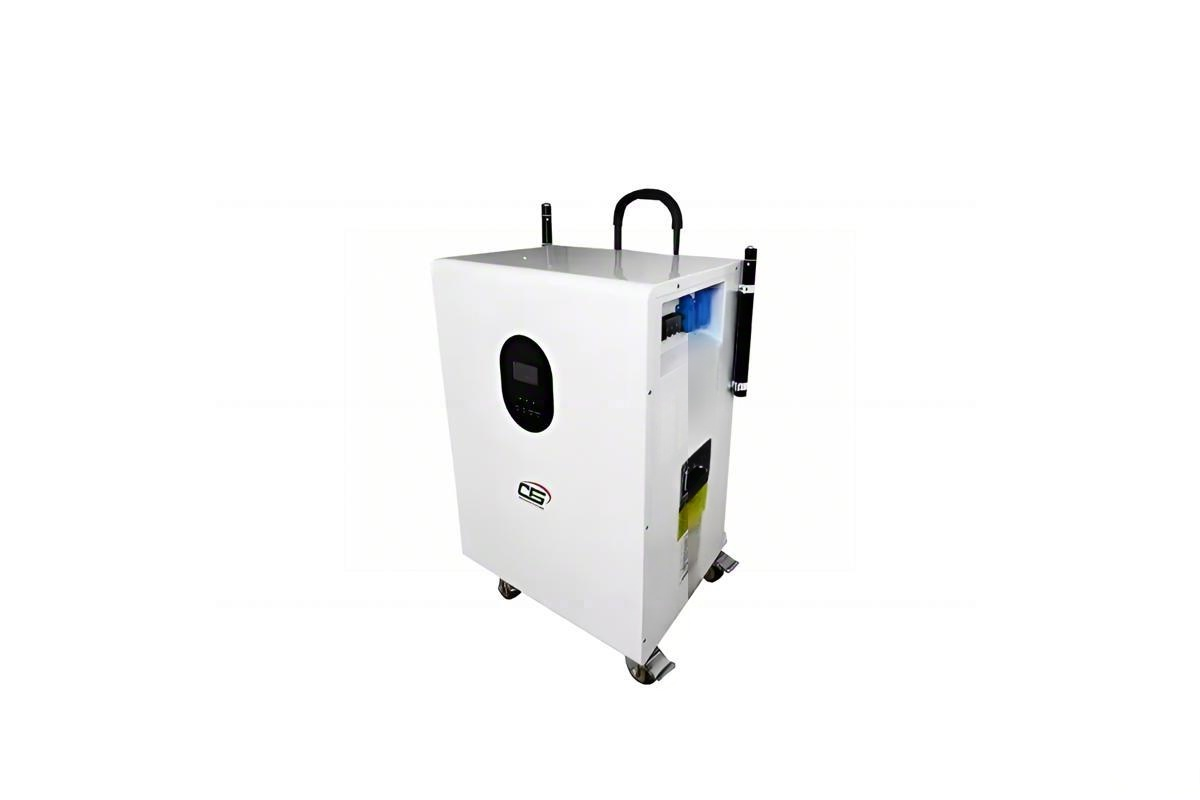
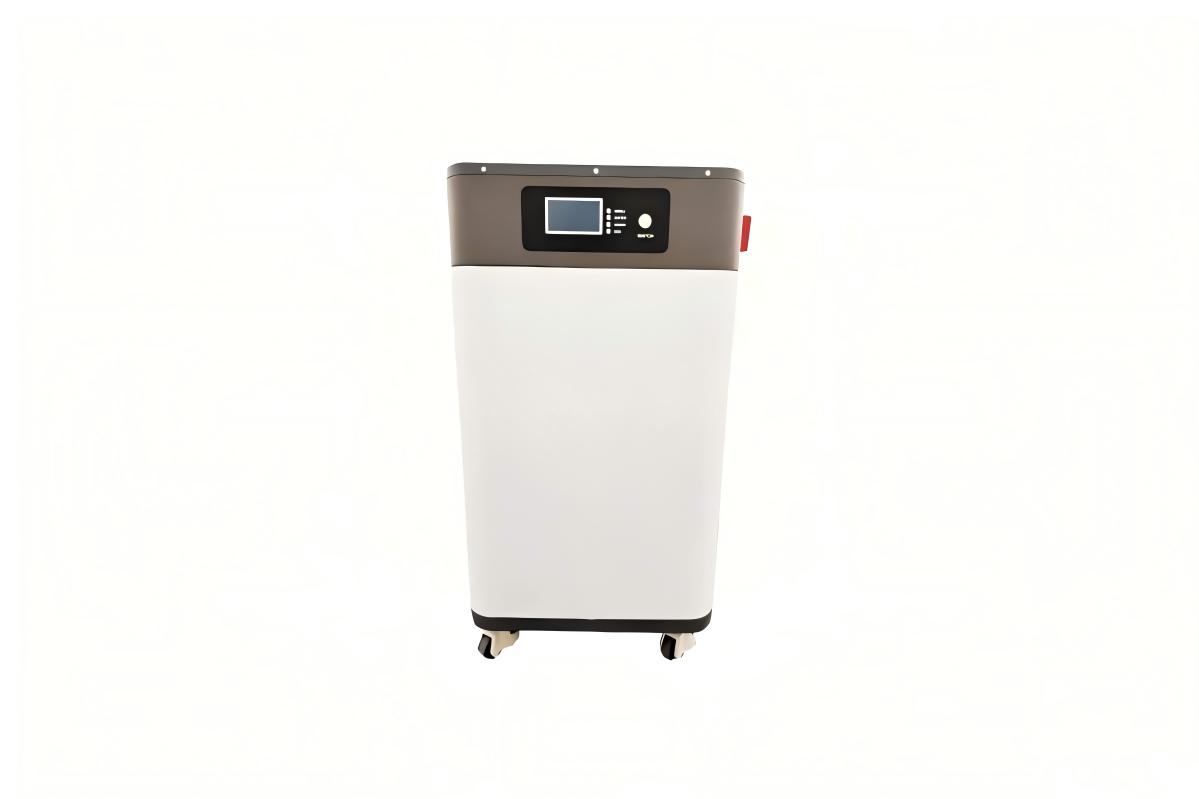
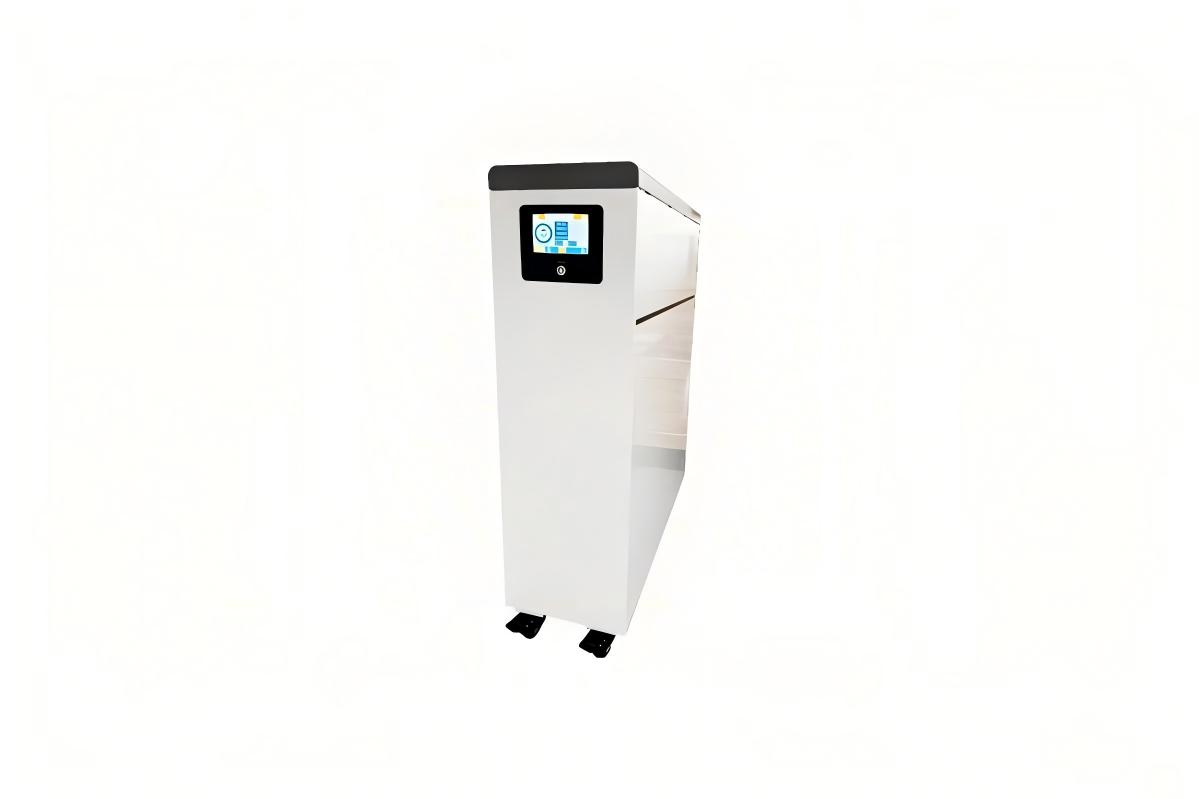
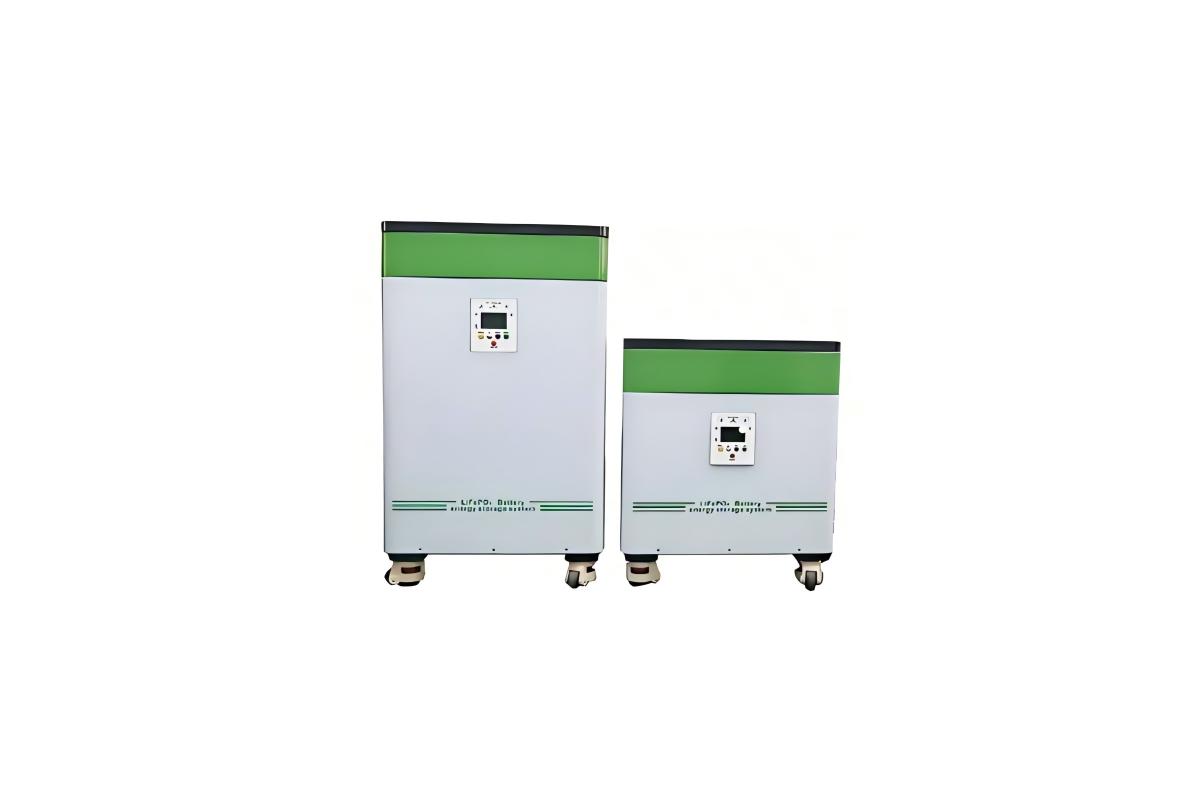
The 10000W (10kW) residential energy storage system is a game-changing solution for homeowners who are already connected to the grid but want to enhance energy resilience, reduce electricity bills, and take control of their energy use. Unlike off grid systems (which operate independently), this system works alongside a home’s existing grid connection (and often with a solar panel system) to store excess energy for use when it’s most needed—whether during power outages, peak demand hours (when electricity rates are highest), or at night (when solar panels aren’t generating power). It’s ideal for families who want to protect against grid outages, save money on energy costs, or reduce their carbon footprint by using more self-generated solar energy.
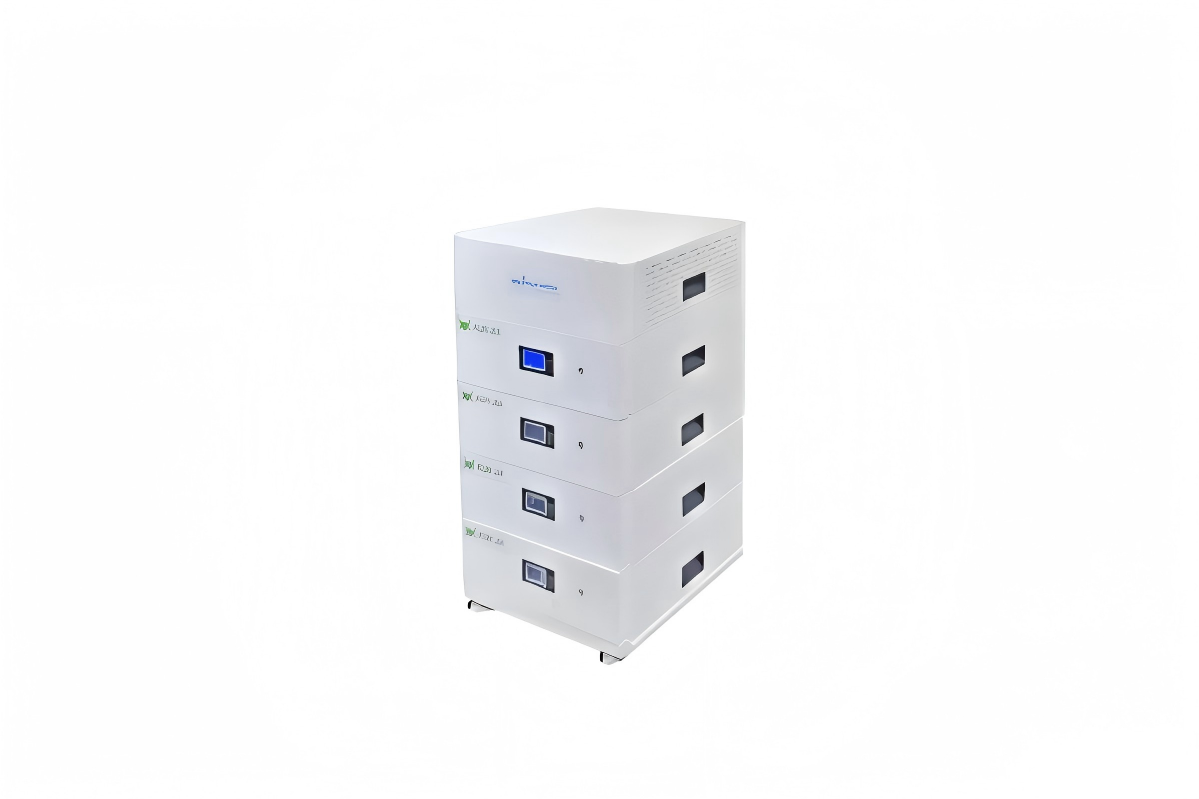
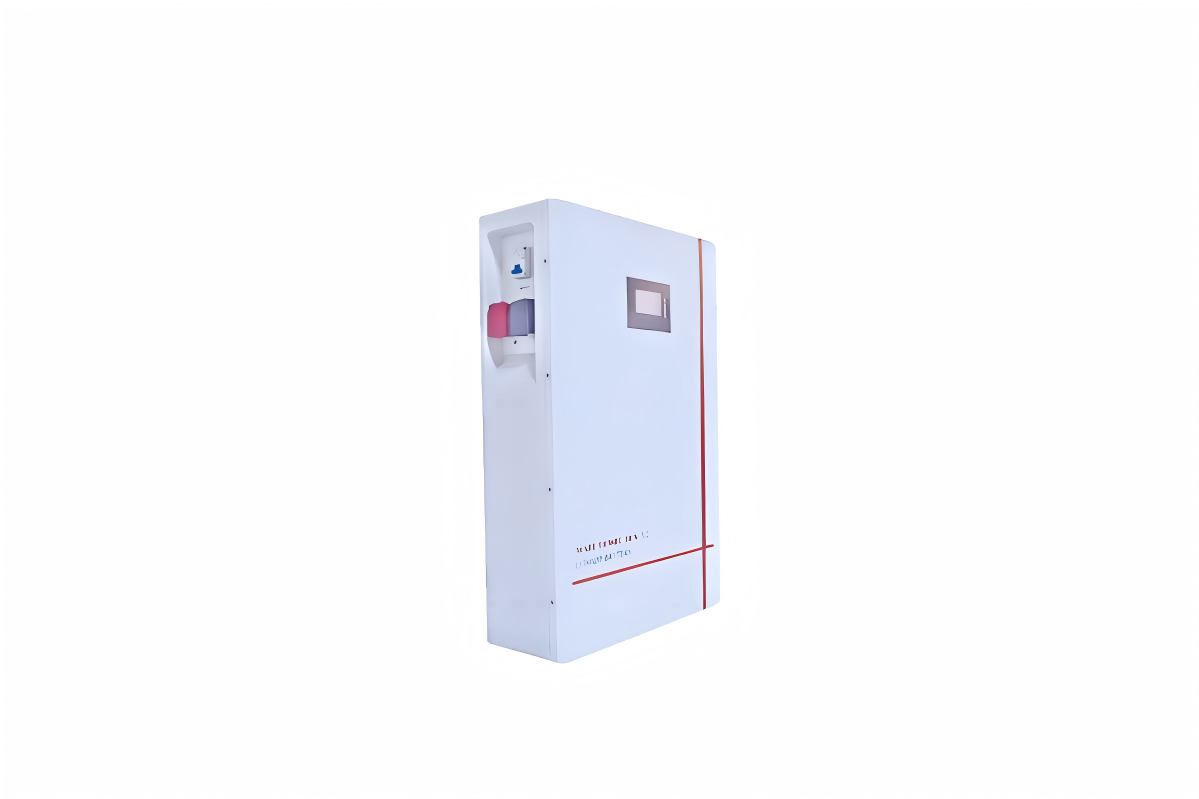
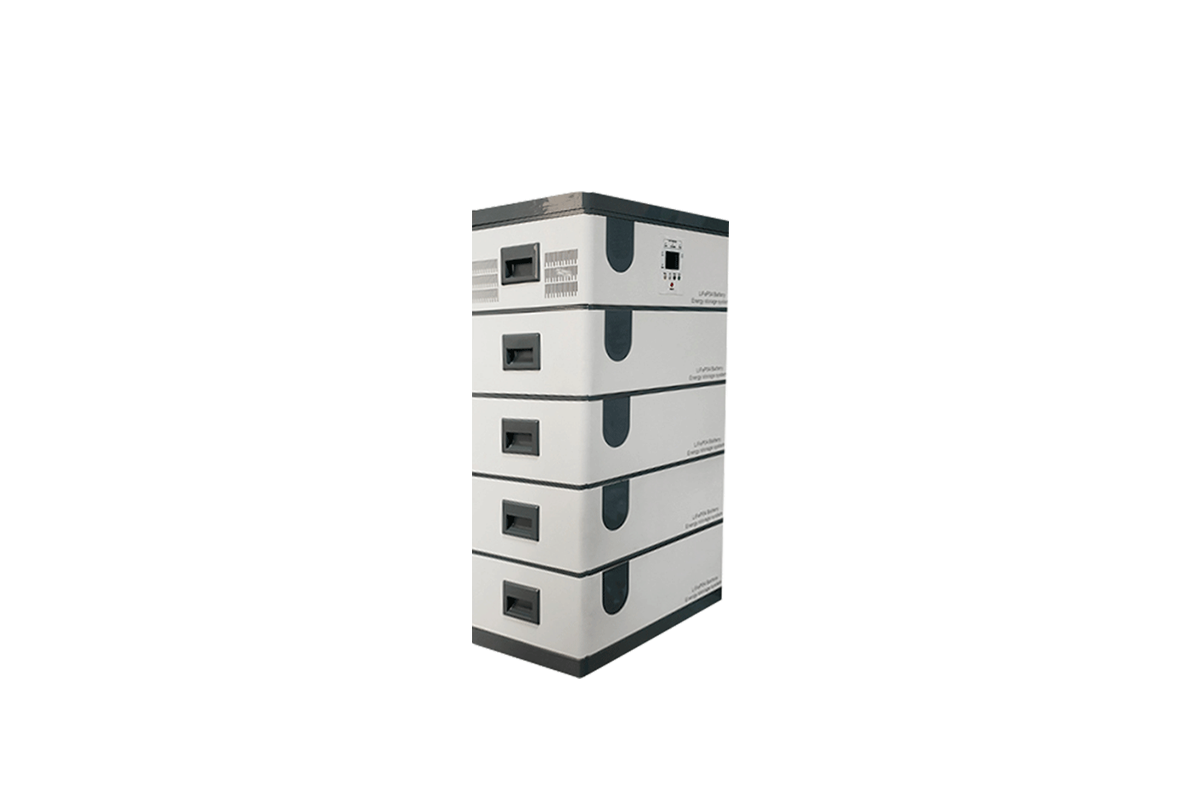
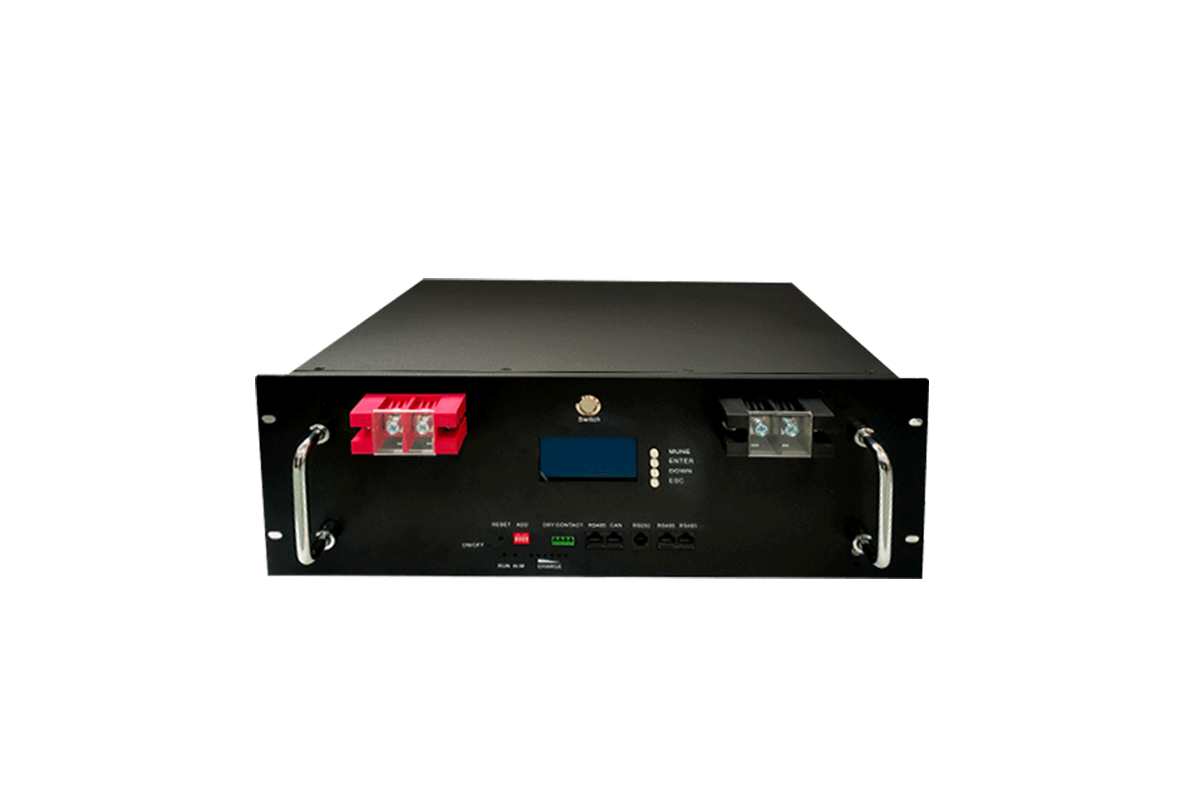
A typical 10kW residential storage system consists of a large lithium-ion battery bank (10kWh to 20kWh capacity), a 10kW inverter (compatible with grid power and solar panels), and a smart energy management system. If paired with solar panels (a common setup), the system stores excess solar energy generated during the day instead of feeding it back to the grid (or feeds some back and stores the rest, depending on local net metering rules). At night, the system uses the stored solar energy to power the home, reducing reliance on grid electricity. During peak demand hours (e.g., 5-9 PM, when rates are 2-3x higher), the system switches to stored energy, cutting down on expensive grid power use. And in the event of a grid outage, the system automatically disconnects from the grid (to protect utility workers) and powers critical home systems—like refrigerators, heating/cooling, medical devices, and lights—using stored energy.
The smart management system is a key feature: it lets homeowners monitor energy use, control when to charge/discharge the battery (via a mobile app), and optimize savings by aligning with time-of-use electricity rates. For example, the system can charge the battery during off-peak hours (low rates) and discharge during peak hours (high rates), maximizing cost savings. Most systems are also modular, meaning homeowners can add more battery capacity later if needed (e.g., adding a 5kWh battery to a 10kWh system). Installation is relatively straightforward (usually mounted in a garage or utility room), and maintenance is minimal—lithium-ion batteries last 10-15 years, and the inverter requires occasional software updates. For grid-tied homeowners who want to balance savings, resilience, and sustainability, the 10000W residential energy storage system is a versatile, future-proof investment.




 59911926@qq.com/sales@goldenfuturehk.com
 13316809242 / 15816897019
 Inquiry
 Home >